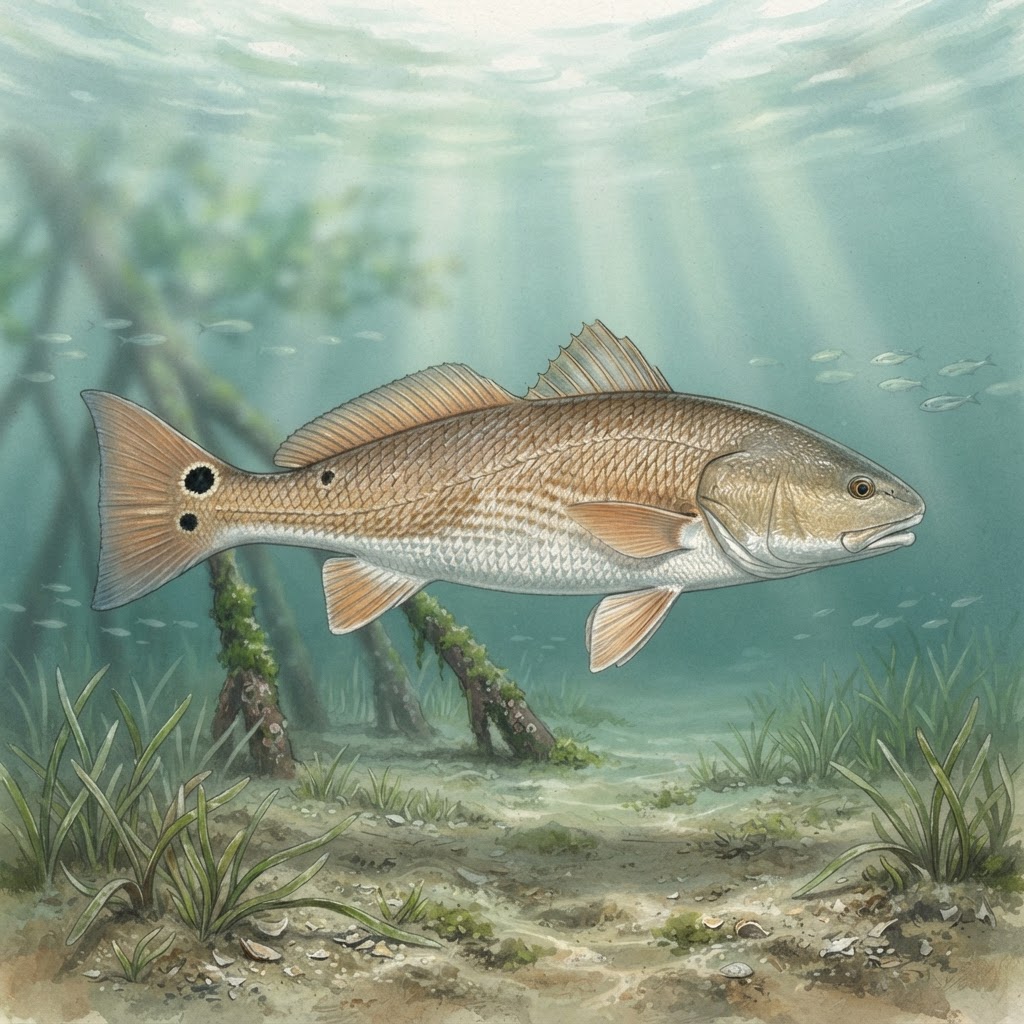
Redfish
Sciaenops ocellatus
The bronze battler of the shallows, prized by anglers for its raw pulling power and stubborn tail-standing fight.
Typical Size
15-30 inches, with trophy specimens exceeding 40 inches and 30 pounds.
Prime Seasons
Spring and Fall are prime, though summer tailing provides the best sight-fishing opportunities.
Overview
Redfish, or red drum, are the crown jewel of the shallow-water flats along the Atlantic and Gulf coasts. Known for their copper-bronze coloration and signature black spot near the tail, they are prized for their endurance and their willingness to feed in mere inches of water. Anglers target them for the visual excitement of sight-fishing, where the 'tailing' of a redfish above the water surface indicates a feeding frenzy.
Beyond their reputation as a top game fish, redfish are legendary on the dinner table. They occupy a wide variety of habitats, making them accessible to everyone from kayak anglers to offshore boaters. Their tendency to roam grass flats, oyster bars, and deep-water docks provides a diverse range of fishing experiences that challenge both the technical skill and patience of any angler.
Identification
- Coppery-bronze to reddish-brown scales on the back.
- Prominent black spot on the upper portion of the tail base.
- Sub-terminal mouth positioned downward for bottom feeding.
- Elongated, muscular body built for endurance.
- Silvery-white underside.
Habitat
Diet & Forage
Behavior & Feeding
Redfish are opportunistic predators that patrol shallow flats, oyster bars, and grass beds, often tailing while rooting for crustaceans. They are most active during low-light periods at dawn and dusk, though they will aggressively strike surface lures or jigs throughout the day if tide movement is sufficient. Seasonally, adult fish migrate to nearshore reefs and inlets, while juveniles remain in brackish estuaries to seek refuge from predators.
Spawning
Redfish generally spawn in late summer and early autumn, typically between August and October, as water temperatures begin to cool from peak summer highs. During this time, large schools of mature fish congregate near inlets and passes to release eggs in high-salinity waters. This period often results in a decrease in shallow-water activity as the large bulls move offshore, making it a prime time to target inlets rather than internal grass flats.
Water Temperature
Weather Triggers
Approaching Cold Front
Redfish feed aggressively to pack on energy reserves; use larger lures and faster retrieves.
High Barometric Pressure
Fish become skittish and hold tight to structure; switch to natural baits or scent-enhanced soft plastics with a finesse approach.
Incoming Tide with Overcast Sky
Low light levels and fresh water movement encourage boldness; fish topwater plugs and shallow-running swimbaits with high confidence.
Depth by Season
Best Lure Rigs & Setups
Soft Plastic Jig
When: Versatile search bait for grass lines and potholes.
Setup: 1/8 to 1/4 oz lead jig head, 3-4 inch paddle-tail plastic, 20lb fluorocarbon leader.
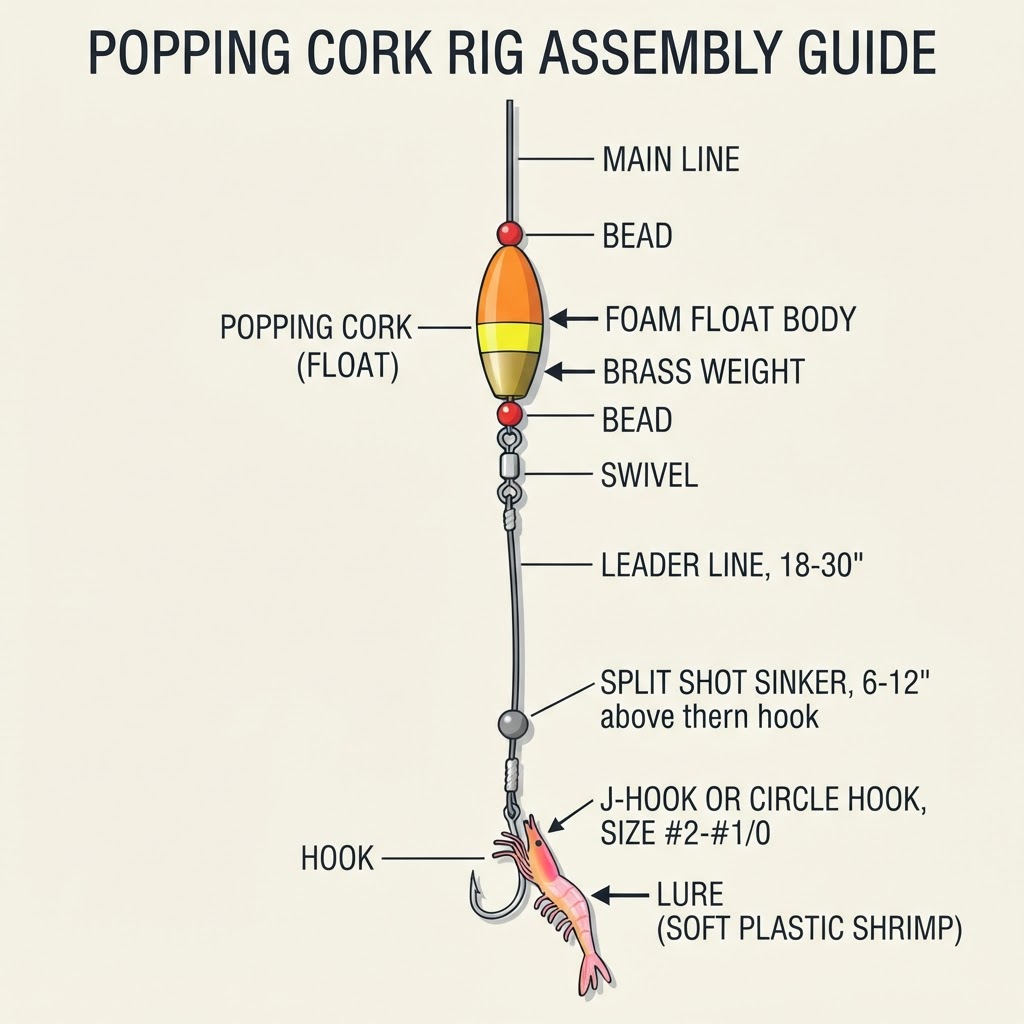
Live Shrimp/Crab Under Popping Cork
When: When fish are spooky or holding near oyster bars.
Setup: 2/0 circle hook, 18-24 inch fluorocarbon leader, weighted rattling popping cork.
Texas Rig
When: Targeting fish holding deep inside heavy marsh vegetation.
Setup: 1/0 to 3/0 EWG hook, weedless soft plastic jerkbait, 1/8 oz bullet weight.
Best Knots
Lures That Catch Redfish
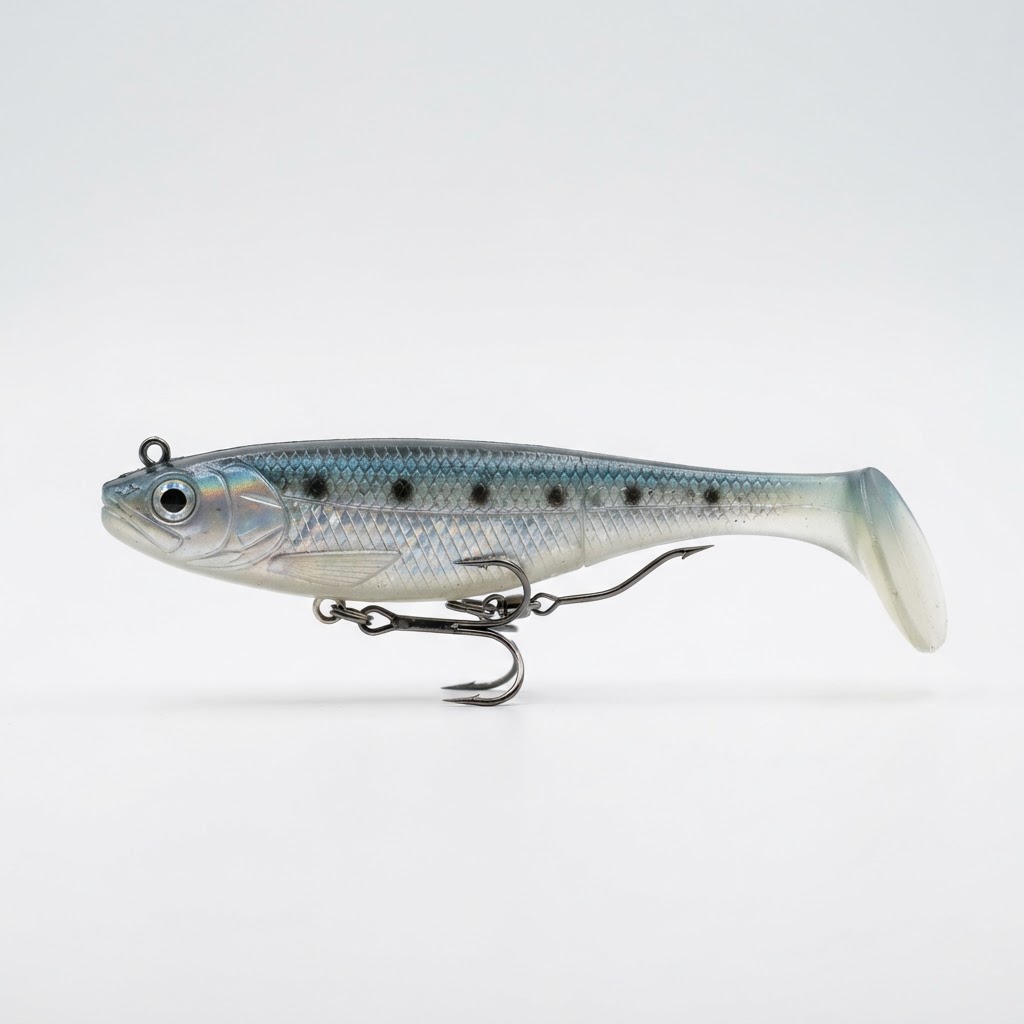 Swimbaits
Paddle-Tail Swimbait
A natural swimming profile for any predator.
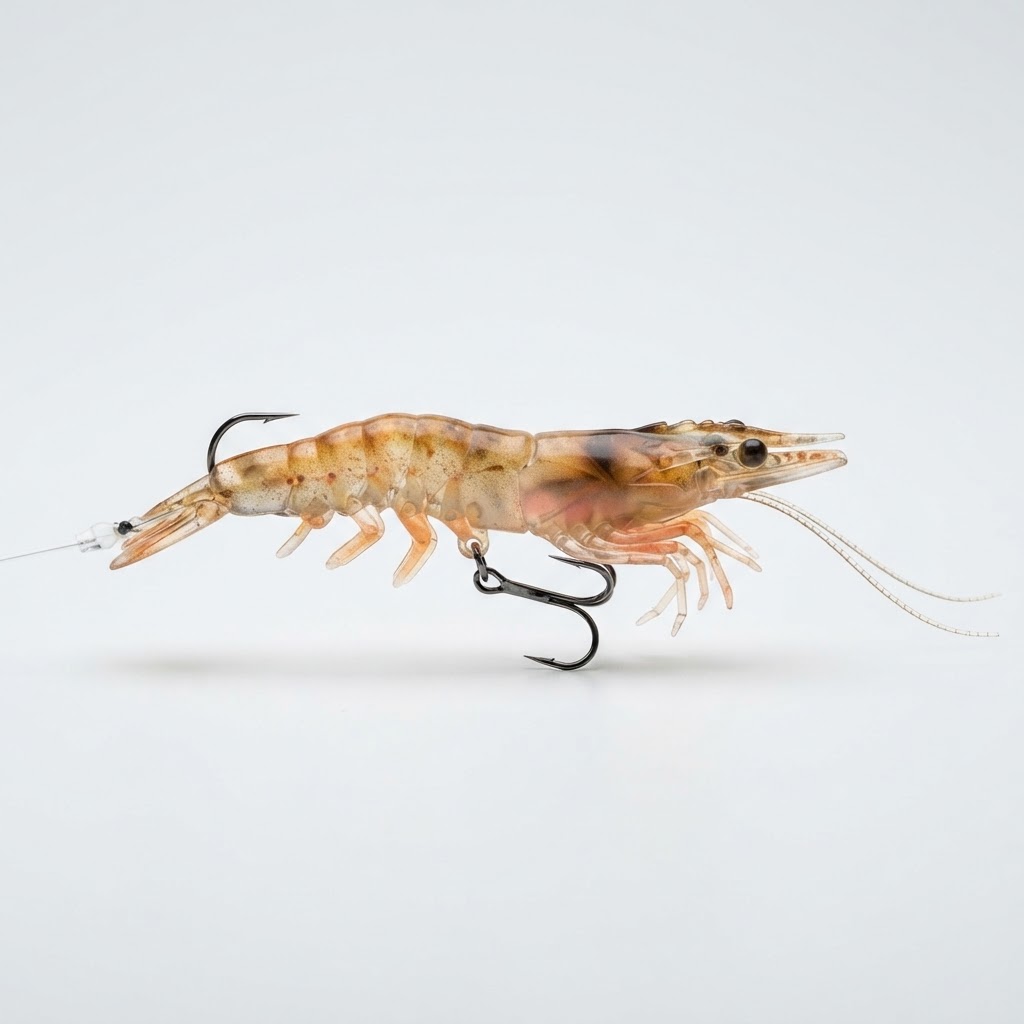 Live Bait
Shrimp
Inshore saltwater's can't-miss bait.
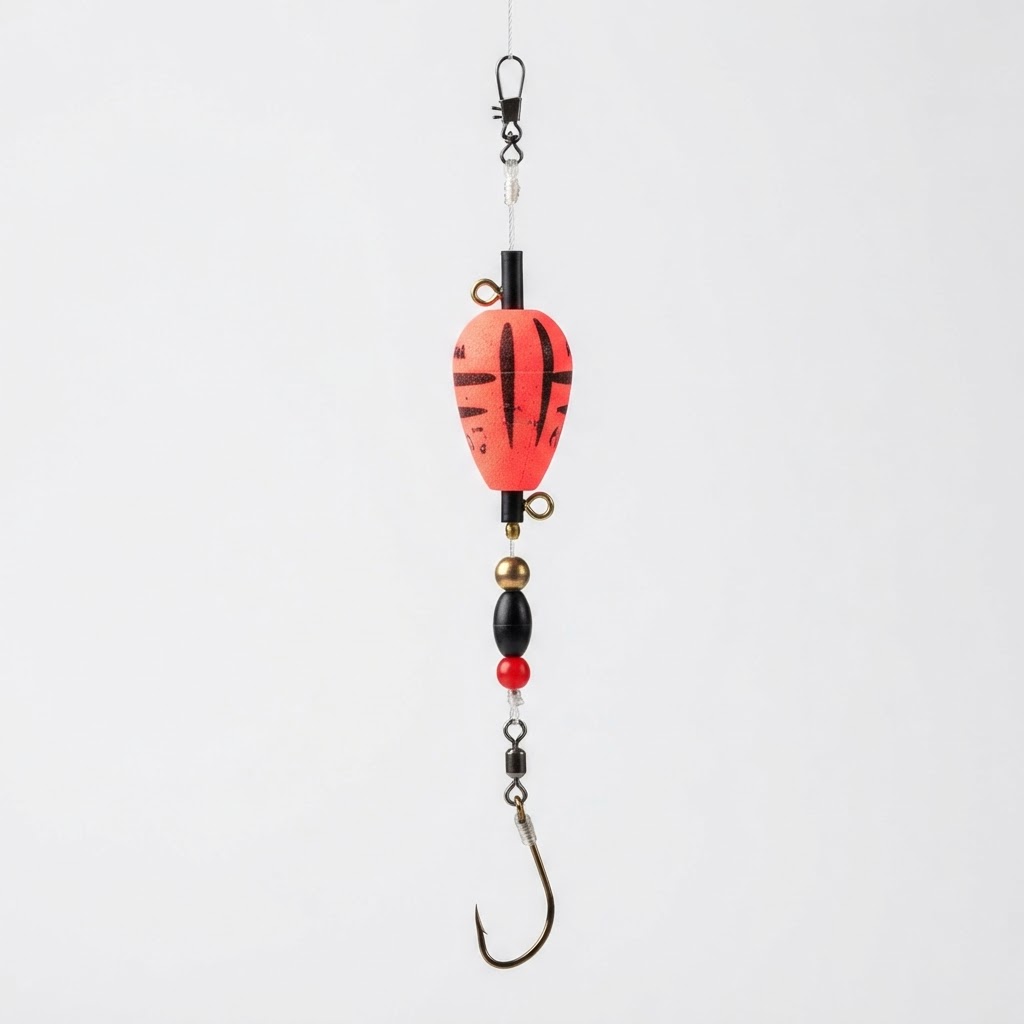 Rigs & Terminal
Popping Cork Rig
The inshore noise-maker that calls fish in.
Rigs From The Library For Redfish
 0-15 ft
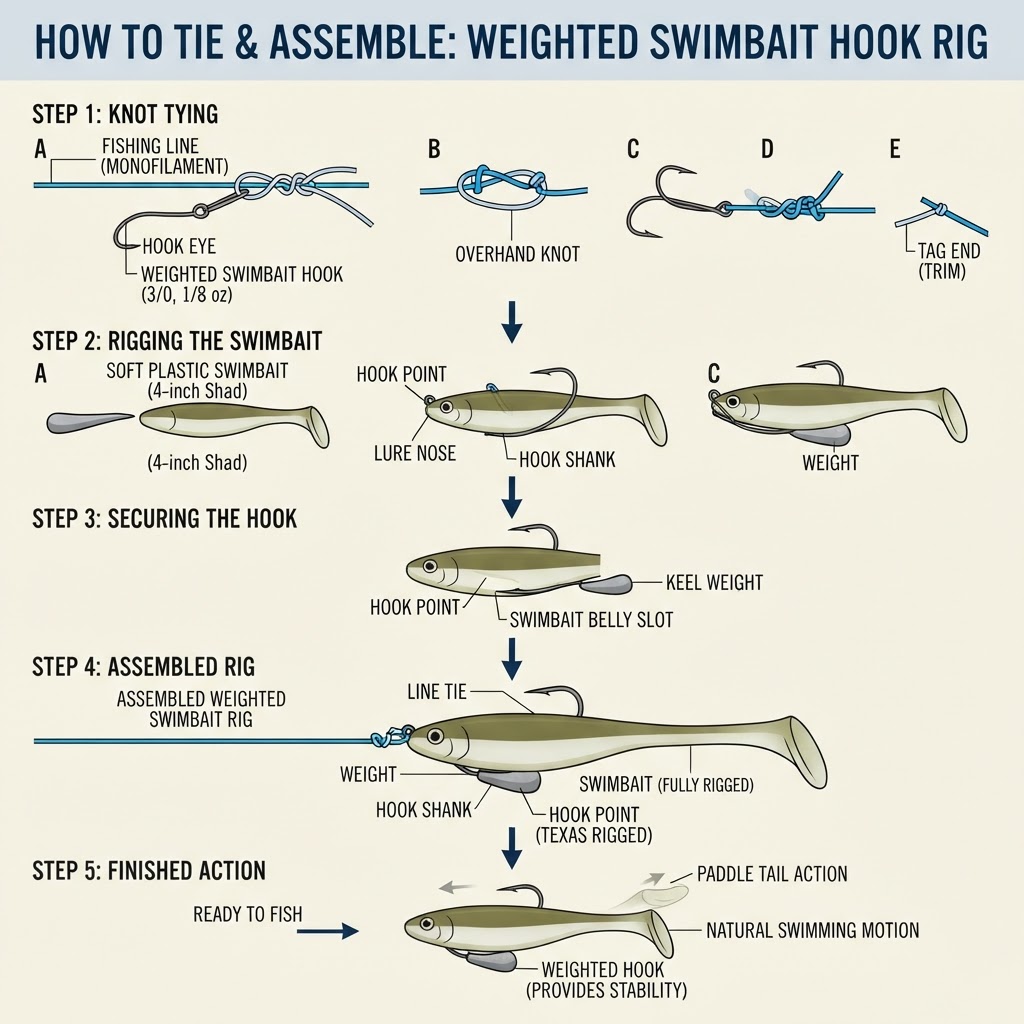
Swimbait (Weighted Swimbait Hook)
The ultimate weedless search-bait that mimics a fleeing baitfish through the heaviest cover.
 5-60 ft
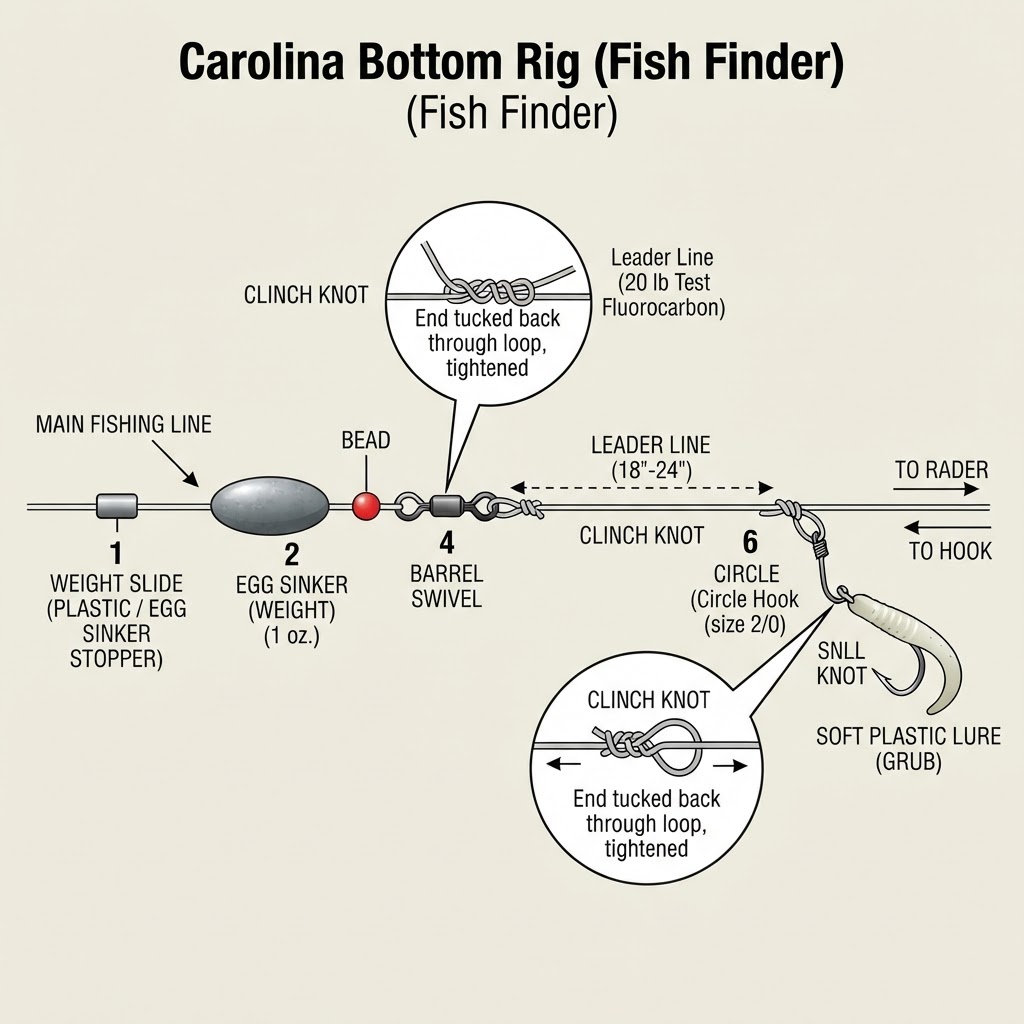
Carolina Bottom Rig (Fish Finder)
The ultimate bottom-hugging presentation that allows fish to pick up your bait without feeling the resistance of your heavy sinker.
 1-5 ft
Popping Cork Rig
The ultimate sensory rig that mimics a feeding frenzy to draw strikes from predators hovering over flats and structure.
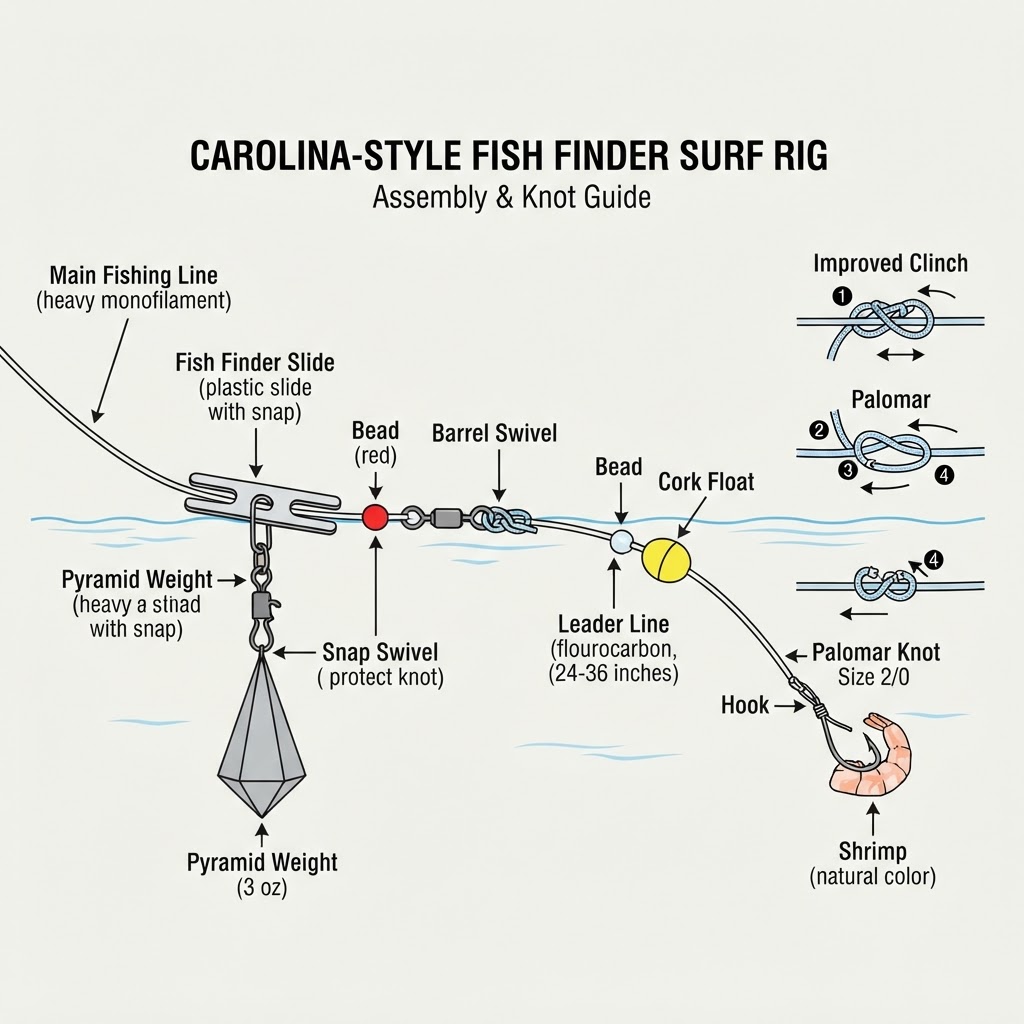 0-30 ft
Carolina-Style Fish Finder Surf Rig
The ultimate bottom-grazing surf rig that allows bait to drift naturally while keeping the weight securely anchored in heavy current.
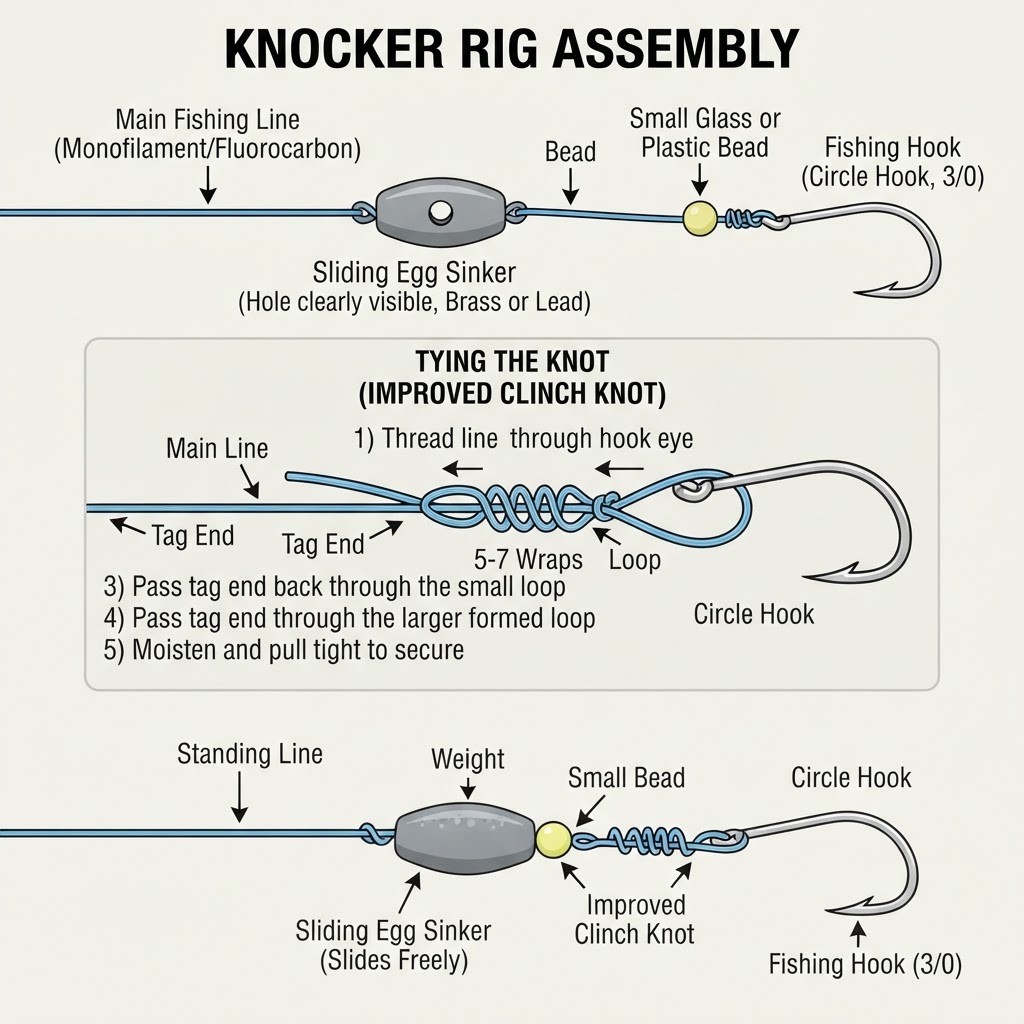 10-100+ ft
Knocker Rig
The ultimate bottom-contact rig designed to keep your bait pinned directly against structure where predatory fish hunt.
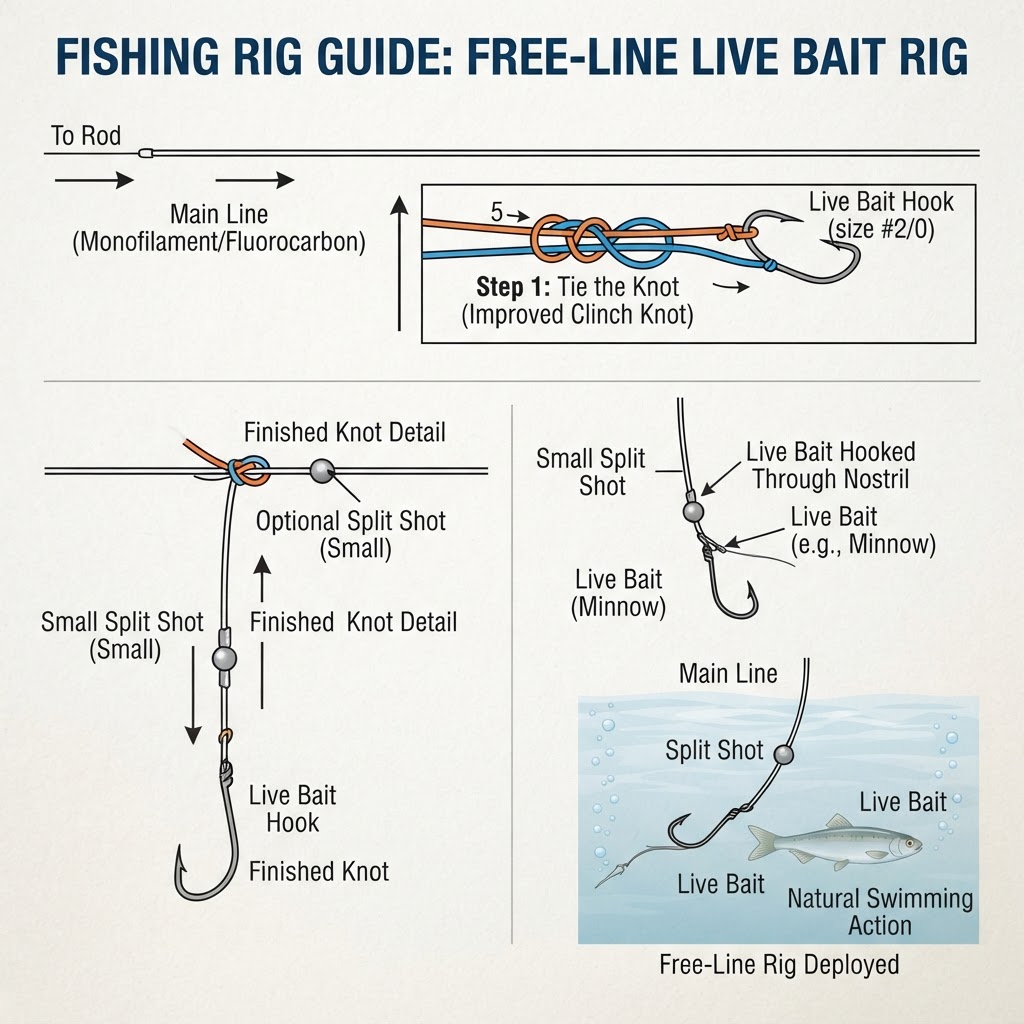 0-10 ft
Free-Line Live Bait Rig
The ultimate stealth presentation for wary predators using the natural, unhindered movement of live bait.
Catch more redfish — free
Create a free account and unlock the full angling toolkit:

