Field to Table: Mastering the Slow-Roasted Bear and Root Vegetables
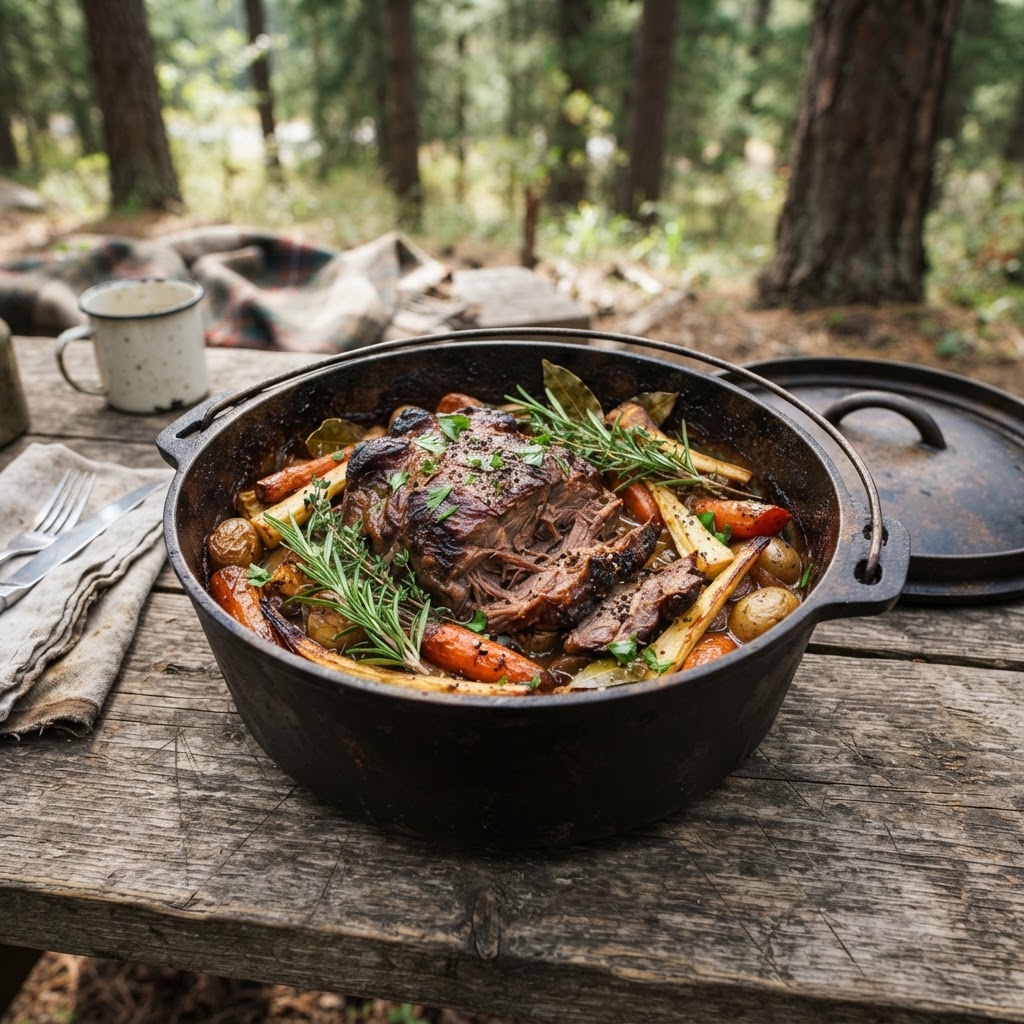
Elevating Your Wild Harvest
For many hunters, the harvest of a black bear is the culmination of long hours spent in the woods, often relying on to time their efforts perfectly. While bear meat is perhaps one of the most underrated proteins in the North American woods, it is often misunderstood. Bear is incredibly rich, slightly sweet, and when prepared correctly, rivals the finest beef roasts found in high-end butcher shops. The key to success is preparation, temperature control, and a patient approach to cooking that respects the animal.
Free hunting map, zones & 50-state resources
Save your spots, share zones with your group, and get deer & waterfowl movement forecasts — free.
Understanding the Cut
Bear meat is notoriously lean, meaning it doesn't have the intramuscular fat (marbling) found in grain-fed beef. Instead, fat in bears is typically external. When you are processing your bear, take the time to remove any excess silver skin and loose connective tissue. A roast cut from the shoulder or the rump is ideal for slow-cooking. Because the meat is lean, it craves moisture and a low-temperature environment to break down muscle fibers without drying out. Unlike deer, bear meat must always be cooked to an internal temperature of at least 160°F to ensure any parasites like Trichinosis are completely eliminated. This may sound like a recipe for a dry meal, but the secret lies in the braising process.
The Ingredients
- 3-4 lb. Bear roast (shoulder or rump, trimmed)
- 3 tbsp. High-smoke point oil (grapeseed or avocado)
- 1 lb. Carrots, peeled and cut into 2-inch chunks
- 1 lb. Parsnips, peeled and cut into 2-inch chunks
- 1 Large yellow onion, quartered
- 4 Cloves of garlic, smashed
- 2 cups Beef or game bone broth
- 1 cup Dry red wine
- 2 Sprigs of fresh rosemary
- 3 Sprigs of fresh thyme
- Sea salt and freshly cracked black pepper
The Method: Step-by-Step
1. The Sear
Start by patting the roast completely dry with paper towels. Season it generously with salt and pepper. Heat your oil in a heavy-bottomed Dutch oven over medium-high heat. Once the oil begins to shimmer, place the roast in the pot. Sear every side until a deep, mahogany crust forms. This browning is essential for developing the savory depth of the final sauce.
E-Tag States

Harvest Tags
E-check means you supply the tag. Printed with the exact fields your state requires.
3-pack $22.95
2. The Aromatics
Once the roast is seared, remove it from the pot and set it aside. Add your onion, carrots, and parsnips to the hot fat left in the Dutch oven. Sauté for 5-7 minutes until the vegetables begin to caramelize slightly. Toss in the smashed garlic for the final minute, being careful not to burn it.
3. The Braise
Pour in the red wine, scraping the bottom of the pot with a wooden spoon to release the 'fond'—the flavorful browned bits left behind from the roast. Add the broth and the herbs. Nest the roast back into the pot, ensuring it is resting atop the vegetables.
4. The Long Cook
Cover the pot with a tight-fitting lid and transfer it to an oven preheated to 300°F. Cook for approximately 3 to 4 hours. The goal is to reach an internal temperature of 165°F-170°F. The roast should be tender enough to pull apart with a fork, but not so overcooked that it turns into stringy, dry fibers.
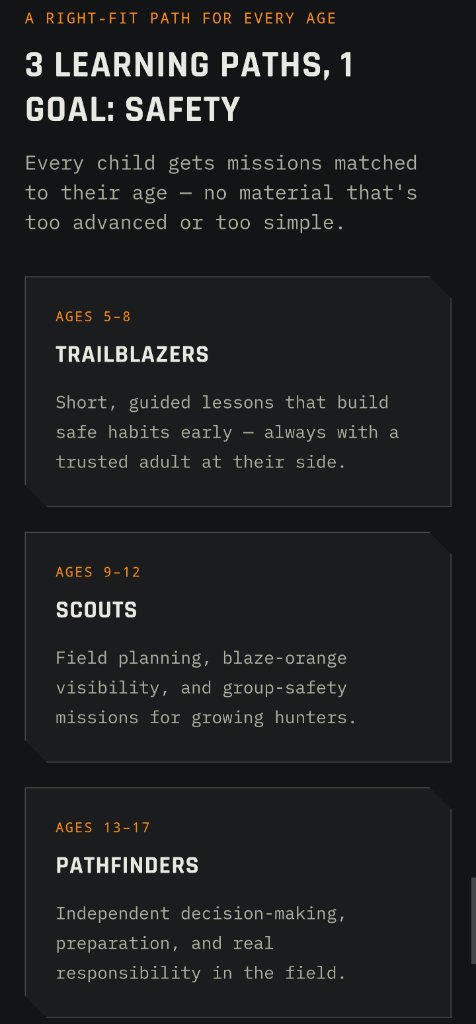
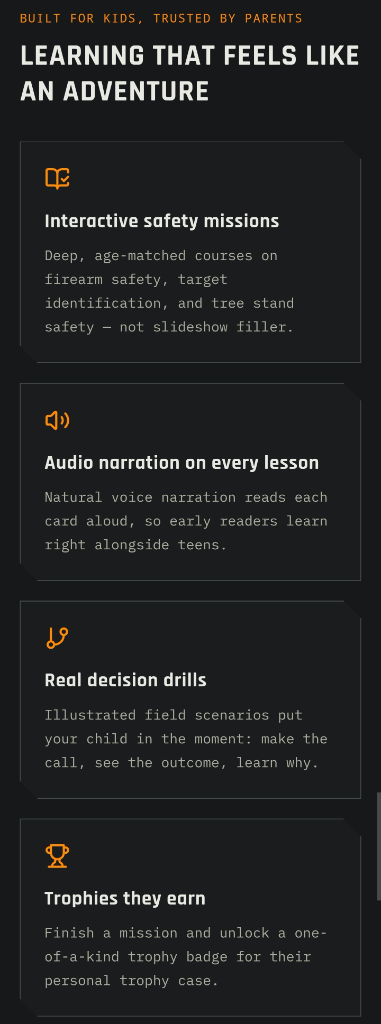
Raise a safe, confident young hunter.
Guide your kids ages 5–17 through interactive hunting safety missions, real decision drills, and earned trophies — all from one free parent account.


Chef’s Tips for Success
Precision is Key
Because bear is not forgiving, do not guess the internal temperature. Use a digital meat thermometer. The difference between a succulent roast and a dried-out piece of protein is often just ten minutes in the oven.
Let it Rest
When you pull the roast from the oven, resist the urge to carve it immediately. Transfer the meat to a cutting board and tent it with foil. Let it rest for at least 15 minutes. This allows the juices to redistribute back into the muscle, ensuring each slice is moist and flavorful.
Balance the Richness
Bear meat has a unique, robust flavor profile that pairs beautifully with acidic components. If you find the finished dish too rich, serve it with a side of acidic pickled vegetables or a simple arugula salad dressed with a sharp lemon vinaigrette to cut through the depth of the game meat.
By following these simple steps, you can turn your harvest into a centerpiece meal that celebrates the wild landscape. Whether you are sharing the table with fellow hunters who value the or simply enjoying a quiet dinner after a long season, this dish honors the animal in the best way possible: by serving it with care and respect.
Join 291 hunters and anglers on Buckeye Hunter Hub — free.
Latest from the Community


New drop
Fresh Buckeye Hunter Hub tees & hoodies


Everything you need to hunt smarter — free
Buckeye Hunter Hub is a free, nationwide platform. Create an account and unlock the full toolkit:
Free Interactive Hunting Map
Mark stands, cameras, and sign. Draw hunting zones with public land & county overlays across all 50 states.
Zones with Group Sharing
Share zones with your hunting group, split property into sections, assign stands, and check in — all in one place.
50 States of Hunting Resources
Season dates, license links, and DNR regulations for every state, kept current so you never miss an opener.
Deer Movement Forecast
Data-driven daily movement predictions using wind, moon, and pressure — know when to sit before you go.
Waterfowl Movement & Tools
Flight-potential forecasts, migration numbers, decoy spread planner, and a full species field guide.
From the Maker Bench

Taggart Outdoors
Padded Rifle Sling
Hand-built in the USA · $134.99
Shop the MakerNew drop
Fresh Buckeye Hunter Hub tees & hoodies
Shop This

StopBox Pro Ward | Wall-Mounted
$179.00$199.99

StopBox Pro Compact
$159.00$179.99

Buckeye Hunter Hub Tee — No Tag Left Behind
$20.55

Buckeye Hunter Hub Hoodie — No Tag Left Behind
$32.87
E-Tag States
Harvest Tags
E-check means you supply the tag. Printed with the exact fields your state requires.
3-pack $22.95
More Articles
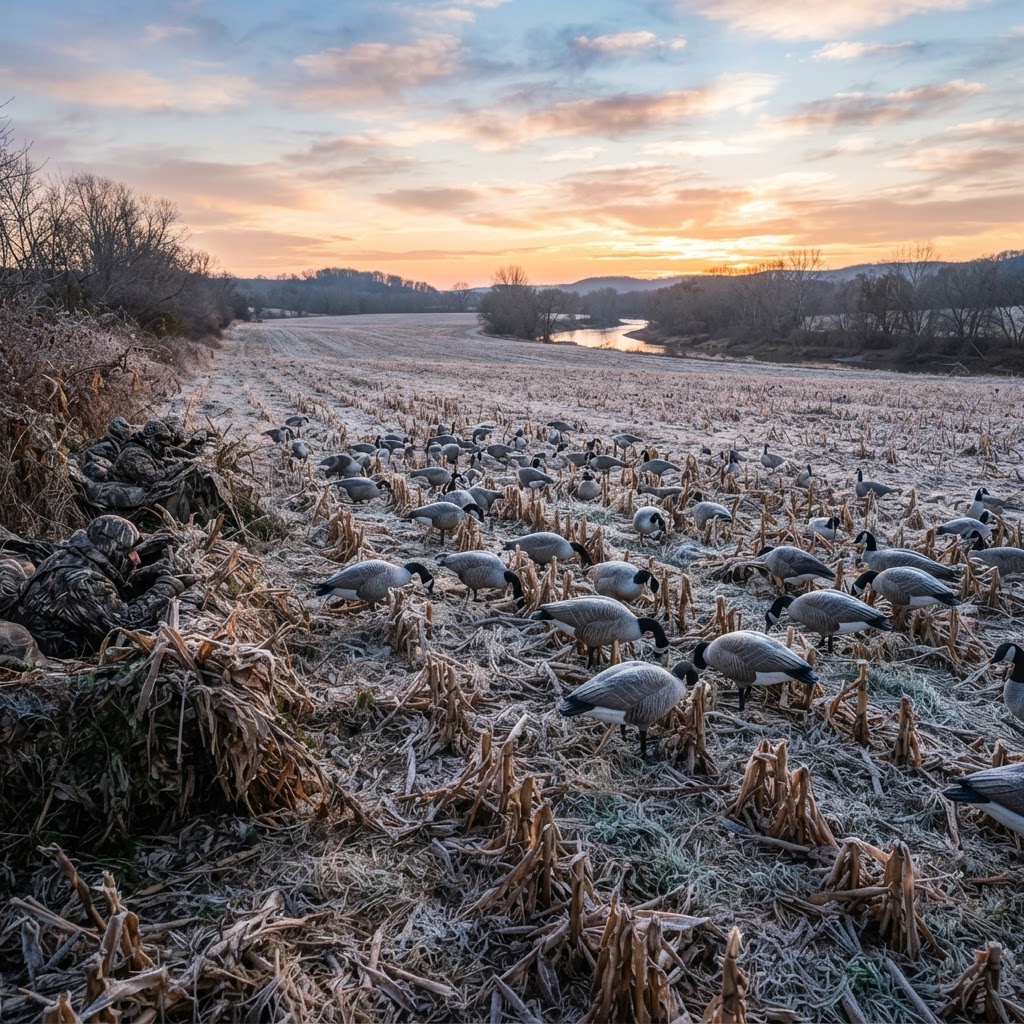
Mastering the Migration: Strategic Canada Goose Tactics for Dry Fields
Success in the dry field hinges on reading the barometer, perfect concealment, and creating a realistic landing pocket. Unlock the secrets to consistent honker harvests with these advanced field tactics.
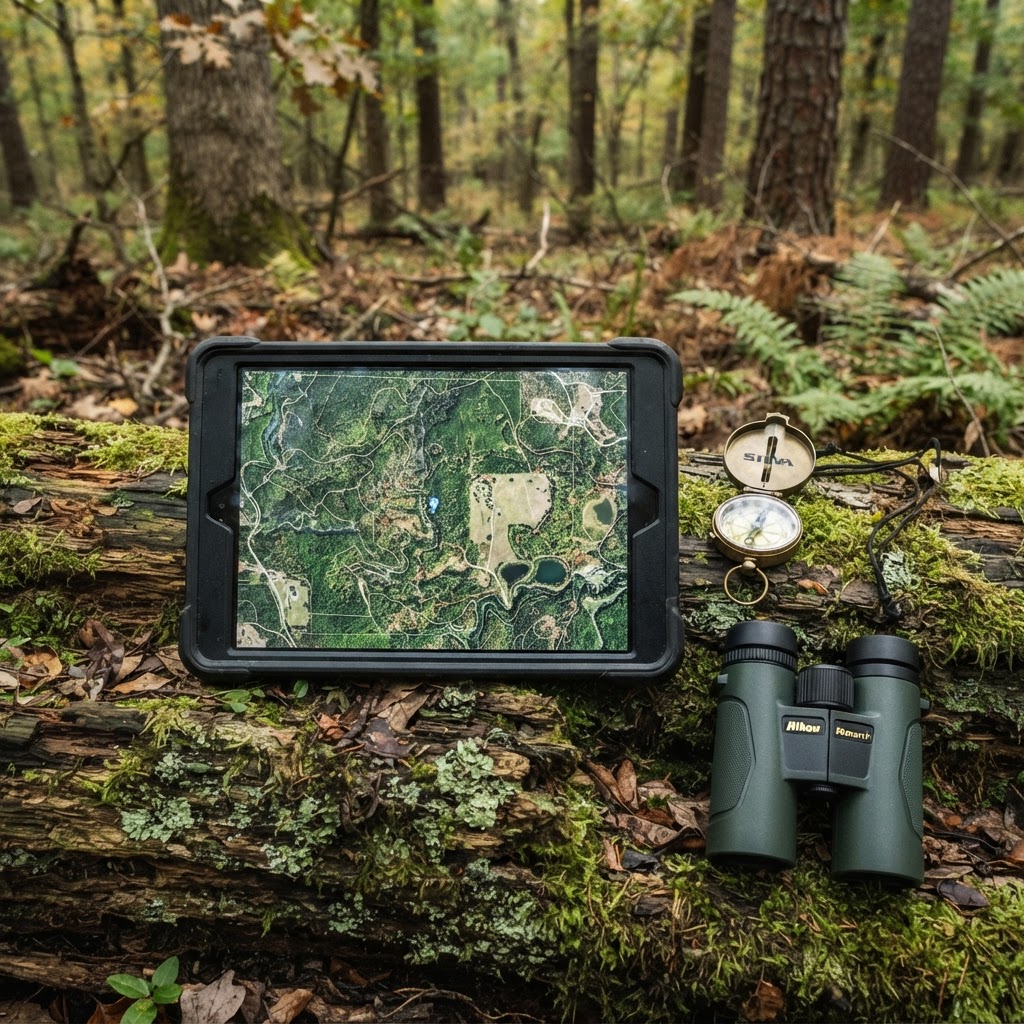
Optimizing Your Scouting: A Practical Approach to Waypoint Management
Transform your chaotic scouting notes into a streamlined digital strategy by mastering the waypoint features of the Buckeye Hunter Hub interactive map. Learn how to pinpoint your next harvest with surgical accuracy.
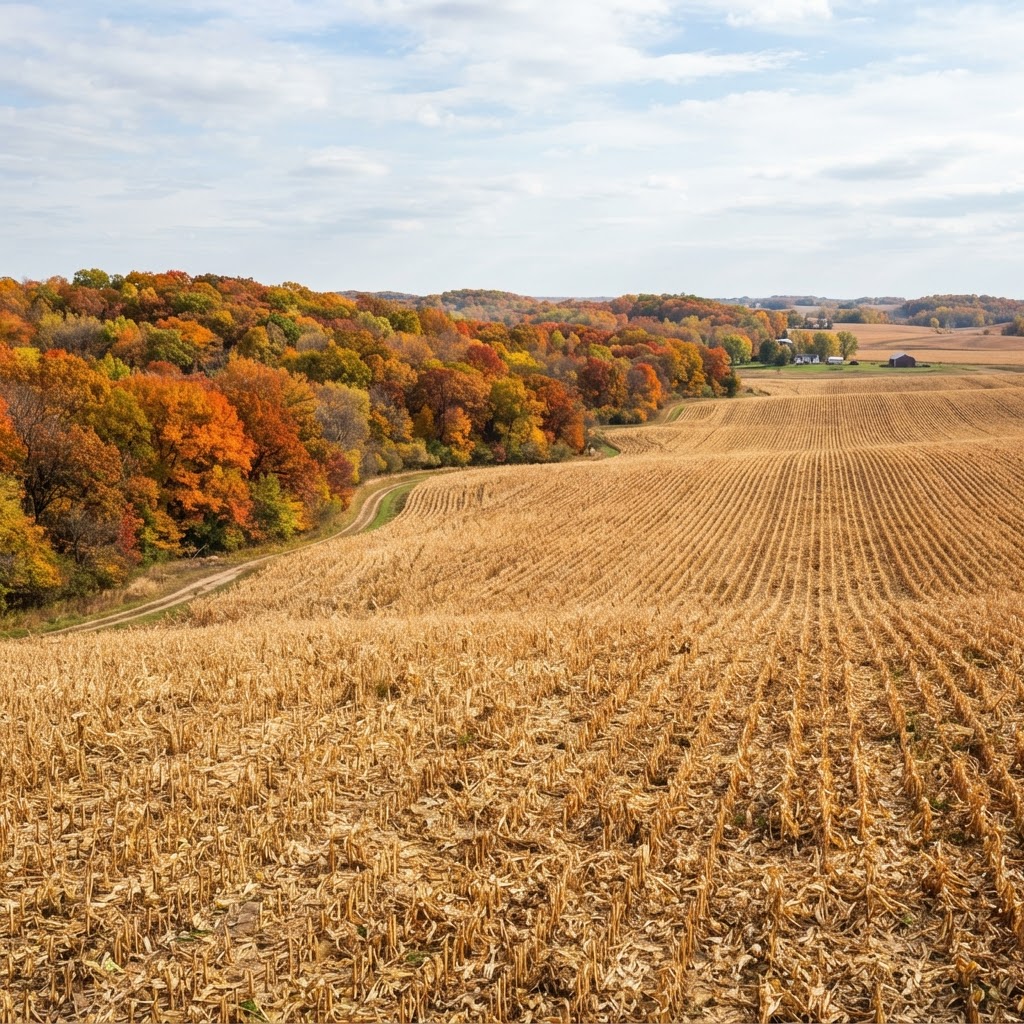
Cornfield Kingdom: Navigating Iowa’s Premier Public Land Opportunities
Iowa is more than just rolling farmland; it is a legendary destination for public land hunters willing to put in the work. Learn how to unlock the Hawkeye State’s best kept secrets.
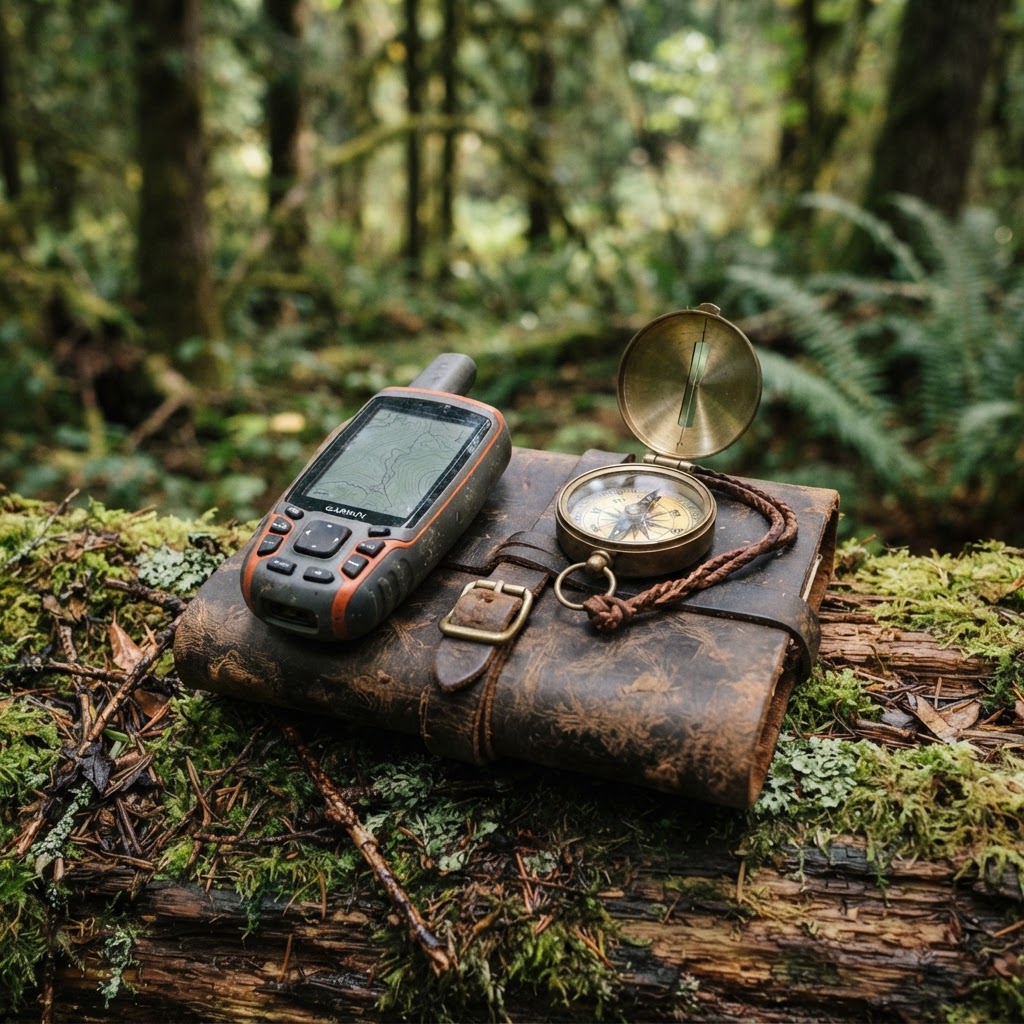
Precision Scouting: Mapping Your Setup for a More Efficient Season
Stop wandering the woods aimlessly and start hunting with purpose by mastering waypoint management for your gear and observations.