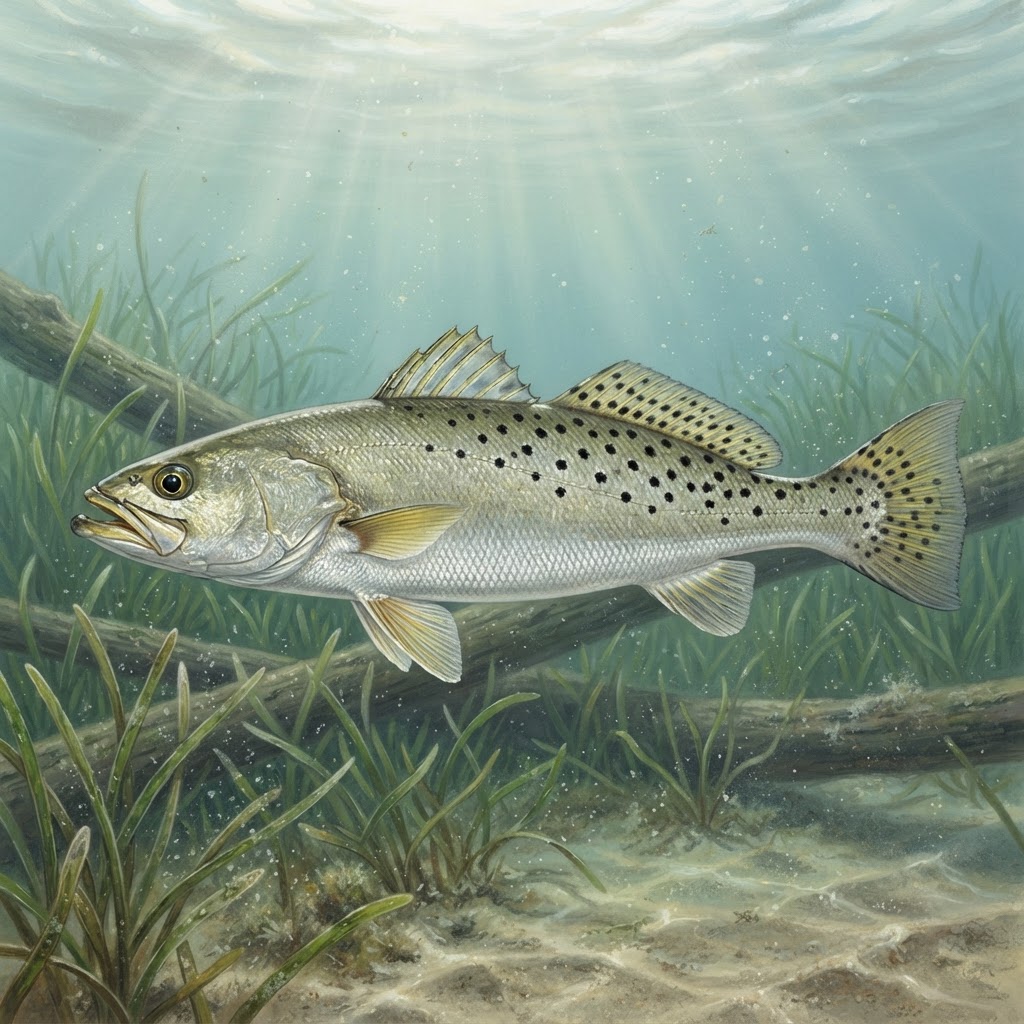
Speckled Trout
Cynoscion nebulosus
The ultimate coastal trophy, known for its delicate mouth and explosive topwater strikes.
Typical Size
14 to 24 inches (1 to 5 pounds), with trophy 'gator' trout exceeding 30 inches and 8 pounds.
Prime Seasons
Spring and Fall are peak periods; however, early summer mornings and winter days in deep holes offer exceptional sight-fishing opportunities.
Overview
The Spotted Seatrout, commonly referred to as the Speckled Trout, is a premier inshore gamefish highly prized by Atlantic and Gulf Coast anglers. Known for their distinctive black spots and aggressive predatory nature, they inhabit shallow grass flats, estuaries, and oyster bars. Anglers target them for their willingness to strike a wide variety of lures and the thrill of sight-fishing in crystal clear shallows.
Because they have thin, paper-like membranes in their mouths, 'Specks' require a soft touch, earning them the nickname 'trout with the glass mouth.' They are schooling fish that migrate based on water temperature and salinity, making them a year-round target that keeps recreational and tournament anglers chasing them across diverse coastal terrains.
Identification
- Distinctive dark spots on the upper back and dorsal fins
- Two prominent canine teeth at the front of the upper jaw
- Silvery-gray body with a darker, iridescent green or blueish back
- Yellowish-tinted fins, particularly the pelvic and anal fins
- Soft, delicate mouth membrane that tears easily
Habitat
Diet & Forage
Behavior & Feeding
Speckled trout are ambush predators that rely on their excellent sight to target baitfish and shrimp near structure, grass flats, and oyster bars. They are most active during low-light periods at dawn and dusk, though they will aggressively hunt throughout the day if current is present. During summer months, they often move into deeper channel edges to escape heat, while in winter they retreat to deeper holes in coastal rivers and estuaries to seek stable temperatures.
Spawning
Spawning typically occurs from March through September when water temperatures remain consistently above 70°F. Large females, often called 'gator trout,' congregate near deep-water passes and inlets during the full and new moons to release eggs. During the height of the spawn, these fish become highly territorial and aggressive, making them susceptible to topwater lures and paddletails worked steadily through the strike zone. Anglers should prioritize catch-and-release of these large, mature females to ensure the longevity of the population.
Water Temperature
Weather Triggers
Falling Barometer
Signals an approaching front which often causes trout to feed ravenously before the pressure drop makes them lethargic.
Post-Cold Front
High pressure and bluebird skies cause trout to hunker down; use scent-heavy baits presented slowly on the bottom.
Overcast
Reduces light penetration, allowing trout to roam away from structure to feed; perfect conditions for loud topwater lures.
Depth by Season
Best Lure Rigs & Setups
Jig Head with Paddletail
When: Versatile search bait for grass flats and edges.
Setup: 1/8 to 1/4 oz jig head with a 3-4 inch scented soft plastic paddletail on 10-15lb fluorocarbon leader.
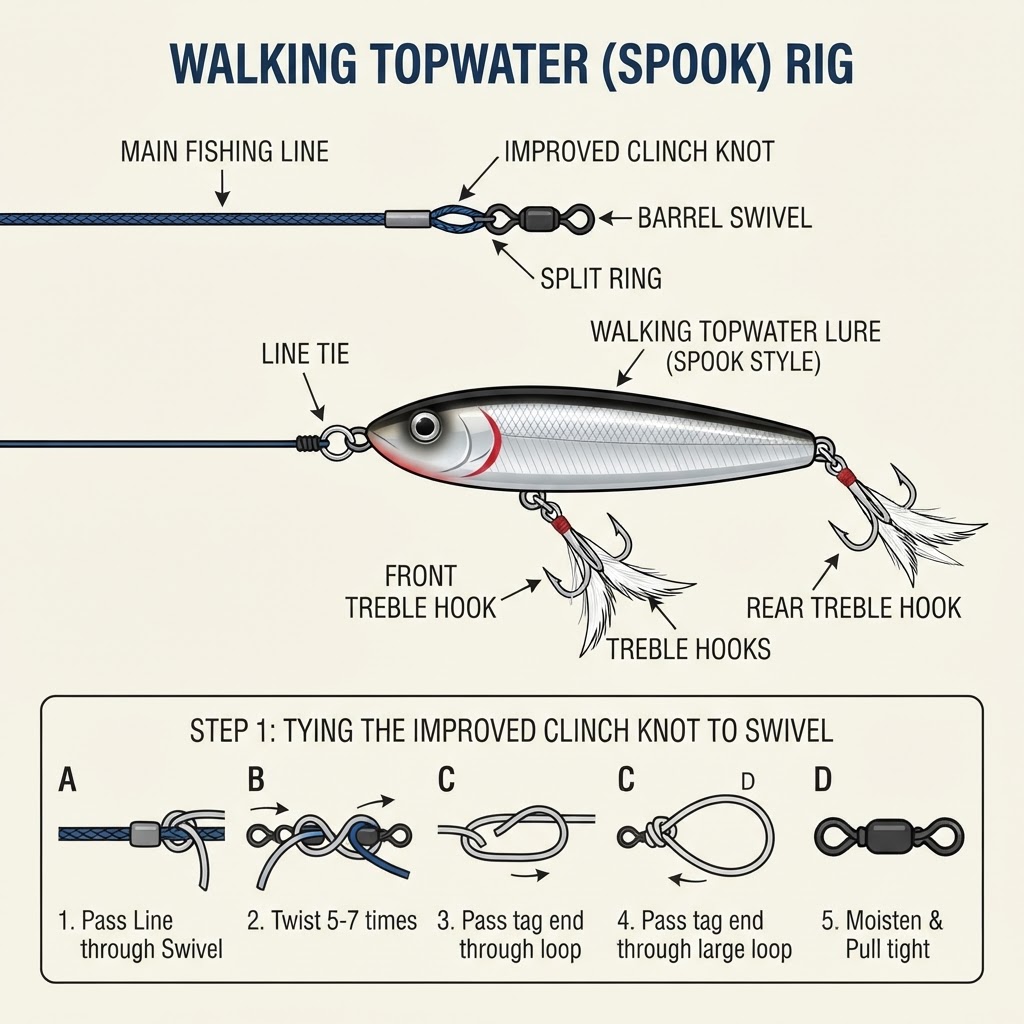
Topwater Walking Bait
When: Best for early morning or low light conditions to trigger explosive strikes.
Setup: 4-inch walking plug tied with a loop knot to 20lb monofilament leader for better action.
Live Shrimp under a Popping Cork
When: Essential for finicky trout or when fish are holding over submerged vegetation.
Setup: Cajun Thunder style popping cork, 2-3 ft of 15lb fluorocarbon, and a #1/0 circle hook.
Soft Plastic Jerkbait (Weightless)
When: Used when fishing very shallow over thick grass where jigs would snag.
Setup: 4-5 inch soft jerkbait rigged weedless on a 3/0 EWG hook with no weight.
Best Knots
Lures That Catch Speckled Trout
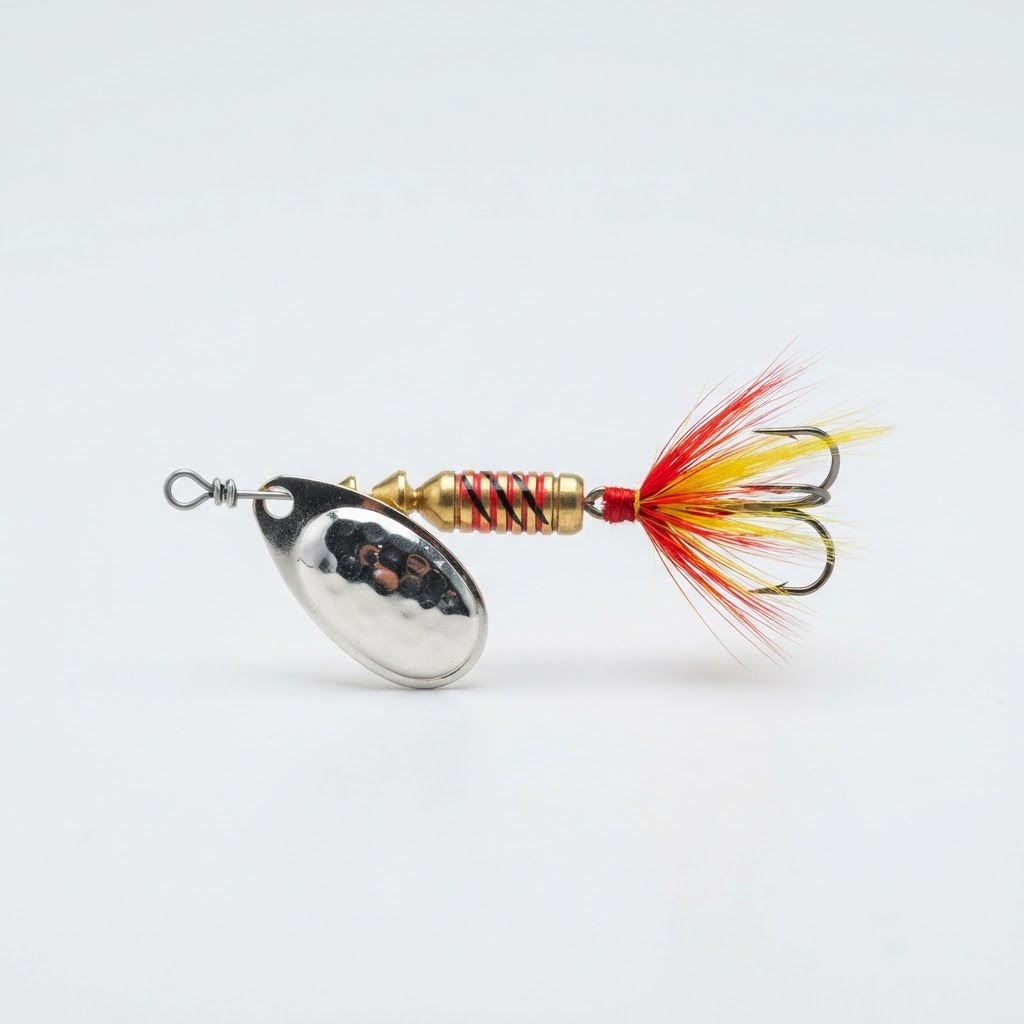 Spinner & Bladed
Inline Spinner
Simple, deadly flash for trout and panfish.
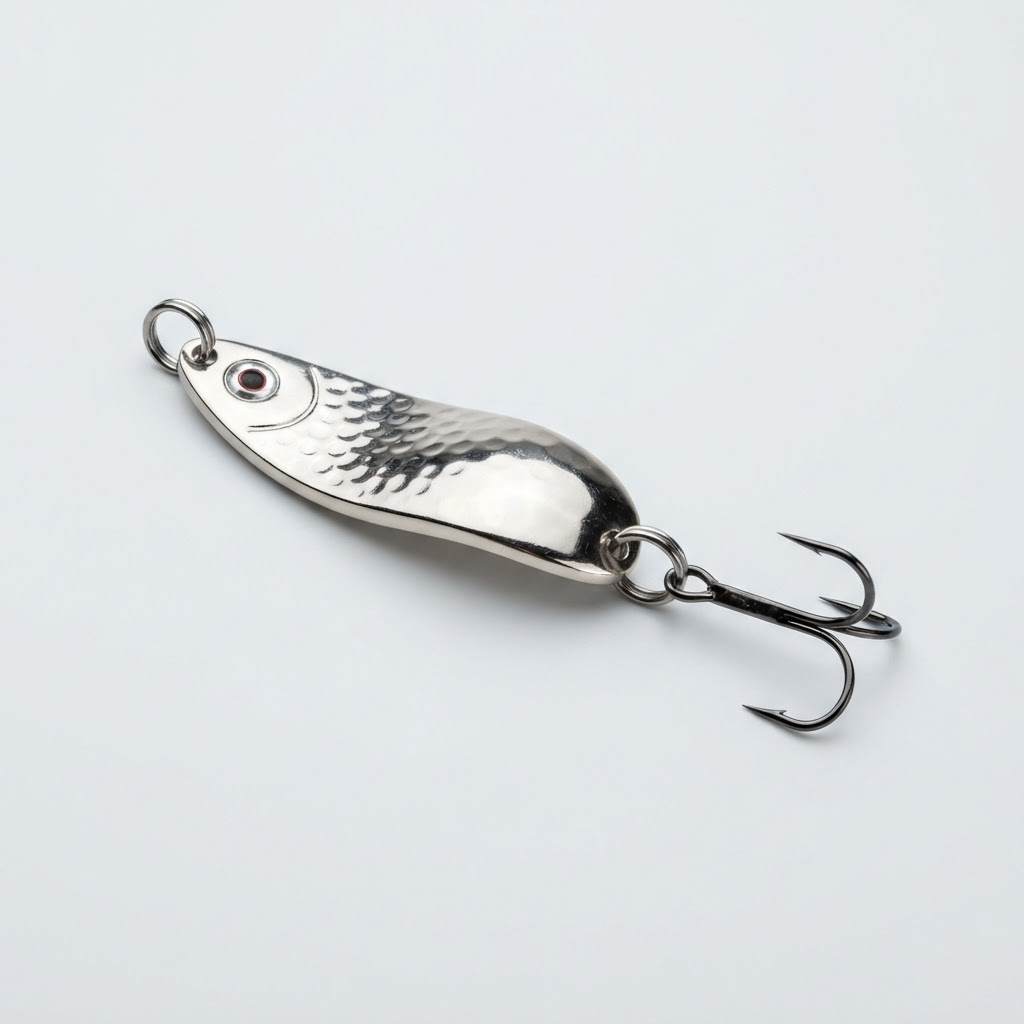 Spoons
Casting Spoon
Wobbling flash that fires up big fish.
 Live Bait
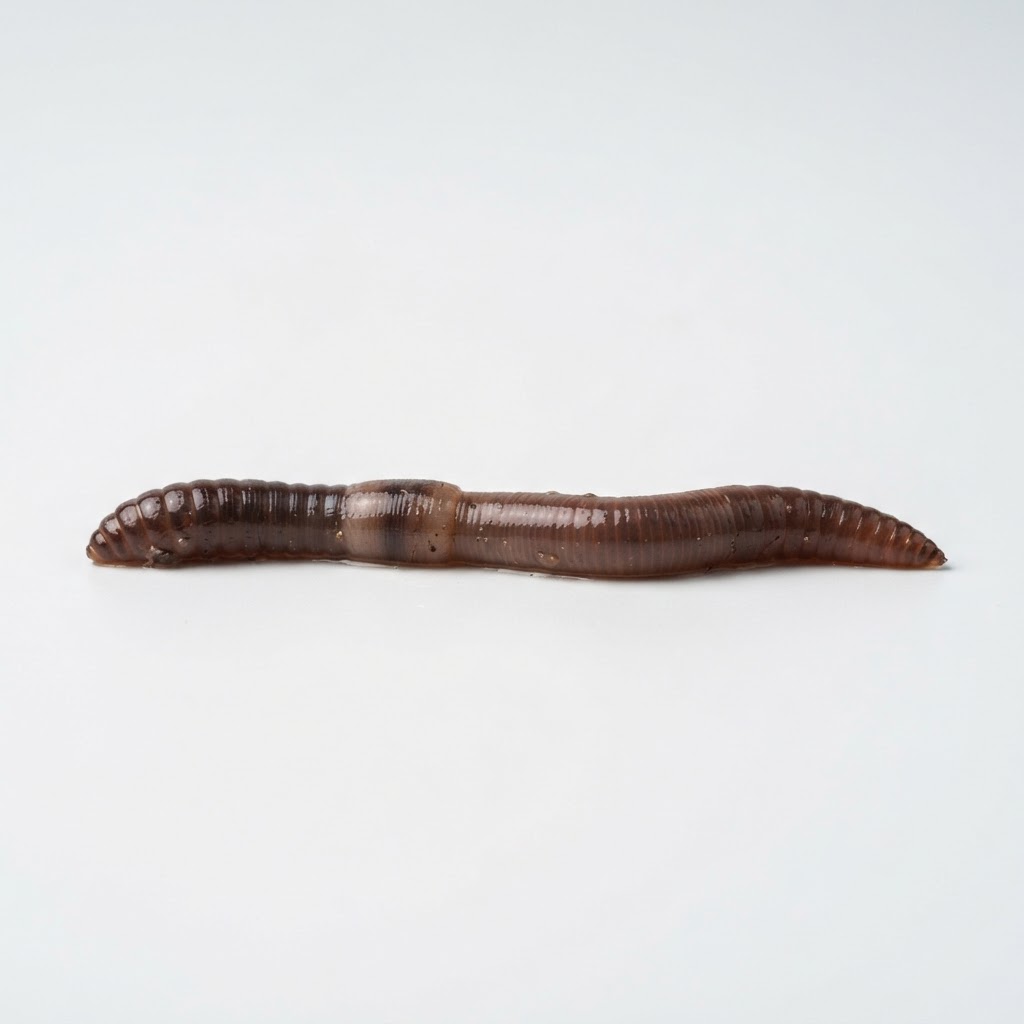
Nightcrawler
Nothing beats live worm for numbers.
 Flies
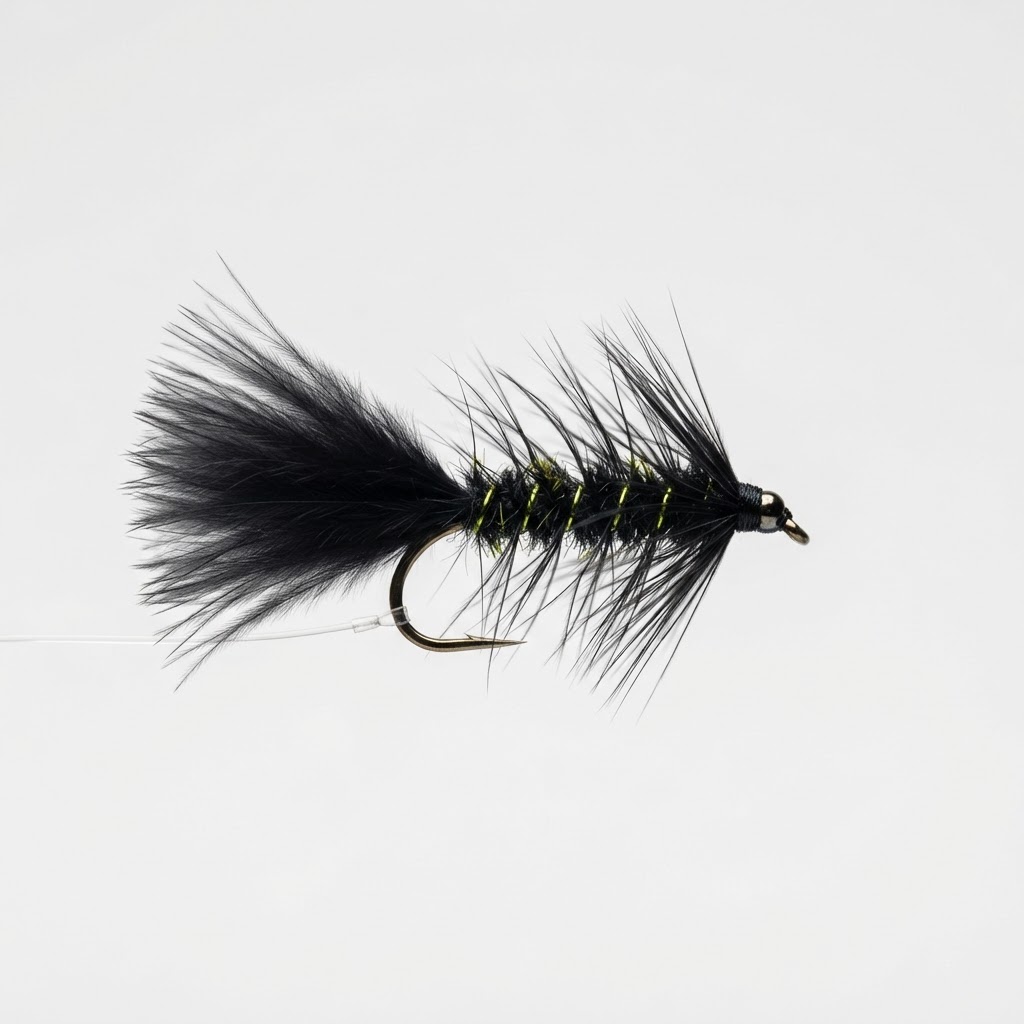
FliesWoolly Bugger
The most versatile fly ever tied.
 Flies
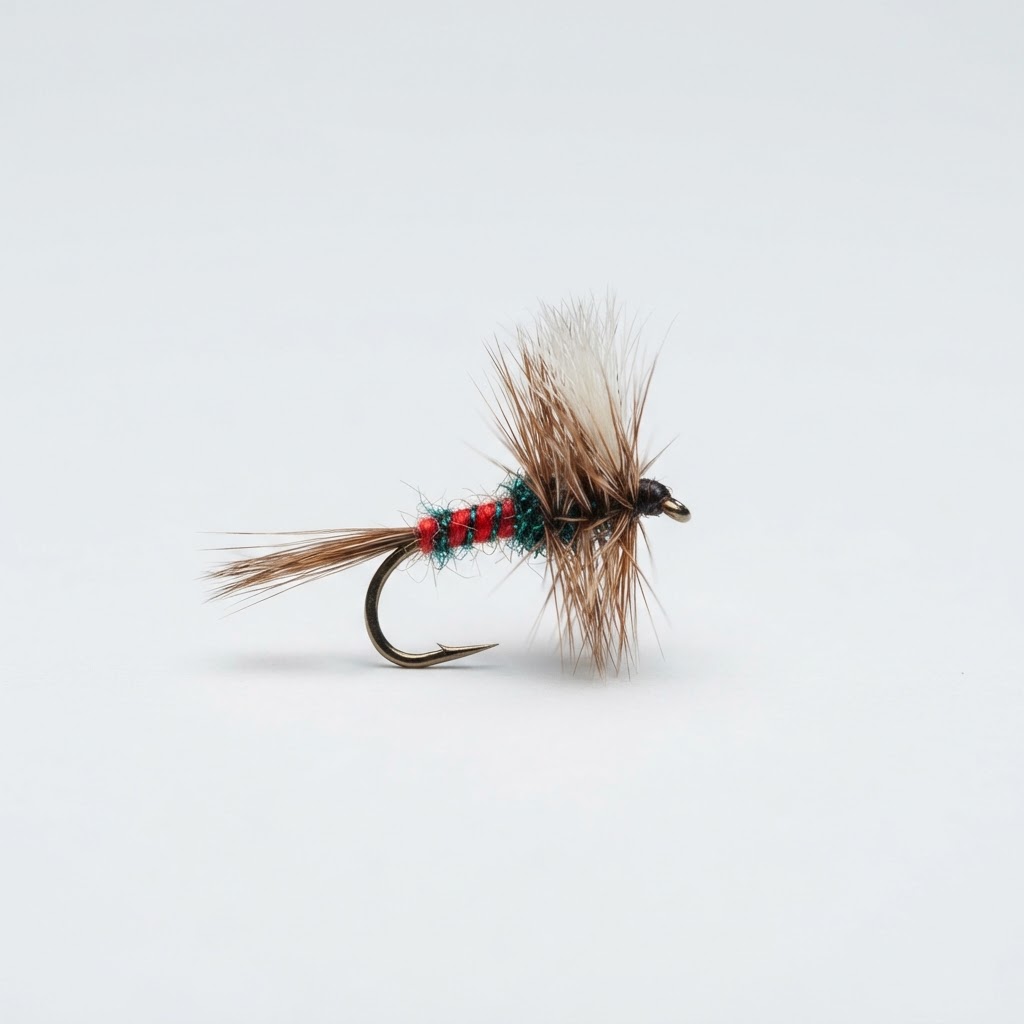
FliesDry Fly
Match the hatch for surface-feeding trout.
 Live Bait
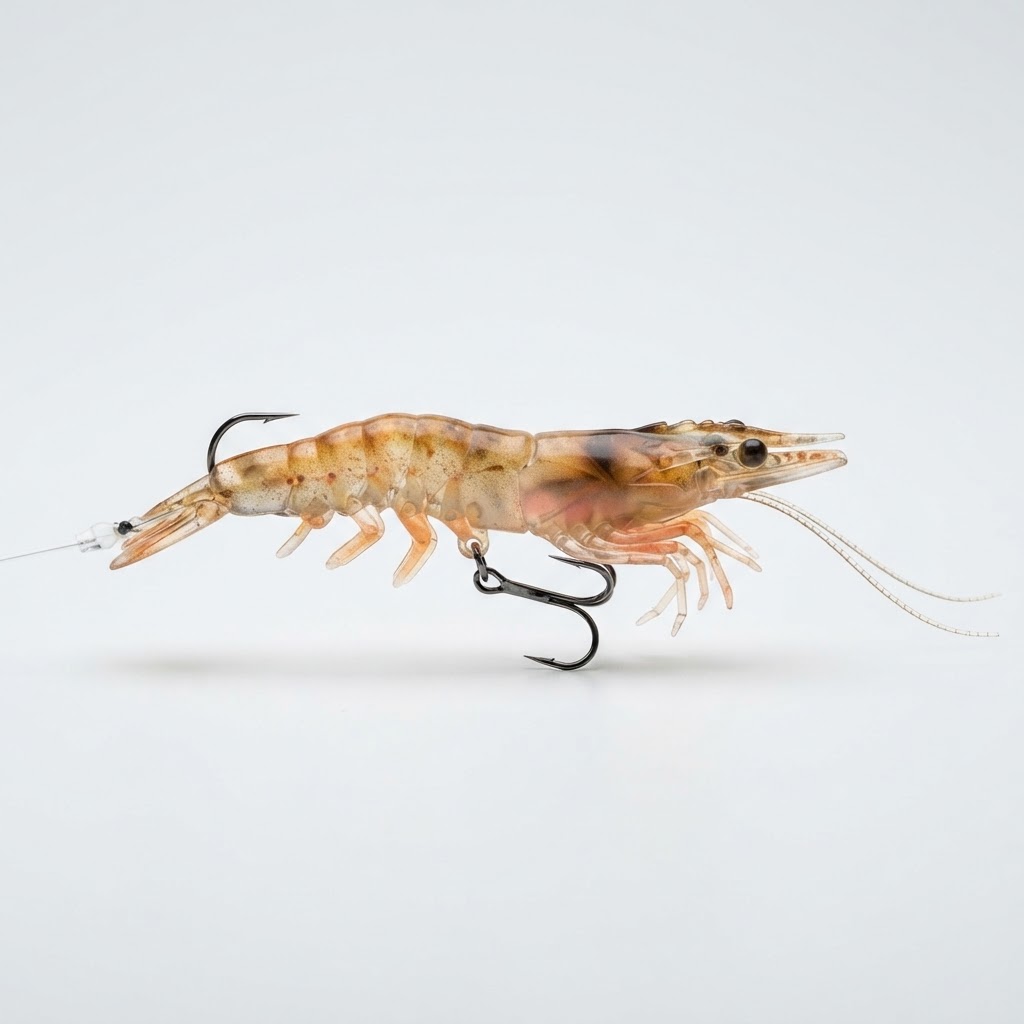
Shrimp
Inshore saltwater's can't-miss bait.
 Flies
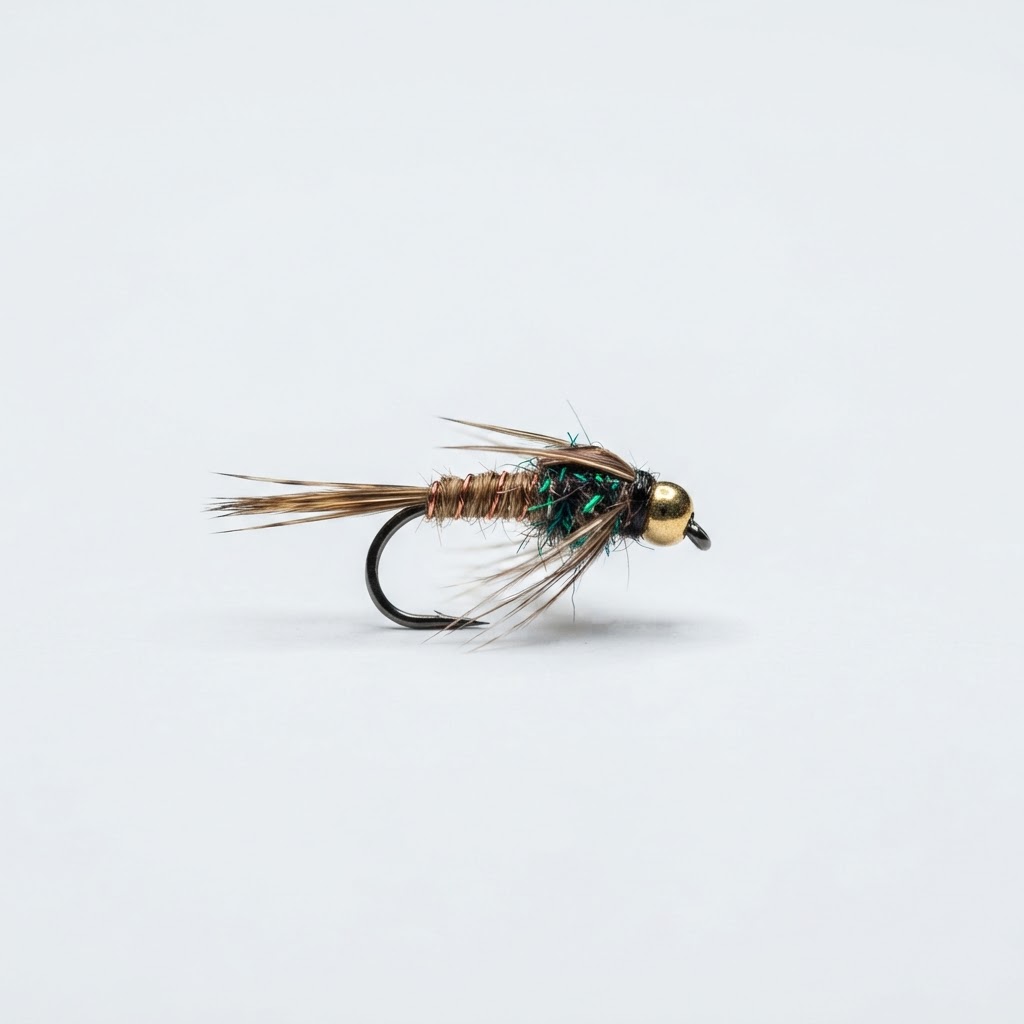
FliesNymph Fly
Subsurface trout food, drifted deep.
 Rigs & Terminal
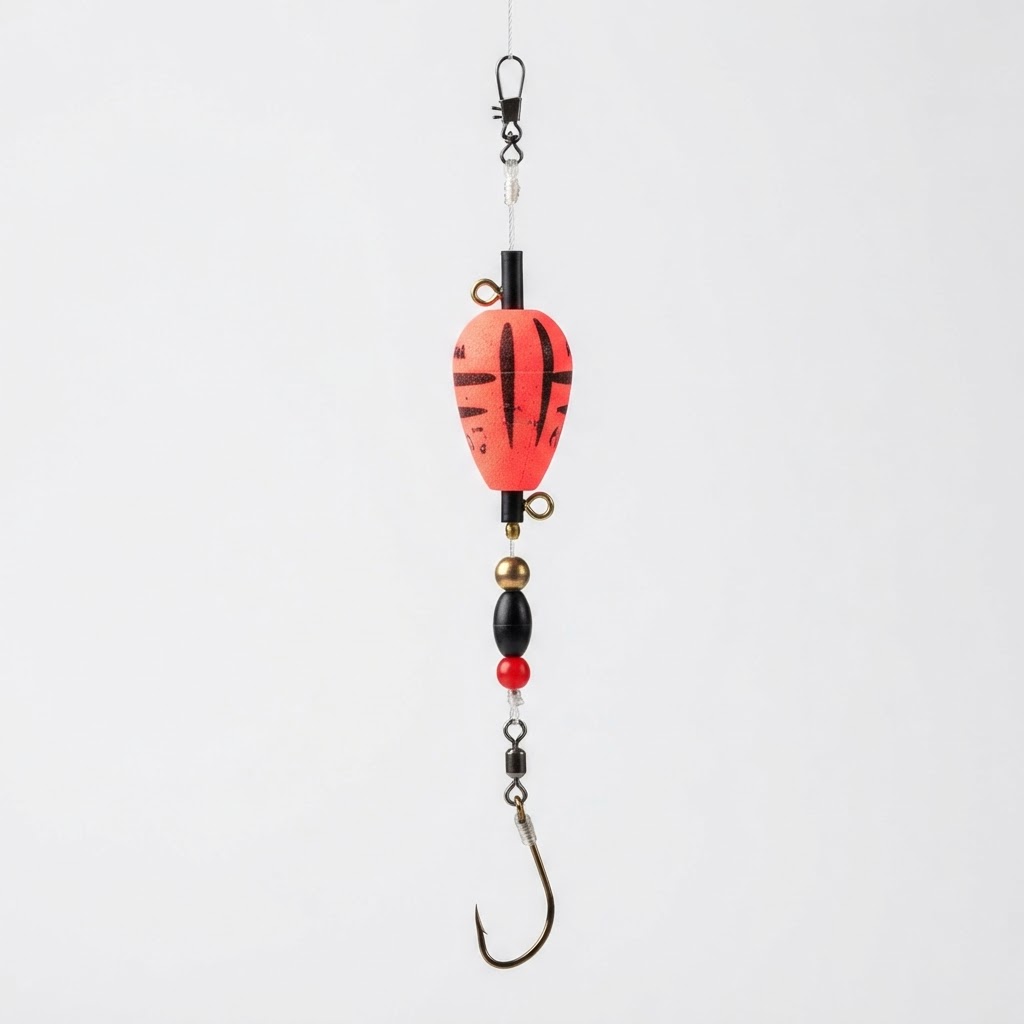
Popping Cork Rig
The inshore noise-maker that calls fish in.
Rigs From The Library For Speckled Trout
 0-20 ft
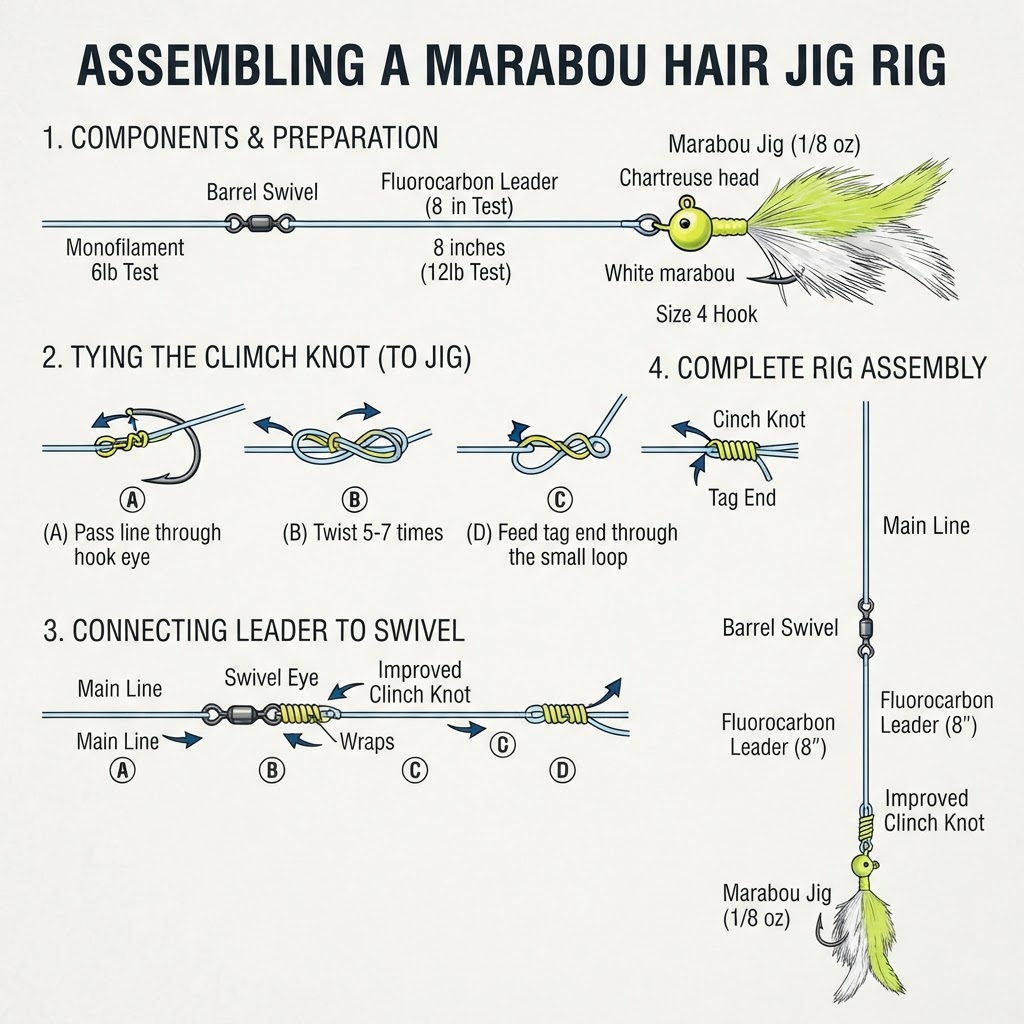
Marabou Hair Jig
The ultimate finesse presentation that breathes and undulates to trigger strikes from even the most lethargic, cold-water predators.
 1-5 ft
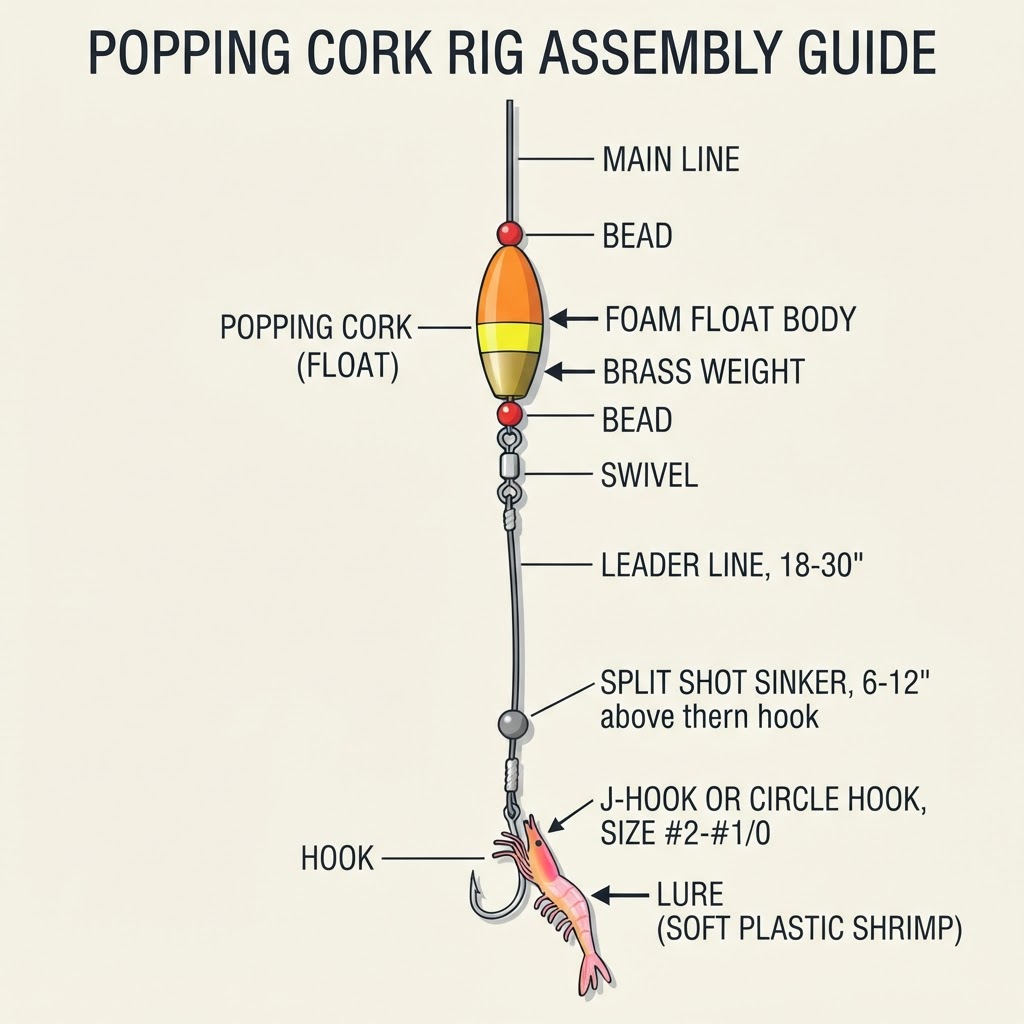
Popping Cork Rig
The ultimate sensory rig that mimics a feeding frenzy to draw strikes from predators hovering over flats and structure.
 0-0 ft (Surface)
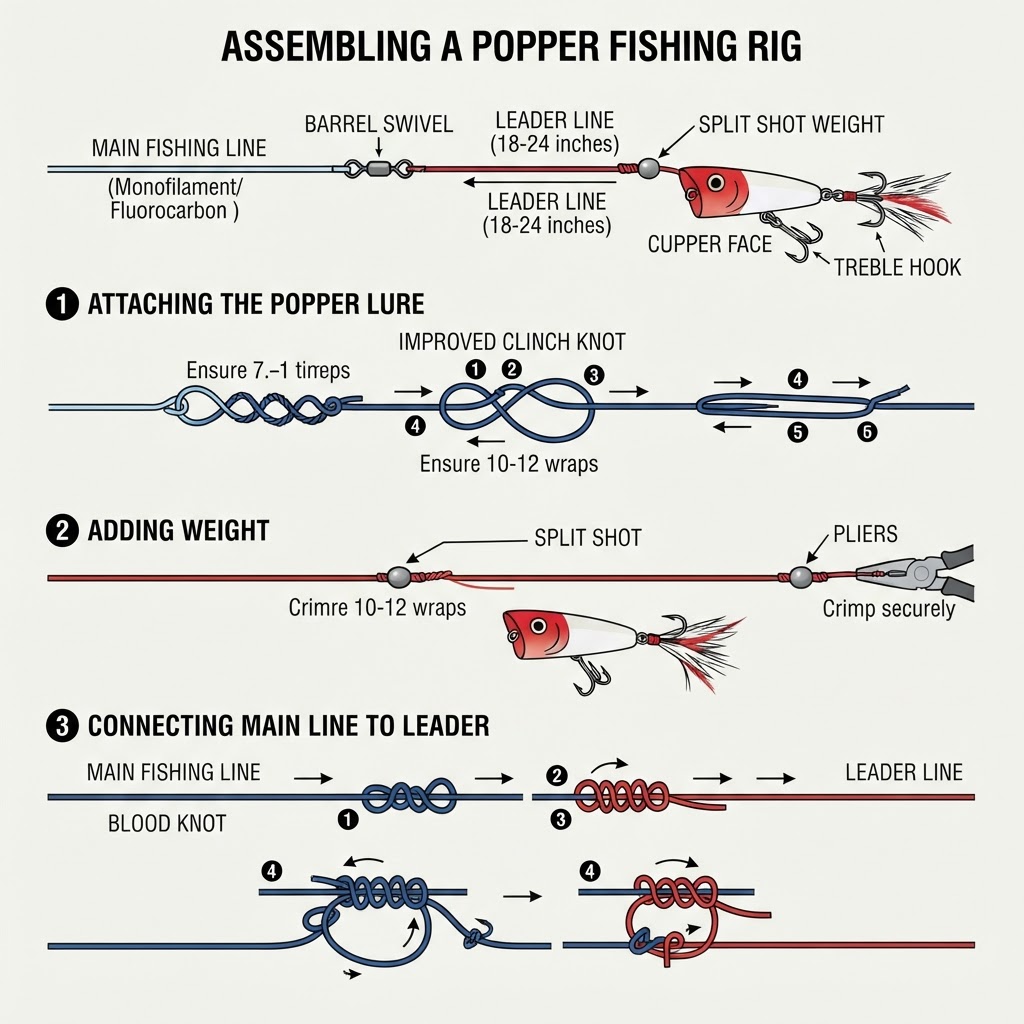
Popper
Explosive topwater action that draws aggressive strikes with a rhythmic chugging and splashing retrieve.
 0 ft (Surface)
Walking Topwater (Spook)
The ultimate surface-walking presentation that mimics a distressed baitfish struggling on the water's surface to trigger explosive strikes.
Catch more speckled trout — free
Create a free account and unlock the full angling toolkit:


