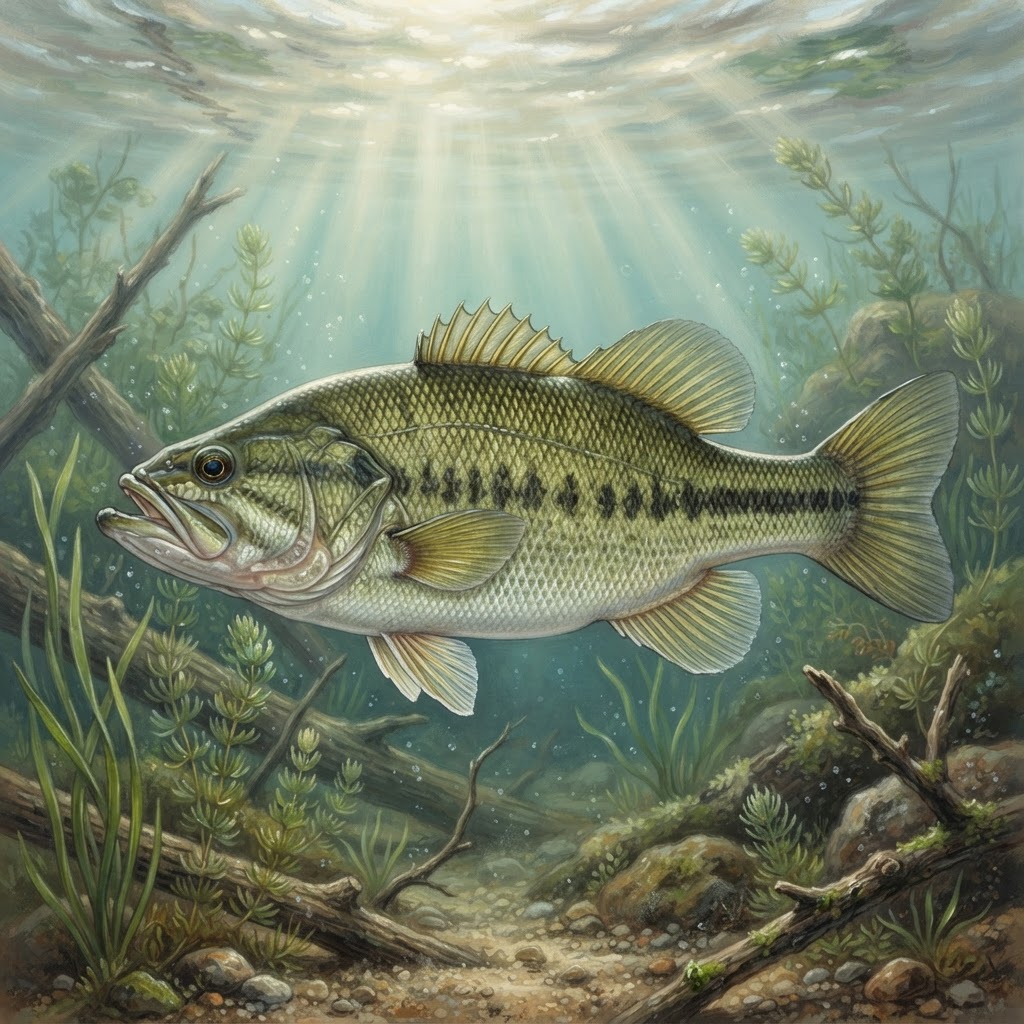
Largemouth Bass
Micropterus salmoides
The ultimate American freshwater predator, the Largemouth Bass is the king of shallow-water structure and aggressive strikes.
Typical Size
2 to 6 pounds is typical for most anglers, though trophies in the southern US frequently exceed 10 pounds.
Prime Seasons
Spring (pre-spawn and spawn) and Autumn (feeding frenzy) are the peak periods for high activity.
Overview
The Largemouth Bass is the most popular game fish in North America, prized for its explosive topwater strikes, acrobatic leaps, and willingness to tackle a wide variety of artificial lures. As an ambush predator, they rely on sight and the lateral line to detect vibration, positioning themselves near cover to intercept unsuspecting prey. For anglers, they are the gold standard for versatility, offering challenges ranging from finesse fishing in pressured waters to heavy-cover power fishing.
Anglers target Largemouth because they are found in nearly every state, provide an exciting fight, and require a diverse skill set to master. Whether you are flipping jigs into dense matted vegetation or dragging a Carolina rig across a deep main-lake point, the Largemouth Bass rewards preparation, precise casting, and an understanding of seasonal behavioral shifts.
Identification
- Large mouth extending past the rear edge of the eye.
- Distinct dark, jagged horizontal stripe along the mid-section.
- Separated dorsal fins with the front section being spiny.
- Greenish to olive color profile with a pale belly.
- Rough-scaled texture and powerful, broad caudal fin.
Habitat
Diet & Forage
Behavior & Feeding
Largemouth bass are opportunistic predators that thrive in shallow, structured environments like lily pads and submerged timber. They are most active during low-light periods at dawn and dusk, though they will aggressively strike prey throughout the day if conditions are overcast. Seasonal patterns dictate their movement, as they migrate from deep-water wintering holes to shallow flats during spring and retreat back to cooler, oxygen-rich depths during the heat of summer. They are highly territorial and reactive, often hitting lures out of defensive instinct rather than hunger.
Spawning
The spawn occurs annually when water temperatures stabilize between 60°F and 70°F, typically in late spring depending on latitude. Males clear circular nests in shallow, hard-bottomed areas and aggressively guard the eggs and fry against intruders. During this phase, females are often nearby, making them susceptible to sight-fishing with creature baits or lizards. Anglers should exercise caution during this period, as targeting nesting bass can negatively impact recruitment, though it remains one of the most exciting times to be on the water.
Water Temperature
Weather Triggers
Approaching Cold Front
Barometric pressure drop triggers an aggressive, 'feeding frenzy' window before the front hits.
Overcast Skies
Reduces light penetration, causing bass to leave tight cover and roam open water to feed.
High Pressure/Bluebird Skies
Bass become lethargic and bury deep into heavy cover; requires precise, slow-presentation lures.
Steady Light Rain
Masks angler presence on the surface, allowing for aggressive topwater action throughout the day.
Depth by Season
Best Lure Rigs & Setups
Texas Rig
When: Perfect for dragging through heavy vegetation or wood cover without snagging.
Setup: 1/8 to 1/2 oz bullet weight, 3/0 to 5/0 wide-gap worm hook, 12-17lb fluorocarbon line, soft plastic worm or creature bait.
Drop Shot
When: Ideal for targeting deep, suspended, or finicky bass in clear water.
Setup: 1/8 to 3/8 oz cylinder weight, size 1 or 2 finesse hook, 6-8lb fluorocarbon leader, 4-inch finesse worm or minnow plastic.
Jig and Trailer
When: The best choice for mimicking a crayfish and enticing big bass holding tight to structure.
Setup: 3/8 to 1/2 oz flipping jig, 20lb fluorocarbon, chunk or craw-style soft plastic trailer.
Squarebill Crankbait
When: Used for 'bouncing' off cover like laydowns and rocks to trigger reaction strikes.
Setup: 10-12lb copolymer line, medium-heavy cranking rod, high-buoyancy squarebill lure.
Best Knots
Lures That Catch Largemouth Bass
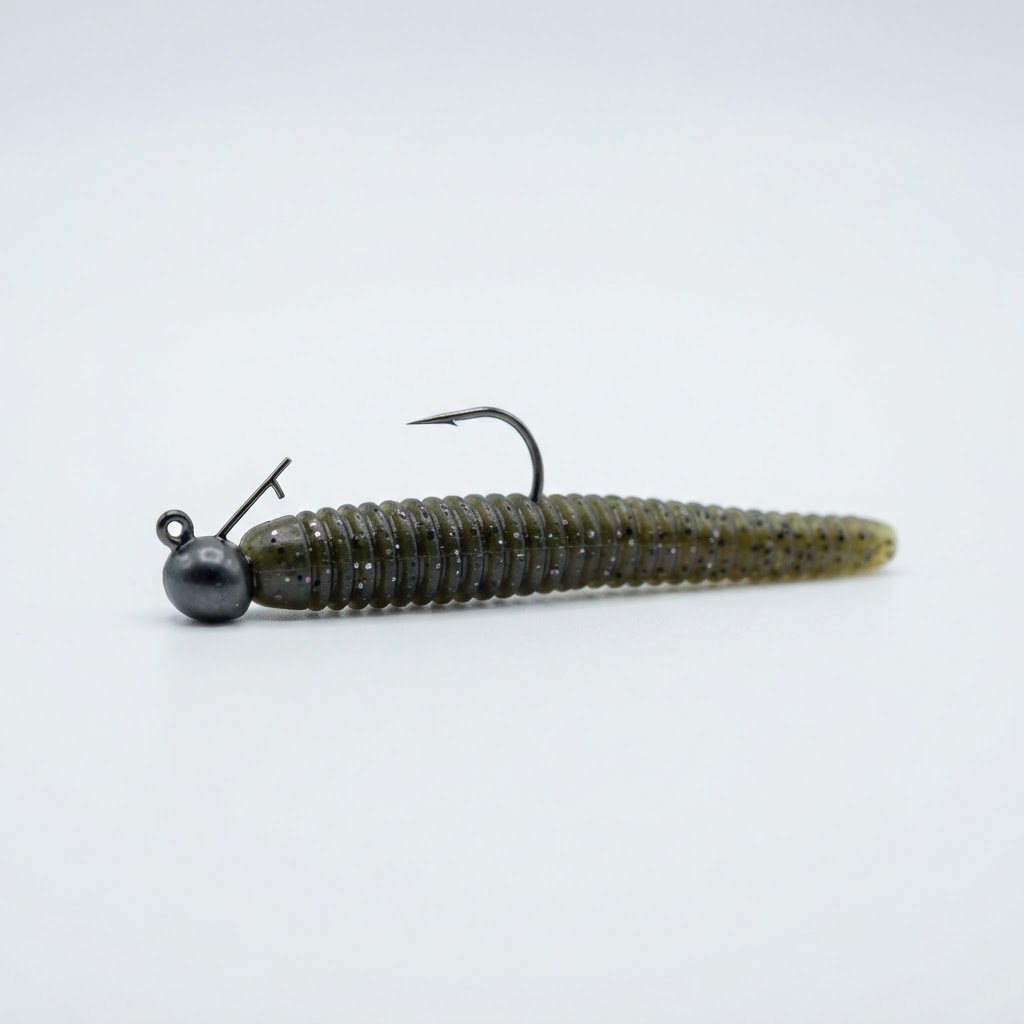 Soft Plastics
Ned Rig
Finesse bottom bait that catches when nothing else will.
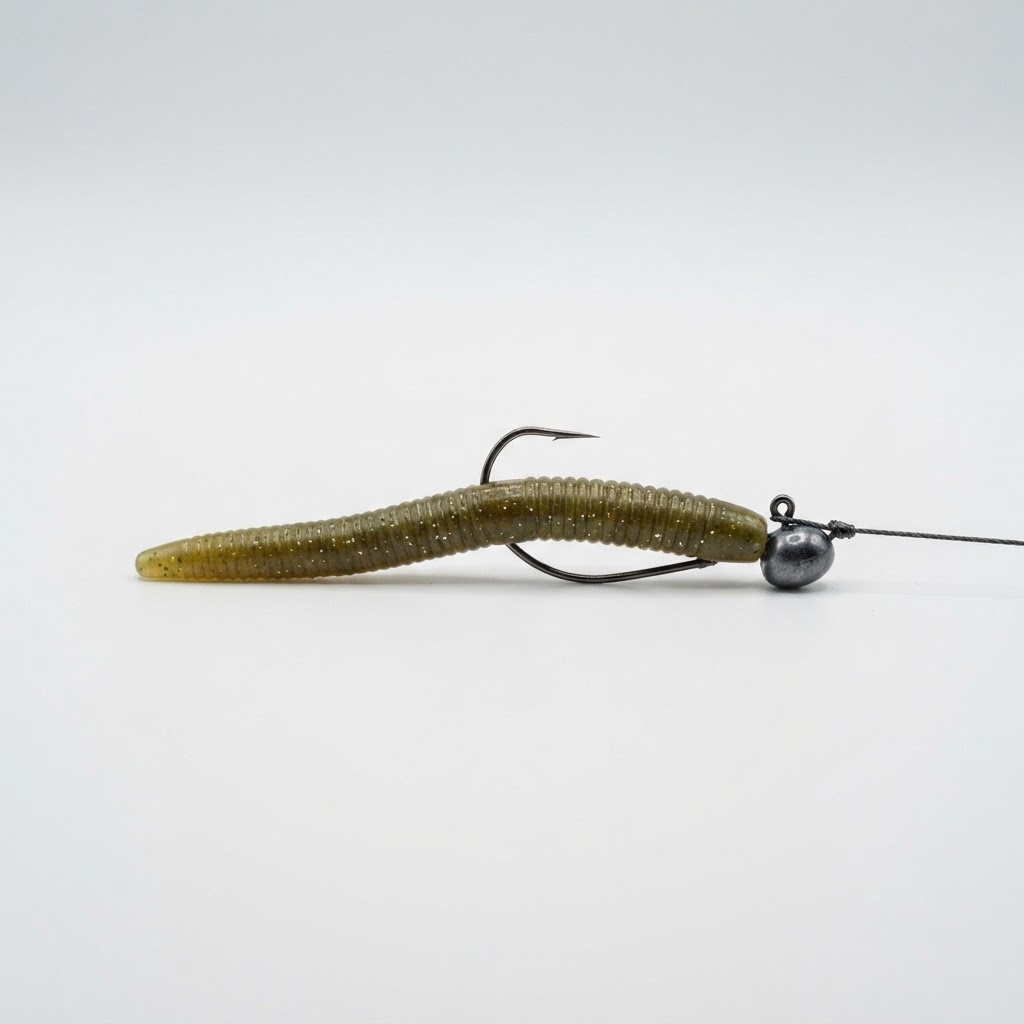 Soft Plastics
Texas-Rigged Worm
The weedless workhorse for bass in cover.
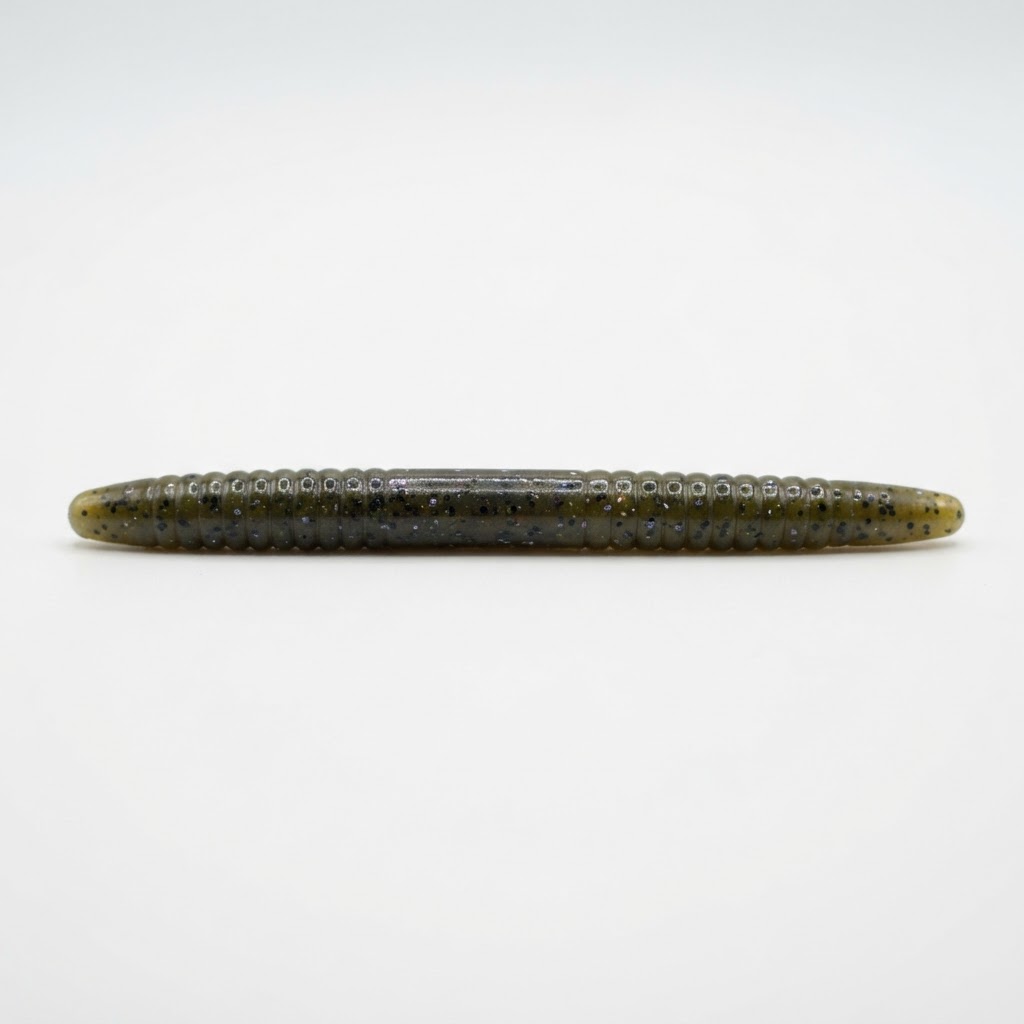 Soft Plastics
Senko / Wacky Worm
A slow, shimmying fall bass can't resist.
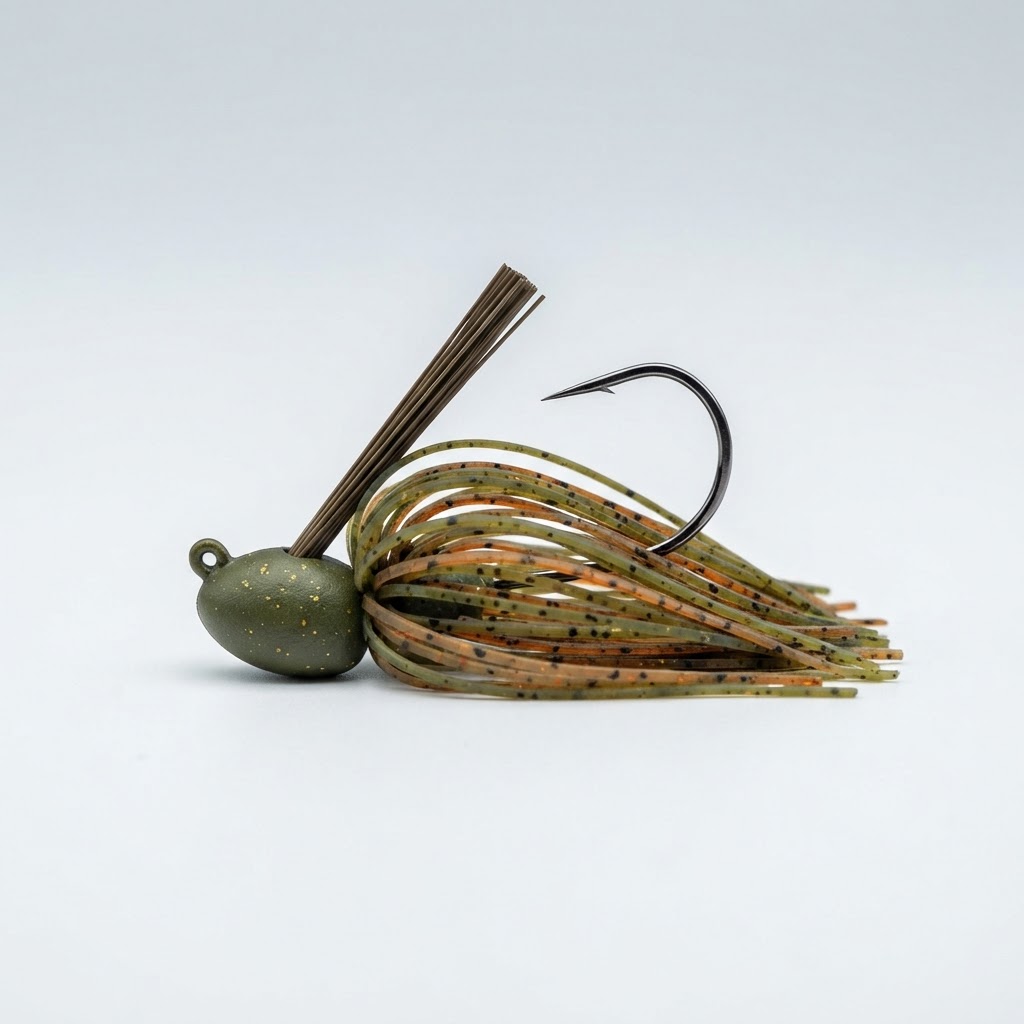 Jigs
JigsFootball Jig
Crawls bottom structure like a fleeing crawfish.
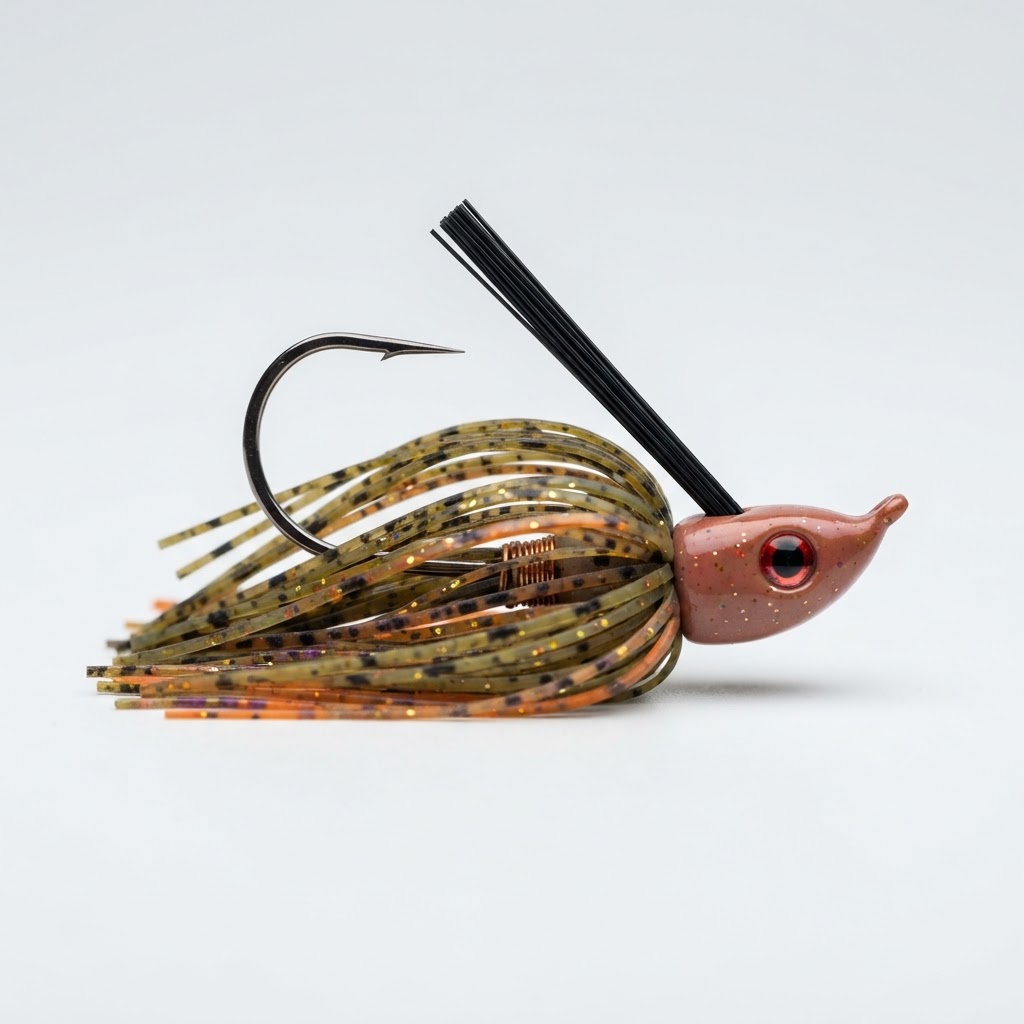 Jigs
JigsFlipping Jig
Punches into heavy cover for big bites.
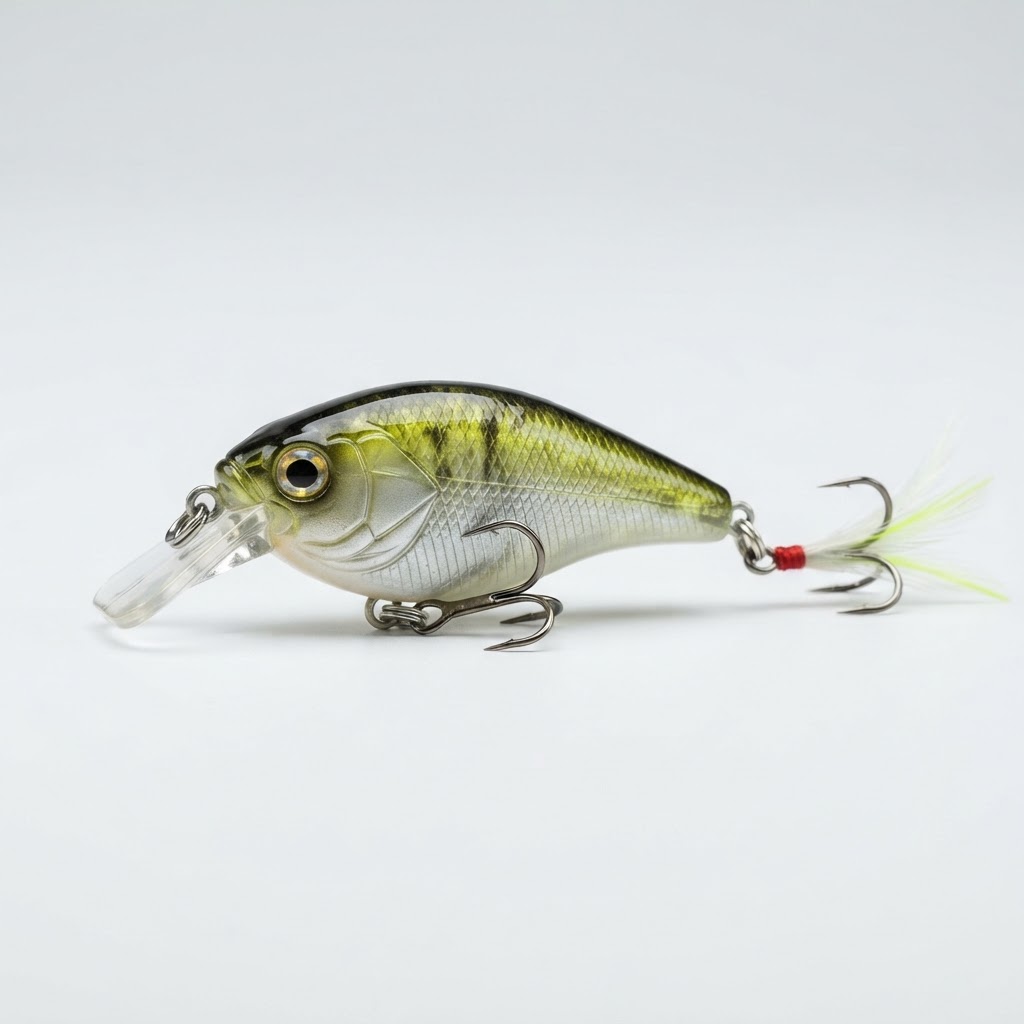 Crankbaits & Hardbaits
Square Bill Crankbait
Deflects off cover to trigger reaction strikes.
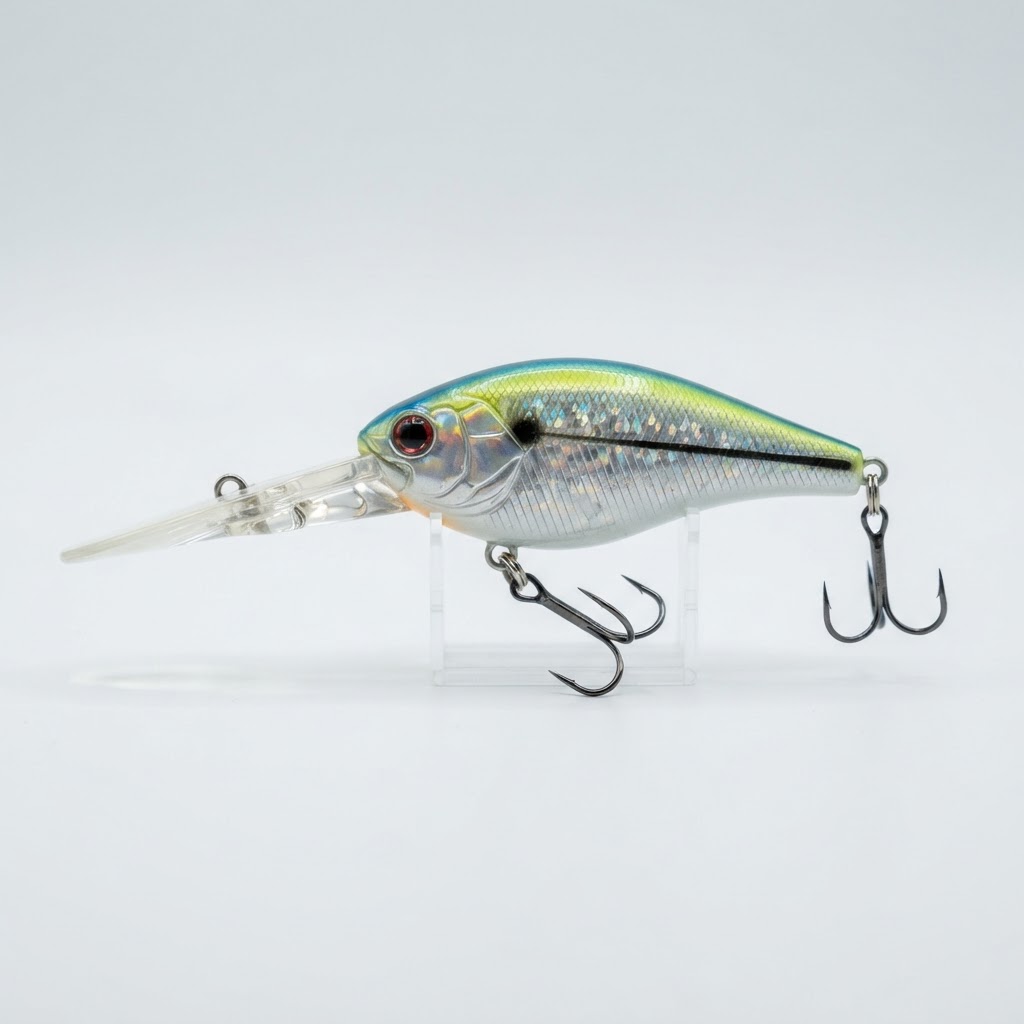 Crankbaits & Hardbaits
Deep Diving Crankbait
Reaches deep offshore fish other baits can't.
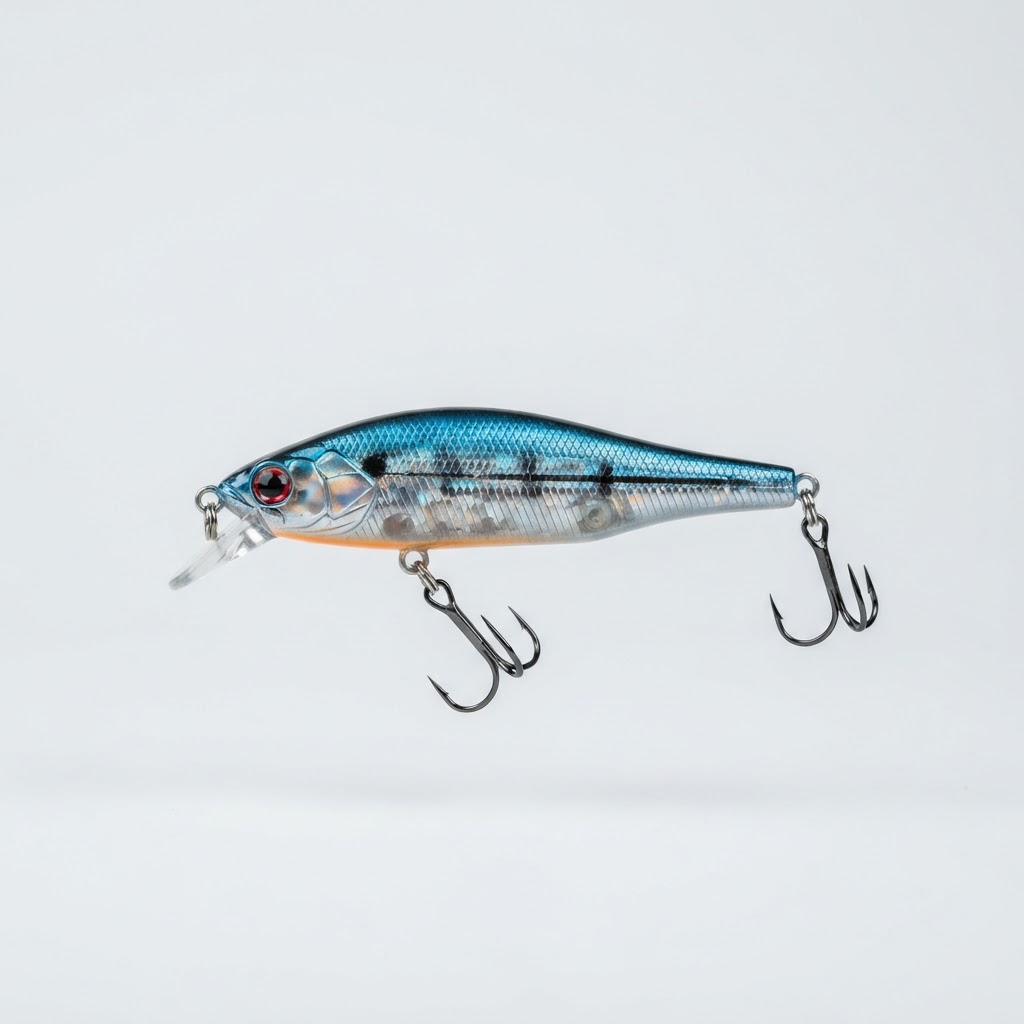 Crankbaits & Hardbaits
Jerkbait
Suspends in the strike zone for cold-water fish.
Rigs From The Library For Largemouth Bass
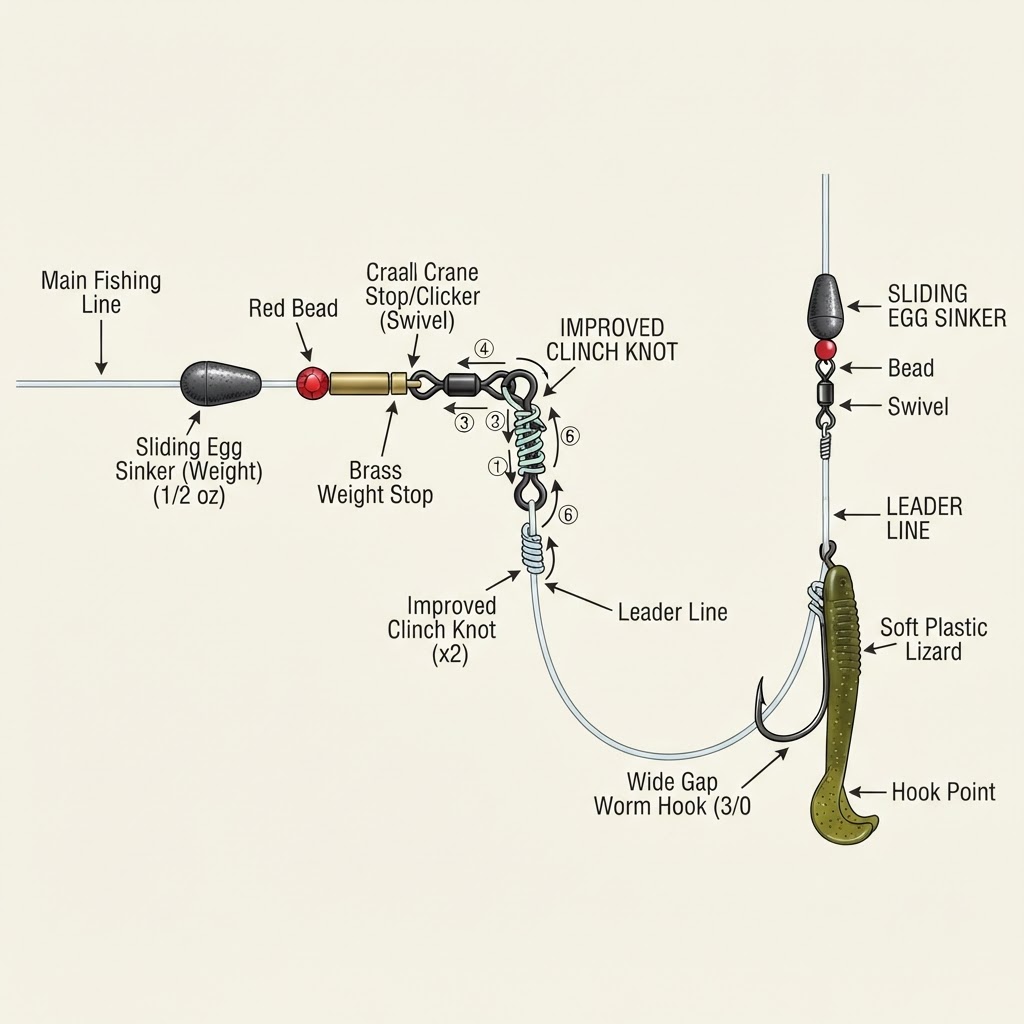 5-30 ft
Carolina Rig
The ultimate bottom-dragging search bait designed to detect structure and entice lethargic predators.
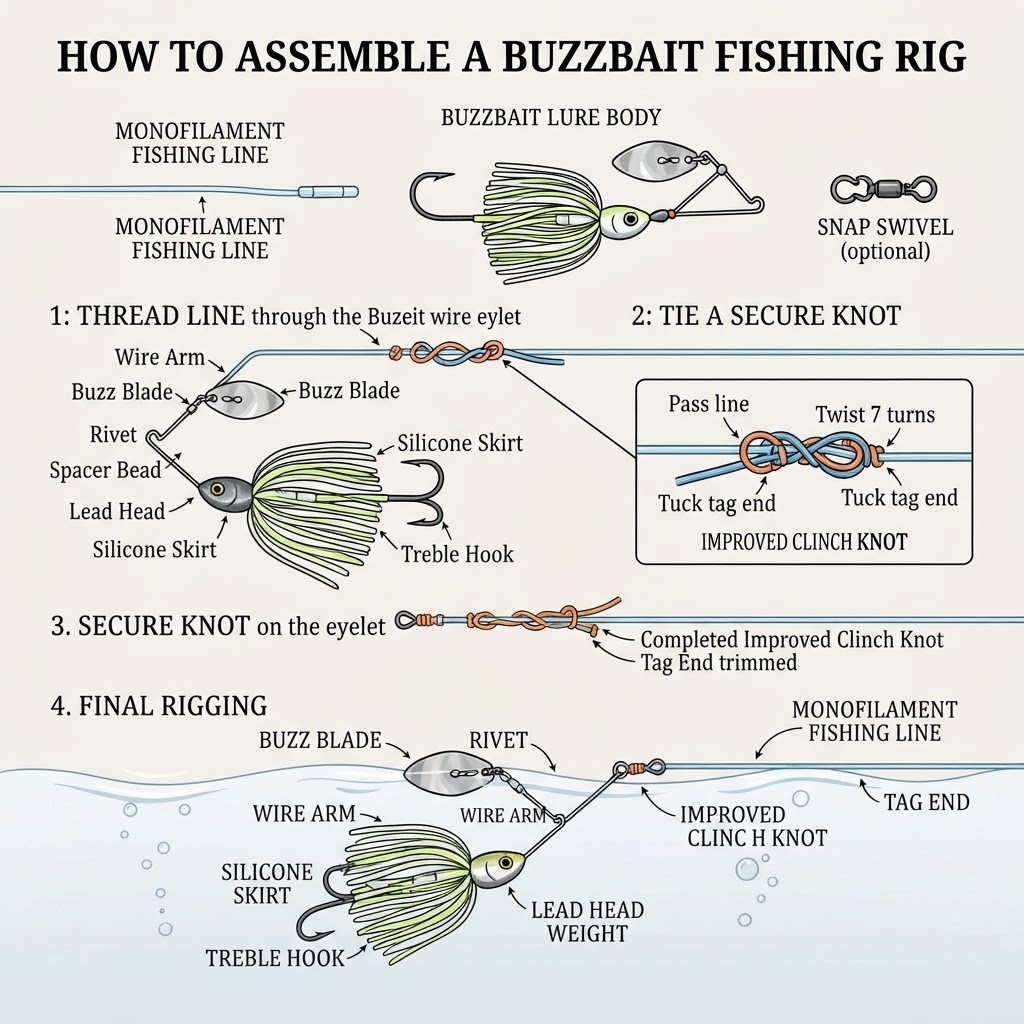 0-1 ft
Buzzbait
The ultimate topwater search bait designed to create a loud, churning commotion that triggers explosive, aggressive surface strikes.
 8-20 ft
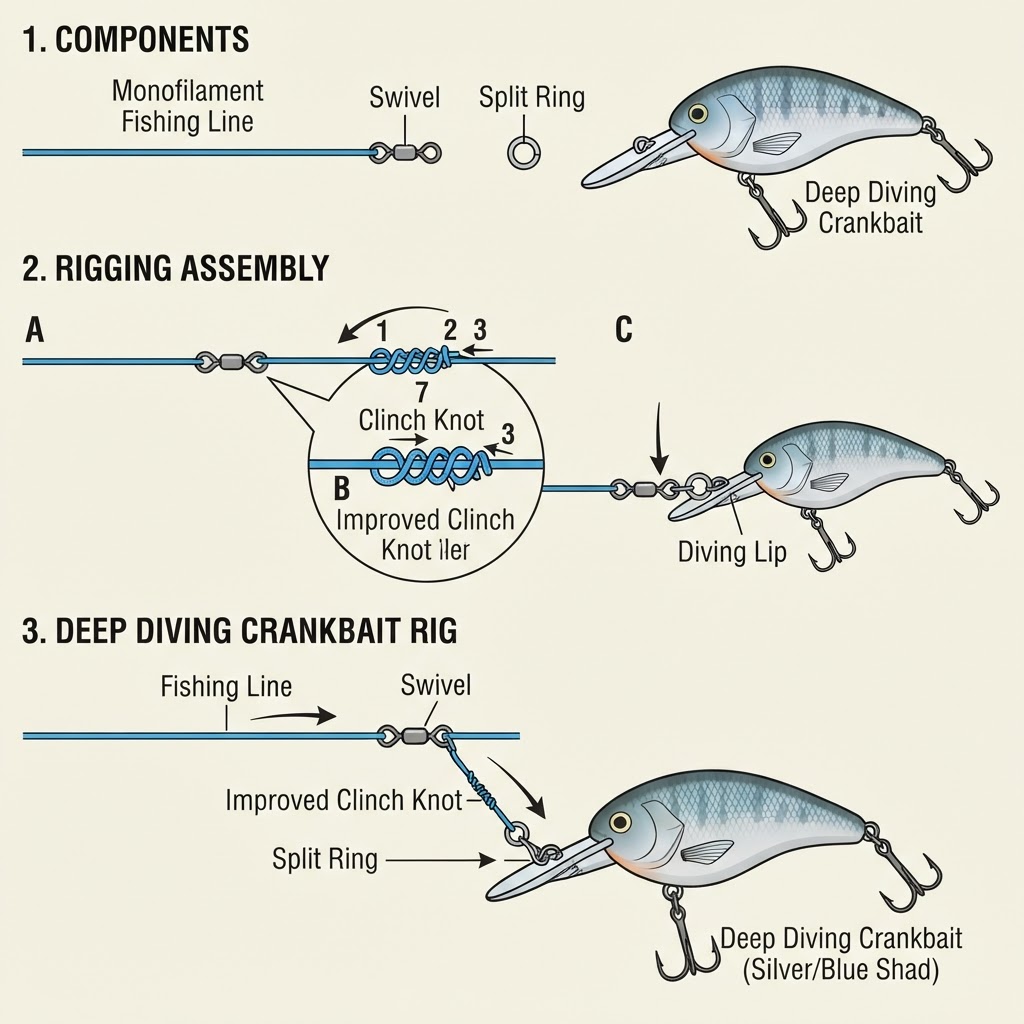
Deep Diving Crankbait
The ultimate triggering tool for dredging deep structure and smashing reactive strikes from lethargic giants.
 0-15 ft
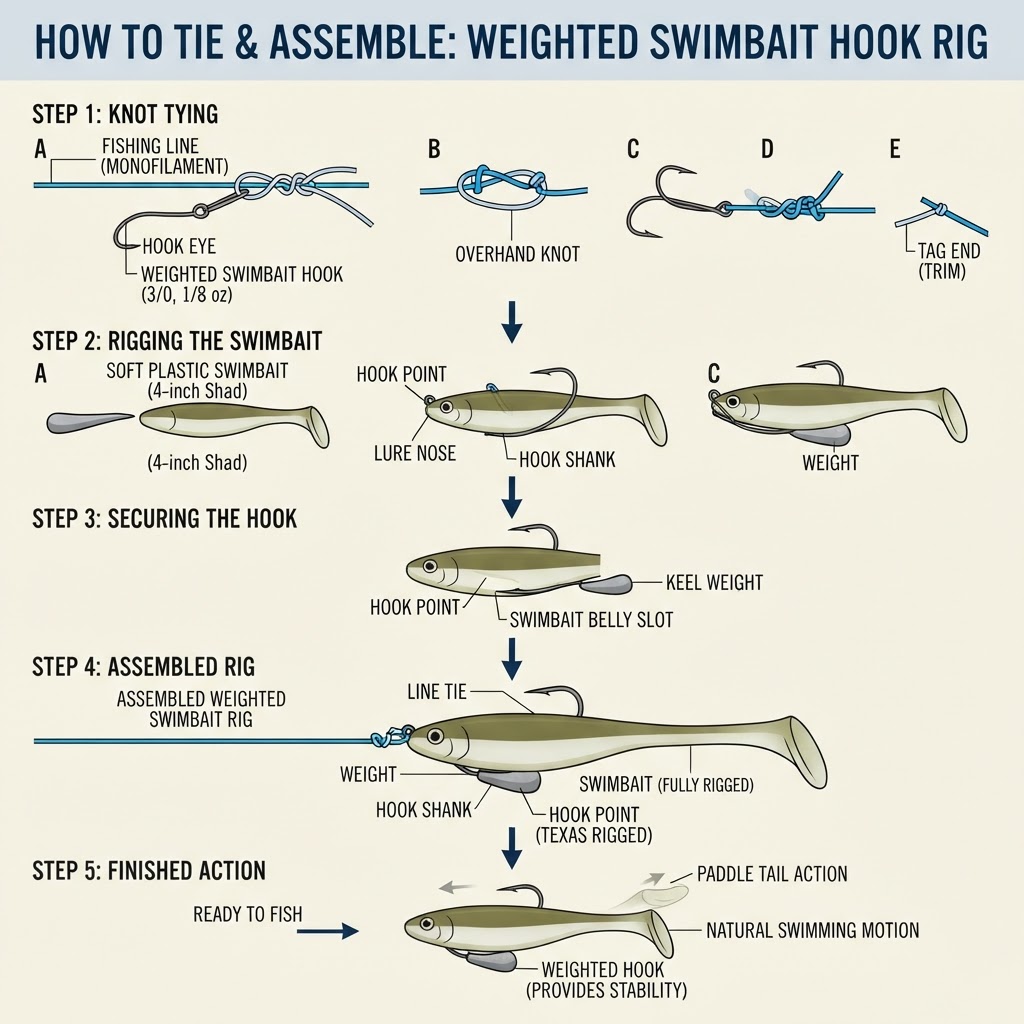
Swimbait (Weighted Swimbait Hook)
The ultimate weedless search-bait that mimics a fleeing baitfish through the heaviest cover.
 0-20 ft
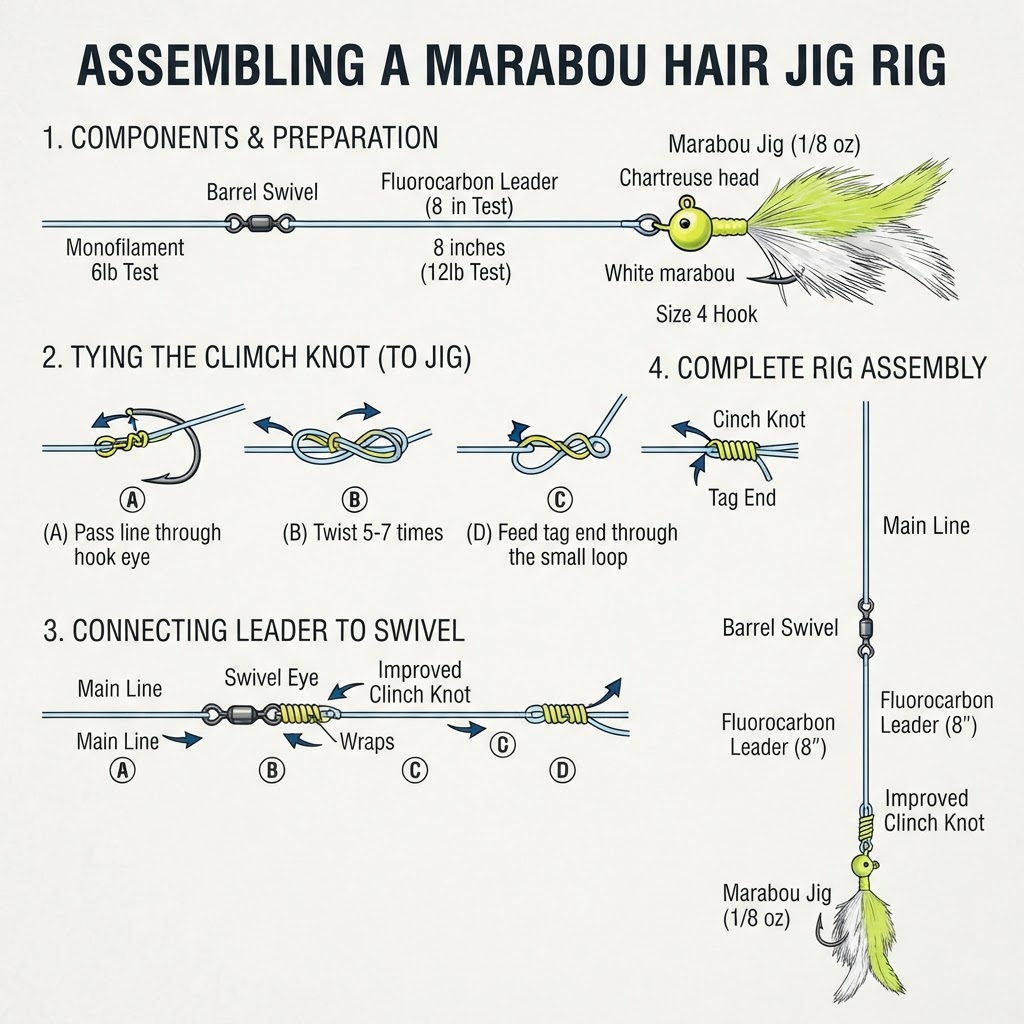
Marabou Hair Jig
The ultimate finesse presentation that breathes and undulates to trigger strikes from even the most lethargic, cold-water predators.
 0-10 ft
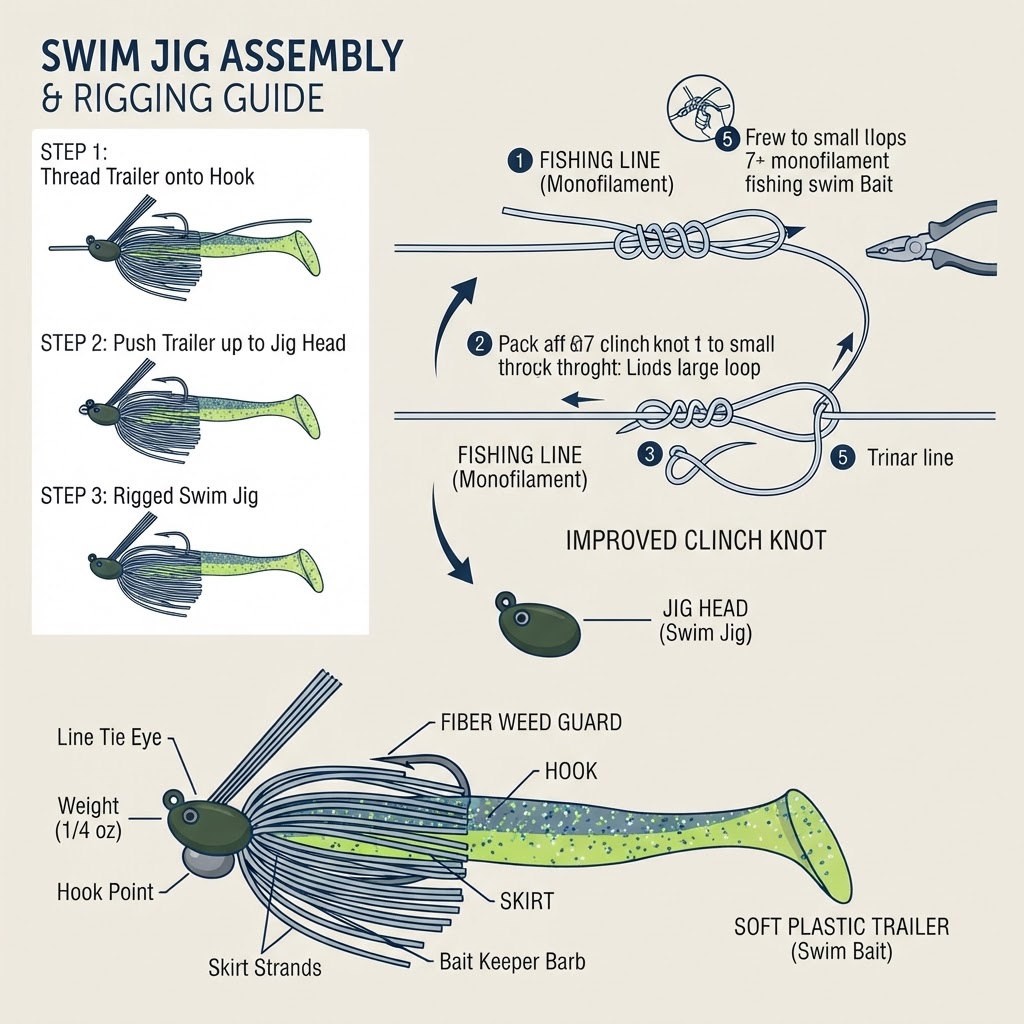
Swim Jig
The ultimate weedless search bait that mimics a fleeing baitfish through the heaviest cover.
Catch more largemouth bass — free
Create a free account and unlock the full angling toolkit:

