
The Thunder in the Brush: A Masterclass in Ruffed Grouse Hunting
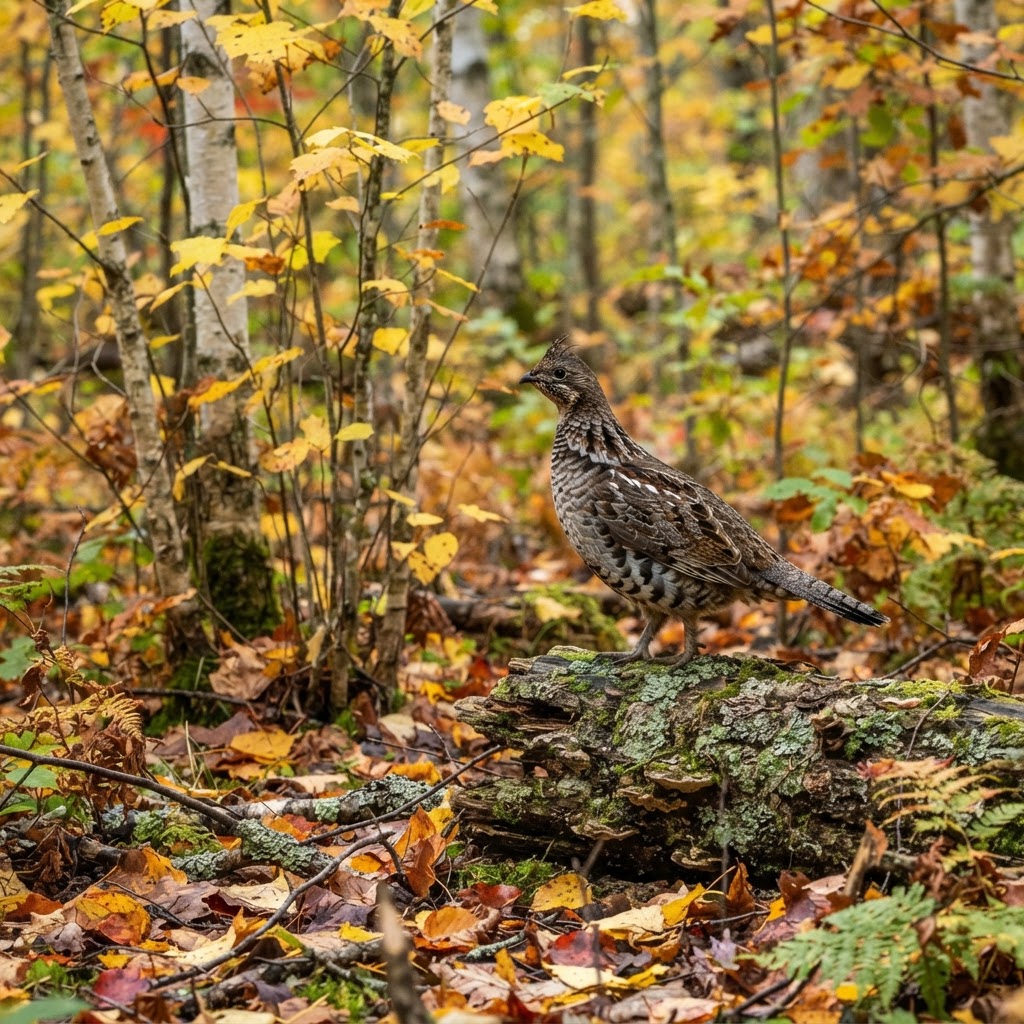
Understanding the Ruffed Grouse: Biology and Behavior
The ruffed grouse (Bonasa umbellus) is a bird defined by its secrecy. Known for its distinct 'drumming'—a sound created by the rapid beating of its wings against the air—this avian acrobat thrives in the dense, tangled cover that makes other hunters head back to the truck. Understanding their biology is the first step to success at Buckeye Hunter Hub. These birds are not migratory; they are year-round residents that rely on specific successional forest stages to survive. Their diet shifts from buds and catkins in the winter to berries, seeds, and insects during the warmer months, meaning they are almost always found near a food source that is as thick as a brick wall.
Free hunting map, zones & 50-state resources
Save your spots, share zones with your group, and get deer & waterfowl movement forecasts, free.
Habitat and Range: Finding the 'Sweet Spot'
If you are hunting flat, open timber, you are likely missing out. Grouse prefer what biologists call 'early successional forests.' Look for areas that have been clear-cut or burned within the last 5 to 15 years. These habitats provide the dense stem density (saplings, briars, and young aspen) that offers protection from avian predators like goshawks and owls. While their range spans from the Appalachians to the deep forests of the Pacific Northwest, the key to locating them remains the same: find the edge. Whether it is the edge of a logging road, a reclaimed field, or a drainage ditch, grouse congregate where two distinct habitat types meet. When scouting, check for public land management reports that highlight recent timber harvest projects, as these are your best leads.
Tactical Approaches for the Modern Upland Hunter
Hunting ruffed grouse is less about distance and more about reaction time. Because they hold tight until you are nearly on top of them, your tactical approach must be deliberate. The 'slow and low' method is essential. Move at a pace that allows you to stop and scan every thirty seconds. This 'stop-and-go' technique often unnerves the bird, causing it to flush prematurely when you have your gun at a ready position, rather than when you are off-balance or untangling your boots from vines.
For those venturing into new territory, utilizing to identify overgrown orchards or old homestead sites can pay huge dividends. Old fruit trees are magnets for grouse in the late season. If you are hunting with a partner, maintain a parallel line of sight, ensuring you stay within vocal range but far enough apart to cover the width of the cover patch. Never rush; the bird is a master of patience, and he is betting that you will be the one to grow impatient and move too quickly, revealing your position.
Essential Gear for the Grouse Woods
BHH Partner
Thinking about selling a rifle or an old family shotgun? Check up-to-date market pricing by make and model before you sell.
webuyguns.comGrouse hunting is a game of ounces. You will be covering miles of uneven, brushy terrain, so keep your kit light. A shotgun in 12 or 20 gauge with an open choke (Cylinder or Improved Cylinder) is standard, as shots are almost always at close range. Wear high-quality, brush-proof pants; the briars in prime grouse country will shred thin synthetic materials in minutes.
As you navigate dense thickets, you might find yourself needing to stow extra gear or maintain a low profile. While we often discuss gear security, keep your focus on the field. If you are using a bird vest, ensure it has a blood-proof game bag to keep your gear clean. Don't forget to pack to properly identify your birds if local regulations require it, ensuring you stay within compliance while moving through the brush.
Timing Your Season
E-Tag States

Harvest Tags
E-check means you supply the tag. Printed with the exact fields your state requires.
3-pack $22.95

Youth Hunter Academy
Raise a safe, confident young hunter.
Safety missions for ages 5–17. Free parent account.
Early season hunting (late September through October) is often about finding birds in heavy cover near water sources or food. As the leaves begin to drop, the birds become more visible but also more wary. Once the first hard frost hits, the foliage thins significantly, providing better shooting lanes. For the dedicated hunter, the late season represents the ultimate challenge. The birds have been pressured for months and are skittish. This is when you should turn your attention to pine stands and thick hemlocks, which offer the thermal cover these birds seek during cold snaps. Always keep an eye on to ensure you are hitting the woods during peak movement windows, particularly during the mid-morning hours when birds are active and feeding.
Tips for Every Skill Level
If you are a newcomer to the sport, don't be discouraged by a lack of shots. Grouse hunting is a steep learning curve. Practice your 'snap shooting'—the ability to mount your gun and find the target in one fluid motion. You won't have time to aim like you would at a sporting clays course. For experienced hunters, consider mentoring someone new through or joining our to share stories and swap intel on local habitat conditions. Remember, every trip to the woods is an opportunity to learn the habits of the 'King.' Success in the grouse woods isn't just about the harvest; it's about mastering the quiet, tactical dance between predator and prey in the deepest parts of the American wild.
Free every morning
Your Daily Briefing
One morning forecast for the spots you actually hunt and fish: deer movement, waterfowl flights, bite times, wind and shooting light.
See what's in itSet up your briefing
Join free, save a spot on the map, then pick what you hunt and fish and when you want your email.
Join 1,576 hunters and anglers on Buckeye Hunter Hub — free.
Latest from the Community


Everything you need to hunt smarter — free
Buckeye Hunter Hub is a free, nationwide platform. Create an account and unlock the full toolkit:
Free Interactive Hunting Map
Mark stands, cameras, and sign. Draw hunting zones with public land & county overlays across all 50 states.
Zones with Group Sharing
Share zones with your hunting group, split property into sections, assign stands, and check in — all in one place.
50 States of Hunting Resources
Season dates, license links, and DNR regulations for every state, kept current so you never miss an opener.
Deer Movement Forecast
Data-driven daily movement predictions using wind, moon, and pressure — know when to sit before you go.
Waterfowl Movement & Tools
Flight-potential forecasts, migration numbers, decoy spread planner, and a full species field guide.
From the Maker Bench

Taggart Outdoors
Custom Western Belt
Hand-built in the USA · $127.99
Shop the Maker
BHH Partner
Firearms, ammo and gear from a local Ohio shop in Grafton.
dnaarmory.comE-Tag States
Harvest Tags
E-check means you supply the tag. Printed with the exact fields your state requires.
3-pack $22.95
More Articles
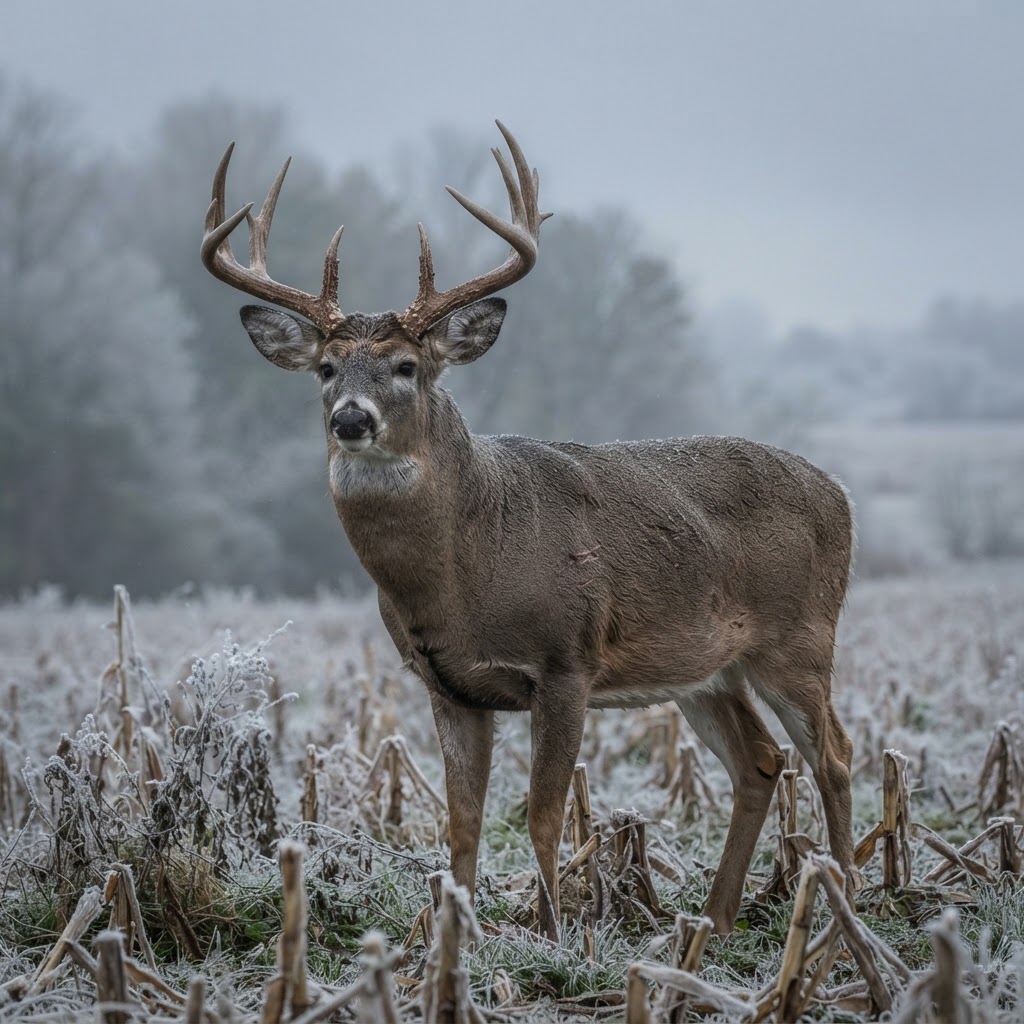
Pressure Points: Decoding Barometric Shifts and Whitetail Locomotion
Forget the lunar superstitions; learn why real-time barometric flux and cold-front dynamics are the true drivers of mature buck activity.
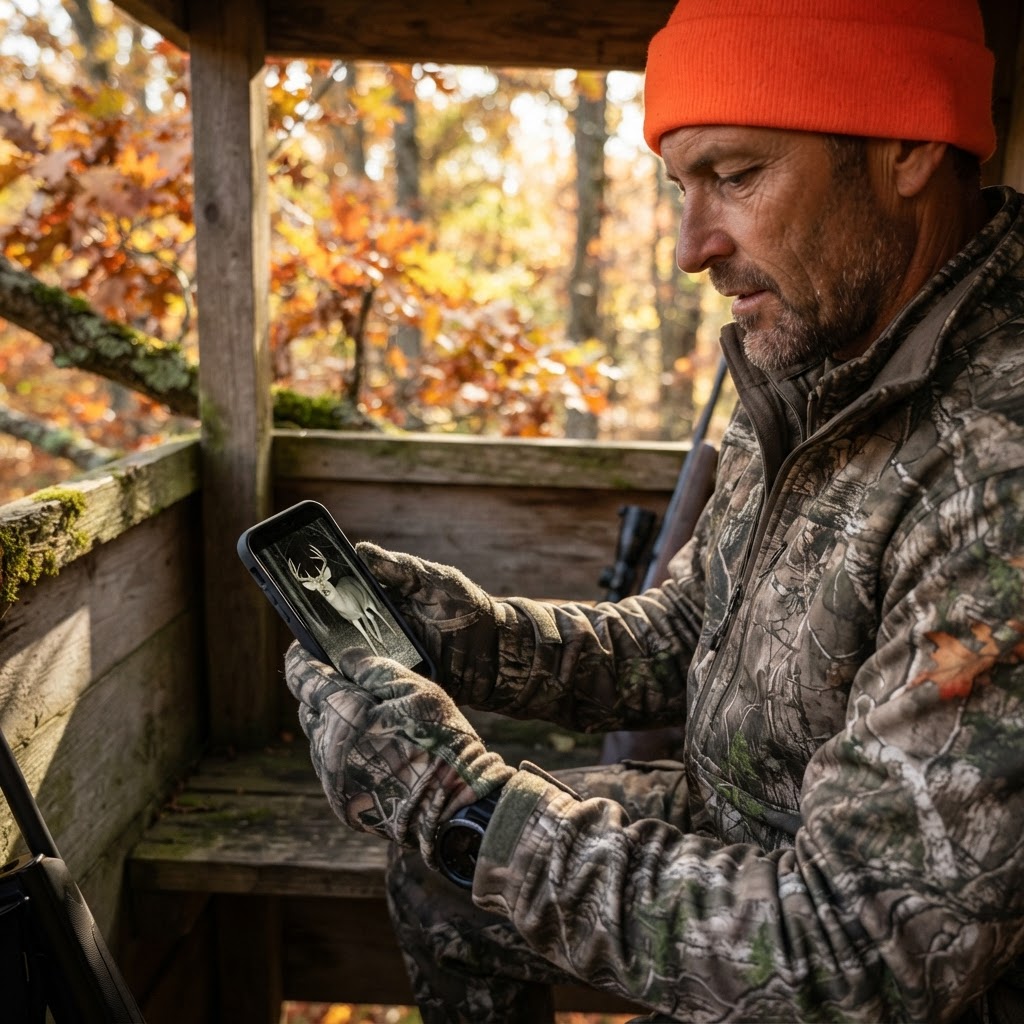
Data-Driven Scouting: Leveraging AI to Decipher Your Trail Camera Files
Drowning in thousands of trail camera images? Learn how to automate your image organization and use AI pattern recognition to pinpoint exactly when and where your target deer are moving.
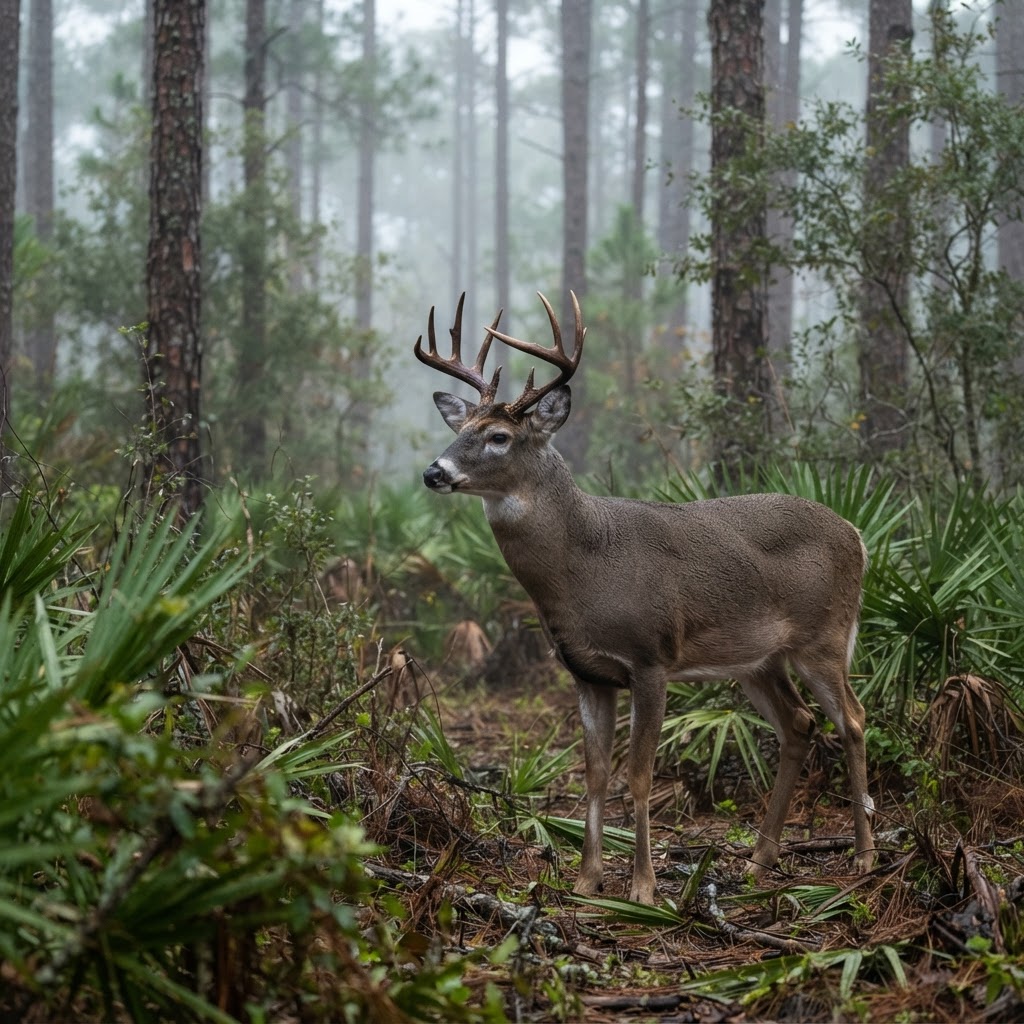
Florida Deer (Zone D General Gun) Season: 2026 Opener Guide
The Florida Zone D General Gun season opens tomorrow, November 26, 2026, for a brief four-day window. Hunters should prepare for this early segment before the season resumes in mid-December.
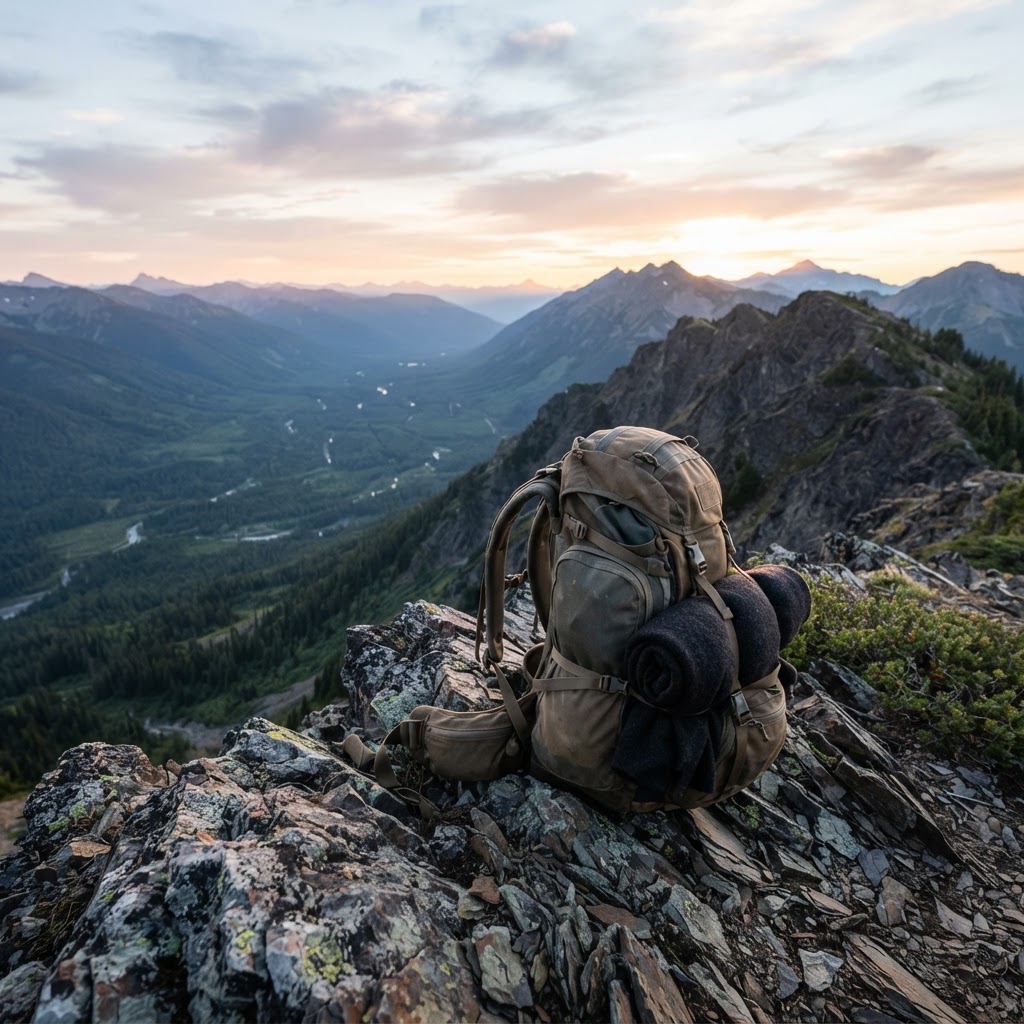
The Wilderness Loadout: A Systematic Approach to Backcountry Gear Logistics
Transitioning from day hunts to multi-day backcountry excursions requires more than just a heavier pack; it requires a disciplined methodology to ensure your survival and success.