
Florida Deer (Zone D General Gun) Season: 2026 Opener Guide
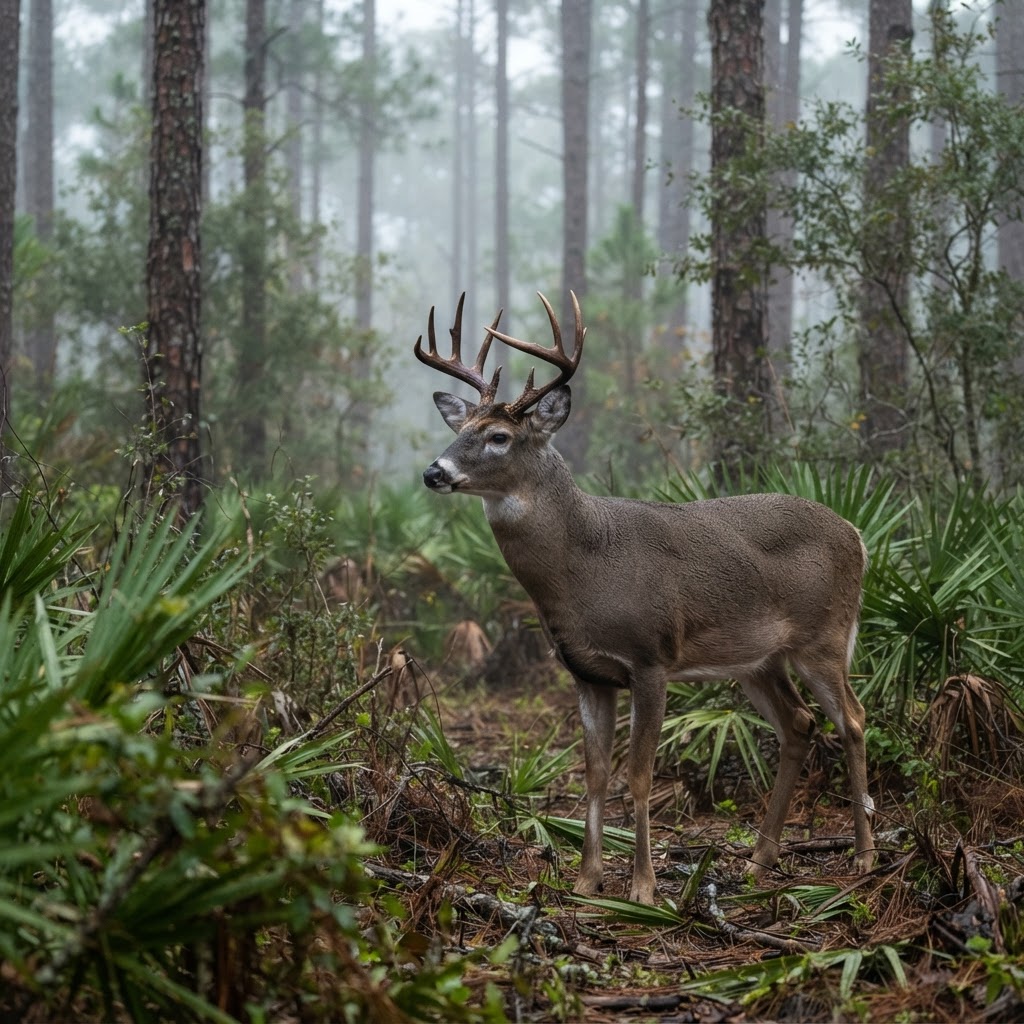
The dates at a glance, as a short list, including any split or second segment
The Florida Fish and Wildlife Conservation Commission (FWC) has set the 2026-2027 General Gun season for Zone D in two distinct segments. The first segment is a short, four-day window that begins tomorrow. Plan your time in the woods accordingly:
Get the deer movement forecast for your spot, free
See the best days and hours to sit this week, built from your spot's weather, moon, and wind.
- First Segment: November 26, 2026 – November 29, 2026
- Second Segment: December 12, 2026 – February 21, 2027
If you miss this initial four-day opportunity, you will have to wait until the second segment opens in mid-December to continue hunting with general firearms. Always check the to ensure you are aligned with the specific dates for your area, as these can shift based on local management unit rules.
Beyond the primary General Gun dates, keep in mind that Zone D also features specific windows for other methods that might overlap or precede your hunt. For instance, the archery season concludes today, November 25, 2026. If you are planning to use a crossbow, note that there is a secondary window from November 30 through December 4. Always verify these specific transition dates on the FWC website, as missing the start of a segment can result in an unintentional violation of gear regulations.
What it takes to be legal: license, permits, legal equipment, hunter orange, shooting hours
To hunt legally in Florida, you must possess a valid Florida hunting license and a deer permit. If you are hunting on a Wildlife Management Area (WMA), you are also required to carry a management area permit. These can be purchased through the FWC website or authorized vendors.
Legal firearms for the General Gun season include centerfire rifles, centerfire pistols, shotguns, muzzleloaders, and pre-charged pneumatic air guns of at least .30 caliber. Crossbows and bows are also legal during this time. Shooting hours are generally from a half-hour before sunrise to a half-hour after sunset. You can use a to determine the exact times for your specific location.
Regarding hunter orange, if you are hunting on public land, you must wear at least 500 square inches of daylight fluorescent orange material as an outer garment, covering your head, chest, and back. This requirement is a critical safety measure, especially during the busy opening days of the season.
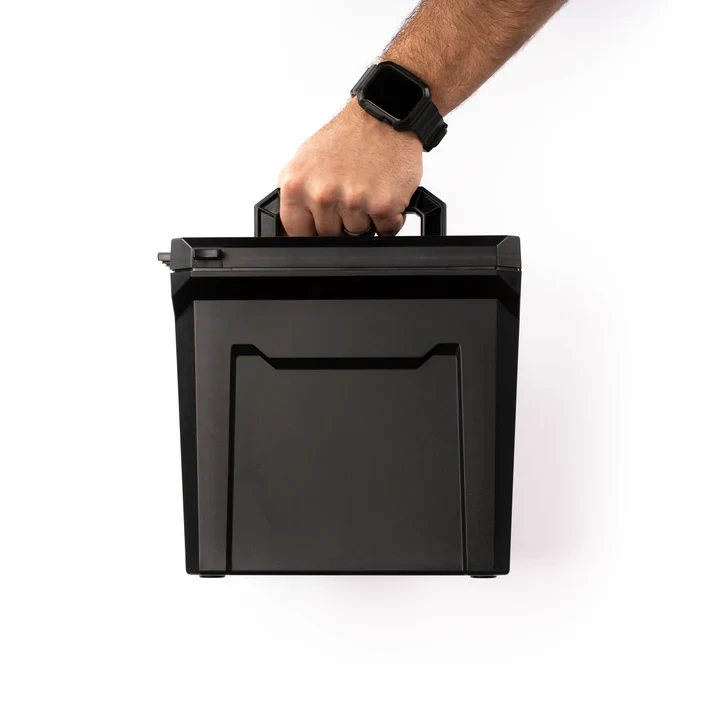
When you are out in the field, ensure your FWC Customer ID number is easily accessible, as you will need it for mandatory harvest reporting. If you are hunting on private land, confirm whether you are operating under a Private Lands Deer Management Program permit or an Antlerless Deer Program permit. These specific programs have their own unique tagging requirements that differ from standard state regulations. Always carry your physical or digital harvest log in a secure, waterproof container to prevent damage during inclement weather.
Limits and the rules that trip people up
The statewide bag limit for deer is two per day, with a possession limit of four. Your annual bag limit is five deer, of which no more than two can be antlerless. An exception exists in Deer Management Unit (DMU) D2, where you may harvest up to three antlerless deer as part of your five-deer annual total.
One rule that often trips up hunters is the definition of antlerless deer, which includes any deer without antlers or with antlers less than 5 inches in length. Spotted fawns are strictly protected. Additionally, some DMUs have specific antler point restrictions, such as a minimum of two points on one antler in DMU D1 or a 3-point or 10-inch main beam restriction in DMU D2. Always verify the specific regulations for your DMU on the FWC website before heading out. If you are unsure about your location, a can help you identify your specific unit boundaries.
Be aware that deer harvested under specific programs, such as the Private Lands Deer Management Permit or the Antlerless Deer Permit Program, are excluded from your standard annual bag limit. However, you must still log and report these animals to the FWC system. If you are hunting in DMU D2, remember that you have a higher allowance for antlerless deer, but you must still adhere to the strict definition of antlerless deer as those with antlers shorter than 5 inches or no antlers at all.
Where to hunt it in Florida: the kinds of public land the state has and how to find ground
BHH Partner
Thinking about selling a rifle or an old family shotgun? Check up-to-date market pricing by make and model before you sell.
webuyguns.comFlorida offers over 6 million acres of public land through the WMA system. These areas range from vast pine flatwoods to dense hardwood swamps. Finding ground requires scouting well in advance of the season. Use the FWC’s online WMA brochures to understand the specific access rules for each property, as some require quota permits for entry.
Public land hunting pressure is highest during the opening weekend. To find success, look for areas that are harder to access, such as those requiring a long hike or a boat to reach. Focus on transition zones where different habitat types meet, as these areas often hold more deer. If you are struggling to find a spot, the can be a great resource for general advice on navigating public land access.
When scouting, look for the specific Deer Management Unit boundaries on the FWC website to ensure you are within the correct zone for your intended harvest. Public land access can be competitive, so consider using the FWC Hunter's Toolbox to review historical harvest data for specific WMAs. This can provide insight into which areas have seen higher success rates in previous years. Always check the individual WMA brochure for any special regulations or quota requirements that might apply to your chosen location.
E-Tag States

Harvest Tags
E-check means you supply the tag. Printed with the exact fields your state requires.
3-pack $22.95

Youth Hunter Academy
Raise a safe, confident young hunter.
Safety missions for ages 5–17. Free parent account.
How to hunt the opener: what the game is doing at this point in the season, hunting pressure, and how the weather changes the plan
At this point in late November, deer in the Panhandle are beginning to transition into their pre-rut behavior. The cooling temperatures often trigger increased movement, especially during the early morning and late evening hours. However, the opening of the General Gun season brings significant hunting pressure, which will push deer into thicker cover and change their patterns almost immediately.
If the weather is unseasonably warm, focus your efforts on areas near water sources or deep, shaded bedding areas. If a cold front moves through, expect deer to be more active during the middle of the day. Keep an eye on the to help time your sits during the most active periods. Be prepared to adjust your strategy if your initial spot is crowded; mobility is often the key to success on public land during the opener.
During the opening days, the increased human presence often forces deer to shift their activity to the very edges of legal shooting hours. If you find your primary stand location is compromised by other hunters, have a secondary site scouted in thicker, less accessible cover. Deer will often seek refuge in dense vegetation or swampy areas where they feel secure from disturbance. Patience is your best tool, as the deer are likely to remain bedded until the pressure subsides during the mid-day lull.
After the shot: tagging, game check and taking care of the meat
Once you have harvested a deer, you must immediately tag it before moving the carcass. Using ensures your information remains legible even in Florida’s humid conditions. You are responsible for reporting your harvest as required by FWC regulations.
Proper field dressing is essential to preserving the quality of your venison. Get the deer cooled down as quickly as possible, especially if the temperatures are high. If you are new to processing your own game, there are many resources available for and butchery techniques that can help you make the most of your harvest. If you find yourself tracking a wounded animal, a can assist in locating your deer efficiently.
Reporting your harvest is a legal requirement that must be completed within 24 hours, or before the carcass is processed, transferred, or leaves the state. You can report via the Fish|Hunt FL app, the GoOutdoorsFlorida website, or by calling 888-HUNT-FLORIDA. Do not consider your reporting complete until you have received a confirmation number. If you choose to dismember the deer in the field, ensure you keep the skull plate or other evidence of legal harvest attached to the meat for identification purposes.
Handling non-native species
If you encounter free-ranging, unprotected non-native deer, you may harvest them during the established deer season using your standard legal equipment. These animals are not subject to the same antler regulations, bag limits, or harvest reporting requirements as native white-tailed deer. However, you must still follow all safety and land-access rules for the area you are hunting. It is helpful to confirm the current status of non-native species in your specific DMU by checking the latest FWC hunting regulations document online.
Hunting this season? to save your stands and zones on the map and get a heads-up before seasons open in your state.
Season dates in this article were checked against Florida Fish and Wildlife Conservation Commission on Thursday, November 12, 2026. Rules can change, so confirm with the current Florida regulations before you hunt. Every Florida season is on the .
Frequently Asked Questions
Free every morning
Your Daily Briefing
One morning forecast for the spots you actually hunt and fish: deer movement, waterfowl flights, bite times, wind and shooting light.
See what's in itSet up your briefing
Join free, save a spot on the map, then pick what you hunt and fish and when you want your email.
Join 1,558 hunters and anglers on Buckeye Hunter Hub — free.
Latest from the Community


Everything you need to hunt smarter — free
Buckeye Hunter Hub is a free, nationwide platform. Create an account and unlock the full toolkit:
Free Interactive Hunting Map
Mark stands, cameras, and sign. Draw hunting zones with public land & county overlays across all 50 states.
Zones with Group Sharing
Share zones with your hunting group, split property into sections, assign stands, and check in — all in one place.
50 States of Hunting Resources
Season dates, license links, and DNR regulations for every state, kept current so you never miss an opener.
Deer Movement Forecast
Data-driven daily movement predictions using wind, moon, and pressure — know when to sit before you go.
Waterfowl Movement & Tools
Flight-potential forecasts, migration numbers, decoy spread planner, and a full species field guide.
From the Maker Bench

Taggart Outdoors
Custom Western Belt
Hand-built in the USA · $127.99
Shop the Maker
BHH Partner
Firearms, ammo and gear from a local Ohio shop in Grafton.
dnaarmory.comE-Tag States
Harvest Tags
E-check means you supply the tag. Printed with the exact fields your state requires.
3-pack $22.95
More Articles
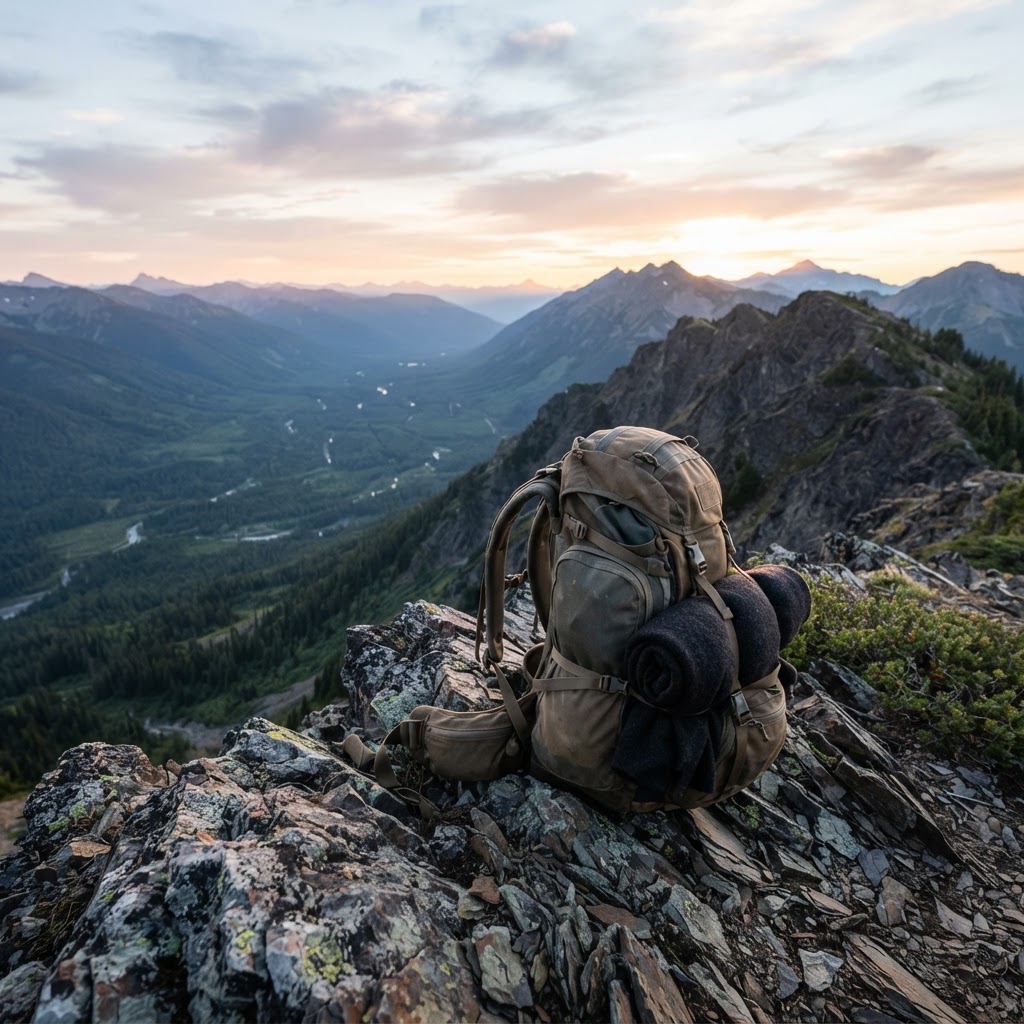
The Wilderness Loadout: A Systematic Approach to Backcountry Gear Logistics
Transitioning from day hunts to multi-day backcountry excursions requires more than just a heavier pack; it requires a disciplined methodology to ensure your survival and success.
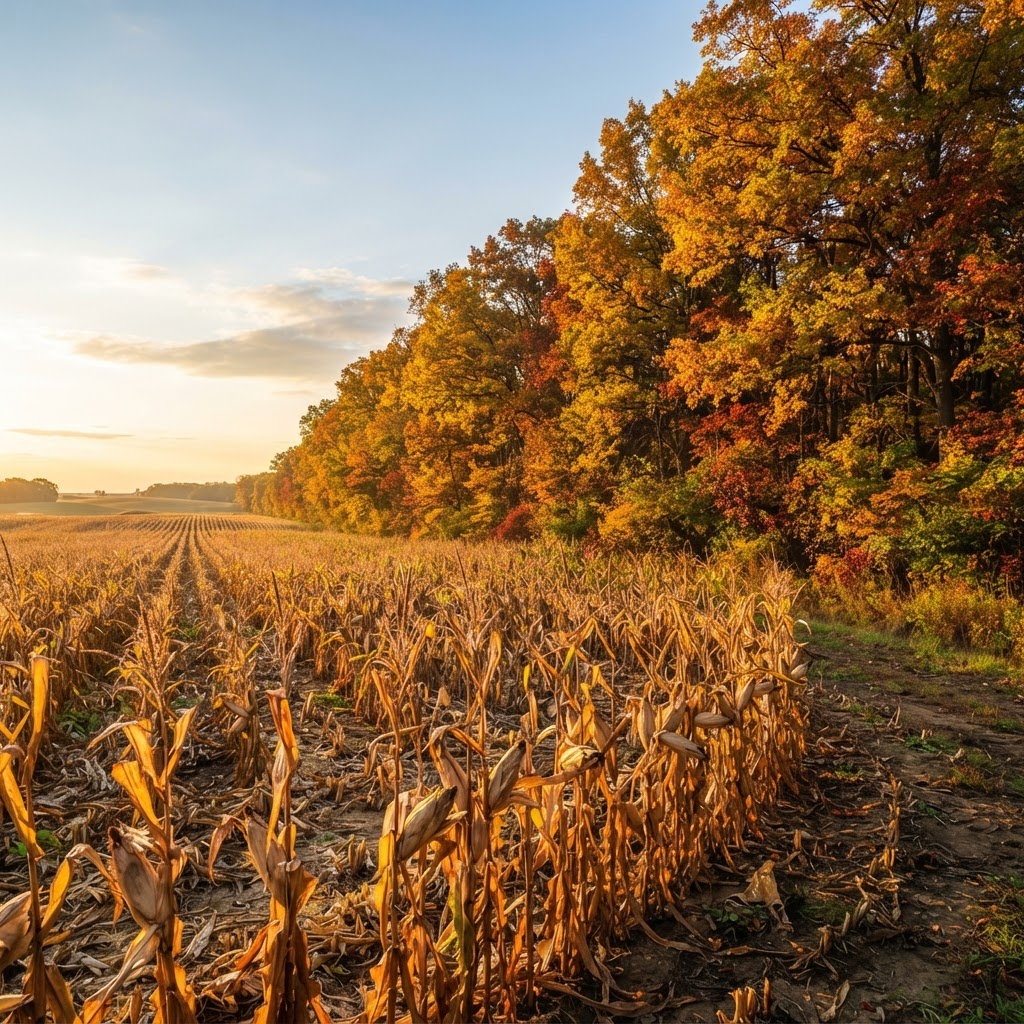
Navigating the Prairie State: A Seasoned Hunter’s Guide to Illinois Public Grounds
From the sprawling cornfields of the north to the rugged timber of the Shawnee National Forest, Illinois offers diverse challenges for the dedicated sportsman. Master the state's unique landscape with these practical strategies for success.
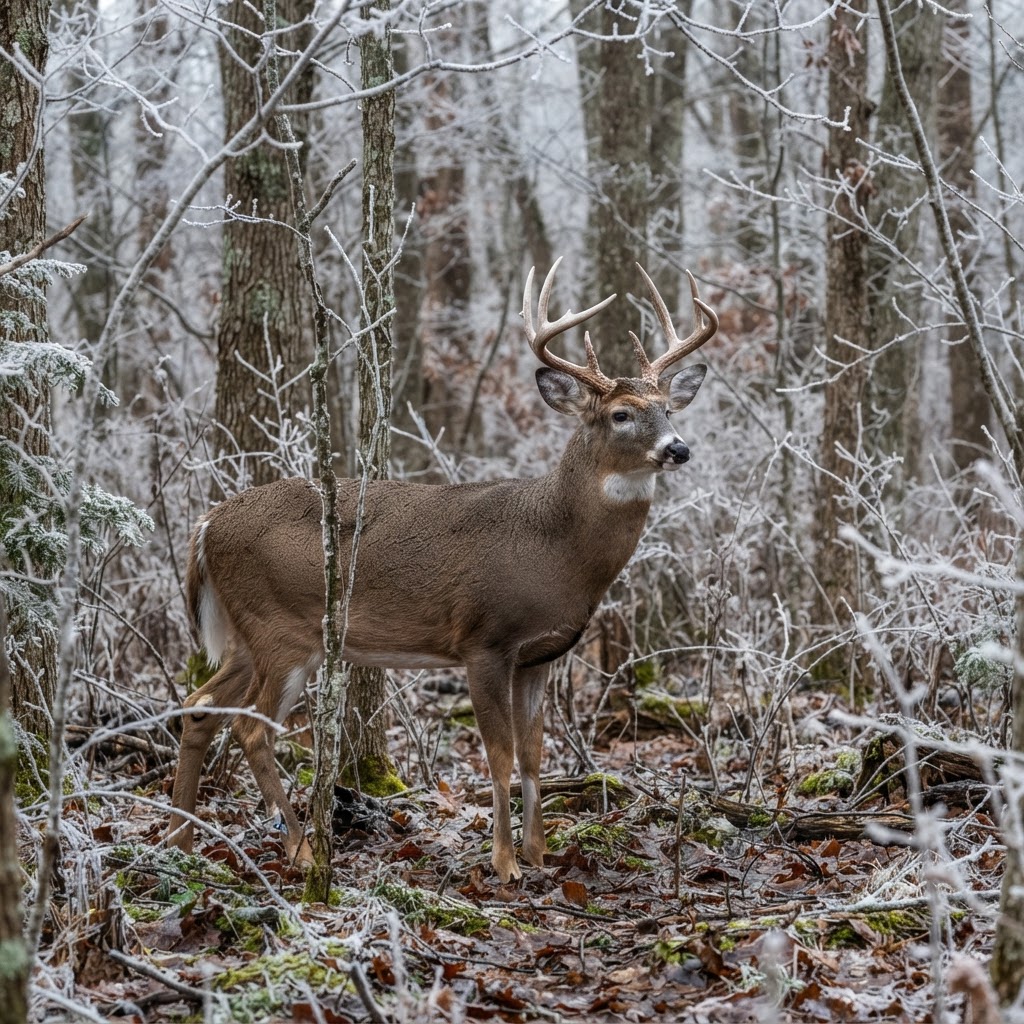
Pennsylvania Firearms Deer Season 2026: Essential Regulations
Pennsylvania’s statewide firearms deer season opens on Saturday, November 28, 2026, and runs through December 13. This year marks the first season where hunting is permitted on every Sunday that falls within the established dates.
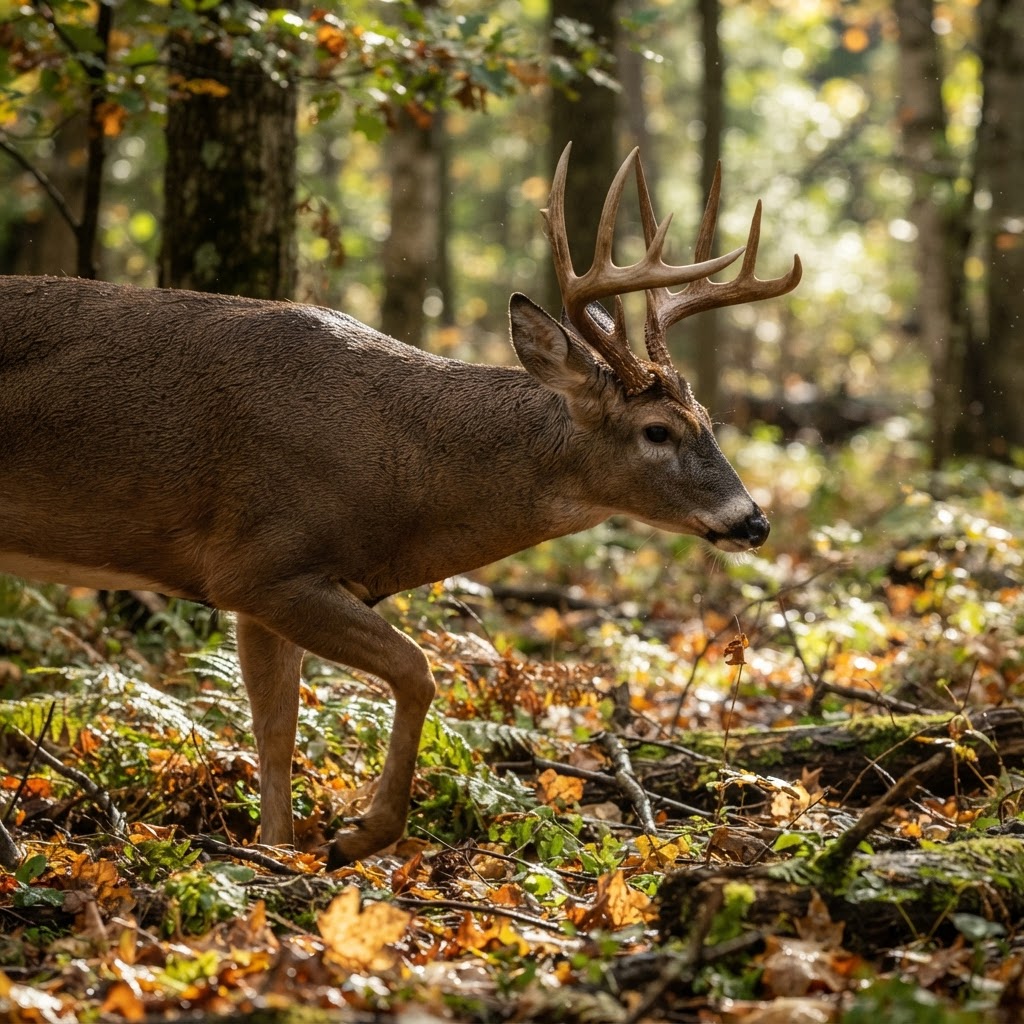
Efficiency in the Field: Leveraging Automated Image Intelligence to Master Deer Behavior
Drowning in thousands of trail camera photos? Discover how to use advanced image recognition to instantly identify bucks, does, and movement trends without spending hours behind a screen.