
Pressure Points: Decoding Barometric Shifts and Whitetail Locomotion
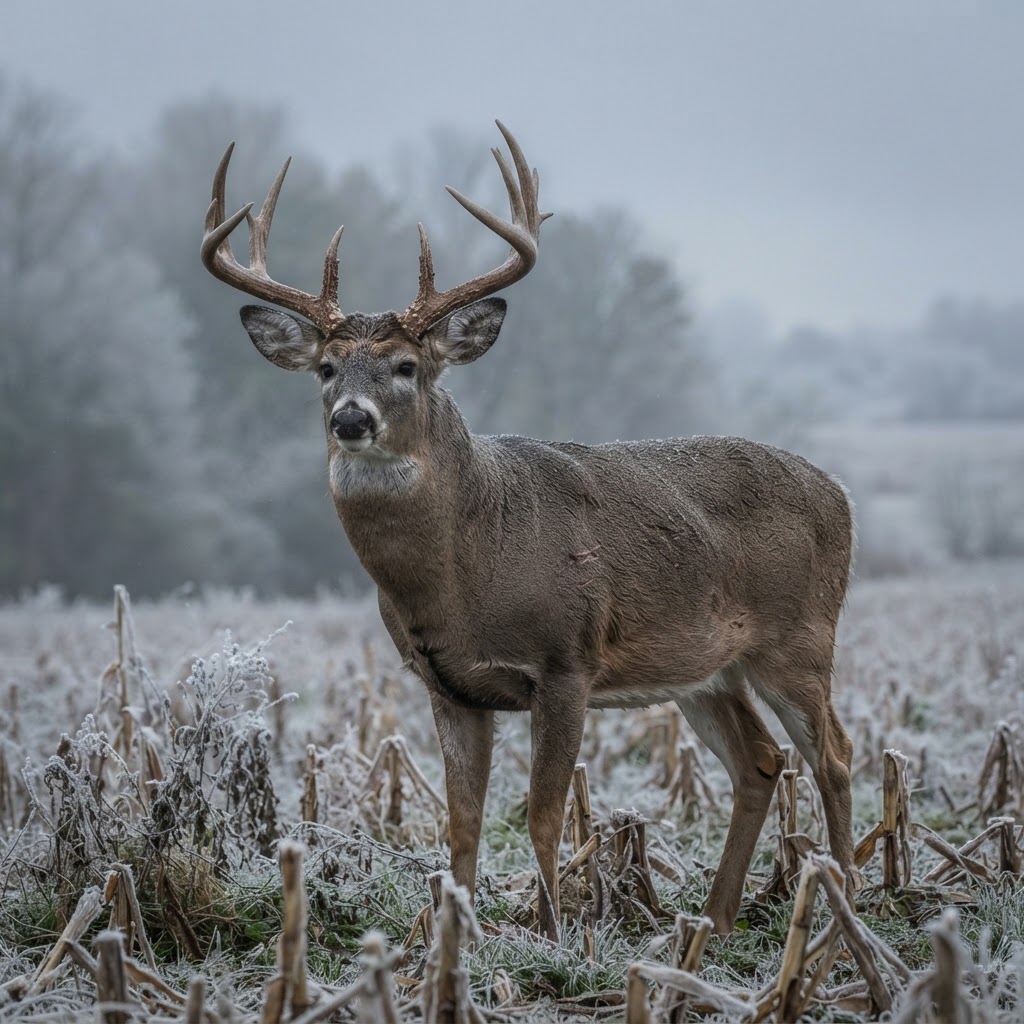
The Science of Atmospheric Pressure and Whitetails
For decades, the whitetail hunting community has been flooded with pseudo-science regarding what dictates deer movement. While many hunters obsess over moon phases, telemetry data from GPS-collared deer in states ranging from Pennsylvania to Texas consistently shows that the moon’s influence on daylight movement is statistically negligible. If you want to increase your odds, you need to stop watching the calendar and start watching the barometer.
Get the deer movement forecast for your spot, free
See the best days and hours to sit this week, built from your spot's weather, moon, and wind.
Barometric pressure—the weight of the atmosphere pressing down on the earth—is a physiological trigger for ungulates. Whitetails are highly sensitive to these changes. When pressure drops rapidly, it often precedes a significant weather event, such as a cold front. During this period of falling pressure, deer often exhibit a 'feeding frenzy' response. Their biological internal sensors detect the impending atmospheric shift, prompting them to move and feed aggressively to fuel their metabolism before the low-pressure system arrives.
Understanding the 'Threshold' Effect
Research into ungulate behavior suggests that whitetails operate on a sliding scale of risk vs. reward. A stable, high-pressure system (usually around 30.00 inches of mercury or higher) often results in 'normal' movement patterns, which are dictated by photoperiod (the amount of daylight) and the current phase of the rut. However, when the barometer dips below 29.80, you are entering the zone of high-intensity movement.
The most lethal time to be in the stand is the 24-hour window immediately following a steep drop in pressure. When a cold front passes and the barometer begins to 'rise' or stabilize after a significant low, the sudden influx of oxygen-rich, cooler air seems to revitalize deer, pushing them out of their bedding areas during daylight hours. This is the moment to prioritize your time in the woods. If you are tracking these patterns, be sure to cross-reference your findings with to refine your observational skills.
Why Weather Outperforms Lunar Cycles
While folklore suggests deer move more during a full moon, GPS telemetry studies—including long-term projects conducted by state wildlife agencies—show that weather variables explain roughly 60% of variation in deer activity, whereas the moon phase accounts for less than 5%.
BHH Partner
Thinking about selling a rifle or an old family shotgun? Check up-to-date market pricing by make and model before you sell.
webuyguns.comWhen a major cold front hits in mid-November, the drop in temperature combined with the barometric shift overrides any lunar influence. Photoperiod acts as the biological clock for the rut, ensuring it happens at the same time every year, but barometric pressure acts as the 'gas pedal' for individual daylight movements. Mature bucks, which are typically nocturnal, are far more likely to abandon their cautious, cover-based habits during that high-pressure 'recovery' period following a front.
Actionable Tactics for the Barometric Hunter
- Target the Leading and Trailing Edges: Focus your hunts on the 12-hour window before a storm front arrives (dropping pressure) and the 12-to-24-hour window after the front passes (rising pressure).
- Ignore the Moon: Don't let a 'dark moon' or a 'full moon' keep you out of the woods. If the barometer is moving, the deer are moving.
- Integrate Digital Intel: Use to see how your specific local herd reacts to pressure changes. You may find that your local bucks have a specific pressure threshold where they shift from nocturnal to crepuscular or daylight activity.
- Stay Mobile: If the forecast shows a significant system moving in, do not hunt your permanent stands if the wind is wrong. The pressure will force movement, but if you spook a buck because your wind direction was off, the pressure-driven movement won't matter.
E-Tag States

Harvest Tags
E-check means you supply the tag. Printed with the exact fields your state requires.
3-pack $22.95

Youth Hunter Academy
Raise a safe, confident young hunter.
Safety missions for ages 5–17. Free parent account.
The Role of Temperature Swings
It is important to note that pressure does not act in a vacuum. A drop in barometric pressure is almost always accompanied by a change in temperature. Whitetails are thermoregulating animals. When a cold front forces temperatures to plummet, deer increase their caloric intake to maintain core body heat. This metabolic necessity forces them into open areas or browse-heavy food plots, exposing them to hunters. If you want to refine your strategy further, consider reviewing to align these weather patterns with the peak rut windows in your specific latitude.
Ultimately, hunting success is a game of probability. By prioritizing barometric data over myths and legends, you shift those probabilities in your favor. Watch the clouds, watch your weather app, and when that barometer starts to swing, make sure you are already in the stand.
Free every morning
Your Daily Briefing
One morning forecast for the spots you actually hunt and fish: deer movement, waterfowl flights, bite times, wind and shooting light.
See what's in itSet up your briefing
Join free, save a spot on the map, then pick what you hunt and fish and when you want your email.
Join 1,561 hunters and anglers on Buckeye Hunter Hub — free.
Latest from the Community


Everything you need to hunt smarter — free
Buckeye Hunter Hub is a free, nationwide platform. Create an account and unlock the full toolkit:
Free Interactive Hunting Map
Mark stands, cameras, and sign. Draw hunting zones with public land & county overlays across all 50 states.
Zones with Group Sharing
Share zones with your hunting group, split property into sections, assign stands, and check in — all in one place.
50 States of Hunting Resources
Season dates, license links, and DNR regulations for every state, kept current so you never miss an opener.
Deer Movement Forecast
Data-driven daily movement predictions using wind, moon, and pressure — know when to sit before you go.
Waterfowl Movement & Tools
Flight-potential forecasts, migration numbers, decoy spread planner, and a full species field guide.
From the Maker Bench

Taggart Outdoors
Custom Western Belt
Hand-built in the USA · $127.99
Shop the Maker
BHH Partner
Firearms, ammo and gear from a local Ohio shop in Grafton.
dnaarmory.comE-Tag States
Harvest Tags
E-check means you supply the tag. Printed with the exact fields your state requires.
3-pack $22.95
More Articles
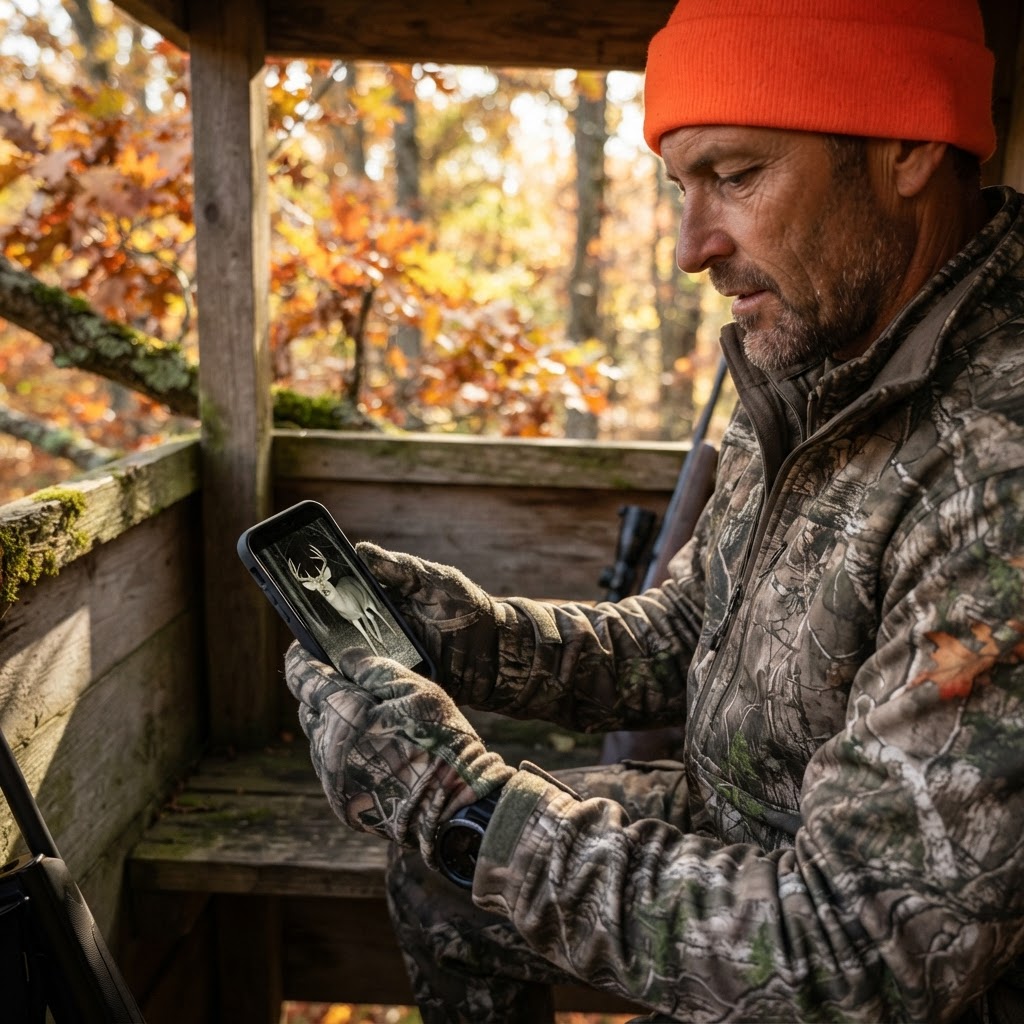
Data-Driven Scouting: Leveraging AI to Decipher Your Trail Camera Files
Drowning in thousands of trail camera images? Learn how to automate your image organization and use AI pattern recognition to pinpoint exactly when and where your target deer are moving.
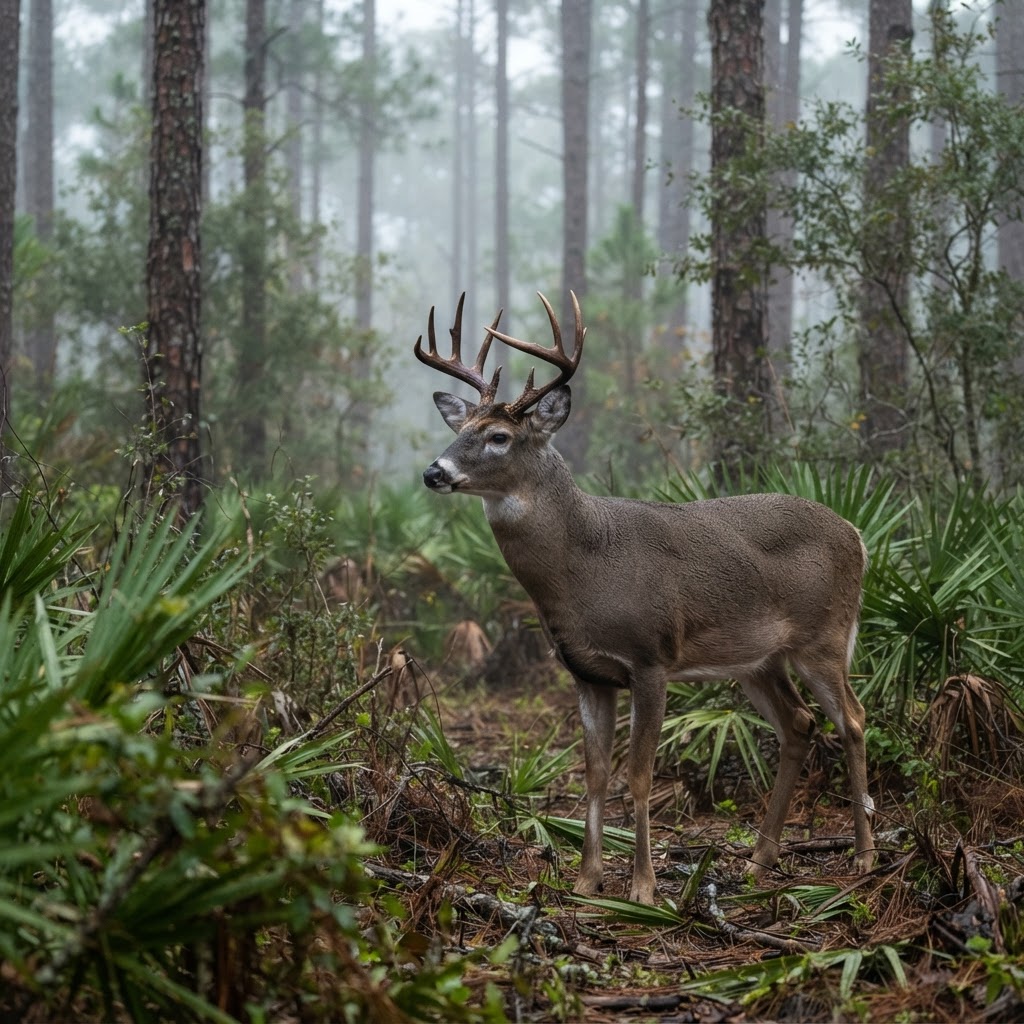
Florida Deer (Zone D General Gun) Season: 2026 Opener Guide
The Florida Zone D General Gun season opens tomorrow, November 26, 2026, for a brief four-day window. Hunters should prepare for this early segment before the season resumes in mid-December.
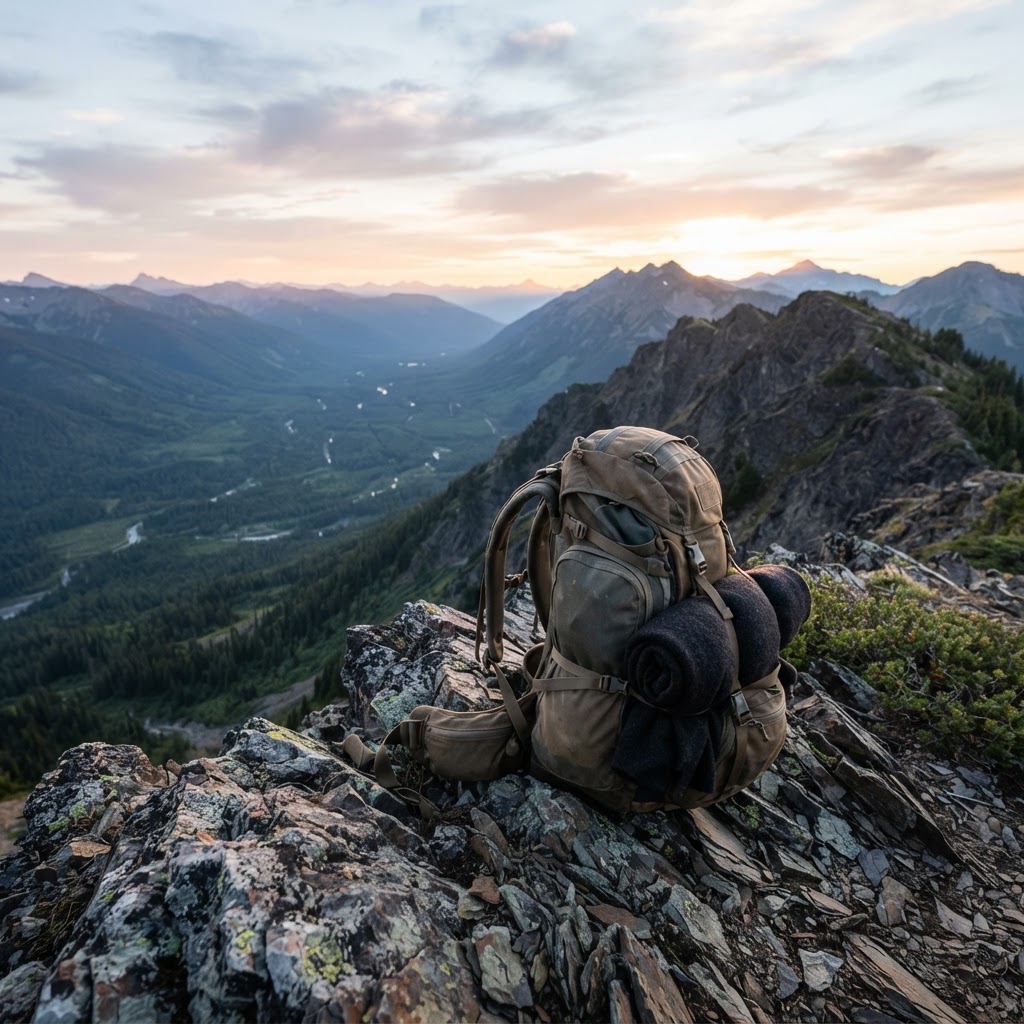
The Wilderness Loadout: A Systematic Approach to Backcountry Gear Logistics
Transitioning from day hunts to multi-day backcountry excursions requires more than just a heavier pack; it requires a disciplined methodology to ensure your survival and success.
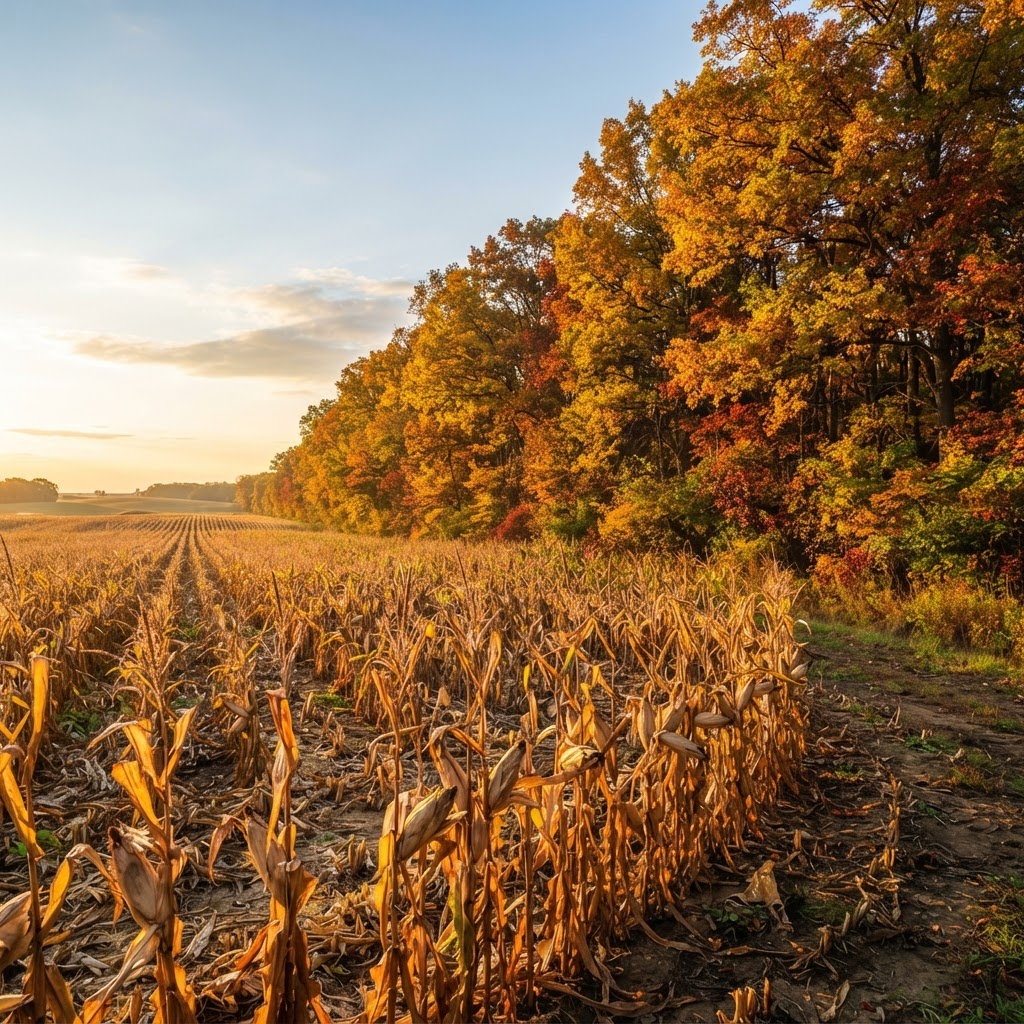
Navigating the Prairie State: A Seasoned Hunter’s Guide to Illinois Public Grounds
From the sprawling cornfields of the north to the rugged timber of the Shawnee National Forest, Illinois offers diverse challenges for the dedicated sportsman. Master the state's unique landscape with these practical strategies for success.