
The Wilderness Loadout: A Systematic Approach to Backcountry Gear Logistics
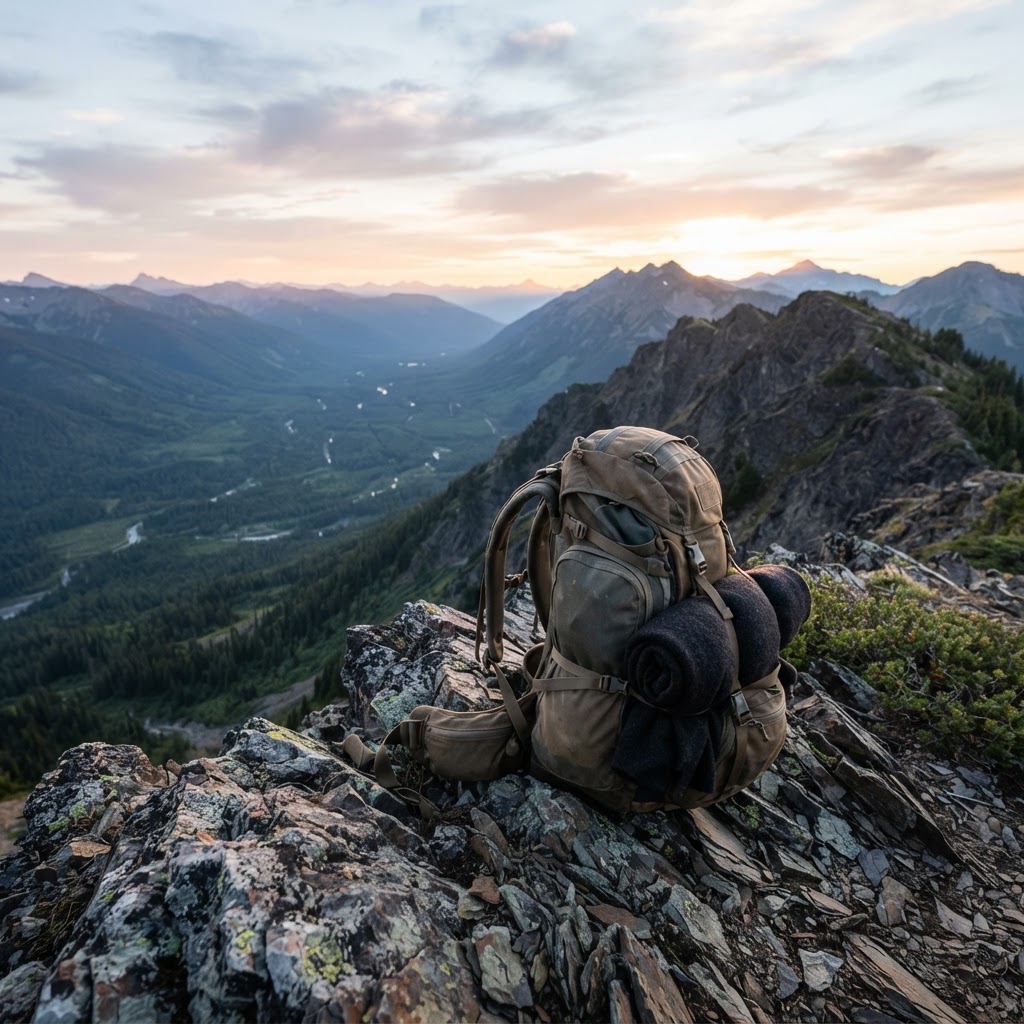
Mastering the Backcountry Logistics
There is a profound difference between hunting from a base camp and living out of your pack in the high country. When every ounce of gear must be carried on your back, the margin for error shrinks significantly. At Buckeye Hunter Hub, we believe that success in the wilderness is built on the foundation of rigorous preparation rather than sheer willpower. Planning a backcountry hunt is an exercise in resource management, where your physical stamina and your equipment must exist in a perfect, symbiotic balance.
Free hunting map, zones & 50-state resources
Save your spots, share zones with your group, and get deer & waterfowl movement forecasts, free.
Phase One: The Pre-Trip Scouting Framework
Before you ever touch your gear, you must understand the terrain. Backcountry hunting relies heavily on digital reconnaissance. Utilize to identify potential glassing points, water sources, and bedding areas. Unlike hunting small woodlots, the backcountry demands that you analyze topography over vast distances. Look for saddles, benches, and transition zones where the elevation changes dramatically. It is helpful to cross-reference these digital findings with to predict how game will utilize these features during specific times of the day. By the time your boots hit the dirt, you should have at least three potential camp locations identified, ranked by water access and wind exposure.
Phase Two: The Modular Packing Strategy
When packing for a multi-day trek, adopt a modular system. Every item should fall into one of four buckets: Shelter/Sleep, Nutrition, Kill Kit, and Clothing.
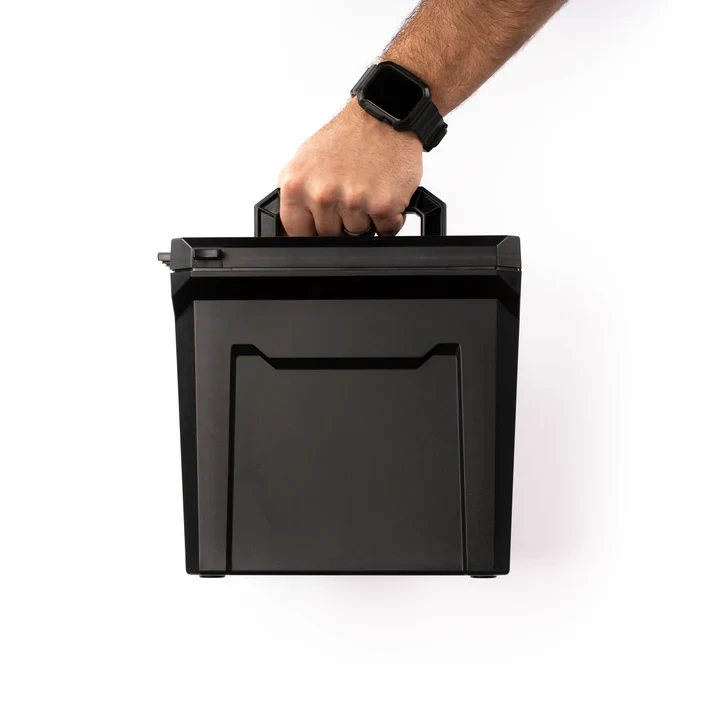
The Shelter and Sleep System
Weight is your primary adversary. Invest in a high-quality, lightweight shelter system. Your sleeping bag should be rated at least 10 degrees colder than the lowest expected temperature to account for dampness or gear fatigue.
The Kill Kit
Many hunters fail by neglecting the 'post-success' logistics. Your kill kit should be stored in a highly accessible pouch and include two knives (one for skinning, one for quartering), a sharpening stone, latex gloves, a headlamp with fresh batteries, and reliable . Remember, the hunt doesn't end when the animal hits the ground; it enters the most physically demanding phase of the trip.
Nutrition and Hydration
Caloric density is the priority. Dehydrated meals are standard, but supplement them with dense fats like nut butters and jerky. For water, bring a primary filter and a backup chemical purification method. Never rely on a single point of failure when you are miles from the nearest road.
BHH Partner
Thinking about selling a rifle or an old family shotgun? Check up-to-date market pricing by make and model before you sell.
webuyguns.comPhase Three: Timing and Physical Readiness
Timing a backcountry hunt requires looking beyond the general dates on . You must consider seasonal weather patterns and animal behavior. For example, if you are targeting elk or mule deer, the transition from late-season heat to the first major storm front often signals a significant shift in movement.
Physical conditioning should start at least three months before your departure. You cannot simulate the weight of a heavy pack combined with a harvested animal on your back, but you can build the structural integrity in your legs and core. Use the off-season to participate in , where you can exchange fitness tips and logistical strategies with other backcountry enthusiasts who have successfully navigated similar terrain.
E-Tag States

Harvest Tags
E-check means you supply the tag. Printed with the exact fields your state requires.
3-pack $22.95

Youth Hunter Academy
Raise a safe, confident young hunter.
Safety missions for ages 5–17. Free parent account.
Safety and Contingency Planning
Safety is the most overlooked aspect of backcountry logistics. You are operating outside the reach of immediate medical assistance. Always carry a satellite communication device, and ensure your itinerary is shared with someone you trust. Create a formal plan that details your entry and exit points, as well as your planned camp locations.
Furthermore, keep your gear organized. Chaos in your pack leads to lost items and wasted time. By maintaining a clean, systematic loadout, you increase your efficiency in the field. If you find yourself needing to refine your approach, check out our for guidance on setting up your gear for maximum accessibility.
Final Thoughts: The Mindset of the Backcountry Hunter
Backcountry hunting is a test of character. There will be moments of extreme fatigue, bad weather, and frustration. However, the reward of harvesting an animal in its natural, undisturbed element is unmatched. Stay disciplined, rely on your planning, and trust the process. As you continue to refine your logistics, you will find that the gear you carry becomes an extension of your intent, allowing you to focus entirely on the experience rather than the discomfort. Prepare well, respect the wild, and make every step count.
Free every morning
Your Daily Briefing
One morning forecast for the spots you actually hunt and fish: deer movement, waterfowl flights, bite times, wind and shooting light.
See what's in itSet up your briefing
Join free, save a spot on the map, then pick what you hunt and fish and when you want your email.
Join 1,554 hunters and anglers on Buckeye Hunter Hub — free.
Latest from the Community



Everything you need to hunt smarter — free
Buckeye Hunter Hub is a free, nationwide platform. Create an account and unlock the full toolkit:
Free Interactive Hunting Map
Mark stands, cameras, and sign. Draw hunting zones with public land & county overlays across all 50 states.
Zones with Group Sharing
Share zones with your hunting group, split property into sections, assign stands, and check in — all in one place.
50 States of Hunting Resources
Season dates, license links, and DNR regulations for every state, kept current so you never miss an opener.
Deer Movement Forecast
Data-driven daily movement predictions using wind, moon, and pressure — know when to sit before you go.
Waterfowl Movement & Tools
Flight-potential forecasts, migration numbers, decoy spread planner, and a full species field guide.
From the Maker Bench

Taggart Outdoors
Custom Western Belt
Hand-built in the USA · $127.99
Shop the MakerBHH Partner
Thinking about selling a rifle or an old family shotgun? Check up-to-date market pricing by make and model before you sell.
webuyguns.comE-Tag States
Harvest Tags
E-check means you supply the tag. Printed with the exact fields your state requires.
3-pack $22.95
More Articles
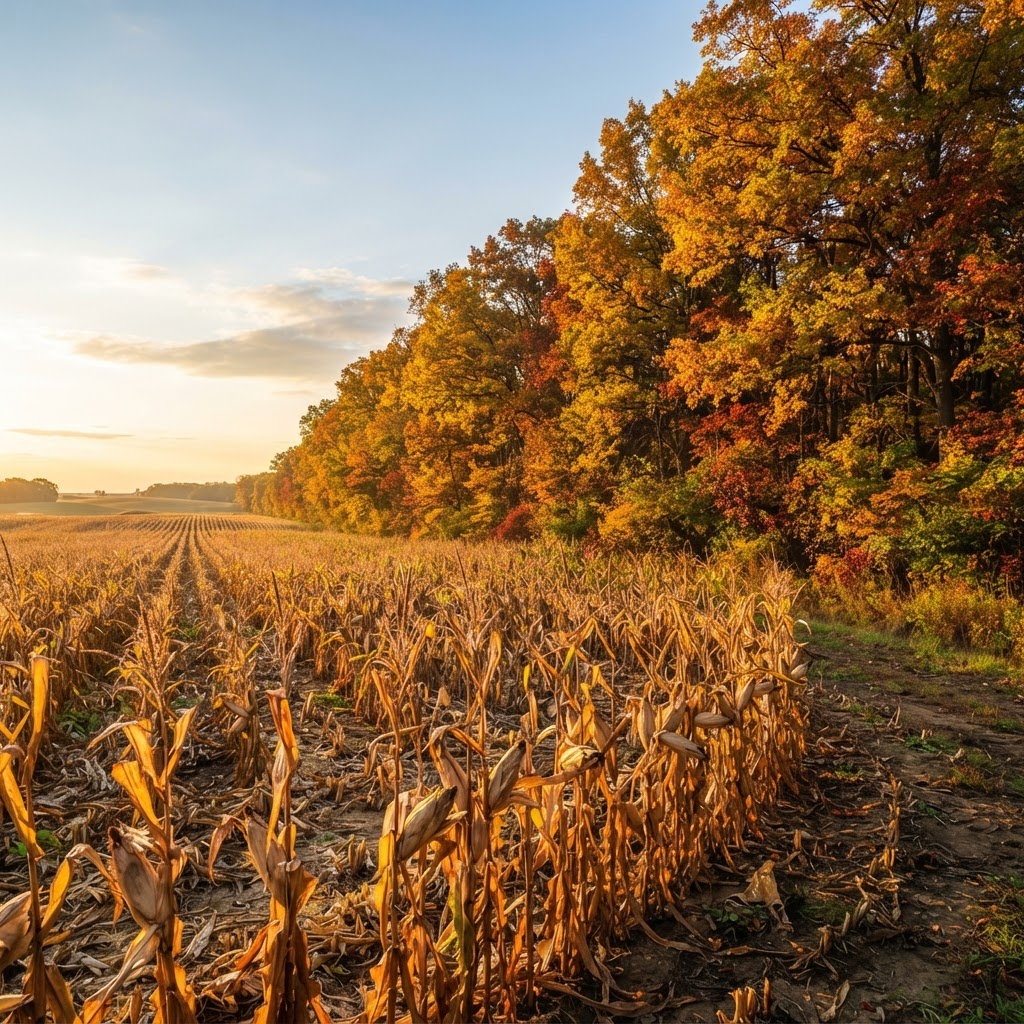
Navigating the Prairie State: A Seasoned Hunter’s Guide to Illinois Public Grounds
From the sprawling cornfields of the north to the rugged timber of the Shawnee National Forest, Illinois offers diverse challenges for the dedicated sportsman. Master the state's unique landscape with these practical strategies for success.
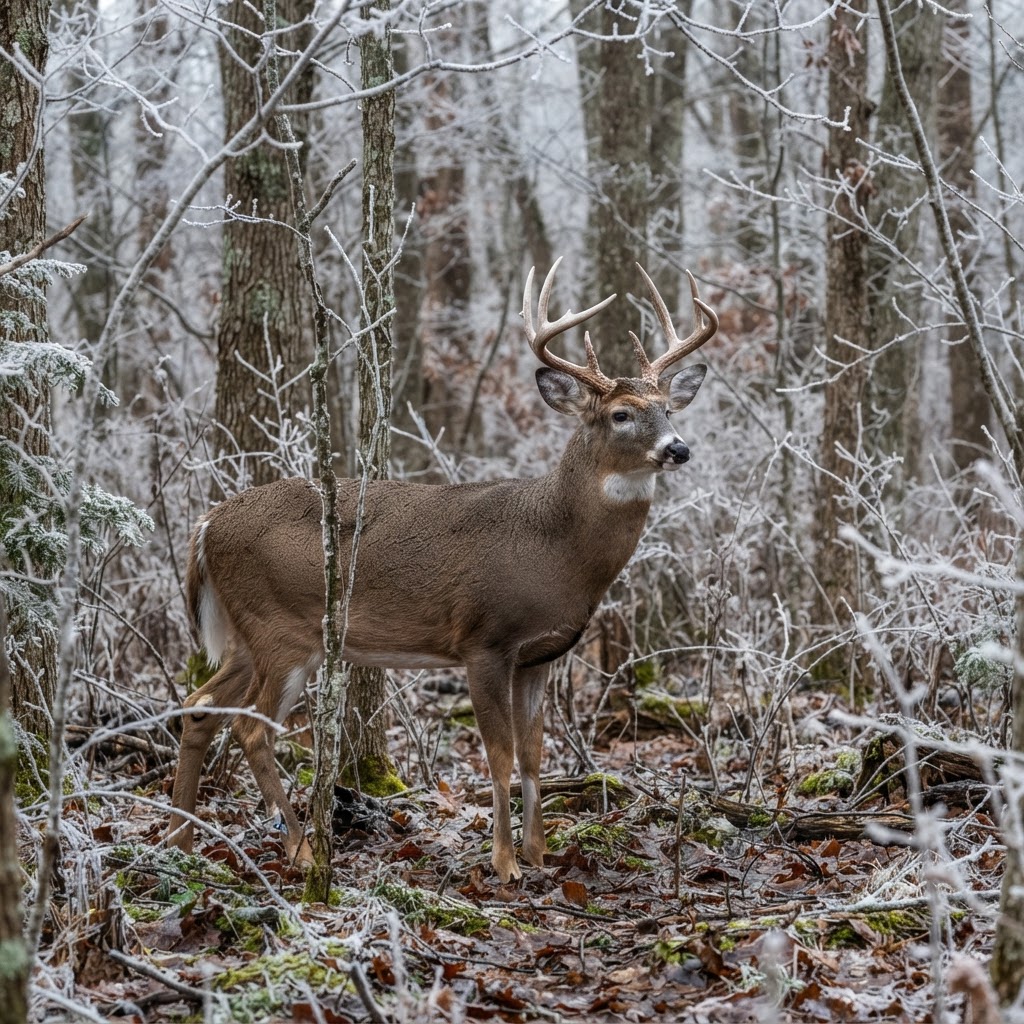
Pennsylvania Firearms Deer Season 2026: Essential Regulations
Pennsylvania’s statewide firearms deer season opens on Saturday, November 28, 2026, and runs through December 13. This year marks the first season where hunting is permitted on every Sunday that falls within the established dates.
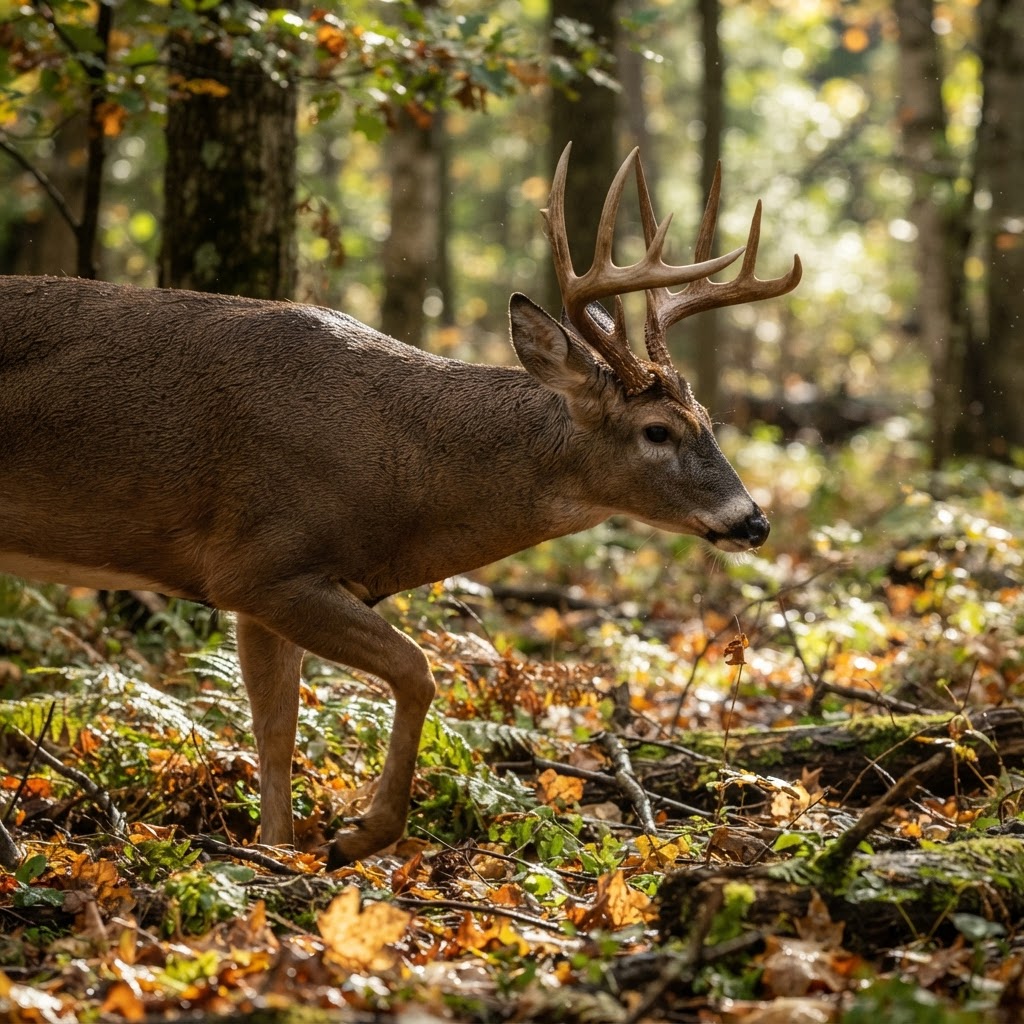
Efficiency in the Field: Leveraging Automated Image Intelligence to Master Deer Behavior
Drowning in thousands of trail camera photos? Discover how to use advanced image recognition to instantly identify bucks, does, and movement trends without spending hours behind a screen.
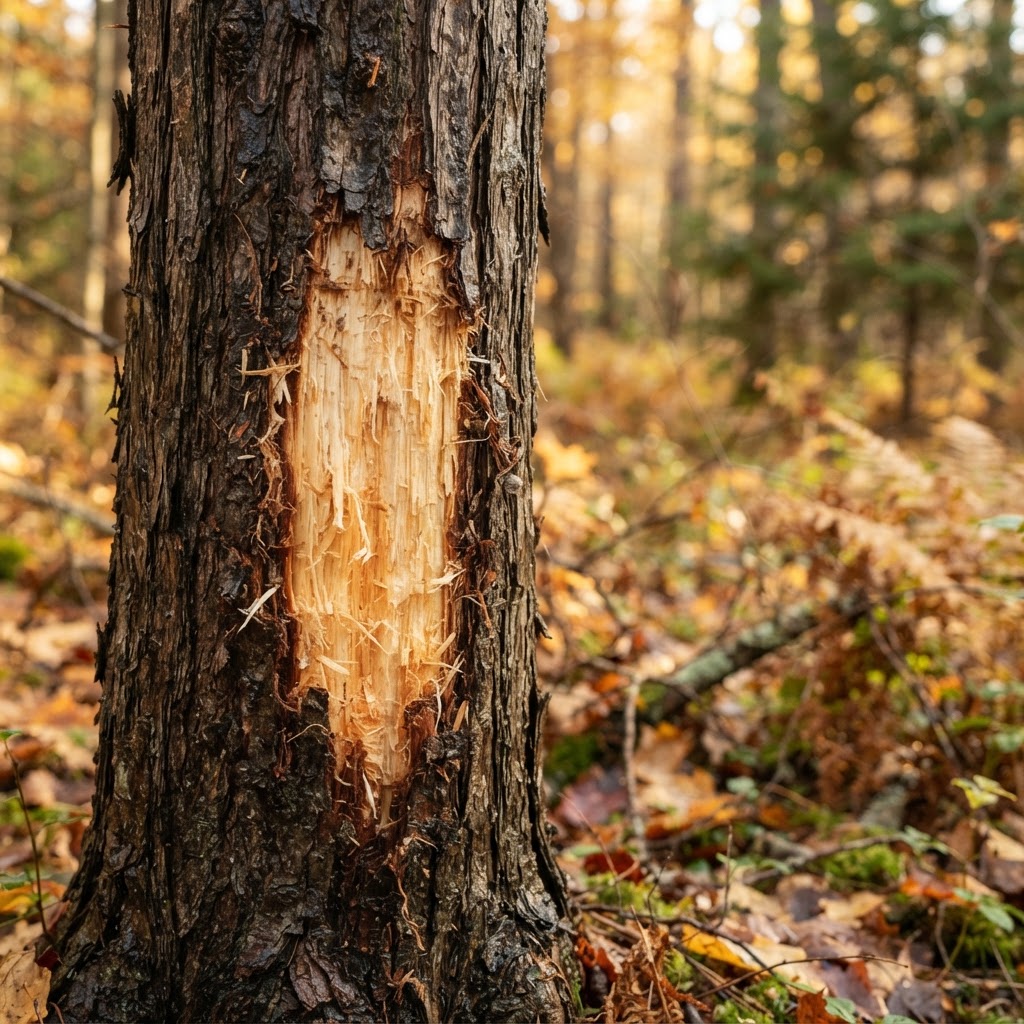
Field Intelligence: Reading Subtle Signs to Locate Whitetail Cores
Successful hunters don't just look for deer; they look for the story the land tells. Learn how to interpret rubs, scrapes, and bedding areas to pinpoint where mature bucks live.