Mastering the Spring Gobbler: A Comprehensive Strategy for Turkey Success
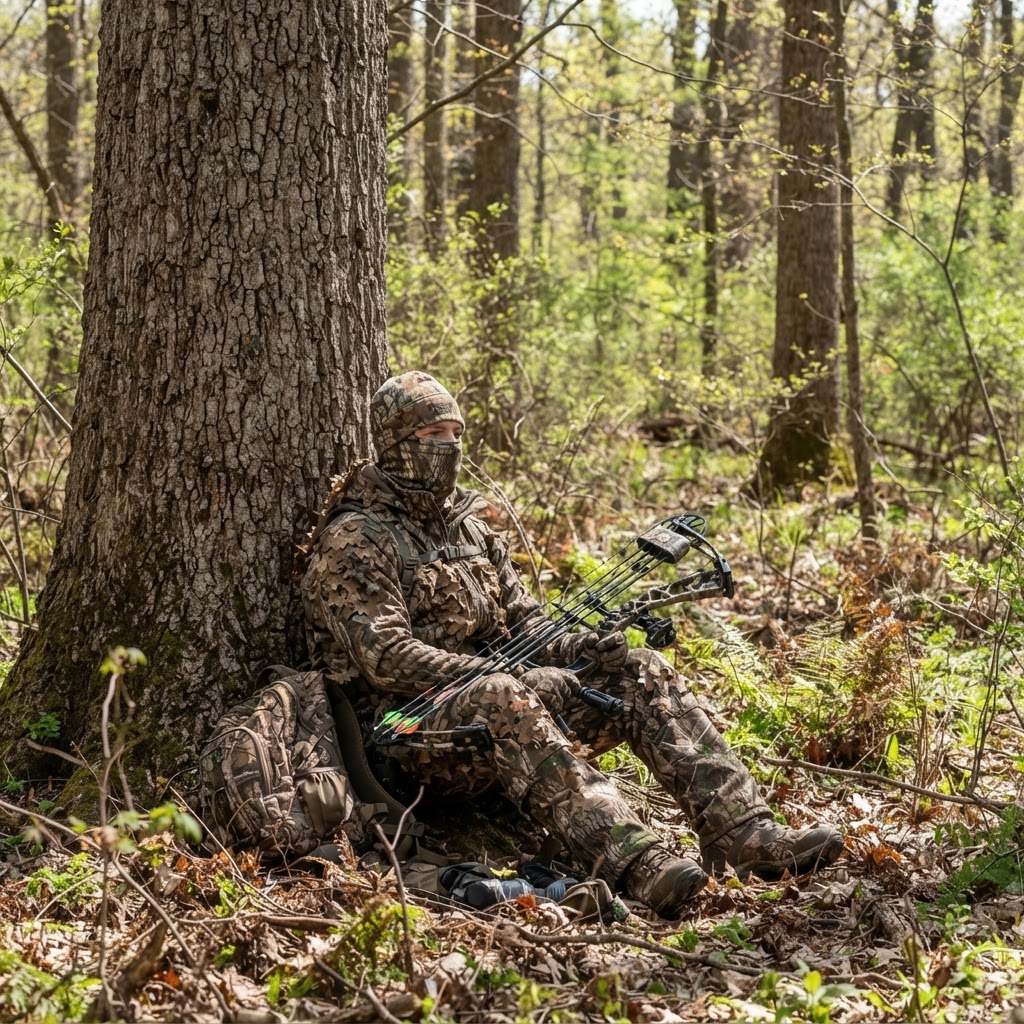
The Allure of the Wild Turkey
There is no sound in the American woods quite as exhilarating as a thunderous gobble echoing through a damp, sunrise-lit timber stand. For many hunters, the spring turkey season represents the pinnacle of outdoor adventure. It is a game of chess played on a massive, wild board, where your opponent is gifted with superior eyesight, keen hearing, and a natural suspicion that makes even the wiliest whitetail seem predictable. At Buckeye Hunter Hub, we believe that success starts with understanding the biology of the bird and ends with flawless execution in the field.
Free hunting map, zones & 50-state resources
Save your spots, share zones with your group, and get deer & waterfowl movement forecasts — free.
Biology and Behavioral Rhythms
To hunt the wild turkey effectively, you must first respect their biological imperative. During the spring months, the male turkey, or gobbler, is driven almost entirely by the desire to breed. His daily routine revolves around strutting, displaying his fan, and vocalizing to attract hens. Understanding this behavior allows you to bridge the gap between his location and your barrel.
Turkeys possess vision that is nearly three times better than that of a human. They can detect movement from incredible distances and perceive color in a way that makes any bright or unnatural clothing a liability. Couple this with their ability to hear a snapping twig from hundreds of yards away, and you have an adversary that demands complete concealment. Utilizing state hunting resources helps you understand when the season peaks in your local area, ensuring you are in the woods when the gobblers are at their most vocal.
Habitat Selection and Scouting
Turkeys are adaptable, but they have specific preferences. They gravitate toward diverse habitats consisting of mature hardwood forests for roosting—often favoring large oaks or pines near water sources—and open fields or pastures for strutting. During the early morning, they descend from their roosts to perform their mating displays.
Before opening day, spend time scouting from a distance. If you have access to digital tools, look for signs like scratchings on the forest floor, droppings, or feathers. While some tools are designed for deer, the general principles of terrain analysis apply here. You can refine your approach by checking to identify pinch points or transition zones where timber meets agriculture. Avoid getting too close to roosting areas, as spooking a flock at dawn can ruin a location for the remainder of the season.
Tactics for the Modern Hunter
Successful turkey hunting is a blend of calling, positioning, and patience. The most effective tactic often involves "run and gun" hunting—moving through the landscape, calling periodically, and listening for a response. Once a bird responds, the strategy shifts to a precision ambush.
E-Tag States

Harvest Tags
E-check means you supply the tag. Printed with the exact fields your state requires.
3-pack $22.95
Set up at least 30-40 yards from where you expect the bird to appear, ensuring you have a solid backstop for your own safety and a clear lane of fire. Use natural foliage to break up your silhouette. Once you are positioned, calling should be subtle and strategic. Many beginners make the mistake of over-calling. Remember that the hen is supposed to come to the gobbler; if you mimic a hen, you want to sound enticing, not aggressive. If you are struggling with your calling technique, consider reviewing some of our to refine your sound.
Gear That Matters
In the turkey woods, reliability is everything. A high-quality shotgun with a tight-patterning choke tube is standard equipment, but your clothing and optics are equally important. Camouflage should be chosen based on the local environment—a pattern that works in the deep pines of the South might stand out in the budding green of a Midwestern forest. Investing in comfortable, waterproof footwear is non-negotiable, as you will likely cover significant ground. While some hunters use decoys to draw birds into range, others prefer the challenge of "bird-to-bird" calling. If you choose to use decoys, ensure they are high-quality, as a wary boss gobbler will quickly spot a fake-looking plastic imitation.
Raise a safe, confident young hunter.
Guide your kids ages 5–17 through interactive hunting safety missions, real decision drills, and earned trophies — all from one free parent account.
Bonus: every $10 you spend in the BHH shop earns a free seat (up to 5). Use them or share them.



Tips for New and Experienced Hunters
For the novice, the biggest challenge is learning to stay still when a bird is closing the distance. The nervous energy is palpable, but movement is the primary reason hunters go home empty-handed. For the veteran, the secret to longevity in the sport is conservation and ethics. Always verify your target, ensure you know what lies beyond, and prioritize a clean, ethical shot above all else.
Whether you are hunting public land or private acreage, remember that you are a steward of the land. If you need help staying organized during the chaotic spring season, utilize to keep track of your dates and state-specific regulations. By respecting the bird and the habitat, we ensure that the thunder of the spring gobble continues to echo for generations to come. Connect with your peers and share your success stories in our to keep the spirit of the hunt alive throughout the year.
Join 517 hunters and anglers on Buckeye Hunter Hub — free.
Latest from the Community


New drop
Fresh Buckeye Hunter Hub tees & hoodies


Everything you need to hunt smarter — free
Buckeye Hunter Hub is a free, nationwide platform. Create an account and unlock the full toolkit:
Free Interactive Hunting Map
Mark stands, cameras, and sign. Draw hunting zones with public land & county overlays across all 50 states.
Zones with Group Sharing
Share zones with your hunting group, split property into sections, assign stands, and check in — all in one place.
50 States of Hunting Resources
Season dates, license links, and DNR regulations for every state, kept current so you never miss an opener.
Deer Movement Forecast
Data-driven daily movement predictions using wind, moon, and pressure — know when to sit before you go.
Waterfowl Movement & Tools
Flight-potential forecasts, migration numbers, decoy spread planner, and a full species field guide.
From the Maker Bench

SE Ohio Outdoors
Euro Mount Hook
Hand-built in the USA · $8.00
Shop the MakerNew drop
Fresh Buckeye Hunter Hub tees & hoodies
Shop This

StopBox Pro Ward | Wall-Mounted
$179.00$199.99

StopBox Pro Compact
$159.00$179.99

BHH Grit Whitetail Tee
$20.55

Buckeye Hunter Hub Hoodie — Woodie
$32.87
E-Tag States
Harvest Tags
E-check means you supply the tag. Printed with the exact fields your state requires.
3-pack $22.95
More Articles
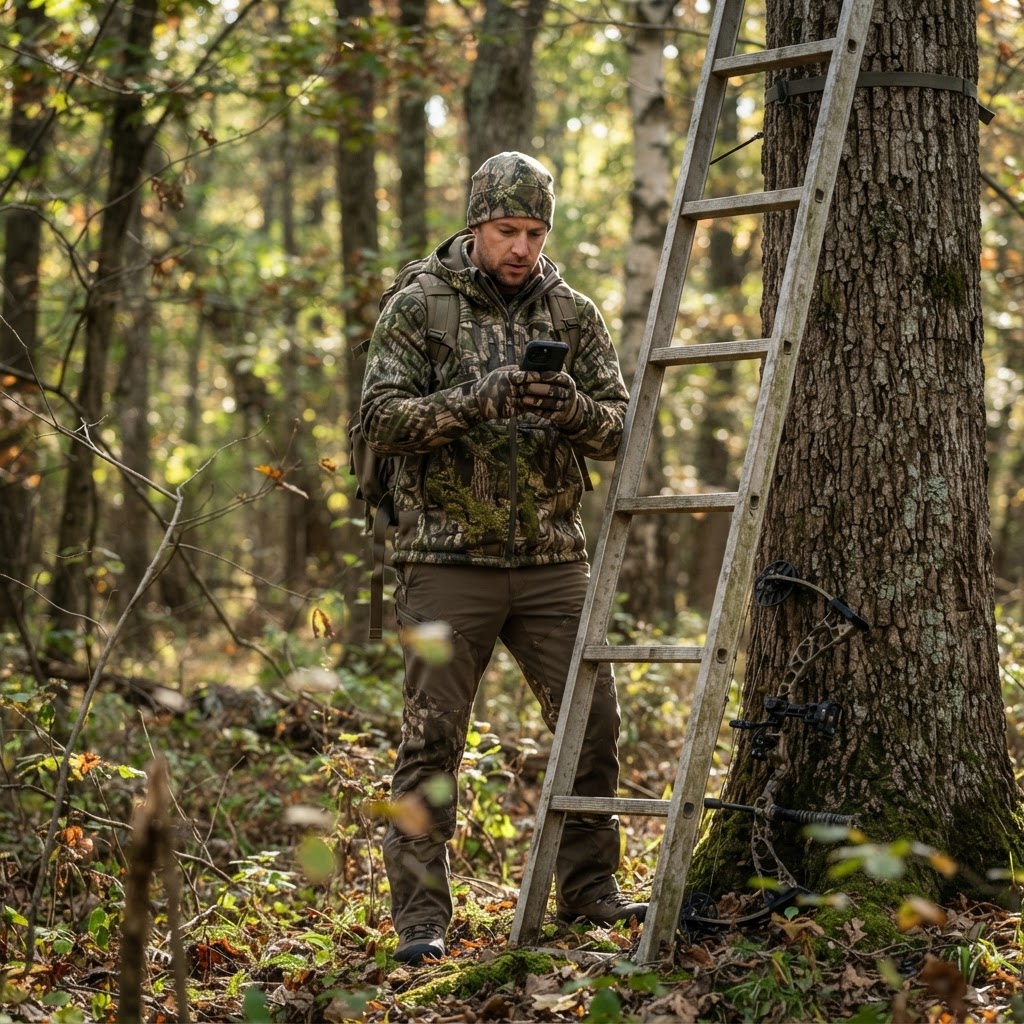
Digital Intelligence: Organizing Your Season with Waypoint Precision
Transform your chaotic scouting notes into a precise, visual game plan using Buckeye Hunter Hub’s interactive mapping tools. Learn how to pin your stands, blinds, and cameras for a more efficient, successful season.
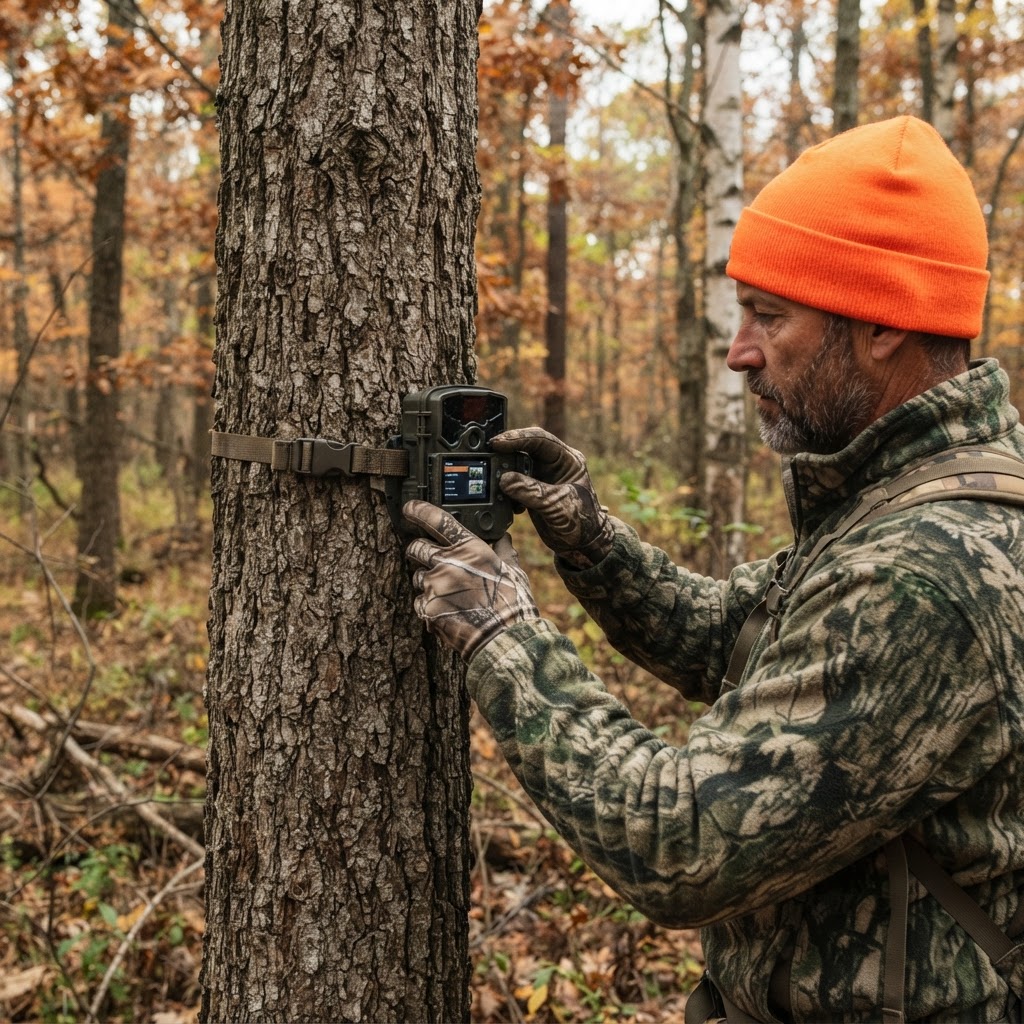
Unlocking Hidden Patterns: How to Use AI for Smarter Scouting
Stop drowning in thousands of trail camera images and start hunting with purpose by using intelligent automation to categorize your deer activity.
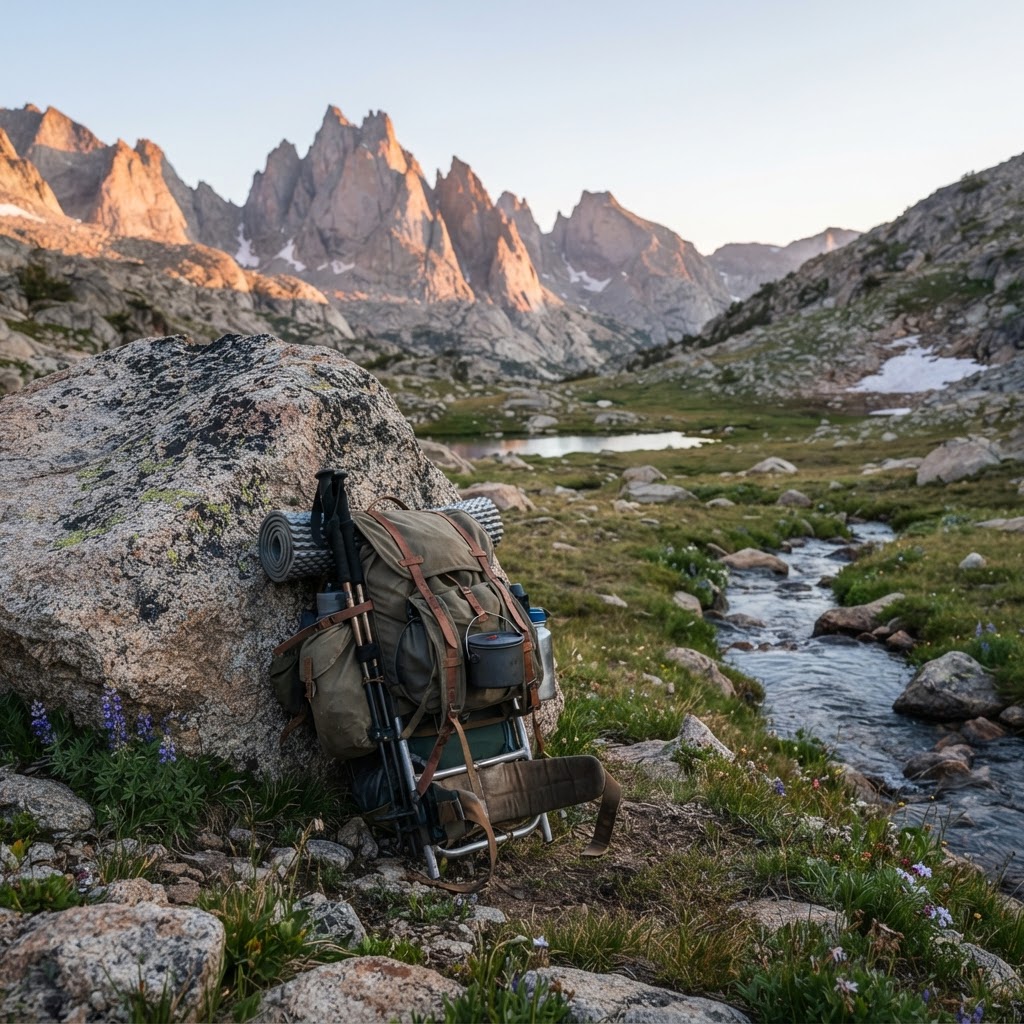
The Wilderness Logistical Blueprint: A Backcountry Packing Framework
Heading into the backcountry requires more than just grit; it demands a systematic approach to gear and logistics. Learn how to build your ultimate packing framework to stay safe, light, and successful in the wild.
Meet the Maker: Jeff Cote of SE Ohio Outdoors
Meet the craftsman behind SE Ohio Outdoors and discover how he is elevating the saddle hunting experience one handmade piece at a time.