
The Wilderness Logistical Blueprint: A Backcountry Packing Framework
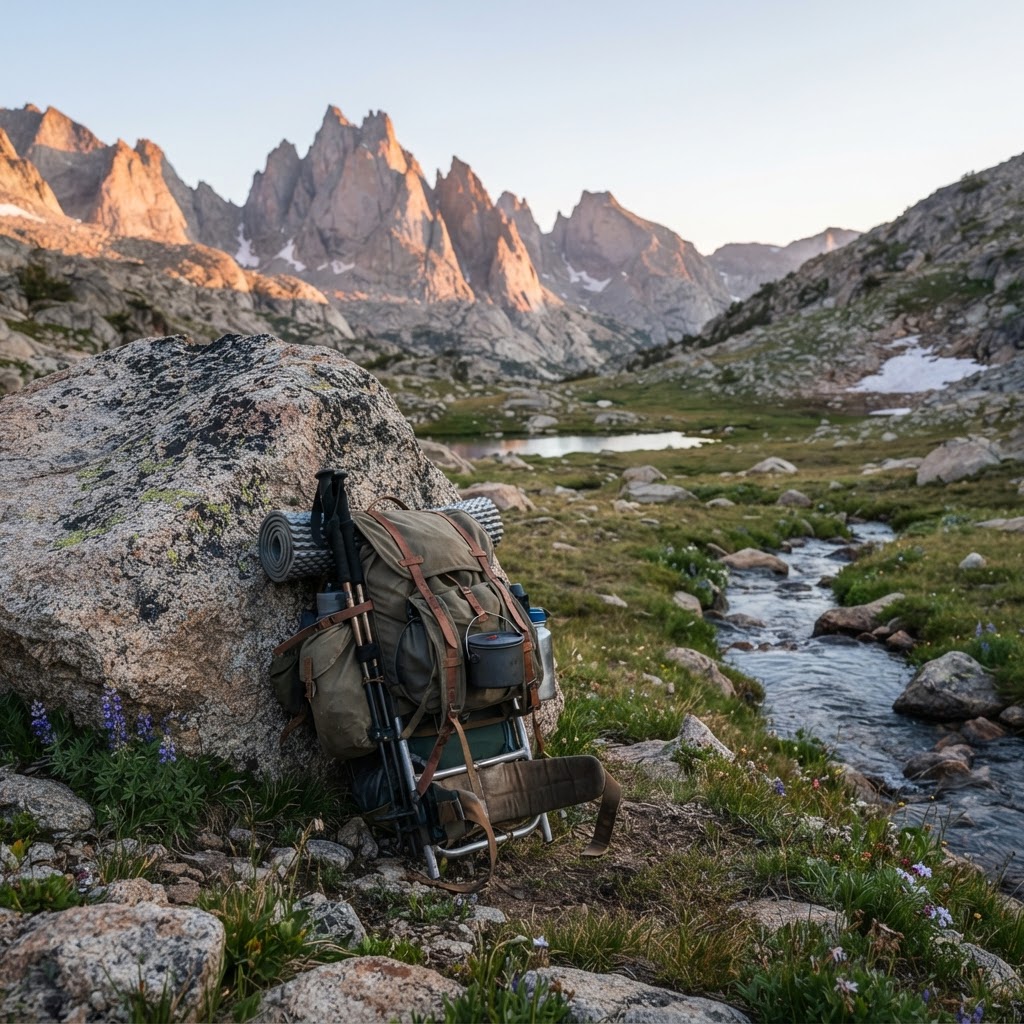
The Art of the Backcountry Loadout
Transitioning from day-hunting to a true backcountry pursuit is the ultimate challenge for the modern outdoorsman. When you are miles from the trailhead, your gear is your survival, your shelter, and your success. At Buckeye Hunter Hub, we believe that the difference between a successful harvest and a miserable retreat often comes down to the efficiency of your pack. Building a backcountry packing list isn't just about throwing things into a bag; it is about creating a modular, lightweight ecosystem that supports you in the most unforgiving environments.
Free hunting map, zones & 50-state resources
Save your spots, share zones with your group, and get deer & waterfowl movement forecasts, free.
Phase 1: Logistics and Strategic Scouting
Before you ever touch a piece of gear, your logistics must be ironclad. Backcountry hunting is governed by access and physical capability. Start by leveraging to identify drainages and bedding areas that see little pressure. Unlike hunting from a vehicle, you are limited by the weight on your back, meaning every mile must count. Research your specific state’s to understand pack-out requirements, carcass disposal regulations, and permit lottery systems.
Next, solidify your timing. Whether you are chasing bugling elk or high-country mule deer, aligning your trip with is essential. Check the historical weather patterns for your unit, as mountain conditions can fluctuate from sunshine to snow in a matter of hours. Proper planning ensures that you aren't fighting the terrain, but rather working with it.
Phase 2: The Core Gear Ecosystem
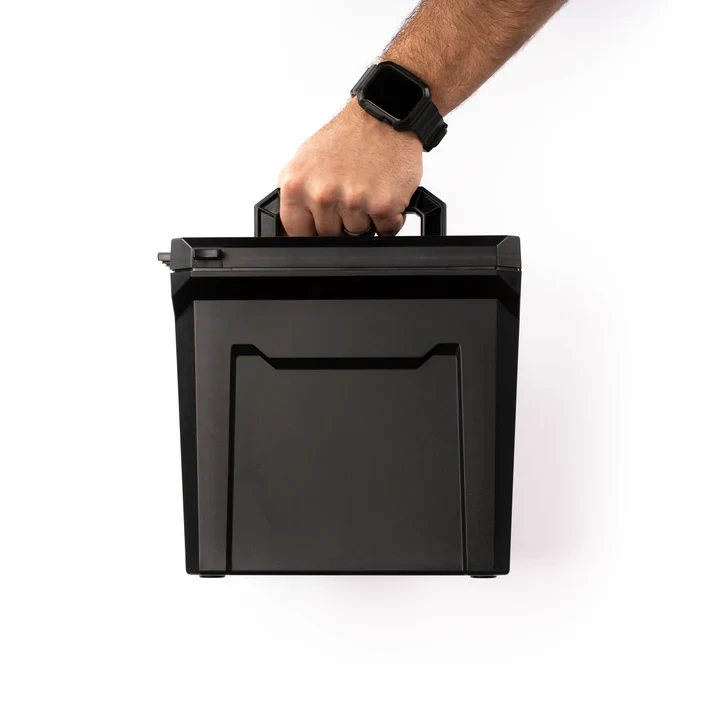
When packing, categorize your gear into four "pillar" systems: Sleep, Nutrition, Optics, and Kill-Kit.
1. The Sleep System
Weight is the enemy in the backcountry. Invest in a high-quality, lightweight technical shelter and a sleeping bag rated for at least ten degrees colder than the lowest forecasted temperature. A high-R-value sleeping pad is non-negotiable; ground cold will sap your energy faster than any climb.
2. Nutrition and Hydration
Caloric density is the key to maintaining energy. Pack freeze-dried meals that provide at least 3,000 to 4,000 calories per day, supplemented with nutrient-dense snacks like nuts, jerky, and electrolyte powders. For water, carry a dual-filtration system: a primary pump or gravity filter and a backup chemical purification method. Never rely on a single source of water purification.

3. The Optics and Intelligence Suite
Your eyes are your best tools. Bring a reliable rangefinder and a set of binos that perform well in low light. If you are scouting long-range, consider a compact spotting scope. While digital scouting gets you to the trailhead, once you are on the ground, you need to be observing movement patterns. Understanding can help you decide whether to push deeper or hold your position during peak activity windows.
4. The Kill-Kit
Many hunters overlook this until the moment of success. Your kill-kit should be pre-packed and ready: high-quality game bags, a fixed-blade knife with extra blades, a sharpener, and enough paracord to secure your haul. If you are hunting in grizzly country, add bear spray to this kit and keep it easily accessible at all times.
Phase 3: Safety and Field Maintenance
E-Tag States

Harvest Tags
E-check means you supply the tag. Printed with the exact fields your state requires.
3-pack $22.95

Youth Hunter Academy
Raise a safe, confident young hunter.
Safety missions for ages 5–17. Free parent account.
Backcountry safety is centered on self-sufficiency. Always carry a satellite communication device—there is no cell service in the deep timber. Your first-aid kit should be "trauma-focused," including items like pressure bandages, moleskin for blister prevention, and basic medications for inflammation.
Furthermore, keep your gear maintained. Field repairs are inevitable. A small roll of duct tape, a few zip ties, and a multi-tool can save a trip if a strap snaps or a zipper fails. At Buckeye Hunter Hub, we advocate for checking your equipment at least three times before departure: once when you organize, once when you pack, and once at the trailhead.
Preparing for the Pack-Out
The final hurdle is the pack-out itself. Ensure your frame pack is adjusted to your torso length and that you have practiced with the weight you intend to carry. A comfortable, well-balanced pack is the difference between a triumphant exit and a physical disaster. By treating your packing list as a living, evolving document, you ensure that every item has a purpose, a place, and a plan for when it is needed most. For more tips on optimizing your setup, check out for ongoing gear discussions and field advice.
Free every morning
Your Daily Briefing
One morning forecast for the spots you actually hunt and fish: deer movement, waterfowl flights, bite times, wind and shooting light.
See what's in itSet up your briefing
Join free, save a spot on the map, then pick what you hunt and fish and when you want your email.
Join 1,542 hunters and anglers on Buckeye Hunter Hub — free.
Latest from the Community



Everything you need to hunt smarter — free
Buckeye Hunter Hub is a free, nationwide platform. Create an account and unlock the full toolkit:
Free Interactive Hunting Map
Mark stands, cameras, and sign. Draw hunting zones with public land & county overlays across all 50 states.
Zones with Group Sharing
Share zones with your hunting group, split property into sections, assign stands, and check in — all in one place.
50 States of Hunting Resources
Season dates, license links, and DNR regulations for every state, kept current so you never miss an opener.
Deer Movement Forecast
Data-driven daily movement predictions using wind, moon, and pressure — know when to sit before you go.
Waterfowl Movement & Tools
Flight-potential forecasts, migration numbers, decoy spread planner, and a full species field guide.
From the Maker Bench

Taggart Outdoors
Custom Western Belt
Hand-built in the USA · $127.99
Shop the MakerBHH Partner
Thinking about selling a rifle or an old family shotgun? Check up-to-date market pricing by make and model before you sell.
webuyguns.comE-Tag States
Harvest Tags
E-check means you supply the tag. Printed with the exact fields your state requires.
3-pack $22.95
More Articles
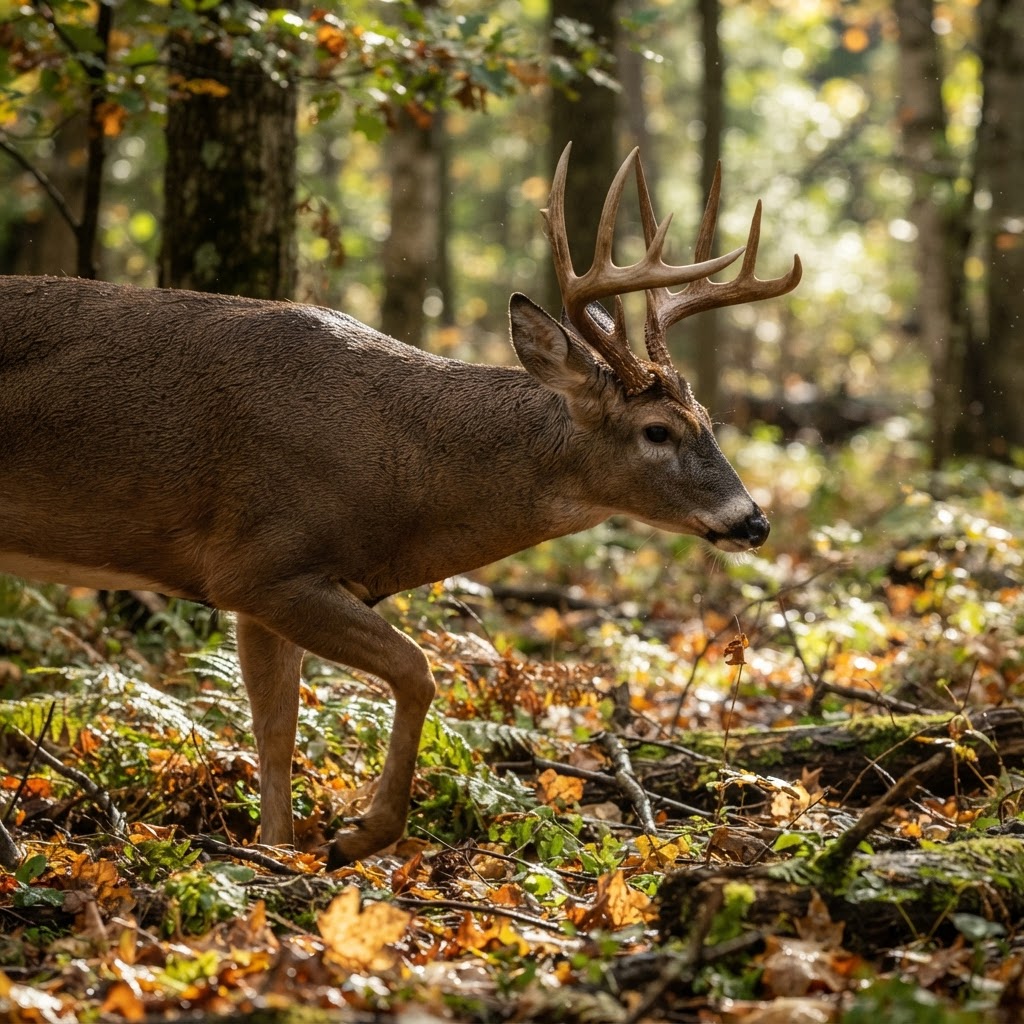
Efficiency in the Field: Leveraging Automated Image Intelligence to Master Deer Behavior
Drowning in thousands of trail camera photos? Discover how to use advanced image recognition to instantly identify bucks, does, and movement trends without spending hours behind a screen.
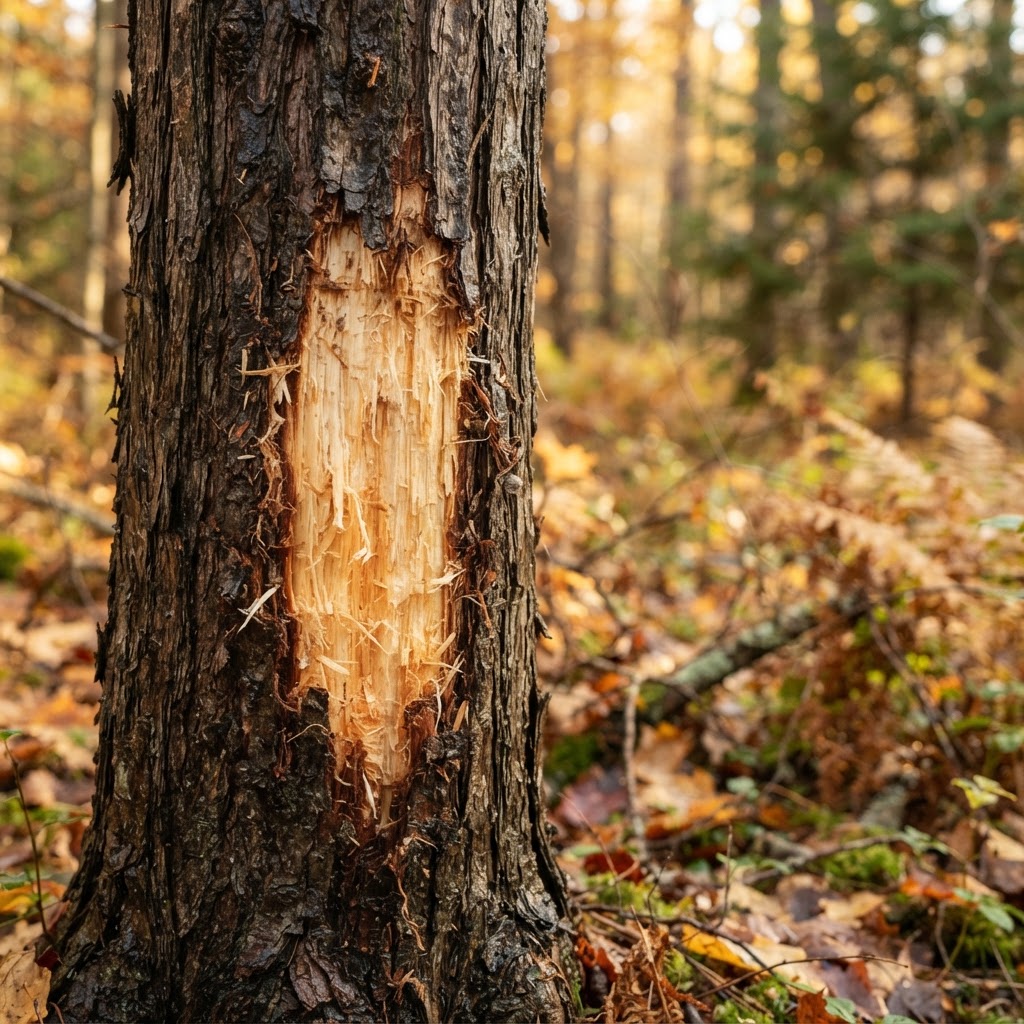
Field Intelligence: Reading Subtle Signs to Locate Whitetail Cores
Successful hunters don't just look for deer; they look for the story the land tells. Learn how to interpret rubs, scrapes, and bedding areas to pinpoint where mature bucks live.
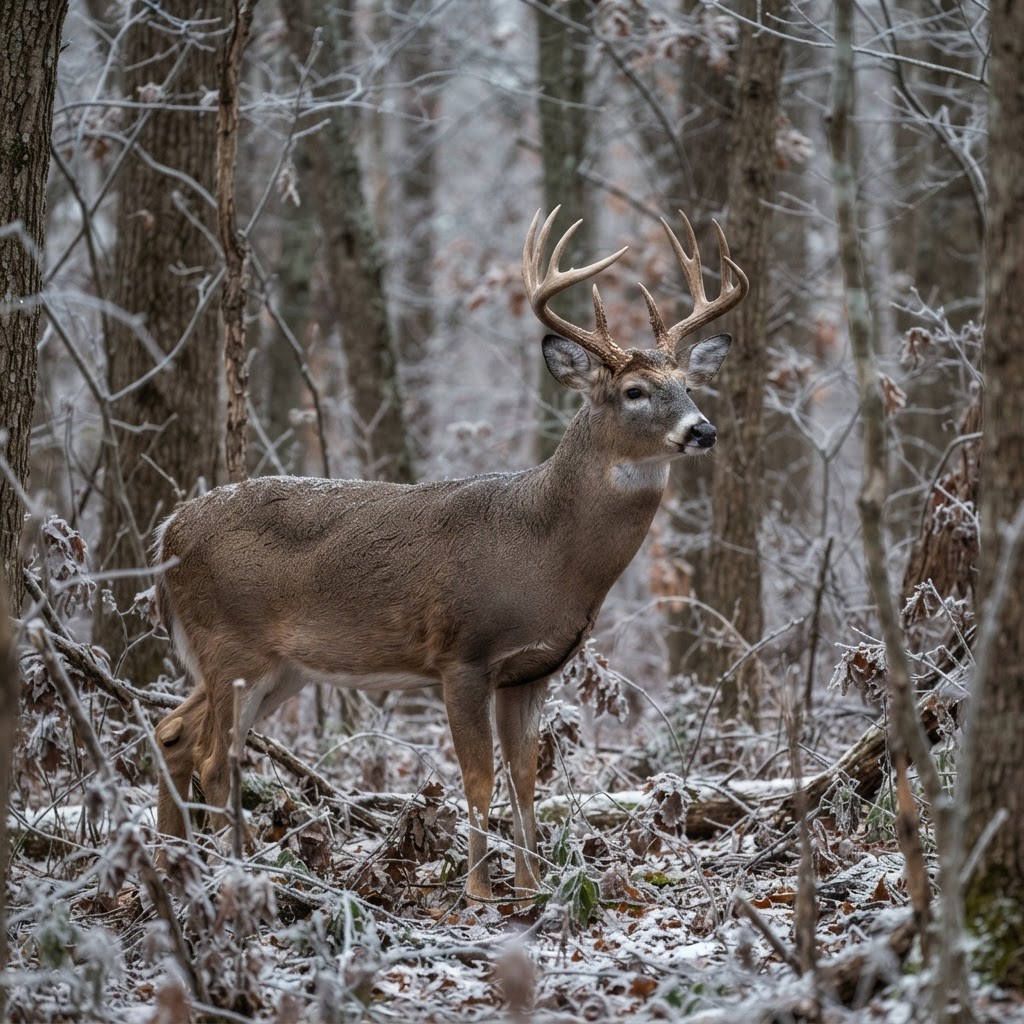
PA Regular Firearms Deer Season 2026 Dates and New Rules
Pennsylvania’s regular firearms deer season runs from November 28 through December 13, 2026, and now includes all Sundays within that window. Hunters must also comply with new statewide regulations regarding the disposal of high-risk deer parts to help manage Chronic Wasting Disease.
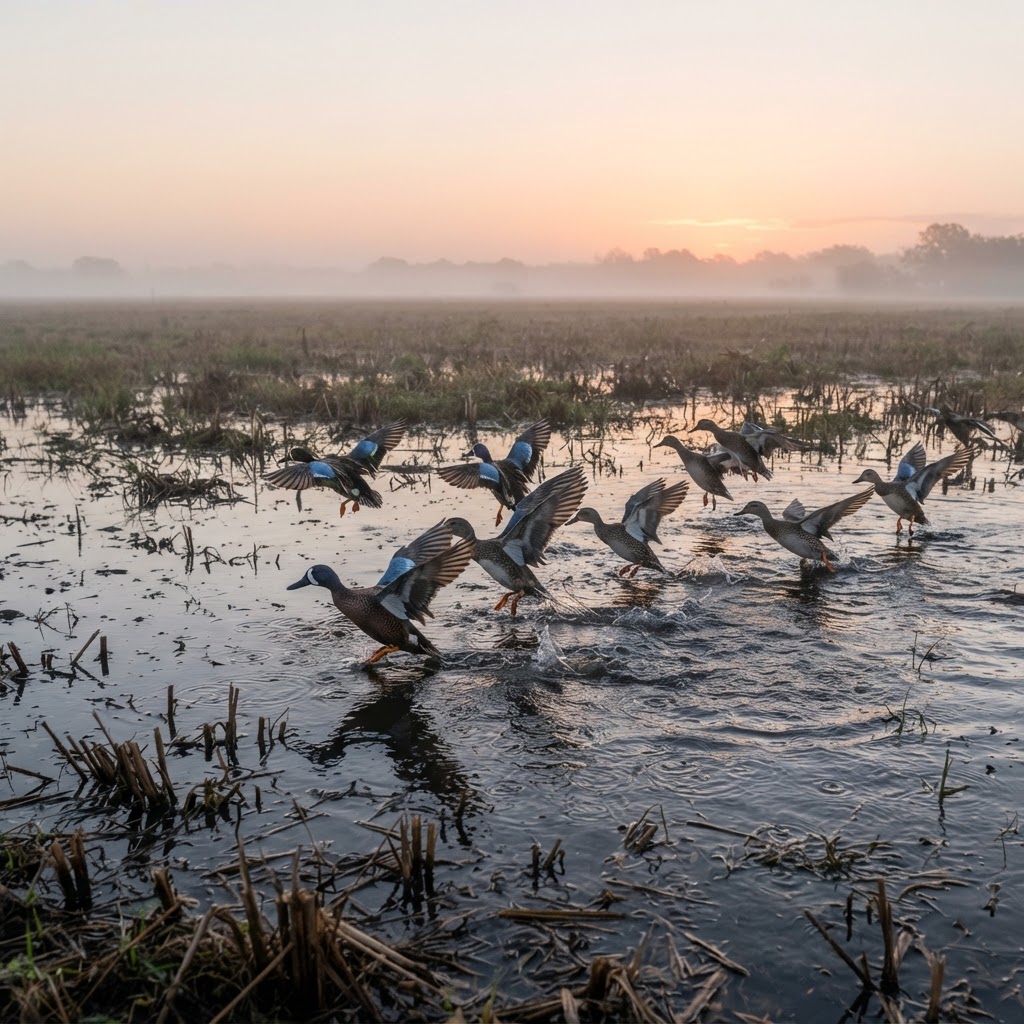
Texas Duck Migration Report November 2026: Tracking the Next Push
Texas duck hunters are currently experiencing a slow migration as they wait for significant cold fronts to push mallards and other puddle ducks south from the northern plains. While teal numbers remain consistent, the arrival of larger duck species depends on freezing conditions and snow cover in the Dakotas.