Unveiling the Forest Floor: A Hunter's Guide to Decoding Deer Sign
Decoding the Language of the Whitetail
Many hunters wander through the woods hoping for a chance encounter with a mature buck. However, the most successful hunters operate with intention. They do not just walk; they read. The forest floor is covered in a constant stream of information, written by the deer themselves through scrapes, rubs, and bedding sites. At Buckeye Hunter Hub, we believe that understanding these signs is the difference between a long, quiet sit and a successful harvest. By learning to interpret these environmental clues, you move from being a passive observer to an active participant in the deer’s world.
Free hunting map, zones & 50-state resources
Save your spots, share zones with your group, and get deer & waterfowl movement forecasts — free.
The Anatomy of the Rub
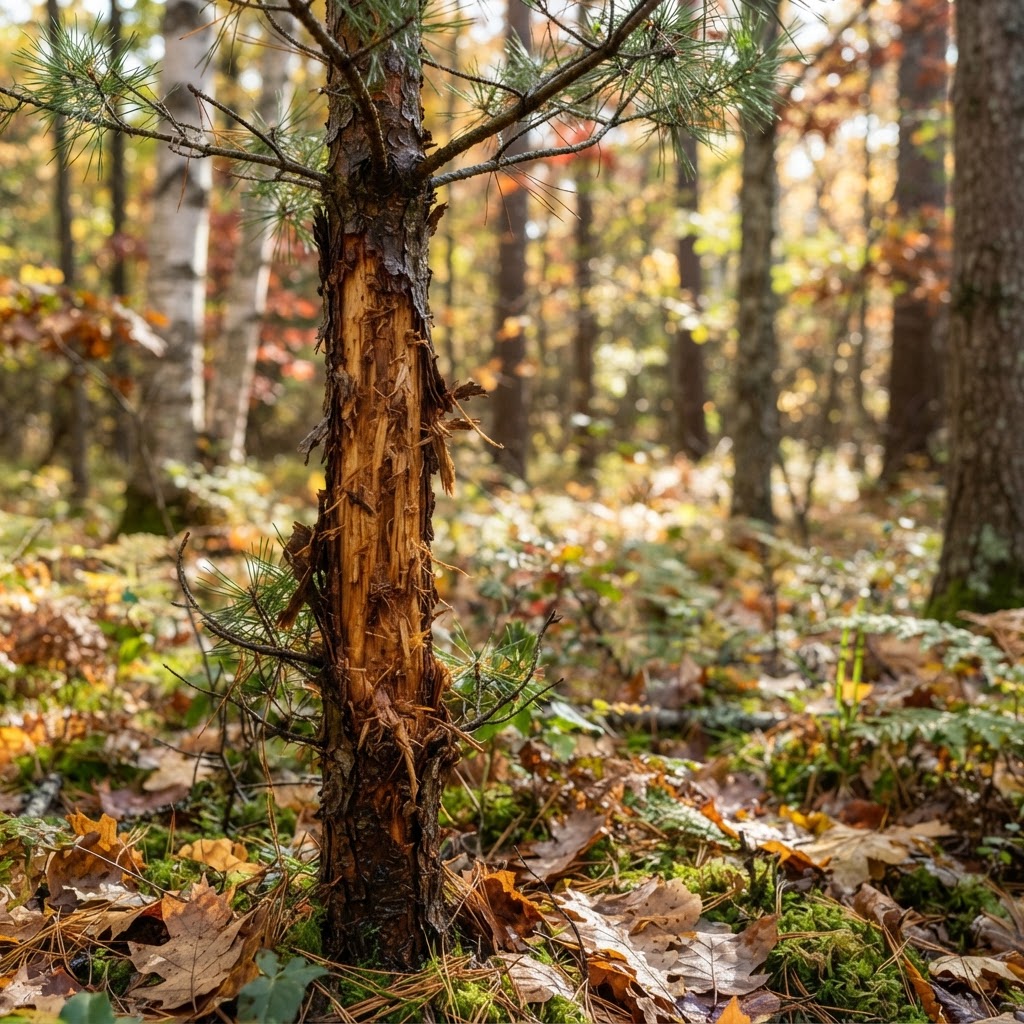
A rub is more than just a frayed sapling; it is a declaration of territory. When a buck works his antlers against a tree, he is stripping bark to signal his presence to other deer in the area. When scouting for rubs, pay close attention to the tree species and the diameter. A mature buck will often return to the same rub line year after year. Look for these signs along transition zones, such as the edge between heavy cover and open hardwoods.
If you find a concentration of fresh rubs, you have likely identified a travel corridor. These corridors are your best bet for catching a buck during daylight hours. As you analyze these, consider pairing your ground-level observations with to confirm if the deer creating those rubs are moving through during shooting light.
The Strategic Value of Scrapes
Scrapes are the social centers of the whitetail world. Unlike rubs, which are often individual territorial markers, a scrape serves as a communication hub where deer share information through scent. A buck will scrape away the leaves, urinate in the dirt, and work the overhanging branch with his forehead glands.
To hunt a scrape effectively, you must understand its function. Early season scrapes are often exploratory, while pre-rut scrapes become highly active as hormone levels rise. Don't simply sit over every scrape you find; look for those that are being revisited frequently. You can correlate this with to determine if the local deer are hitting these spots under specific conditions, such as rising pressure or cooling temperatures.
E-Tag States

Harvest Tags
E-check means you supply the tag. Printed with the exact fields your state requires.
3-pack $22.95
Identifying Bedding Areas: The Heart of the Sanctuary
Finding a buck’s bed is the ultimate prize in scouting. A bed is where a deer feels secure, and it is usually located in the thickest, most difficult-to-reach terrain. You are looking for a shallow depression in the leaves or grass, often situated on a slight bench or a nose of a ridge that allows the deer to watch its backtrail while scent-checking the wind.
When you locate a bedding area, the rule is simple: stay out. Scouting these zones should be done during the off-season or via high-resolution satellite imagery on . Invading a core bedding area too early in the season will push a mature buck out of his home range entirely. Instead, set your stands on the periphery, focusing on the transition zones where the deer move from these secure beds to their feeding areas.
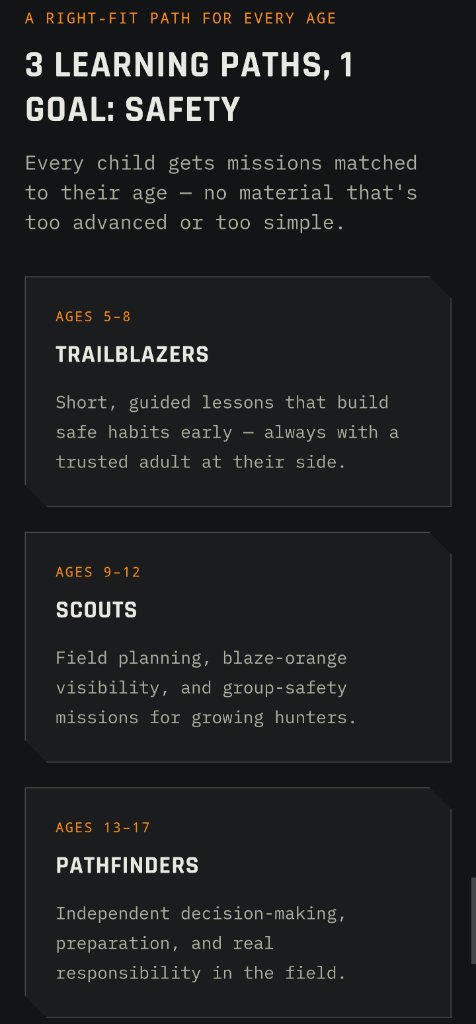
Raise a safe, confident young hunter.
Guide your kids ages 5–17 through interactive hunting safety missions, real decision drills, and earned trophies — all from one free parent account.
Bonus: every $10 you spend in the BHH shop earns a free seat (up to 5). Use them or share them.



Putting It All Together
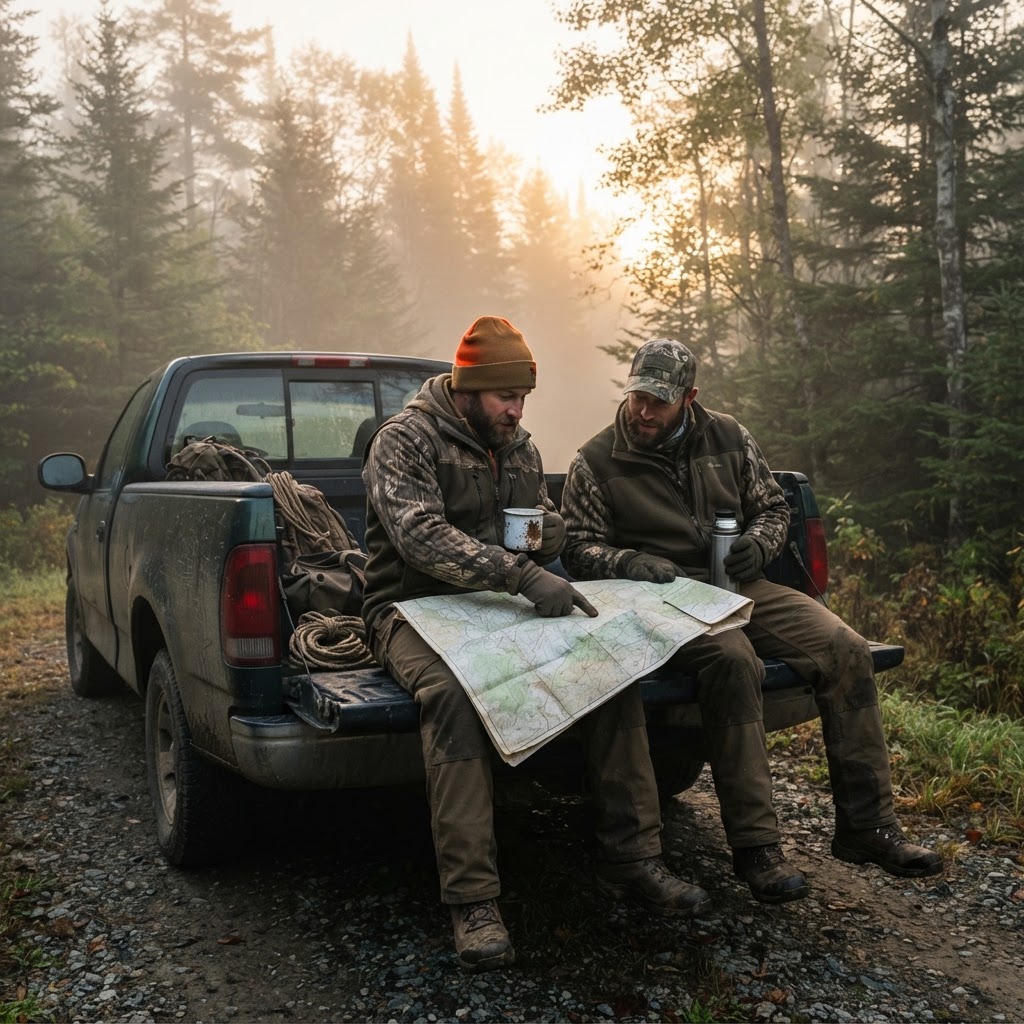
Reading sign is not about finding one rub or one bed; it is about building a mosaic of the local population's behavior. A single scrape might just be a curiosity, but a line of rubs connecting a bedding ridge to a major creek crossing is a tactical opportunity.
As you integrate these findings into your scouting strategy, remember that hunting is a dynamic activity. Deer patterns shift as food sources change and as the rut progresses. Keep a log of what you find, update your digital waypoints, and remain flexible. For those looking to refine their scouting further, checking can provide insight into regional mast crop reports or specific land management practices that might influence where deer are spending their time. Ultimately, the more you understand about the 'why' behind the sign you find, the more consistent your results will be. By investing time into learning the forest’s language, you are ensuring that every hour spent in the stand is an hour well-earned.
Join 491 hunters and anglers on Buckeye Hunter Hub — free.
Latest from the Community


New drop
Fresh Buckeye Hunter Hub tees & hoodies


Everything you need to hunt smarter — free
Buckeye Hunter Hub is a free, nationwide platform. Create an account and unlock the full toolkit:
Free Interactive Hunting Map
Mark stands, cameras, and sign. Draw hunting zones with public land & county overlays across all 50 states.
Zones with Group Sharing
Share zones with your hunting group, split property into sections, assign stands, and check in — all in one place.
50 States of Hunting Resources
Season dates, license links, and DNR regulations for every state, kept current so you never miss an opener.
Deer Movement Forecast
Data-driven daily movement predictions using wind, moon, and pressure — know when to sit before you go.
Waterfowl Movement & Tools
Flight-potential forecasts, migration numbers, decoy spread planner, and a full species field guide.
From the Maker Bench

SE Ohio Outdoors
Shed Antler Hanger
Hand-built in the USA · $12.00
Shop the MakerNew drop
Fresh Buckeye Hunter Hub tees & hoodies
Shop This

StopBox Pro Ward | Wall-Mounted
$179.00$199.99

StopBox Pro Compact
$159.00$179.99

BHH Grit Whitetail Tee
$20.55

Buckeye Hunter Hub Hoodie — Woodie
$32.87
E-Tag States
Harvest Tags
E-check means you supply the tag. Printed with the exact fields your state requires.
3-pack $22.95
More Articles
Beyond the Stand: Cultivating Excellence Through Online Hunting Networks
Discover how engaging with digital hunting circles can sharpen your field craft, expand your local intel, and connect you with a community of dedicated sportsmen.

Bluegrass State Bound: A Hunter’s Guide to Kentucky’s Public Land Bounty
From the rugged Appalachian peaks to the rolling interior plateaus, Kentucky offers a diverse landscape for those willing to venture onto public ground.
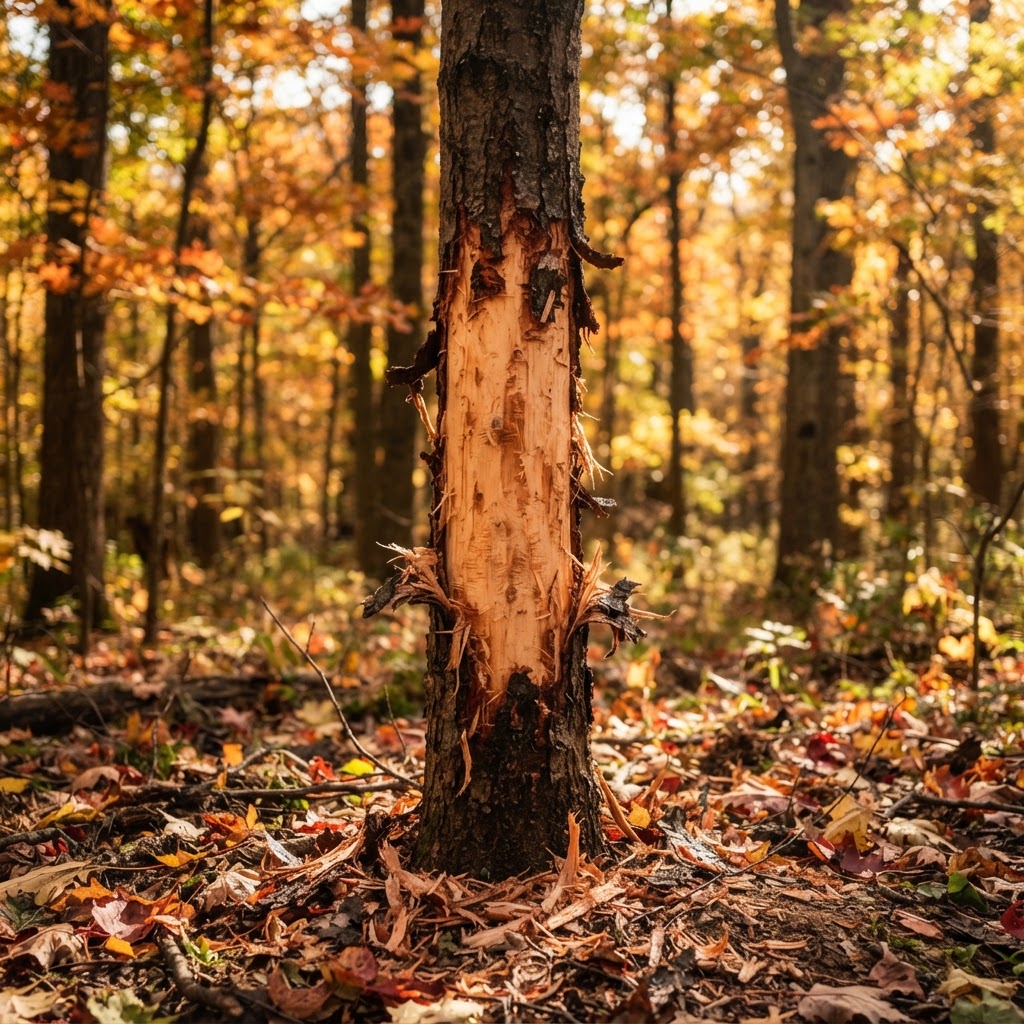
Deciphering the Daily Routine: A Hunter’s Guide to Reading Fresh Sign
Success in the deer woods isn't just about showing up; it’s about reading the stories left behind in the mud and timber. Learn how to interpret rubs, scrapes, and bedding areas to predict exactly where a buck will be.
Meet the Maker: Jeff Cote of SE Ohio Outdoors
Meet the craftsman behind SE Ohio Outdoors, where practical, hand-built gear meets the woods. Discover how Jeff Cote is turning shed hunting clutter into organized displays.