
Deciphering the Daily Routine: A Hunter’s Guide to Reading Fresh Sign
Decoding the Timber’s Language
Every time a whitetail moves through the woods, it leaves a trail of breadcrumbs. For the novice hunter, a broken branch or a patch of bare dirt is just part of the landscape. For the seasoned professional at Buckeye Hunter Hub, these are chapters in a story that reveals a deer’s identity, age, and intention. Understanding these signs is the difference between sitting in a dead zone and intercepting a target buck during legal shooting light.
Get the deer movement forecast for your spot, free
See the best days and hours to sit this week, built from your spot's weather, moon, and wind.
The Anatomy of a Rub
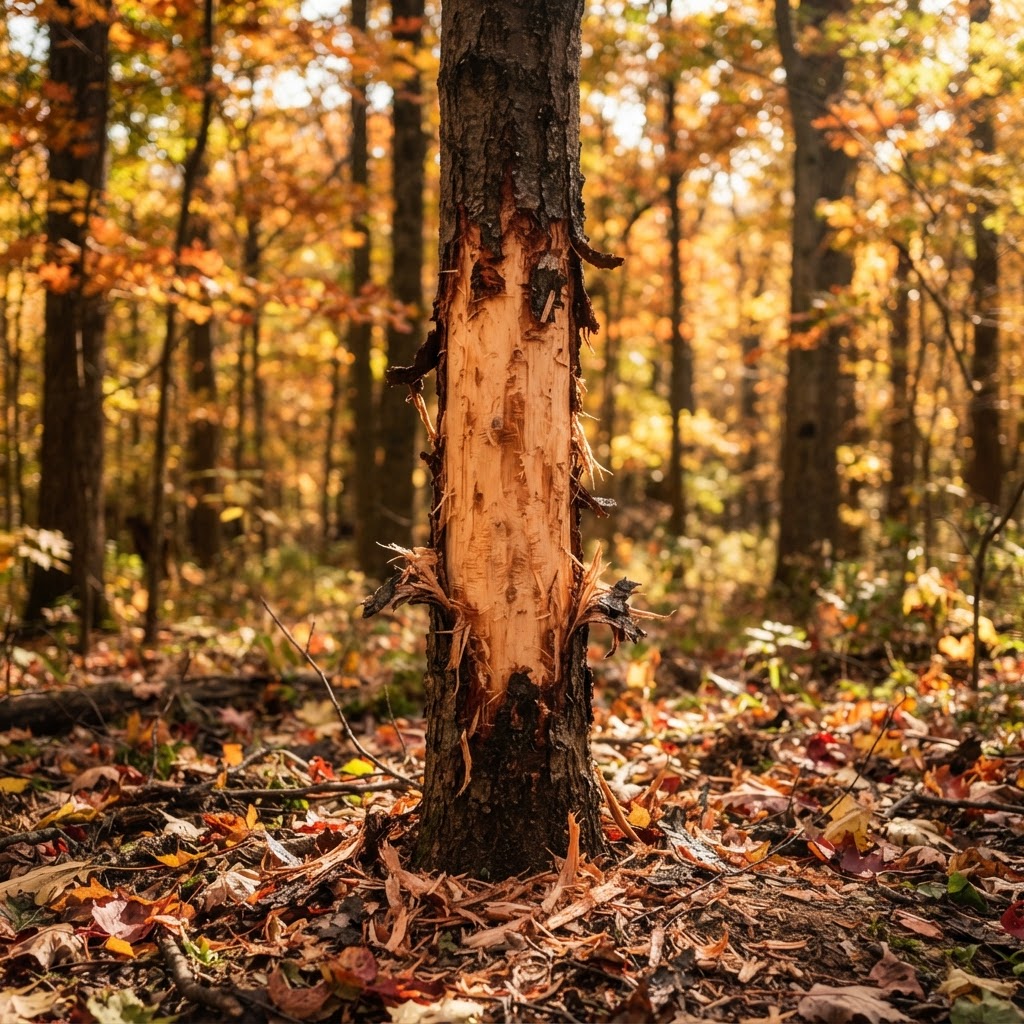
Rubbing is a territorial and biological necessity for bucks. When a buck rubs a tree, he is effectively marking his turf and conditioning his neck muscles for the upcoming rut. When you find a rub, don't just walk past it—examine it. A fresh rub, indicated by light-colored wood pulp on the ground that hasn't oxidized to a dark brown, tells you a buck was here within the last 24 to 48 hours.
Look for the height of the rub. A rub made chest-high on a thick sapling often signals a dominant, mature buck. If you find a line of rubs connecting a bedding area to a food source, you have discovered a travel corridor. This is high-value real estate. When planning your setup, use to see how this rub line aligns with the terrain features, such as saddles or creek crossings, that funnel deer movement.
Scrapes: The Social Network of the Woods
Scrapes are the most misunderstood sign in the forest. Many hunters believe that any scrape is a good place to hang a stand, but that is a rookie mistake. A "mock" or "random" scrape is often visited only once, whereas a "primary" or "community" scrape—usually located under an overhanging licking branch—is the social hub of a buck’s home range.
Focus your efforts on these primary scrapes. You can often see the branch stripped of leaves or visibly bitten, indicating a buck has been working the scent gland located near his eyes. If you want to refine your strategy, consider using to determine if the deer visiting the scrape are active during the day or exclusively under the cover of darkness. Remember, just because a buck is hitting a scrape doesn't mean he is doing it when you are in the stand.
Identifying Bedding Zones
Finding a buck's bedroom is the ultimate tactical advantage, but it requires extreme caution. A buck's bed is his sanctuary; if he feels his bedding area has been compromised by human scent, he will abandon it without hesitation. Look for oval-shaped depressions in thick, high-cover areas like tall grasses, downed timber, or dense brush thickets.
If you find multiple beds of varying sizes, you are likely looking at a doe family unit. If you find a solitary, deep-cut bed tucked against a wind-shielded hillside or a ridge point with a clear exit path, you are likely in the presence of a mature buck. When scouting these areas, keep your distance. Use optics to glass these thickets from a distance rather than trampling through them. Integrating into your scouting plan will help you understand how wind direction dictates which side of a ridge a buck will choose for his bed each day.
Putting it All Together
E-Tag States

Harvest Tags
E-check means you supply the tag. Printed with the exact fields your state requires.
3-pack $22.95

Youth Hunter Academy
Raise a safe, confident young hunter.
Safety missions for ages 5–17. Free parent account.
Reading sign is not a static exercise; it is a dynamic assessment of shifting patterns. As the season progresses, a buck’s focus moves from feeding to breeding, and his sign will shift accordingly. A rub line in October may be completely ignored by November.
Don't rely on one piece of evidence. A lone scrape is a data point; a series of fresh rubs, a nearby bed, and high-frequency movement captured on your camera represent a pattern. Before you commit to a stand location, check your local regulations and ensure your approach route is invisible to the deer. You can find comprehensive to ensure your gear and setup remain within legal bounds.
Ultimately, the woods provide all the information you need to fill your tag. By paying closer attention to the subtle indicators—the bent sapling, the cleared dirt, and the depression in the leaves—you transition from a hunter who hopes for luck to a hunter who creates his own success.
Free every morning
Your Daily Briefing
One morning forecast for the spots you actually hunt and fish: deer movement, waterfowl flights, bite times, wind and shooting light.
See what's in itSet up your briefing
Join free, save a spot on the map, then pick what you hunt and fish and when you want your email.
Join 1,534 hunters and anglers on Buckeye Hunter Hub — free.
Latest from the Community


Everything you need to hunt smarter — free
Buckeye Hunter Hub is a free, nationwide platform. Create an account and unlock the full toolkit:
Free Interactive Hunting Map
Mark stands, cameras, and sign. Draw hunting zones with public land & county overlays across all 50 states.
Zones with Group Sharing
Share zones with your hunting group, split property into sections, assign stands, and check in — all in one place.
50 States of Hunting Resources
Season dates, license links, and DNR regulations for every state, kept current so you never miss an opener.
Deer Movement Forecast
Data-driven daily movement predictions using wind, moon, and pressure — know when to sit before you go.
Waterfowl Movement & Tools
Flight-potential forecasts, migration numbers, decoy spread planner, and a full species field guide.
From the Maker Bench

Taggart Outdoors
Custom Western Belt
Hand-built in the USA · $127.99
Shop the Maker
BHH Partner
Firearms, ammo and gear from a local Ohio shop in Grafton.
dnaarmory.comE-Tag States
Harvest Tags
E-check means you supply the tag. Printed with the exact fields your state requires.
3-pack $22.95
More Articles
Texas Duck Migration Report November 2026: Tracking the Next Push
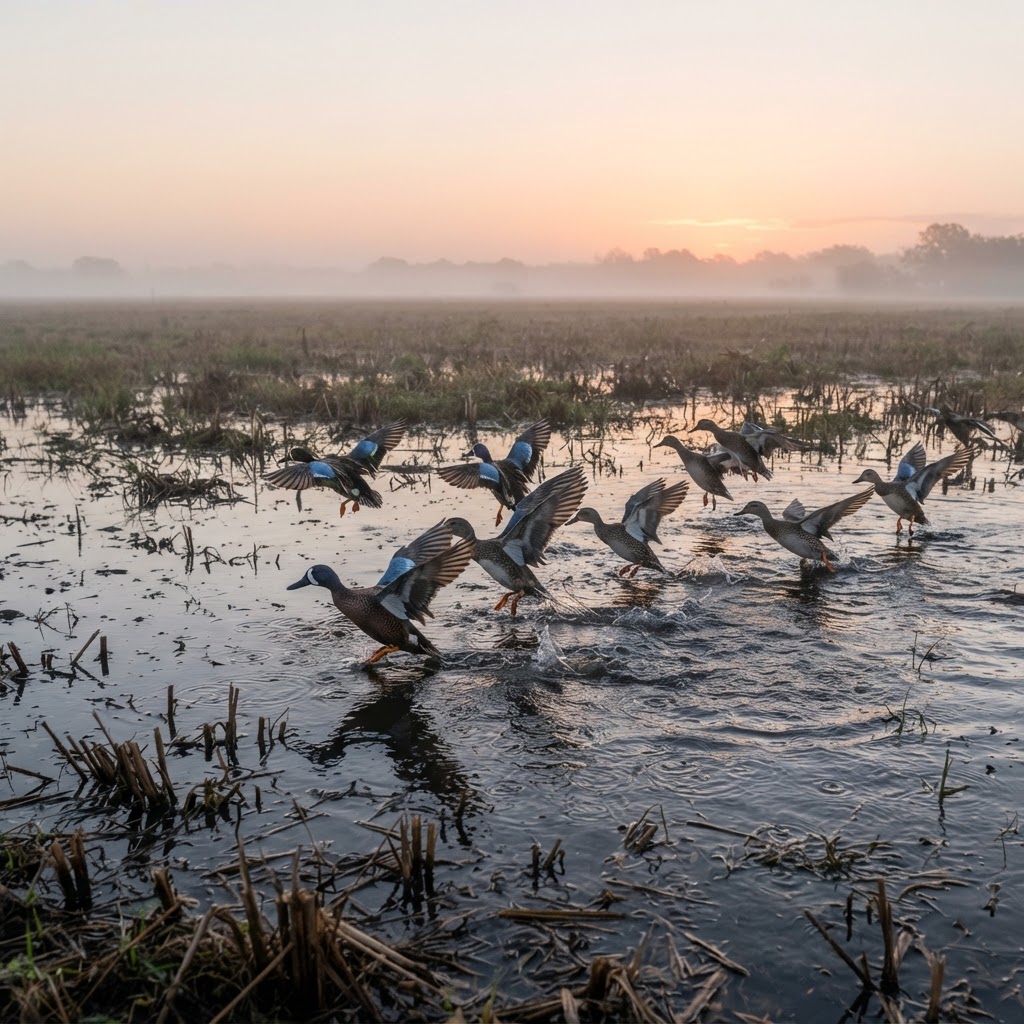
Texas duck hunters are currently experiencing a slow migration as they wait for significant cold fronts to push mallards and other puddle ducks south from the northern plains. While teal numbers remain consistent, the arrival of larger duck species depends on freezing conditions and snow cover in the Dakotas.
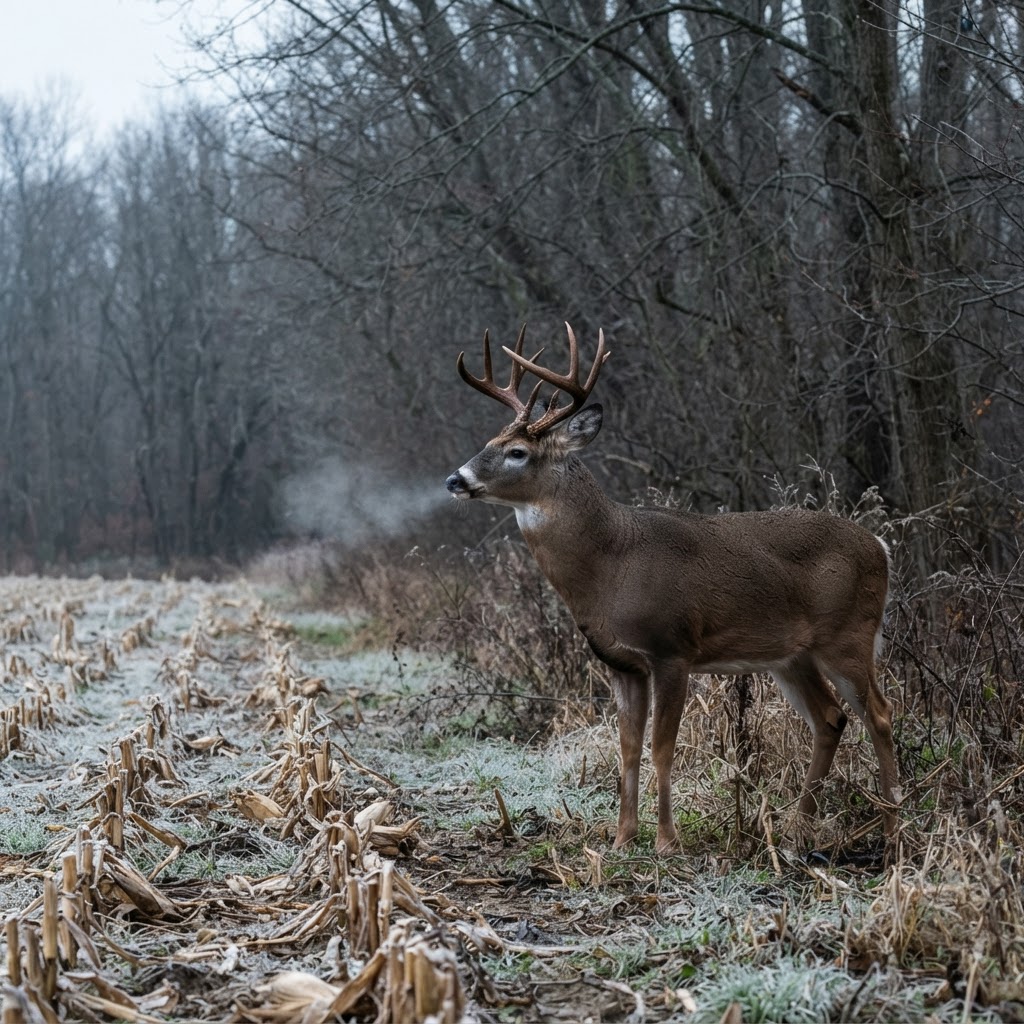
Ohio Deer Gun Season 2026: Essential Dates and Regulations
Ohio's deer gun season opens Monday, November 30, 2026, marking the start of the state's most anticipated hunting period. Hunters should prepare for specific bag limit changes and mandatory CWD sampling requirements in designated areas.
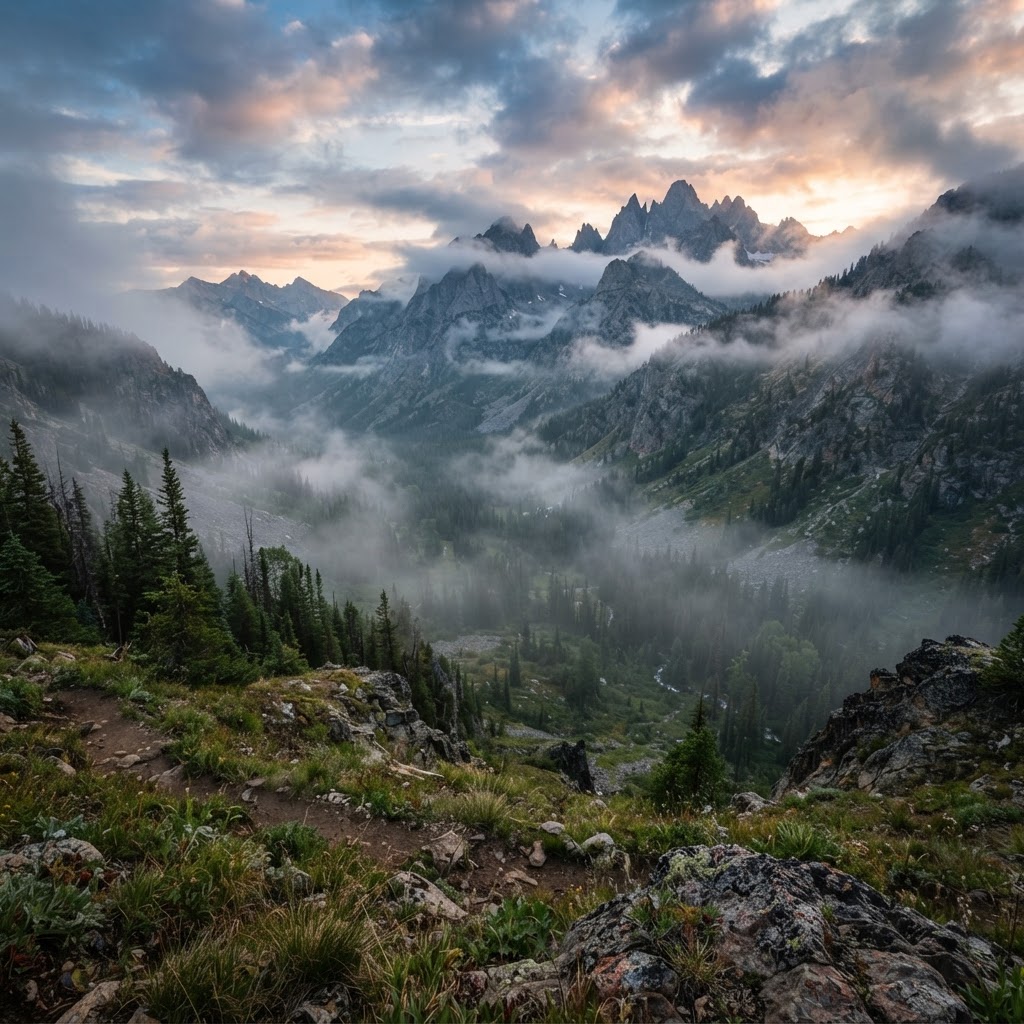
High-Altitude Tactics: Mastering Idaho’s Rugged Big Game Landscapes
From the Sawtooths to the Panhandle, Idaho offers some of the most demanding and rewarding hunting in the West. Learn how to navigate the Gem State's vertical wilderness with these field-tested strategies.
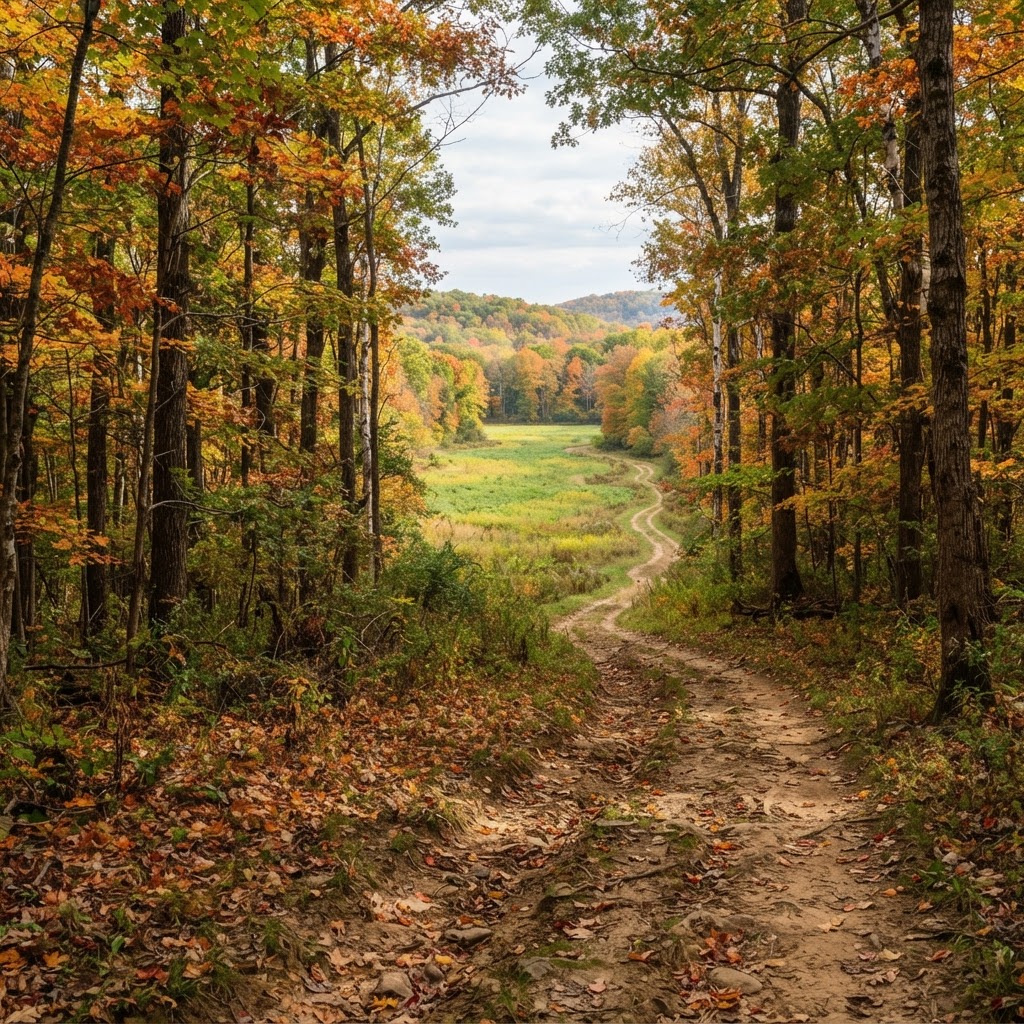
Securing Your Season: A Nationwide Approach to Finding Private Hunting Land
Tired of fighting crowds on public land? Discover how Buckeye Hunter Hub makes finding private hunting leases across the United States easier and more accessible for every hunter.