
Pennsylvania Firearms Deer Season 2026: Essential Regulations
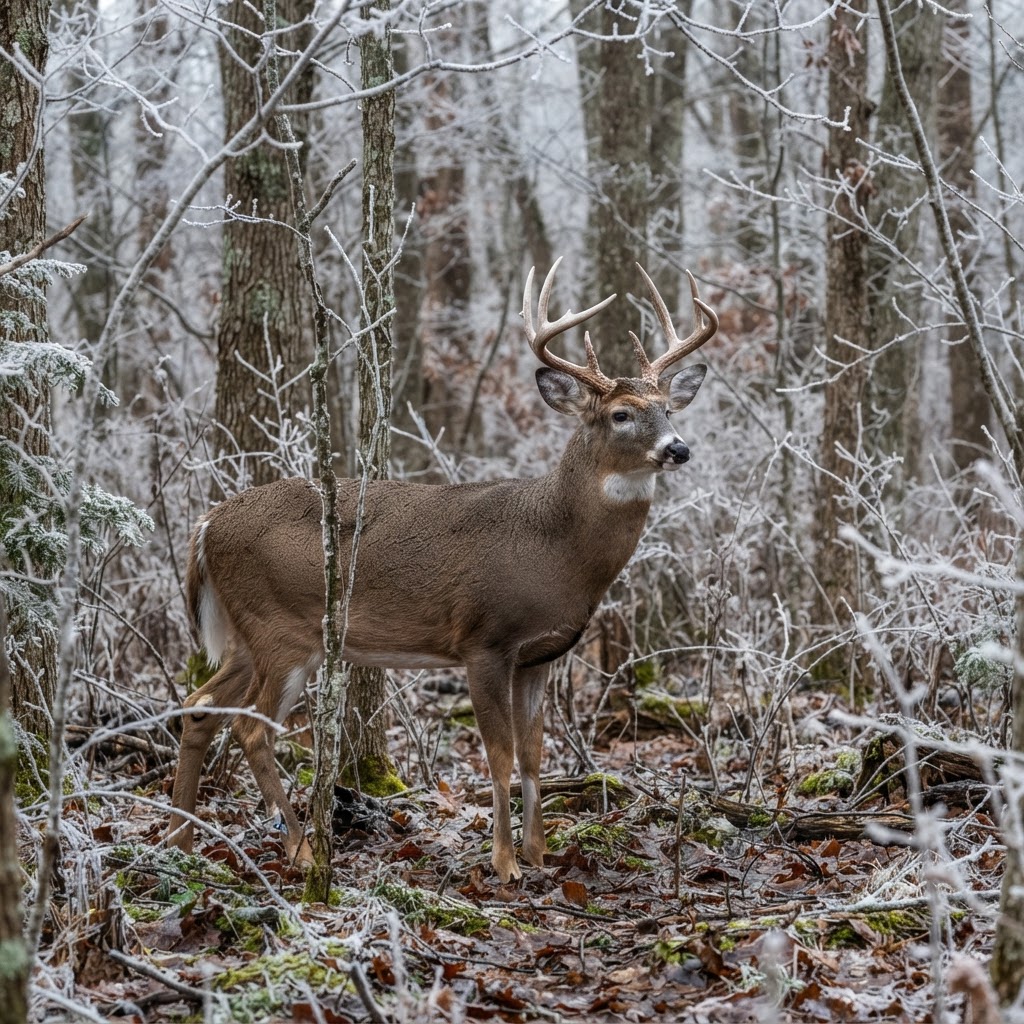
Pennsylvania Firearms Deer Season 2026 Dates and Rules
The 2026 statewide firearms deer season in Pennsylvania begins on Saturday, November 28, and continues through December 13. For the first time in state history, this season includes hunting on every Sunday that falls within the opening and closing dates. This change provides hunters with additional opportunities to spend time in the woods, but it also requires a heightened awareness of safety and local regulations. Whether you are hunting on private land or utilizing a , preparation is the most critical factor for a successful season.
Get the deer movement forecast for your spot, free
See the best days and hours to sit this week, built from your spot's weather, moon, and wind.
Beyond the standard season, hunters should note that the flintlock muzzleloader season begins on December 26 and runs through January 24, 2027. If you plan to participate in this late season, you must possess a valid muzzleloader license in addition to your general hunting license. Remember that the antlered deer harvest tag from your general license can be used to take an antlerless deer during this specific flintlock period, which is the only time such a substitution is permitted by state law.
Mandatory License and Harvest Tag Requirements
To hunt legally, you must possess a valid general hunting license. For adult residents, the cost is $20.97, while adult nonresidents pay $101.97. If you have not yet secured your license, do not rely on online purchasing at this late stage. Licenses bought online must be mailed to your address to provide you with the physical harvest tag required by law. If you are reading this within days of the opener, visit a local license issuing agent in person to receive your tag immediately. You cannot legally move a harvested deer without first affixing a valid, completed tag to its ear. Using a large safety pin is an effective way to attach the tag without damaging the ear, and you must use a ballpoint pen to fill out the required information.
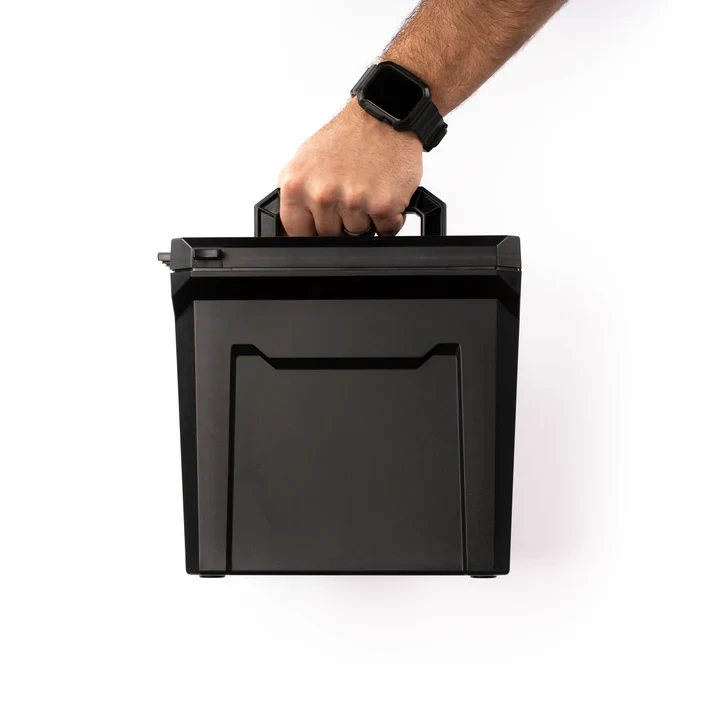
If you are a resident hunter, you may also purchase antlerless deer licenses to increase your harvest opportunities. These licenses cost $6.97 for residents and $26.97 for nonresidents. The purchase process occurs in four distinct rounds, with limits increasing as the season approaches. Always verify your specific Wildlife Management Unit quotas on the HuntFishPA website before heading to a license issuing agent, as availability can change rapidly. Ensure your physical harvest tag is kept in a waterproof container until you need it.
Fluorescent Orange Requirements
Safety remains the top priority during the firearms season. All hunters, regardless of the sporting arm they are carrying, must wear at least 250 square inches of fluorescent orange material on their head, chest, and back combined. This material must be visible from 360 degrees. A standard orange hat and vest combination typically satisfies this requirement. Note that this rule applies to everyone in the field, including those using archery equipment during the firearms season. Furthermore, new regulations require that all individuals using state game lands who are not engaged in hunting, trapping, or fishing must also wear fluorescent orange through January 31. Always check the 2026-27 Pennsylvania Hunting & Trapping Digest for specific details on camouflage orange compliance.
While the 250 square inches of fluorescent orange is the legal minimum, many experienced hunters choose to wear more, especially in low-light conditions during dawn and dusk. If you are using a backpack or a deer cart, consider attaching additional orange material to these items to ensure your visibility remains high from all angles. Remember that this requirement is strictly enforced, and game wardens will check for compliance. If you are hunting near state game lands, be mindful of non-hunters who are also required to wear orange.
Understanding Antler Point Restrictions
Antler point restrictions are designed to manage the herd and vary by Wildlife Management Unit (WMU). In the majority of the state, a legal buck must have at least three points to a side, counting the brow tine. However, in WMUs 1A, 1B, 2A, 2B, and 2D, the requirement is stricter: a buck must have three points on one side, excluding the brow tine. Certain groups, including junior license holders, mentored youth, disabled hunters with a permit to use a vehicle, and resident active-duty U.S. Armed Services personnel, are exempt from these specific point restrictions and may harvest a buck with two or more points on one antler or a spike at least three inches long. Always verify your specific WMU boundaries before taking a shot.
BHH Partner
Thinking about selling a rifle or an old family shotgun? Check up-to-date market pricing by make and model before you sell.
webuyguns.comWhen you are in the field, do not rely solely on your eyes to judge antler points. Use your binoculars to count tines carefully before deciding to take a shot. If you are hunting in a unit with a three-point-to-a-side requirement, remember that the brow tine counts in most areas but is excluded in others. If you are unsure about the specific regulations for your location, consult the 2026-27 Pennsylvania Hunting & Trapping Digest immediately. A mistake kill must be reported to a warden.
Harvest Reporting and CWD Protocols
Once you have successfully harvested a deer, you are legally required to report it to the Pennsylvania Game Commission within 10 days. You can complete this report online at huntfish.pa.gov, by calling 1-800-838-4431, or by mailing in the postage-paid cards found in your hunting digest. Mentored youth hunters have a shorter window and must report their harvest within five days. If you hold a Deer Management Assistance Program (DMAP) permit, you must report your success or lack thereof within 10 days of the final date of the season.
E-Tag States

Harvest Tags
E-check means you supply the tag. Printed with the exact fields your state requires.
3-pack $22.95

Youth Hunter Academy
Raise a safe, confident young hunter.
Safety missions for ages 5–17. Free parent account.
Regarding Chronic Wasting Disease (CWD), the state has strict rules to prevent its spread. If you harvest a deer anywhere in Pennsylvania, you cannot dispose of high-risk parts—such as the head or spinal column—on the landscape away from the harvest site. You may transport the deer to your home or a processor, but if you process the animal yourself, all high-risk parts must be disposed of through a commercial trash service. For those looking to track their success or analyze patterns, tools like a can be helpful, and you can find if you plan to hunt across borders.
If you harvest a deer, you are encouraged to submit the head for free CWD testing. You can locate collection bins by visiting the interactive map provided on the Game Commission website. When preparing the head for testing, double-bag it and ensure your harvest tag is securely attached to the ear. Antlers will not be returned to you after testing. You can check your results online or by calling the CWD hotline after two or three weeks have passed since your submission.
Strategic Planning for the Opener
With the season starting in just a few days, focus your efforts on scouting areas where deer are likely to be moving between bedding and feeding sites. While luck plays a role, time spent in the woods is the best predictor of success. If you are hunting public land, expect higher pressure on opening day and the first Sunday. Consider moving deeper into the timber or focusing on transition zones that other hunters might overlook. For those who enjoy the culinary side of the sport, there are many available to help you prepare your harvest once the season concludes. Remember that the is a great resource for sharing tips and staying updated on local conditions throughout the season.
Success often comes down to your ability to remain still and quiet for long periods. If you are using a tree stand, ensure your safety harness is in good condition and properly secured before you climb. Check the wind direction every hour, as deer will often scent you before they are visible. If you are hunting on private land, always confirm your boundaries with the landowner. If you are on public land, be respectful of other hunters and maintain a safe distance from established hunting spots.
Field Processing and Meat Care
Because there are fewer professional butchers available than in previous years, you should call your preferred processor well before the season opener to confirm they are accepting deer. If you choose to process the animal yourself, remember that high-risk parts like the brain, spinal cord, and spleen must be disposed of through a commercial trash service. Do not leave these parts on the landscape. If you are hunting far from home, bring a large cooler with ice to keep the meat cool during transport.
Hunting this season? to save your stands and zones on the map and get a heads-up before seasons open in your state.
Frequently Asked Questions
Free every morning
Your Daily Briefing
One morning forecast for the spots you actually hunt and fish: deer movement, waterfowl flights, bite times, wind and shooting light.
See what's in itSet up your briefing
Join free, save a spot on the map, then pick what you hunt and fish and when you want your email.
Join 1,554 hunters and anglers on Buckeye Hunter Hub — free.
Latest from the Community



Everything you need to hunt smarter — free
Buckeye Hunter Hub is a free, nationwide platform. Create an account and unlock the full toolkit:
Free Interactive Hunting Map
Mark stands, cameras, and sign. Draw hunting zones with public land & county overlays across all 50 states.
Zones with Group Sharing
Share zones with your hunting group, split property into sections, assign stands, and check in — all in one place.
50 States of Hunting Resources
Season dates, license links, and DNR regulations for every state, kept current so you never miss an opener.
Deer Movement Forecast
Data-driven daily movement predictions using wind, moon, and pressure — know when to sit before you go.
Waterfowl Movement & Tools
Flight-potential forecasts, migration numbers, decoy spread planner, and a full species field guide.
From the Maker Bench

Taggart Outdoors
Custom Western Belt
Hand-built in the USA · $127.99
Shop the MakerBHH Partner
Thinking about selling a rifle or an old family shotgun? Check up-to-date market pricing by make and model before you sell.
webuyguns.comE-Tag States
Harvest Tags
E-check means you supply the tag. Printed with the exact fields your state requires.
3-pack $22.95
More Articles
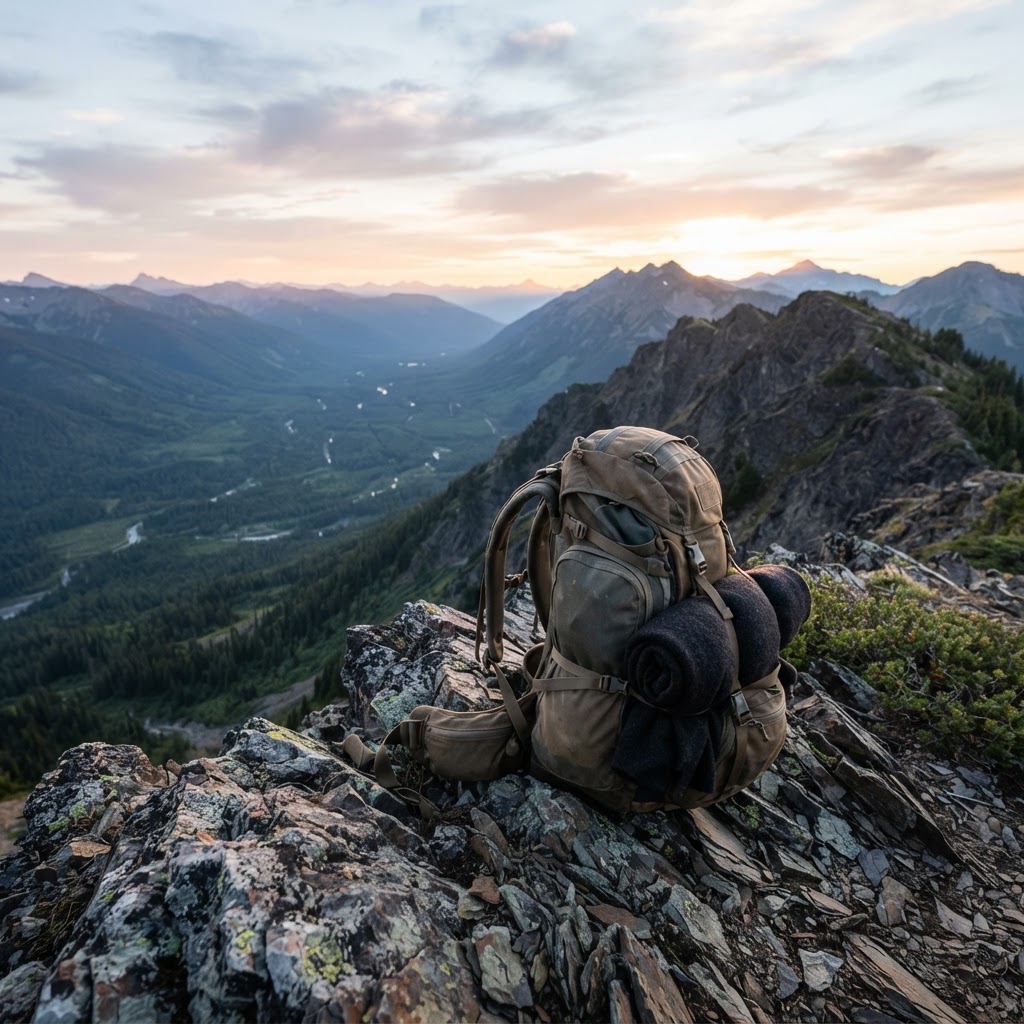
The Wilderness Loadout: A Systematic Approach to Backcountry Gear Logistics
Transitioning from day hunts to multi-day backcountry excursions requires more than just a heavier pack; it requires a disciplined methodology to ensure your survival and success.
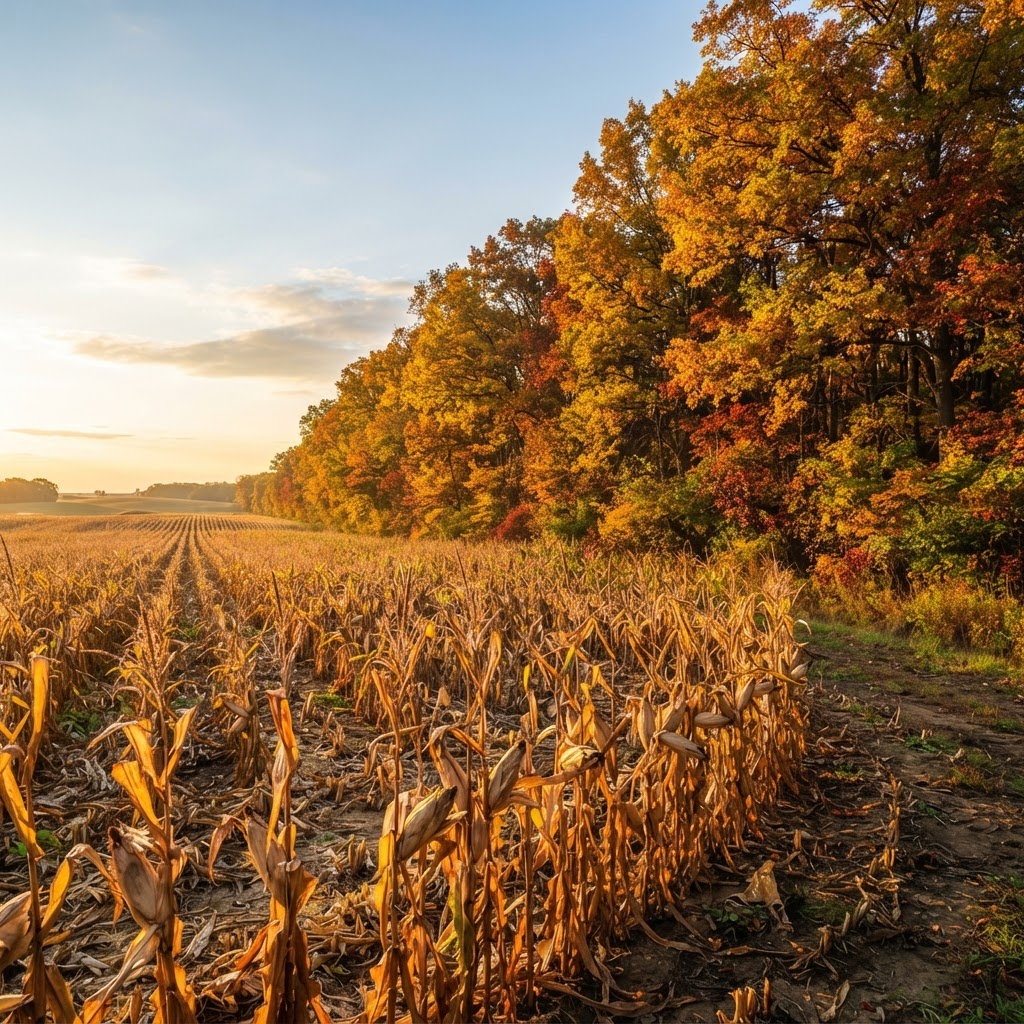
Navigating the Prairie State: A Seasoned Hunter’s Guide to Illinois Public Grounds
From the sprawling cornfields of the north to the rugged timber of the Shawnee National Forest, Illinois offers diverse challenges for the dedicated sportsman. Master the state's unique landscape with these practical strategies for success.
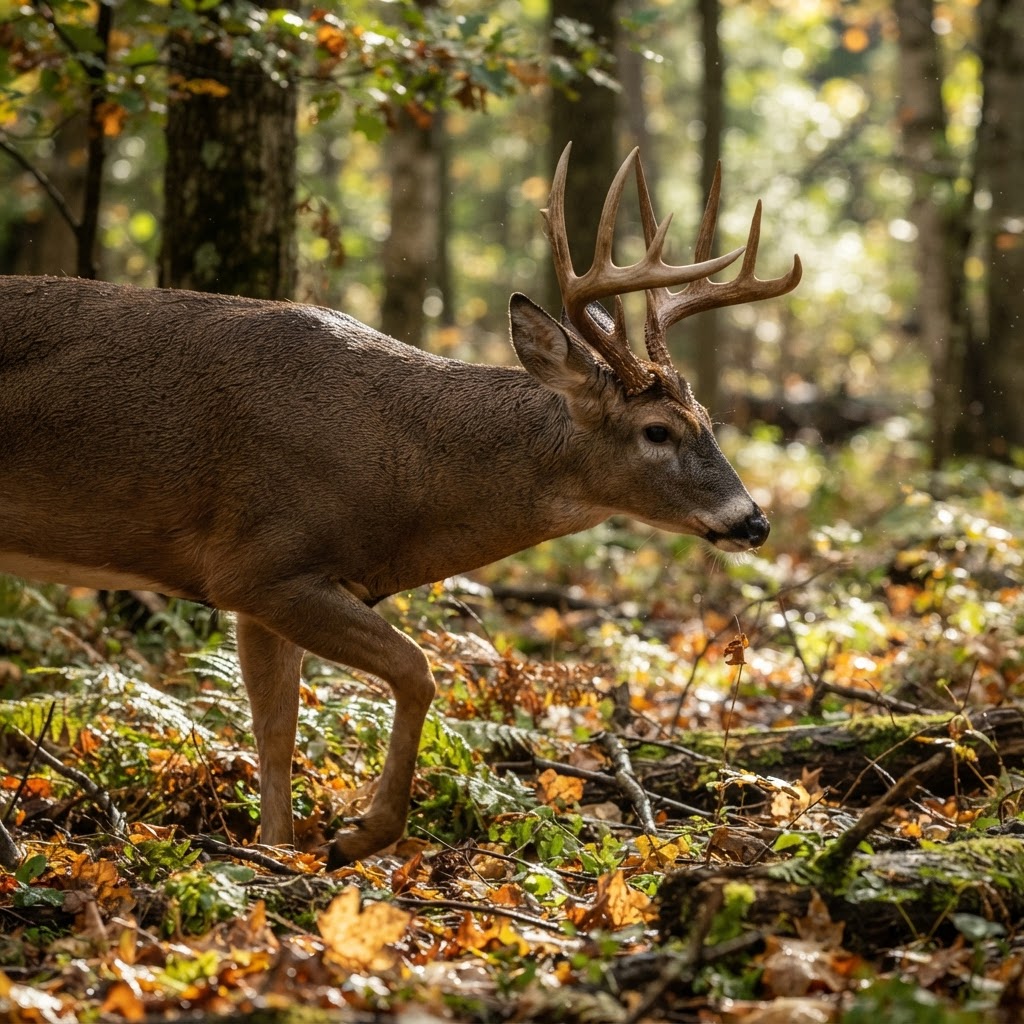
Efficiency in the Field: Leveraging Automated Image Intelligence to Master Deer Behavior
Drowning in thousands of trail camera photos? Discover how to use advanced image recognition to instantly identify bucks, does, and movement trends without spending hours behind a screen.
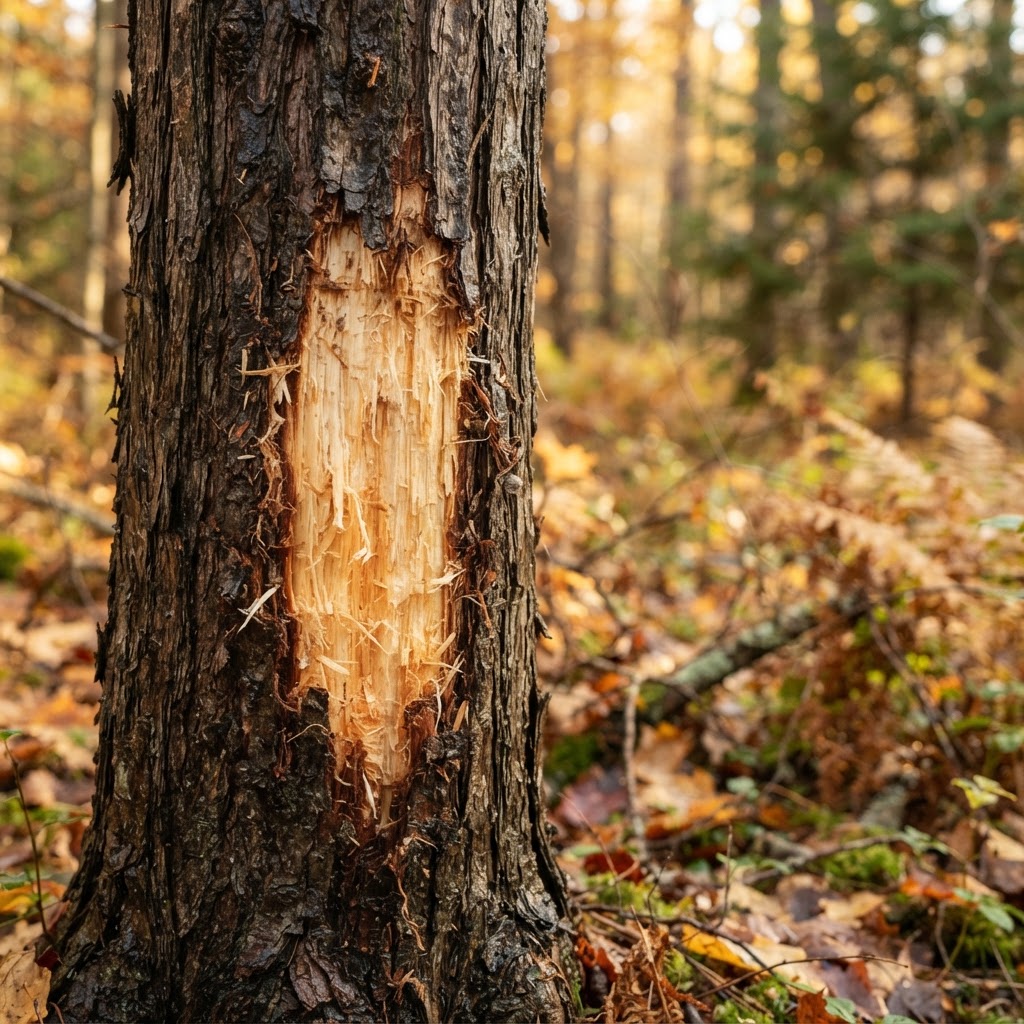
Field Intelligence: Reading Subtle Signs to Locate Whitetail Cores
Successful hunters don't just look for deer; they look for the story the land tells. Learn how to interpret rubs, scrapes, and bedding areas to pinpoint where mature bucks live.