Reading the USFWS Waterfowl Population Survey: What the Numbers Mean for Your Season
Introduction
Understanding the numbers from the U.S. Fish and Wildlife Service (USFWS) Waterfowl Population Survey is crucial for any serious waterfowl hunter. Each year, this survey provides insights into the health of waterfowl populations across the United States, informing hunters not just of population counts but also of conditions that impact hunting success. Let's delve into what these numbers mean and how you can leverage them for a successful season.
The Importance of the USFWS Survey
Each spring, the USFWS conducts surveys to estimate waterfowl populations across the country. These estimates take into account various species, including beloved ducks and geese, and the conditions under which they thrive.
Free hunting map, zones & 50-state resources
Save your spots, share zones with your group, and get deer & waterfowl movement forecasts — free.
Hunters can glean pivotal insights from these reports, such as:
- Population Trends: Are duck numbers increasing or declining?
- Migration Timing: When can you expect birds to arrive in your area?
- Habitat Conditions: Are wetlands full or dried up from drought?
With the right information in hand, you can make better decisions about where and when to hunt. For instance, if the report indicates a strong population of mallards in your region, investing time in scouting their preferred habitats becomes crucial.
Factors Influencing Waterfowl Movement
Weather plays a critical role in waterfowl behavior, influencing when and where birds will move.
Cold Fronts and Falling Barometric Pressure
Cold fronts often trigger migrations, pushing birds southward in search of food and open water. The falling barometric pressure associated with these fronts can serve as a precursor to increased movement, with waterfowl actively feeding before the weather changes. Keep an eye on these weather shifts to anticipate when to increase your outdoor activities.
Wind Conditions
Optimal wind conditions for waterfowl hunting typically fall between 10 to 20 mph. These winds facilitate easier travel for birds and can influence their choice of feeding areas. Setting up decoys that mimic real movement can increase your odds significantly. Use the for tips on creating effective spreads that operate well under varying wind conditions.
Snow and Freeze-ups
Birds become more active as lakes and ponds freeze over, concentrated in fewer areas. However, heavy snowfall can lead to poor visibility, making them more wary. Understanding this behavior allows you to better strategize your blind placement and calling techniques.
Practical Hunting Techniques
Using knowledge from the USFWS survey and understanding waterfowl behaviors during different weather conditions can guide your hunting strategies. Here are some practical tips:
E-Tag States

Harvest Tags
E-check means you supply the tag. Printed with the exact fields your state requires.
3-pack $22.95
Decoy Spreads
Setting an effective decoy spread is key to mimicking natural behavior. Consider the following:
- Species-Specific Arrangements: Research the behavioral characteristics of species such as mallards or pintails by referring to the for better placement.
- Silhouette and Movement: Combine full-body and silhouette decoys to capture the attention of incoming birds. Adjust the arrangement depending on wind direction.
Blind Placement and Concealment
Your blind should be strategically placed where waterfowl naturally congregate.
- Timing and Scouting: Early morning and late afternoon can be prime times for activity, making scouting vital. Use interactive hunting maps to identify high-traffic areas based on current population figures.
Calling Techniques
Effective calling can make a significant difference. Practice various calls, especially during the initial setup, to draw in waterfowl actively looking for kindred spirits. Experiment with different pitches and rhythms to see what resonates best with the birds in your area.
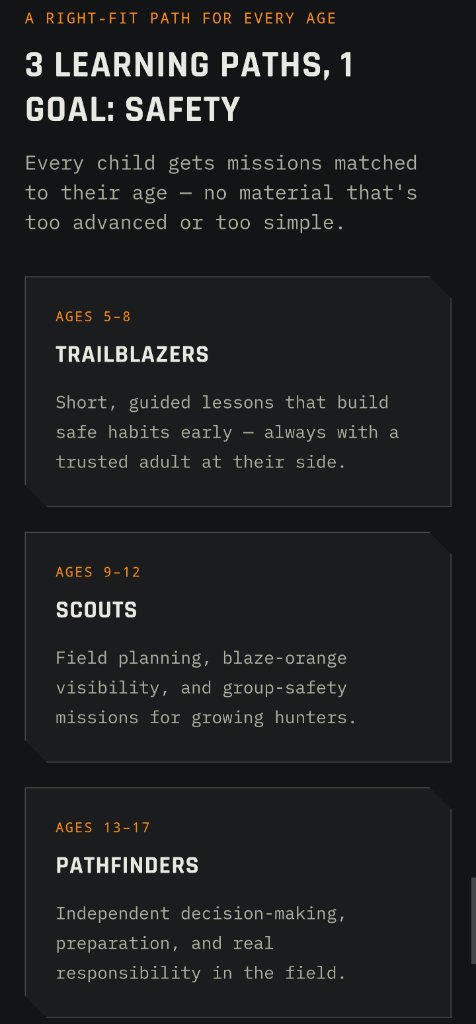
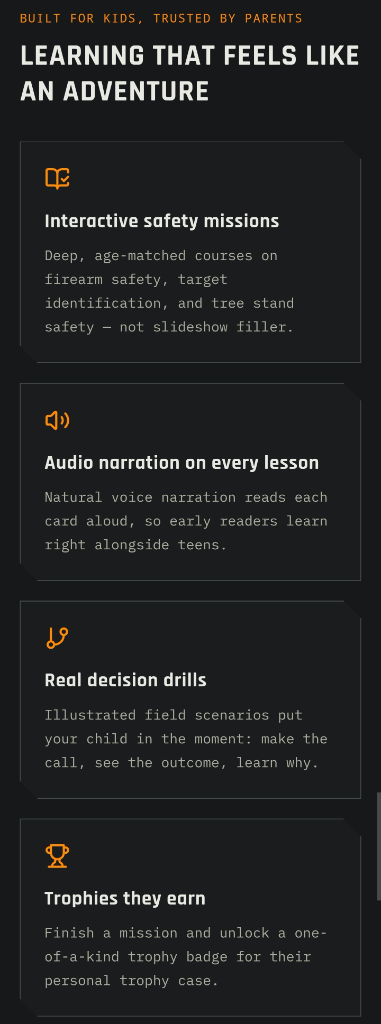
Raise a safe, confident young hunter.
Guide your kids ages 5–17 through interactive hunting safety missions, real decision drills, and earned trophies — all from one free parent account.


Leveraging Technology
Integrating specialized digital tools into your preparation can elevate your hunting strategy. This AI-powered hunt planner provides insights into weather patterns, optimal hunting times, and even partner-finder capabilities to ensure you head out prepared.
Community and Resources
Joining hunting community groups can enhance your hunting experience. Networking with other hunters can provide local insights, tips, and shared experiences. Don’t forget to check out for specific regulations and additional guidance in your region.
Conclusion
Reading and interpreting the USFWS Waterfowl Population Survey is integral for any waterfowl hunter. By understanding the dynamics of weather, implementing effective hunting strategies, and leveraging available technology and resources, you position yourself for a successful season. Stay informed through our and discover the best practices to enhance your waterfowl hunting experiences this year.
For a balanced approach, consider the external insights provided by conservation organizations such as the Ducks Unlimited that analyze and promote sustainable waterfowl hunting practices. With the right data, preparation, and community support, this year’s hunt could be your best yet!
Explore More on Buckeye Hunter Hub
Join 380 hunters and anglers on Buckeye Hunter Hub — free.
Latest from the Community


New drop
Fresh Buckeye Hunter Hub tees & hoodies


Everything you need to hunt smarter — free
Buckeye Hunter Hub is a free, nationwide platform. Create an account and unlock the full toolkit:
Free Interactive Hunting Map
Mark stands, cameras, and sign. Draw hunting zones with public land & county overlays across all 50 states.
Zones with Group Sharing
Share zones with your hunting group, split property into sections, assign stands, and check in — all in one place.
50 States of Hunting Resources
Season dates, license links, and DNR regulations for every state, kept current so you never miss an opener.
Deer Movement Forecast
Data-driven daily movement predictions using wind, moon, and pressure — know when to sit before you go.
Waterfowl Movement & Tools
Flight-potential forecasts, migration numbers, decoy spread planner, and a full species field guide.
From the Maker Bench

Taggart Outdoors
Padded Rifle Sling
Hand-built in the USA · $134.99
Shop the MakerNew drop
Fresh Buckeye Hunter Hub tees & hoodies
Shop This

StopBox Pro Ward | Wall-Mounted
$179.00$199.99

StopBox Pro Compact
$159.00$179.99

Buckeye Hunter Hub Hoodie — The Point
$32.87

Buckeye Hunter Hub Hoodie — Whoa.
$32.87
E-Tag States
Harvest Tags
E-check means you supply the tag. Printed with the exact fields your state requires.
3-pack $22.95
More Articles

Venison Burgers
My wife and I love burgers. In our first home I made this recipe from some deer we had in the freezer. It has gone on to be one of our favorite recipes.
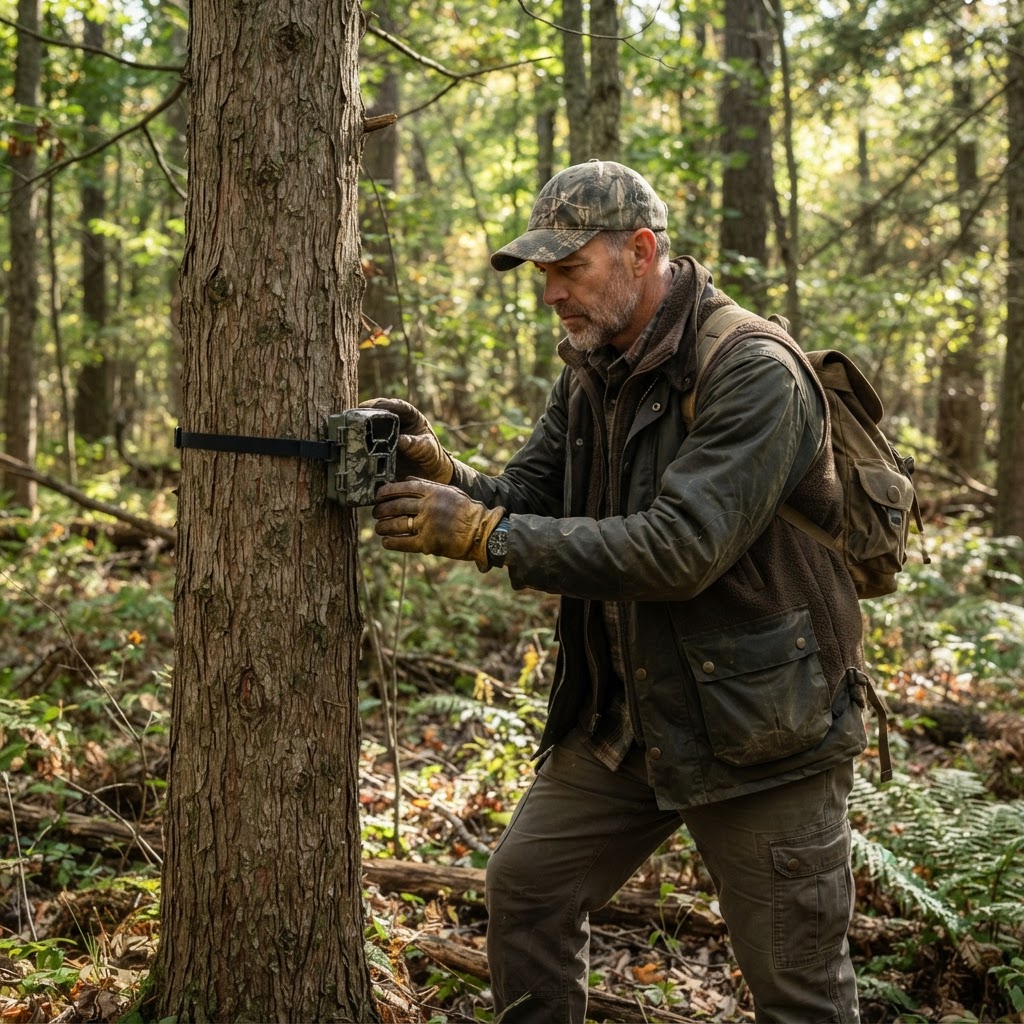
Joining the Frontline: What It Actually Takes to Be a Buckeye Hunter Hub Ambassador
Looking for more than just a social media title? Discover the reality of the Buckeye Hunter Hub Ambassador program, where genuine work meets real rewards for the dedicated outdoorsman.
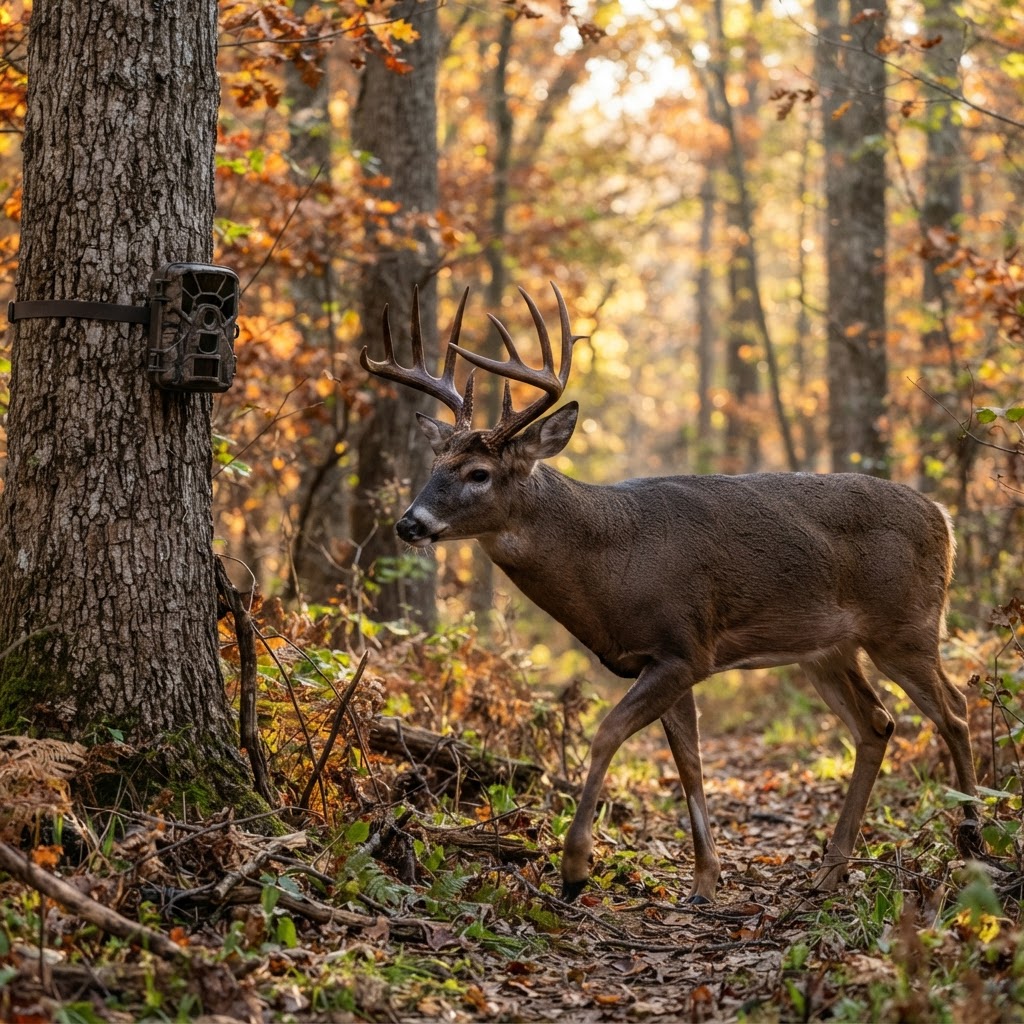
Automating Your Scouting: Using AI to Categorize Trail Cam Photos
Tired of sifting through thousands of blank photos? Learn how to leverage automated AI analysis to pinpoint deer movement and focus on the bucks that matter.
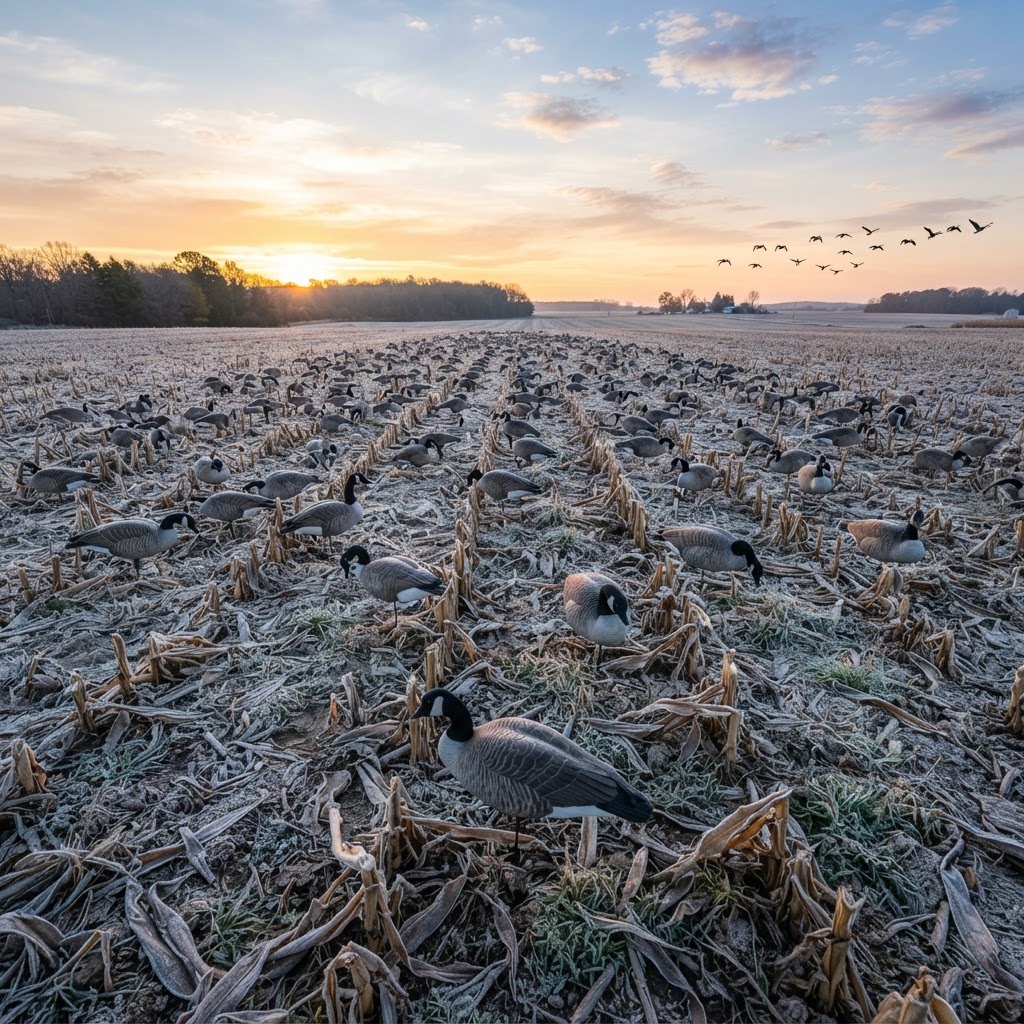
Mastering the Dry-Field Edge: Tactical Canada Goose Strategies
Success in the field demands more than just a big spread; it requires a deep understanding of atmospheric triggers and precise, high-definition concealment.