Mastering the Dry-Field Edge: Tactical Canada Goose Strategies
The Science of the Big Honker
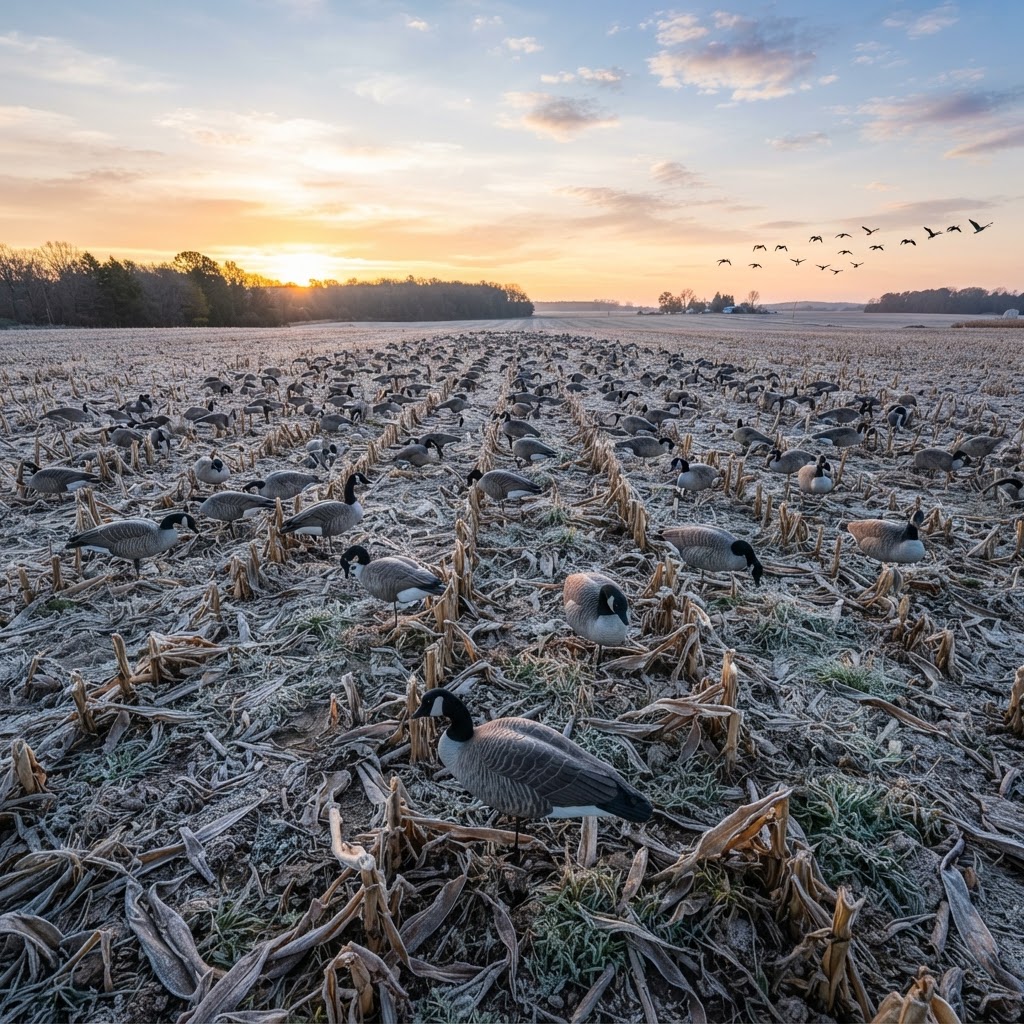
Field hunting for Canada geese is less about luck and more about understanding the specific conditions that dictate goose behavior. While many hunters wait for a random weekend to head out, the most successful waterfowlers operate like meteorologists. The secret to consistent shooting lies in recognizing that these birds are slaves to their environment. A cold front sweeping across the Midwest or a sudden drop in barometric pressure signals to the geese that a change is coming, often prompting a massive push in their feeding schedule. Understanding is essential for timing your season, but day-to-day success depends on wind and weather.
Get the waterfowl forecast for your area, free
See migration pushes, freeze-ups, and the best days to hunt ducks and geese near you.
Geese are most comfortable flying and landing when the wind is between 10 and 20 miles per hour. This speed provides the necessary lift for large birds to execute controlled, slow descents into your decoys. When the wind is dead calm, geese become wary and difficult to commit, often favoring wide, open fields where they can see for miles. Conversely, when the mercury drops and ice begins to lock up local water, the geese are forced to shift their energy focus to high-calorie waste grain. This is when the hunt transitions from a game of patience to a high-octane battle of setup and execution.
Scouting and Setups: Beyond the Basic Spread
Before you ever uncase a shotgun, your primary task is finding the 'X'—the specific field where the geese have been feeding undisturbed. Scouting is not a passive activity. It requires spending hours behind glass to identify the exact landing zone. Once you have identified that spot, the layout of your decoys must mimic the natural behavior of the flock. Avoid the temptation to set a perfect 'U' or 'J' shape every single time. Instead, use a to visualize how different wind directions and field sizes affect your presentation.
Motion is the heartbeat of a successful field hunt. If your decoys look like plastic statues, you are fighting an uphill battle. Incorporate flaggers, rotary machines, or motion-stake decoys to create the illusion of birds walking, stretching, and feeding. The goal is to draw the eyes of incoming geese away from the blinds and toward the 'action' area of your spread.
The Art of Low-Profile Concealment
If you have done your scouting correctly, the geese will be looking for the birds you have placed in the field. However, they are also highly suspicious of anything that looks out of place. This is where most hunters fail. A layout blind sticking out like a sore thumb in the middle of a cut cornfield will flare birds from hundreds of yards away.
Concealment is not just about camo patterns; it is about texture and blending. You must brush your blinds to match the specific field type. If you are hunting a winter wheat field, do not rely on corn stubble to hide your blind. Gather the surrounding vegetation, mud, and dirt to bury the silhouette of the blind. High-definition camo is effective only when it is obscured by the natural materials of the landscape. Spend the extra time before shooting light to ensure every edge of the blind is feathered and natural.
Calling and Discipline
E-Tag States

Harvest Tags
E-check means you supply the tag. Printed with the exact fields your state requires.
3-pack $22.95

Youth Hunter Academy
Raise a safe, confident young hunter.
Safety missions for ages 5–17. Free parent account.
Many hunters call too much and too aggressively. When a flock is locked on and committed, the best call is often no call at all. Use your goose call to gain their attention at long range, but once they begin to lock their wings and glide toward the landing zone, lower the volume and frequency. If they start to drift off course, a soft, seductive moan or a subtle feed chuckle can draw them back in.
Remember, your goal is to make the geese feel safe. If you force the sound, you signal that something is 'off.' Always prioritize safety and discipline when waiting for the birds to enter your effective range. Let them commit fully to the pocket of the decoys rather than taking long, frustrated shots that risk wounding birds. For those interested in tracking their progress throughout the season, referencing helps keep your gear and your focus aligned with the changing phases of the migration. When the action is over and the cleaning begins, treat your gear with care, as proper maintenance is the hallmark of a serious waterfowl enthusiast. If you find your equipment is taking a beating in the field, check out our selection of gear designed to withstand the harshest environments.
Free every morning
Your Daily Briefing
One morning forecast for the spots you actually hunt and fish: deer movement, waterfowl flights, bite times, wind and shooting light.
See what's in itSet up your briefing
Join free, save a spot on the map, then pick what you hunt and fish and when you want your email.
Join 1,315 hunters and anglers on Buckeye Hunter Hub — free.
Latest from the Community



Everything you need to hunt smarter — free
Buckeye Hunter Hub is a free, nationwide platform. Create an account and unlock the full toolkit:
Free Interactive Hunting Map
Mark stands, cameras, and sign. Draw hunting zones with public land & county overlays across all 50 states.
Zones with Group Sharing
Share zones with your hunting group, split property into sections, assign stands, and check in — all in one place.
50 States of Hunting Resources
Season dates, license links, and DNR regulations for every state, kept current so you never miss an opener.
Deer Movement Forecast
Data-driven daily movement predictions using wind, moon, and pressure — know when to sit before you go.
Waterfowl Movement & Tools
Flight-potential forecasts, migration numbers, decoy spread planner, and a full species field guide.
From the Maker Bench

Taggart Outdoors
Custom Western Belt
Hand-built in the USA · $127.99
Shop the Maker
BHH Partner
Firearms, ammo and gear from a local Ohio shop in Grafton.
dnaarmory.comE-Tag States
Harvest Tags
E-check means you supply the tag. Printed with the exact fields your state requires.
3-pack $22.95
More Articles
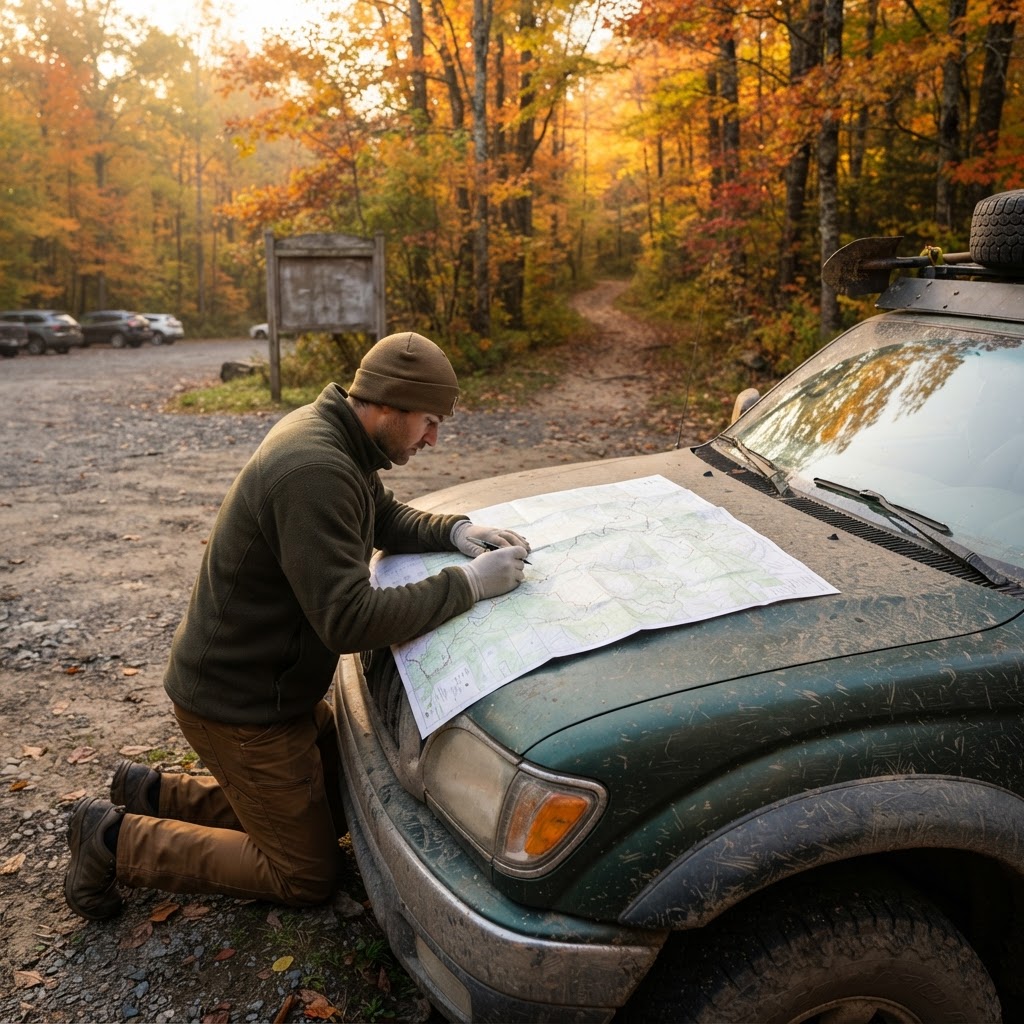
The Strategic Playbook: Building a Winning Public Land Hunting Framework
Hunting public land requires more than just luck; it demands a structured, step-by-step approach to scouting, logistics, and execution. Learn how to build your seasonal game plan from the ground up to consistently outperform the crowd.
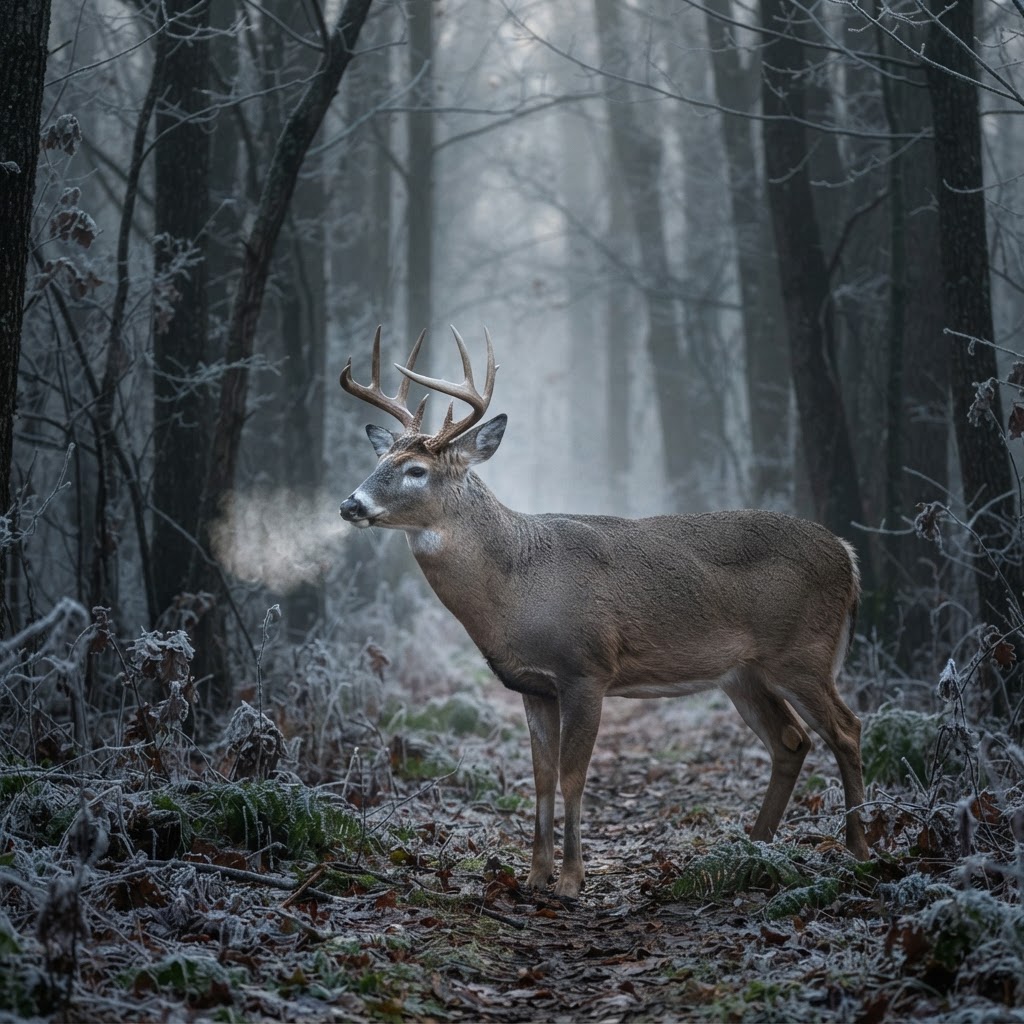
Barometric Pressure and Whitetails: Separating Hunting Folklore from Biological Reality
Does the barometer really dictate when a buck stands up? We dig into the peer-reviewed telemetry data to uncover the truth behind weather-driven deer movement.
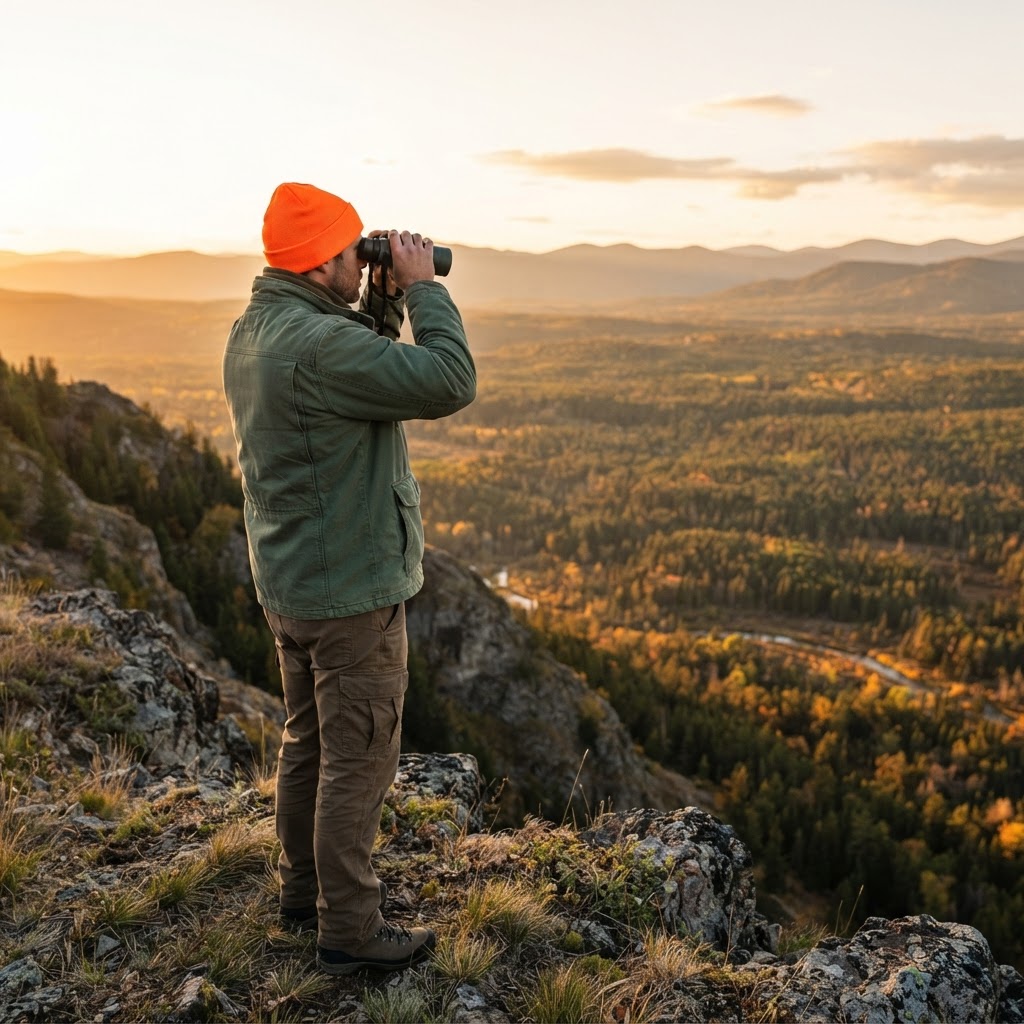
Beyond the Familiar: A Blueprint for Scouting Uncharted Hunting Territory
Stepping into a new hunting zone requires more than just a tag and a rifle. Learn the systematic, five-step framework to transition from a stranger in the woods to a local expert before opening day.

Adapting to Change: Lessons from the Field
Change is the only constant in the woods. Learn how to turn mechanical failures and shifting weather patterns into the knowledge needed to secure your next harvest.