
Mastering the Woods: How to Read Deer Sign Like a Pro
Deciphering the Woods: A Tactical Approach to Deer Sign
Success in the deer woods rarely happens by accident. While scouting apps and technology have changed the game, the fundamental ability to read deer sign remains the most critical skill for any hunter. Whether you are hunting the deep timber of the Appalachians or the agricultural edges of the Midwest, understanding what the deer are telling you through physical markers is the difference between a long, cold sit and a successful harvest. At Buckeye Hunter Hub, we believe that field craft is the foundation of every great hunt.
Get the deer movement forecast for your spot, free
See the best days and hours to sit this week, built from your spot's weather, moon, and wind.
Interpreting Rubs: The Signpost of Dominance
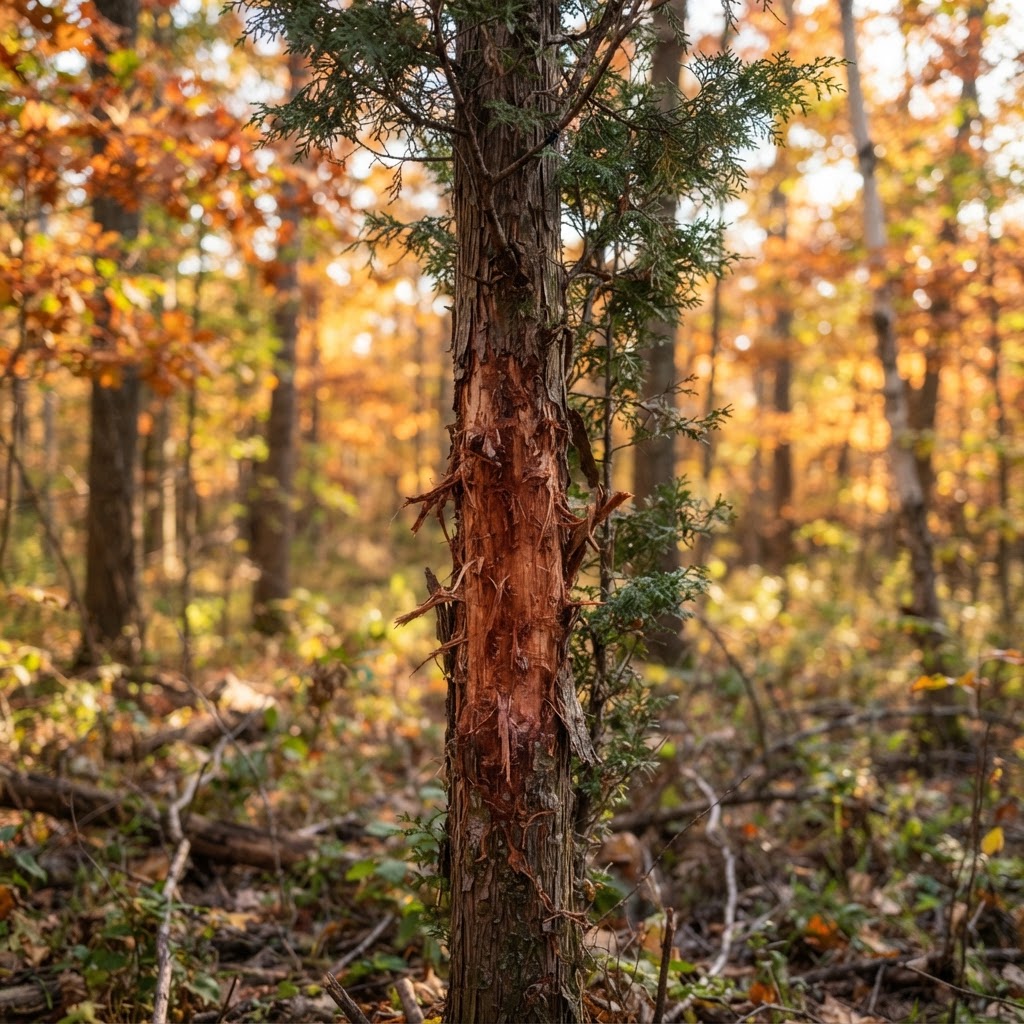
Rubs are more than just cosmetic damage to trees; they are primary visual and scent communication tools used by bucks. A buck creates a rub by stripping bark off a tree with his antlers, often leaving behind scent from forehead glands. When scouting, pay attention to the size of the tree and the height of the rub. A large-diameter tree rubbed high indicates a mature buck.
However, don’t just look for the rub; look for the line. If you find a series of rubs, you have likely discovered a buck’s travel corridor. Use our to overlay these rub lines against the terrain features, such as ridges or benches, to identify where the buck is actually heading. If you are struggling to understand why deer are moving in specific patterns, revisiting can help you correlate these physical rub lines with environmental triggers.
The Anatomy of a Scrape
Scrapes are the most misunderstood sign in the woods. These dirt patches, often accompanied by a 'licking branch' overhead, are communal hubs for social interaction. Throughout the pre-rut, bucks use these to check which does are in the area.
If you find a 'hot' scrape—one where the dirt is fresh and damp—you have found a goldmine. Pair this intel with our to determine the best times to sit near these locations. Keep in mind that scrape activity peaks leading up to the rut. For those hunting in areas with fluctuating patterns, consider using supplemental tools to help you analyze the best days to target these specific scrape lines based on local weather shifts.
Locating and Analyzing Deer Beds
Bedding areas are the sanctuary. If you push deer out of their beds, you ruin your hunting spot for days, if not weeks. Identifying a bedding area requires looking for flattened vegetation, oval-shaped indentations in the dirt, and a heavy concentration of droppings. Mature bucks prefer beds that provide a view of the downwind side while keeping their backs protected by a cliff, a thicket, or an elevation change.
Before you head into the deep woods, check your to ensure you are scouting within legal bounds and respecting private property lines. If you are looking to find new ground with higher potential for productive bedding, check out our current property and lease listings to see if you can improve your habitat access.
E-Tag States

Harvest Tags
E-check means you supply the tag. Printed with the exact fields your state requires.
3-pack $22.95

Youth Hunter Academy
Raise a safe, confident young hunter.
Safety missions for ages 5–17. Free parent account.
Putting It All Together
Reading sign is an iterative process. It is not enough to find a scrape or a rub; you must categorize it. Is it primary sign or secondary sign? Is it fresh or weeks old? Always correlate your findings with the time of year as dictated by .
To learn more about wildlife management practices and how biologists track deer populations in your specific state, check expert-backed conservation data. Remember, deer sign is a snapshot in time. A scrape used in October might be abandoned by November. By remaining observant and keeping your gear ready to move, you can adapt your strategy to meet the deer where they are, rather than waiting for them to walk into your old, stale spots.
Explore More on Buckeye Hunter Hub
<!-- links-cleaned -->Free every morning
Your Daily Briefing
One morning forecast for the spots you actually hunt and fish: deer movement, waterfowl flights, bite times, wind and shooting light.
See what's in itSet up your briefing
Join free, save a spot on the map, then pick what you hunt and fish and when you want your email.
Join 1,620 hunters and anglers on Buckeye Hunter Hub — free.
Latest from the Community



Everything you need to hunt smarter — free
Buckeye Hunter Hub is a free, nationwide platform. Create an account and unlock the full toolkit:
Free Interactive Hunting Map
Mark stands, cameras, and sign. Draw hunting zones with public land & county overlays across all 50 states.
Zones with Group Sharing
Share zones with your hunting group, split property into sections, assign stands, and check in — all in one place.
50 States of Hunting Resources
Season dates, license links, and DNR regulations for every state, kept current so you never miss an opener.
Deer Movement Forecast
Data-driven daily movement predictions using wind, moon, and pressure — know when to sit before you go.
Waterfowl Movement & Tools
Flight-potential forecasts, migration numbers, decoy spread planner, and a full species field guide.
From the Maker Bench

Taggart Outdoors
Custom Western Belt
Hand-built in the USA · $127.99
Shop the Maker
BHH Partner
Firearms, ammo and gear from a local Ohio shop in Grafton.
dnaarmory.comE-Tag States
Harvest Tags
E-check means you supply the tag. Printed with the exact fields your state requires.
3-pack $22.95
More Articles
Mastering the X: Strategic Canada Goose Field Tactics
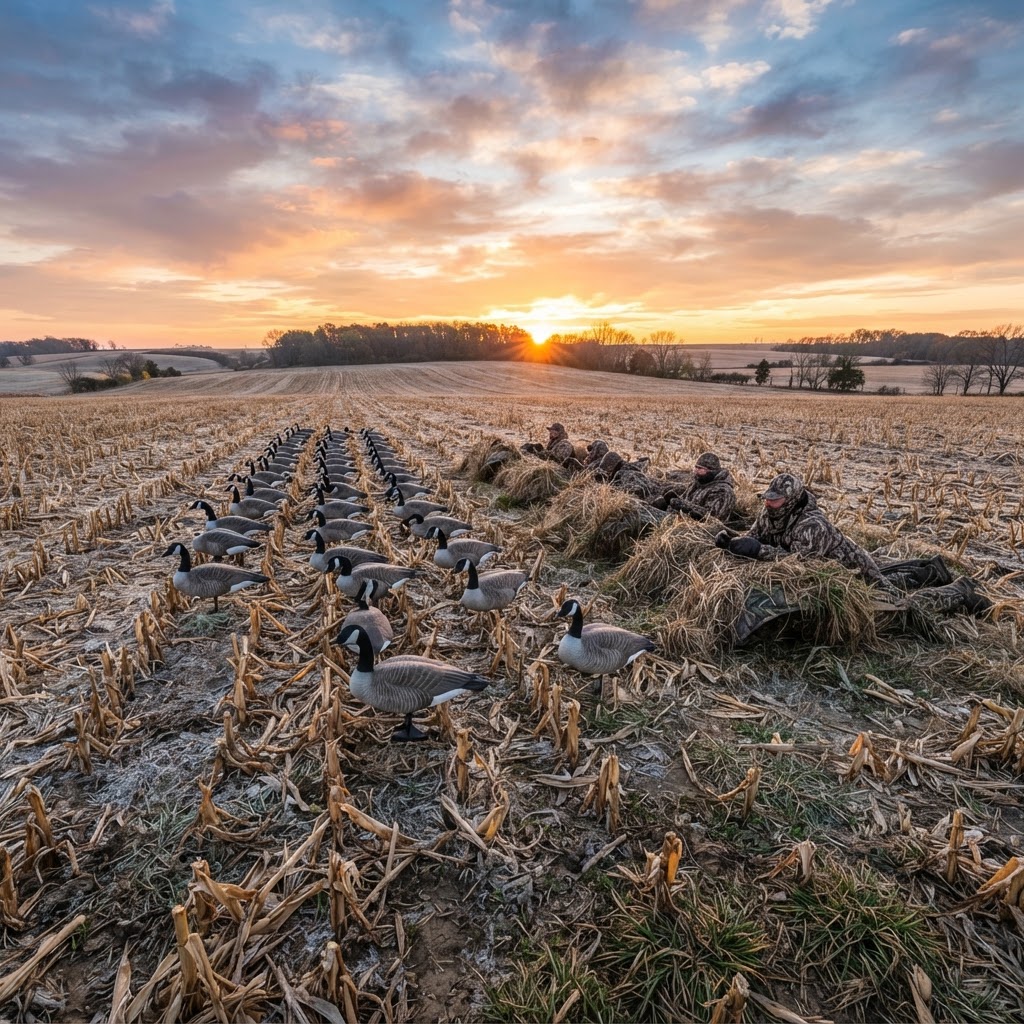
Success in field hunting Canada geese demands more than just a pile of decoys; it requires a deep understanding of atmospheric triggers and precise spatial management. Unlock the secrets to consistent shoots by refining your spread geometry and concealment game.
Livingston County CWD Deer Testing: New Check Station Rules
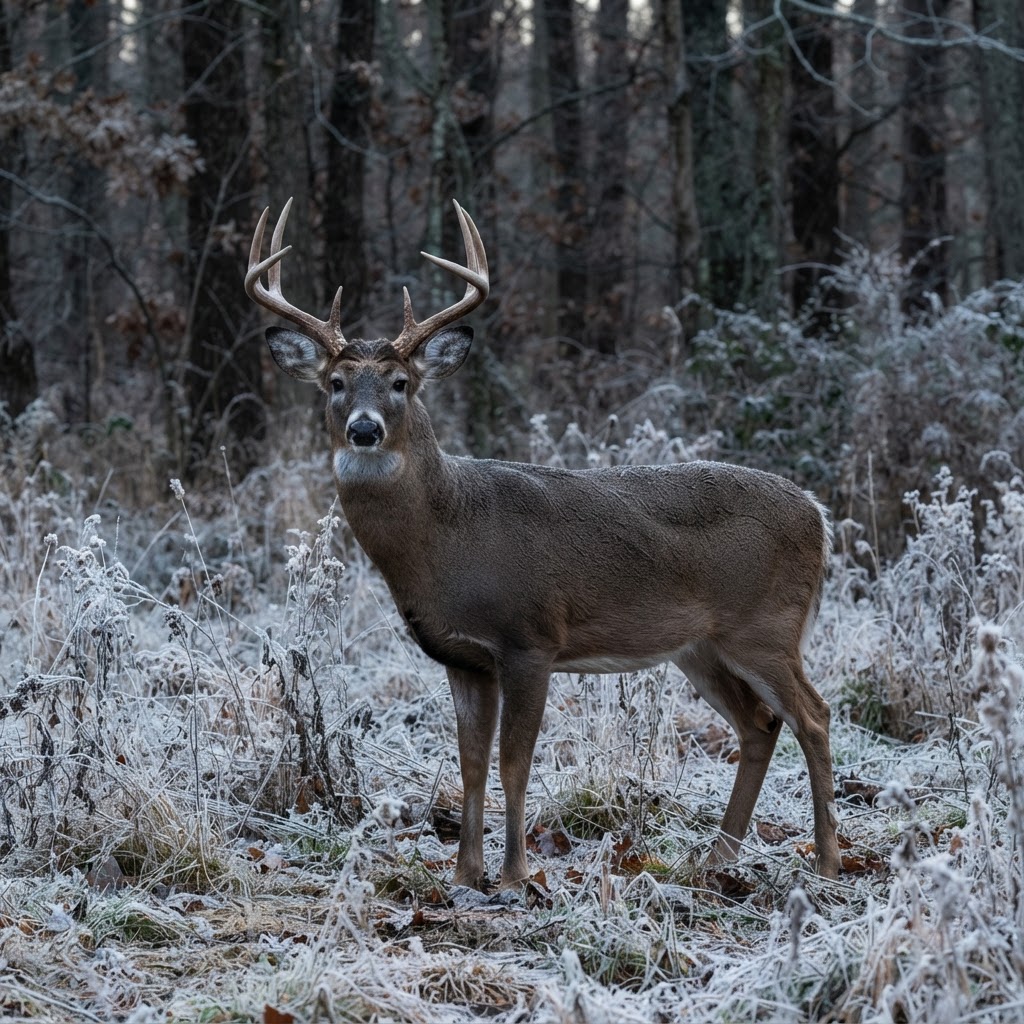
If you harvest a deer in the Livingston County containment area, you must have it tested for Chronic Wasting Disease. A new check station opens in Sparta on November 30 to handle these mandatory submissions.
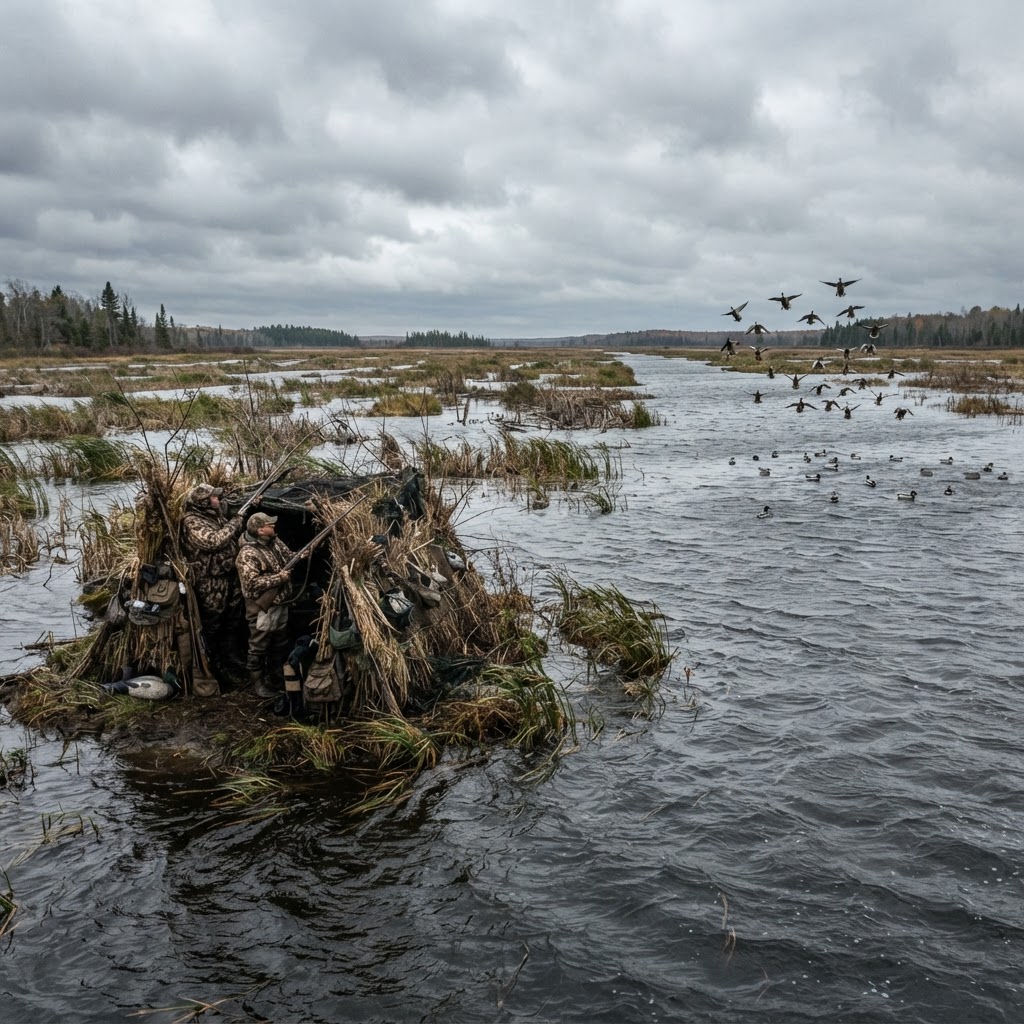
Storm Front Tactics: Optimizing Your Spread for Peak Waterfowl Movement
When the mercury drops and the barometric pressure plummets, the best duck hunting of the year begins. Here is how to capitalize on the weather systems that drive the migration.
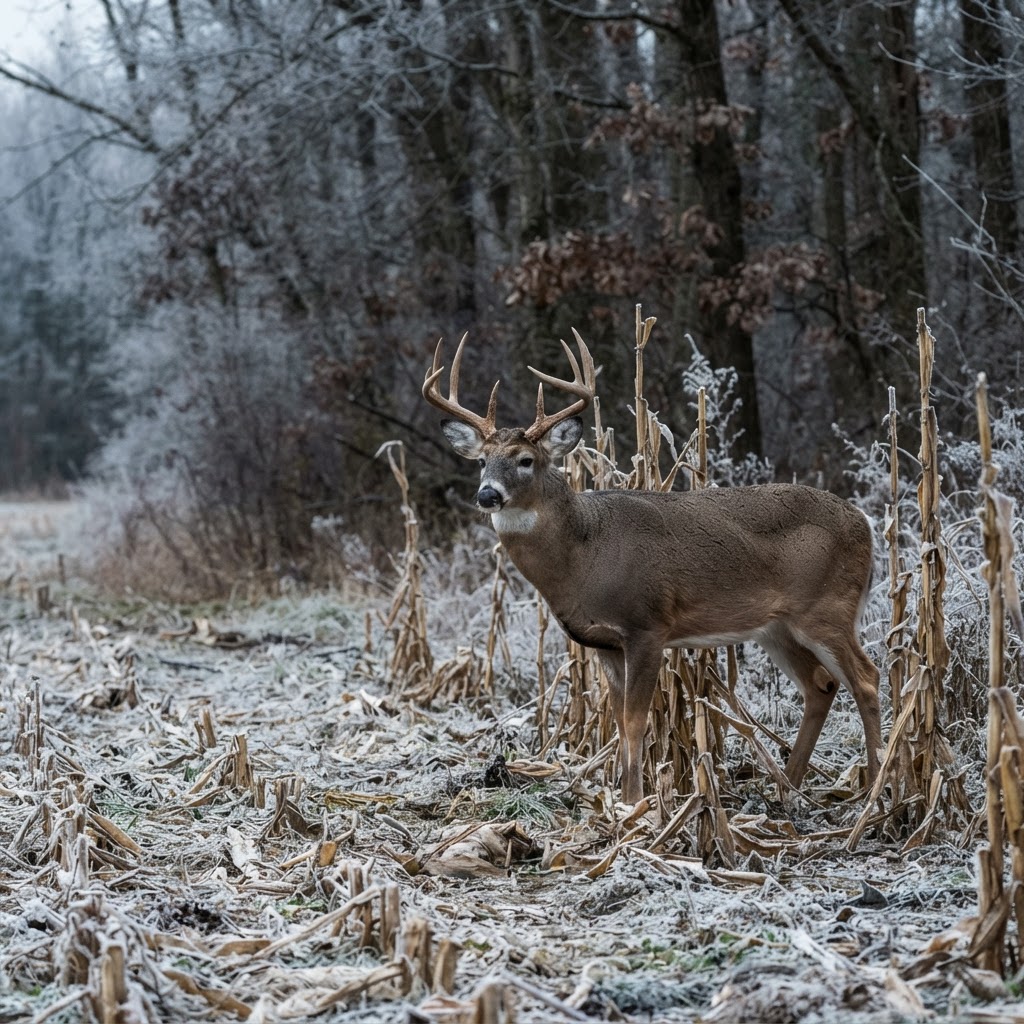
Late Season Whitetail Hunting Strategies for Post-Rut Success
Transition your focus from rut-based movement to high-energy food sources and thermal cover to capitalize on deer behavior during the post-rut period. Success in late November and December requires prioritizing calorie intake and minimizing human pressure to catch mature bucks during daylight hours.