
Mastering the X: Strategic Canada Goose Field Tactics
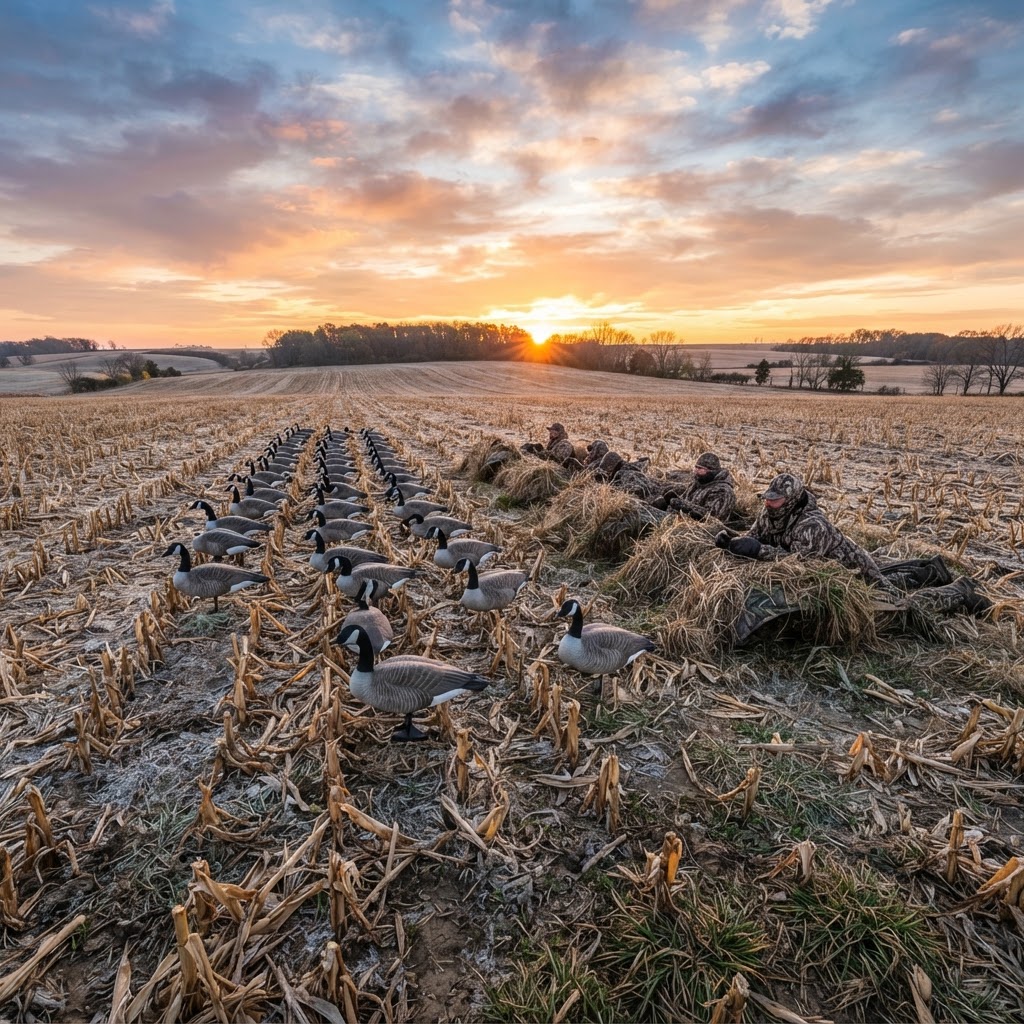
The Art of the X
For the dedicated waterfowl hunter, there is no greater satisfaction than watching a committed flock of Canada geese lock their wings and dump into a field. Yet, consistently putting yourself under that 'X'—the precise spot where the birds want to be—requires a synthesis of biology, meteorology, and tactical precision. While many beginners focus solely on the number of decoys, the veteran knows that the secret lies in the interplay between wind, pressure, and the birds' daily nutritional requirements.
Get the waterfowl forecast for your area, free
See migration pushes, freeze-ups, and the best days to hunt ducks and geese near you.
Reading the Atmosphere: Triggers for Movement
Waterfowl are masters of barometric pressure. Before a major cold front, birds often feed aggressively, sensing the impending drop in temperature and the closing of open water. Falling barometric pressure frequently triggers a 'push' phase where geese become restless and prone to movement. Conversely, steady high-pressure systems often lead to birds holding tight in large, secure bodies of water.
Monitoring is essential, but local micro-weather is the real driver of daily behavior. Geese are wind-dependent travelers. A 10–20 mph wind is the gold standard for field hunting; it forces birds to approach into the wind, slowing them down significantly and giving you a clear window for shot presentation. Without that wind, birds will often 'skate' or overfly your spread at impossible altitudes. When the mercury drops and ice begins to skin over local ponds, shift your focus to the fields surrounding the remaining open water. These 'thermal sinks' become the primary hubs for congregating birds.
Decoy Geometry and Motion
When setting a spread, functionality must trump aesthetics. A massive, beautiful spread that is positioned cross-wind will almost always fail. Instead, utilize a to visualize the 'landing hole' geometry. Your decoys should mimic a natural feeding group, with a distinct 'upwind' tail and a clear, wide landing zone directly in front of your blinds.
Motion is the missing ingredient for many struggling hunters. While static full-bodies are essential for realism, adding motion—through flags or rotary machines—breaks the illusion of a 'frozen' flock. However, use motion sparingly. If the wind is blowing at 15+ mph, your decoys will naturally sway, and excessive flagging can actually alert wary, late-season geese. Match your motion to the wind conditions: subtle flags on light days, and minimal movement on blustery, high-wind days when the birds are already flighty.
Concealment: The Final Frontier
Concealment is often where the hunt is won or lost. Even the most perfect spread will be bypassed if the birds see the silhouette of a hunter or the unnatural shine of a layout blind. The most important rule in field hunting is to match the surrounding vegetation. If you are hunting a harvested cornfield, your blind needs to be 'mudded' and stubbled with the exact corn stalks from that specific field. Don't just use the grass from your gear bag; gather local cover.
For those seeking to refine their approach, it is worth referencing our to better understand the varying levels of caution different age classes exhibit. Juvenile geese are far more forgiving than the grizzled, 'call-shy' veterans that have survived multiple seasons. If you are struggling with concealment, consider lowering the profile of your setup or moving your blinds further downwind, hidden within the tail of the spread rather than right at the front edge of the landing zone.
E-Tag States

Harvest Tags
E-check means you supply the tag. Printed with the exact fields your state requires.
3-pack $22.95

Youth Hunter Academy
Raise a safe, confident young hunter.
Safety missions for ages 5–17. Free parent account.
Scouting and Persistence
There is no substitute for boots on the ground. Use to identify high-traffic corridors between roosting water and feeding agricultural fields. Pay attention to how the birds exit the roost; do they move in a steady stream or in one massive pulse? Understanding this timing allows you to be set up well before the birds leave the water, rather than racing to beat them to the field.
If you find yourself stuck, remember that you are part of a wider community. Engaging with can provide insights into regional movement that you might otherwise miss. Remember, the goal isn't just to shoot; it is to engage with the environment in a way that respects the complexity of the species. When the wind is right, the decoys are set, and you have masterfully hidden yourself against the backdrop of the stubble, the 'thunder' of wings overhead is the only reward you will ever need.
Free every morning
Your Daily Briefing
One morning forecast for the spots you actually hunt and fish: deer movement, waterfowl flights, bite times, wind and shooting light.
See what's in itSet up your briefing
Join free, save a spot on the map, then pick what you hunt and fish and when you want your email.
Join 1,620 hunters and anglers on Buckeye Hunter Hub — free.
Latest from the Community



Everything you need to hunt smarter — free
Buckeye Hunter Hub is a free, nationwide platform. Create an account and unlock the full toolkit:
Free Interactive Hunting Map
Mark stands, cameras, and sign. Draw hunting zones with public land & county overlays across all 50 states.
Zones with Group Sharing
Share zones with your hunting group, split property into sections, assign stands, and check in — all in one place.
50 States of Hunting Resources
Season dates, license links, and DNR regulations for every state, kept current so you never miss an opener.
Deer Movement Forecast
Data-driven daily movement predictions using wind, moon, and pressure — know when to sit before you go.
Waterfowl Movement & Tools
Flight-potential forecasts, migration numbers, decoy spread planner, and a full species field guide.
From the Maker Bench

Taggart Outdoors
Custom Western Belt
Hand-built in the USA · $127.99
Shop the Maker
BHH Partner
Firearms, ammo and gear from a local Ohio shop in Grafton.
dnaarmory.comE-Tag States
Harvest Tags
E-check means you supply the tag. Printed with the exact fields your state requires.
3-pack $22.95
More Articles
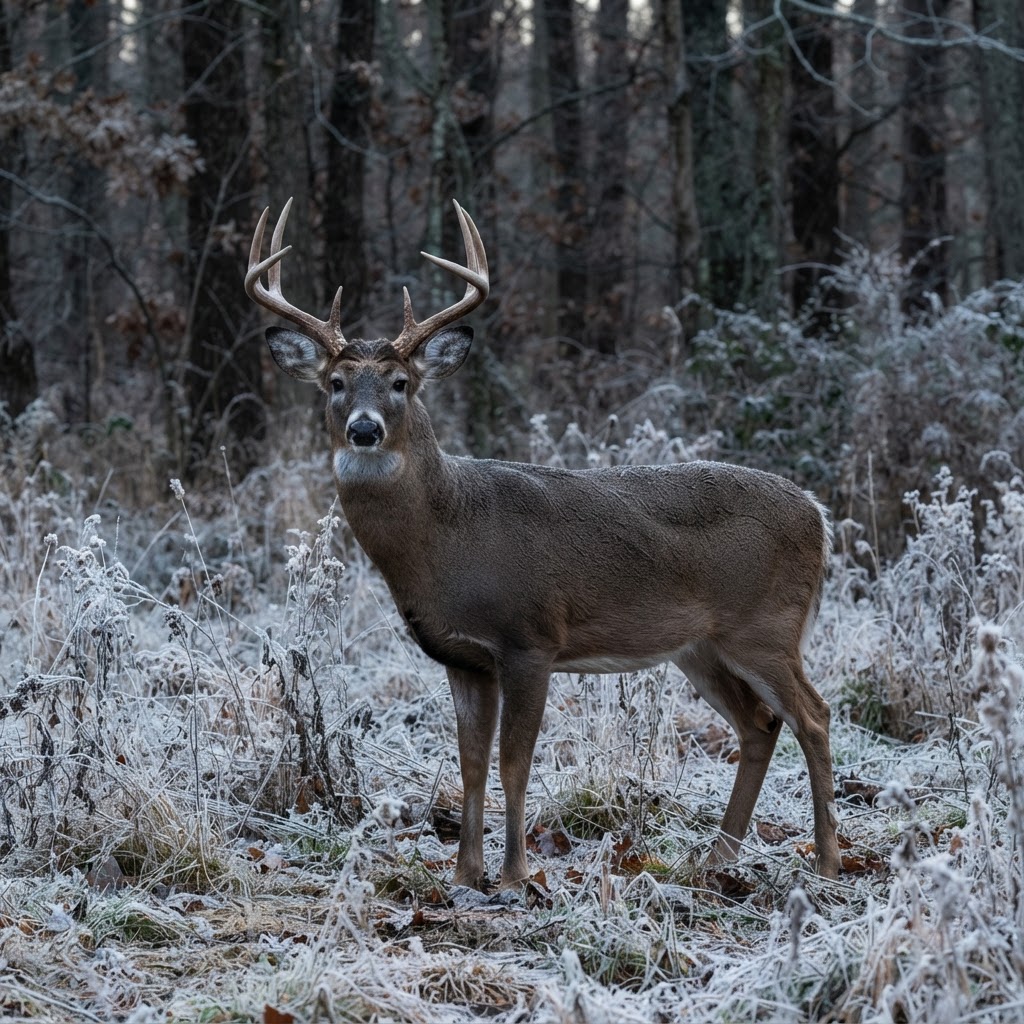
Livingston County CWD Deer Testing: New Check Station Rules
If you harvest a deer in the Livingston County containment area, you must have it tested for Chronic Wasting Disease. A new check station opens in Sparta on November 30 to handle these mandatory submissions.
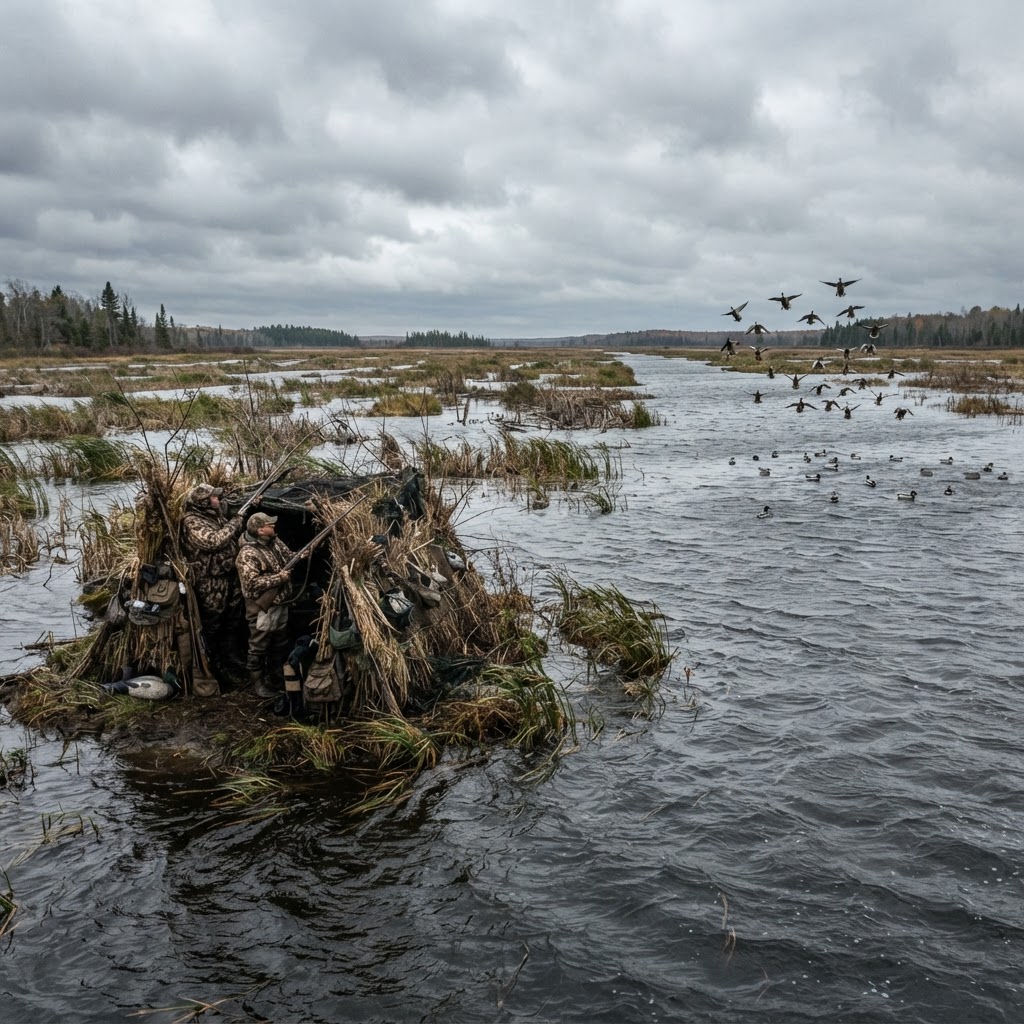
Storm Front Tactics: Optimizing Your Spread for Peak Waterfowl Movement
When the mercury drops and the barometric pressure plummets, the best duck hunting of the year begins. Here is how to capitalize on the weather systems that drive the migration.
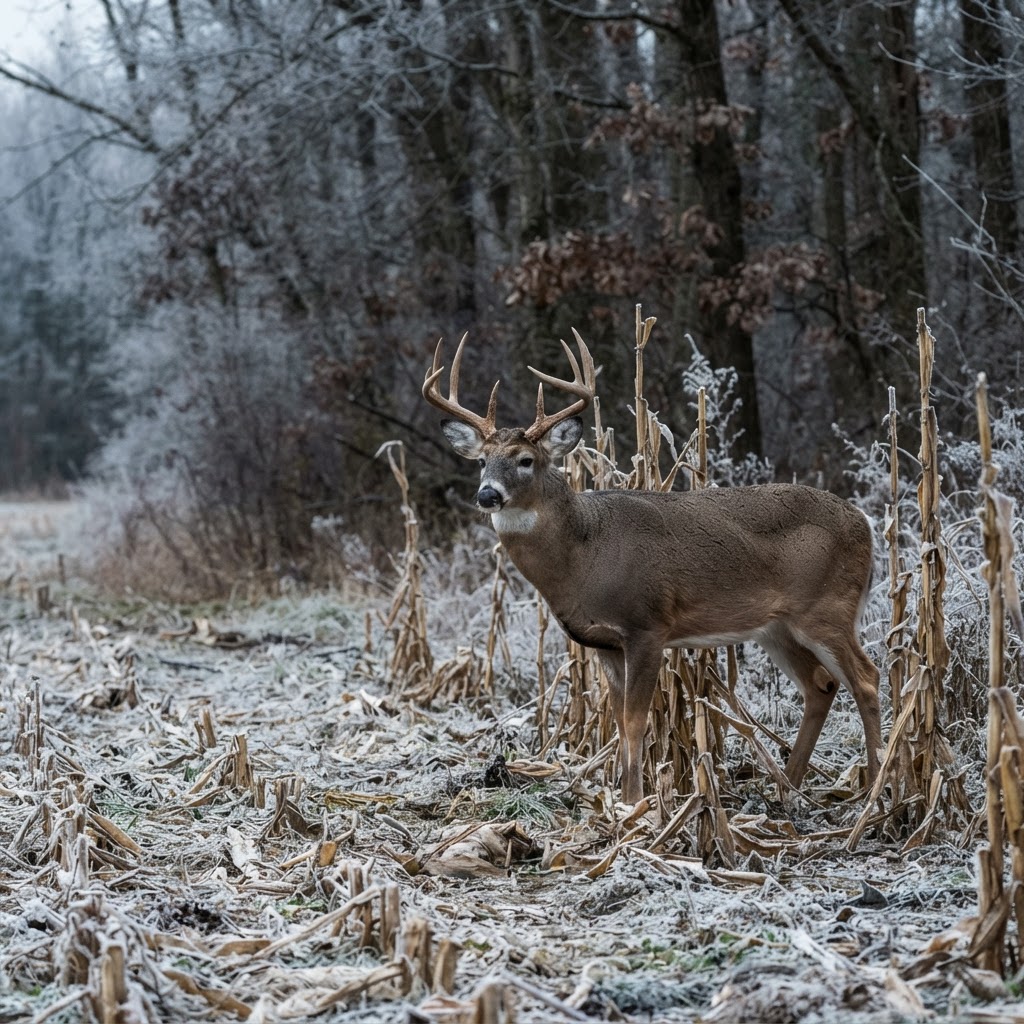
Late Season Whitetail Hunting Strategies for Post-Rut Success
Transition your focus from rut-based movement to high-energy food sources and thermal cover to capitalize on deer behavior during the post-rut period. Success in late November and December requires prioritizing calorie intake and minimizing human pressure to catch mature bucks during daylight hours.
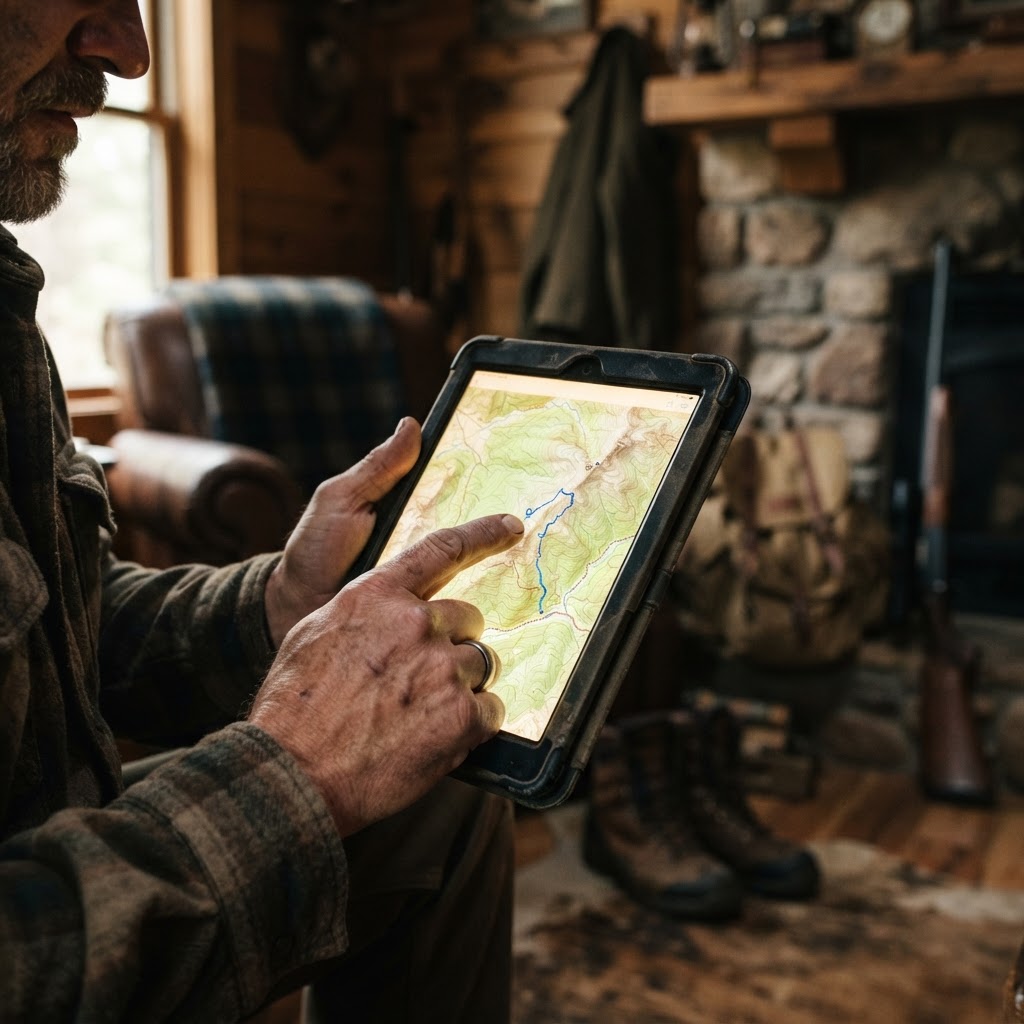
The Virtual Recon: Master Your Next Property from Your Living Room
Stop wandering aimlessly through the woods and start hunting with purpose by mastering the art of digital scouting before you ever lace up your boots.