
Livingston County CWD Deer Testing: New Check Station Rules
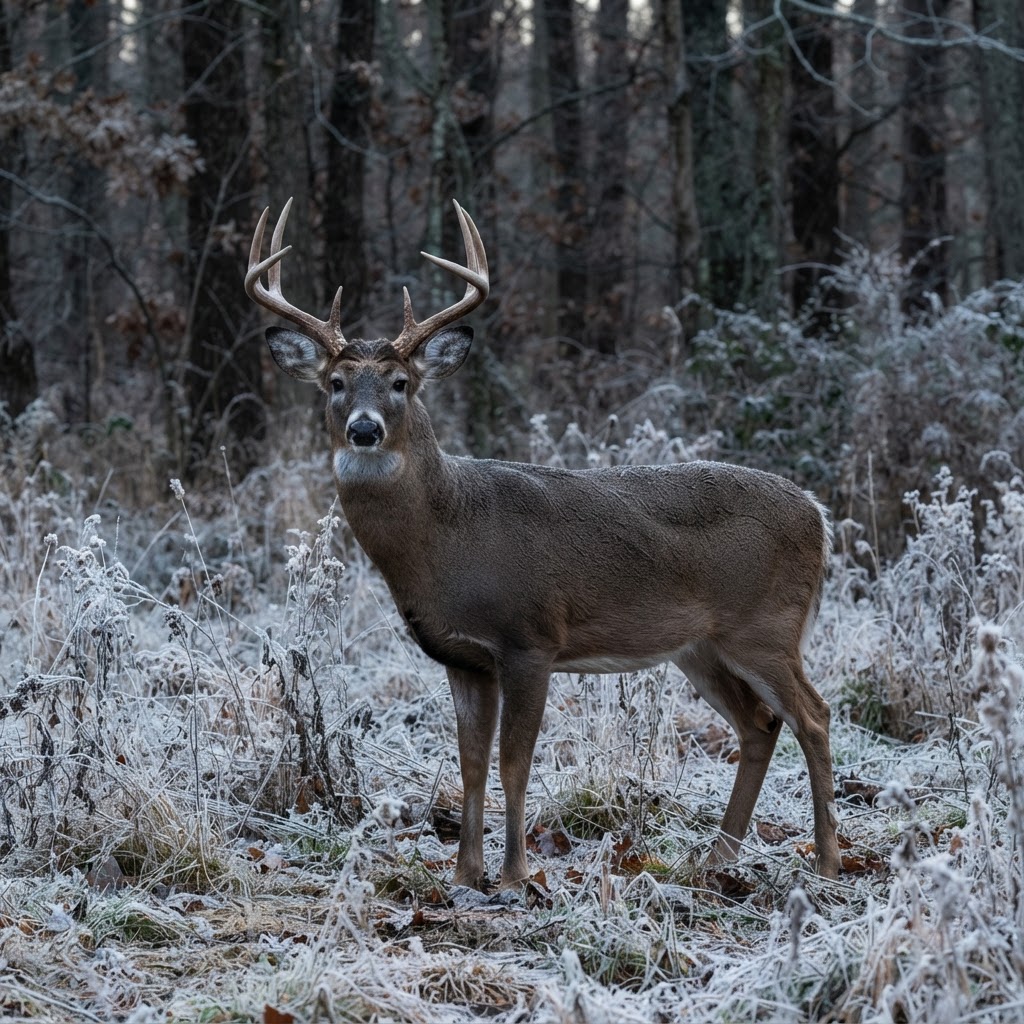
Livingston County CWD Testing Requirements
If you hunt in the towns of Conesus, Groveland, North Dansville, Sparta, Springwater, or West Sparta, you are required to have every deer you harvest tested for Chronic Wasting Disease (CWD). This mandate follows the first detection of CWD in a wild New York deer in 21 years. The New York State Department of Environmental Conservation (DEC) is using these hunter-submitted samples to determine the prevalence and distribution of the disease across the local landscape. Because infected deer can appear perfectly healthy for a year or longer before showing symptoms, testing is the only way to confirm the status of your harvest.
Get the deer movement forecast for your spot, free
See the best days and hours to sit this week, built from your spot's weather, moon, and wind.
Beyond the mandatory testing for the six specified towns, hunters should be aware that the DEC maintains strict disposal protocols for all deer harvested within this containment area. You are prohibited from disposing of any carcass parts via composting, rendering, or scattering them on the landscape. Instead, all waste must be double-bagged and placed in municipal trash, or you may utilize the dumpster provided by the DEC at the official check station site for proper disposal of remains.
New Check Station Location and Hours
Starting Monday, November 30, 2026, the primary DEC check station is moving to the Sparta Town Hall and Highway Department, located at 8374 Sparta Center Road, Dansville, NY 14437. This facility replaces the previous station at the Livingston County Center for Emergency Operations on Gypsy Lane, which closes after Sunday, November 29. The new Sparta station will be open daily from 8:00 am to 8:00 pm through December 13, 2026.
If you are hunting in the containment area, you should plan your logistics around these hours. While the staffed station will be closed after December 13, a head collection bin will remain available at the site for after-hours submissions. The Sparta location also features a self-service processing station, open daily from 8:00 am to 4:30 pm, where you can debone your meat and safely dispose of carcasses.
When visiting the Sparta Town Hall and Highway Department, ensure you have your harvest tag and any necessary identification ready to expedite the registration process. If you arrive during the self-service hours, be prepared to handle the carcass independently while following the posted signage for waste management. The DEC staff on-site can provide specific guidance on how to properly bag your deer head if you are utilizing the after-hours collection bin, ensuring the sample remains viable for laboratory analysis at Cornell University.
How to Submit Your Deer for Testing
The process for submitting a sample depends on your processing plans and whether you live inside or outside the containment area. If you are using a commercial meat processor or taxidermist, you must obtain a carcass transport permit from DEC staff at the check station. This permit is required to legally move a whole deer carcass out of the containment area to a cooperating facility.
If you are processing the deer yourself, follow these steps:
- Bring the whole carcass: The DEC strongly recommends bringing the entire deer to the check station. Staff will remove the head for testing and can remove antlers if you wish to keep them.
- Submit the head only: If you cannot bring the whole carcass, you may bring the head with some neck attached. You must deposit it in the provided head collection bin, following the instructions on the bin for bagging and completing the CWD Head Tag.
- Prepare the head: Before submission, remove the skull plate and antlers on bucks. If you intend to have the buck mounted, contact the DEC Region 8 office at (585) 226-5380 or email cwd.response@dec.ny.gov to discuss alternative collection methods.
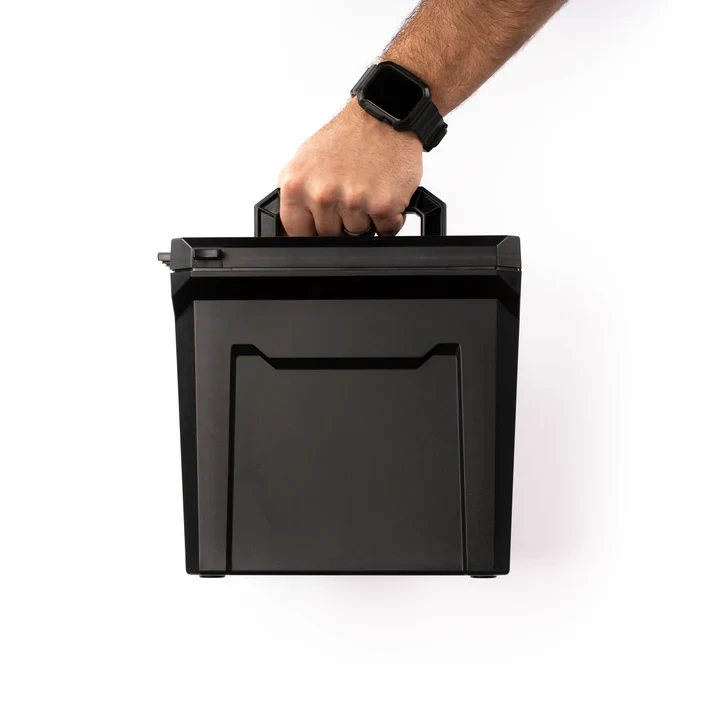
When preparing a head for the bin, cut it off with some neck remaining, keep it chilled or frozen, and place it in a plastic garbage bag. Label the bag with your contact information, include the completed DEC head tag in a separate ziplock bag inside, and zip-tie the main bag closed before depositing it in the white metal container.

If you are a hunter who prefers to debone your venison in the field, you are still required to bring the head with a portion of the neck attached to the check station. While gut piles may be left at the harvest site, the head must be handled carefully to prevent contamination. Always keep the head chilled or frozen until you can reach the station, as temperature control is critical for the accuracy of the lymph node testing performed by the state laboratory.
Managing Your Harvest and Results
Results from the laboratory can take up to two weeks. You can check the status of your test through the state’s online results portal. The DEC will contact you directly if your deer tests positive. The Centers for Disease Control and Prevention (CDC) recommends that you do not consume venison from any deer known to have CWD. Therefore, it is best to wait for your test results before processing or eating the meat from a deer harvested within the containment area.
E-Tag States

Harvest Tags
E-check means you supply the tag. Printed with the exact fields your state requires.
3-pack $22.95

Youth Hunter Academy
Raise a safe, confident young hunter.
Safety missions for ages 5–17. Free parent account.
If you are planning your season, you can check to ensure you are compliant with all local laws. For those looking for new spots to hunt outside the immediate containment zone, you can use a to scout alternative areas. While the current focus is on the Livingston County containment zone, hunters across the state should remain vigilant and report any sick or dying deer to the DEC.
If your deer tests positive for CWD, the DEC will contact you directly using the information provided on your head tag. In such an event, you will be asked to surrender the venison to the department for proper disposal, and you will be issued a replacement tag for the deer. It is essential to keep your contact information current in the state portal, as this is the primary method the agency uses to communicate urgent health findings regarding your specific harvest.
Understanding CWD Regulations
Beyond mandatory testing, the containment area is subject to specific regulations under 6 NYCRR Part 189. These rules are designed to prevent the spread of the disease to other parts of the state. Key restrictions include:
- Prohibiting the movement of high-risk parts, such as the brain, spinal cord, spleen, and eyes, out of the containment area.
- Prohibiting the possession of any deer killed by a motor vehicle within the containment area.
- Prohibiting the collection, sale, or transport of deer or elk urine taken from within the containment area.
If you are hunting near the border of the containment area, note that the DEC has extended free, voluntary testing to hunters who harvest deer in the towns of Ossian or Dansville in Livingston County, or Wayland in Steuben County. Participating in this voluntary testing helps the state gain a clearer picture of the disease's reach. For further updates, including potential expansions of the containment area or changes to station hours, monitor the official DEC website regularly. If you have questions about specific hunting tactics or need to connect with other hunters, can be a valuable resource for sharing information and staying updated on local conditions.
The regulations under 6 NYCRR Part 189 are strictly enforced to protect the state's deer population. You must not transport any high-risk parts, such as the brain or spinal cord, outside the containment zone unless they have been processed into finished taxidermy or cleaned skull caps. If you are unsure whether a specific item, such as a raw cape or hide, meets the criteria for legal transport, consult with the DEC staff at the check station before attempting to leave the designated area.
Reporting and Surveillance
In addition to mandatory testing, the DEC relies on hunters to report any deer that appear sick, unusually thin, or exhibit abnormal behavior. If you encounter such an animal, do not attempt to handle or transport it. Instead, contact your nearest regional wildlife office or an Environmental Conservation Officer immediately. Early detection remains the most effective tool for managing the spread of the disease, and your vigilance in the field is a vital component of the state's ongoing surveillance and response strategy.
Hunting this season? to save your stands and zones on the map and get a heads-up before seasons open in your state.
Frequently Asked Questions
Free every morning
Your Daily Briefing
One morning forecast for the spots you actually hunt and fish: deer movement, waterfowl flights, bite times, wind and shooting light.
See what's in itSet up your briefing
Join free, save a spot on the map, then pick what you hunt and fish and when you want your email.
Join 1,620 hunters and anglers on Buckeye Hunter Hub — free.
Latest from the Community



Everything you need to hunt smarter — free
Buckeye Hunter Hub is a free, nationwide platform. Create an account and unlock the full toolkit:
Free Interactive Hunting Map
Mark stands, cameras, and sign. Draw hunting zones with public land & county overlays across all 50 states.
Zones with Group Sharing
Share zones with your hunting group, split property into sections, assign stands, and check in — all in one place.
50 States of Hunting Resources
Season dates, license links, and DNR regulations for every state, kept current so you never miss an opener.
Deer Movement Forecast
Data-driven daily movement predictions using wind, moon, and pressure — know when to sit before you go.
Waterfowl Movement & Tools
Flight-potential forecasts, migration numbers, decoy spread planner, and a full species field guide.
From the Maker Bench

Taggart Outdoors
Custom Western Belt
Hand-built in the USA · $127.99
Shop the MakerBHH Partner
Thinking about selling a rifle or an old family shotgun? Check up-to-date market pricing by make and model before you sell.
webuyguns.comE-Tag States
Harvest Tags
E-check means you supply the tag. Printed with the exact fields your state requires.
3-pack $22.95
More Articles
Storm Front Tactics: Optimizing Your Spread for Peak Waterfowl Movement
When the mercury drops and the barometric pressure plummets, the best duck hunting of the year begins. Here is how to capitalize on the weather systems that drive the migration.
Late Season Whitetail Hunting Strategies for Post-Rut Success
Transition your focus from rut-based movement to high-energy food sources and thermal cover to capitalize on deer behavior during the post-rut period. Success in late November and December requires prioritizing calorie intake and minimizing human pressure to catch mature bucks during daylight hours.
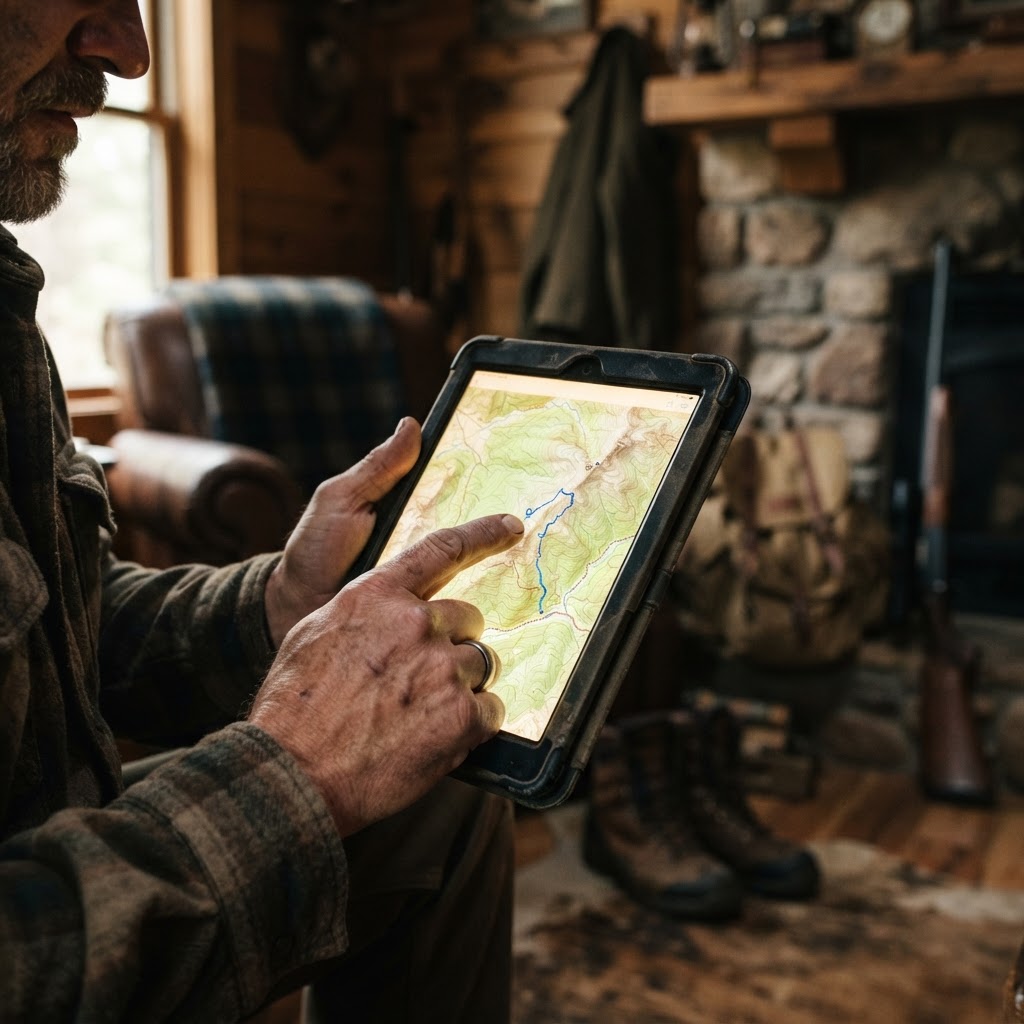
The Virtual Recon: Master Your Next Property from Your Living Room
Stop wandering aimlessly through the woods and start hunting with purpose by mastering the art of digital scouting before you ever lace up your boots.
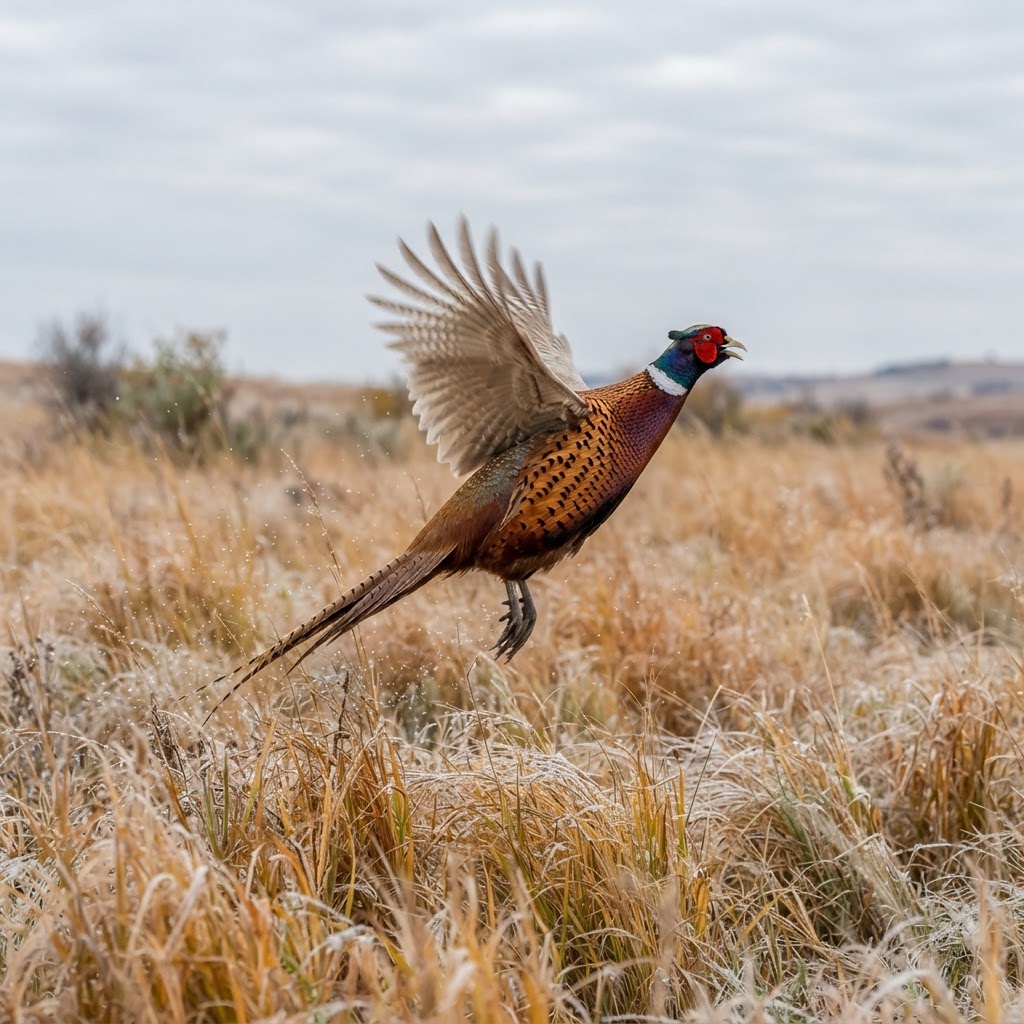
Cocks of the Corn: Mastering Ring-Necked Pheasant Tactics Across the American Heartland
Few hunting experiences rival the explosive flush of a ring-necked pheasant. We dive into the biology, habitat, and proven strategies for bagging these prairie icons this season.