
Storm Front Tactics: Optimizing Your Spread for Peak Waterfowl Movement
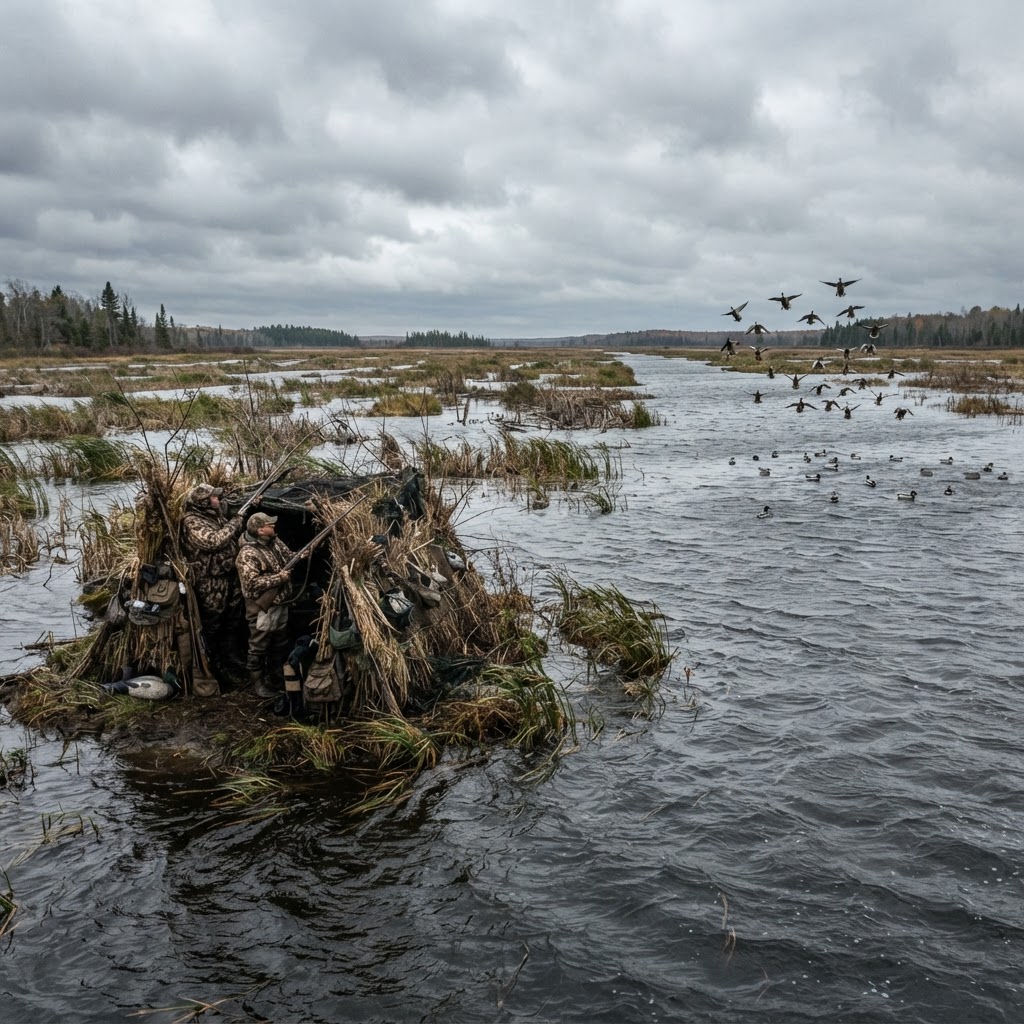
The Psychology of the Front
For the dedicated waterfowler, a clear, calm bluebird day is often a day to focus on maintenance rather than hunting. Real, high-volume duck and goose hunting is almost exclusively a function of meteorology. To be a successful hunter, you must learn to read the signs of an approaching cold front. When a low-pressure system pushes down from the north, it brings more than just a temperature drop; it triggers an instinctive, primal drive in waterfowl to pack on calories and seek safer, more hospitable waters. Understanding the timing of these shifts, often found within our , is the difference between a sky full of birds and a lonely day in the marsh.
Get the waterfowl forecast for your area, free
See migration pushes, freeze-ups, and the best days to hunt ducks and geese near you.
The Physics of Migration: Pressure and Wind
Waterfowl are master navigators of atmospheric conditions. As a cold front approaches, the barometric pressure drops steadily. This drop serves as a biological alarm clock for birds hunkered down in northern latitudes. When the pressure begins to fall, you should be in the field. The ideal condition for movement is a strong, steady wind—ideally between 10 and 20 mph.
Birds want to travel with a tailwind, and these gusts allow them to cover massive distances with minimal caloric expenditure. If the wind is blowing from the north or northwest, you are looking at prime migration energy. Conversely, once a front pushes through and the winds shift to the south or calm down entirely, the migration usually stalls. If you are struggling to identify exactly when these pulses occur, cross-referencing this with can help you predict exactly which species are currently in your flyway.
Decoy Spreads for High-Velocity Weather
When the wind is howling at 20 mph, your decoy spread must change. On calm days, you might focus on realistic, intricate groupings. In heavy weather, however, you need visibility and motion. During a front, ducks are often flying higher and faster, meaning they need to see your spread from a distance.
Increase the size of your spread and prioritize movement. Use jerk rigs to create surface agitation that mimics feeding birds, which is vital when the water is choppy. If you are struggling to configure a setup that works in high winds, consider using our to adjust your geometry. Remember, in stormy conditions, ducks are less picky about the exact species in your spread; they are looking for a calm place to land. A larger, darker, and more aggressive spread will pull them in far better than a shy, quiet one.
Blind Placement and Concealment
As the front hits, wind direction becomes your most important variable. Your blind or layout boat must be positioned so that the wind is at your back or at least to your side, allowing birds to finish into the wind. This is where your scouting pays off. If you have been tracking patterns via , you know where the birds have been congregating to escape the wind.
Concealment is often neglected during the 'heat of the moment' when the flight is on. When the sky is dark and the rain or sleet is falling, your silhouette becomes more prominent against the grey horizon. Ensure your blind material matches the local cover—whether it is standing corn, flooded timber, or marsh grass. Always mark your gear with so you can easily identify your blind bags or decoy anchors if the weather conditions turn truly severe.
E-Tag States

Harvest Tags
E-check means you supply the tag. Printed with the exact fields your state requires.
3-pack $22.95

Youth Hunter Academy
Raise a safe, confident young hunter.
Safety missions for ages 5–17. Free parent account.
Calling and Scouting Strategy
Calling during a cold front should be aggressive. With high winds, your sound carries differently, and you need more volume to reach birds at high altitudes. Do not be afraid to hit the hail call harder and more frequently to catch the attention of a passing flock.
However, even the best calling won't fix a poor location. The most effective hunters I know are the ones who scout during the 'lull' between fronts. If you want to see what is moving in your area before the next push, check the latest uploads on if you are hunting timbered areas or bottomlands where birds might be roosting. Monitoring these updates at the Buckeye Hunter Hub helps you stay one step ahead of the weather.
Final Thoughts
Cold fronts are the lifeblood of the migration. They represent the only time when birds are forced to move, regardless of their comfort. By watching the barometric pressure, focusing on the 10-20 mph wind windows, and adjusting your spread to match the intensity of the storm, you can transform a slow season into a memorable one. Don't let the wind keep you indoors; that is exactly where the ducks want you. Bundle up, get your gear ready, and hit the water the moment the pressure begins to drop.
Free every morning
Your Daily Briefing
One morning forecast for the spots you actually hunt and fish: deer movement, waterfowl flights, bite times, wind and shooting light.
See what's in itSet up your briefing
Join free, save a spot on the map, then pick what you hunt and fish and when you want your email.
Join 1,620 hunters and anglers on Buckeye Hunter Hub — free.
Latest from the Community



Everything you need to hunt smarter — free
Buckeye Hunter Hub is a free, nationwide platform. Create an account and unlock the full toolkit:
Free Interactive Hunting Map
Mark stands, cameras, and sign. Draw hunting zones with public land & county overlays across all 50 states.
Zones with Group Sharing
Share zones with your hunting group, split property into sections, assign stands, and check in — all in one place.
50 States of Hunting Resources
Season dates, license links, and DNR regulations for every state, kept current so you never miss an opener.
Deer Movement Forecast
Data-driven daily movement predictions using wind, moon, and pressure — know when to sit before you go.
Waterfowl Movement & Tools
Flight-potential forecasts, migration numbers, decoy spread planner, and a full species field guide.
From the Maker Bench

Taggart Outdoors
Custom Western Belt
Hand-built in the USA · $127.99
Shop the Maker
BHH Partner
Firearms, ammo and gear from a local Ohio shop in Grafton.
dnaarmory.comE-Tag States
Harvest Tags
E-check means you supply the tag. Printed with the exact fields your state requires.
3-pack $22.95
More Articles
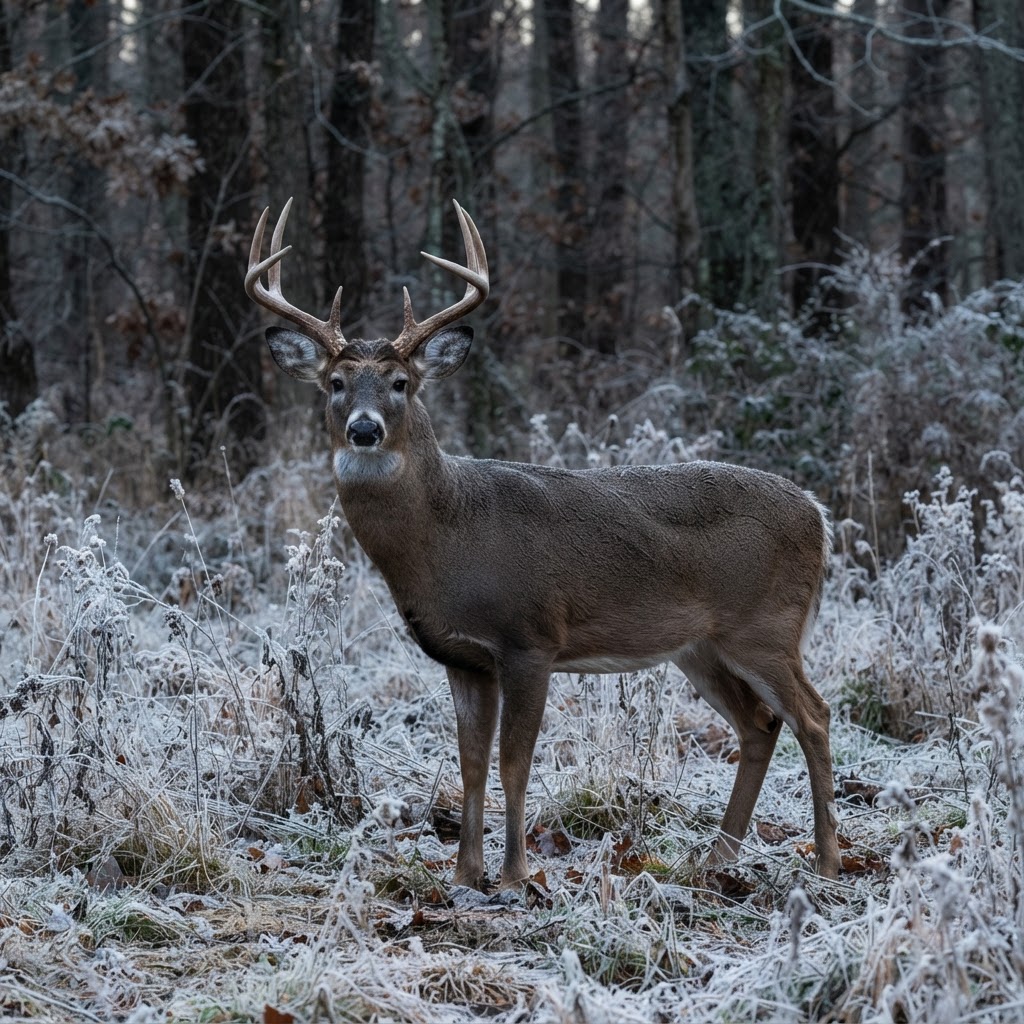
Livingston County CWD Deer Testing: New Check Station Rules
If you harvest a deer in the Livingston County containment area, you must have it tested for Chronic Wasting Disease. A new check station opens in Sparta on November 30 to handle these mandatory submissions.
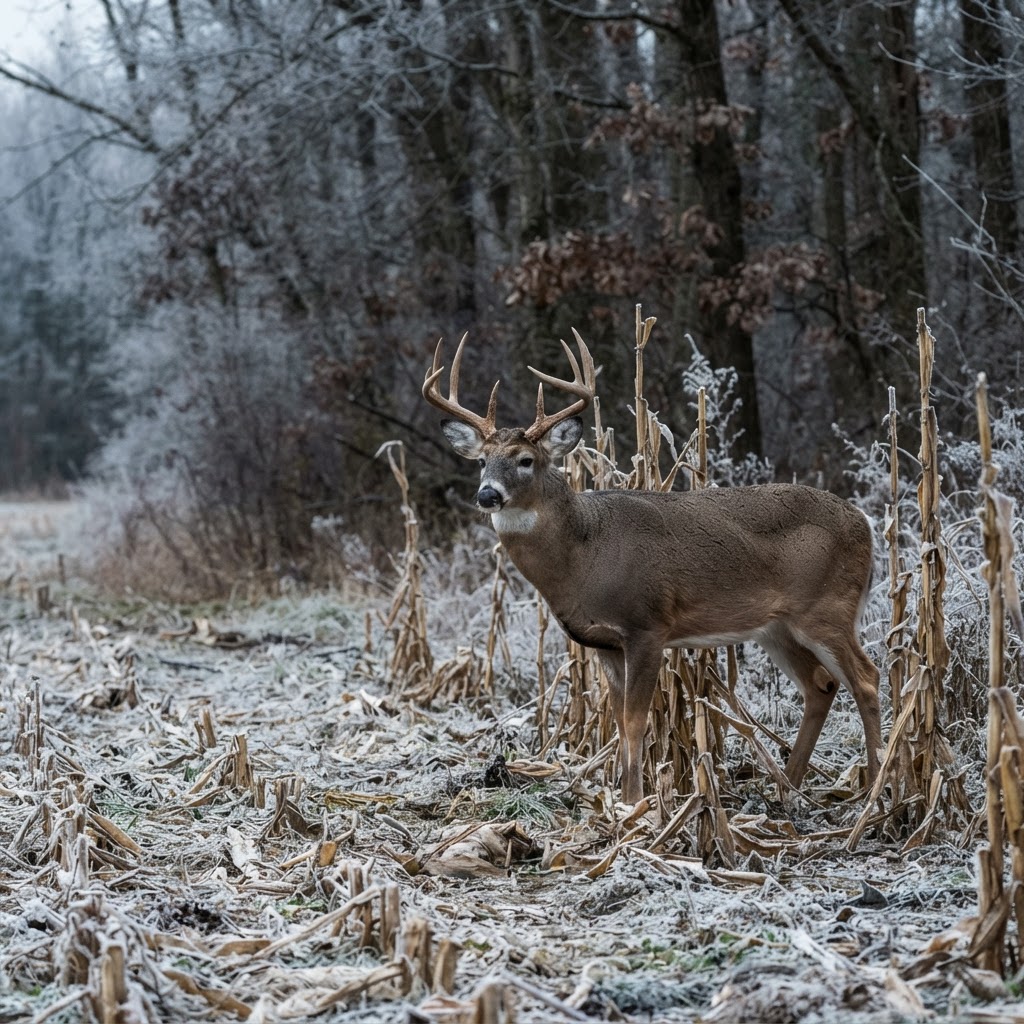
Late Season Whitetail Hunting Strategies for Post-Rut Success
Transition your focus from rut-based movement to high-energy food sources and thermal cover to capitalize on deer behavior during the post-rut period. Success in late November and December requires prioritizing calorie intake and minimizing human pressure to catch mature bucks during daylight hours.
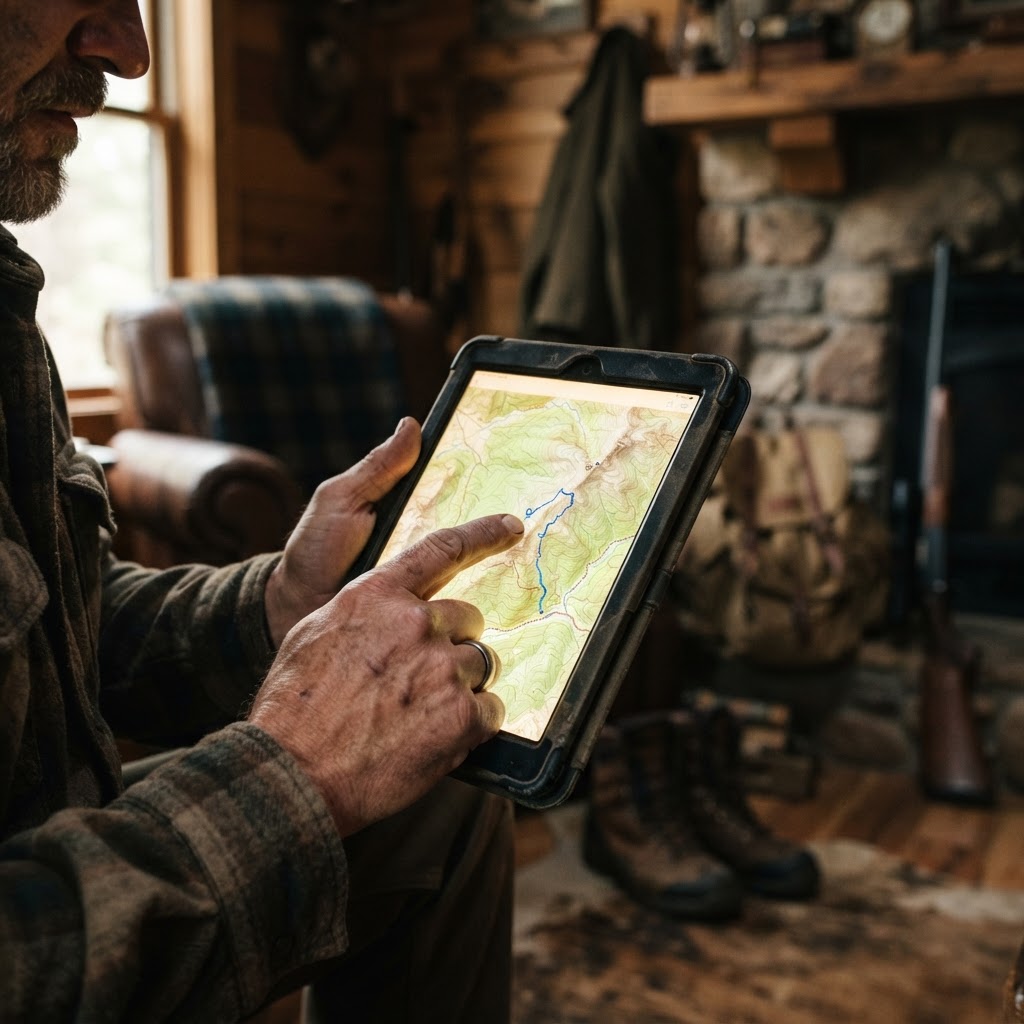
The Virtual Recon: Master Your Next Property from Your Living Room
Stop wandering aimlessly through the woods and start hunting with purpose by mastering the art of digital scouting before you ever lace up your boots.
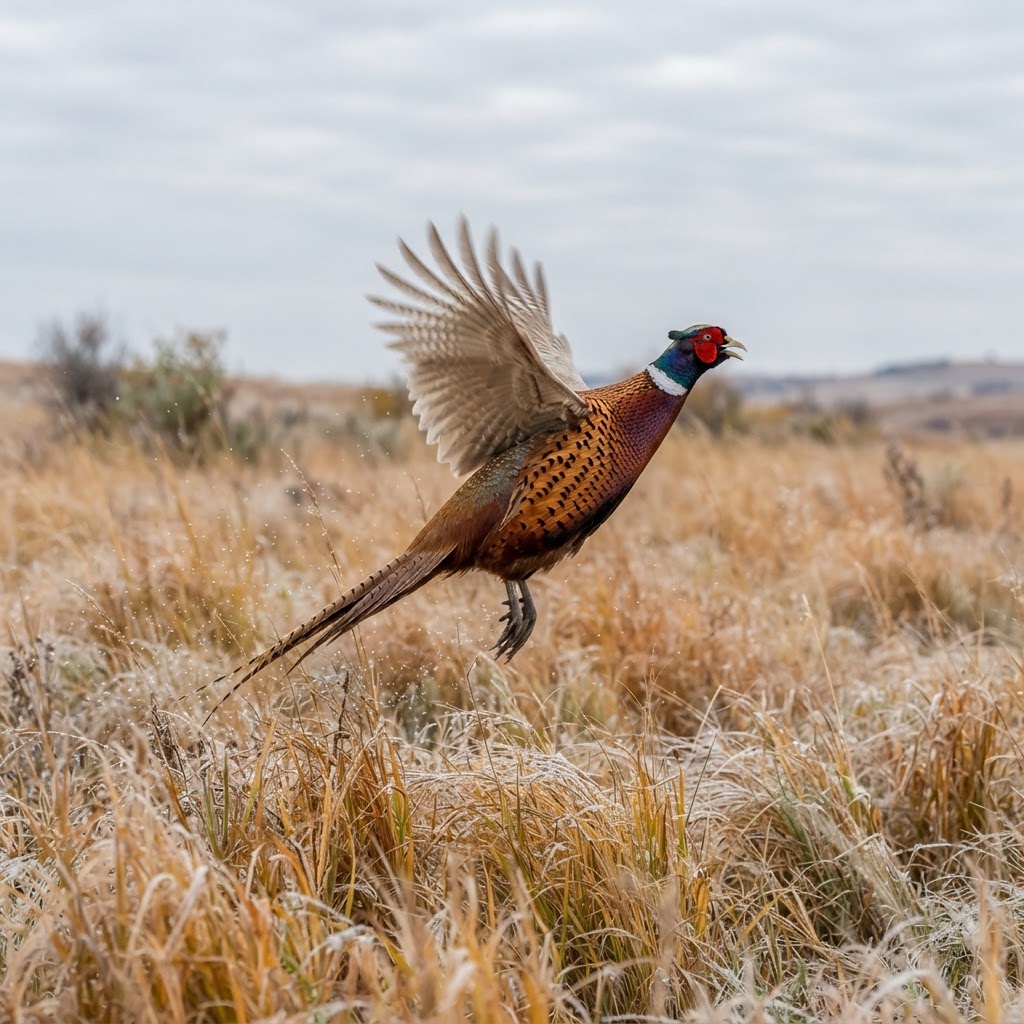
Cocks of the Corn: Mastering Ring-Necked Pheasant Tactics Across the American Heartland
Few hunting experiences rival the explosive flush of a ring-necked pheasant. We dive into the biology, habitat, and proven strategies for bagging these prairie icons this season.