
Field to Fork: The Ultimate Slow-Roasted Black Bear with Root Vegetables
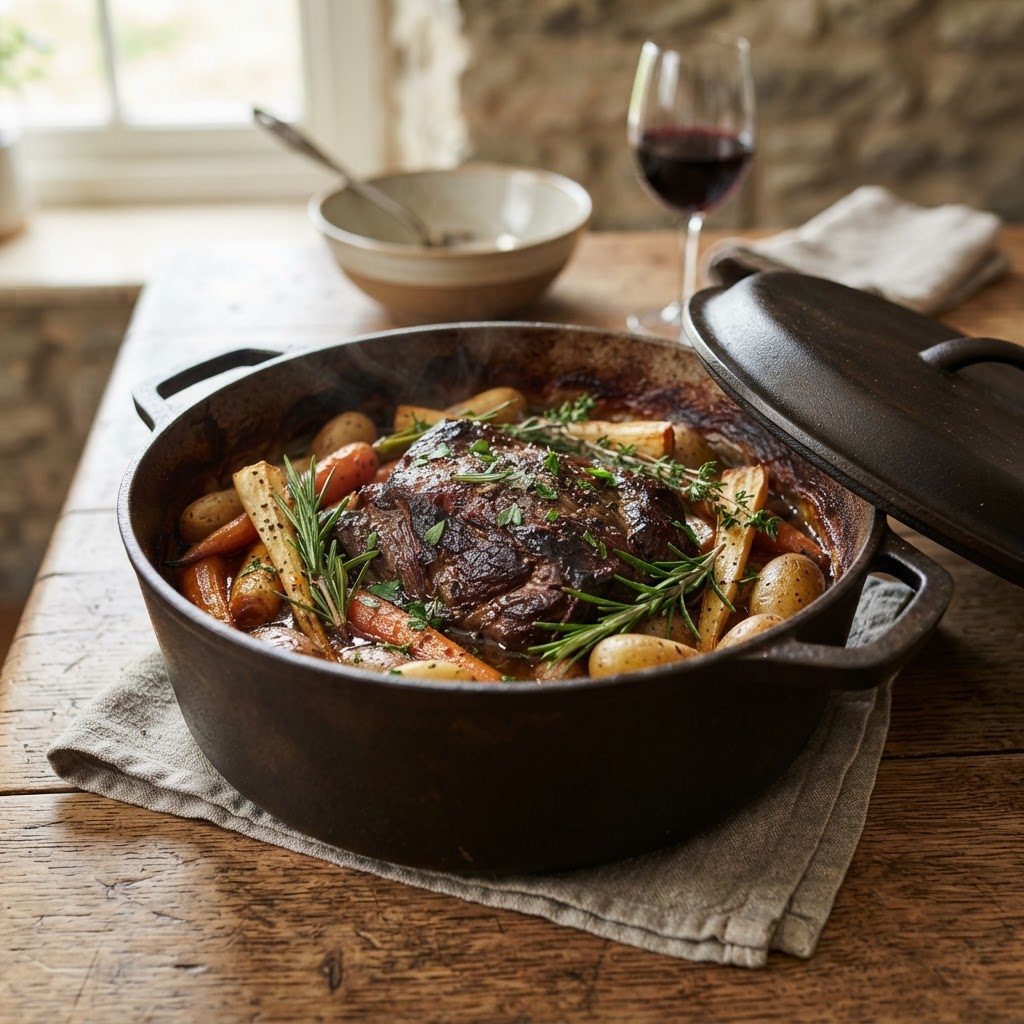
Elevating the Bear Roast Experience
For many hunters, a black bear harvest is a true milestone. While the trophy is a point of pride, the true reward lies in the kitchen. Black bear meat is a distinct, rich protein that, when treated with respect, rivals any domestic pork or beef. Because bear meat is naturally leaner and possesses a unique fat structure, it requires a different approach than a standard grocery store roast. At Buckeye Hunter Hub, we believe that every harvest deserves to be celebrated on the dinner table, and this root vegetable roast is the perfect way to turn that patience and persistence into a hearty, memorable meal.
Free hunting map, zones & 50-state resources
Save your spots, share zones with your group, and get deer & waterfowl movement forecasts, free.
Understanding Bear Meat
Before you fire up the oven, it is crucial to understand the anatomy of your harvest. Bear meat is generally darker and possesses a deeper, muskier flavor profile than deer or elk. This is heavily influenced by the bear's diet. A fall bear feeding on berries and mast will have a significantly milder, sweeter flavor than a bear feeding on fish or carrion. Proper field care is the first step in ensuring your roast is table-ready; always chill the meat as quickly as possible. If you are ever unsure about the specific regulations or handling guidelines in your area, be sure to check your to ensure you are following the best practices for safety and quality.
Ingredients
- 3-4 lb Black Bear roast (shoulder or rump works best)
- 3 tablespoons rendered bear fat or high-quality avocado oil
- 4 large carrots, peeled and cut into thick chunks
- 2 large parsnips, sliced into rounds
- 1 lb fingerling potatoes, halved
- 2 medium yellow onions, wedged
- 4 cloves garlic, smashed
- 2 cups hearty beef or venison bone broth
- 1 cup dry red wine (optional)
- 2 tablespoons fresh thyme
- 1 tablespoon fresh rosemary, chopped
- Sea salt and cracked black pepper to taste
The Step-by-Step Method
1. Preparation and Seasoning
Remove your roast from the refrigerator at least 45 minutes before cooking. Pat the meat completely dry with paper towels; moisture is the enemy of a good sear. Season liberally with salt and pepper. Don't be shy—wild game can take a significant amount of seasoning to bring out its best qualities.
2. Achieving the Perfect Sear
Preheat your oven to 300°F (150°C). Heat a heavy-duty Dutch oven over medium-high heat with your fat of choice. Once the oil begins to shimmer, place the roast in the pot. Sear every side until a deep, dark brown crust forms—this is where your flavor profile starts. Remove the roast and set it aside.
3. Deglazing and Aromatics
E-Tag States

Harvest Tags
E-check means you supply the tag. Printed with the exact fields your state requires.
3-pack $22.95

Youth Hunter Academy
Raise a safe, confident young hunter.
Safety missions for ages 5–17. Free parent account.
Pour the wine or a half cup of your broth into the hot Dutch oven to deglaze, scraping up the browned bits (the fond) from the bottom. Add the onions and garlic, sautéing for three minutes until fragrant.
4. The Slow Braise
Return the roast to the pot, nestled among the onions and garlic. Surround the meat with your carrots, parsnips, and potatoes. Pour the remaining broth over the vegetables and sprinkle with your fresh herbs. Cover tightly with a heavy lid.
5. Low and Slow
Place the pot in the oven for 3 to 4 hours. The goal here is to break down the connective tissue without drying out the muscle fibers. The roast is ready when it pulls apart easily with a fork, typically reaching an internal temperature of 185°F to 195°F for true shredded tenderness. If you are curious about how the season progressed, take a look at for more insights on how seasonal changes impact wild game quality.
Chef Tips for Wild Game Success
- Internal Temperature is King: Unlike beef, which can be served medium-rare, bear meat must be cooked thoroughly to an internal temperature of at least 160°F to ensure safety. When braising, aiming for that 185°F-195°F range allows the collagen to gelatinize, resulting in a "melt-in-your-mouth" texture rather than a tough, stringy one.
- Fat Matters: If your specific cut is exceptionally lean, consider larding the roast by wrapping it in thin strips of salt pork or bacon. The rendering fat will bast the roast throughout the cooking process, keeping it moist.
- Resting Period: Never rush the serving process. Allow your roast to rest for at least 15-20 minutes after removing it from the oven. This allows the juices to redistribute throughout the roast, ensuring each bite is succulent.
- Serving Suggestions: This dish is best served family-style with the root vegetables arranged around the shredded or sliced meat. A dollop of horseradish cream sauce or a side of crusty sourdough bread helps balance the rich, earthy tones of the bear meat. Whether you are a veteran hunter or new to the woods, we hope this recipe becomes a staple in your rotation. Enjoy the harvest!
Free every morning
Your Daily Briefing
One morning forecast for the spots you actually hunt and fish: deer movement, waterfowl flights, bite times, wind and shooting light.
See what's in itSet up your briefing
Join free, save a spot on the map, then pick what you hunt and fish and when you want your email.
Join 1,101 hunters and anglers on Buckeye Hunter Hub — free.
Latest from the Community


Preorder · 3 days left
Buckeye Hunter Hub Camo Trucker Hat — Treeline Logo
Includes 50% off Lifetime Pro
Everything you need to hunt smarter — free
Buckeye Hunter Hub is a free, nationwide platform. Create an account and unlock the full toolkit:
Free Interactive Hunting Map
Mark stands, cameras, and sign. Draw hunting zones with public land & county overlays across all 50 states.
Zones with Group Sharing
Share zones with your hunting group, split property into sections, assign stands, and check in — all in one place.
50 States of Hunting Resources
Season dates, license links, and DNR regulations for every state, kept current so you never miss an opener.
Deer Movement Forecast
Data-driven daily movement predictions using wind, moon, and pressure — know when to sit before you go.
Waterfowl Movement & Tools
Flight-potential forecasts, migration numbers, decoy spread planner, and a full species field guide.
From the Maker Bench

SE Ohio Outdoors
Euro Mount Hook
Hand-built in the USA · $8.00
Shop the Maker
BHH Partner
Firearms, ammo and gear from a local Ohio shop in Grafton.
dnaarmory.comE-Tag States
Harvest Tags
E-check means you supply the tag. Printed with the exact fields your state requires.
3-pack $22.95
More Articles

Mastering Your Pack: Less Weight for Better Hunting
Packing heavy doesn't make you a better hunter; it just makes you tired. Learn how to audit your gear and carry only what you actually need to be successful.
Sun-Drenched Pursuits: Mastering the Florida Hunting Landscape
Florida offers a unique hunting experience defined by subtropical swamps, pine flatwoods, and year-round biodiversity that challenges even the most seasoned outdoorsman.
Barometric Pressure and Whitetails: Separating Biological Fact from Hunting Folklore
Does the barometer really dictate deer movement? We dive into telemetry data and weather biology to explain how pressure systems actually influence the deer in your local timber.
Greenheads and Shallow Water: A Strategic Guide to Puddle Duck Success
Mastering the art of hunting mallards and other puddle ducks requires a deep understanding of their biology and the right tactical approach. From decoy setups to reading the weather, here is how you can consistently fill your strap this season.