
Barometric Pressure and Whitetails: Separating Biological Fact from Hunting Folklore
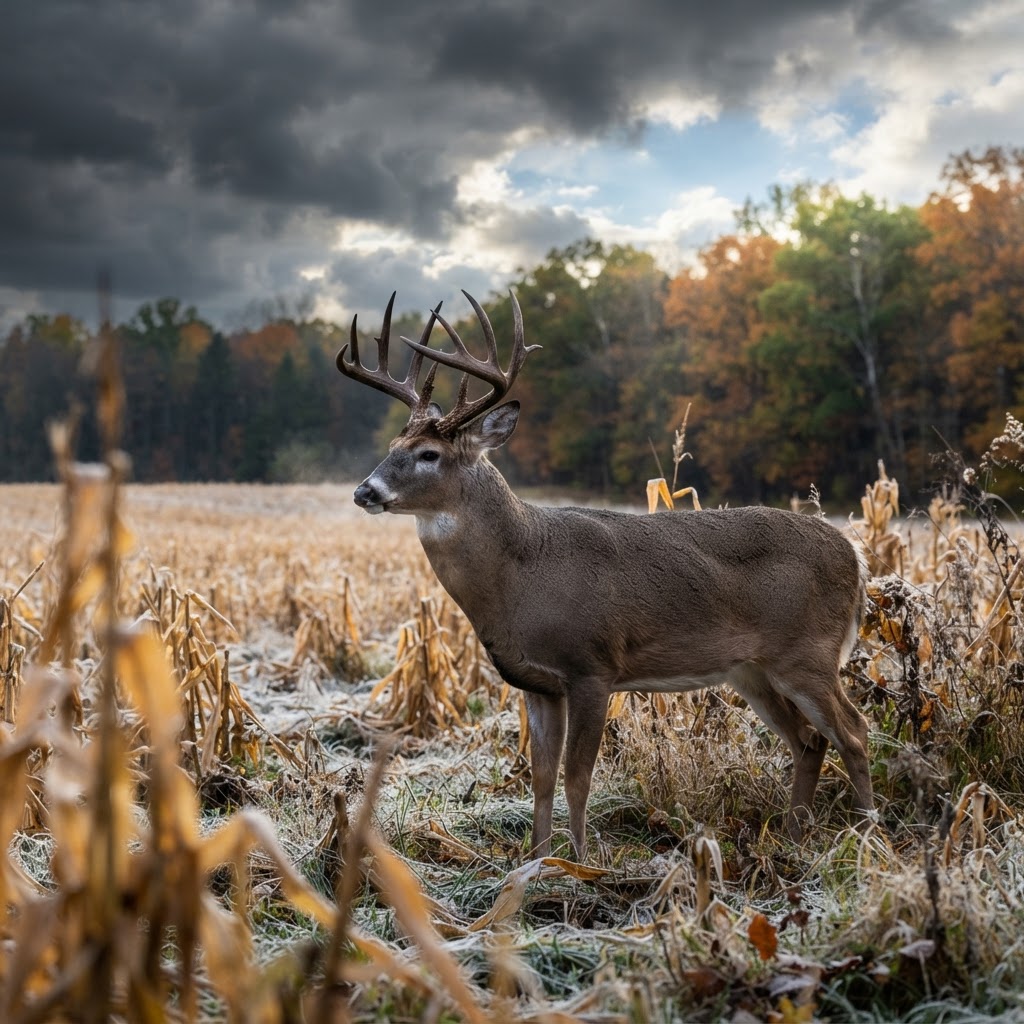
For generations, hunters have sat in blinds watching their analog barometers with the intensity of a stock trader. The folklore is ingrained: 'High pressure is good, falling pressure is better, and low pressure means stay in bed.' But does the science hold up? When we look at peer-reviewed telemetry studies and GPS-collar data from universities across the whitetail's range, the story is far more nuanced than a simple gauge needle. To truly understand deer movement, we must peel back the layers of atmospheric physics and look at how deer biologically respond to the environment.
The Physiology of Pressure
Get the deer movement forecast for your spot, free
See the best days and hours to sit this week, built from your spot's weather, moon, and wind.
Barometric pressure—the weight of the atmosphere pressing down on the earth—rarely acts alone. While anecdotal evidence suggests deer move more when pressure is changing, it is crucial to understand that pressure is merely a messenger. A dropping barometer usually signals the approach of a low-pressure system, which brings clouds, precipitation, and, most importantly, temperature changes.
Deer are highly sensitive to these shifts. Because they are crepuscular mammals with a high metabolic demand, they rely on atmospheric stability to predict foraging windows. Telemetry data suggests that deer don't necessarily 'care' about the pressure reading on your watch; they care about the impending weather events that the pressure change represents. When the barometer drops rapidly, the deer’s internal biological clock—and their thermal regulation needs—shift into overdrive. This is often the time to check to see how these localized environmental triggers align with your specific region.
The Hierarchy of Movement Drivers
If you want to be a more effective hunter, you have to prioritize what actually moves a mature buck. In the hierarchy of influence, barometric pressure is a distant second or third to these primary drivers:
- Photoperiod and Rut Timing: The absolute king of deer behavior. No amount of high pressure will override the biological urge to breed during the peak rut.
- Temperature Swings: Deer are energy managers. If a temperature drop occurs, they must feed to maintain their thermoregulation, regardless of the barometer.
- Wind and Thermal Cover: Deer prefer to travel with the wind in their favor, often using ridges and thermals to protect their scent profile.
- Barometric Pressure: A secondary, short-term trigger that enhances or suppresses movement based on the accompanying weather.

While some hunters swear by the moon phase, long-term GPS studies have consistently shown it to be a statistically weak factor compared to weather. Weather events, like a sharp cold front pushing through, act as a 'reset' button for deer activity, often forcing deer onto their feet earlier in the afternoon to fuel up before the chill sets in.
Actionable Thresholds: When to Hit the Woods
Rather than fixating on a specific number on your barometer, focus on the trend. A steady, high-pressure system (around 30.00 inHg and rising) often correlates with post-front clear skies and calm winds, which are excellent for glassing field edges. However, the most explosive movement often occurs right at the 'leading edge' of a pressure drop, usually 6 to 12 hours before a major storm hits.
E-Tag States

Harvest Tags
E-check means you supply the tag. Printed with the exact fields your state requires.
3-pack $22.95

Youth Hunter Academy
Raise a safe, confident young hunter.
Safety missions for ages 5–17. Free parent account.
This is when the animals feel the metabolic pressure to consume high-calorie forage. If you see the barometer moving rapidly, forget the morning hunt; focus your efforts on the pre-front afternoon. Use to identify bedding-to-feeding transition zones that allow you to intercept deer when they are forced to feed during daylight hours. By studying , you can anticipate which of these fronts will coincide with the peak rut, creating the 'perfect storm' for a daylight encounter with a mature buck.
Leveraging Technology for Strategy
Modern technology allows us to validate what our grandfathers suspected. Tools like help remove the guesswork by logging exactly when deer appear in relation to weather events on your specific property. By aggregating this data, you can build a localized model that tells you if your deer actually respond more to pressure or to specific wind directions.
Remember, your goal is not to study the weather—it’s to be in the right stand when the weather forces a deer to make a mistake. Stay flexible, keep your gear organized, and prioritize the trends over the individual readings. Whether you are using to record your success or planning your next season in our , grounding your tactics in data will always outperform chasing superstitions.
Join 1,087 hunters and anglers on Buckeye Hunter Hub — free.
Latest from the Community


Preorder · 3 days left
Buckeye Hunter Hub Camo Trucker Hat — Treeline Logo
Includes 50% off Lifetime Pro
Everything you need to hunt smarter — free
Buckeye Hunter Hub is a free, nationwide platform. Create an account and unlock the full toolkit:
Free Interactive Hunting Map
Mark stands, cameras, and sign. Draw hunting zones with public land & county overlays across all 50 states.
Zones with Group Sharing
Share zones with your hunting group, split property into sections, assign stands, and check in — all in one place.
50 States of Hunting Resources
Season dates, license links, and DNR regulations for every state, kept current so you never miss an opener.
Deer Movement Forecast
Data-driven daily movement predictions using wind, moon, and pressure — know when to sit before you go.
Waterfowl Movement & Tools
Flight-potential forecasts, migration numbers, decoy spread planner, and a full species field guide.
From the Maker Bench

SE Ohio Outdoors
Euro Mount Hook
Hand-built in the USA · $8.00
Shop the MakerBHH Partner
Thinking about selling a rifle or an old family shotgun? Check up-to-date market pricing by make and model before you sell.
webuyguns.comE-Tag States
Harvest Tags
E-check means you supply the tag. Printed with the exact fields your state requires.
3-pack $22.95
More Articles
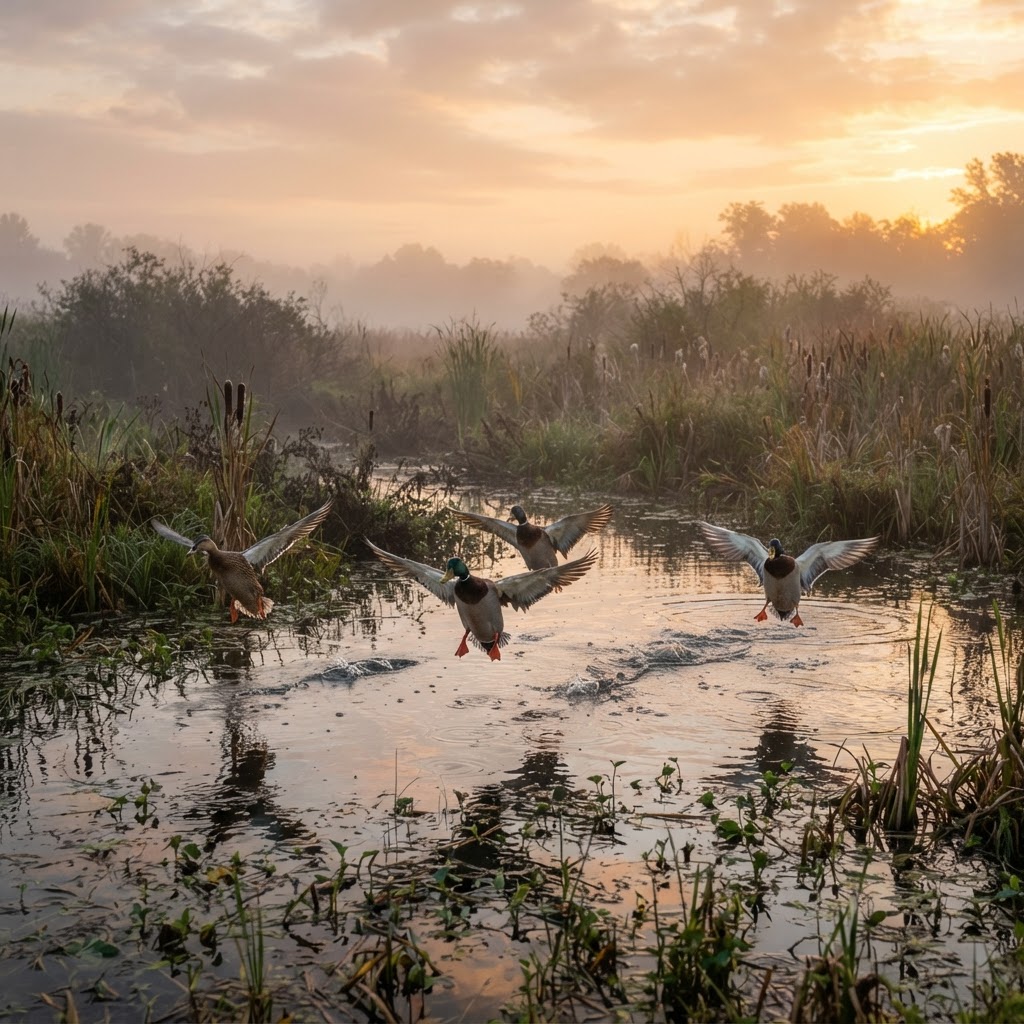
Greenheads and Shallow Water: A Strategic Guide to Puddle Duck Success
Mastering the art of hunting mallards and other puddle ducks requires a deep understanding of their biology and the right tactical approach. From decoy setups to reading the weather, here is how you can consistently fill your strap this season.
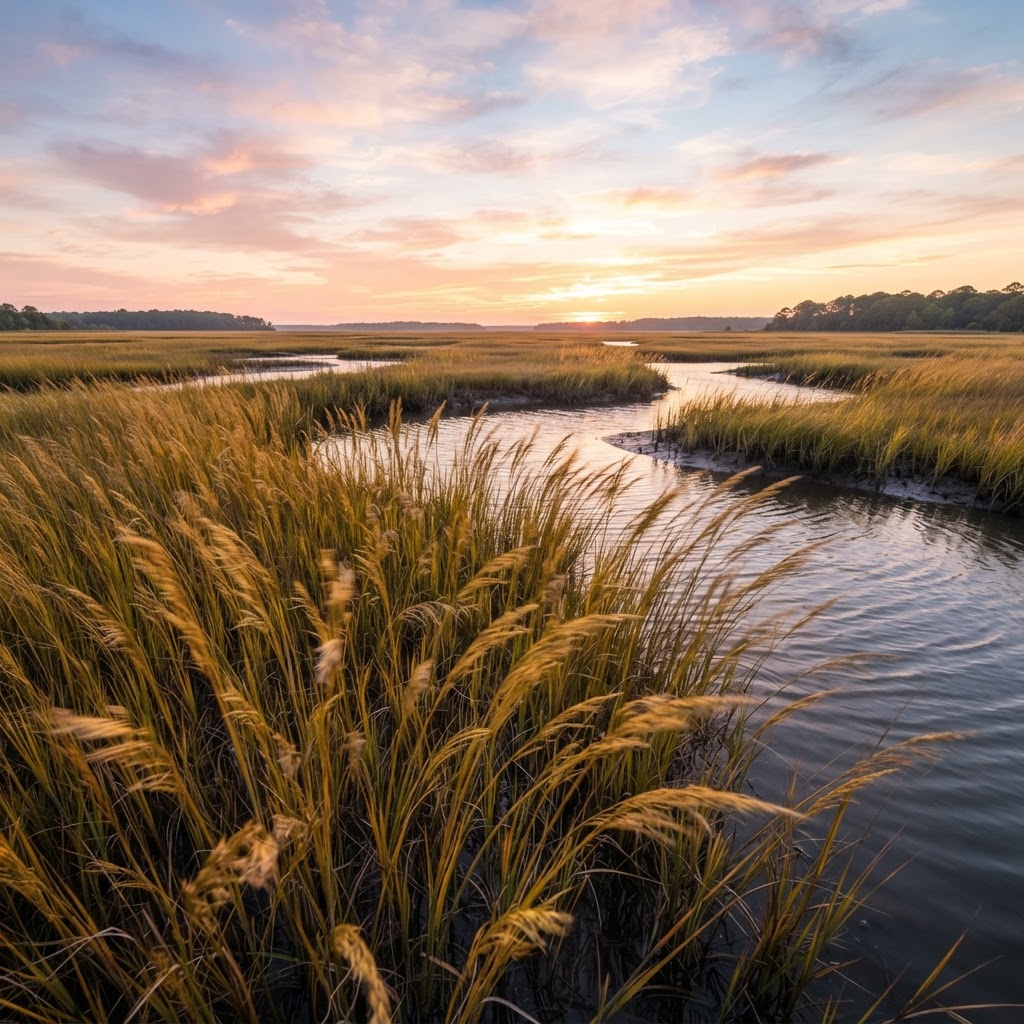
Coastal Delmarva Tactics: Maximizing Your Hunting Season in Delaware
Delaware may be small, but it offers big opportunities for the patient hunter. From marsh-side waterfowl to dense inland woodlots, here is how to master the Diamond State’s unique terrain.
Cultivating Connection: How to Leverage Buckeye Hunter Hub Groups for Better Results
Hunting is often a solitary pursuit, but the greatest gains come from collective wisdom. Discover how to effectively utilize Buckeye Hunter Hub groups to sharpen your skills, find intel, and join a nationwide network of serious outdoorsmen.
Precision Scouting: Turning Thousands of Trail Cam Photos into Actionable Intelligence
Drowning in a sea of empty forest photos? Learn how to leverage automated recognition to isolate trophy bucks, identify doe movement, and pinpoint the exact timing of your next hunt.