
Greenheads and Shallow Water: A Strategic Guide to Puddle Duck Success
Understanding the Puddle Duck Mentality
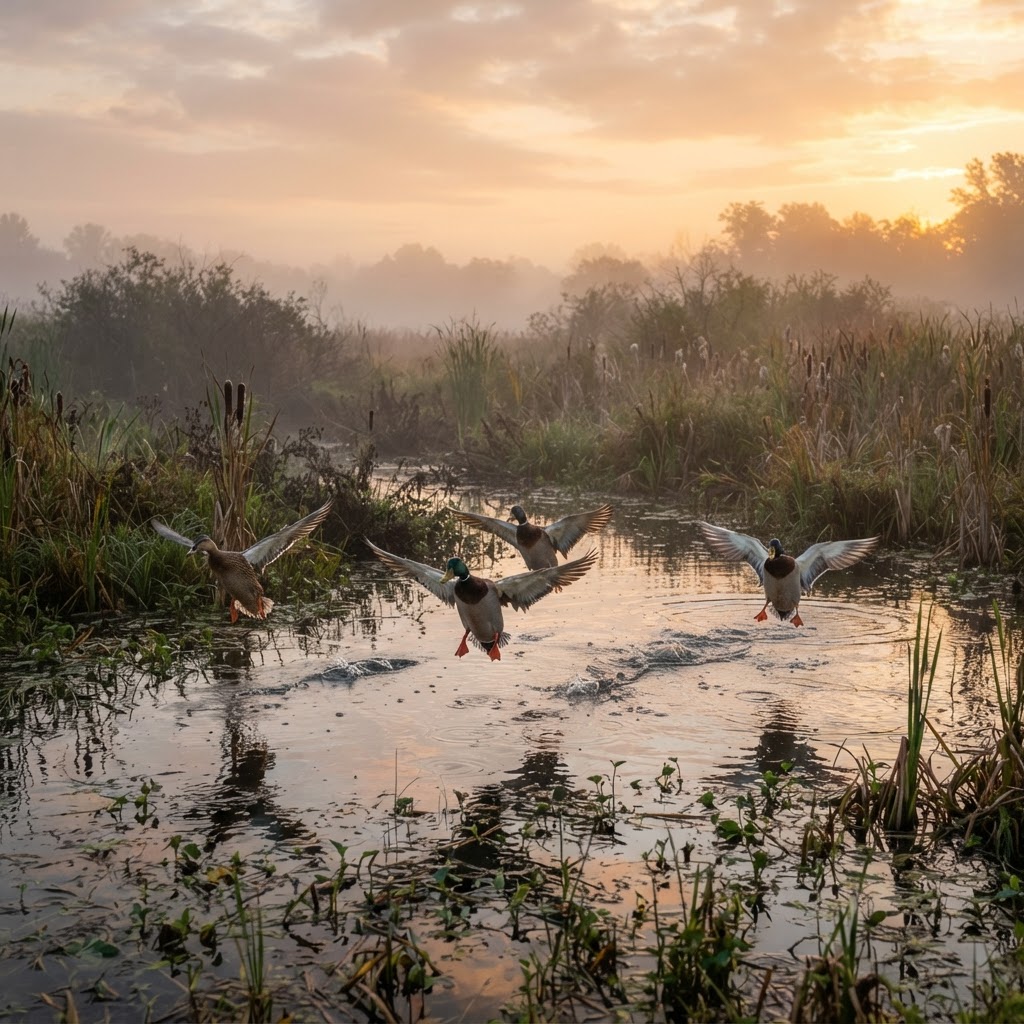
For the waterfowler, few sights are as exhilarating as a flock of mallards locking their wings and dropping gear into the decoys. Puddle ducks—or dabbling ducks—comprise a diverse group including mallards, wood ducks, gadwall, teal, and pintails. Unlike diving ducks that submerge entirely to feed, puddle ducks feed by tipping their bodies forward to graze on aquatic vegetation in shallow water. This specific behavioral trait dictates every aspect of how you should approach your hunt.
Get the waterfowl forecast for your area, free
See migration pushes, freeze-ups, and the best days to hunt ducks and geese near you.
At Buckeye Hunter Hub, we believe that understanding your quarry is the first step toward consistent field success. Puddle ducks are highly social birds that rely on visual cues from other ducks to find food and security. When they are flying, they are constantly scanning the water for 'company.' If the water looks empty, they are less likely to commit, regardless of how well you call.
Habitat and Migration Patterns
Puddle ducks are masters of adaptability. While they are often associated with the classic timber hole or freshwater marsh, they can just as easily be found in flooded agricultural fields, beaver ponds, or shallow river backwaters. Their migration is heavily driven by daylight hours and the availability of food. As the thermometer drops and ice begins to form on northern waters, these birds are pushed south, seeking open water and fresh calories to maintain their body heat.
To keep a pulse on when the birds are arriving in your area, keep a close eye on . These resources can provide invaluable data regarding population trends and the timing of the flight. By aligning your hunting schedule with the , you can ensure you are in the blind when the birds are most active and prone to movement.
Tactical Decoy Strategies
The secret to pulling in wary late-season mallards is movement and realism. A stagnant, perfectly symmetrical spread often signals danger to experienced birds. Instead, focus on creating pockets and landing zones. A 'U' or 'J' formation is a classic strategy that funnels birds toward the center of your spread, where you should place your most realistic decoys.
Utilizing a can help you visualize how to distribute your blocks based on wind direction and current. Remember, wind is your best friend. Always set your decoys so that ducks have to land facing into the wind, placing your shooters downwind of the landing zone. This forces the birds to commit to flying over your position, offering the best possible shot opportunities.
The Gear Essentials

Success in the marsh is built on reliability. When you are standing in waist-deep water in late November, your gear must perform. High-quality, breathable waders are non-negotiable, and a reliable shotgun that cycles heavy waterfowl loads is the standard. However, the most overlooked piece of gear is your concealment. Puddle ducks have exceptional eyesight. Whether you are hunting in a blind, standing in standing corn, or hunkered down in the cattails, ensure your camouflage matches the specific color palette of your environment.
Before heading out, consult our to brush up on identification skills. Being able to distinguish between species at a glance is vital for adhering to bag limits and identifying which birds are legal for the day.
Adapting to Public Land Pressure
E-Tag States

Harvest Tags
E-check means you supply the tag. Printed with the exact fields your state requires.
3-pack $22.95

Youth Hunter Academy
Raise a safe, confident young hunter.
Safety missions for ages 5–17. Free parent account.
Public land hunting is a challenge that many hunters face. These areas often see significant traffic, which makes the birds educated and shy. If you find yourself competing for space, start by checking the to identify overlooked areas or smaller, more difficult-to-access pockets.
If you want to refine your scouting further, leveraging is not just for whitetail hunters; it can be incredibly effective for monitoring ducks on small, isolated ponds or public water access points. By placing a camera on a heavily used roost, you can determine exactly when the birds are moving, allowing you to beat the crowd to the best spot on the morning of your hunt. For those looking to connect with others to share intel, joining can be a game-changer. There is a wealth of knowledge within these networks, and building a local circle of hunters can provide you with a significant advantage.
Seasonal Tips for Success
Early season hunting is often characterized by local birds and warm weather. Focus on small water, vegetation, and subtle calling. As the season progresses and the birds become 'call-shy,' reduce your volume and rely on confidence decoys like spinning-wing units or jerk strings to create natural ripples on the water.
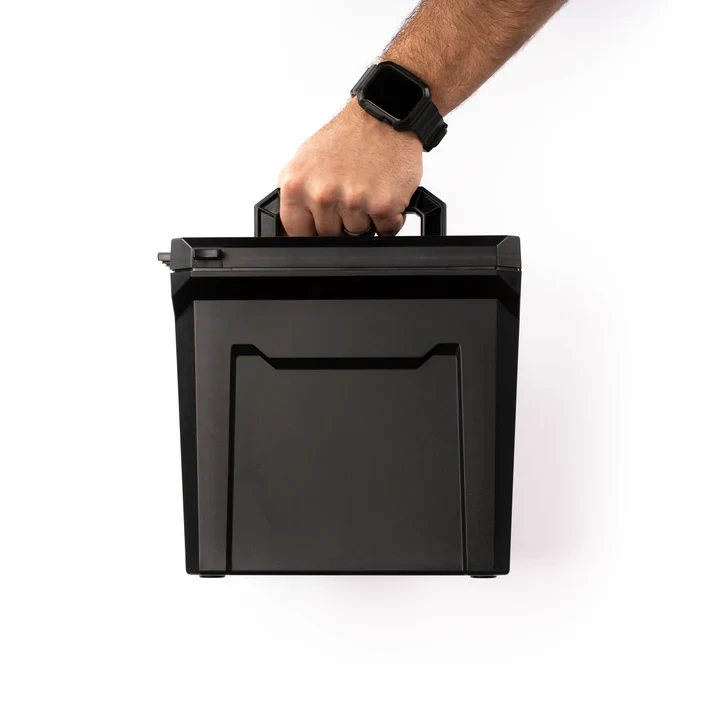
Always ensure your harvest is documented correctly. For those who travel or hunt in various jurisdictions, utilizing ensures your gear and your paperwork stay protected from the elements. Staying organized throughout the season—from scouting with the to keeping your gear in top shape—is what separates the casual hunter from the successful waterfowler. Whether you are pursuing woodies in the early morning timber or mallards in a blizzard, respect the bird, practice safe firearm habits, and enjoy the rich tradition of the North American waterfowl hunt.
Join 1,087 hunters and anglers on Buckeye Hunter Hub — free.
Latest from the Community


Preorder · 3 days left
Buckeye Hunter Hub Camo Trucker Hat — Treeline Logo
Includes 50% off Lifetime Pro
Everything you need to hunt smarter — free
Buckeye Hunter Hub is a free, nationwide platform. Create an account and unlock the full toolkit:
Free Interactive Hunting Map
Mark stands, cameras, and sign. Draw hunting zones with public land & county overlays across all 50 states.
Zones with Group Sharing
Share zones with your hunting group, split property into sections, assign stands, and check in — all in one place.
50 States of Hunting Resources
Season dates, license links, and DNR regulations for every state, kept current so you never miss an opener.
Deer Movement Forecast
Data-driven daily movement predictions using wind, moon, and pressure — know when to sit before you go.
Waterfowl Movement & Tools
Flight-potential forecasts, migration numbers, decoy spread planner, and a full species field guide.
From the Maker Bench

SE Ohio Outdoors
Euro Mount Hook
Hand-built in the USA · $8.00
Shop the MakerBHH Partner
Thinking about selling a rifle or an old family shotgun? Check up-to-date market pricing by make and model before you sell.
webuyguns.comE-Tag States
Harvest Tags
E-check means you supply the tag. Printed with the exact fields your state requires.
3-pack $22.95
More Articles
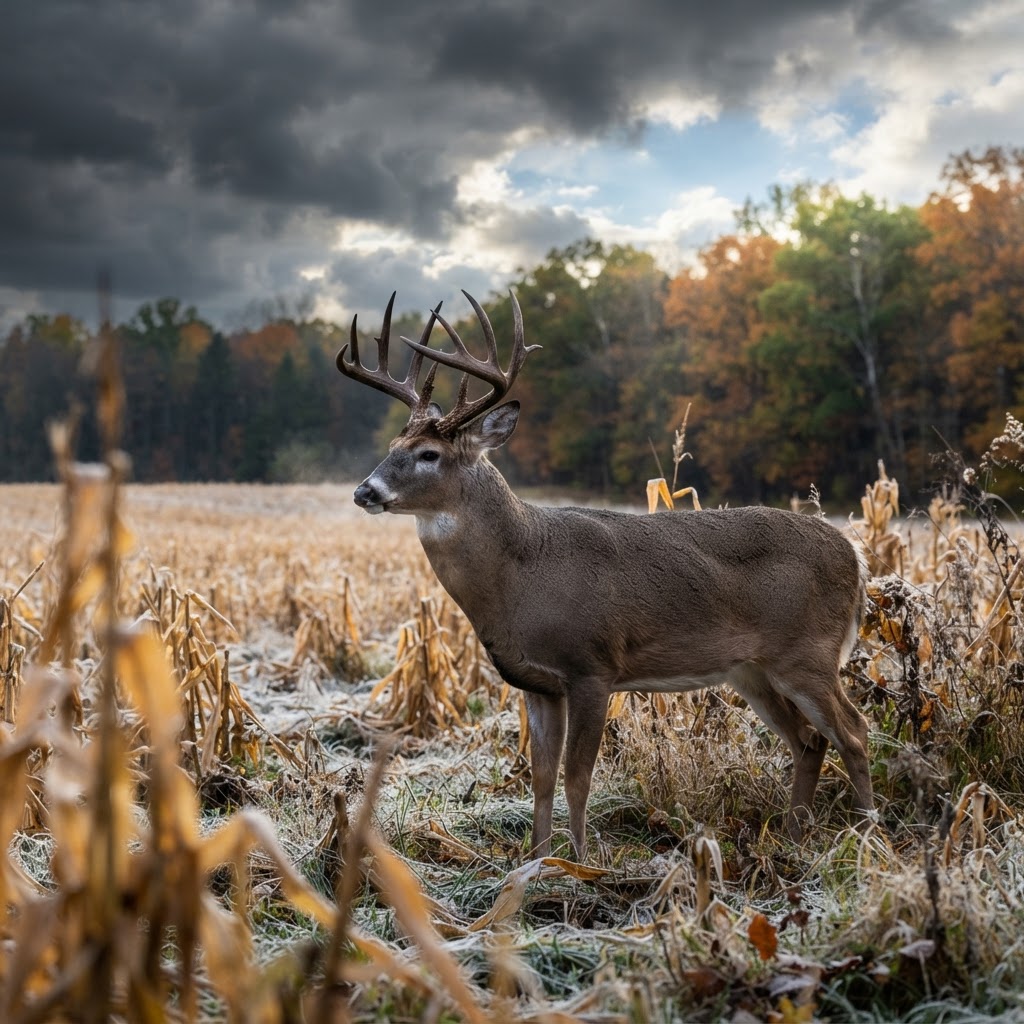
Barometric Pressure and Whitetails: Separating Biological Fact from Hunting Folklore
Does the barometer really dictate deer movement? We dive into telemetry data and weather biology to explain how pressure systems actually influence the deer in your local timber.
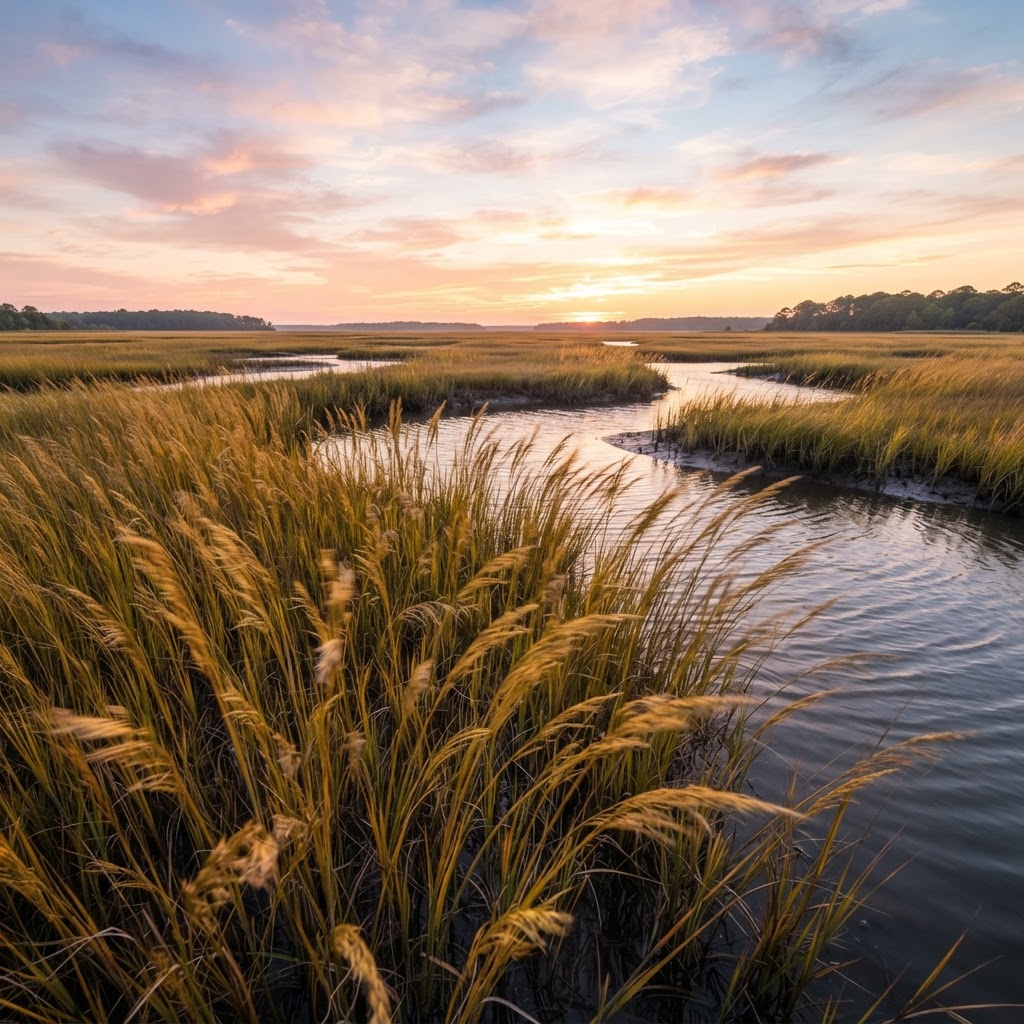
Coastal Delmarva Tactics: Maximizing Your Hunting Season in Delaware
Delaware may be small, but it offers big opportunities for the patient hunter. From marsh-side waterfowl to dense inland woodlots, here is how to master the Diamond State’s unique terrain.
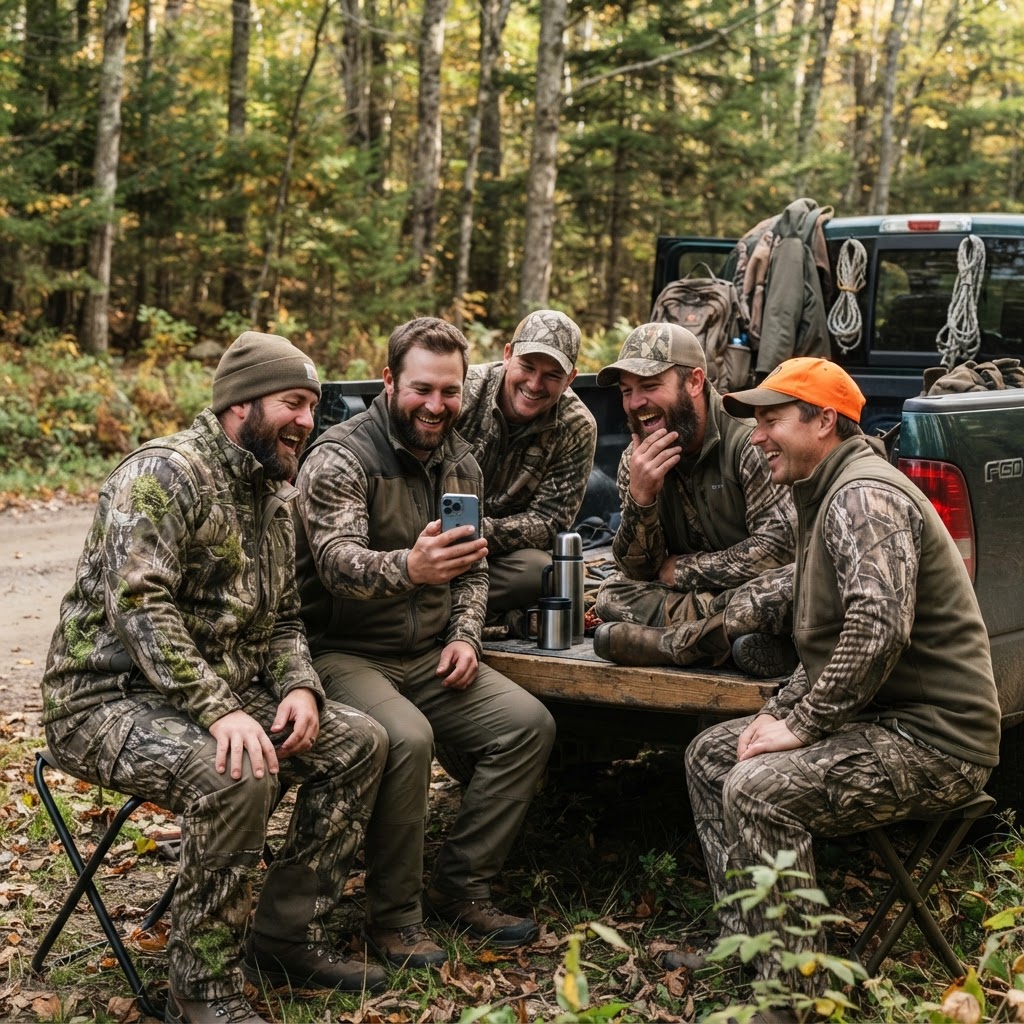
Cultivating Connection: How to Leverage Buckeye Hunter Hub Groups for Better Results
Hunting is often a solitary pursuit, but the greatest gains come from collective wisdom. Discover how to effectively utilize Buckeye Hunter Hub groups to sharpen your skills, find intel, and join a nationwide network of serious outdoorsmen.
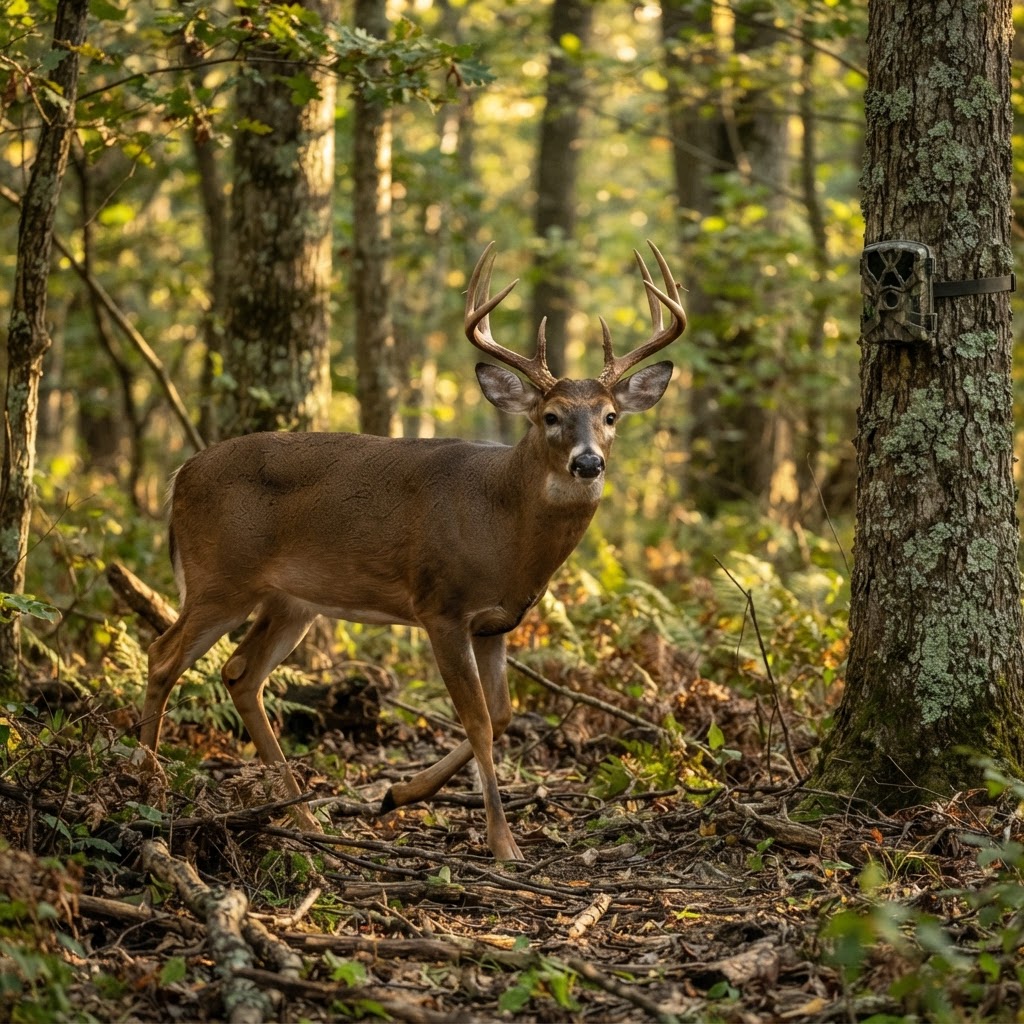
Precision Scouting: Turning Thousands of Trail Cam Photos into Actionable Intelligence
Drowning in a sea of empty forest photos? Learn how to leverage automated recognition to isolate trophy bucks, identify doe movement, and pinpoint the exact timing of your next hunt.