ON THE WATER
Mastering the Smallmouth Bass: The Ultimate Guide for North American Anglers
Often called the 'pound-for-pound strongest fighting fish in freshwater,' the smallmouth bass is a prize for any angler. Discover how to locate and land these aggressive bronze warriors with our expert strategies.
Buckeye Hunter Hub Magazine · Issue No. 1 · August 2026 · 2026-08-27
Introduction to the Bronze Back
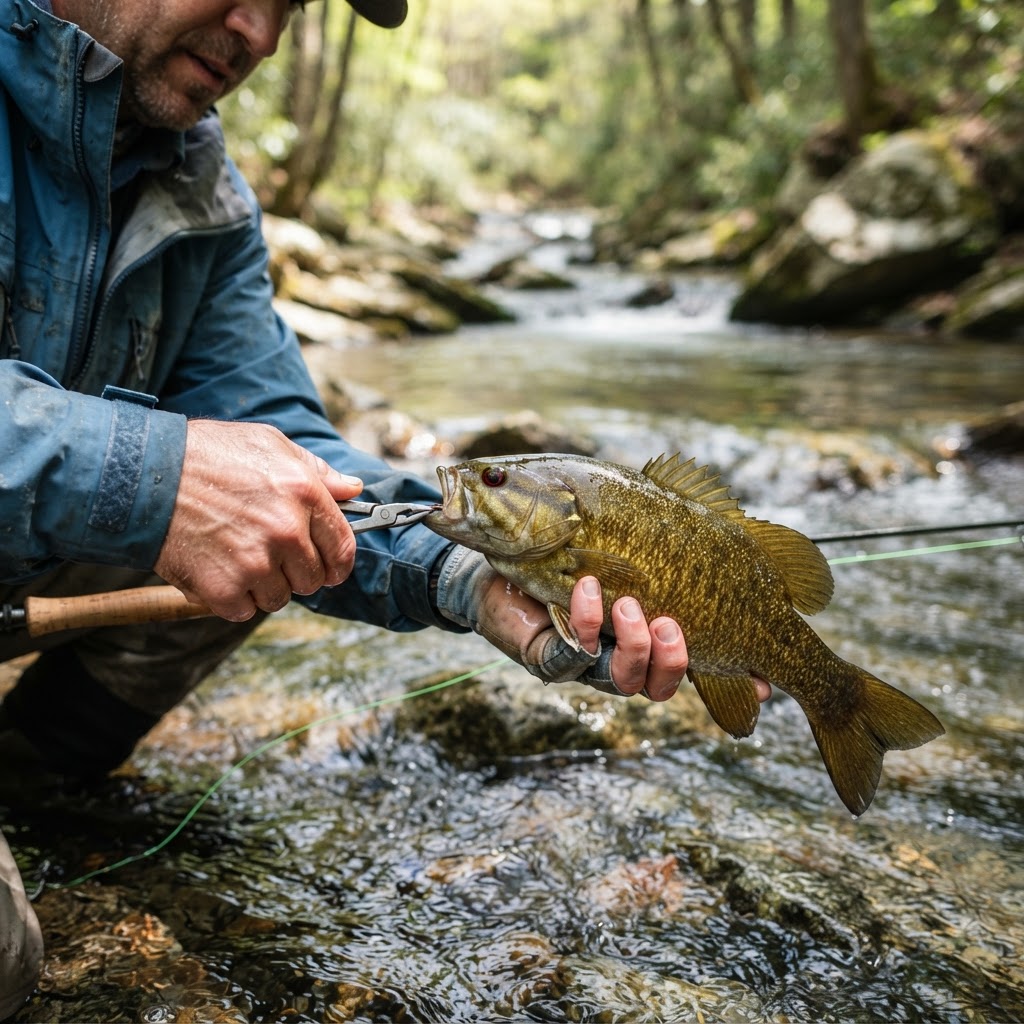
Smallmouth bass (Micropterus dolomieu) are legendary among freshwater anglers across the United States. While their cousins, the largemouth, often get the spotlight, the 'smallie' is widely regarded by fishing enthusiasts at Buckeye Hunter Hub as the true athlete of the bass family. Known for their acrobatic leaps, blistering runs, and relentless stamina, smallmouth bass thrive in clear, cool, and flowing waters, offering an exciting challenge for anglers of all skill levels.
Biology and Habitat Preferences
Unlike largemouth bass, which prefer stagnant, weed-choked ponds, smallmouth bass are riverine creatures at heart. They gravitate toward cooler, well-oxygenated water, often found in large, rocky lakes or moderate-to-swift-moving rivers. They are sight feeders, which makes them highly sensitive to water clarity. You will typically find them suspended near rocky structures, gravel bars, or current breaks where they can ambush prey with efficiency. For those mapping out their next trip, utilizing our free interactive fishing map can help you identify deeper drop-offs and rocky shoals where these fish congregate.
Seasonal Behavior and Timing
Smallmouth behavior shifts dramatically with the seasons. During the spring, as water temperatures hit the 50-degree mark, they move shallow to prepare for spawning on sandy or gravel bottoms. Summer signals a transition to deeper structure or faster current areas, where oxygen levels remain higher. Fall is arguably the best time to target trophy smallmouth; they feed aggressively to pack on weight for the winter, moving into transition zones between shallow and deep water. If you are planning a trip to a new region, always check the local state fishing resources to ensure you are up to date on spawning closures and regulations.
Top Techniques and Lures
To consistently hook up with smallmouth, your tackle box needs versatility. Because smallmouth are aggressive, they often strike reaction baits with violent intent.
Soft Plastics
Tube jigs are the gold standard for smallmouth. Dragging a green-pumpkin or smoke-colored tube over rocky substrate mimics the appearance of a crayfish, the smallmouth’s favorite snack. Drop-shotting is another finesse technique that is deadly in clear, deep water, allowing you to present a bait directly in front of a finicky fish’s nose for an extended period.
Moving Baits
If you want to cover water, look to crankbaits or spinnerbaits. A medium-running crankbait in crawfish patterns is excellent for bouncing off rocks, which triggers an involuntary strike. Topwater baits like 'walk-the-dog' style lures are equally effective during dawn and dusk hours, providing the most heart-stopping visual experiences in fishing.
Advanced Tips for Success
One secret experienced anglers swear by is paying attention to 'current breaks.' In river systems, smallmouth will hide behind large boulders or logjams to wait for the current to deliver a meal. Casting precisely into these calm pockets of water is essential. Furthermore, consider the water temperature and clarity—if the water is exceptionally clear, drop your line diameter and utilize natural-colored lures to avoid spooking the fish.
Conservation and Ethics
As smallmouth bass are highly sought after, protecting their habitat is crucial. Practicing catch-and-release, especially with large female 'bronze-backs' during the spring, ensures the population remains robust. You can read more about responsible angling practices on the fishing blog to learn how to properly handle and revive fish, ensuring they survive to fight another day.
Conclusion
Targeting smallmouth bass is a test of patience, observation, and skill. Whether you are fishing the Great Lakes, the Ozark streams, or the rocky rivers of New England, these fish promise an unforgettable experience. For more information on official species management, the U.S. Fish and Wildlife Service provides excellent data on native ranges and conservation. Remember, the key to success is staying mobile and staying observant. Tight lines!