Smallmouth Bass
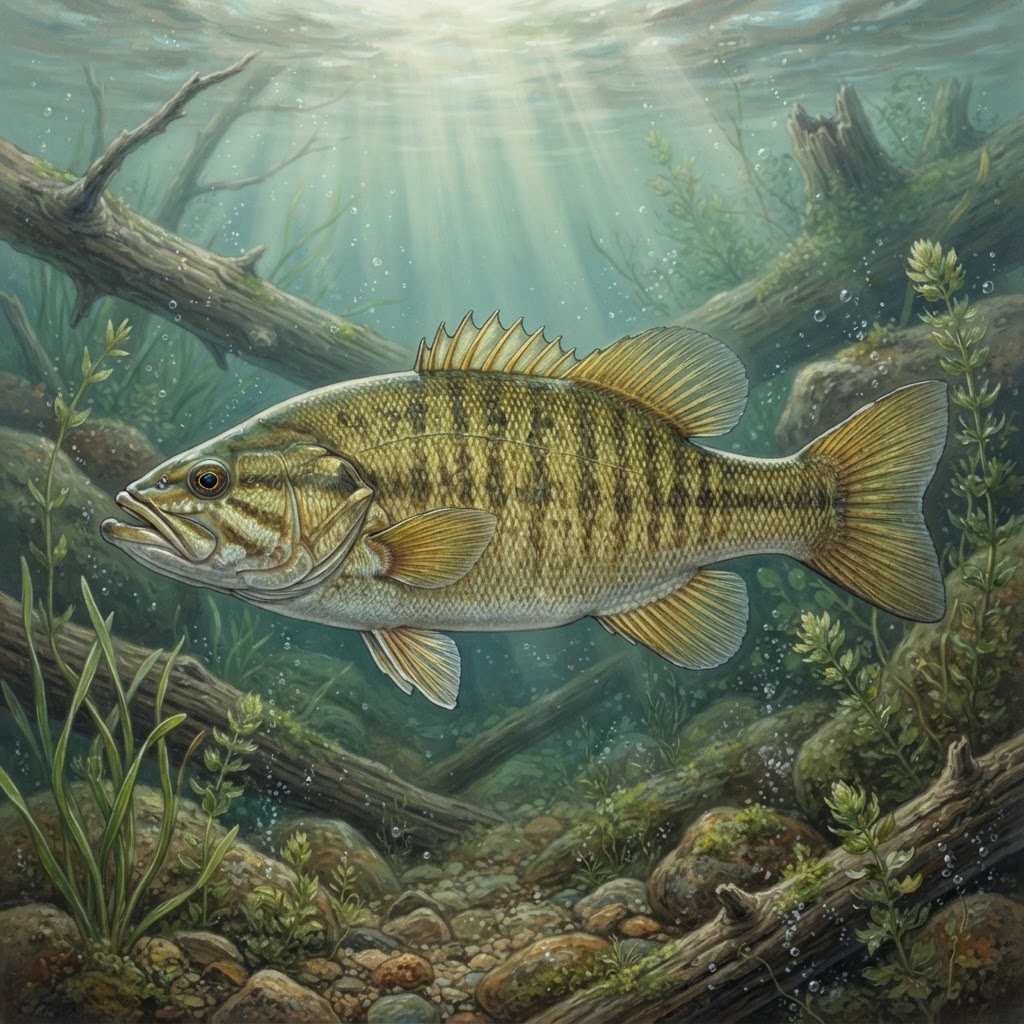
Micropterus dolomieu
The pound-for-pound king of North American freshwater, renowned for explosive aerial leaps and dogged, drag-screaming fights.
Typical Size
1 to 4 pounds is typical, with trophy-class fish ranging from 5 to 7+ pounds depending on the region.
Prime Seasons
Late Spring (pre-spawn to post-spawn) and Autumn (feeding frenzy before winter).
Overview
Smallmouth bass, or 'brown fish,' are prized by anglers for their aggressive temperament and tendency to inhabit current-swept, rocky environments. Unlike their largemouth cousins, smallmouths are highly sensitive to water quality and generally favor cooler, clearer, and more oxygenated waters. They are pack hunters that utilize vision to locate prey, making them a premier target for both finesse spinning gear and aggressive power-fishing tactics.
Anglers pursue smallmouths because they are notorious fighters that frequently jump and run. Whether you are fishing the Great Lakes, deep mountain reservoirs, or rocky river systems, a smallmouth bite is often characterized by a violent, rod-wrenching strike that tests the limits of your tackle and angling skill.
Identification
- Vertical dark stripes along the sides rather than a horizontal band.
- The upper jaw does not extend past the rear margin of the eye.
- Commonly displays a mottled, brassy-brown or olive coloration.
- Deeply notched dorsal fin connecting the spiny and soft-rayed sections.
- Reddish or orange hues often visible in the eye.
Habitat
Diet & Forage
Behavior & Feeding
Smallmouth bass are opportunistic predators that favor rocky structure, current breaks, and transition zones where they can ambush prey. They are highly active during low-light periods like dawn and dusk, though they remain aggressive throughout the day when chasing crawfish or baitfish. Seasonal movements involve migrating from deep-water wintering holes to shallow, oxygen-rich shoals as water temperatures rise in the spring. They are notoriously moody, often reacting with extreme aggression to erratic retrieves but becoming extremely lethargic when cold fronts pass.
Spawning
The spawn typically occurs in spring when water temperatures consistently reach the high 50s to low 60s Fahrenheit. Males aggressively guard nest sites, which are usually constructed in shallow, clean gravel or sand beds protected from strong currents. During this window, fishing is highly effective but sensitive, as bass are protective and often strike out of territorial instinct rather than hunger. Once the fry hatch, adults move toward adjacent secondary points to feed heavily and recover.
Water Temperature
Weather Triggers
Approaching Cold Front
Barometric pressure drop often triggers a feeding frenzy; fish move shallow and feed aggressively.
Cloudy/Overcast Skies
Reduces light penetration, causing smallmouth to move off bottom and hunt more actively in the water column.
Post-Frontal High Pressure
Bass become extremely tight to cover; utilize finesse baits like tubes or drop-shots to induce strikes.
Heavy Wind
Crashing waves oxygenate the water and mask angler presence; topwaters and reaction baits excel along wind-blown banks.
Depth by Season
Best Lure Rigs & Setups
Drop Shot
When: When fish are pressured or suspended over deep, rocky structure.
Setup: 6-8lb fluorocarbon, size 1 or 1/0 drop shot hook, 1/4 to 3/8oz cylinder weight, 3-4 inch finesse plastic worm.
Tube Jig
When: The gold standard for mimicking crayfish around rocky bottoms.
Setup: 10-12lb fluorocarbon, 3/8oz or 1/2oz internal tube jig head, 3.5-4 inch salt-impregnated tube.
Ned Rig
When: Cold fronts or high-pressure days where finesse is non-negotiable.
Setup: 6-8lb fluorocarbon, 1/16 to 1/8oz mushroom jig head, 2.75-3 inch buoyant soft plastic stick bait.
Hard Jerkbait
When: Early spring and late fall when smallies are targeting fleeing baitfish.
Setup: 10-12lb monofilament or fluorocarbon, medium-power casting rod, 4-5 inch suspending jerkbait.
Best Knots
Lures That Catch Smallmouth Bass
 Soft Plastics
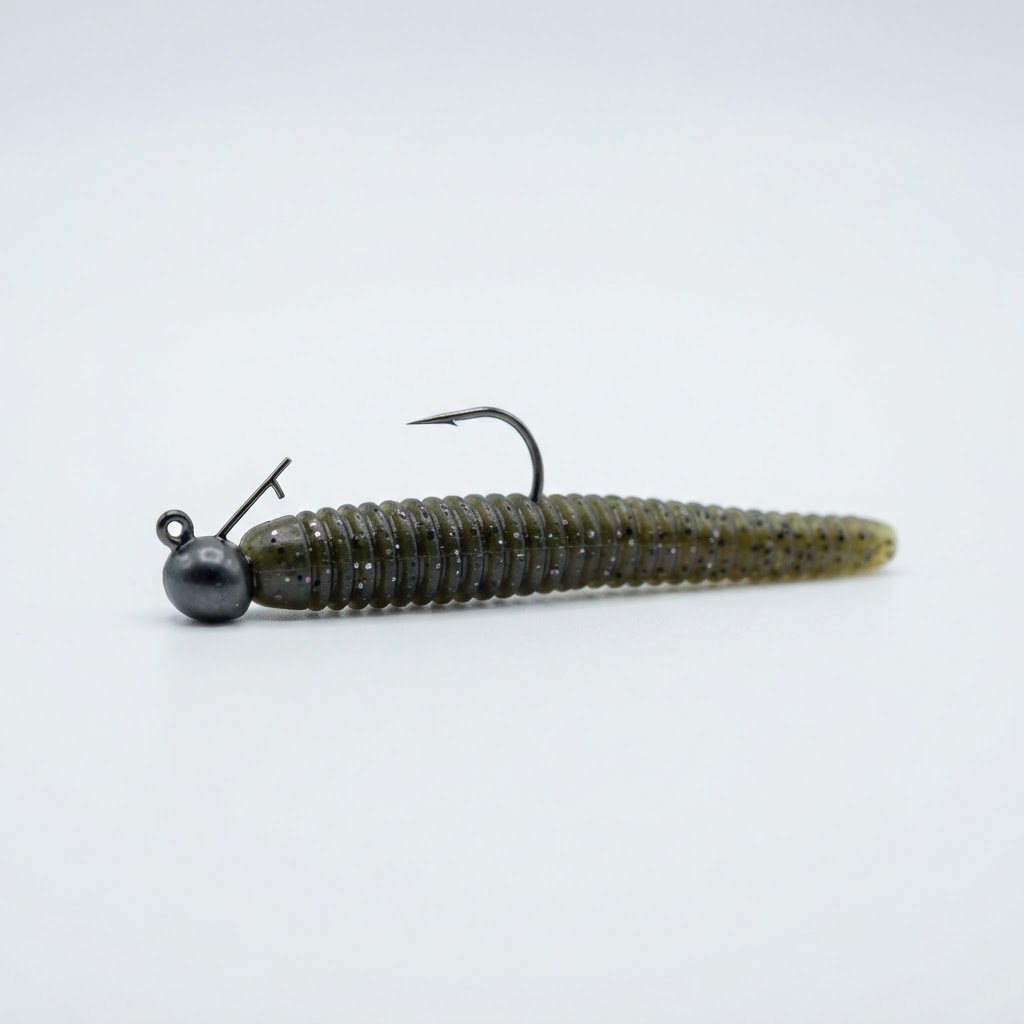
Ned Rig
Finesse bottom bait that catches when nothing else will.
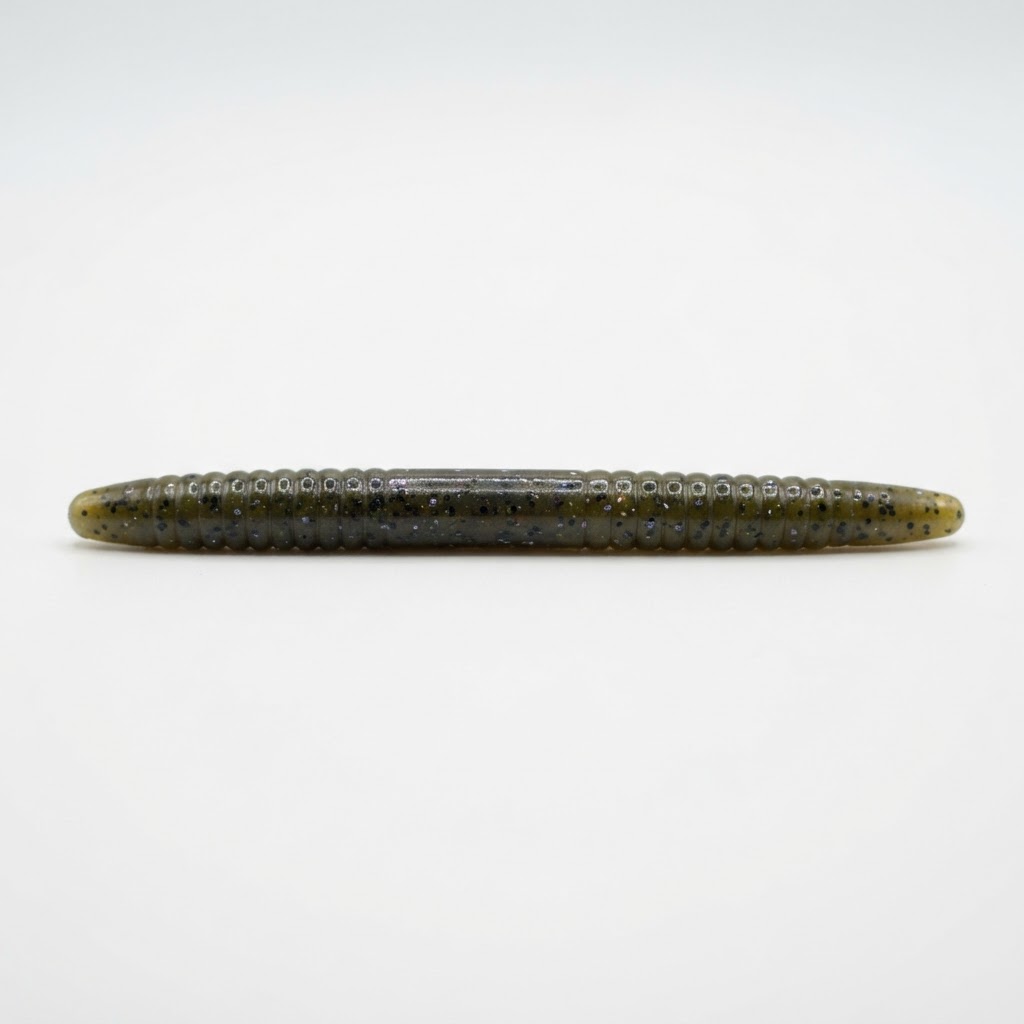 Soft Plastics
Senko / Wacky Worm
A slow, shimmying fall bass can't resist.
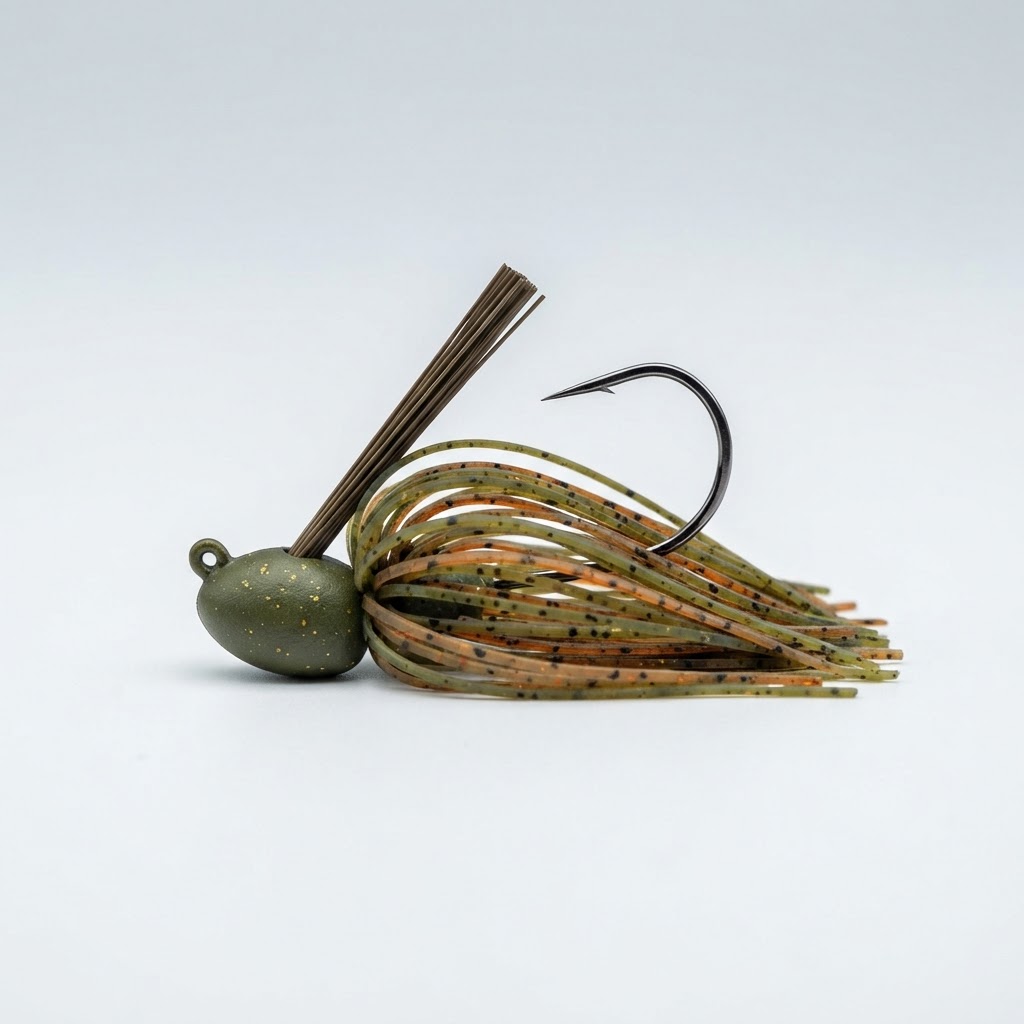 Jigs
JigsFootball Jig
Crawls bottom structure like a fleeing crawfish.
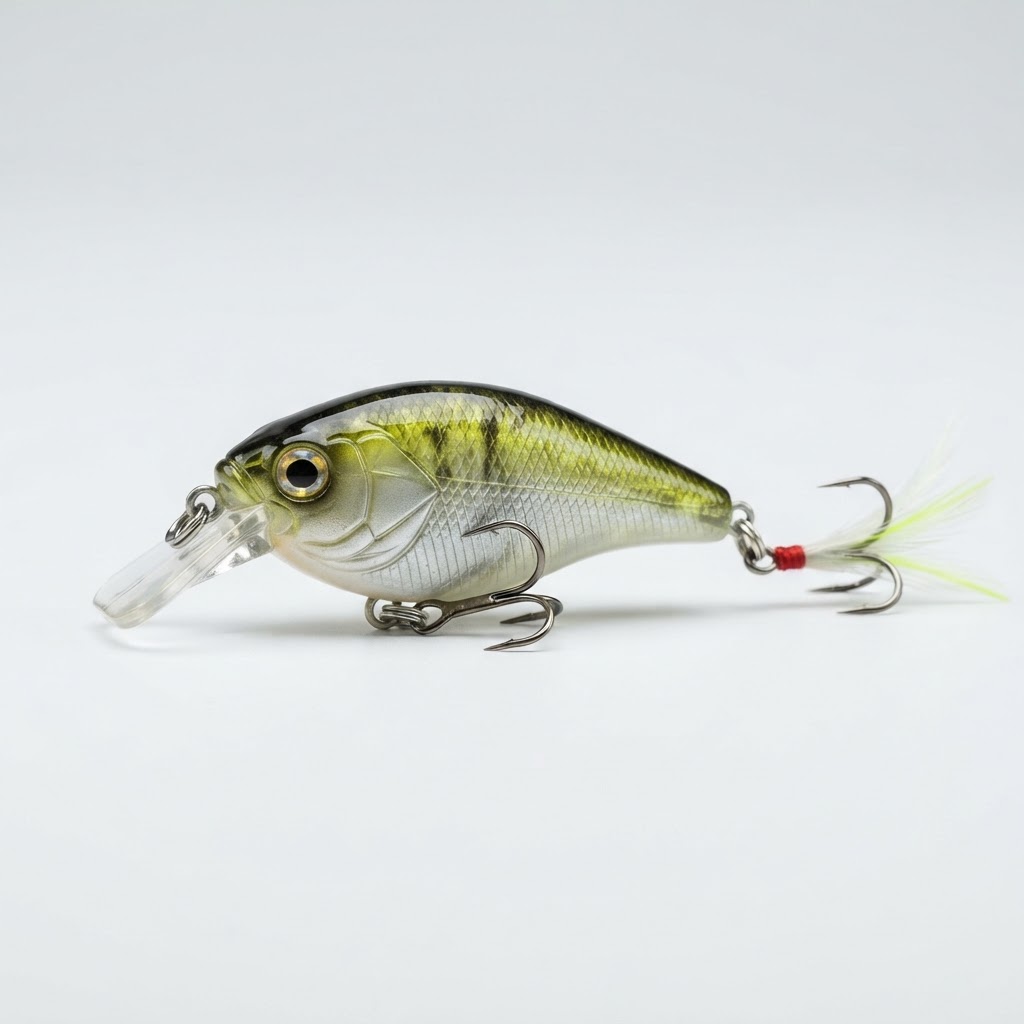 Crankbaits & Hardbaits
Square Bill Crankbait
Deflects off cover to trigger reaction strikes.
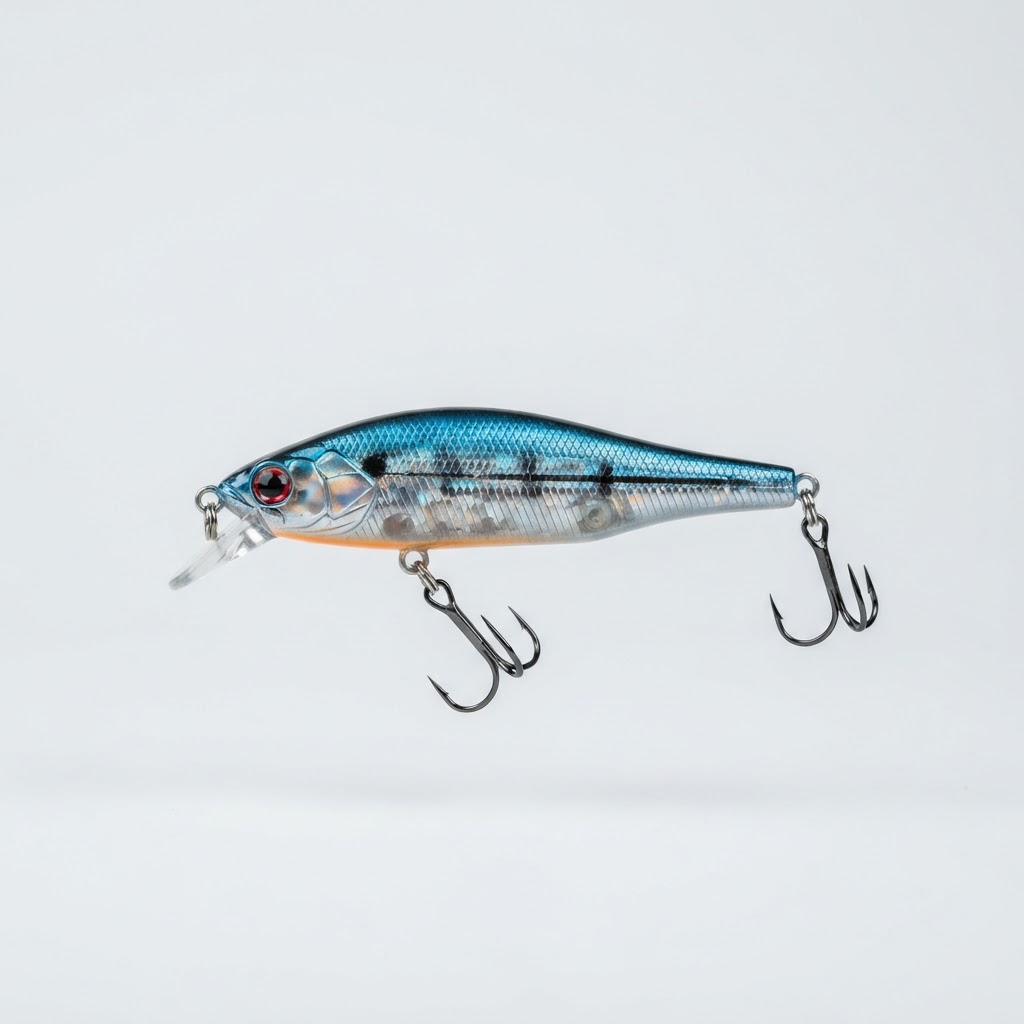 Crankbaits & Hardbaits
Jerkbait
Suspends in the strike zone for cold-water fish.
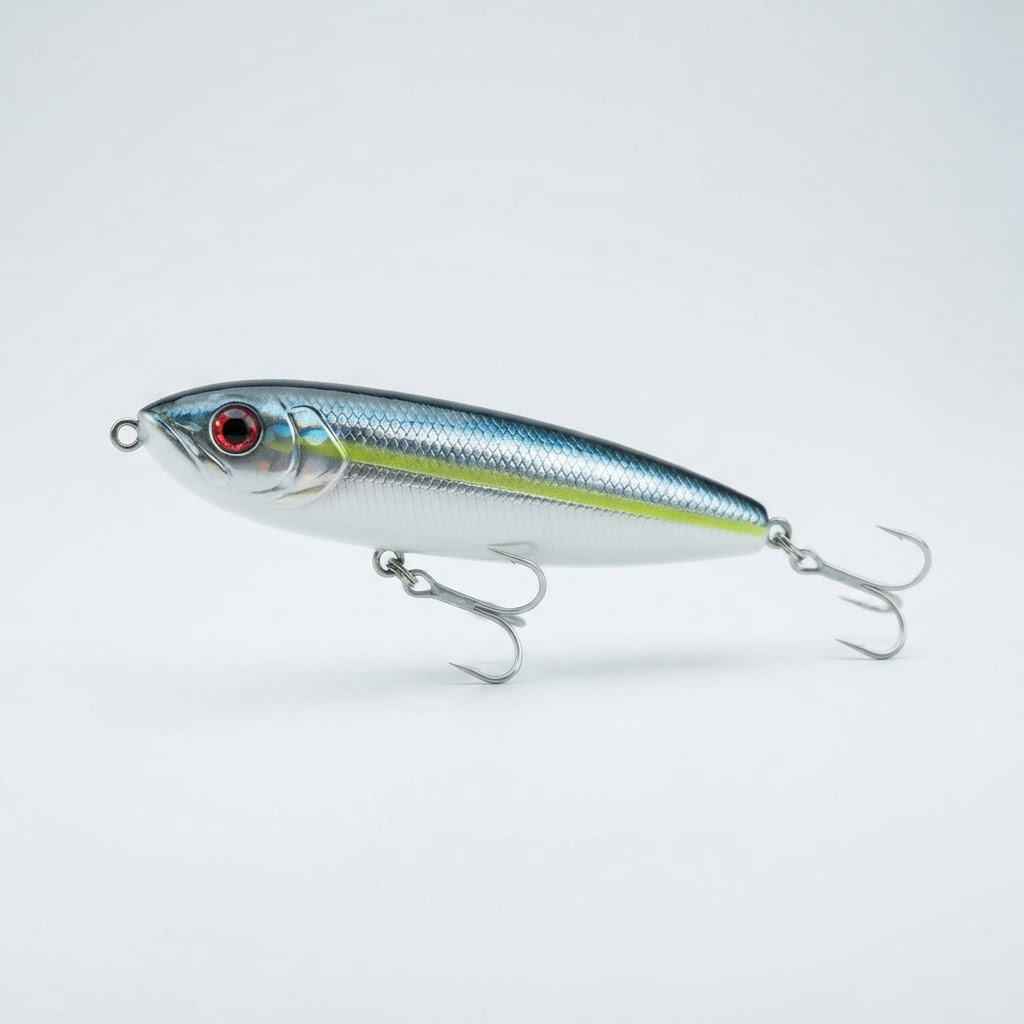 Topwater
Walking Topwater (Spook)
Side-to-side glide that calls fish up.
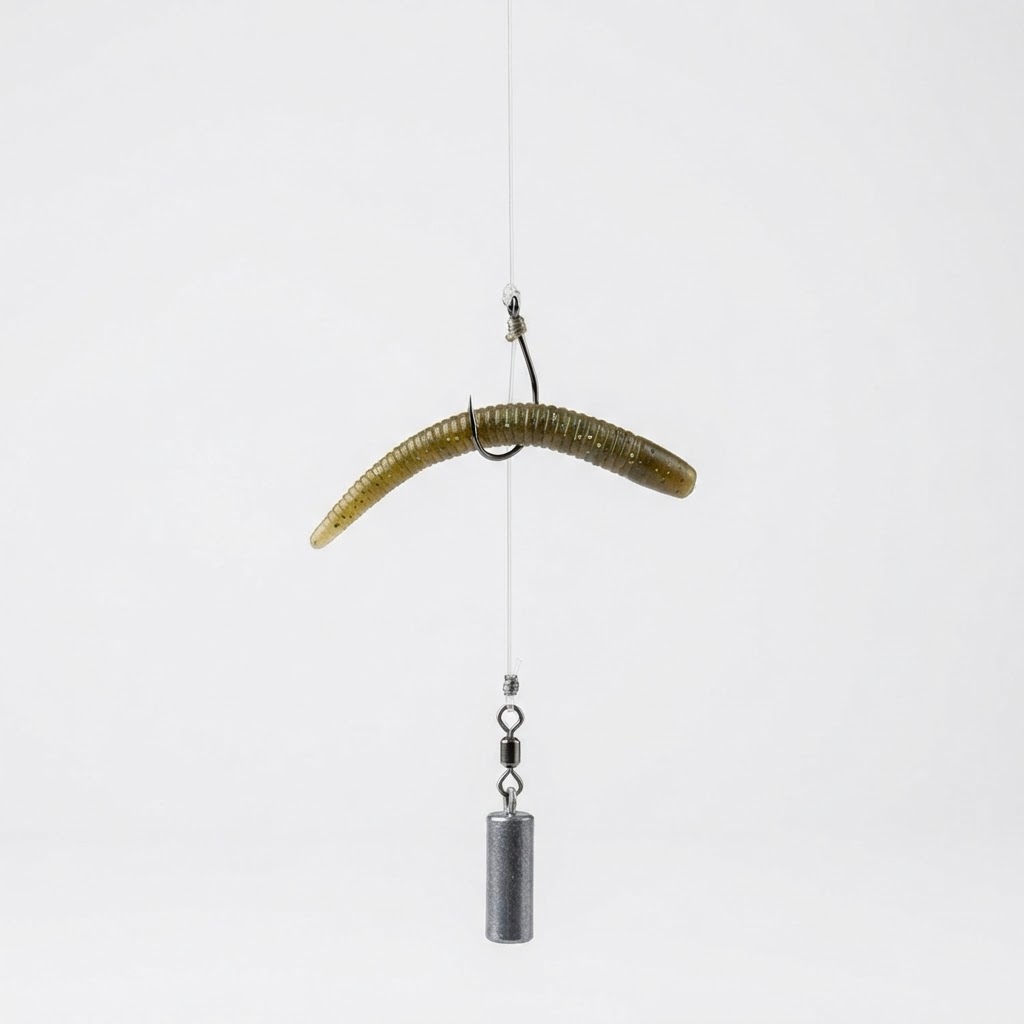 Rigs & Terminal
Drop Shot Rig
Suspends a bait right in the fish's face.
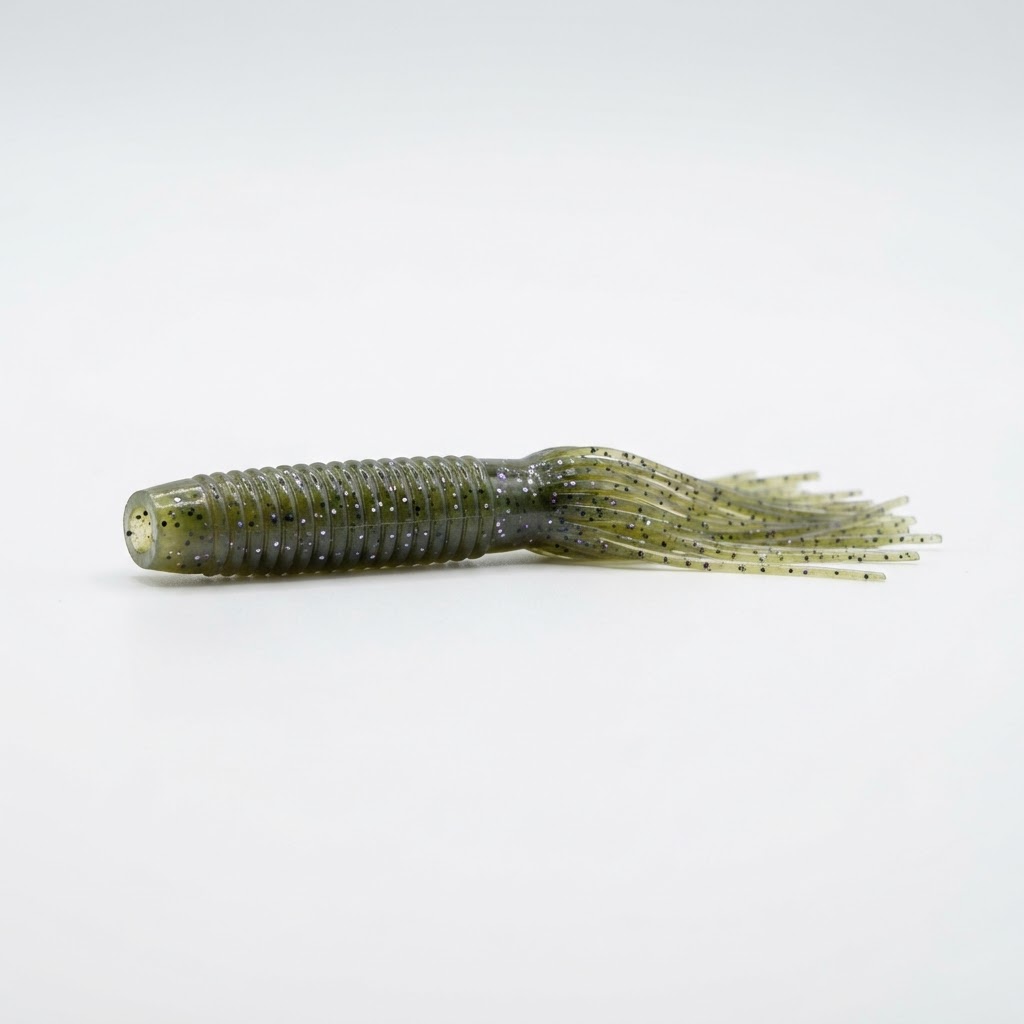 Soft Plastics
Tube Bait
Spirals like a fleeing crawfish.
Rigs From The Library For Smallmouth Bass
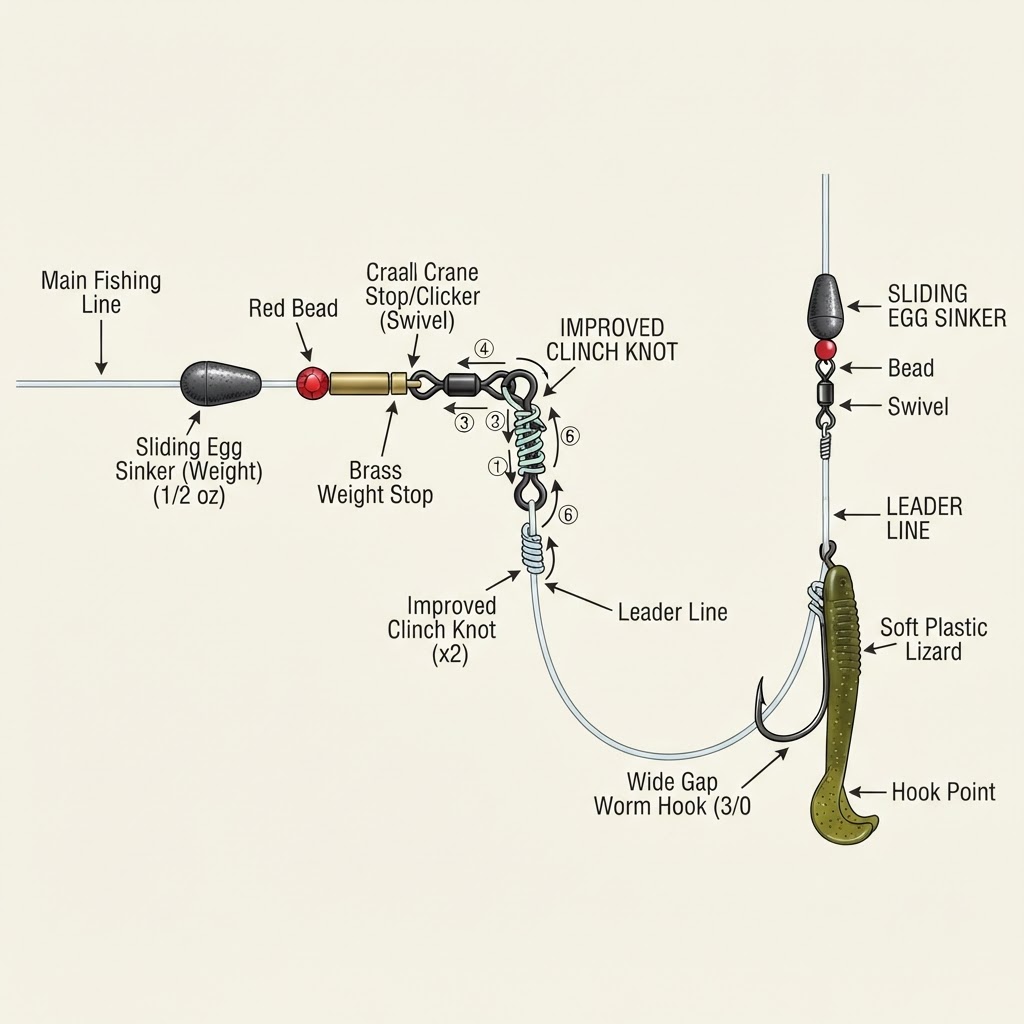 5-30 ft
Carolina Rig
The ultimate bottom-dragging search bait designed to detect structure and entice lethargic predators.
 0-1 ft
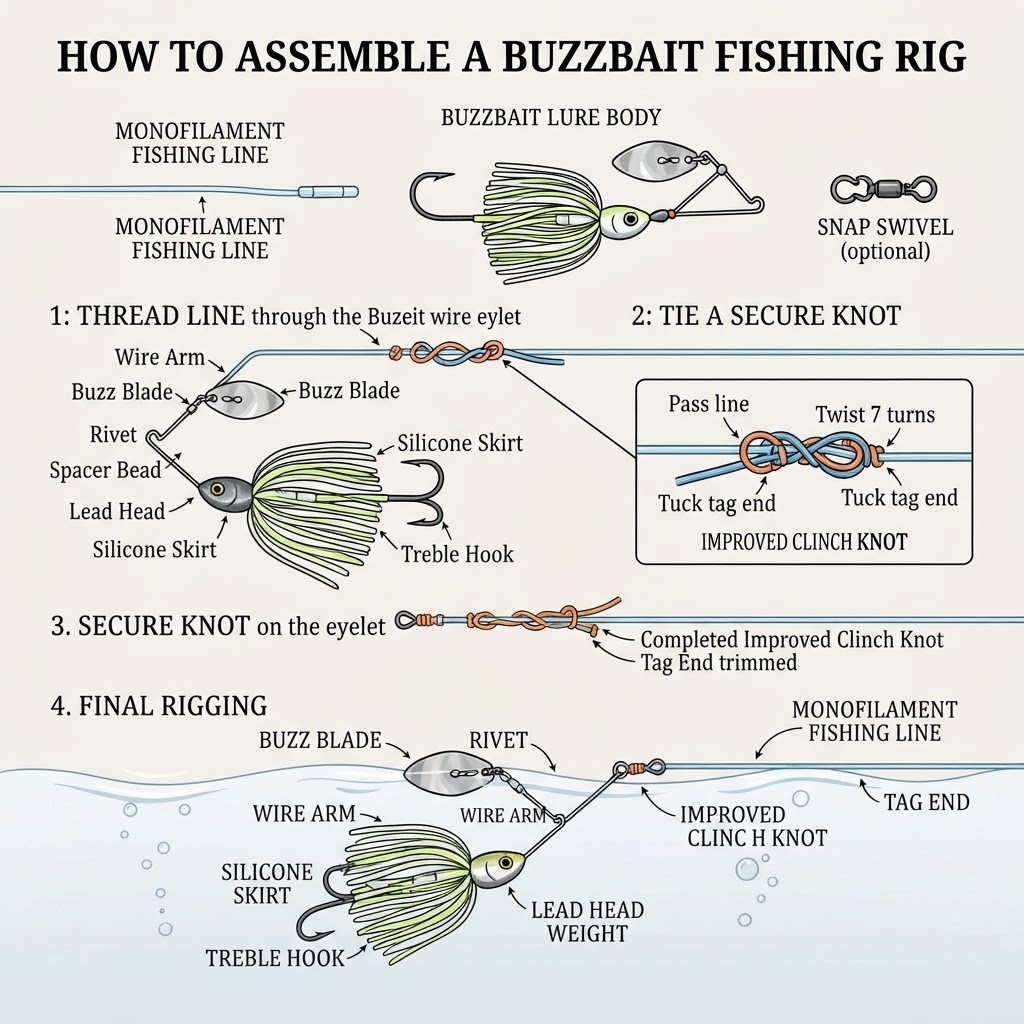
Buzzbait
The ultimate topwater search bait designed to create a loud, churning commotion that triggers explosive, aggressive surface strikes.
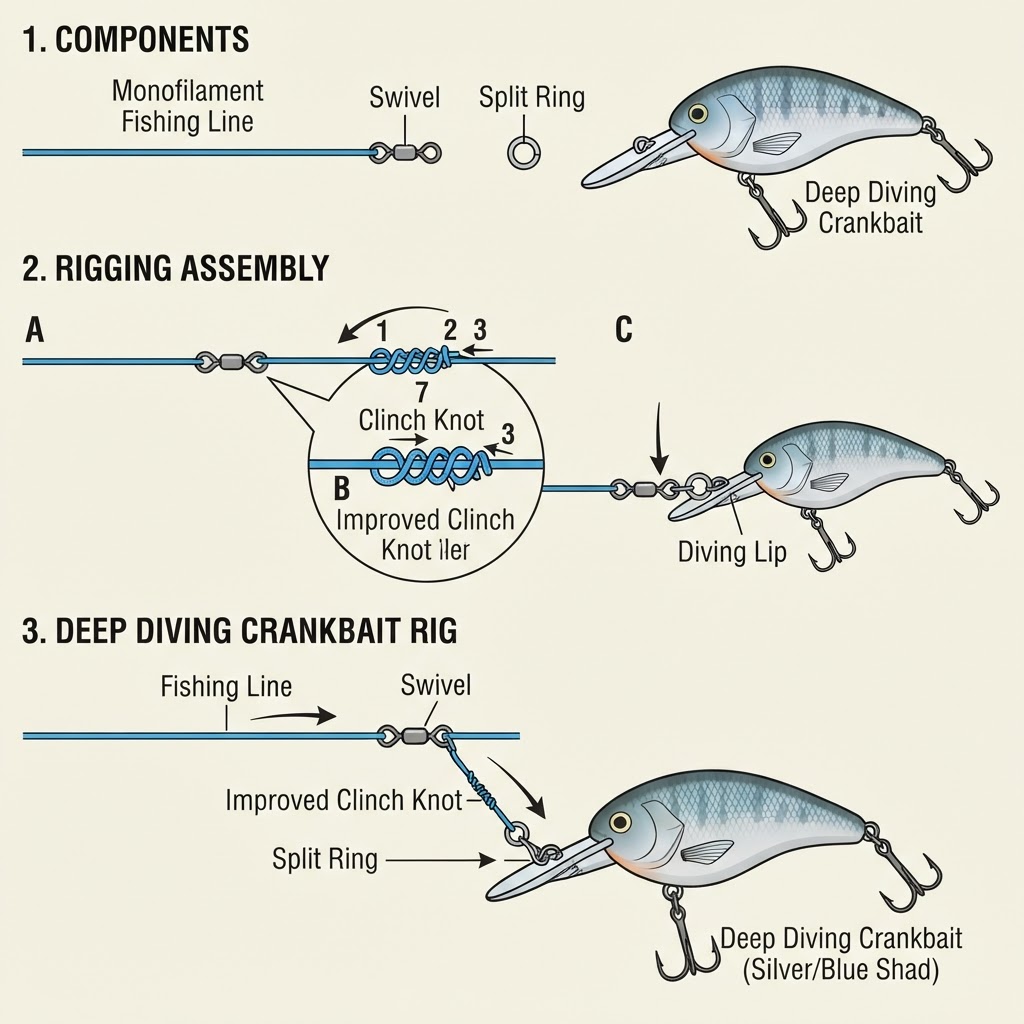 8-20 ft
Deep Diving Crankbait
The ultimate triggering tool for dredging deep structure and smashing reactive strikes from lethargic giants.
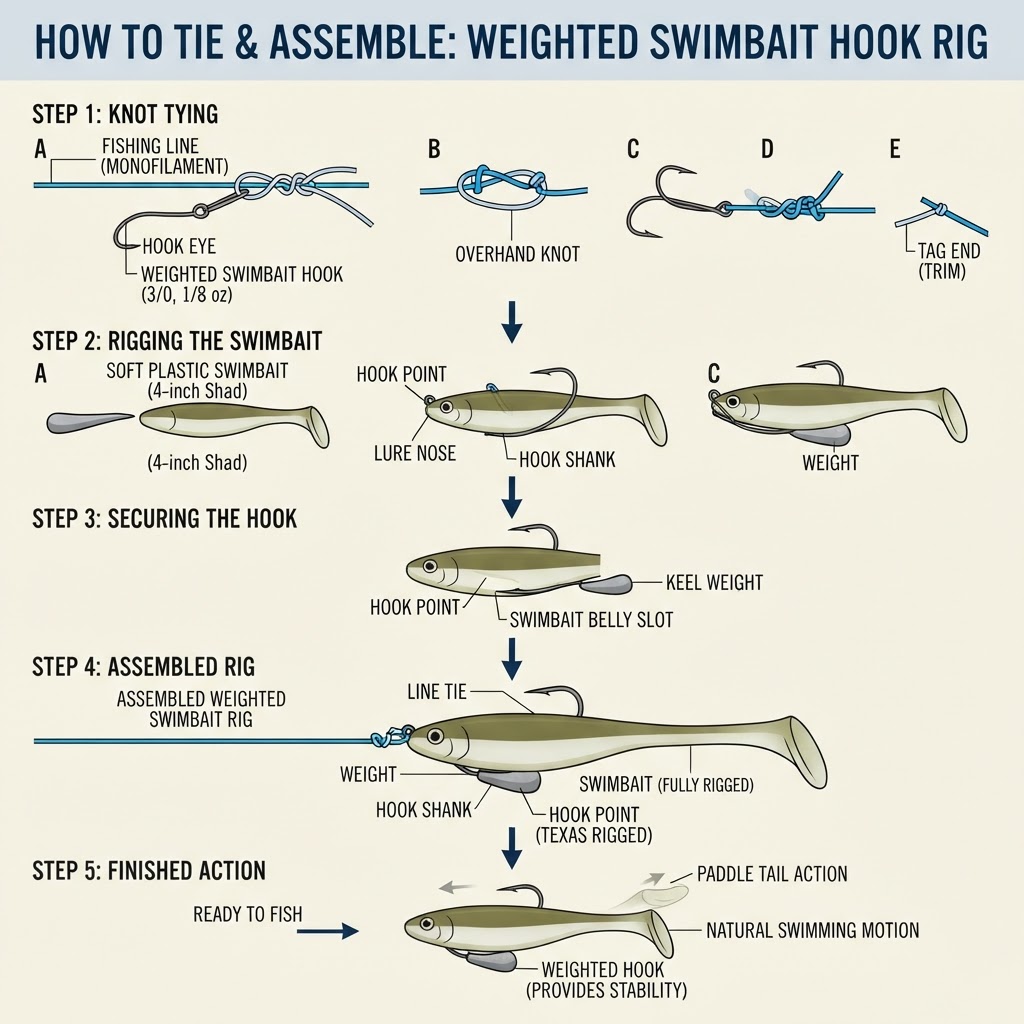 0-15 ft
Swimbait (Weighted Swimbait Hook)
The ultimate weedless search-bait that mimics a fleeing baitfish through the heaviest cover.
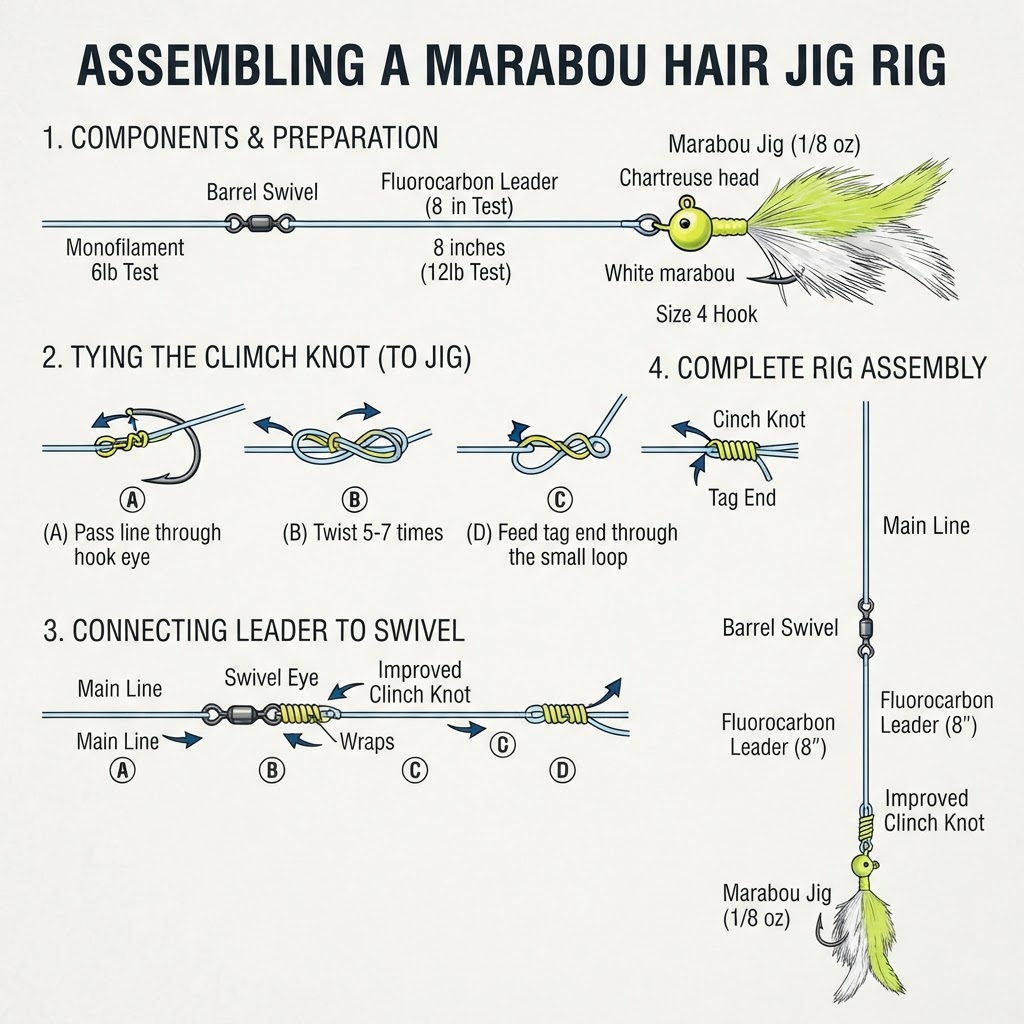 0-20 ft
Marabou Hair Jig
The ultimate finesse presentation that breathes and undulates to trigger strikes from even the most lethargic, cold-water predators.
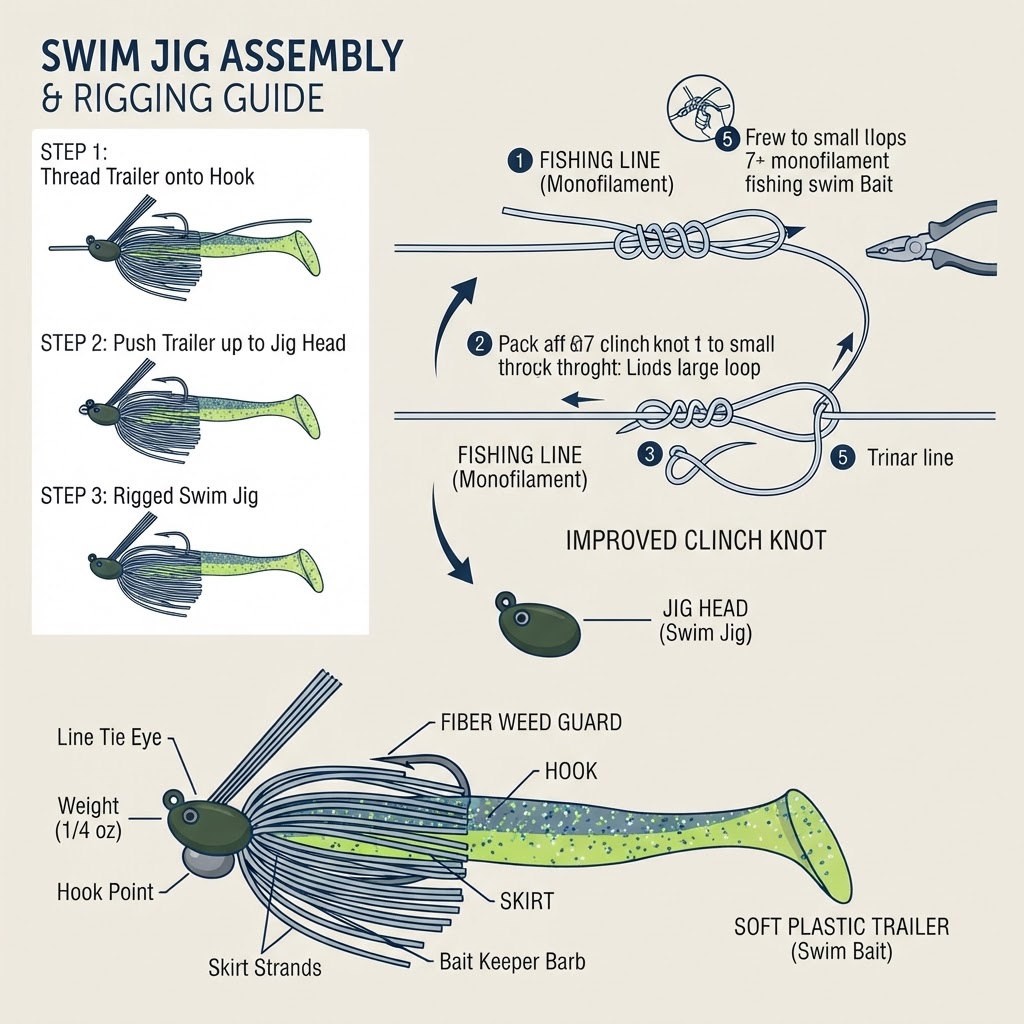 0-10 ft
Swim Jig
The ultimate weedless search bait that mimics a fleeing baitfish through the heaviest cover.
Catch more smallmouth bass — free
Create a free account and unlock the full angling toolkit:
Latest from the Community