Cackling Across the Plains: A Strategic Approach to Ring-Necked Pheasant Hunting
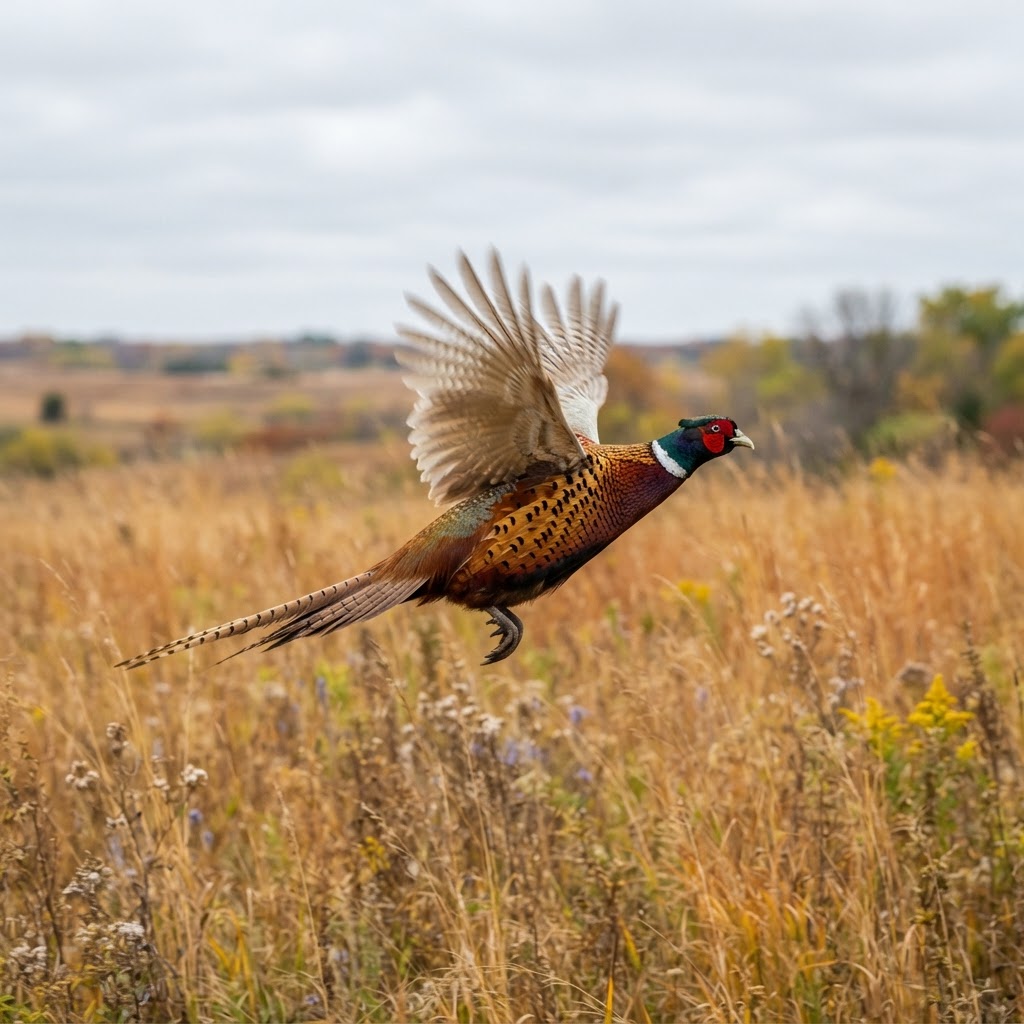
The Upland Icon: Understanding the Ring-Necked Pheasant
The ring-necked pheasant (Phasianus colchicus) is arguably the most recognizable upland game bird in the United States. Though not native to North America—having been introduced from Asia in the late 19th century—these birds have thrived in the agricultural mosaic of the Great Plains and the Midwest. For the modern hunter, the pheasant represents a test of patience, endurance, and shooting proficiency. Unlike sedentary quarry, these birds prefer to outrun their pursuers, holding tight in dense cover until the last possible second before erupting into a frantic, noisy flight that challenges even the most seasoned wingshooter.
Habitat and Range Dynamics
Pheasants are creatures of the edge. They require a diverse landscape that provides thermal cover, nesting sites, and a consistent food source. While many hunters flock to the vast cornfields of the Midwest, true success is often found where row crops meet transition zones like tall-grass prairies, CRP (Conservation Reserve Program) land, cattail sloughs, and abandoned shelterbelts. During the early season, birds often hold in heavy standing cover, but as winter sets in and temperatures drop, their reliance on thermal cover—such as thick brush or marshy wetlands—becomes absolute. Understanding how to use to identify these transition areas and public land access points is essential for scouting effectively before the season opens.
Tactics for the Modern Hunter
The most effective way to hunt pheasants is with a well-trained bird dog. A pointing dog or a flushing breed—like a Labrador or Springer Spaniel—is invaluable for pinning birds that would otherwise run hundreds of yards ahead of a walking hunter. If you are hunting without a dog, a methodical approach is required. Use a "blocker" strategy if you are with a group: station one hunter at the end of a field while the others push toward them. Pheasants are notoriously prone to running until they hit a barrier, at which point they are forced to flush.
When you do hear that sudden, sharp cackle, your reaction must be calm. The tendency for beginners is to rush the shot. Focus on the head of the bird, maintain your swing, and remember that these birds are surprisingly resilient. Using an appropriately choked shotgun and high-quality shot—steel or non-toxic alternatives are often required in public wildlife areas—will ensure clean harvests. For those looking to sharpen their skills or prepare for the season, checking is a great way to stay updated on local regulations and bag limits.
Seasonal Strategy and Timing
E-Tag States

Harvest Tags
E-check means you supply the tag. Printed with the exact fields your state requires.
3-pack $19.95
Pheasant season typically spans the late autumn and early winter months. Early in the year, birds are often found in lighter cover while they forage on waste grain. As the harvest wraps up, pheasant behavior shifts toward survival. Mid-day is often the best time to hunt, as birds move into heavier cover to rest after their morning feeding. On particularly cold or snowy days, focus your efforts on the thickest, most protected cover you can find; the birds will be tucked deep inside, staying warm and out of the wind.
Tips for New and Experienced Pursuers
For the novice, the biggest hurdle is often the physical demand. Walking through thick switchgrass or uneven CRP land is a workout. Keep your kit lightweight and your gear functional. For the veteran hunter, the secret lies in reading the land differently each year. Crop rotation changes; a field that held dozens of birds last season might be barren this year due to changes in harvest methods or fall tillage. Always look for that 'extra' habitat—a patch of untrimmed fence line or a small, overlooked drainage ditch—that other hunters might skip.
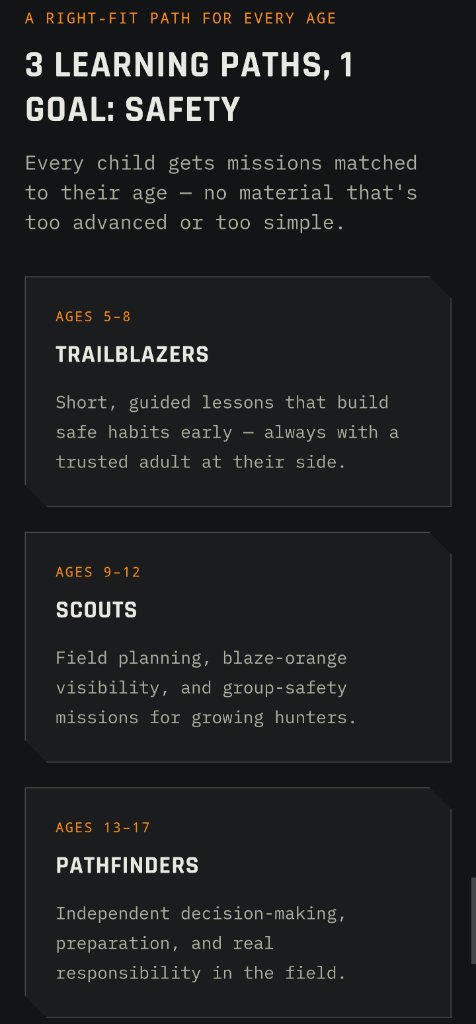
Raise a safe, confident young hunter.
Guide your kids ages 5–17 through interactive hunting safety missions, real decision drills, and earned trophies — all from one free parent account.



If you are looking to get into the sport, consider joining where you can learn from others who have spent decades perfecting their upland game techniques. Engaging with the hunting community is not just about the harvest; it is about preservation and continuing the tradition of ethical, sustainable hunting. As you prepare for your next trip, remember that every successful day in the field starts with thorough planning and a deep respect for the bird’s habitat. Whether you are walking the frozen cattails of South Dakota or the rolling hills of Kansas, the pursuit of the ring-neck remains one of the most rewarding experiences in the American outdoors.
Free hunting map, zones & 50-state resources
Save your spots, share zones with your group, and get deer & waterfowl movement forecasts — free.
Join 214 hunters and anglers on Buckeye Hunter Hub — free.
Latest from the Community

Trail Cam
Whitetail Buck
Jeff Cote · 32m ago

Trail Cam
Whitetail Deer
Jeff Cote · 8h ago
Posted
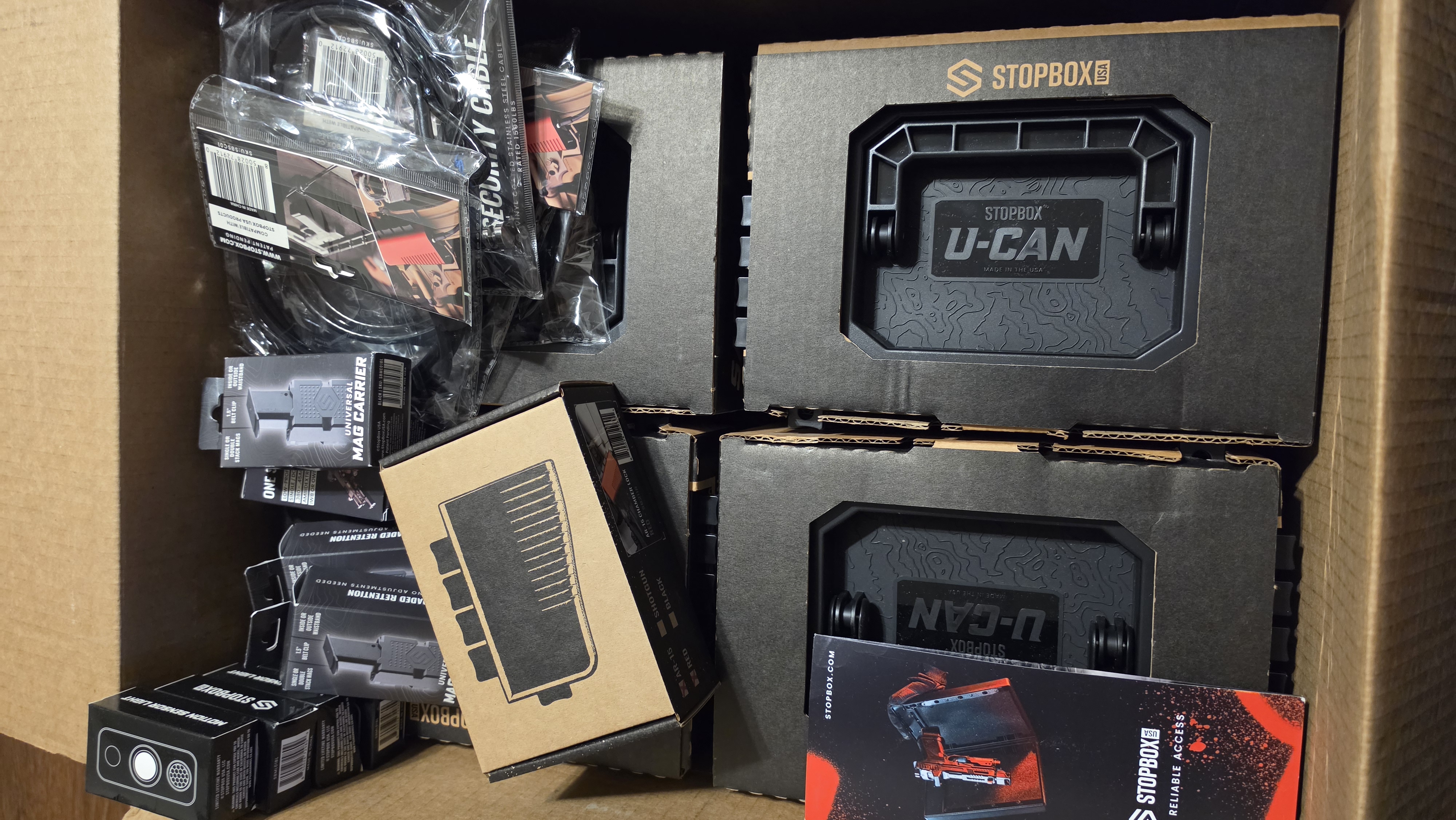
Big StopBox delivery day at Buckeye Hunter Hub
Joshua Shoffner · 1d ago

Trail Cam
Whitetail Deer
Joshua Shoffner · 1d ago

Trail Cam
Whitetail doe
Admin Josh · 4d ago

Posted
Ready For My Extended Archery Deer Hunt
Richard Taggart · 5d ago
Everything you need to hunt smarter — free
Buckeye Hunter Hub is a free, nationwide platform. Create an account and unlock the full toolkit:
Free Interactive Hunting Map
Mark stands, cameras, and sign. Draw hunting zones with public land & county overlays across all 50 states.
Zones with Group Sharing
Share zones with your hunting group, split property into sections, assign stands, and check in — all in one place.
50 States of Hunting Resources
Season dates, license links, and DNR regulations for every state, kept current so you never miss an opener.
Deer Movement Forecast
Data-driven daily movement predictions using wind, moon, and pressure — know when to sit before you go.
Waterfowl Movement & Tools
Flight-potential forecasts, migration numbers, decoy spread planner, and a full species field guide.

American Express® Gold Card
Earn big on the things you love—dining, groceries, and travel. Apply through my referral link below.
- Up to 100,000 Membership Rewards® Points after you use your new Card to make $8,000 in purchases in the first 6 months—upon approval.
- 4X Membership Rewards® Points at restaurants worldwide, plus takeout and delivery in the U.S.
- 4X Points at U.S. supermarkets (on up to $25,000 per year, then 1X).
- 3X Points on flights booked directly with airlines or on amextravel.com.
- Up to $120 in annual dining credits at select partners (enrollment required).
Terms apply. Offer subject to approval by American Express. This is a referral link—I may receive Membership Rewards® Points if you are approved.
Shop This

StopBox Pro Ward | Wall-Mounted
$179.00$199.99

StopBox Pro Compact
$159.00$179.99

Streamline Supper Trout Heritage Tee
$23.41

Buckeye Hunter Hub Tee — Map It. Hunt It.
$23.41
E-Tag States
Harvest Tags
E-check means you supply the tag. Printed with the exact fields your state requires.
3-pack $19.95
More Articles
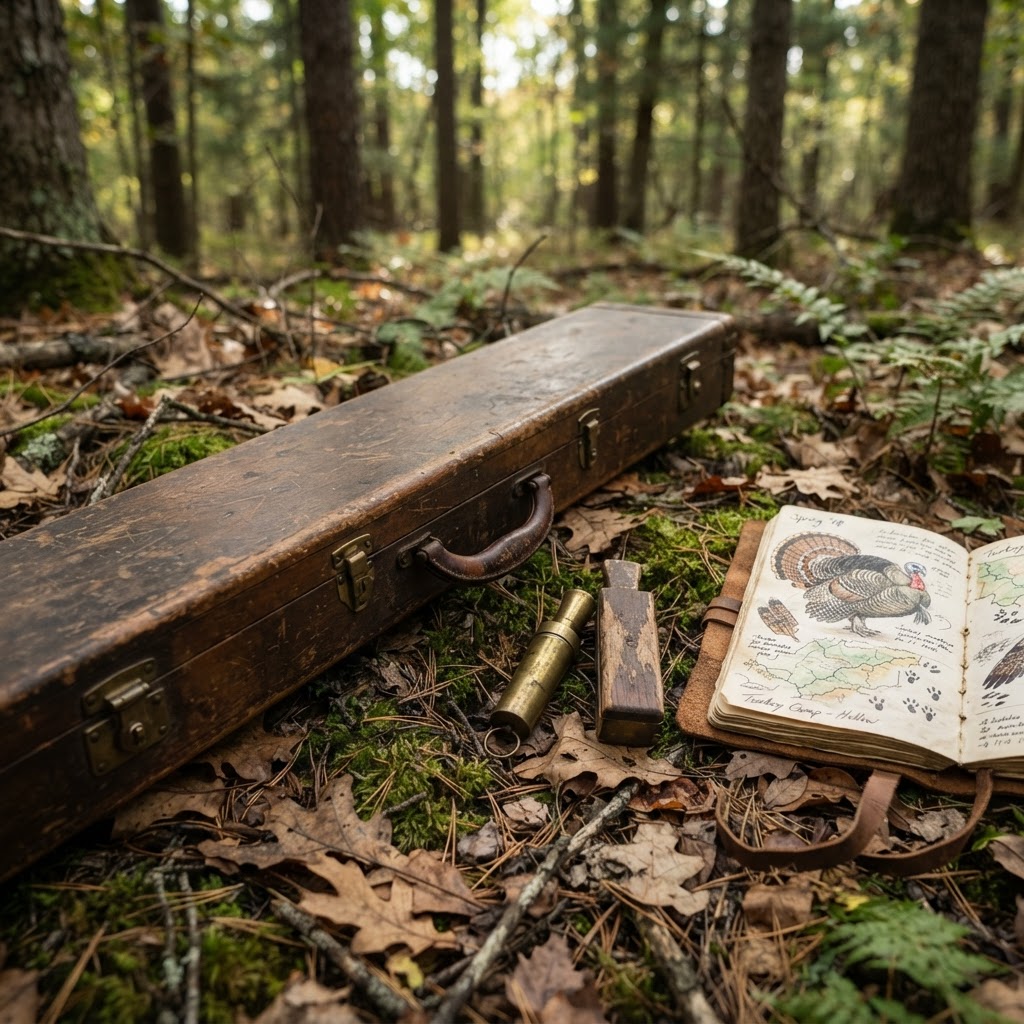
Gobbler Heritage: Curating Your Digital Den with Retro Turkey Art
Bring the timeless spirit of the spring woods to your screen with our new vintage-inspired wild turkey digital collection, featuring exclusive limited editions and unique scratch-to-reveal artwork.
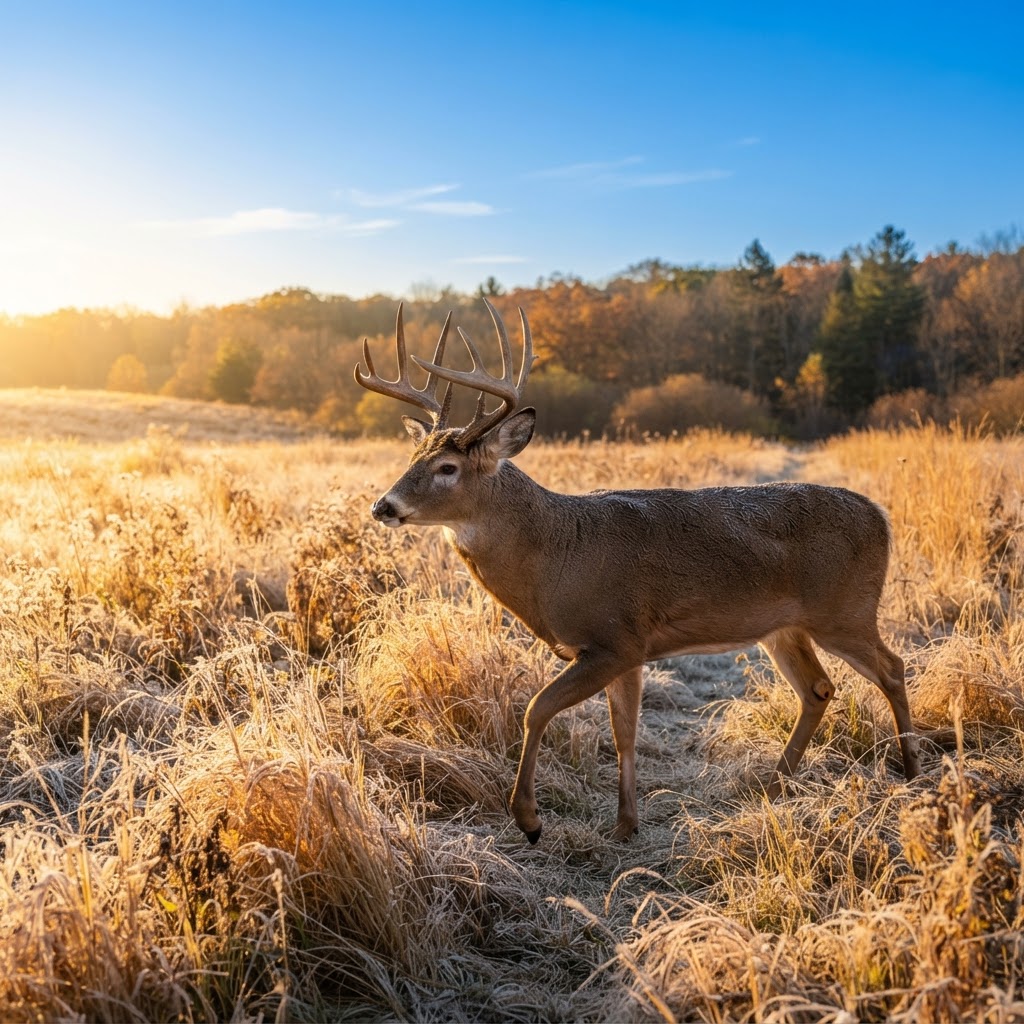
Barometric Pressure and Whitetail Movement: Decoding the Atmospheric Trigger
Does high pressure actually push deer into the open? We dive into the telemetry data and biology behind barometric pressure to help you master your next sit.
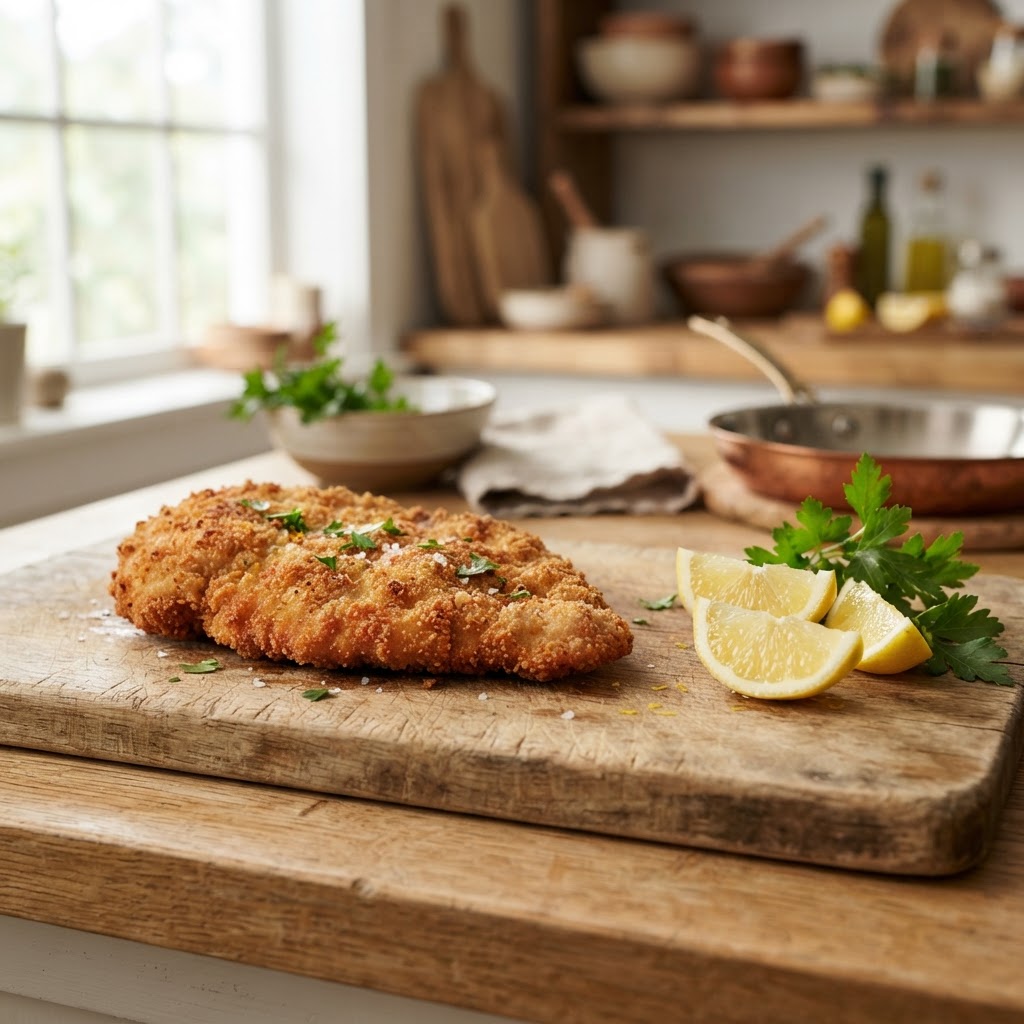
Crispy Wild Turkey Schnitzel: A Hunter’s Guide to the Perfect Harvest Meal
Transform your wild turkey breast into a culinary masterpiece with this classic, crispy schnitzel recipe that respects the bird and rewards the hunter.

Introducing the Contour Mallard: The New Official BHH Hoodie
Meet the new Buckeye Hunter Hub Hoodie—Contour Mallard, a heavy-blend staple designed for the field, the boat ramp, and everywhere in between.