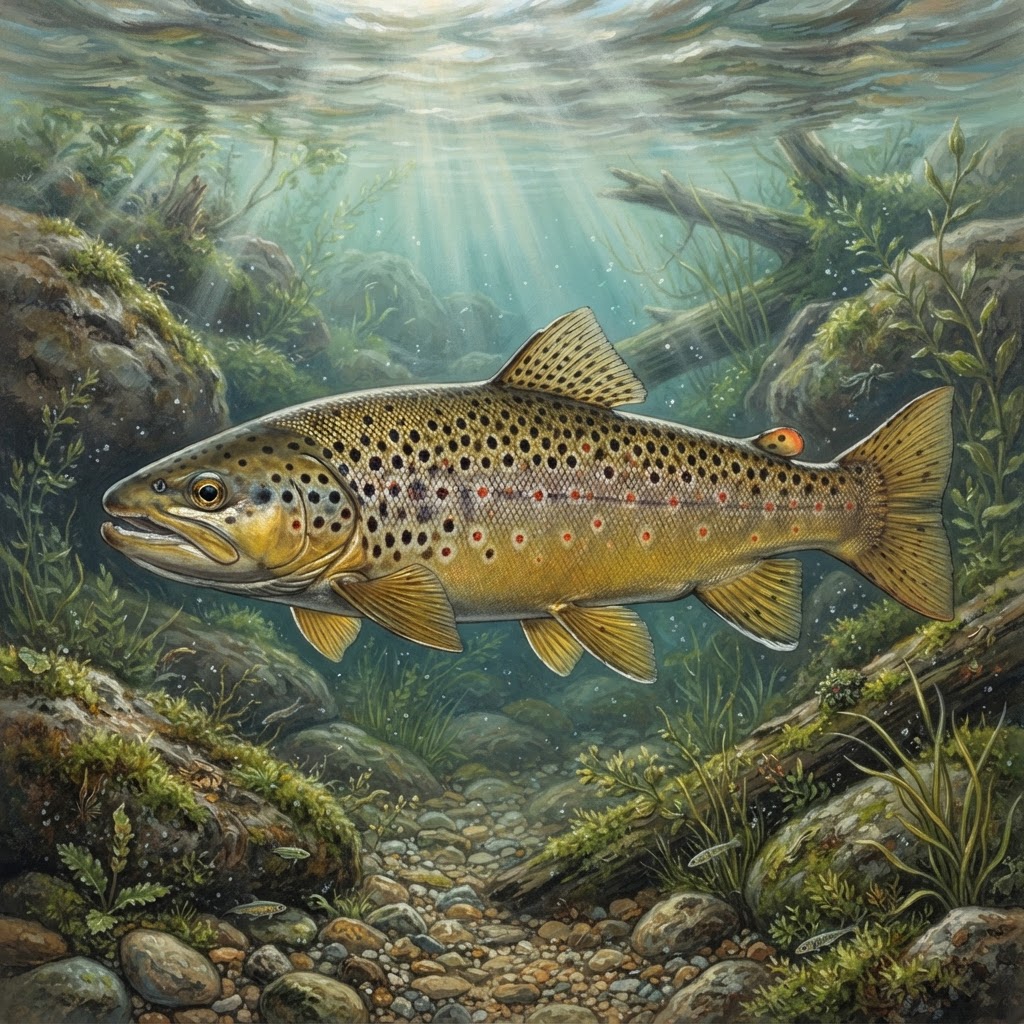
Brown Trout
Salmo trutta
The ultimate elusive predator, the Brown Trout is the crown jewel of stream and lake fishing, prized for its cunning, aggression, and trophy potential.
Typical Size
12 to 24 inches (1 to 5 lbs); trophy specimens often exceed 10+ lbs in large lake systems.
Prime Seasons
Spring and Fall are peak times, as water temperatures are optimal for trout metabolism and active feeding behavior.
Overview
Brown Trout are highly adaptable salmonids introduced to North America from Europe, revered by anglers for their cautious nature and explosive fights. Unlike their counterparts, they are often nocturnal, territorial, and become increasingly elusive as they age, earning a reputation as a true 'angler's fish' that rewards patience and precise presentation. They inhabit a wide variety of environments, from small spring-fed creeks to massive, deep-water reservoirs, where they are apex predators feeding on everything from aquatic insects to smaller baitfish. Because of their ability to grow to massive sizes—often referred to as 'footballs' when they reach record proportions—anglers obsess over targeting them with high-end fly tackle or specialized light-tackle spinning gear.
Identification
- Golden-brown to olive-brown back and sides
- Prominent black and red spots, often surrounded by pale halos
- A squared-off, slightly concave tail fin compared to rainbows
- Large, pronounced mouth that extends well past the eye
- Lack of spots on the tail fin and adipose fin is usually present
Habitat
Diet & Forage
Behavior & Feeding
Brown trout are opportunistic apex predators known for their nocturnal feeding habits and tendency to hold in heavy cover like cut banks and submerged logs. They exhibit high levels of aggression toward territorial intruders, especially during low-light hours like dawn and dusk. Seasonal movements typically involve migrating toward cooler, deeper water or spring-fed tributaries as water temperatures rise in mid-summer. Throughout the year, their diet shifts from terrestrial insects to aquatic nymphs and smaller baitfish as they grow in size.
Spawning
Brown trout are fall spawners, typically initiating the process when water temperatures drop into the 40s to low 50s. They move into shallower, gravel-bottomed riffles to cut redds, often displaying intense territorial behavior that makes them susceptible to streamers. Anglers should prioritize conservation during this phase by avoiding wading on known spawning beds to protect the next generation. Fishing is generally productive leading up to the spawn, but interest in artificial lures often declines as the trout focus exclusively on reproduction.
Water Temperature
Weather Triggers
Overcast skies
Low light levels provide security, triggering aggressive daytime feeding in open water.
Falling barometer
Often signals an impending pressure change, which historically stimulates trout to feed heavily.
Cold front
Triggers lethargy; target deep pools with slow, nymphing tactics to coax a strike.
Steady light rain
Breaks the surface tension and washes insects into the current, often inciting a surface feeding frenzy.
Depth by Season
Best Lure Rigs & Setups
Jerkbait Rig
When: Excellent for targeting trophy-sized browns in lakes when they are actively chasing baitfish.
Setup: 6lb fluorocarbon line, 3-4 inch suspending jerkbait, medium-light spinning rod.
Nymphing Rig (Fly)
When: The most effective way to consistently catch river trout throughout the season.
Setup: 9ft 5wt fly rod, 5x or 6x fluorocarbon tippet, tungsten bead-head nymph, strike indicator.
Live Bait Drift
When: Ideal for river systems where big, wary browns hold under heavy bank structure.
Setup: 4lb fluorocarbon leader, size 8-10 octopus hook, one small split shot, live minnow or nightcrawler.
Best Knots
Lures That Catch Brown Trout
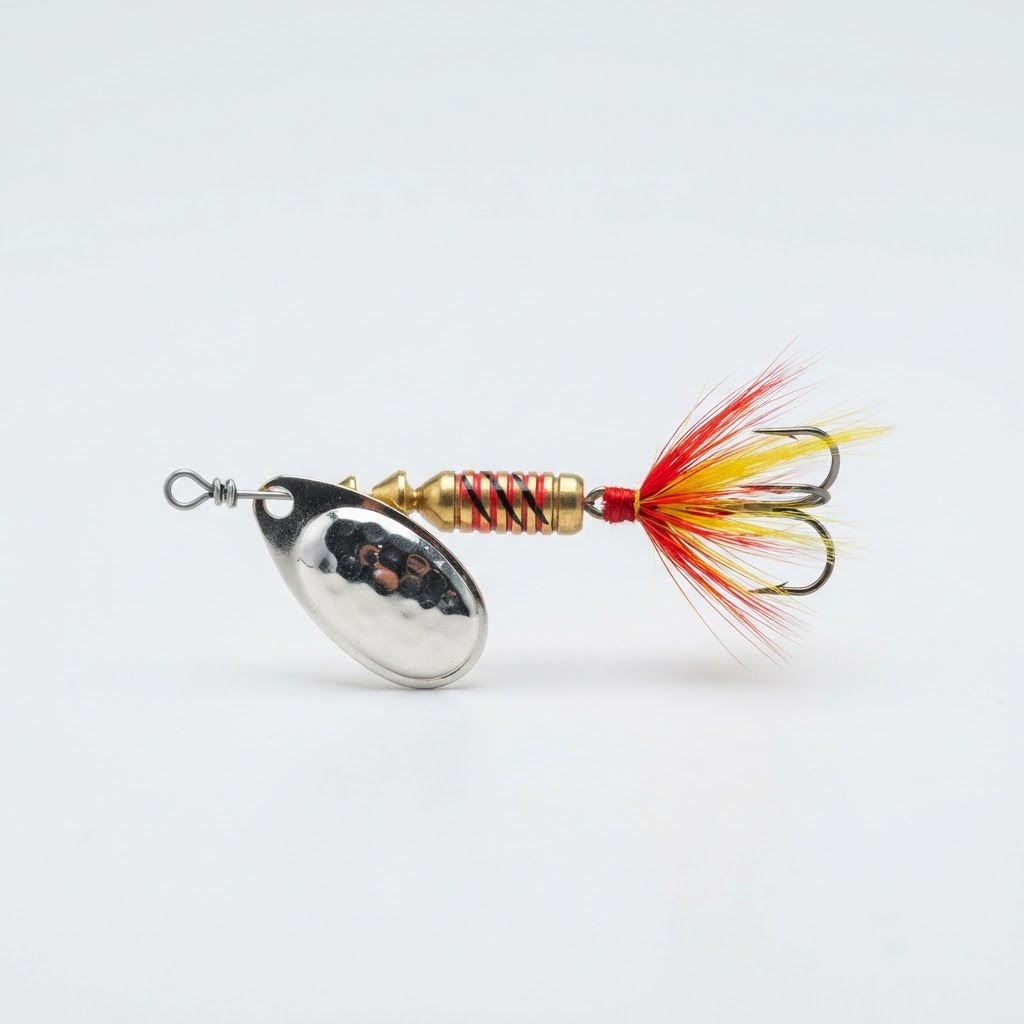 Spinner & Bladed
Inline Spinner
Simple, deadly flash for trout and panfish.
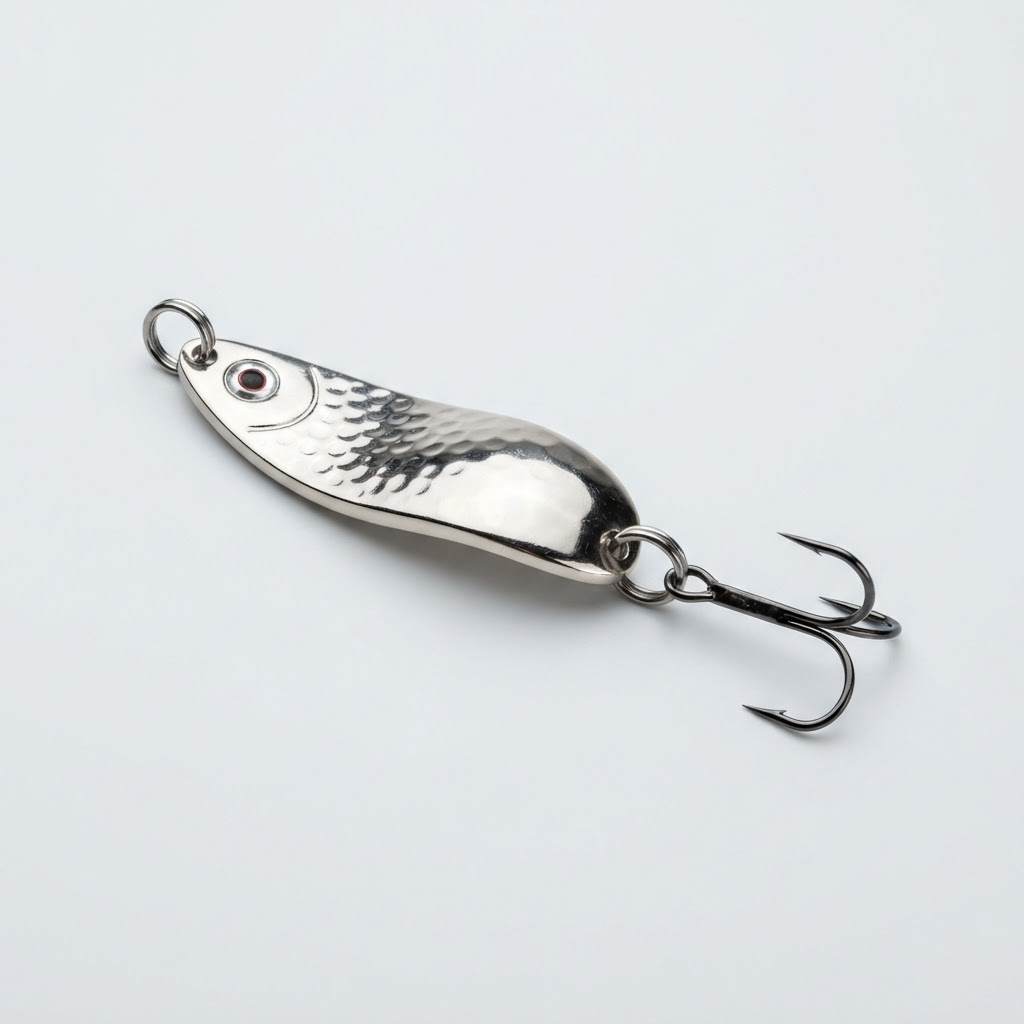 Spoons
Casting Spoon
Wobbling flash that fires up big fish.
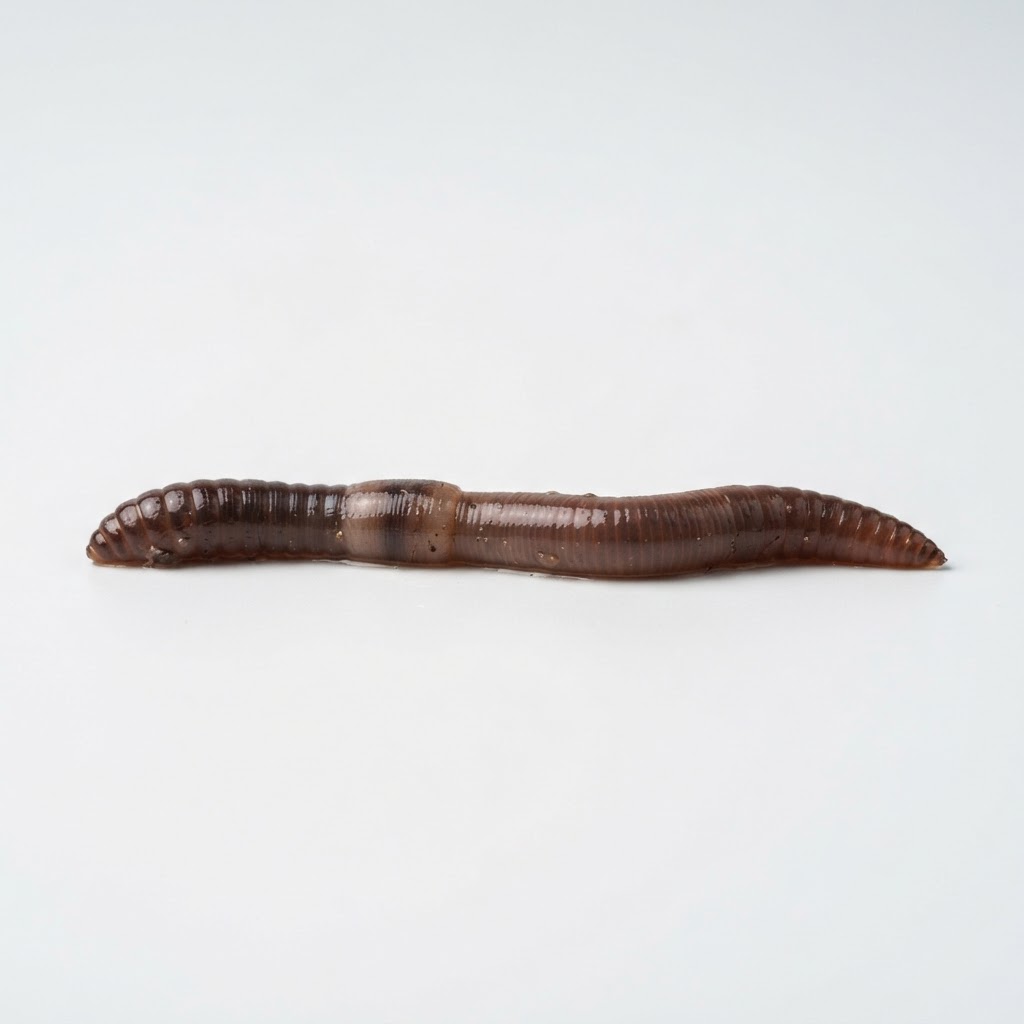 Live Bait
Nightcrawler
Nothing beats live worm for numbers.
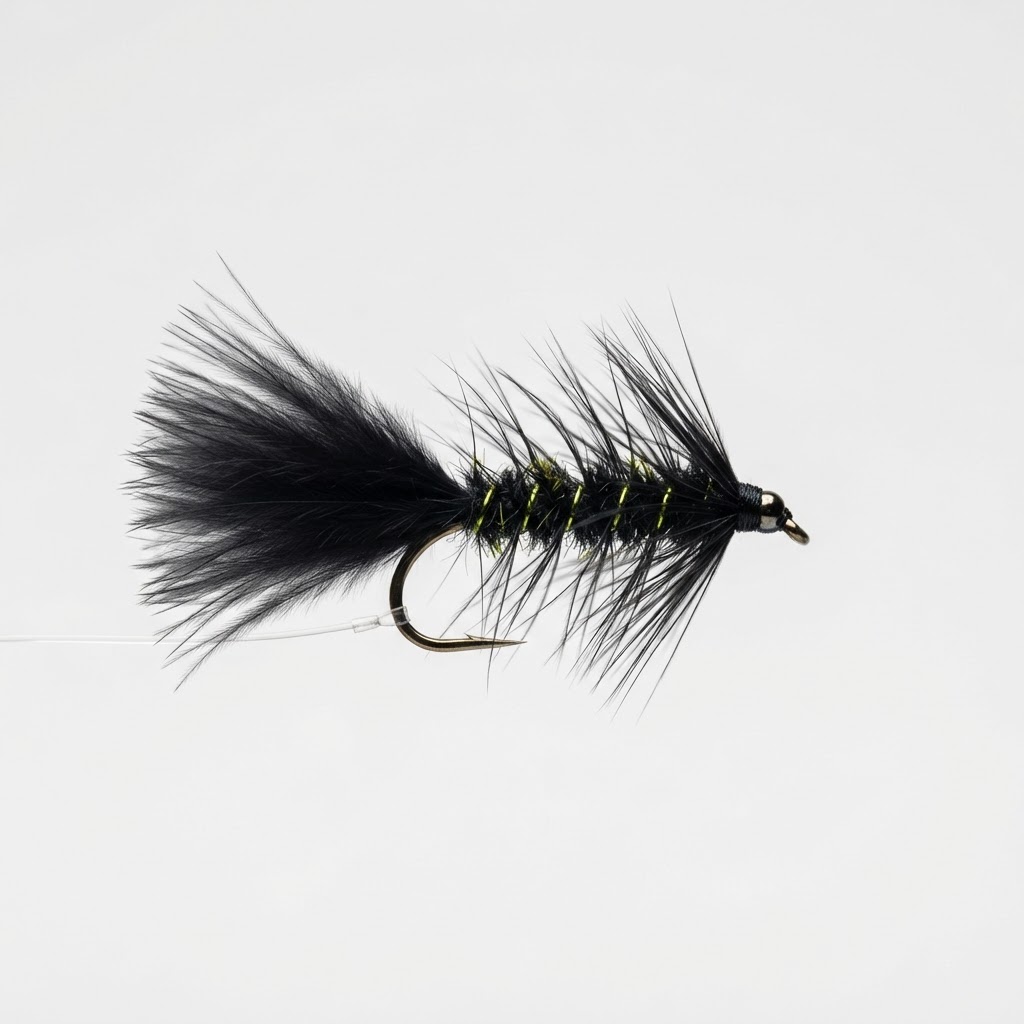 Flies
FliesWoolly Bugger
The most versatile fly ever tied.
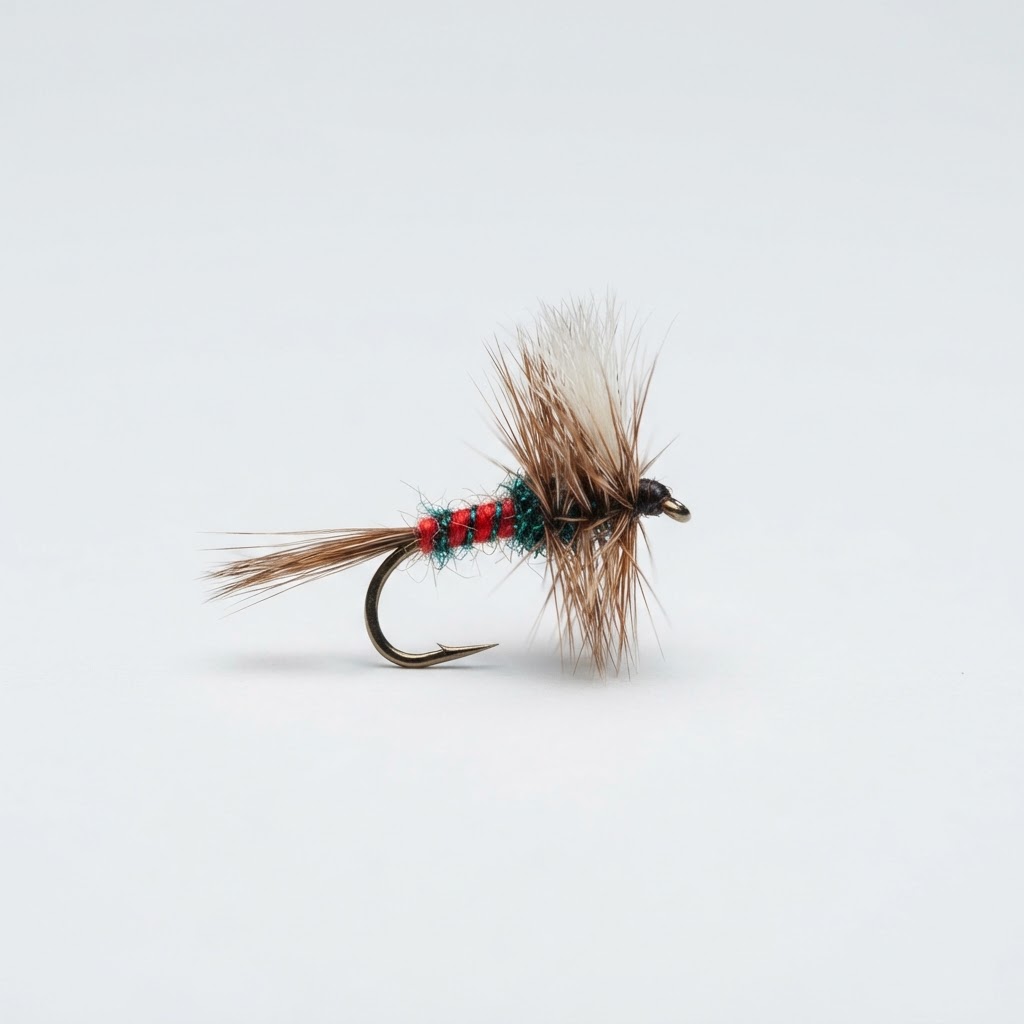 Flies
FliesDry Fly
Match the hatch for surface-feeding trout.
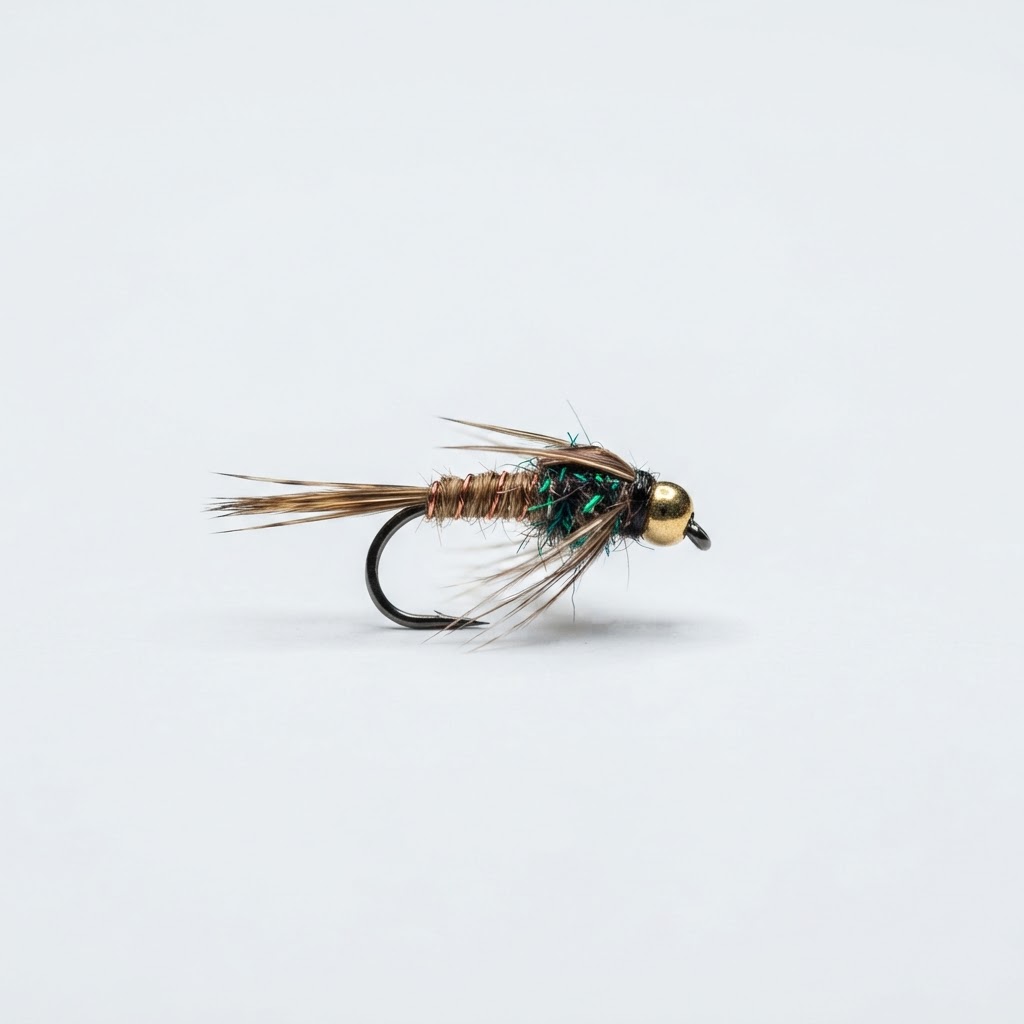 Flies
FliesNymph Fly
Subsurface trout food, drifted deep.
Rigs From The Library For Brown Trout
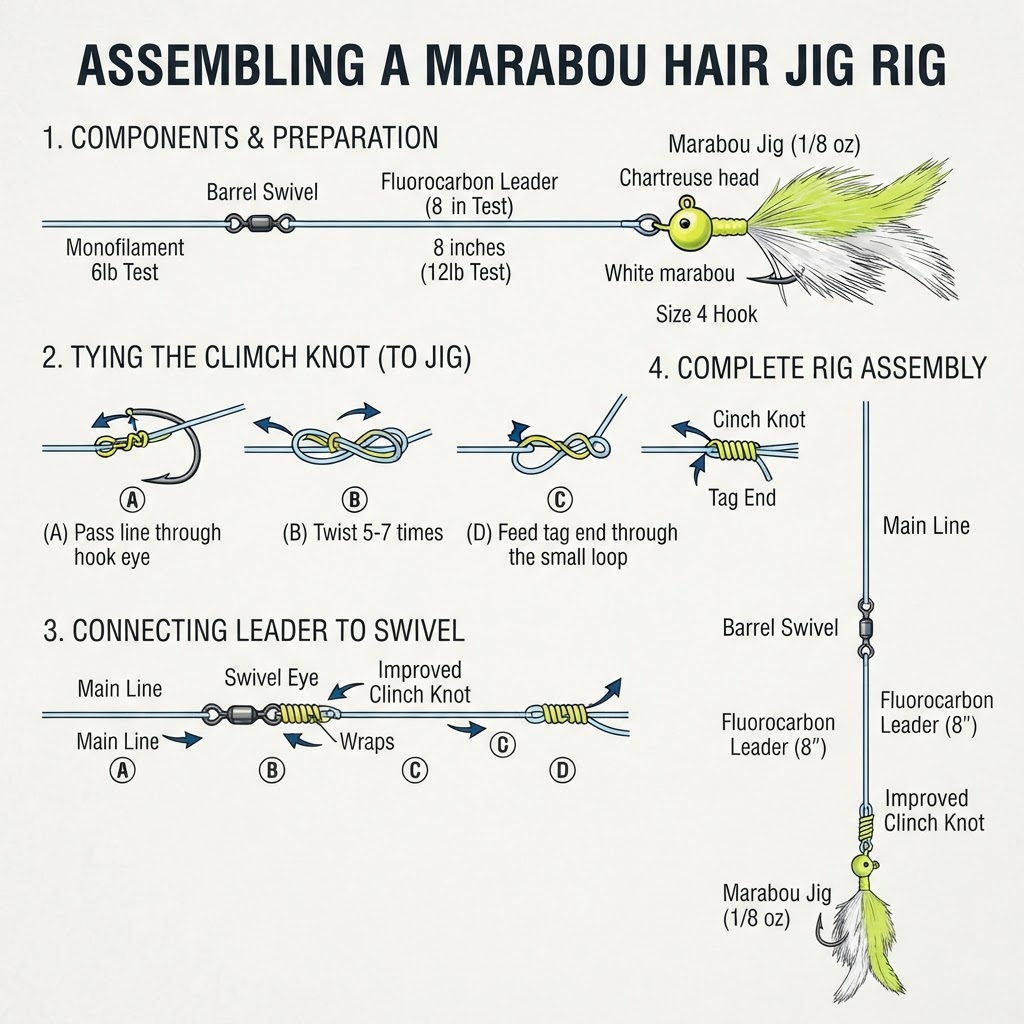 0-20 ft
Marabou Hair Jig
The ultimate finesse presentation that breathes and undulates to trigger strikes from even the most lethargic, cold-water predators.
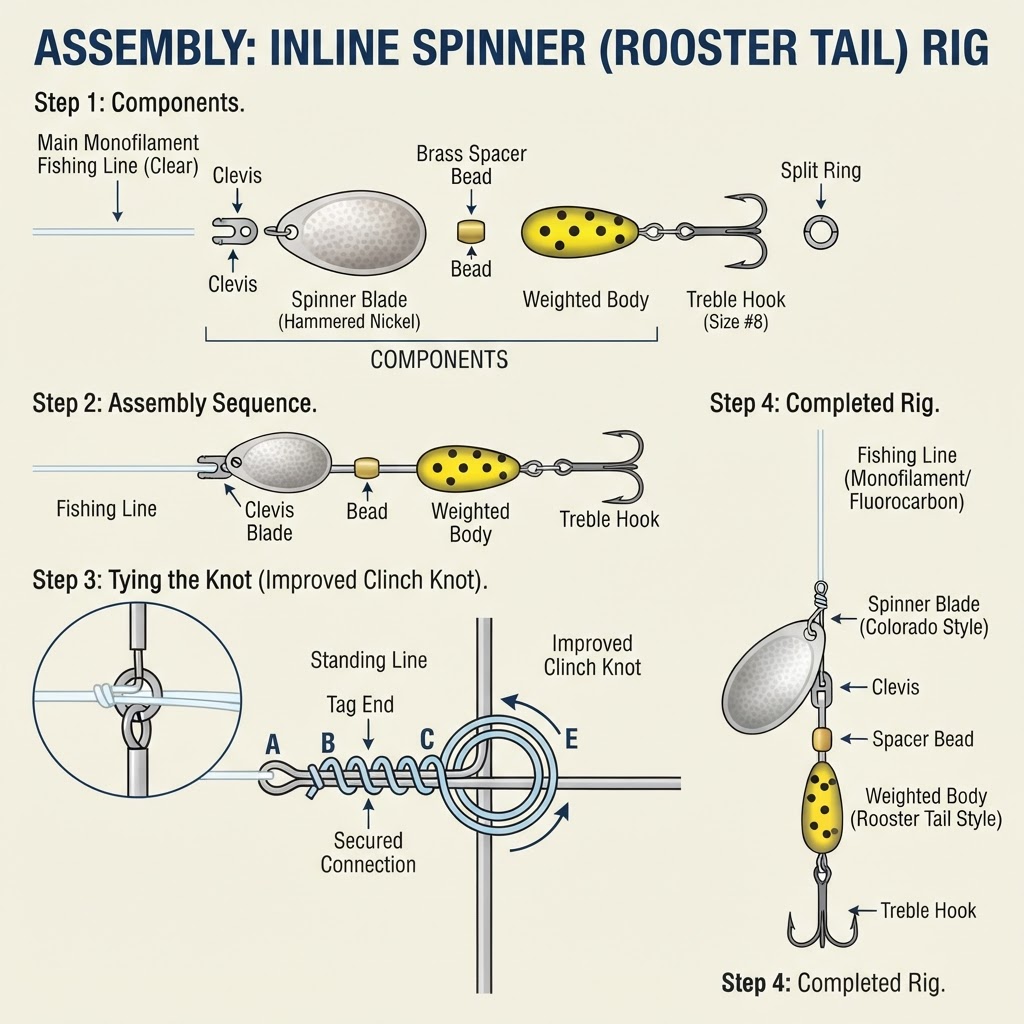 1-8 ft
Inline Spinner (Rooster Tail)
The ultimate multi-species flash-and-vibration machine that triggers predatory strikes with its constant blade rotation.
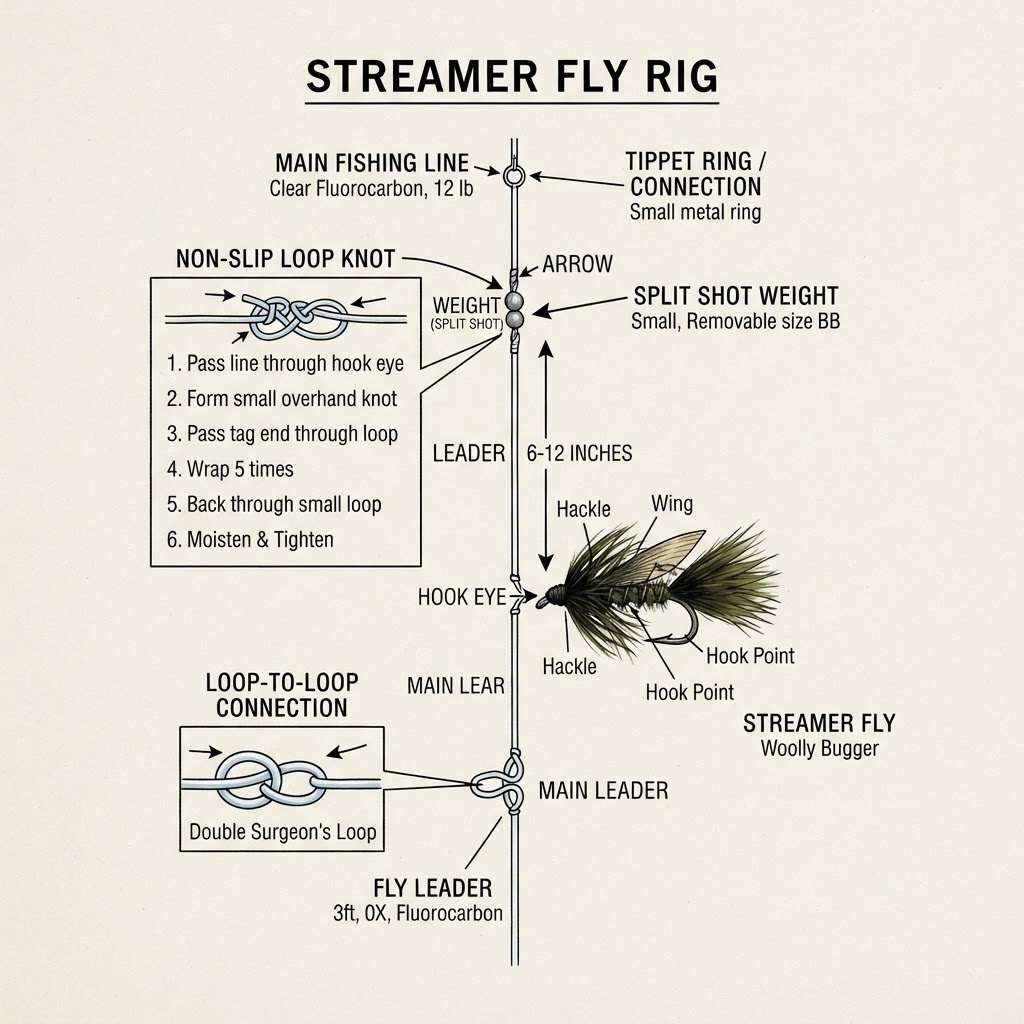 0-10 ft
Streamer Fly Rig
The ultimate predatory imitation designed to mimic fleeing baitfish with pulsing, lifelike action.
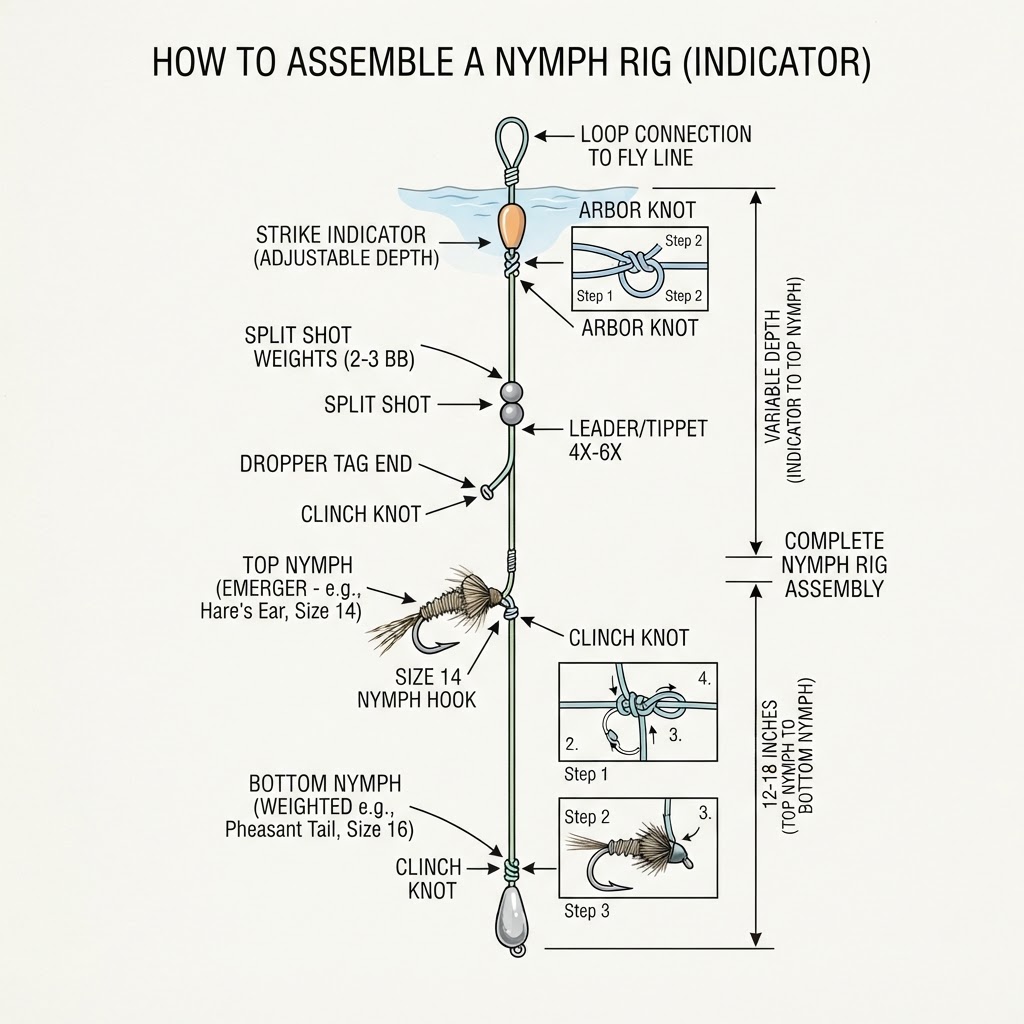 1-8 ft
Nymph Rig (Indicator)
The ultimate precision delivery system for suspending tiny natural imitations directly in the trout's primary feeding zone.
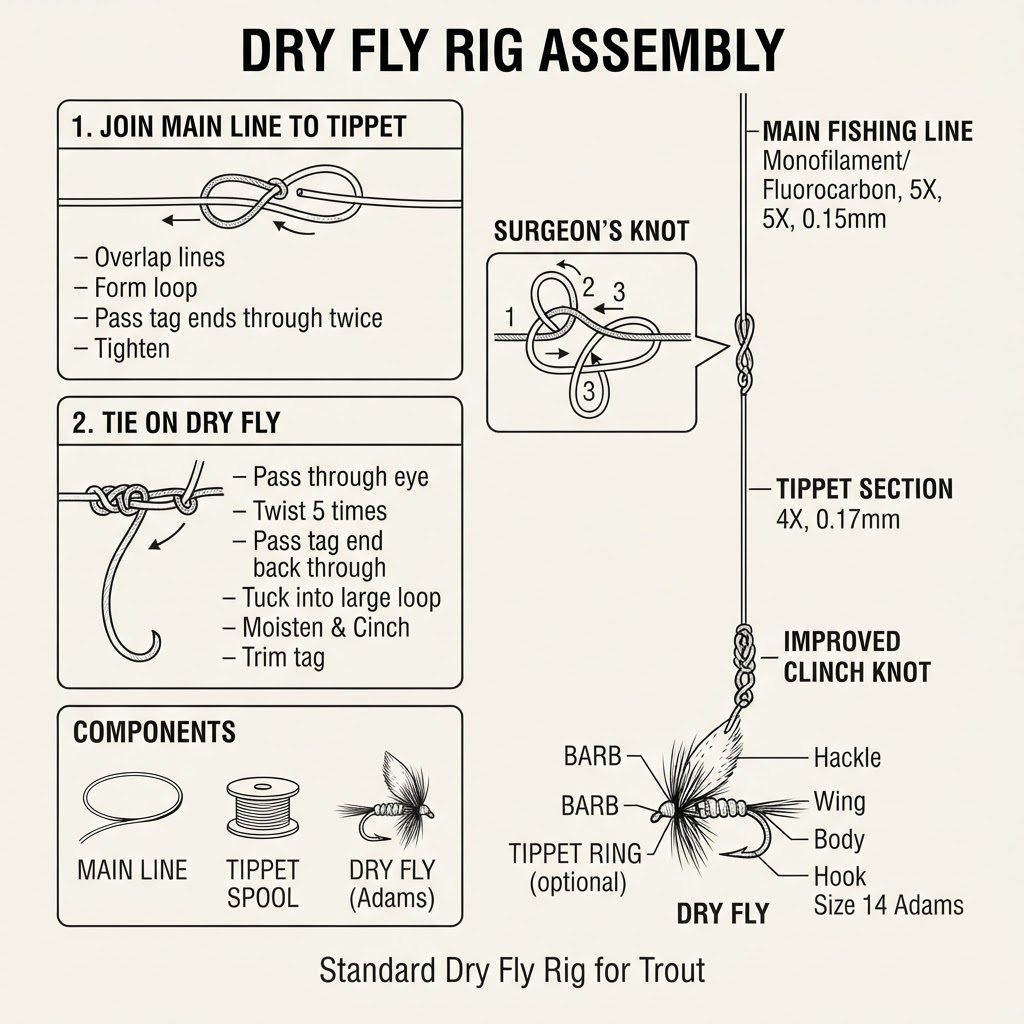 Surface
Dry Fly Rig
The ultimate stealth presentation for selective trout rising to surface insects in flowing water.
Catch more brown trout — free
Create a free account and unlock the full angling toolkit:
Latest from the Community


