
Wingshooting Excellence: A Comprehensive Guide to Mourning Dove Hunting
Understanding the Mourning Dove: Biology and Behavior
The mourning dove (Zenaida macroura) is among the most prolific and widely distributed game birds in North America. Known for their distinct, melancholy cooing and rapid, erratic flight patterns, these birds represent the quintessential early-season hunting opportunity for many. Biologically, mourning doves are fascinating creatures that breed throughout the summer, often producing multiple broods in a single season. This high reproductive rate is why they remain a staple of the American hunting landscape.
Free hunting map, zones & 50-state resources
Save your spots, share zones with your group, and get deer & waterfowl movement forecasts, free.
Understanding their behavior is critical to your success. Doves are creatures of habit; they typically follow a strict daily routine of feeding in grain fields during the early morning and late afternoon, visiting water sources midday, and roosting in trees or fence lines in between. Recognizing these flight paths—often referred to as 'flyways' on a micro-scale—is the secret to filling your bag limit. While they might seem abundant, their keen eyesight and erratic flight make them a test of marksmanship even for seasoned waterfowlers.
Scouting and Habitat Selection
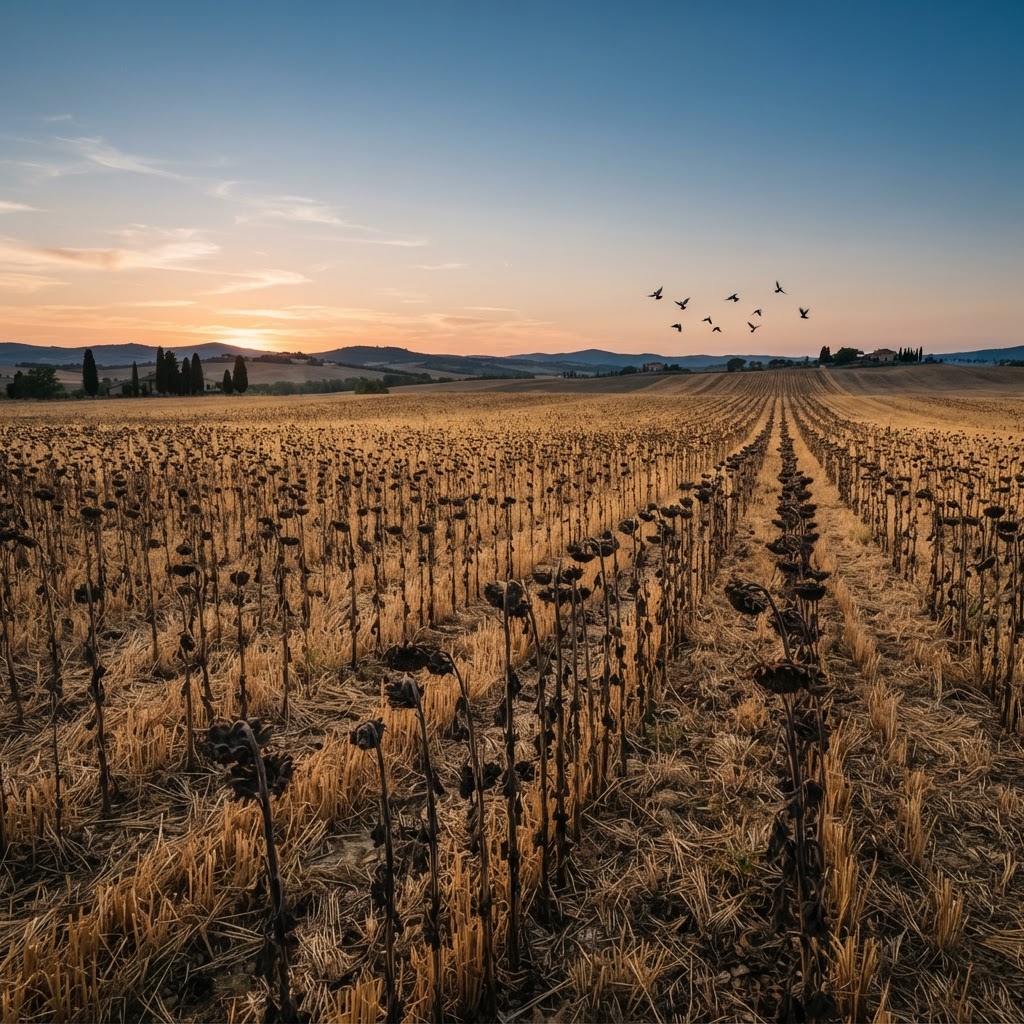
Success begins long before the season opener. Doves prioritize three main resources: food, water, and grit. Fields of harvested wheat, sunflowers, millet, or corn are prime attractants. When scouting, look for freshly harvested ground where waste grain is exposed. Doves are ground feeders with small feet, so they require relatively clean, open dirt to forage effectively. If you are struggling to find consistent flights, utilize to identify agricultural edges or transition zones where birds might be traveling between roosting sites and feeding grounds.
Water is equally important, especially during the hot, dry spells that define the early September season. A pond with a bare or muddy shoreline is like a magnet for thirsty doves. If you can locate a feeding field that also features a nearby water hole or a gravel road where birds pick up grit to aid digestion, you have found the 'triple threat' of dove hunting locations.
Tactics for the Field
Dove hunting is often a social affair, but personal performance depends on concealment and movement control. Because doves have exceptional vision, they can detect even slight motion from hundreds of yards away. Avoid wearing bright colors; instead, opt for camo patterns that break up your silhouette.
BHH Partner
Thinking about selling a rifle or an old family shotgun? Check up-to-date market pricing by make and model before you sell.
webuyguns.comWhen setting up, try to place yourself against a natural backdrop like a hedge row or tall weeds. Avoid skyline silhouettes at all costs. Using a Mojo or similar spinning-wing decoy can drastically increase your success by catching the attention of birds flying at a distance. If you are new to this style of hunting, consider checking in with our to see how other hunters in your region are setting their spreads or managing public land access.
Gear Essentials
For most hunters, a 12-gauge or 20-gauge shotgun is the gold standard. Since shots can vary from close-range incoming birds to high-speed passing shots, improved cylinder or modified chokes are usually preferred to offer a wider pattern. When it comes to ammunition, number 7.5 or 8 shot is the go-to choice for the size and speed of a dove.
E-Tag States

Harvest Tags
E-check means you supply the tag. Printed with the exact fields your state requires.
3-pack $22.95

Youth Hunter Academy
Raise a safe, confident young hunter.
Safety missions for ages 5–17. Free parent account.
Beyond the firearm, comfort is key. Since you will likely be sitting in an open field under the late-summer sun, a quality folding stool, a wide-brimmed hat, and plenty of water are essential. Always ensure your gear is organized. Many hunters find that using helps them stay compliant and organized when working across different state properties, especially if you are hunting multiple zones throughout the season.
Ethical Considerations and Conservation
As with all migratory game bird hunting, ethical conduct is paramount. Always practice safe gun handling, especially in crowded public fields. Make sure to identify your target before pulling the trigger, and be mindful of your shot placement to ensure a clean harvest. Mourning doves are managed via the Migratory Bird Treaty Act, and because populations can fluctuate, it is vital to consult to understand the current daily bag limits and legal shooting hours for your specific location. Responsible stewardship ensures that these iconic birds remain a vibrant part of our wildlife heritage for generations to come.
Final Tips for Success
If you are struggling to connect, remember that the most common mistake is failing to 'lead' the bird enough. Doves fly faster than they appear, and a swing-through motion—starting behind the bird, accelerating through the target, and pulling the trigger as you pass—is often more effective than trying to measure the lead mathematically. Practice at a local sporting clays course before the season begins to build muscle memory. Whether you are a novice or a veteran, the dove field is the perfect place to refine your skills and enjoy the camaraderie of the early season.
Free every morning
Your Daily Briefing
One morning forecast for the spots you actually hunt and fish: deer movement, waterfowl flights, bite times, wind and shooting light.
See what's in itSet up your briefing
Join free, save a spot on the map, then pick what you hunt and fish and when you want your email.
Join 1,313 hunters and anglers on Buckeye Hunter Hub — free.
Latest from the Community



Everything you need to hunt smarter — free
Buckeye Hunter Hub is a free, nationwide platform. Create an account and unlock the full toolkit:
Free Interactive Hunting Map
Mark stands, cameras, and sign. Draw hunting zones with public land & county overlays across all 50 states.
Zones with Group Sharing
Share zones with your hunting group, split property into sections, assign stands, and check in — all in one place.
50 States of Hunting Resources
Season dates, license links, and DNR regulations for every state, kept current so you never miss an opener.
Deer Movement Forecast
Data-driven daily movement predictions using wind, moon, and pressure — know when to sit before you go.
Waterfowl Movement & Tools
Flight-potential forecasts, migration numbers, decoy spread planner, and a full species field guide.
From the Maker Bench

Taggart Outdoors
Custom Western Belt
Hand-built in the USA · $127.99
Shop the MakerBHH Partner
Thinking about selling a rifle or an old family shotgun? Check up-to-date market pricing by make and model before you sell.
webuyguns.comE-Tag States
Harvest Tags
E-check means you supply the tag. Printed with the exact fields your state requires.
3-pack $22.95
More Articles
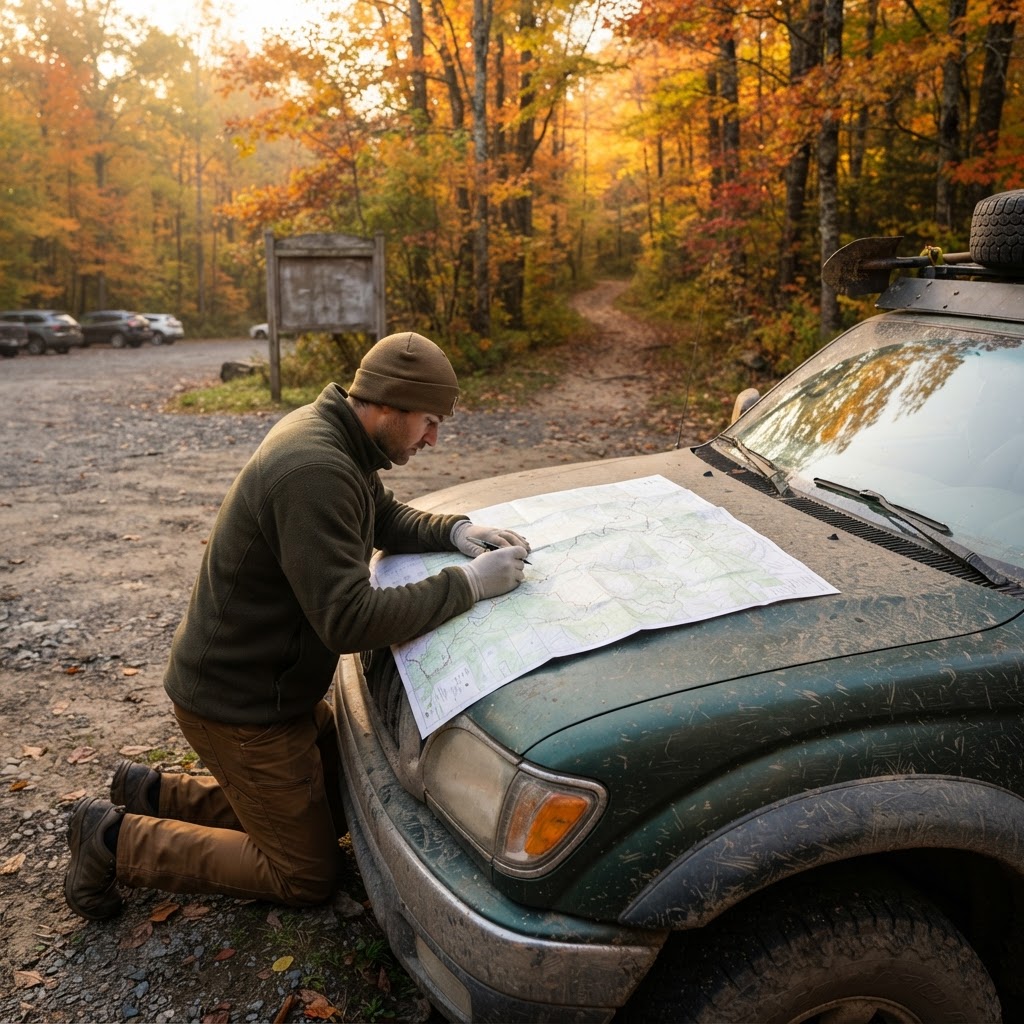
The Strategic Playbook: Building a Winning Public Land Hunting Framework
Hunting public land requires more than just luck; it demands a structured, step-by-step approach to scouting, logistics, and execution. Learn how to build your seasonal game plan from the ground up to consistently outperform the crowd.
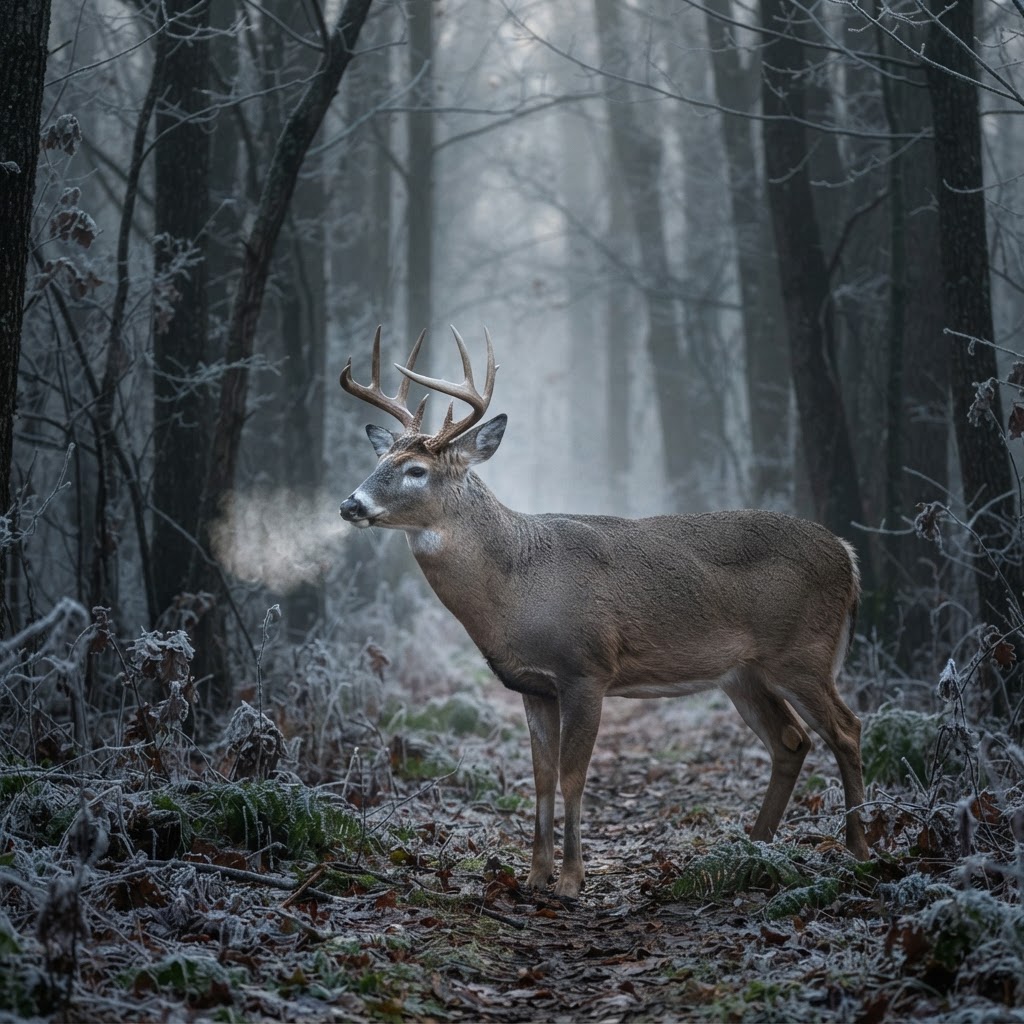
Barometric Pressure and Whitetails: Separating Hunting Folklore from Biological Reality
Does the barometer really dictate when a buck stands up? We dig into the peer-reviewed telemetry data to uncover the truth behind weather-driven deer movement.
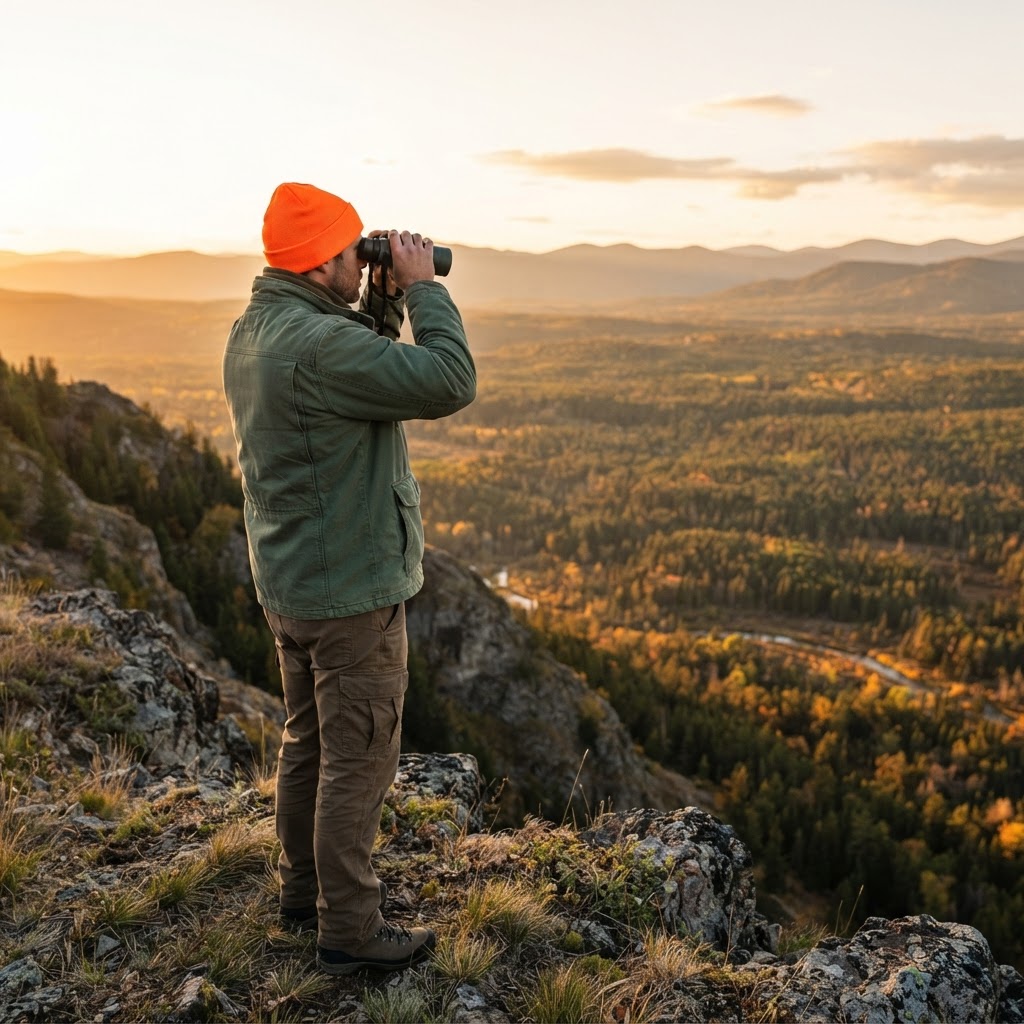
Beyond the Familiar: A Blueprint for Scouting Uncharted Hunting Territory
Stepping into a new hunting zone requires more than just a tag and a rifle. Learn the systematic, five-step framework to transition from a stranger in the woods to a local expert before opening day.

Adapting to Change: Lessons from the Field
Change is the only constant in the woods. Learn how to turn mechanical failures and shifting weather patterns into the knowledge needed to secure your next harvest.