Barometric Pressure and Whitetails: Separating Hunting Folklore from Biological Reality
The Pressure Myth and the Biological Reality
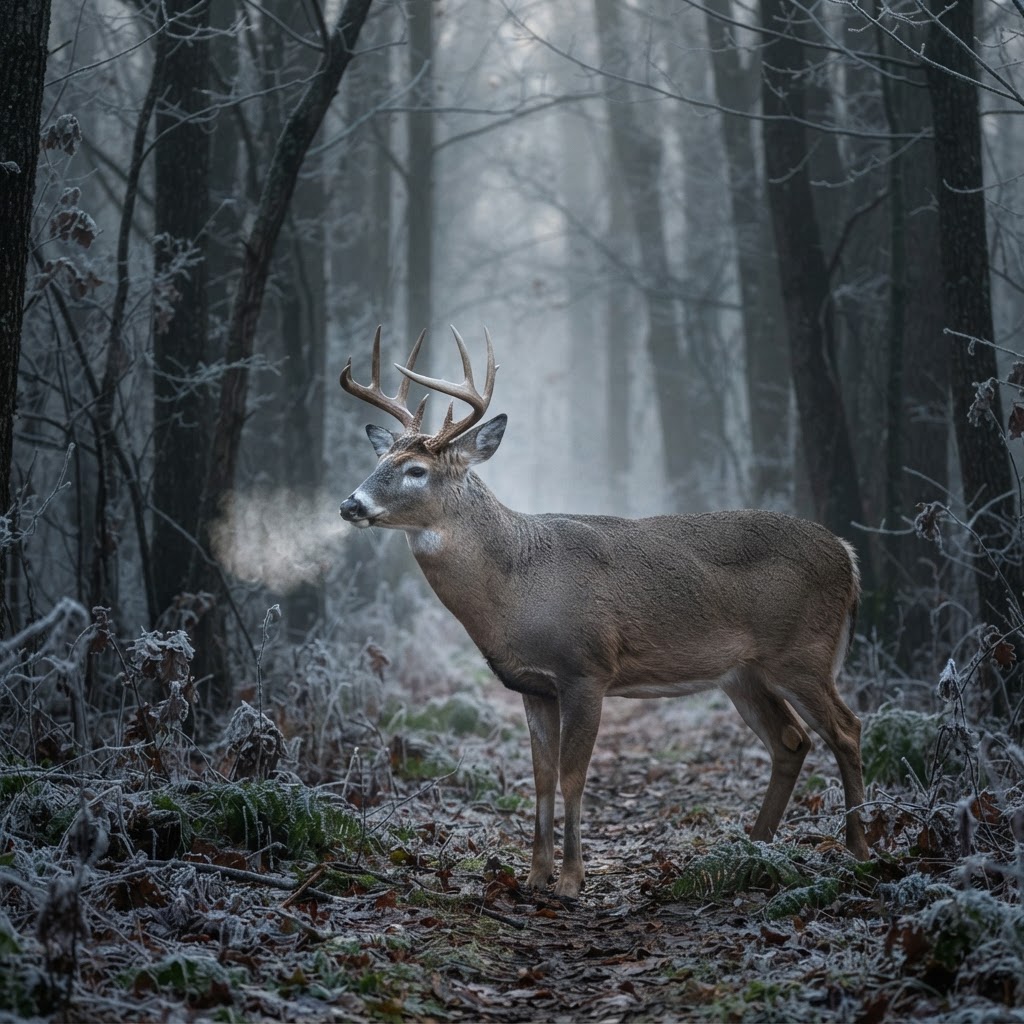
For decades, hunters have lived by the golden rule of the mercury. We check our local weather apps, look for that magic number—usually 30.00 inches of mercury—and decide whether to head to the stand or stay on the couch. But does the atmosphere truly hold the key to killing a mature buck? When we look past the hunting forum anecdotes and turn toward peer-reviewed telemetry studies, the answer is far more nuanced than a single number.
Get the deer movement forecast for your spot, free
See the best days and hours to sit this week, built from your spot's weather, moon, and wind.
At Buckeye Hunter Hub, we believe in . By examining GPS-collar data from multiple states, we can see that while barometric pressure is a factor, it is often a lagging indicator of more significant environmental shifts. Deer are not reacting to a dial on a gauge; they are reacting to the physiological stressors created by changing weather systems.
Understanding the Barometric Window
Barometric pressure is simply the weight of the air above us. A high-pressure system typically brings clear, stable, and colder air, while a low-pressure system is associated with rising air, clouds, and precipitation. Whitetails are highly sensitive to these shifts, but the movement patterns observed by biologists aren't just about the pressure value—they are about the change itself.
Telemetry data consistently shows that the most significant surges in movement occur during the transition period—specifically, the 24 hours surrounding a sharp change in pressure. When a low-pressure front moves in, it creates a drop in air density and often initiates a drop in temperature. Deer, being endothermic, are constantly balancing their energy expenditure. When the barometer dips rapidly, it usually precedes a major shift in wind direction or incoming precipitation. Deer often feed aggressively in the hours before a front hits to stock up on calories to endure the subsequent period of inactivity when the weather becomes severe.
The Hierarchy of Movement Drivers
It is essential to understand that barometric pressure is not the king of the forest. In fact, compared to photoperiodism (the amount of daylight) and the rut, its influence is secondary. If you are scouting for a mature buck, you need to weigh your environmental factors in the correct order:
- Photoperiod/Rut: This is the absolute driver. No amount of high pressure will keep a buck in his bed during the peak of the rut.
- Temperature Thresholds: Whitetails are built for cold weather. A significant drop in temperature is a much more reliable movement trigger than a high-pressure reading on a sunny day.
- Pressure Trends: The rate of change in the barometer is more predictive than the absolute value.
- Moon Phase: Despite the persistent popularity of moon-based solunar tables, extensive research shows this has a negligible impact on whitetail movement compared to weather patterns.
BHH Partner
Thinking about selling a rifle or an old family shotgun? Check up-to-date market pricing by make and model before you sell.
webuyguns.comHow to Use Weather Data in the Field
If you want to move beyond guessing, stop looking for one 'perfect' number and start looking for patterns. The best time to be in the stand is during the 'barometric bounce.' This occurs as the pressure begins to level off and rise shortly after a front has passed. This clearing trend often signals a period of calm, cool weather, which encourages bucks to rise from their bedding areas to re-establish their feeding patterns.
If you have been using our to plan your hunts, you’ve likely noticed that the best ratings often align with 'front-related' activities. This is because these fronts trigger the biological need to forage. Instead of waiting for a high-pressure day, focus your efforts on the lead-up to a storm and the immediate aftermath when the barometer begins to stabilize.
E-Tag States

Harvest Tags
E-check means you supply the tag. Printed with the exact fields your state requires.
3-pack $22.95

Youth Hunter Academy
Raise a safe, confident young hunter.
Safety missions for ages 5–17. Free parent account.
Avoiding Over-Reliance on Data
While data-driven decisions are vital, nothing replaces boots-on-the-ground scouting. You can use to identify bedding and transition zones, but if the wind is wrong, the barometer doesn't matter. Deer will always prioritize safety and wind scenting over barometric preferences. If a buck knows the wind is wrong, he will stay put regardless of what the mercury is doing.
As you head into the late season, remember that temperature and thermal cover often override pressure readings entirely. When the mercury drops into the teens, deer will move to conserve energy and find high-quality forage to combat the cold. That is when your are most likely to get some use. Focus on those micro-climates, deep in the timber, where the air is still and the deer feel secure enough to move during daylight hours.
In conclusion, barometric pressure is a tool, not a crystal ball. Use it to understand when the environment is becoming more favorable for movement, but never let a 'bad' pressure reading keep you home during the heart of the rut. The best time to be in the woods is, and always will be, whenever you can manage to get there.
Free every morning
Your Daily Briefing
One morning forecast for the spots you actually hunt and fish: deer movement, waterfowl flights, bite times, wind and shooting light.
See what's in itSet up your briefing
Join free, save a spot on the map, then pick what you hunt and fish and when you want your email.
Join 1,313 hunters and anglers on Buckeye Hunter Hub — free.
Latest from the Community



Everything you need to hunt smarter — free
Buckeye Hunter Hub is a free, nationwide platform. Create an account and unlock the full toolkit:
Free Interactive Hunting Map
Mark stands, cameras, and sign. Draw hunting zones with public land & county overlays across all 50 states.
Zones with Group Sharing
Share zones with your hunting group, split property into sections, assign stands, and check in — all in one place.
50 States of Hunting Resources
Season dates, license links, and DNR regulations for every state, kept current so you never miss an opener.
Deer Movement Forecast
Data-driven daily movement predictions using wind, moon, and pressure — know when to sit before you go.
Waterfowl Movement & Tools
Flight-potential forecasts, migration numbers, decoy spread planner, and a full species field guide.
From the Maker Bench

Taggart Outdoors
Custom Western Belt
Hand-built in the USA · $127.99
Shop the Maker
BHH Partner
Firearms, ammo and gear from a local Ohio shop in Grafton.
dnaarmory.comE-Tag States
Harvest Tags
E-check means you supply the tag. Printed with the exact fields your state requires.
3-pack $22.95
More Articles
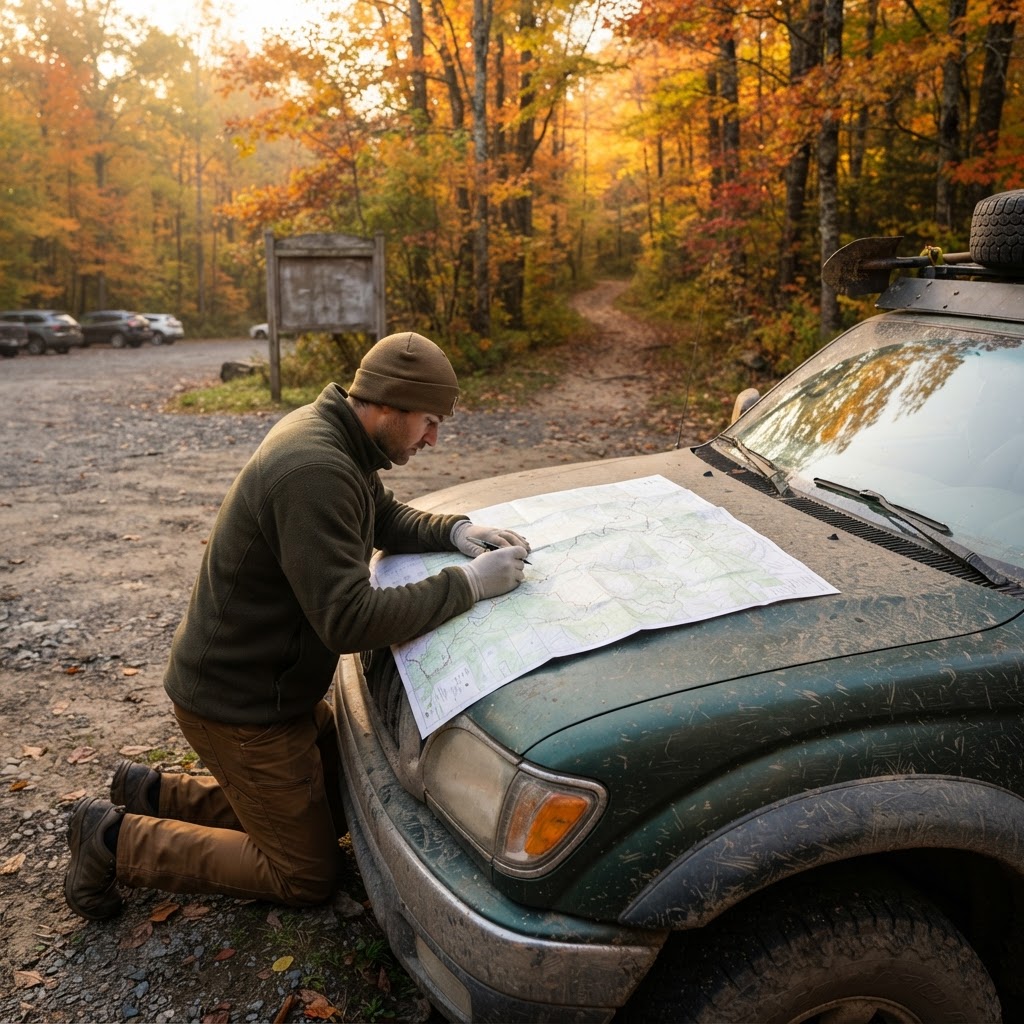
The Strategic Playbook: Building a Winning Public Land Hunting Framework
Hunting public land requires more than just luck; it demands a structured, step-by-step approach to scouting, logistics, and execution. Learn how to build your seasonal game plan from the ground up to consistently outperform the crowd.
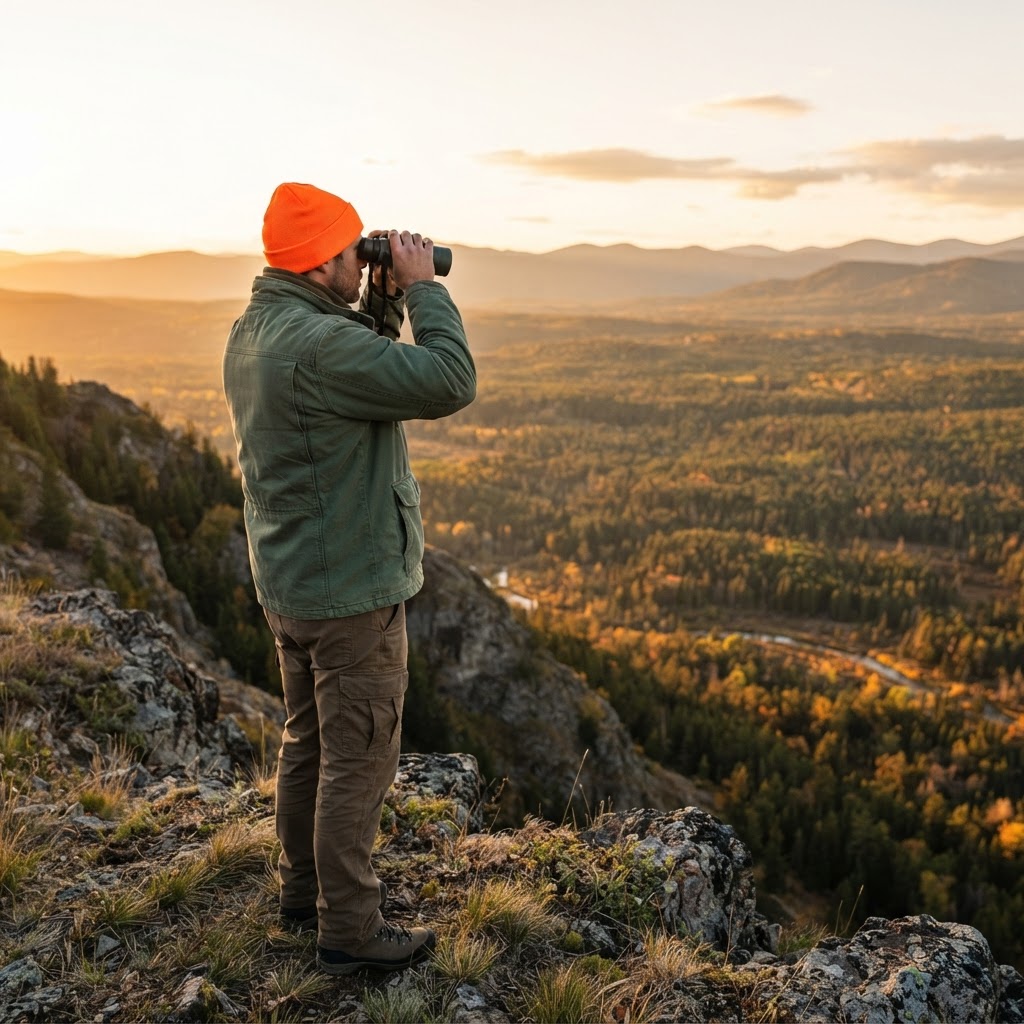
Beyond the Familiar: A Blueprint for Scouting Uncharted Hunting Territory
Stepping into a new hunting zone requires more than just a tag and a rifle. Learn the systematic, five-step framework to transition from a stranger in the woods to a local expert before opening day.

Adapting to Change: Lessons from the Field
Change is the only constant in the woods. Learn how to turn mechanical failures and shifting weather patterns into the knowledge needed to secure your next harvest.
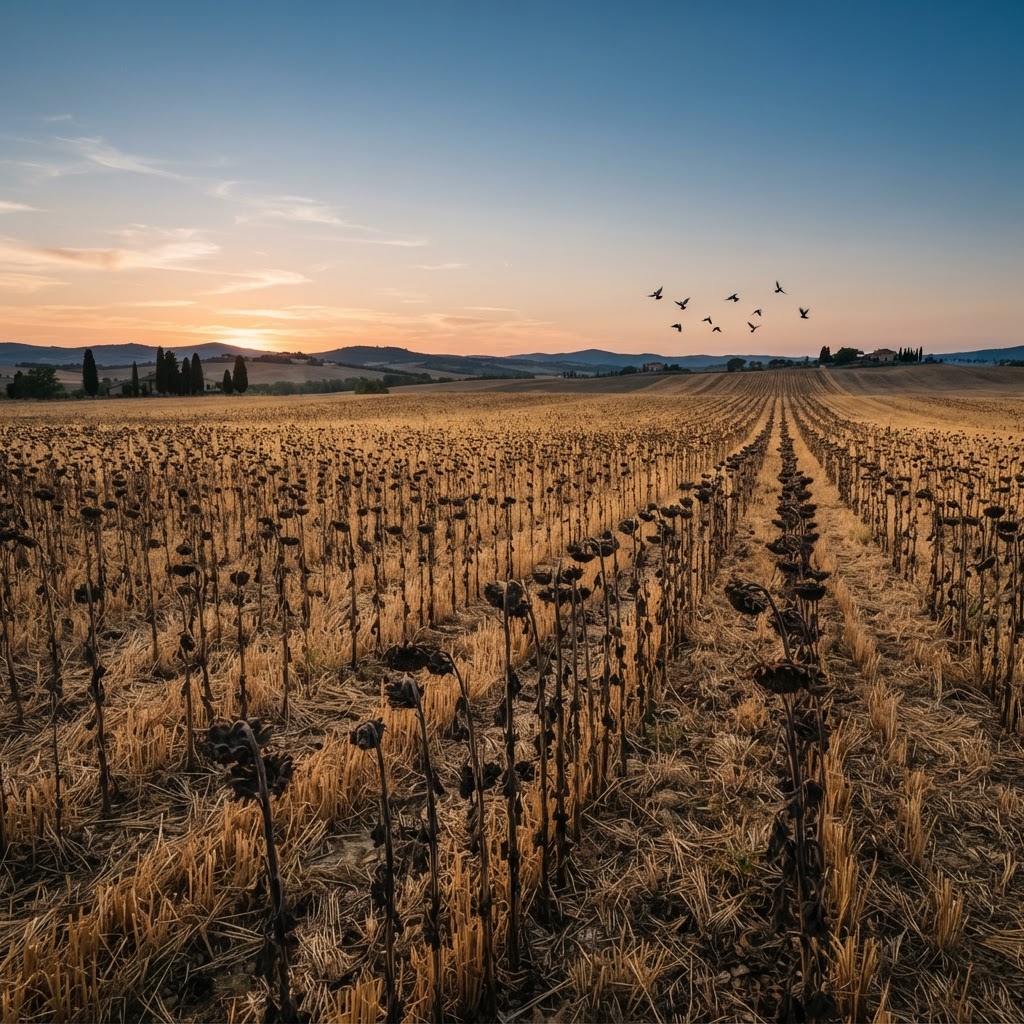
Wingshooting Excellence: A Comprehensive Guide to Mourning Dove Hunting
Often called the 'acrobat of the sky,' the mourning dove offers some of the most challenging and rewarding wing-shooting in the United States. Master the tactics, gear, and field craft necessary for a successful season.