
PA Regular Firearms Deer Season 2026 Dates and New Rules
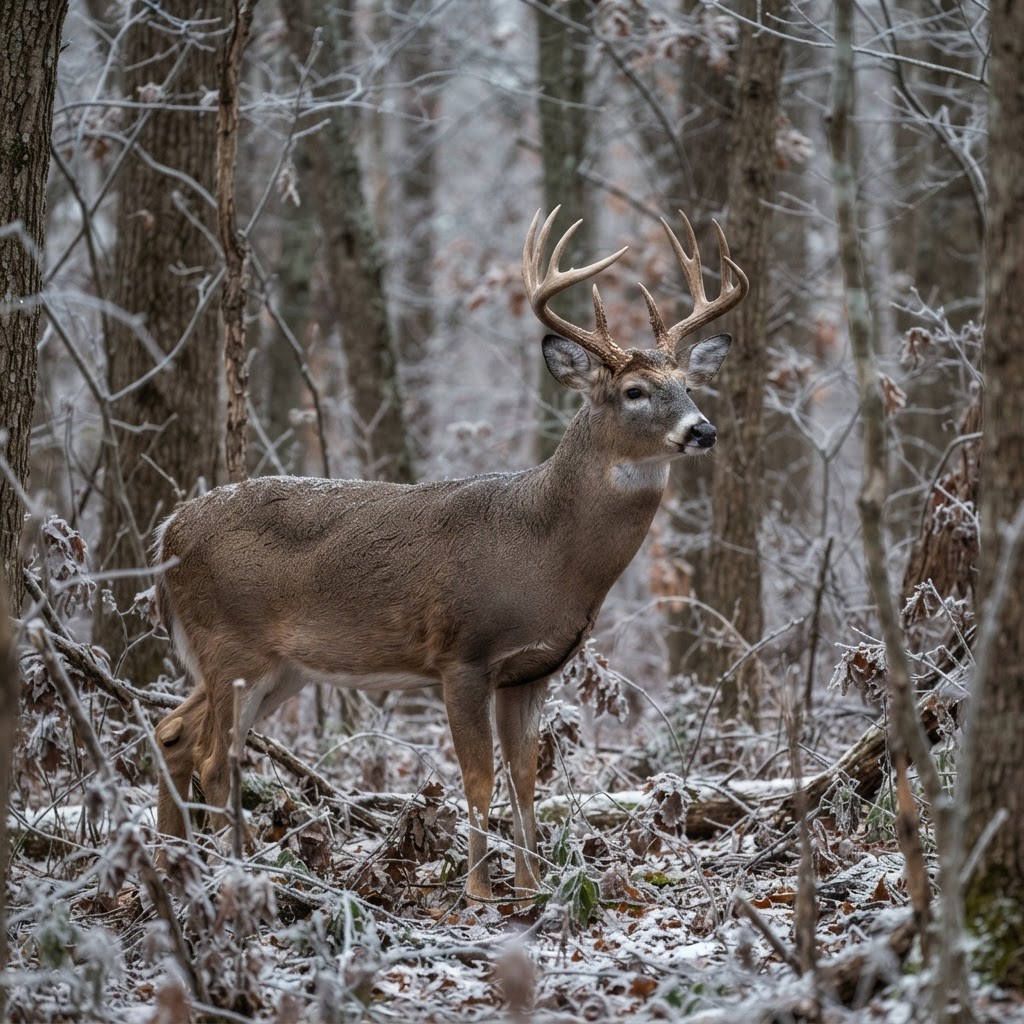
2026 Regular Firearms Deer Season Dates
The Pennsylvania regular firearms deer season for 2026 opens on Saturday, November 28, and continues through Sunday, December 13. This year marks a significant change in the hunting calendar, as the Pennsylvania Game Commission has expanded Sunday hunting to include every Sunday that falls within the season dates. This means hunters have access to the woods for the entire duration of the season, including November 29, December 6, and the final day, December 13. If you are planning your time in the field, you can check the to see how these dates align with other ongoing seasons across the Commonwealth.
Beyond the standard season, hunters should note that specific extended antlerless seasons exist for certain areas. In WMUs 2B, 5C, and 5D, as well as on DMAP properties, the extended season runs from December 26 through January 24, 2027. For WMUs 4A, 4C, 4D, and 5A, the extended season concludes on January 18, 2027. Always verify your specific WMU status on the official Game Commission website before planning any late-season outings, as these dates are subject to change based on management needs.
Get the deer movement forecast for your spot, free
See the best days and hours to sit this week, built from your spot's weather, moon, and wind.
License Requirements and Tagging
To participate in the regular firearms season, you must possess a valid general hunting license. For adult residents, the cost is $20.97, while adult nonresidents pay $101.97. Your general license allows for the harvest of one antlered deer per license year. If you intend to harvest antlerless deer, you must hold a valid Wildlife Management Unit (WMU)-specific antlerless license or a Deer Management Assistance Program (DMAP) permit for the area you are hunting.
If you have not yet purchased your license, be aware that online orders are mailed to your address to provide you with a physical harvest tag. With the season opener only days away, the Game Commission strongly advises purchasing your license in person at a licensed issuing agent to ensure you have your tag in hand before heading into the woods. Once you harvest a deer, you are legally required to affix the tag to the ear—not the antler—before moving the animal. Use a large safety pin to secure the tag, as it will not damage the ear, and ensure all information is filled out with a ballpoint pen.
When purchasing your licenses, be aware that the system allows for multiple antlerless tags. You may hold up to six licenses for most WMUs, with additional opportunities in 5C and 5D where you can purchase up to nine. Resident antlerless licenses cost $6.97, while nonresidents pay $26.97. If you are a disabled veteran or active-duty military personnel, you may qualify for guaranteed antlerless licenses. Check the current fee schedule on the Game Commission website to ensure you have the correct funds for your specific permits.
New Statewide CWD Disposal Regulations
Significant changes have been implemented for the 2026-27 season regarding the management of Chronic Wasting Disease (CWD). It is now unlawful statewide to dispose of high-risk deer parts on the landscape away from the site of harvest. High-risk parts include the head, brain, eyes, tonsils, lymph nodes, spinal cord, backbone, spleen, and upper canine teeth.
Under the new rules, you are no longer prohibited from transporting a harvested deer between locations. You may bring your deer home or to a processor anywhere in the state. However, once you have processed the animal, you must dispose of all high-risk parts through a commercial trash service. Burying these parts at the harvest site is permitted if you choose to leave them in the woods, but you may not transport them to a different location and discard them on the ground. These measures are critical to preventing the human-assisted spread of CWD across Pennsylvania.
If you are processing your deer at home, you must be diligent about the disposal of high-risk materials. These parts, including the brain and spinal column, must be placed in your regular household trash for pickup by a commercial service. Do not attempt to burn these remains or compost them on your property, as this does not effectively neutralize the prions responsible for CWD. Following these disposal protocols is a legal requirement that helps protect the long-term health of the Commonwealth's deer herd.
Antler Point Restrictions
Antler restrictions remain a core component of Pennsylvania’s deer management strategy. In the majority of the state's WMUs, a legal buck must have at least three points to a side, counting the brow tine. However, in WMUs 1A, 1B, 2A, 2B, and 2D, the requirement is stricter: a buck must have three points to a side, not counting the brow tine.
BHH Partner
Thinking about selling a rifle or an old family shotgun? Check up-to-date market pricing by make and model before you sell.
webuyguns.comExceptions to these rules exist for specific groups, including junior license holders, mentored youth, disabled hunters with a permit to use a vehicle, and resident active-duty U.S. Armed Services personnel. These hunters may harvest an antlered deer with two or more points on one antler, or a spike at least three inches in length. Always verify your specific WMU boundaries before you pull the trigger.
Understanding the nuances of point counting is vital to avoiding a citation. When counting points, remember that a point must be at least one inch long from base to tip. If you are hunting in a unit with a three-point restriction, ensure you have a clear view of the antler structure before taking a shot. If you are uncertain about the legality of a buck, it is better to pass on the shot. Detailed diagrams of point counting are available in the annual Hunting and Trapping Digest.
Fluorescent Orange Requirements
Safety remains the priority during the firearms season. All hunters are required to wear a minimum of 250 square inches of fluorescent orange material on their head, chest, and back combined. This material must be visible from 360 degrees. A standard orange hat and vest combination typically satisfies this requirement. Note that this rule also applies to non-hunters using state game lands through January 31. If you are hunting from a blind or an enclosed tree stand, you must also display a 100-square-inch orange band within 15 feet of your position.
Texas · E-Tag State

Texas Harvest Tags
E-check means you supply the tag. Printed with the exact fields Texas requires.
3-pack $22.95

Youth Hunter Academy
Raise a safe, confident young hunter.
Safety missions for ages 5–17. Free parent account.
While the 250-square-inch requirement is the legal minimum, many experienced hunters choose to exceed this for added visibility in dense brush or low-light conditions. If you are using a ground blind, ensure your orange material is securely fastened so it does not flap in the wind, which can spook deer. Remember that this requirement is strictly enforced by wildlife conservation officers. If you are ever in doubt about your gear, consult the latest version of the Hunting and Trapping Digest for visual examples.
Reporting Your Harvest
After a successful hunt, you are required to report your harvest to the Game Commission within 10 days. You can complete this process online at the official agency website, by calling 1-800-838-4431, or by mailing in the postage-paid report card provided in your hunting digest. Mentored youth hunters have a shorter window and must report their harvest within five days. If you are hunting with a DMAP permit, you must report your success—or lack thereof—within 10 days of the final date of the season.
When reporting your harvest, have your Customer Identification number and the information from your field harvest tag ready. If you choose to report by phone, be prepared for potential wait times during peak hours. If you prefer mailing your report card, ensure it is filled out completely and legibly to avoid processing errors. The Game Commission uses this data to set future tag allocations, so accurate reporting is a direct contribution to the scientific management of Pennsylvania's deer population.
Preparing for the Opener
With the season starting on November 28, scouting and preparation are essential. If you are still looking for a place to hunt, you can utilize a to identify accessible areas. Many hunters also find it helpful to monitor local conditions to understand how the weather might influence deer behavior. While luck plays a role, consistent success often comes from understanding the terrain and the specific regulations of your chosen WMU. For those traveling across state lines, remember that other states have different rules; you can always find to ensure you remain compliant wherever you hunt. If you find yourself tracking a deer after the shot, keep a handy to assist in your recovery efforts.
Before heading out, check your equipment for any mechanical issues. Ensure your firearm is sighted in at the distance you expect to shoot, and practice from field positions rather than just a bench rest. If you are hunting on public land, arrive early to secure a spot, but remain respectful of other hunters. If you encounter a wildlife violation, you can report it anonymously by calling 1-888-PGC-8001. Being a responsible hunter involves both preparation and a commitment to ethical conduct in the field.
Hunting this season? to save your stands and zones on the map and get a heads-up before seasons open in your state.
Frequently Asked Questions
Free every morning
Your Daily Briefing
One morning forecast for the spots you actually hunt and fish: deer movement, waterfowl flights, bite times, wind and shooting light.
See what's in itSet up your briefing
Join free, save a spot on the map, then pick what you hunt and fish and when you want your email.
Join 1,534 hunters and anglers on Buckeye Hunter Hub — free.
Latest from the Community



Everything you need to hunt smarter — free
Buckeye Hunter Hub is a free, nationwide platform. Create an account and unlock the full toolkit:
Free Interactive Hunting Map
Mark stands, cameras, and sign. Draw hunting zones with public land & county overlays across all 50 states.
Zones with Group Sharing
Share zones with your hunting group, split property into sections, assign stands, and check in — all in one place.
50 States of Hunting Resources
Season dates, license links, and DNR regulations for every state, kept current so you never miss an opener.
Deer Movement Forecast
Data-driven daily movement predictions using wind, moon, and pressure — know when to sit before you go.
Waterfowl Movement & Tools
Flight-potential forecasts, migration numbers, decoy spread planner, and a full species field guide.
From the Maker Bench

Taggart Outdoors
Custom Western Belt
Hand-built in the USA · $127.99
Shop the Maker
BHH Partner
Firearms, ammo and gear from a local Ohio shop in Grafton.
dnaarmory.comTexas · E-Tag State
Texas Harvest Tags
E-check means you supply the tag. Printed with the exact fields Texas requires.
3-pack $22.95
More Articles
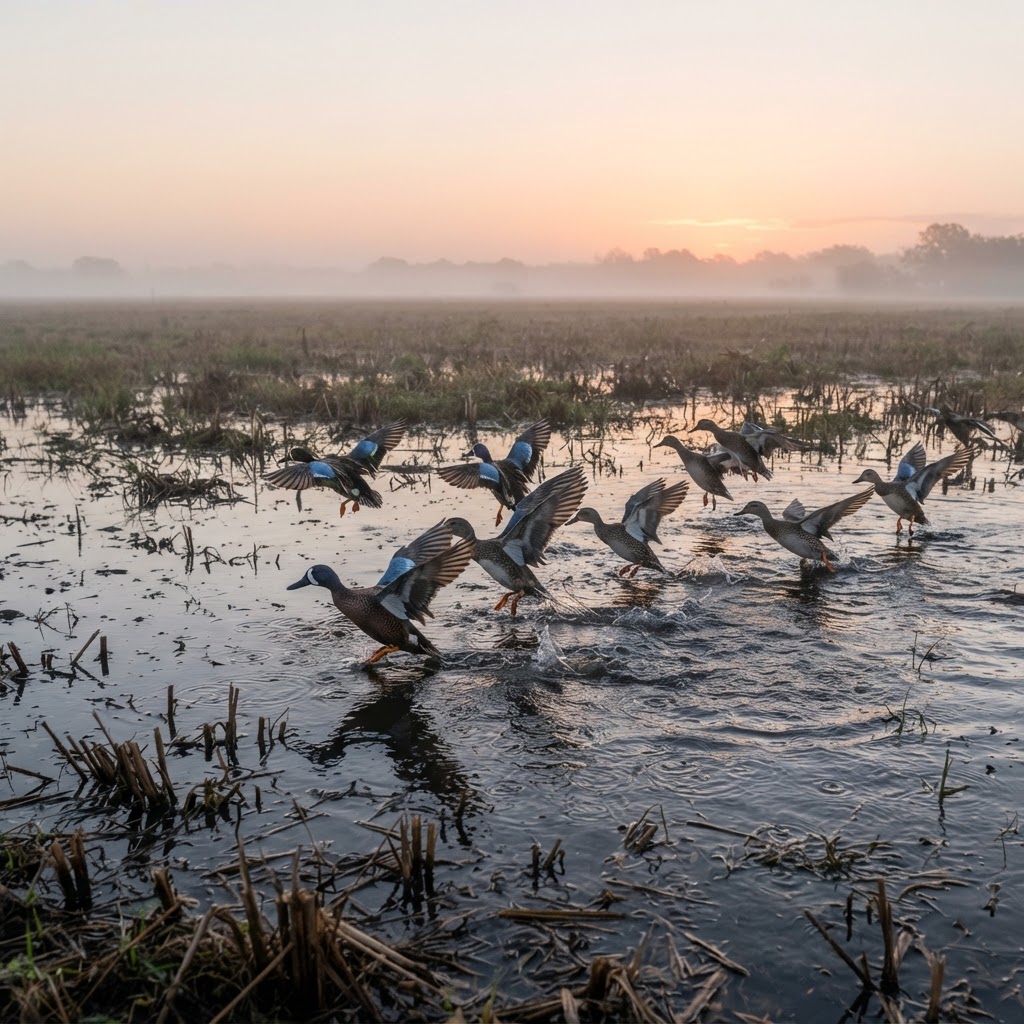
Texas Duck Migration Report November 2026: Tracking the Next Push
Texas duck hunters are currently experiencing a slow migration as they wait for significant cold fronts to push mallards and other puddle ducks south from the northern plains. While teal numbers remain consistent, the arrival of larger duck species depends on freezing conditions and snow cover in the Dakotas.
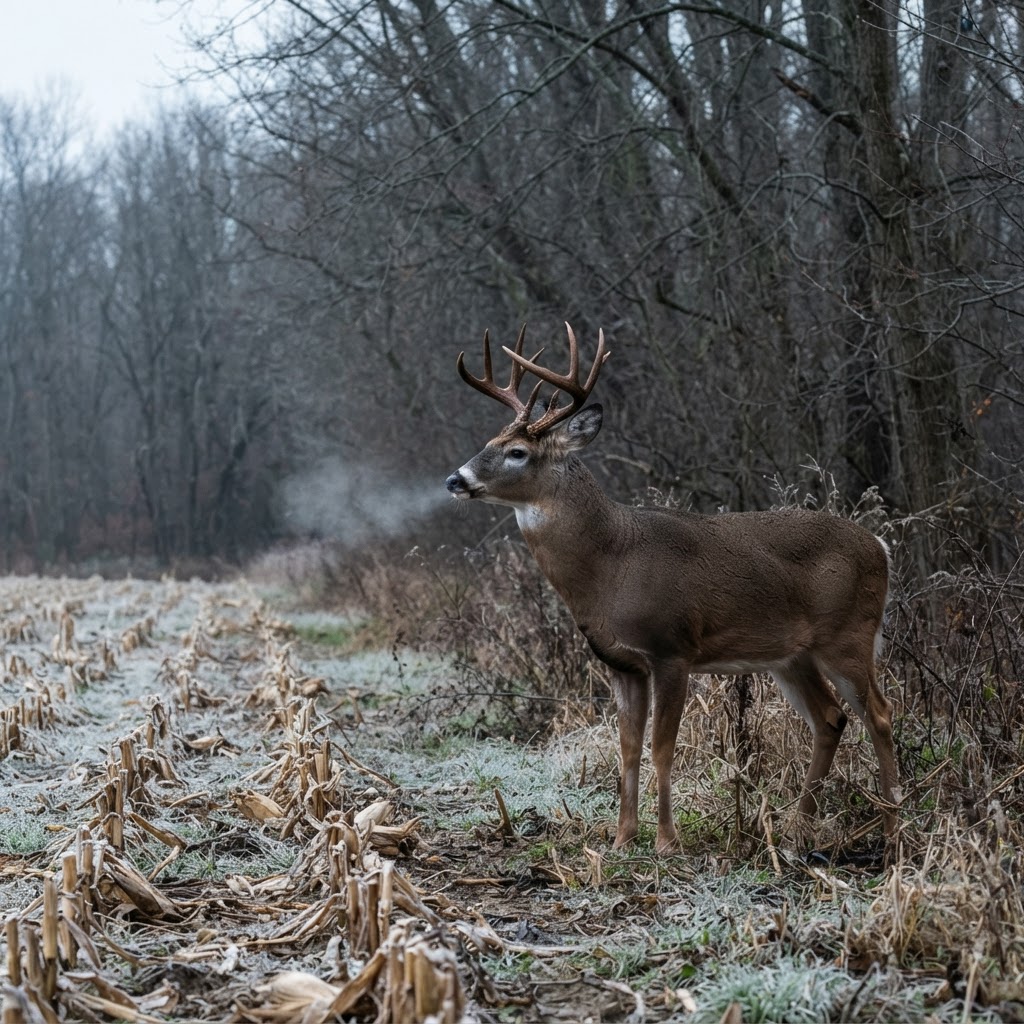
Ohio Deer Gun Season 2026: Essential Dates and Regulations
Ohio's deer gun season opens Monday, November 30, 2026, marking the start of the state's most anticipated hunting period. Hunters should prepare for specific bag limit changes and mandatory CWD sampling requirements in designated areas.
High-Altitude Tactics: Mastering Idaho’s Rugged Big Game Landscapes
From the Sawtooths to the Panhandle, Idaho offers some of the most demanding and rewarding hunting in the West. Learn how to navigate the Gem State's vertical wilderness with these field-tested strategies.
Securing Your Season: A Nationwide Approach to Finding Private Hunting Land
Tired of fighting crowds on public land? Discover how Buckeye Hunter Hub makes finding private hunting leases across the United States easier and more accessible for every hunter.