
The Ultimate Backcountry Hunting Checklist: A Framework for Success
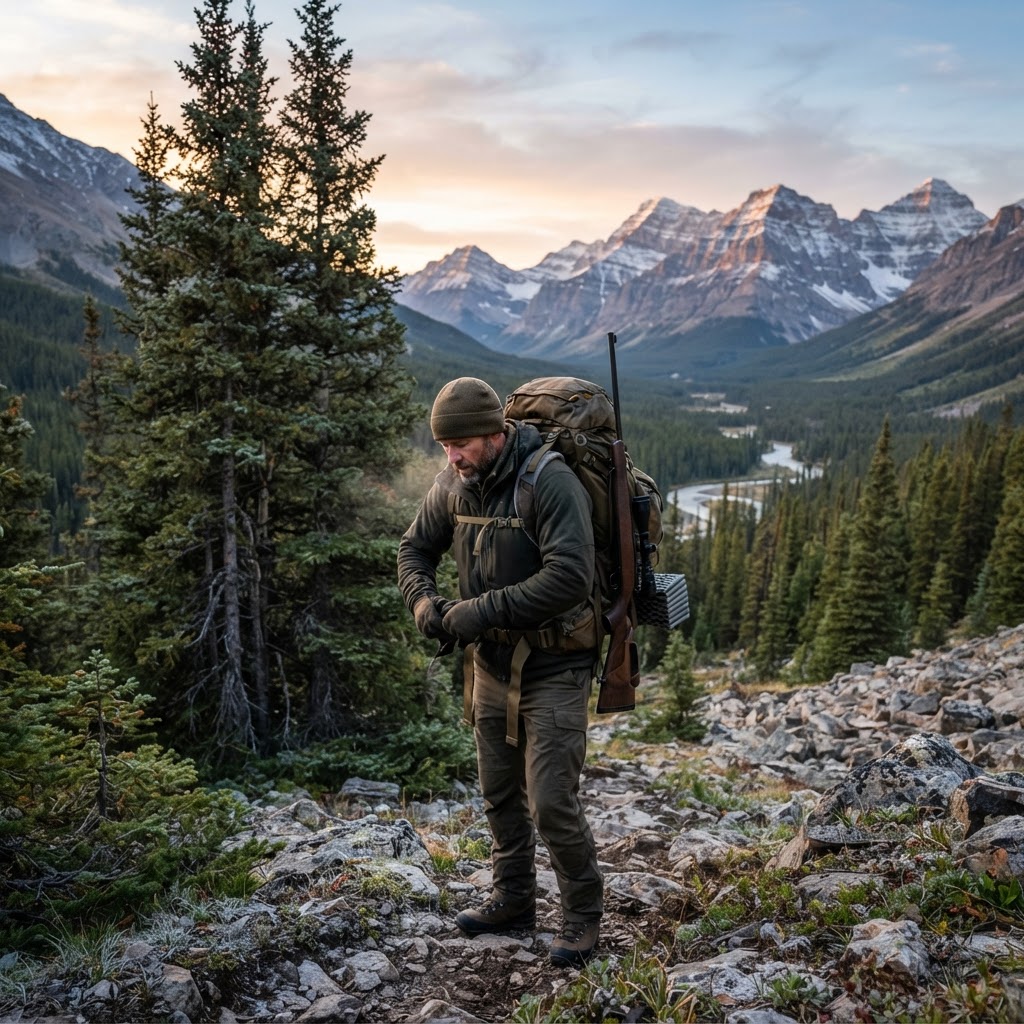
Mastering the Backcountry: Your Preparation Blueprint
Transitioning from front-country day hunts to a true backcountry expedition is a rite of passage for many hunters. It offers a level of solitude and reward that is hard to replicate, but it also carries significant risks. At Buckeye Hunter Hub, we believe that success in the backcountry is 90% preparation. If you fail to plan, you plan to fail—especially when you are miles away from the nearest trailhead.
Get the deer movement forecast for your spot, free
See the best days and hours to sit this week, built from your spot's weather, moon, and wind.
Phase 1: Strategic Scouting and Logistics
Before you ever touch your gear, you need to understand the terrain. Start by utilizing to identify bedding areas, water sources, and pinch points. Looking at topographies is only half the battle; you must cross-reference your findings with to predict where animals will be during specific parts of the season.
Logistics are the unsung hero of backcountry hunting. You must calculate your calories, water filtration needs, and travel time with military precision. Check the to ensure you are timing your trip during a peak rut or transition period, and always cross-check your plans with official to ensure you are fully compliant with current tags, bag limits, and land-use regulations.
Phase 2: The Gear System Approach
When carrying everything on your back, weight is the enemy. However, neglecting safety for the sake of a lighter pack is a critical mistake. Think of your gear as a layered system:
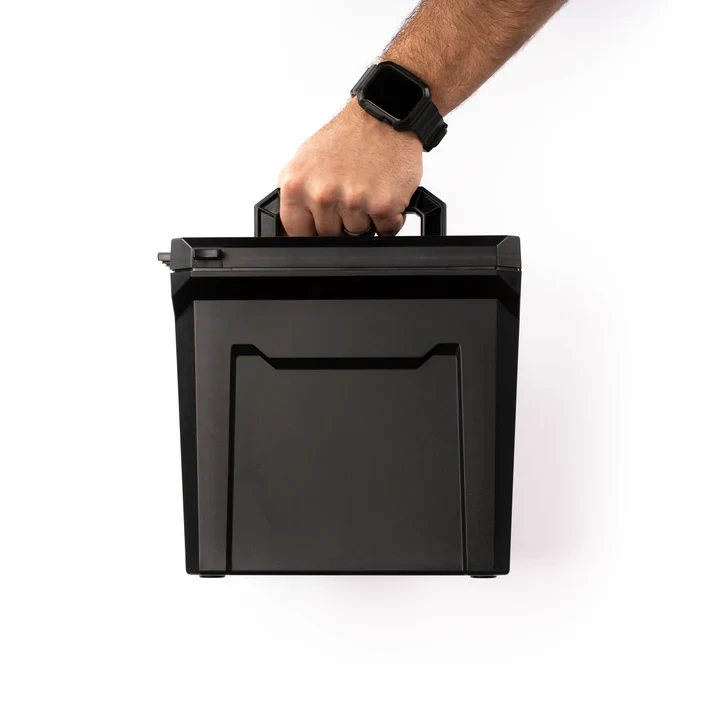
- Shelter and Sleep: Invest in a lightweight tent or bivy and a sleeping pad with a high R-value. Your rest is your fuel for the next day's climb.
- Navigation: While GPS units are standard, a physical map and compass are non-negotiable backups. Electronics fail; your ability to read a topo line does not.
- The Kill Kit: You cannot afford to lose meat. Carry high-quality game bags, a sharp, lightweight knife, and a reliable headlamp with extra batteries.
- First Aid: Your kit should be customized for backcountry trauma. Include items for blister care, antiseptic, gauze, and a tourniquet. Do not skimp here.
Phase 3: Nutrition and Hydration
In the backcountry, your body is a furnace. You need to consume enough calories to maintain energy levels through steep vertical gains. Aim for dehydrated meals that are easy to prep, and supplement with high-density snacks like nut butters, jerky, and energy bars. For water, bring a primary filtration system (like a hollow-fiber filter) and a backup chemical purification tablet set. Never rely on a single water source; always scout for secondary springs or streams on your maps.
Phase 4: Safety and Communication
Being "off the grid" is part of the appeal, but having a way to contact the outside world is a safety necessity. Satellite messengers have revolutionized backcountry hunting, allowing for two-way texting and SOS functionality. Before you leave, provide a detailed itinerary to a trusted contact—including your planned route, expected return date, and emergency checkpoints.
Phase 5: The Final Shake-down
E-Tag States

Harvest Tags
E-check means you supply the tag. Printed with the exact fields your state requires.
3-pack $22.95

Youth Hunter Academy
Raise a safe, confident young hunter.
Safety missions for ages 5–17. Free parent account.
Two weeks before your departure, perform a full "shake-down" hike. Load your pack with your full gear list and hit a local trail that mimics the elevation gain of your destination. This isn't just to check if everything fits; it is to test your endurance and ensure your boots are broken in. If a piece of gear causes a hotspot on a three-mile hike, it will cause a debilitating blister on a ten-mile backcountry trek. Use this time to refine your setup, removing items you didn't touch and adding items you realized you missed.
Join the Conversation
Backcountry hunting is a skill that evolves with every mile hiked. If you are looking for partners or advice from veterans, consider joining our local . Sharing trip reports and logistics tips with like-minded hunters is one of the best ways to prepare for your first solo excursion. Remember, the goal isn't just to harvest an animal—it is to return safely, having tested yourself against the elements and come out stronger on the other side. For more insights on seasonal tactics, be sure to visit for deeper dives into regional strategies.
Free every morning
Your Daily Briefing
One morning forecast for the spots you actually hunt and fish: deer movement, waterfowl flights, bite times, wind and shooting light.
See what's in itSet up your briefing
Join free, save a spot on the map, then pick what you hunt and fish and when you want your email.
Join 1,553 hunters and anglers on Buckeye Hunter Hub — free.
Latest from the Community


Everything you need to hunt smarter — free
Buckeye Hunter Hub is a free, nationwide platform. Create an account and unlock the full toolkit:
Free Interactive Hunting Map
Mark stands, cameras, and sign. Draw hunting zones with public land & county overlays across all 50 states.
Zones with Group Sharing
Share zones with your hunting group, split property into sections, assign stands, and check in — all in one place.
50 States of Hunting Resources
Season dates, license links, and DNR regulations for every state, kept current so you never miss an opener.
Deer Movement Forecast
Data-driven daily movement predictions using wind, moon, and pressure — know when to sit before you go.
Waterfowl Movement & Tools
Flight-potential forecasts, migration numbers, decoy spread planner, and a full species field guide.
From the Maker Bench

Taggart Outdoors
Custom Western Belt
Hand-built in the USA · $127.99
Shop the Maker
BHH Partner
Firearms, ammo and gear from a local Ohio shop in Grafton.
dnaarmory.comE-Tag States
Harvest Tags
E-check means you supply the tag. Printed with the exact fields your state requires.
3-pack $22.95
More Articles
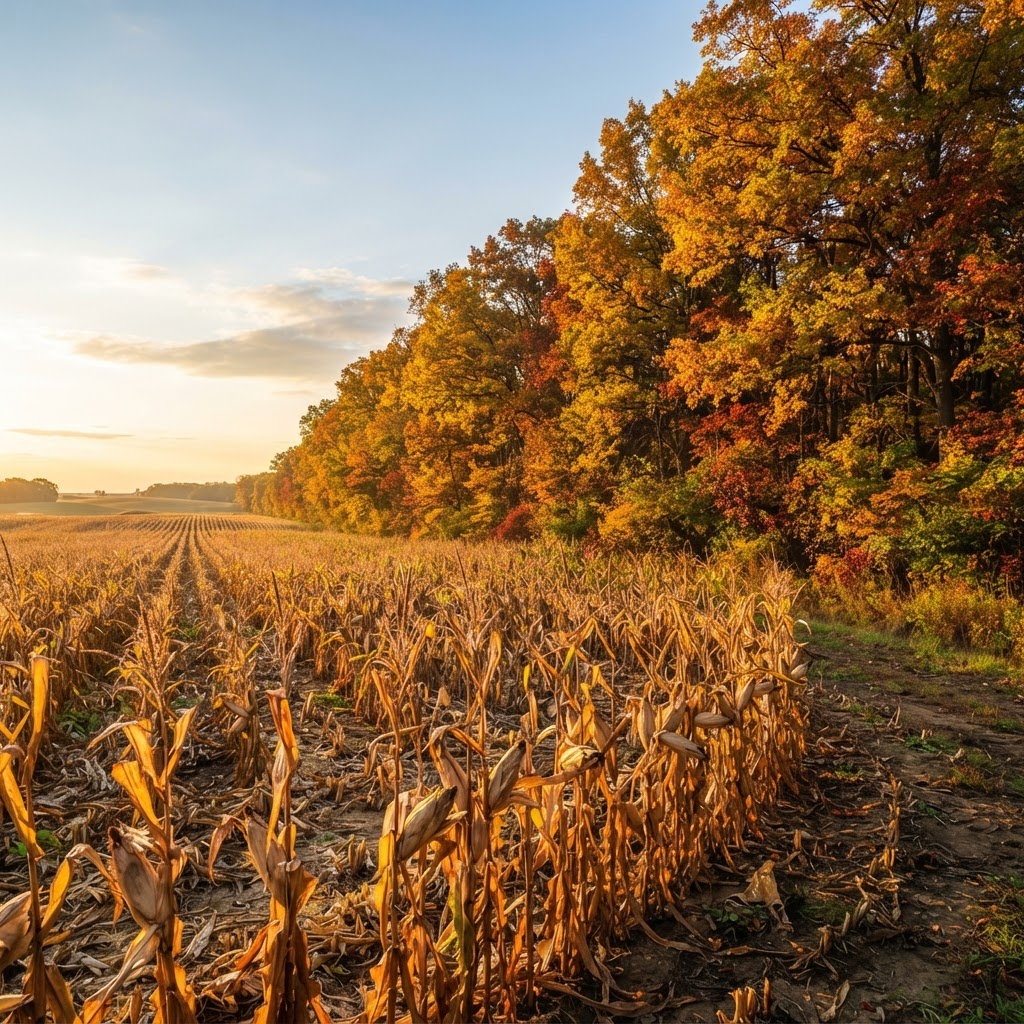
Navigating the Prairie State: A Seasoned Hunter’s Guide to Illinois Public Grounds
From the sprawling cornfields of the north to the rugged timber of the Shawnee National Forest, Illinois offers diverse challenges for the dedicated sportsman. Master the state's unique landscape with these practical strategies for success.
Pennsylvania Firearms Deer Season 2026: Essential Regulations
Pennsylvania’s statewide firearms deer season opens on Saturday, November 28, 2026, and runs through December 13. This year marks the first season where hunting is permitted on every Sunday that falls within the established dates.
Efficiency in the Field: Leveraging Automated Image Intelligence to Master Deer Behavior
Drowning in thousands of trail camera photos? Discover how to use advanced image recognition to instantly identify bucks, does, and movement trends without spending hours behind a screen.
Field Intelligence: Reading Subtle Signs to Locate Whitetail Cores
Successful hunters don't just look for deer; they look for the story the land tells. Learn how to interpret rubs, scrapes, and bedding areas to pinpoint where mature bucks live.