
The Perfect Slow-Cooked Elk Roast: A Buckeye Hunter Hub Guide
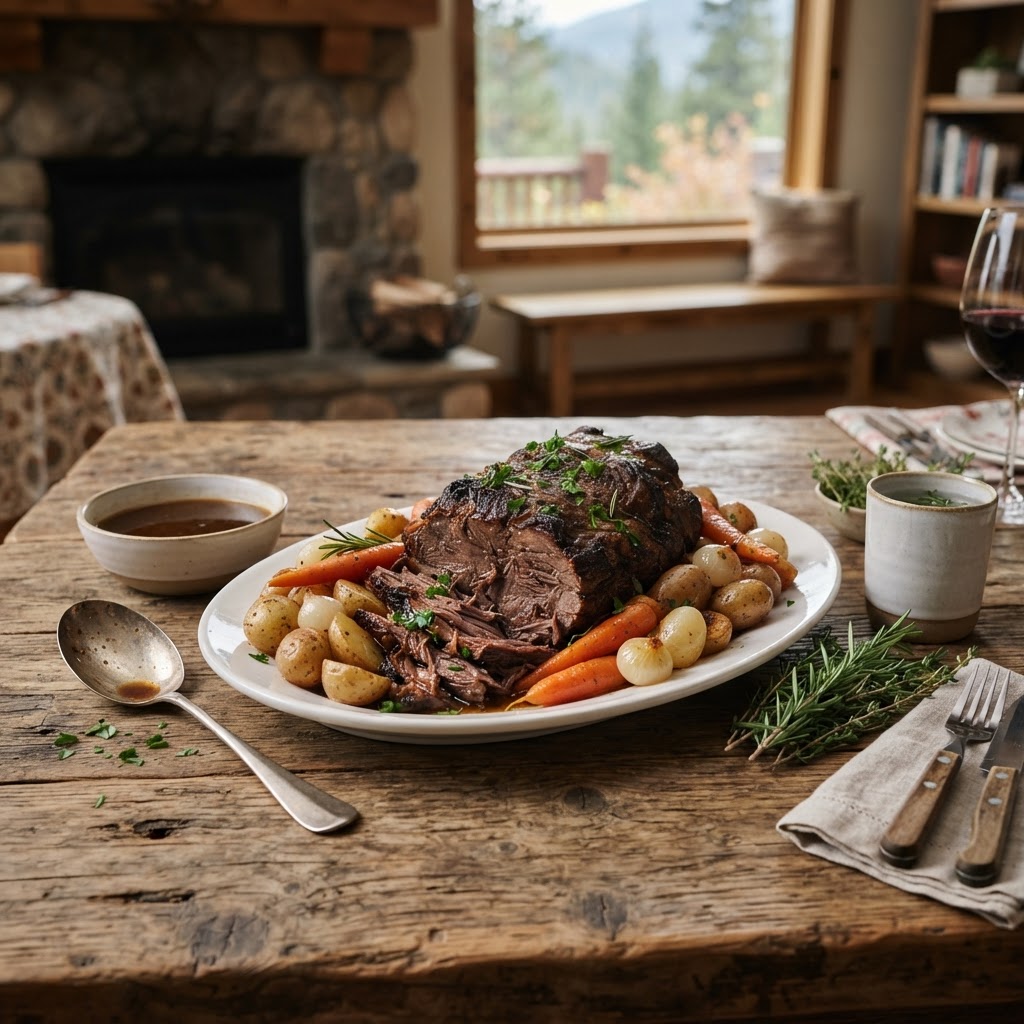
Master the Art of Elk: Slow-Cooked Perfection
For many of us at Buckeye Hunter Hub, there is no greater reward than the satisfaction of filling the freezer with wild, organic elk meat. However, elk is significantly leaner than domestic beef, which often leads to the common complaint that it becomes tough or dry during cooking. The secret to success lies in understanding the muscle structure and applying the right heat-to-time ratio. By using a slow-cooking method, we can break down connective tissues while retaining the moisture that makes elk a premium culinary experience.
Get the deer movement forecast for your spot, free
See the best days and hours to sit this week, built from your spot's weather, moon, and wind.
Why Slow Cooking Works for Elk
Elk is incredibly high in protein and low in fat. While this makes it a healthy choice, it also means it lacks the internal marbling that keeps a steak juicy over high heat. A slow cooker (or a Dutch oven in a low-temperature oven) uses moist, gentle heat to gently denature the proteins without squeezing out all the internal juices. This approach is perfect for tougher cuts like the shoulder, shank, or rump roasts you might have tucked away after checking for your processing guidelines.
Ingredients for the Ultimate Roast
- 3-4 lb Elk Roast (shoulder or rump works best)
- 2 tablespoons olive oil or avocado oil
- 1 large yellow onion, sliced into thick wedges
- 4 cloves garlic, smashed
- 2 cups beef or game bone broth
- 1 tablespoon Worcestershire sauce
- 1 tablespoon tomato paste
- 2 sprigs of fresh rosemary and 3 sprigs of fresh thyme
- 1 lb baby potatoes, halved
- 3 large carrots, cut into 2-inch chunks
- Kosher salt and coarse black pepper to taste

Step-by-Step Instructions
1. The Essential Sear
Never skip the sear. Heat your oil in a large cast-iron skillet over high heat until it just begins to smoke. Pat your roast dry with paper towels—moisture is the enemy of a good crust—and season heavily with salt and pepper. Sear each side for 3-4 minutes until a deep, dark brown crust develops. This Maillard reaction is critical for building the flavor profile of your sauce.

2. Prepare the Aromatics
Place your onions and garlic at the bottom of your slow cooker. Adding them underneath the meat allows them to soften and release their juices into the broth, creating a savory foundation that permeates the roast as it cooks.
3. The Braise
E-Tag States

Harvest Tags
E-check means you supply the tag. Printed with the exact fields your state requires.
3-pack $22.95

Youth Hunter Academy
Raise a safe, confident young hunter.
Safety missions for ages 5–17. Free parent account.
Place the seared roast on top of the onions. In a small bowl, whisk together the broth, Worcestershire sauce, and tomato paste. Pour this over the roast. Add the rosemary and thyme sprigs on top. Cover and cook on 'Low' for 7 to 9 hours. Avoid the 'High' setting; slow and low is the golden rule for wild game.
4. Add the Vegetables
About 2 hours before the roast is finished, add your potatoes and carrots. This timing ensures they are tender but still retain their shape rather than turning into mush.
Chef Tips for Wild Game Success
Handling wild game requires a slightly different mindset than store-bought meat. If you are new to the field, you can often find great advice within our regarding specific field-dressing techniques that keep the meat clean and fresh from the start.
- Don't Overcook: Lean meat is unforgiving. Use a digital meat thermometer to pull the roast when it hits an internal temperature of about 195°F to 205°F. At this stage, the connective tissue has broken down, and the meat will shred easily with a fork.
- Resting is Non-Negotiable: Once the roast is done, let it rest on a cutting board for at least 15 minutes before shredding. This allows the juices to redistribute throughout the meat fibers.
- The Sauce Matters: After removing the meat, don't discard the liquid! Strain the cooking juices and boil them in a saucepan to reduce by half. This concentrated jus is packed with umami and should be drizzled over the shredded meat before serving.
A Final Note on Seasoning
Because elk has such a clean, earthy flavor, you don't need to mask it with heavy spice blends. Focus on fresh herbs and quality salt. If you find your game meat has a stronger flavor than you prefer, a splash of balsamic vinegar or red wine added to the braising liquid can help balance the profile.
For those of you looking ahead to your next outing, be sure to keep an eye on to plan your next pursuit. Happy cooking, and enjoy the fruits of your harvest!
Join 1,067 hunters and anglers on Buckeye Hunter Hub — free.
Latest from the Community


Preorder · 4 days left
Buckeye Hunter Hub Camo Trucker Hat — Treeline Logo
Includes 50% off Lifetime Pro
Everything you need to hunt smarter — free
Buckeye Hunter Hub is a free, nationwide platform. Create an account and unlock the full toolkit:
Free Interactive Hunting Map
Mark stands, cameras, and sign. Draw hunting zones with public land & county overlays across all 50 states.
Zones with Group Sharing
Share zones with your hunting group, split property into sections, assign stands, and check in — all in one place.
50 States of Hunting Resources
Season dates, license links, and DNR regulations for every state, kept current so you never miss an opener.
Deer Movement Forecast
Data-driven daily movement predictions using wind, moon, and pressure — know when to sit before you go.
Waterfowl Movement & Tools
Flight-potential forecasts, migration numbers, decoy spread planner, and a full species field guide.
From the Maker Bench

SE Ohio Outdoors
Euro Mount Hook
Hand-built in the USA · $8.00
Shop the MakerBHH Partner
Thinking about selling a rifle or an old family shotgun? Check up-to-date market pricing by make and model before you sell.
webuyguns.comE-Tag States
Harvest Tags
E-check means you supply the tag. Printed with the exact fields your state requires.
3-pack $22.95
More Articles
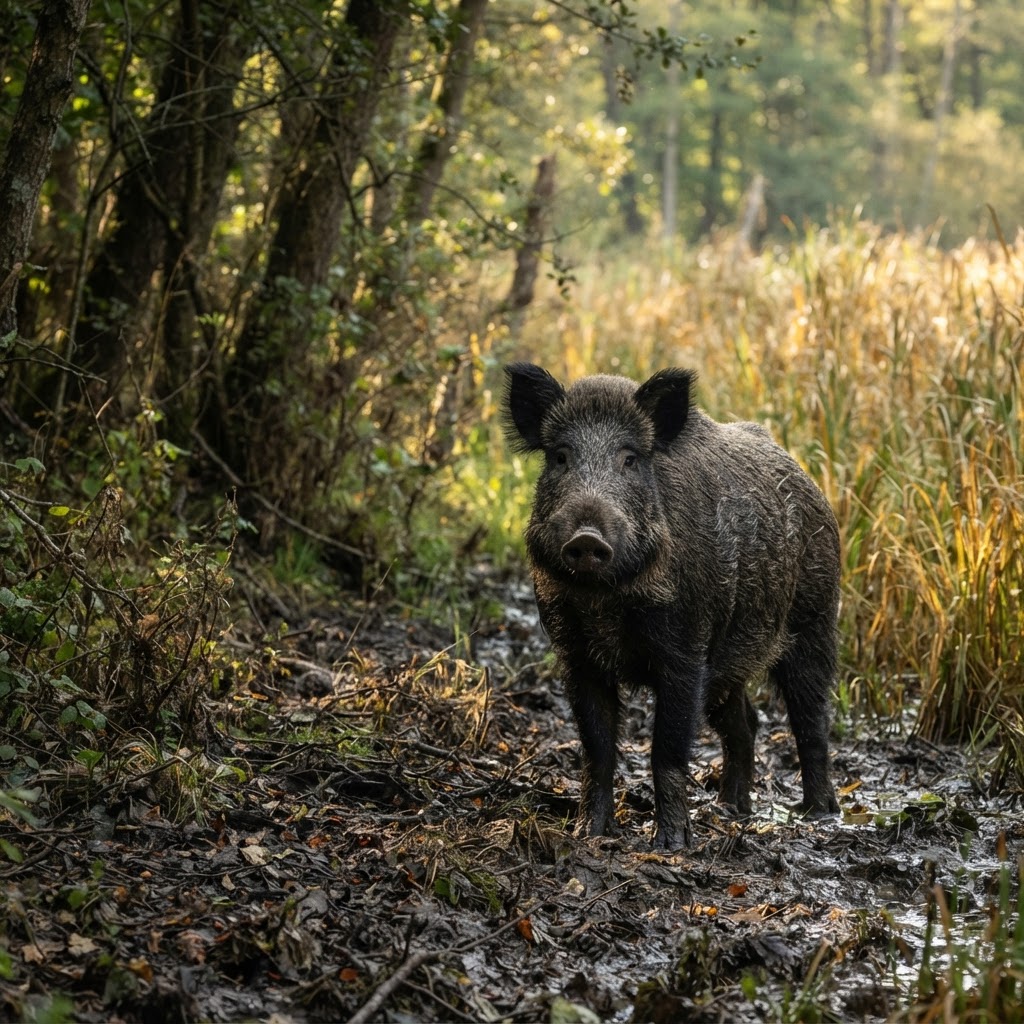
Taming the Tuskers: A Tactical Guide to Wild Hog Hunting
Wild hogs are one of the most challenging and destructive invasive species in the United States, offering hunters a year-round, high-action opportunity to test their skills and help manage local ecosystems.
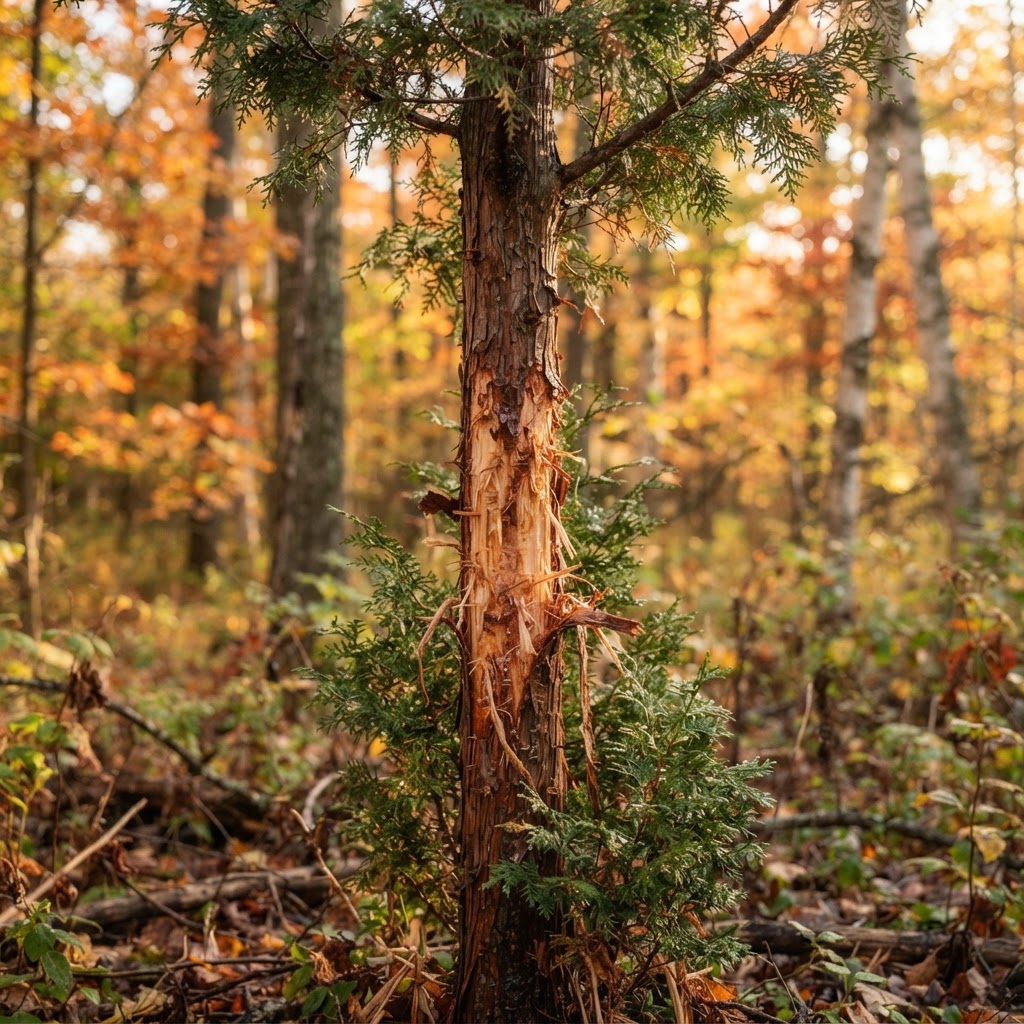
Decoding the Woods: A Hunter’s Guide to Interpreting Deer Sign
Mastering the language of the whitetail requires more than patience; it demands the ability to read the forest floor like a roadmap. Learn how to interpret rubs, scrapes, and bedding areas to elevate your success this season.

Travel Secure: Why You Need a StopBox for Your Vehicle
Hunting and traveling require gear security you can count on. Learn how the StopBox lineup keeps your firearm ready and protected on the road.

Profitability and Protection: Expanding Your Retail Inventory with the Buckeye Hunter Hub Wholesale Program
Buckeye Hunter Hub is now offering an exclusive wholesale partnership for firearm retailers to stock industry-leading StopBox secure storage solutions, helping you protect your customers while growing your bottom line.