Tender Tendencies: Mastering the Low-and-Slow Elk Roast
The Challenge of Lean Protein
Elk is widely considered the gold standard of wild game. It is rich, iron-forward, and significantly leaner than domestic beef. However, that lack of intramuscular fat—the marbling that keeps a grocery store ribeye juicy—is exactly why many hunters struggle to cook a roast that doesn't end up feeling like an old leather boot. When you are standing in your kitchen after a long season, looking at a beautiful cut of meat from your recent harvest, the pressure to get it right is real. At Buckeye Hunter Hub, we believe that field-to-table success is just as important as the hunt itself. If you have already mastered the basics of how to properly field dress and process wild game, you are halfway to a five-star meal.
Free hunting map, zones & 50-state resources
Save your spots, share zones with your group, and get deer & waterfowl movement forecasts — free.
The Anatomy of the Roast
For this recipe, we focus on cuts like the round, rump, or chuck. These muscles do the heavy lifting during an elk's life, meaning they are loaded with collagen. Collagen is tough and chewy when cooked fast, but with the right heat, moisture, and time, it breaks down into gelatin. This is the secret to succulent wild game: you are not just cooking the meat; you are slowly melting the connective tissue. If you need a refresher on the seasonal timing for your next harvest, check out the hunting season calendar to ensure you are filling your freezer with the best possible cuts.
Ingredients
- 3-4 lb elk roast (thawed)
- 3 tbsp high-smoke point oil (avocado or grapeseed)
- 1 large onion, roughly chopped
- 4 cloves garlic, smashed
- 2 carrots, chopped into large chunks
- 2 cups beef or elk bone broth
- 1 cup dry red wine (Cabernet or Merlot)
- 2 sprigs fresh rosemary
- 1 tbsp cracked black pepper and kosher salt
Step-by-Step Execution
1. The Dry Brine
Remove your roast from the refrigerator about an hour before cooking. Pat the meat thoroughly dry with paper towels. Season aggressively with salt and pepper on all sides. Letting the meat sit at room temperature allows the salt to penetrate the fibers and ensures the center of the roast doesn't shock the pan temperature when you begin the sear.
2. The Golden Sear
Heat your Dutch oven over medium-high heat with the oil. Once the oil is shimmering, carefully place the roast in the pan. Do not move it until a dark, mahogany crust forms. This Maillard reaction is where the flavor lives. Rotate the roast until all sides are seared. Remove the meat and set it aside.
E-Tag States

Harvest Tags
E-check means you supply the tag. Printed with the exact fields your state requires.
3-pack $22.95
3. Aromatics and Deglazing
Lower the heat to medium. Toss in your onions, carrots, and garlic, sautéing until the onions are translucent. Pour in the red wine, using a wooden spoon to scrape up all the brown bits (the fond) from the bottom of the pot. This is concentrated flavor gold.
4. The Long Braise
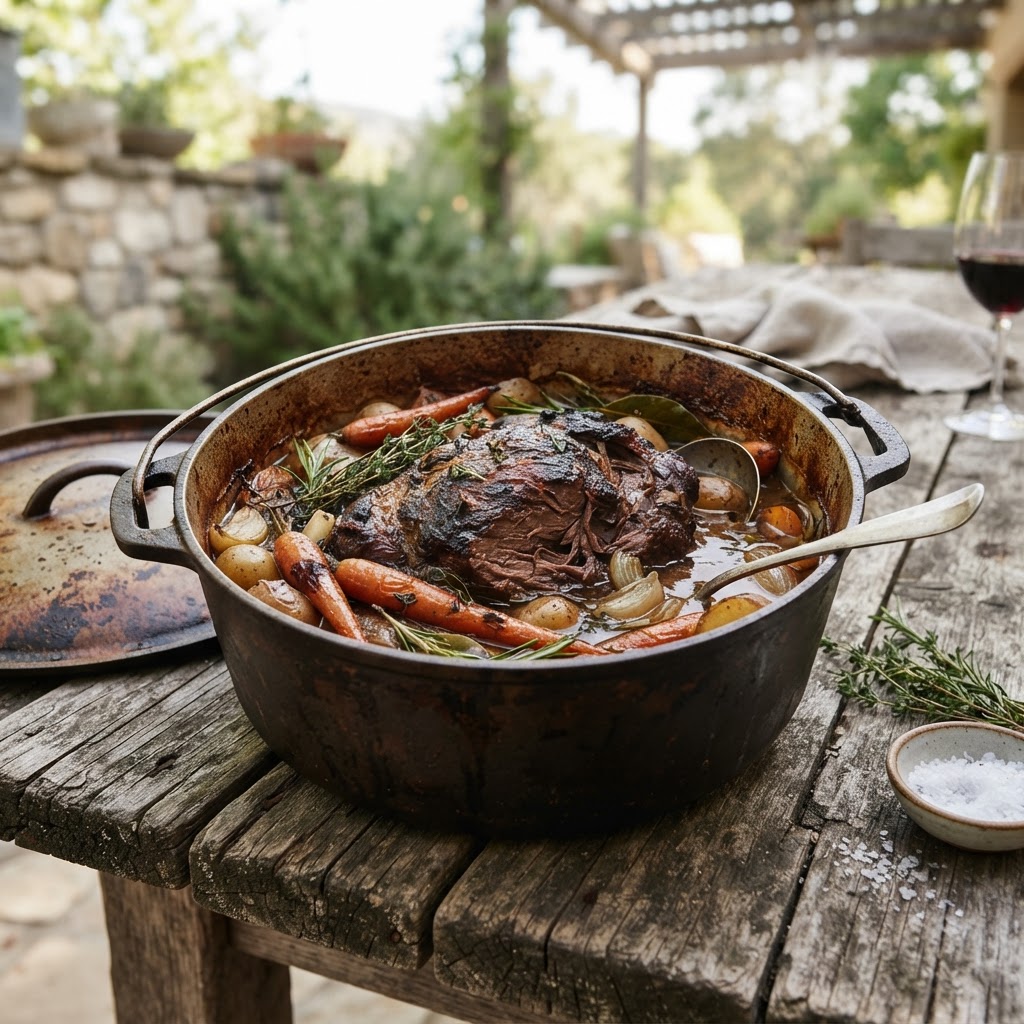
Return the roast to the pot. Add the broth until the liquid comes about halfway up the side of the meat. Place the rosemary sprigs on top. Cover tightly with a lid and place in an oven preheated to 275°F (135°C). Slow cooking at a lower temperature prevents the muscle fibers from seizing up, which is critical for lean game.
5. Patience is Key
Let the roast cook for 3 to 4 hours. It is done when a fork slides into the thickest part of the meat with zero resistance. If it feels like the meat is grabbing the fork, give it another 30 minutes. Always let the meat rest for at least 20 minutes before carving; this allows the juices to redistribute throughout the roast instead of ending up on your cutting board.
Raise a safe, confident young hunter.
Guide your kids ages 5–17 through interactive hunting safety missions, real decision drills, and earned trophies — all from one free parent account.


Chef’s Tips for Success
- Monitor Temperature: Invest in a digital meat thermometer. While you want a roast to be fork-tender, you don't want to cook it into oblivion. Once it pulls apart easily, remove it from the heat.
- Respect the Fat: Because elk is so lean, consider draping thin slices of bacon or pork fat over the top of the roast before covering it. This provides a constant, self-basting layer of fat that keeps the surface from drying out.
- Quality Broth Matters: Since wild game has a clean, mineral-rich flavor profile, use a high-quality, low-sodium bone broth. Avoid cheap, salty store-bought stocks that can mask the delicate taste of the meat.
- Don't Overcrowd: Whether you are cooking in a Dutch oven or a slow cooker, ensure the vessel is the right size. If the pot is too big, the liquid evaporates too quickly; too small, and the meat won't braise evenly.
Cooking your own harvest is the ultimate conclusion to the hunting experience. Whether you’re sharing the meal with your hunting buddies or your family, these slow-cooked roasts represent the hard work and dedication required in the field. If you are looking to connect with others who appreciate this process, join our thriving community groups to share your own kitchen successes or field photos.
Join 357 hunters and anglers on Buckeye Hunter Hub — free.
Latest from the Community


New drop
Fresh Buckeye Hunter Hub tees & hoodies


Everything you need to hunt smarter — free
Buckeye Hunter Hub is a free, nationwide platform. Create an account and unlock the full toolkit:
Free Interactive Hunting Map
Mark stands, cameras, and sign. Draw hunting zones with public land & county overlays across all 50 states.
Zones with Group Sharing
Share zones with your hunting group, split property into sections, assign stands, and check in — all in one place.
50 States of Hunting Resources
Season dates, license links, and DNR regulations for every state, kept current so you never miss an opener.
Deer Movement Forecast
Data-driven daily movement predictions using wind, moon, and pressure — know when to sit before you go.
Waterfowl Movement & Tools
Flight-potential forecasts, migration numbers, decoy spread planner, and a full species field guide.
From the Maker Bench

Taggart Outdoors
Padded Rifle Sling
Hand-built in the USA · $134.99
Shop the MakerNew drop
Fresh Buckeye Hunter Hub tees & hoodies
Shop This

StopBox Pro Ward | Wall-Mounted
$179.00$199.99

StopBox Pro Compact
$159.00$179.99

Buckeye Hunter Hub Tee — Harvest Moon Buck
$20.55

Buckeye Hunter Hub Hoodie — Harvest Moon Buck
$32.87
E-Tag States
Harvest Tags
E-check means you supply the tag. Printed with the exact fields your state requires.
3-pack $22.95
More Articles
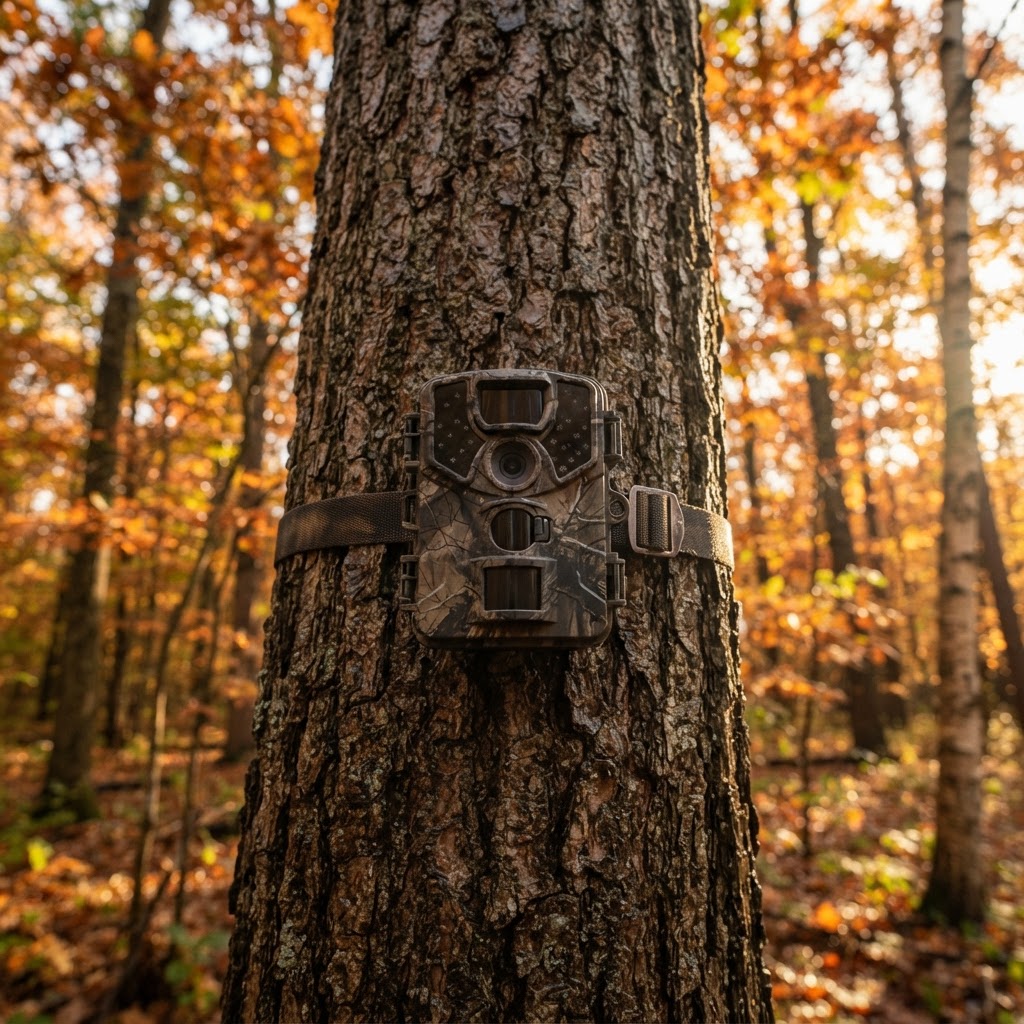
Beyond the SD Card: Using Intelligent Image Filtering to Predict Deer Behavior
Drowning in thousands of empty trail camera photos? Discover how to use automated image filtering to instantly identify bucks, does, and movement patterns without the manual headache.

Introducing the BHH Grunge Americana Mule Deer Tee: Rugged Style for the Field
Upgrade your outdoor wardrobe with the new BHH Grunge Americana Mule Deer Tee, designed for those who live for the hunt and value comfort in every environment.
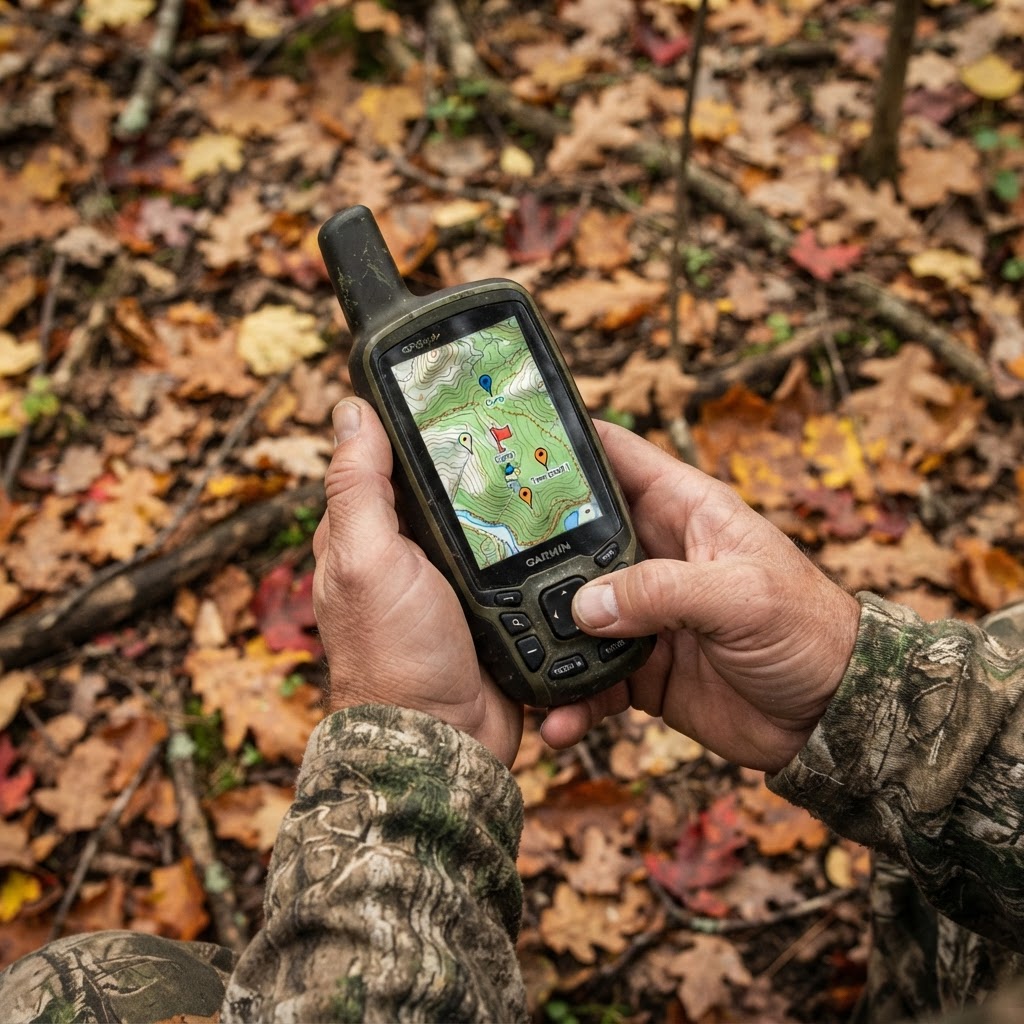
Mapping Your Success: A Hunter's Workflow for Strategic Waypoint Placement
Stop guessing where to set your gear and start building a digital blueprint of your hunting property using the Buckeye Hunter Hub interactive mapping tools.
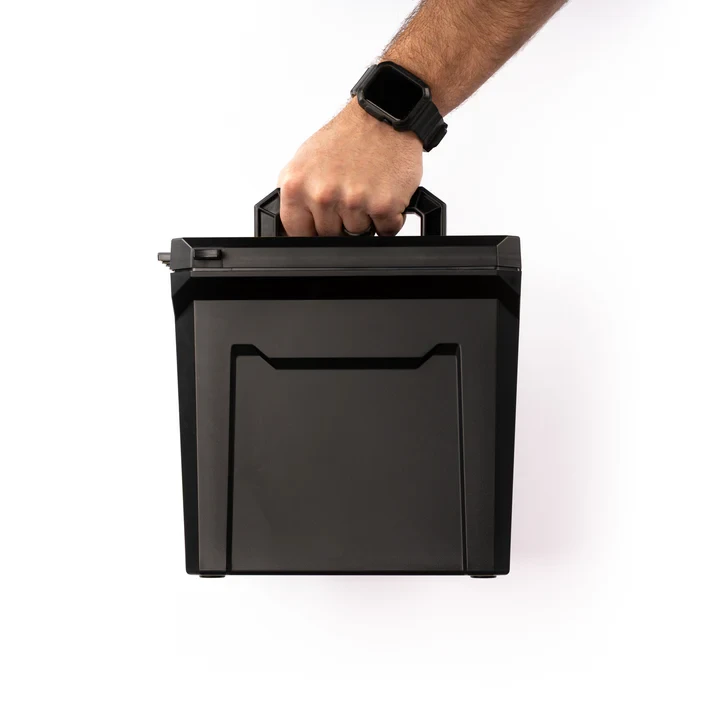
StopBox U-Can Review: The Ultimate Gear Organizer for Hunters
We take a deep dive into the rugged StopBox U-Can to see if this American-made utility case is the right solution for organizing your range and hunting gear.