
Cocks of the Corn: Mastering Ring-Necked Pheasant Tactics Across the American Heartland
Understanding the Ring-Necked Pheasant
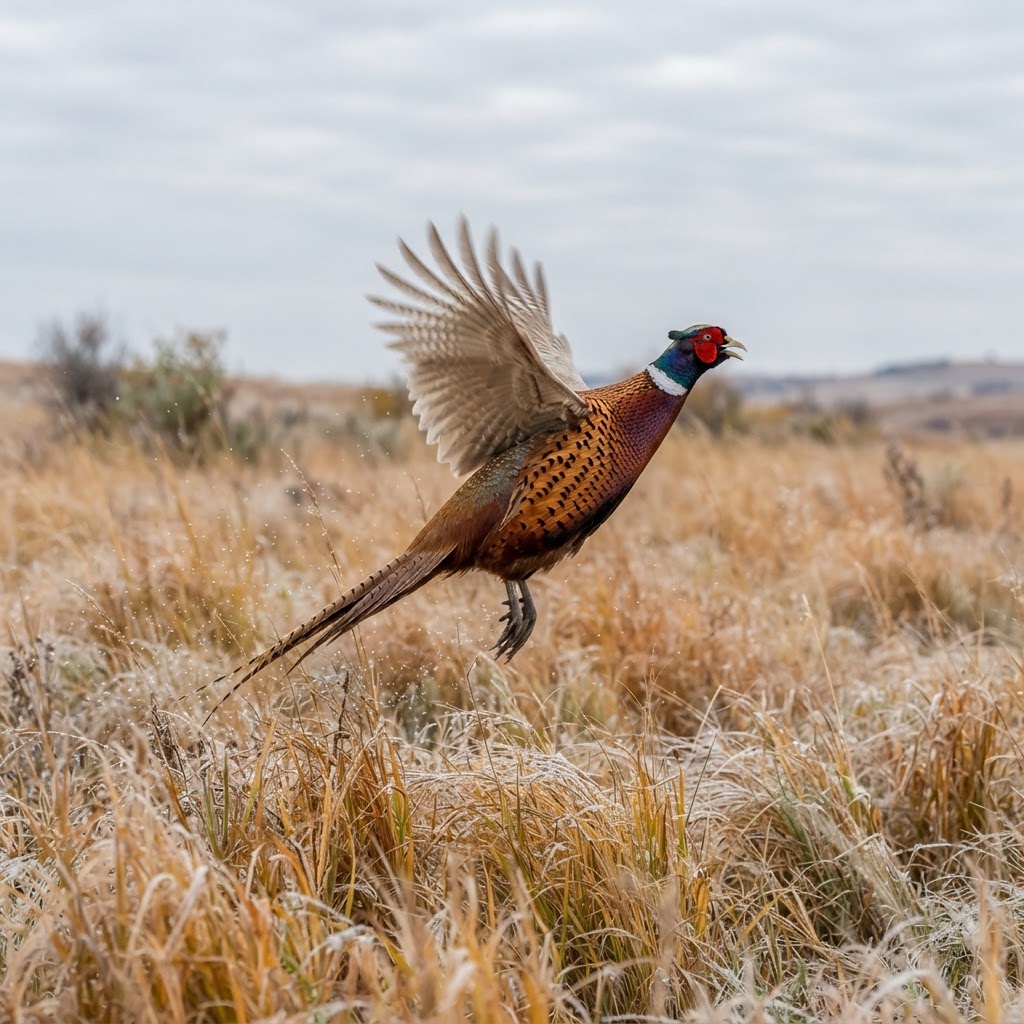
The ring-necked pheasant (Phasianus colchicus) is arguably the most iconic upland game bird in North America. While not native to the continent, their successful introduction in the late 19th century transformed the American hunting landscape. Known for their brilliant plumage, lightning-fast takeoffs, and deceptive ability to hold tight in heavy cover, pheasants present a unique challenge to both wingshooters and bird dogs.
Free hunting map, zones & 50-state resources
Save your spots, share zones with your group, and get deer & waterfowl movement forecasts, free.
Biology and Behavior
To hunt pheasants successfully, you must think like one. These birds are primarily ground-dwelling, relying on their strong legs for survival. While they are capable of flight, they prefer to run. A rooster will often outpace a slow-moving hunter, zig-zagging through thick switchgrass until it reaches a point where it feels cornered or detects an opening, at which point it launches into a loud, heart-stopping flush.
During the fall, roosters congregate in areas offering a balance of protection and food access. As the season progresses and temperatures drop, their behavior changes; they become more wary and begin to rely heavily on dense thermal cover to survive the freezing nights. Understanding the is essential, as the best hunting often occurs late in the year when heavy snowfall pushes birds into remaining pockets of secure cover.
Scouting and Habitat Selection
Pheasants are creatures of the "edge." They thrive where two or more habitat types meet—such as the transition between a harvested cornfield and a standing cattail slough or a CRP (Conservation Reserve Program) field adjacent to a shelterbelt.
When scouting, look for food sources first. Waste grain from agriculture—corn, soybeans, and milo—is a primary fuel source. However, access to water and, more importantly, grit (small stones used to digest food) is equally critical. If you are hunting public land, utilize to identify these transition zones. Avoid the urge to simply walk the center of a large field; instead, focus your efforts on the perimeter or the thickest, nastiest cover you can find, where birds are likely to be hiding from predators.
Tactical Approaches for Every Hunter
Whether you are hunting with a group or solo, strategy is everything. The most effective tactic is the "block and drive." In this scenario, one group of hunters (the blockers) waits at the end of a field, while the other group (the drivers) pushes the birds toward them. Because pheasants are prone to running rather than flying, having blockers often turns a frustrating miss into a successful harvest.
BHH Partner
Thinking about selling a rifle or an old family shotgun? Check up-to-date market pricing by make and model before you sell.
webuyguns.comIf you are hunting alone, you must be your own blocker. Move slowly and pause frequently. These birds are masters at monitoring your location. By stopping every 20-30 yards, you introduce uncertainty. The pheasant, thinking it has been spotted, may panic and flush earlier than it intended.
Essential Gear and Preparation
Unlike big game hunting, pheasant hunting is a high-movement, high-stamina sport. Your gear should focus on mobility and reliable performance. A 12 or 20-gauge shotgun is standard, with modified or improved cylinder chokes to handle the close-quarters, rapid-fire nature of the flush. Shot size matters, too; high-brass #5 or #6 lead shot is the industry standard for ensuring a clean, ethical harvest.
E-Tag States

Harvest Tags
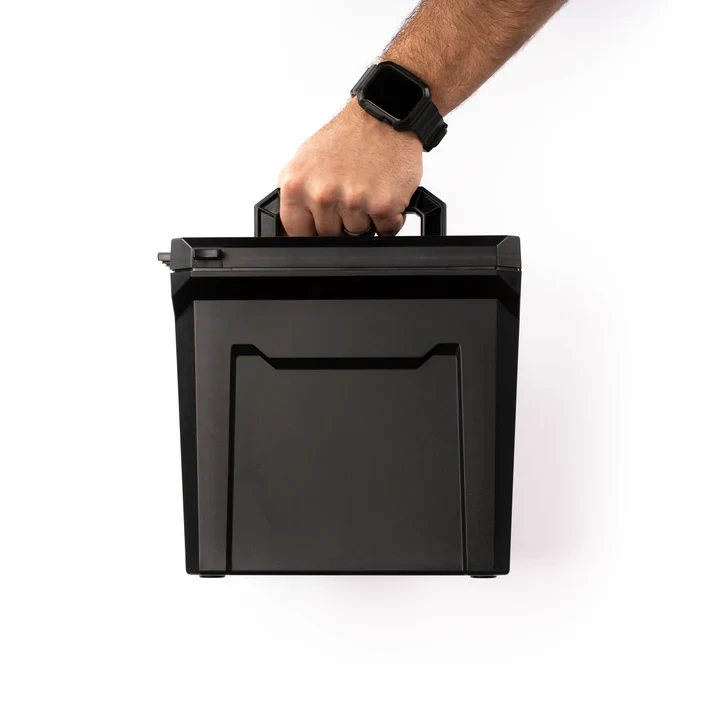
E-check means you supply the tag. Printed with the exact fields your state requires.
3-pack $22.95

Youth Hunter Academy
Raise a safe, confident young hunter.
Safety missions for ages 5–17. Free parent account.
Safety is paramount, especially when hunting with friends. Always maintain muzzle awareness and ensure that everyone in the party is wearing blaze orange, as mandated by most . If you find yourself in the field often, investing in ensures that your documentation remains intact regardless of the harsh, wet, or muddy conditions common in late-season pheasant country.
Tips for Success
- Watch the Dogs: If you are hunting with a bird dog, trust their nose over your eyes. A dog’s body language—tail speed, head position, and intensity—will tell you exactly where a bird is hiding long before you see it.
- Don’t Overlook the "Bad" Weather: Some of the best pheasant hunting happens during or immediately after a light snow. The snow forces the birds to feed early and keeps them from running as far, making them hold tighter in the cover.
- Stay Ready: The "cackle" of a rooster is the siren song of the uplands. Keep your shotgun in a low-ready position at all times. A pheasant doesn't give you time to mount your gun once it’s in the air.
Conservation and the Future
Pheasant populations are directly tied to land management. Organizations like Pheasants Forever work tirelessly to ensure that habitat remains available for these birds to nest and thrive. By supporting local chapters and being a responsible, ethical hunter, you contribute to the longevity of the sport. Whether you are a newcomer or a seasoned veteran looking to share the tradition with the next generation, consider reaching out to the to foster a love for upland conservation in young shooters.
Ultimately, pheasant hunting is about more than the harvest. It is about the crunch of frozen grass under your boots, the rhythmic sound of a dog working the scent, and the sudden, explosive excitement of the flush. Respect the land, respect the bird, and enjoy the pursuit.
Free every morning
Your Daily Briefing
One morning forecast for the spots you actually hunt and fish: deer movement, waterfowl flights, bite times, wind and shooting light.
See what's in itSet up your briefing
Join free, save a spot on the map, then pick what you hunt and fish and when you want your email.
Join 1,609 hunters and anglers on Buckeye Hunter Hub — free.
Latest from the Community



Everything you need to hunt smarter — free
Buckeye Hunter Hub is a free, nationwide platform. Create an account and unlock the full toolkit:
Free Interactive Hunting Map
Mark stands, cameras, and sign. Draw hunting zones with public land & county overlays across all 50 states.
Zones with Group Sharing
Share zones with your hunting group, split property into sections, assign stands, and check in — all in one place.
50 States of Hunting Resources
Season dates, license links, and DNR regulations for every state, kept current so you never miss an opener.
Deer Movement Forecast
Data-driven daily movement predictions using wind, moon, and pressure — know when to sit before you go.
Waterfowl Movement & Tools
Flight-potential forecasts, migration numbers, decoy spread planner, and a full species field guide.
From the Maker Bench

Taggart Outdoors
Custom Western Belt
Hand-built in the USA · $127.99
Shop the MakerBHH Partner
Thinking about selling a rifle or an old family shotgun? Check up-to-date market pricing by make and model before you sell.
webuyguns.comE-Tag States
Harvest Tags
E-check means you supply the tag. Printed with the exact fields your state requires.
3-pack $22.95
More Articles
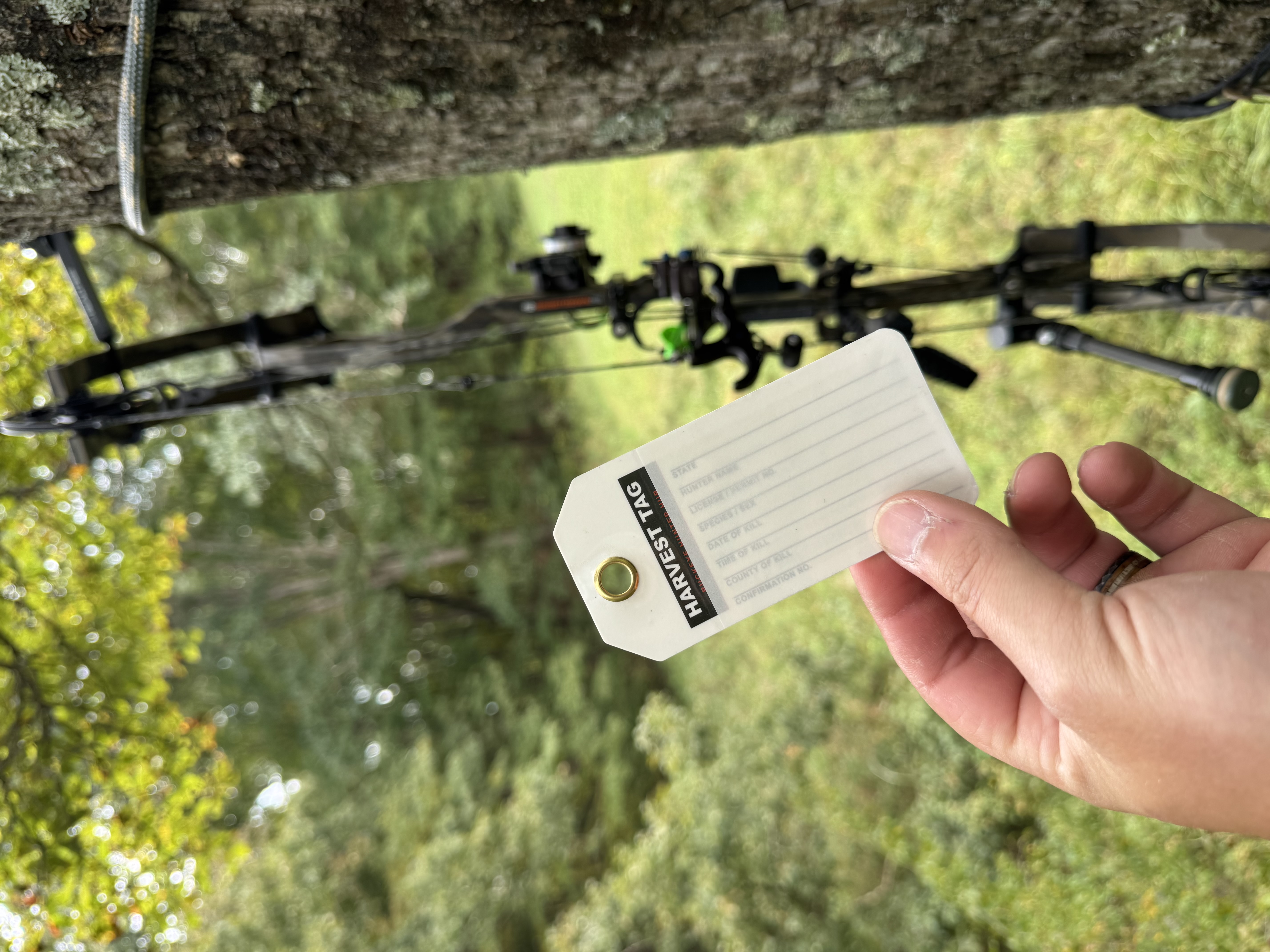
Review: Harvest Tags 5-Pack for the Serious Hunter
Are the Harvest Tags 5-Pack worth the investment for your season? We break down the durability and value of these essential gear-bag additions.
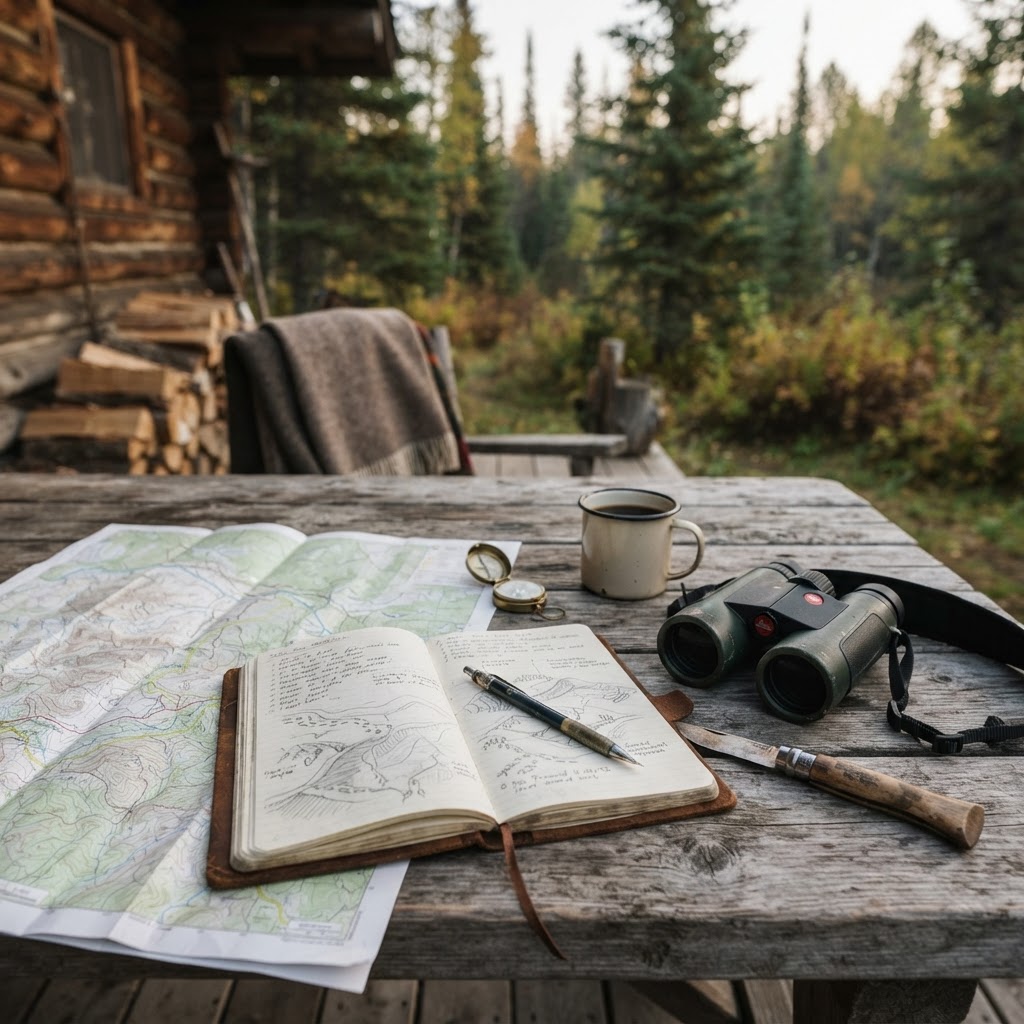
Scaling the Learning Curve: Harnessing Peer-to-Peer Wisdom in Buckeye Hunter Hub Groups
Modern hunting is a solitary pursuit in the field, but your growth doesn't have to be. Learn how tapping into the Buckeye Hunter Hub community can accelerate your skill set and turn every season into a masterclass.
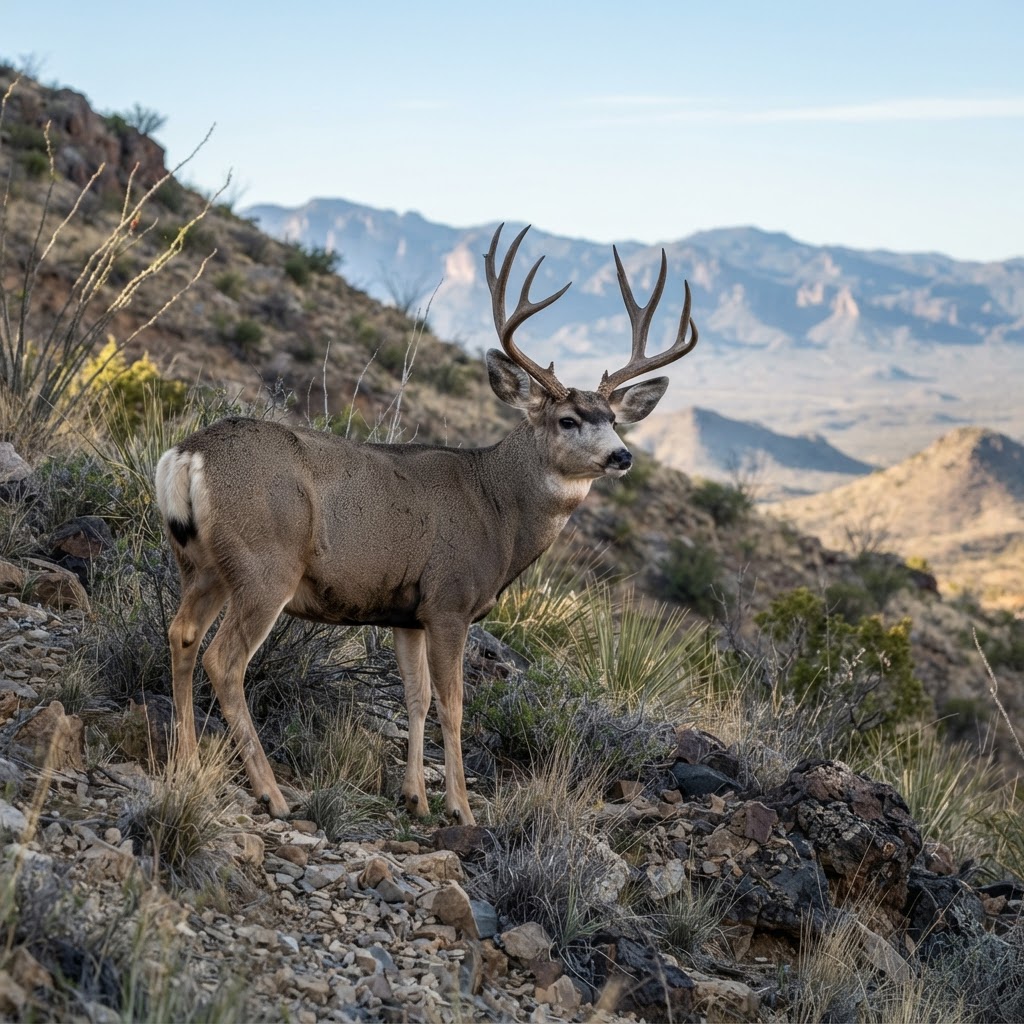
Texas Mule Deer (General Trans-Pecos) General Season 2026
The general mule deer season in the Trans-Pecos opens tomorrow, Friday, November 27, 2026, and runs through Sunday, December 13, 2026. Hunters should prepare for rugged terrain and specific county-based antler restrictions before heading into the field.
Unlocking the Hawkeye State: A Strategic Guide to Iowa Public Land
Iowa is more than just rolling cornfields; it is a premier destination for big-game and upland bird hunters. Discover how to navigate the state's expansive WMA system to find your next harvest.