
Signs of the Season: Advanced Field Interpretation for Whitetail Hunters
Understanding the Language of the Woods
Successful deer hunting is rarely a product of pure luck; it is the result of observation, interpretation, and strategic positioning. While many hunters rely solely on trail cameras, the most consistent woodsmen are those who can walk into a new tract of timber and instinctively understand what the deer are doing based on the physical sign left behind. At Buckeye Hunter Hub, we believe that mastering the art of reading sign—specifically rubs, scrapes, and beds—is the ultimate separator between tag-fillers and those who spend their season wondering where the deer have gone.
Get the deer movement forecast for your spot, free
See the best days and hours to sit this week, built from your spot's weather, moon, and wind.
Rubs: Mapping the Seasonal Transition
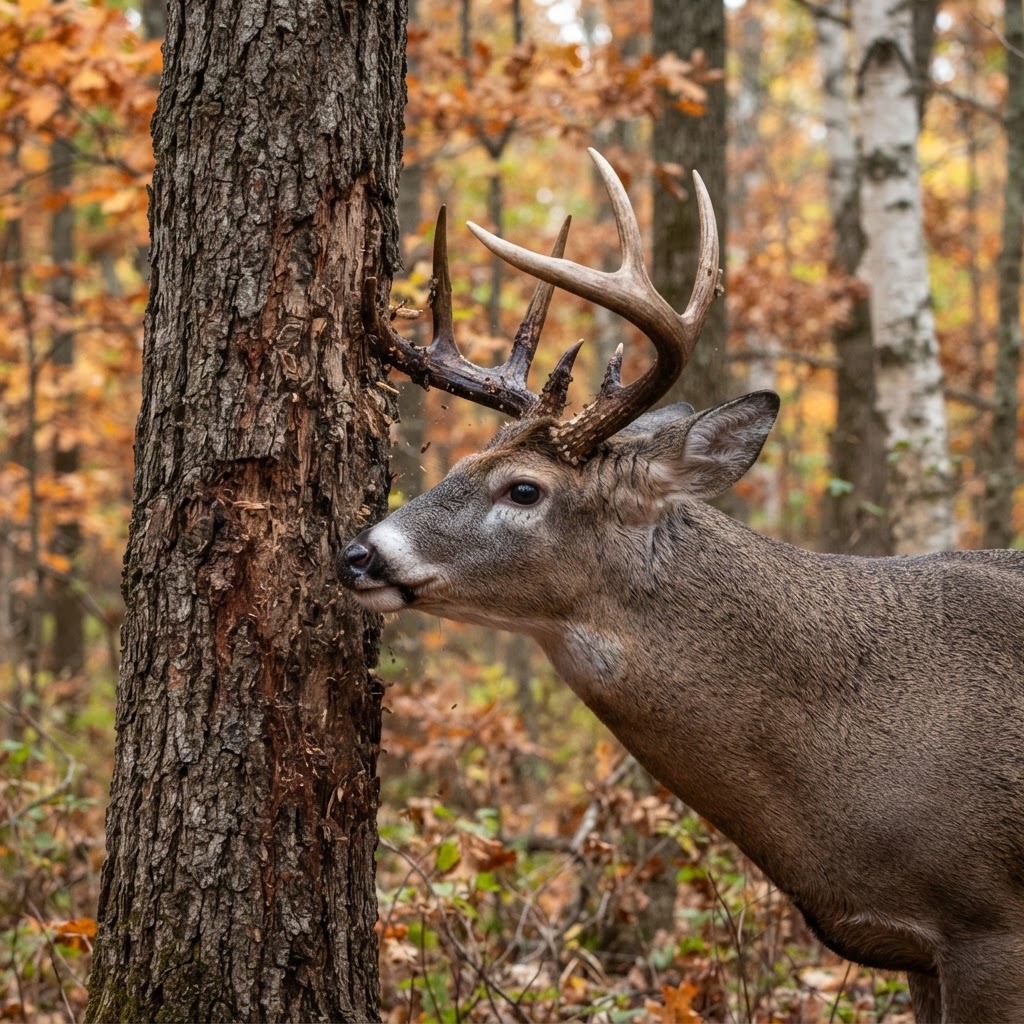
Many beginners make the mistake of assuming all rubs are created equal. A rub is simply a piece of visual communication, often used by a buck to signal his presence and physical dominance. However, the timing and location of these marks tell a much deeper story.
Early-season rubs, usually found near bedding areas or along major travel corridors, are often the work of younger bucks 'practicing' or testing their strength. As the pre-rut begins, look for 'rubs lines'—a series of scarred trees following a specific path. These lines often indicate a primary transition corridor between a heavy bedding area and a preferred food source. When you find a line of fresh rubs on cedar or pine trees, take note. If you are struggling to visualize how these lines connect, utilizing allows you to overlay these findings onto satellite topography, helping you see the terrain features, like saddles or benches, that these bucks are favoring.
Scrapes: The Social Hub of the Forest
Scrapes are the social media of the whitetail world. They are interaction points where bucks and does leave scent markers. A scrape consists of a pawed-out patch of dirt and an overhanging licking branch.
To hunt them effectively, you must distinguish between a 'community scrape' and a 'random scrape.' A community scrape is large, often found on field edges or in subtle openings, and shows multiple tracks from various deer. These are visited frequently throughout the day and night. A random scrape, often smaller and found in deeper, less traveled timber, may only be visited once. Focusing your effort on a high-traffic community scrape during the pre-rut and early rut phase is a classic, high-percentage tactic. While you wait for the wind to shift in your favor, cross-referencing these findings with can help you determine if your chosen spot is likely to be a morning or evening hot zone.
BHH Partner
Thinking about selling a rifle or an old family shotgun? Check up-to-date market pricing by make and model before you sell.
webuyguns.comThe Sanctuary: Identifying Bedding Areas
Finding a buck’s bed is the 'Holy Grail' of deer hunting, but it must be handled with extreme caution. A bed is where a deer feels secure, and once he realizes his security has been compromised by human scent or sight, he will abandon that area for days or weeks.
Look for bedding areas in high-elevation points with downwind visibility, or in dense, 'nasty' cover that offers protection from both predators and the elements. You are looking for flattened vegetation, oval-shaped indentations in the dirt, and a lack of disturbed ground—deer usually enter and exit these areas with extreme stealth. If you locate a primary bedding area, do not hunt it directly. Instead, identify the pinch points or funnels that lead to it. Hunting the transition, not the destination, is the safest way to target a mature buck without burning out your spot. If you need help identifying these transition zones on public land, our is an invaluable resource for finding pockets of undisturbed habitat that others have overlooked.
E-Tag States

Harvest Tags
E-check means you supply the tag. Printed with the exact fields your state requires.
3-pack $22.95

Youth Hunter Academy
Raise a safe, confident young hunter.
Safety missions for ages 5–17. Free parent account.
Putting It All Together
Reading sign is a cumulative process. A single rub doesn't make a stand site, but a cluster of fresh rubs near a scrape, tucked 50 yards downwind of a suspected bedding area, creates a tactical scenario that is hard to ignore. As the season progresses, pay attention to the freshness of the sign. Shiny bark on a rub or moist, dark soil in a scrape indicates activity within the last 24 to 48 hours.
Remember, your scouting should be dynamic. What worked in October during the early archery season will likely change by the peak of the rut in November. Stay mobile, keep your scent low, and let the deer tell you exactly where they want to be. By consistently observing and adapting to these subtle environmental cues, you'll find that the woods reveal their secrets to those who take the time to look.
Free every morning
Your Daily Briefing
One morning forecast for the spots you actually hunt and fish: deer movement, waterfowl flights, bite times, wind and shooting light.
See what's in itSet up your briefing
Join free, save a spot on the map, then pick what you hunt and fish and when you want your email.
Join 1,620 hunters and anglers on Buckeye Hunter Hub — free.
Latest from the Community



Everything you need to hunt smarter — free
Buckeye Hunter Hub is a free, nationwide platform. Create an account and unlock the full toolkit:
Free Interactive Hunting Map
Mark stands, cameras, and sign. Draw hunting zones with public land & county overlays across all 50 states.
Zones with Group Sharing
Share zones with your hunting group, split property into sections, assign stands, and check in — all in one place.
50 States of Hunting Resources
Season dates, license links, and DNR regulations for every state, kept current so you never miss an opener.
Deer Movement Forecast
Data-driven daily movement predictions using wind, moon, and pressure — know when to sit before you go.
Waterfowl Movement & Tools
Flight-potential forecasts, migration numbers, decoy spread planner, and a full species field guide.
From the Maker Bench

Taggart Outdoors
Custom Western Belt
Hand-built in the USA · $127.99
Shop the Maker
BHH Partner
Firearms, ammo and gear from a local Ohio shop in Grafton.
dnaarmory.comE-Tag States
Harvest Tags
E-check means you supply the tag. Printed with the exact fields your state requires.
3-pack $22.95
More Articles
Livingston County CWD Deer Testing: New Check Station Rules
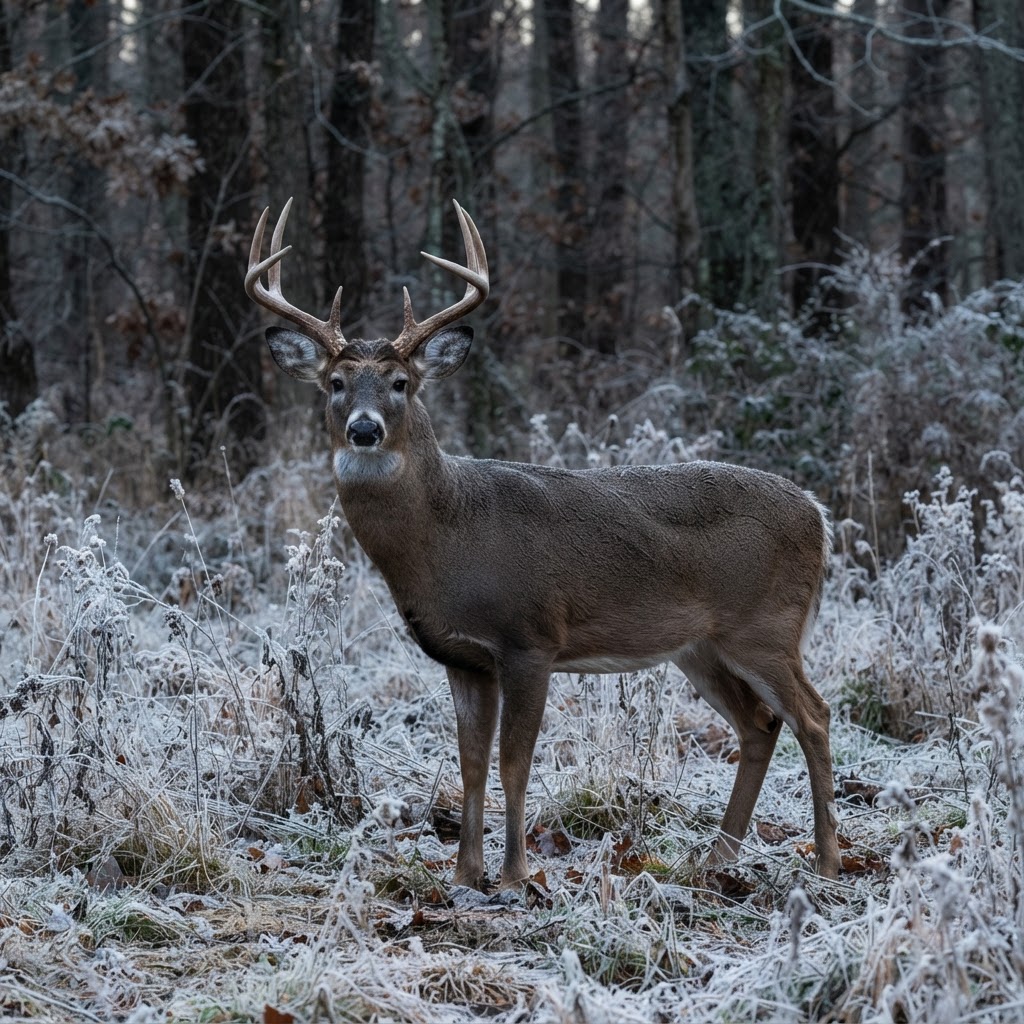
If you harvest a deer in the Livingston County containment area, you must have it tested for Chronic Wasting Disease. A new check station opens in Sparta on November 30 to handle these mandatory submissions.
Storm Front Tactics: Optimizing Your Spread for Peak Waterfowl Movement
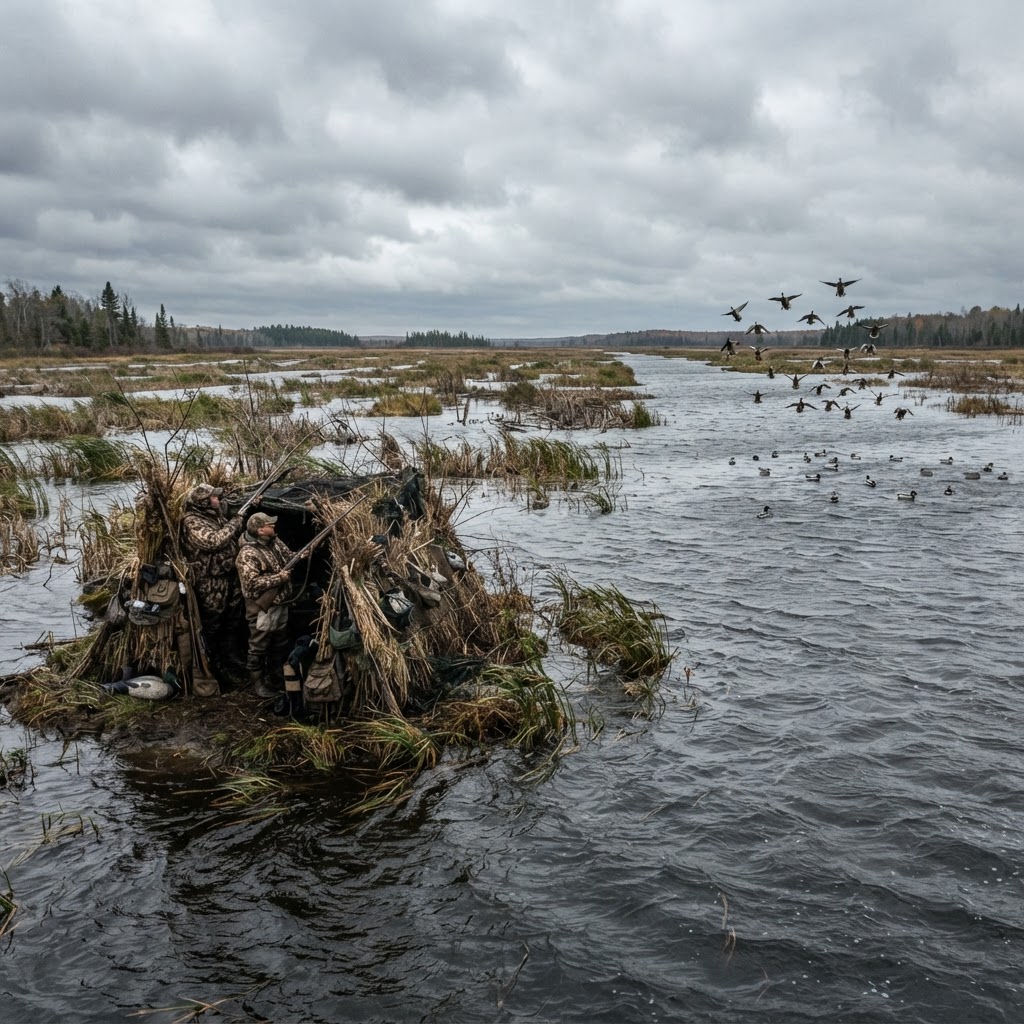
When the mercury drops and the barometric pressure plummets, the best duck hunting of the year begins. Here is how to capitalize on the weather systems that drive the migration.
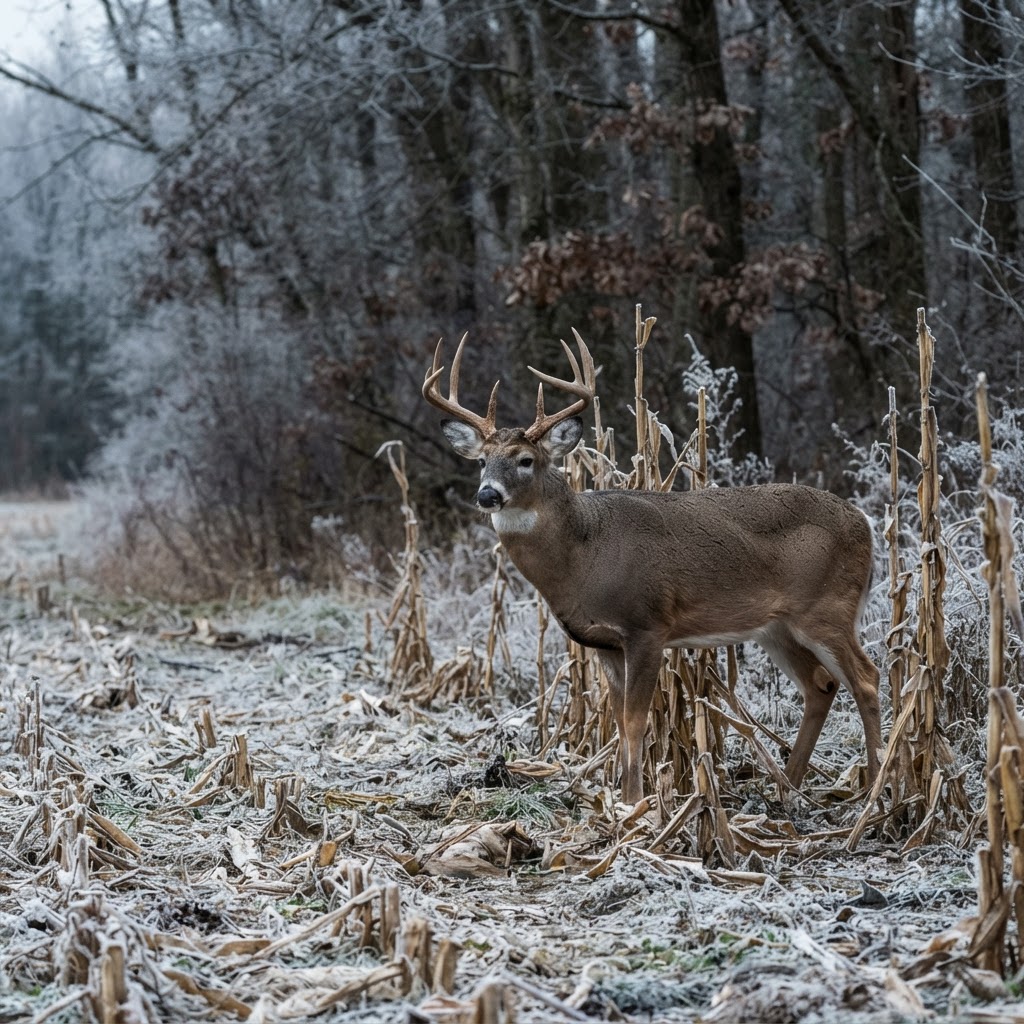
Late Season Whitetail Hunting Strategies for Post-Rut Success
Transition your focus from rut-based movement to high-energy food sources and thermal cover to capitalize on deer behavior during the post-rut period. Success in late November and December requires prioritizing calorie intake and minimizing human pressure to catch mature bucks during daylight hours.
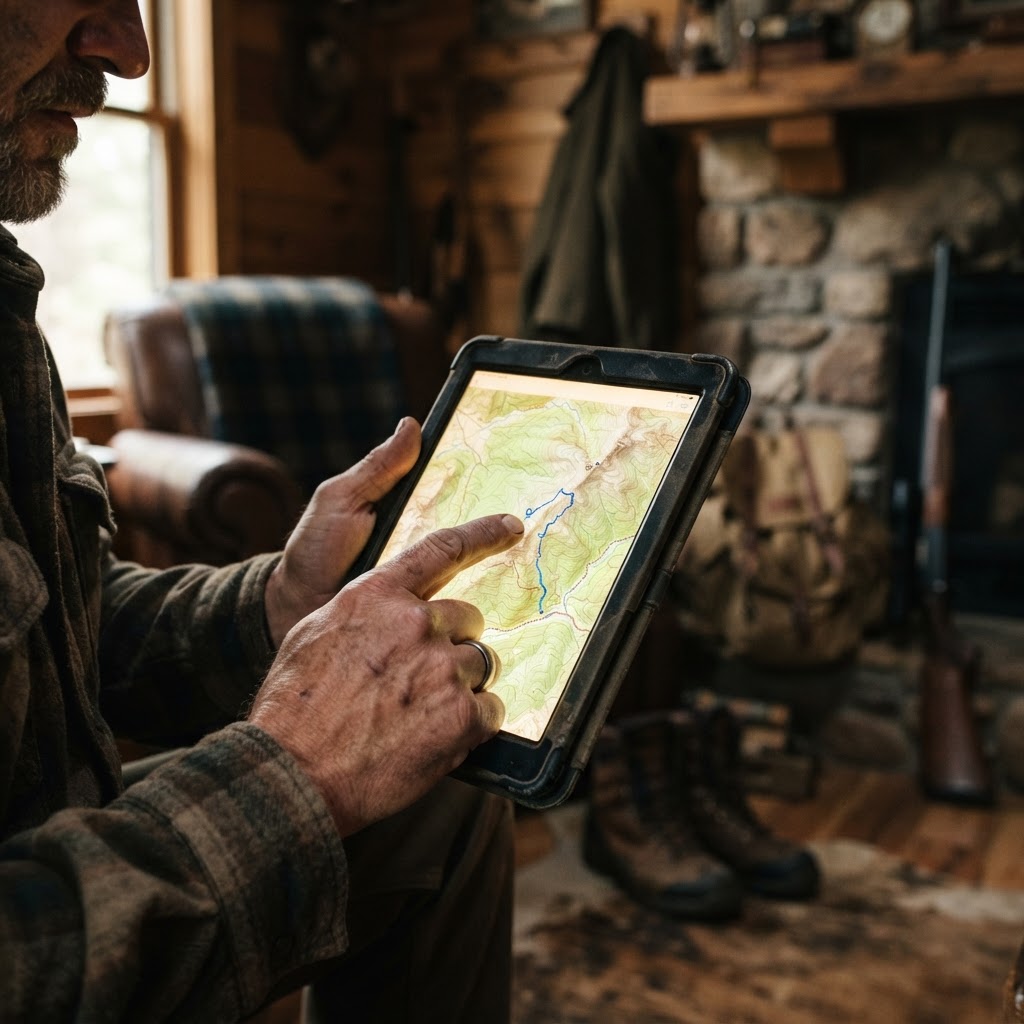
The Virtual Recon: Master Your Next Property from Your Living Room
Stop wandering aimlessly through the woods and start hunting with purpose by mastering the art of digital scouting before you ever lace up your boots.