
Scouting Ducks and Geese: Finding the X Before Opening Day
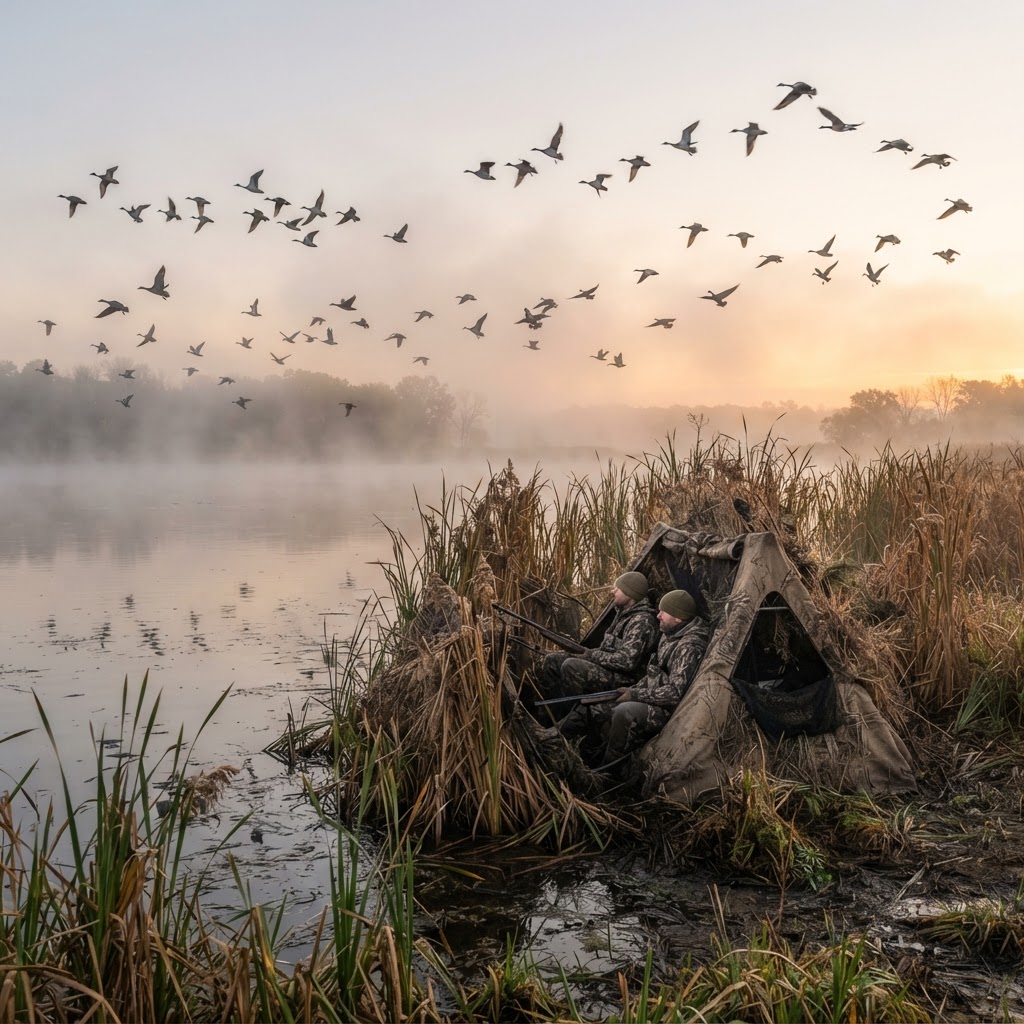
Scouting Ducks and Geese: Finding the X Before Opening Day
As waterfowl enthusiasts, we know the thrill of the chase and the satisfaction of a well-executed hunt. Before you have your day in the field, however, it's crucial to put time into scouting—finding that elusive 'X' where the ducks and geese are. In this guide, we’ll dive deep into what drives waterfowl movement and how you can leverage that knowledge to ensure a successful hunting season.
Free hunting map, zones & 50-state resources
Save your spots, share zones with your group, and get deer & waterfowl movement forecasts — free.
Understanding Waterfowl Behavior
Before you get out in the field, it’s essential to grasp the natural behaviors of ducks and geese. These birds are influenced by various environmental factors, including the weather and habitat changes. Knowing how they react helps you pinpoint where to scout effectively.
-
Weather Patterns: Waterfowl are highly sensitive to changes in the weather. Cold fronts bring significant behavioral changes, causing ducks to migrate southward or become more active in feeding as they prepare for the chill. Ideally, you want to scout before a front arrives, as birds will often feed heavily before the cold hits.
-
Barometric Pressure: A drop in barometric pressure often signals a weather change that can make waterfowl more active. Pay attention to these patterns so you can choose your days wisely.
-
Wind Considerations: Wind plays a crucial role in waterfowl movement as well. Ducks and geese prefer a steady wind between 10-20 mph for comfortable flying and feeding. Use this knowledge to scout locations where the wind is favorable for approaching birds.
-
Freeze-Ups and Snow: Sudden freezes and snow cover can drastically alter waterfowl behavior, pushing them into open water or refuge areas. Observing these changes can help you identify high-traffic areas
Scouting Techniques
With a solid understanding of waterfowl behavior, it’s time to focus on how to scout effectively:
-
Utilize Waterfowl Movement Forecast: This tool will help you gauge where birds are moving based on weather conditions and migration patterns. Monitoring these factors allows for smarter scouting decisions.
-
On-the-Ground Observation: Spend time in the field to observe where waterfowl are roosting and feeding. Look for tracks, droppings, and feathers to determine high-traffic areas. Early morning and late evening are prime times for scouting.
-
Use Interactive Hunting Maps: Mapping software allows you to visualize and categorize your findings, noting patterns and frequent places where birds gather.
E-Tag States

Harvest Tags
E-check means you supply the tag. Printed with the exact fields your state requires.
3-pack $22.95
Establishing Effective Decoy Spreads
Decoy spread strategy is a crucial component of your waterfowl hunting success. Here are some actionable tips:
- Match the Local Conditions: Pay attention to the species you are targeting and the local conditions. For instance, when hunting mallards, a J-hook spread with a few flocked decoys can attract attention.
Raise a safe, confident young hunter.
Guide your kids ages 5–17 through interactive hunting safety missions, real decision drills, and earned trophies — all from one free parent account.
Bonus: every $10 you spend in the BHH shop earns a free seat (up to 5). Use them or share them.




-
Use the Waterfowl Decoy Spread Planner: This resource can help customize a spread to the location and weather conditions.
-
Concealment: Position your blind or hide where it makes sense with your decoy spread but also offers the best concealment. Remember, waterfowl have sharp eyesight and can easily detect movements.
Blind Placement and Calling Techniques
-
Blind Placement: Position your hunting blind downwind of the decoys to catch the birds as they approach. Observing the birds during your scouting missions will help you better place your blinds in relation to where they land or feed.
-
Effective Calling: Take time to practice your calls in advance. Each species has its own sounds, and learning to mimic them can pull curious birds into range. Invest in quality calls that suit the species you are targeting. Your calls should create curiosity and a sense of urgency for the birds to join your spread.
-
ScoutNest AI: For comprehensive planning, consider using AI-driven tools, which can provide real-time scouting recommendations and weather forecasts tailored to your hunting needs.
Timing Your Scouting Efforts
Knowing when to scout is just as crucial as where:
-
Prior to Opening Day: Scouting should begin weeks in advance. Use your findings to fine-tune your strategy. Birds develop patterns that can be disrupted by weather changes, so regular observation is key.
-
Opening Week: Often, the first week of the season yields the best results as birds are still a little disoriented and adjusting to hunting pressure. Seek out areas away from the heaviest hunting pressure.
Conclusion
Finding the X before opening day is all about understanding waterfowl behavior, leveraging weather influences, and employing effective hunting strategies. With the right scouting techniques, decoy spreads, blind placement, and calling skills, your chances of a successful hunt increase dramatically. Keep an eye on local updates regarding bird numbers.
Remember, conservation is key! For responsible management and more hunting resources, connect with local groups. Now, get out there, scout smart, and enjoy your waterfowl hunting experience!
Explore More on Buckeye Hunter Hub
<!-- links-cleaned -->Join 537 hunters and anglers on Buckeye Hunter Hub — free.
Latest from the Community


New drop
Fresh Buckeye Hunter Hub tees & hoodies


Everything you need to hunt smarter — free
Buckeye Hunter Hub is a free, nationwide platform. Create an account and unlock the full toolkit:
Free Interactive Hunting Map
Mark stands, cameras, and sign. Draw hunting zones with public land & county overlays across all 50 states.
Zones with Group Sharing
Share zones with your hunting group, split property into sections, assign stands, and check in — all in one place.
50 States of Hunting Resources
Season dates, license links, and DNR regulations for every state, kept current so you never miss an opener.
Deer Movement Forecast
Data-driven daily movement predictions using wind, moon, and pressure — know when to sit before you go.
Waterfowl Movement & Tools
Flight-potential forecasts, migration numbers, decoy spread planner, and a full species field guide.
From the Maker Bench

SE Ohio Outdoors
Euro Mount Hook
Hand-built in the USA · $8.00
Shop the MakerNew drop
Fresh Buckeye Hunter Hub tees & hoodies
Shop This

StopBox Pro Ward | Wall-Mounted
$179.00$199.99

StopBox Pro Compact
$159.00$179.99

BHH Grit Whitetail Tee
$20.55

Buckeye Hunter Hub Hoodie — Woodie
$32.87
E-Tag States
Harvest Tags
E-check means you supply the tag. Printed with the exact fields your state requires.
3-pack $22.95
More Articles
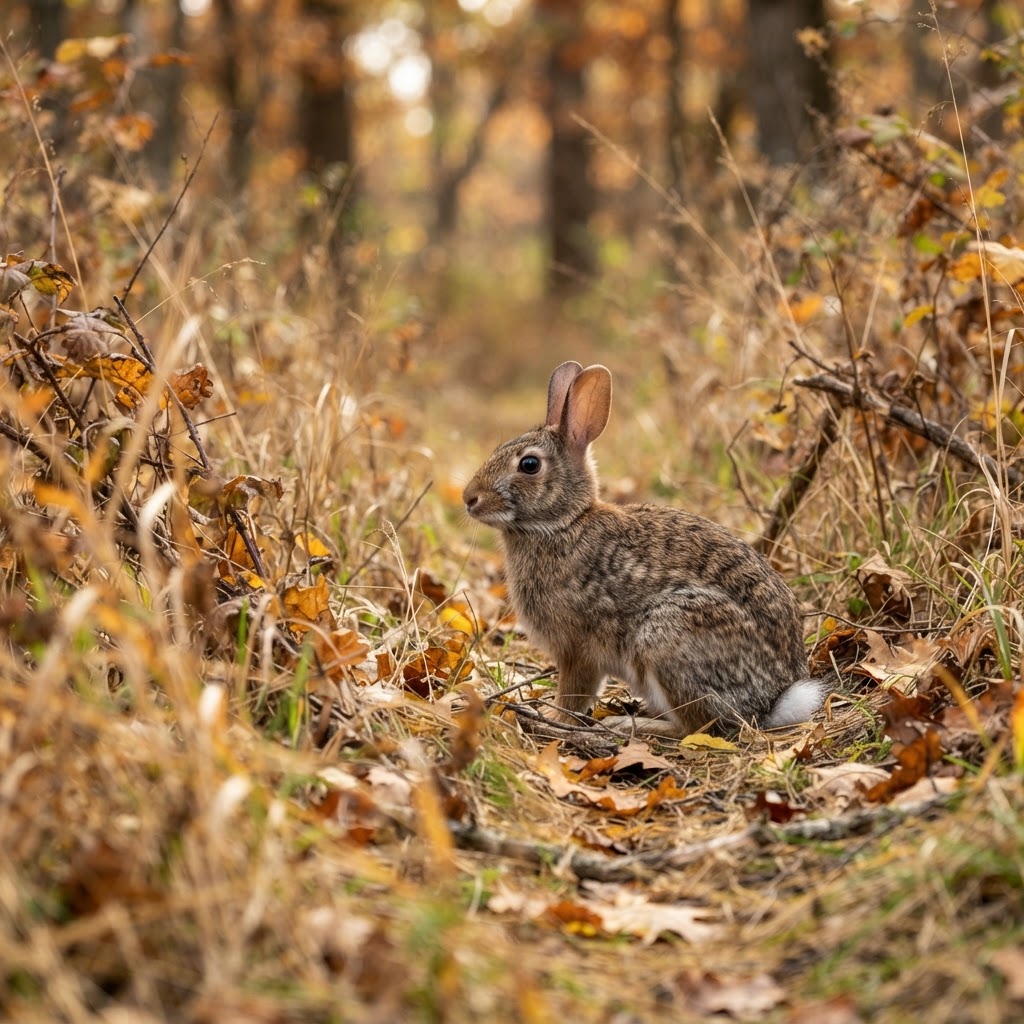
Cottontail Chronicles: Mastering the Art of Small Game Pursuit
Often overlooked in favor of larger game, the cottontail rabbit offers a challenging, fast-paced hunting experience that sharpens your field skills like no other.
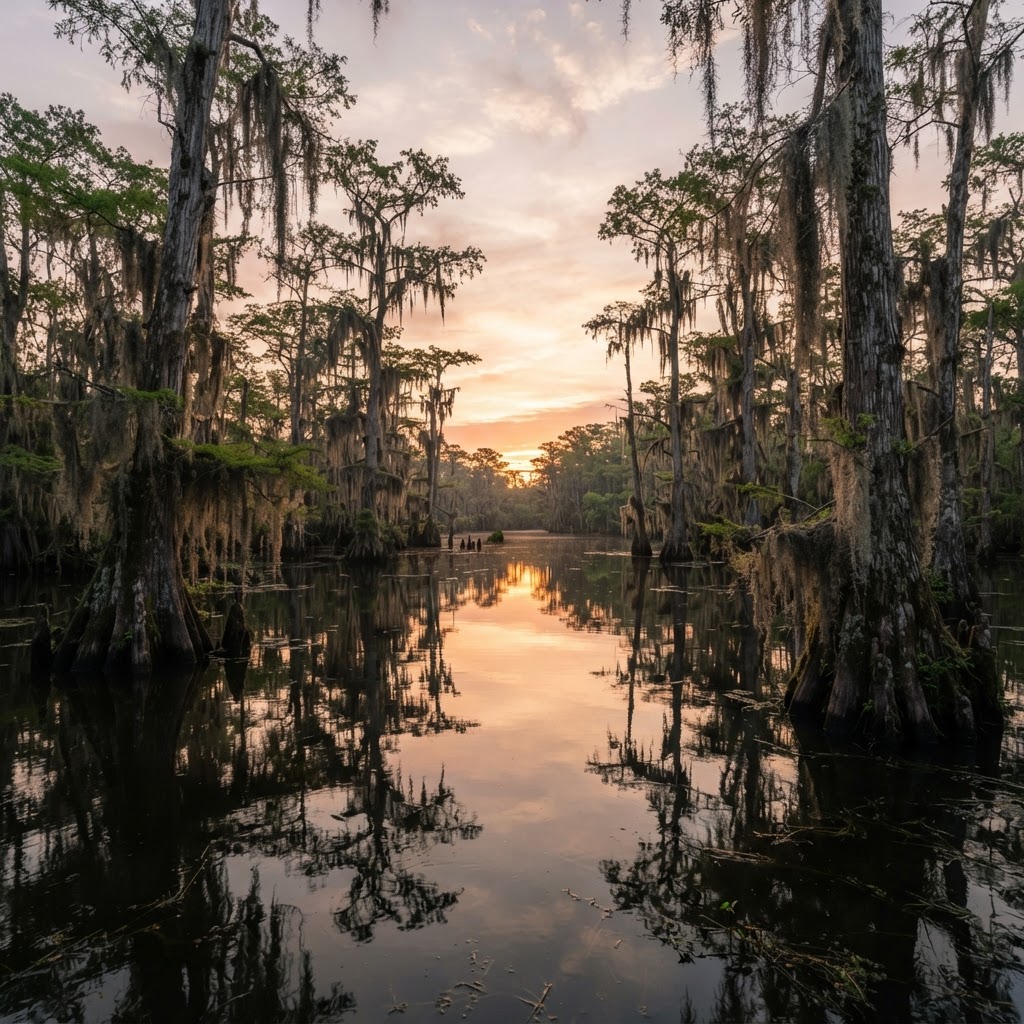
Bayou Bound: Navigating Louisiana’s Vast Public Hunting Landscape
From the sprawling bottomland hardwoods to the coastal marshes, discover how to conquer Louisiana’s public lands and find success in the Sportsman's Paradise.
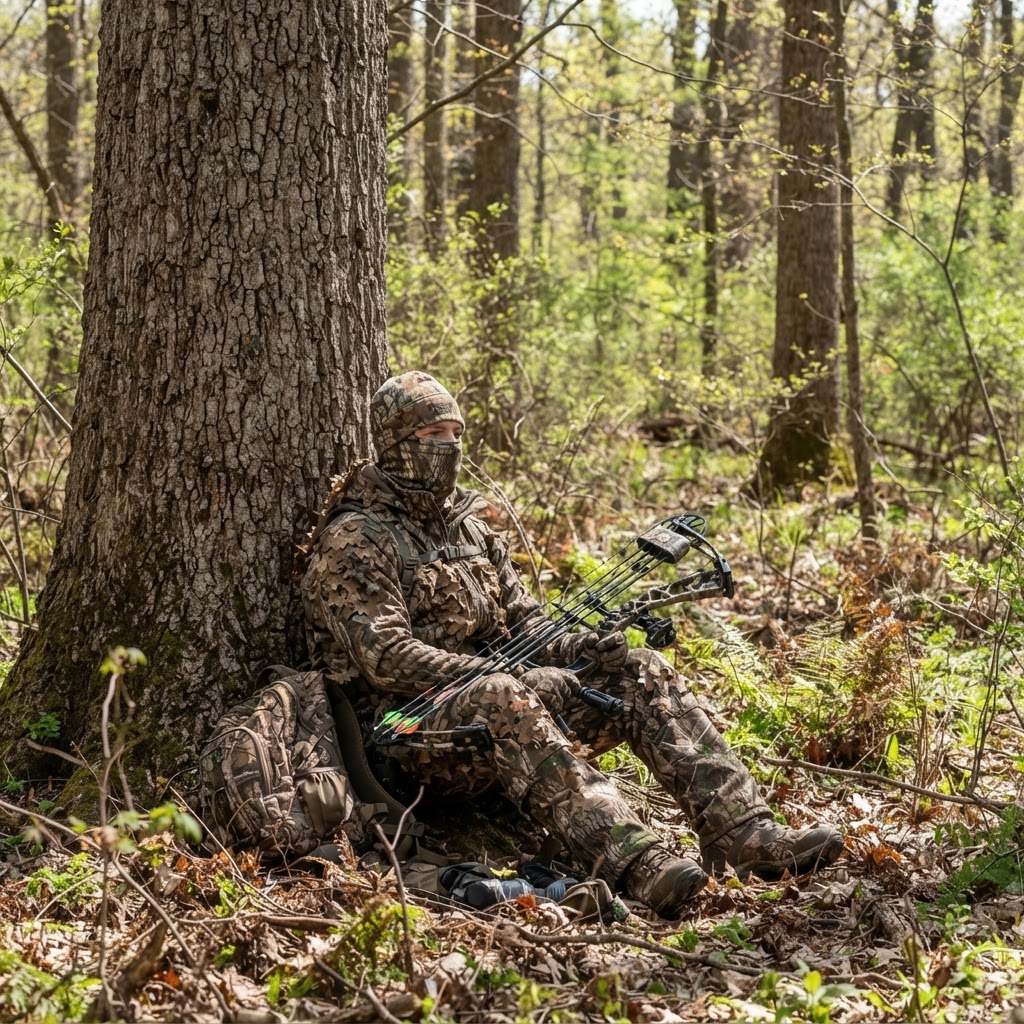
Mastering the Spring Gobbler: A Comprehensive Strategy for Turkey Success
From understanding complex vocalization patterns to mastering the setup, learn how to outsmart the wild turkey and bring home a spring trophy.
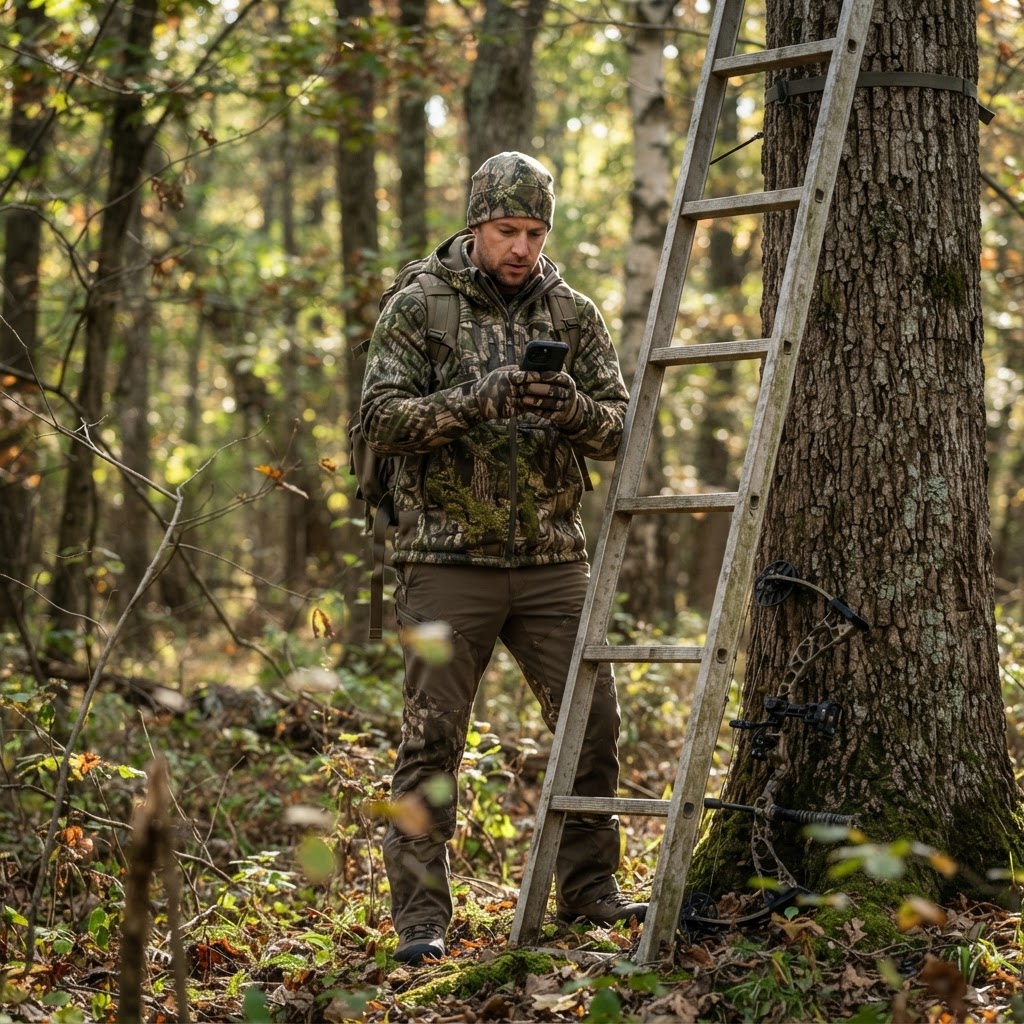
Digital Intelligence: Organizing Your Season with Waypoint Precision
Transform your chaotic scouting notes into a precise, visual game plan using Buckeye Hunter Hub’s interactive mapping tools. Learn how to pin your stands, blinds, and cameras for a more efficient, successful season.