Migratory Masters: Advanced Strategies for Late-Season Dry Field Honkers
Decoding the Migration and Weather Patterns
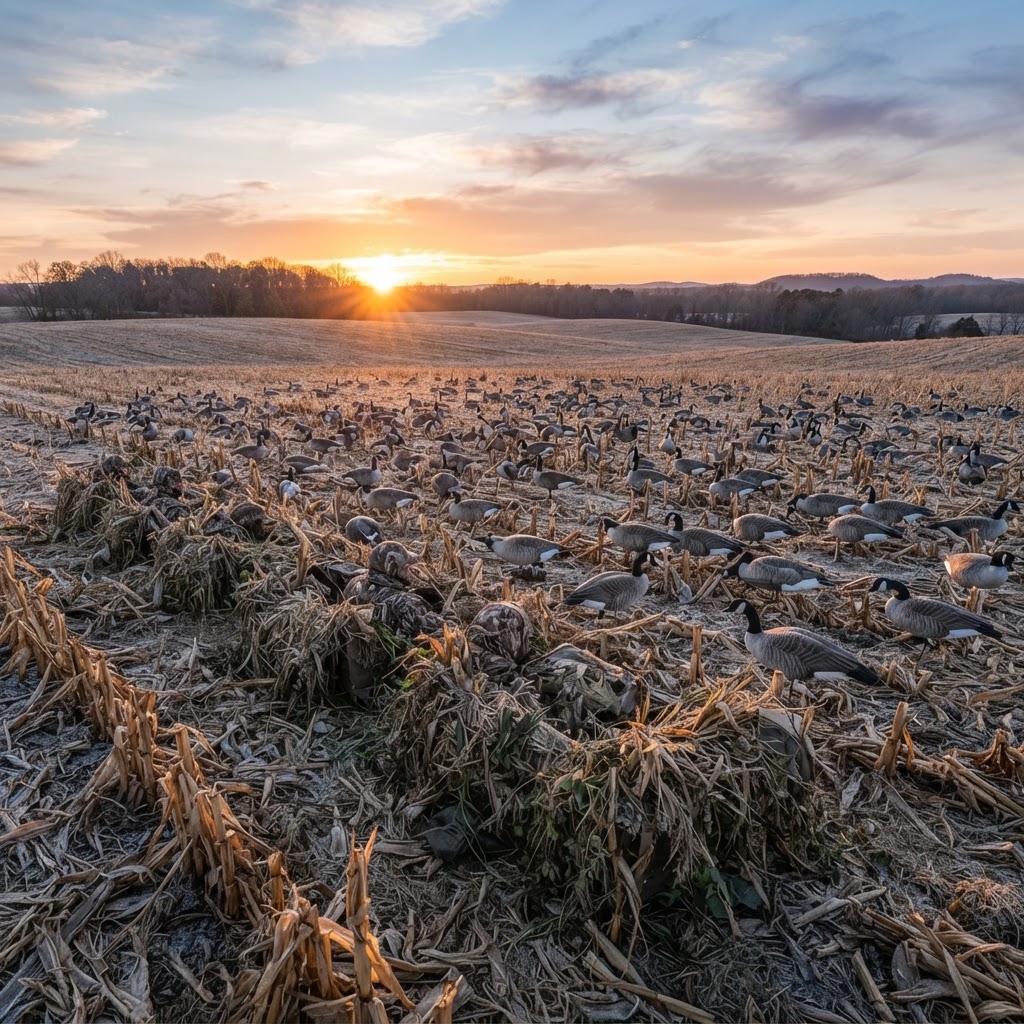
Success in the dry field starts long before you set a single decoy. Canada geese are creatures of habit, but those habits shift dramatically when a major cold front pushes through. For the savvy hunter, tracking is essential to understanding when new, 'uneducated' birds are entering your area. These migrants are often far more responsive to calling and decoys than the local flight birds that have been pressured for weeks.
Free hunting map, zones & 50-state resources
Save your spots, share zones with your group, and get deer & waterfowl movement forecasts — free.
Weather is the ultimate trigger for movement. Geese are most active when the barometer is falling just ahead of a storm front, or when the pressure begins to rise immediately following a cold snap. While many hunters pray for bluebird days, the reality is that a 15–25 mph wind is your best friend. A stiff breeze forces birds to fly lower to navigate, makes them more likely to commit to a spread, and helps hide the inevitable imperfections in your concealment. When the freeze-up hits, look for open water sources like power plant cooling ponds or flowing rivers where geese will congregate; your field hunt should ideally be positioned on the primary 'X' between these roosts and the nearby high-energy food sources.
The Art of the Spread: Beyond the Standard Pattern
Many hunters fall into the trap of setting a generic U-shape or X-spread regardless of the wind or the bird's mood. However, adapting your spread to the specific day is critical. If you are struggling to visualize your setup, use our to adjust for wind direction and field size.
For late-season geese that have seen it all, less is often more. Instead of massive, static blocks of decoys, try breaking your spread into smaller family groups with a distinct 'landing hole.' Creating gaps between clusters mimics the social structure of real geese on the ground. Motion is the single most important factor in bringing wary birds into range. If there is little wind, flags are non-negotiable. If the wind is howling, flags can actually be counterproductive by looking too frantic; in these cases, rely on wind-activated wing-spinners or motion stakes to provide subtle, lifelike movement. Remember, geese prefer to land with their feet down and head into the wind, so keep your primary landing zone positioned clearly within range of your blinds.
Concealment: The Final Barrier to Success
Concealment is where most hunts are won or lost. The best spread in the world is useless if the birds spot you before they commit. The biggest mistake in dry-field hunting is failing to stubble your blinds properly. You should not be able to distinguish the layout blinds from the surrounding corn stalks, winter wheat, or cut beans. Use local vegetation from the edge of the field to camouflage your gear thoroughly.
Washington · E-Tag State

Washington Harvest Tags
E-check means you supply the tag. Printed with the exact fields Washington requires.
3-pack $22.95
If you are hunting in a sparse field, dig in. Excavating a few inches of dirt to lower the profile of your blind can be the difference between a bird cupping its wings and one flaring at 60 yards. Ensure your shadows are minimized by keeping the blinds tight together and using mud-camo or burlap to break up any unnatural plastic shine.
Scouting and Persistence
Nothing beats scouting. Using , identify potential landing spots near known water, but verify it with your own eyes. Watch the flight path in the evenings and mornings to identify where they are feeding. It is better to hunt an 'average' field where the birds want to be than a 'perfect' field that is a mile away from their target. When you find that spot, move quickly. Geese are dynamic, and in many regions, they will strip a field of high-energy grain in 48 hours. By staying mobile and constantly monitoring the , you can stay one step ahead of the flight.
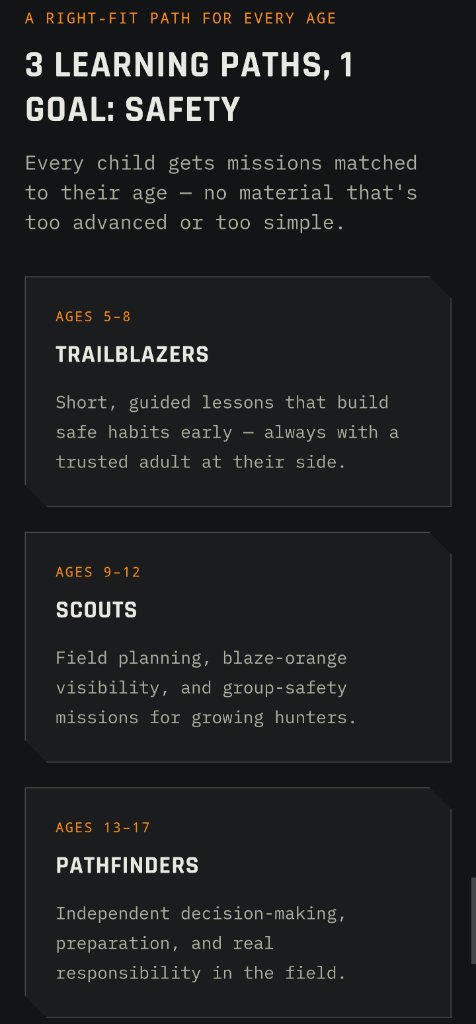
Raise a safe, confident young hunter.
Guide your kids ages 5–17 through interactive hunting safety missions, real decision drills, and earned trophies — all from one free parent account.



Finally, don't be afraid to connect with others via our to share regional tips or swap intel. Waterfowl hunting is a demanding pursuit that requires constant adaptation, but there is no greater reward than a well-executed plan that brings a flock of committed honkers into the decoys. Respect the birds, master the conditions, and stay hidden—the rest will follow.
Join 363 hunters and anglers on Buckeye Hunter Hub — free.
Latest from the Community


New drop
Fresh Buckeye Hunter Hub tees & hoodies


Everything you need to hunt smarter — free
Buckeye Hunter Hub is a free, nationwide platform. Create an account and unlock the full toolkit:
Free Interactive Hunting Map
Mark stands, cameras, and sign. Draw hunting zones with public land & county overlays across all 50 states.
Zones with Group Sharing
Share zones with your hunting group, split property into sections, assign stands, and check in — all in one place.
50 States of Hunting Resources
Season dates, license links, and DNR regulations for every state, kept current so you never miss an opener.
Deer Movement Forecast
Data-driven daily movement predictions using wind, moon, and pressure — know when to sit before you go.
Waterfowl Movement & Tools
Flight-potential forecasts, migration numbers, decoy spread planner, and a full species field guide.
From the Maker Bench

Taggart Outdoors
Padded Rifle Sling
Hand-built in the USA · $134.99
Shop the MakerNew drop
Fresh Buckeye Hunter Hub tees & hoodies
Shop This

StopBox Pro Ward | Wall-Mounted
$179.00$199.99

StopBox Pro Compact
$159.00$179.99

Buckeye Hunter Hub Tee — Harvest Moon Buck
$20.55

Buckeye Hunter Hub Hoodie — Harvest Moon Buck
$32.87
E-Tag States

Harvest Tags
E-check means you supply the tag. Printed with the exact fields your state requires.
3-pack $22.95
More Articles
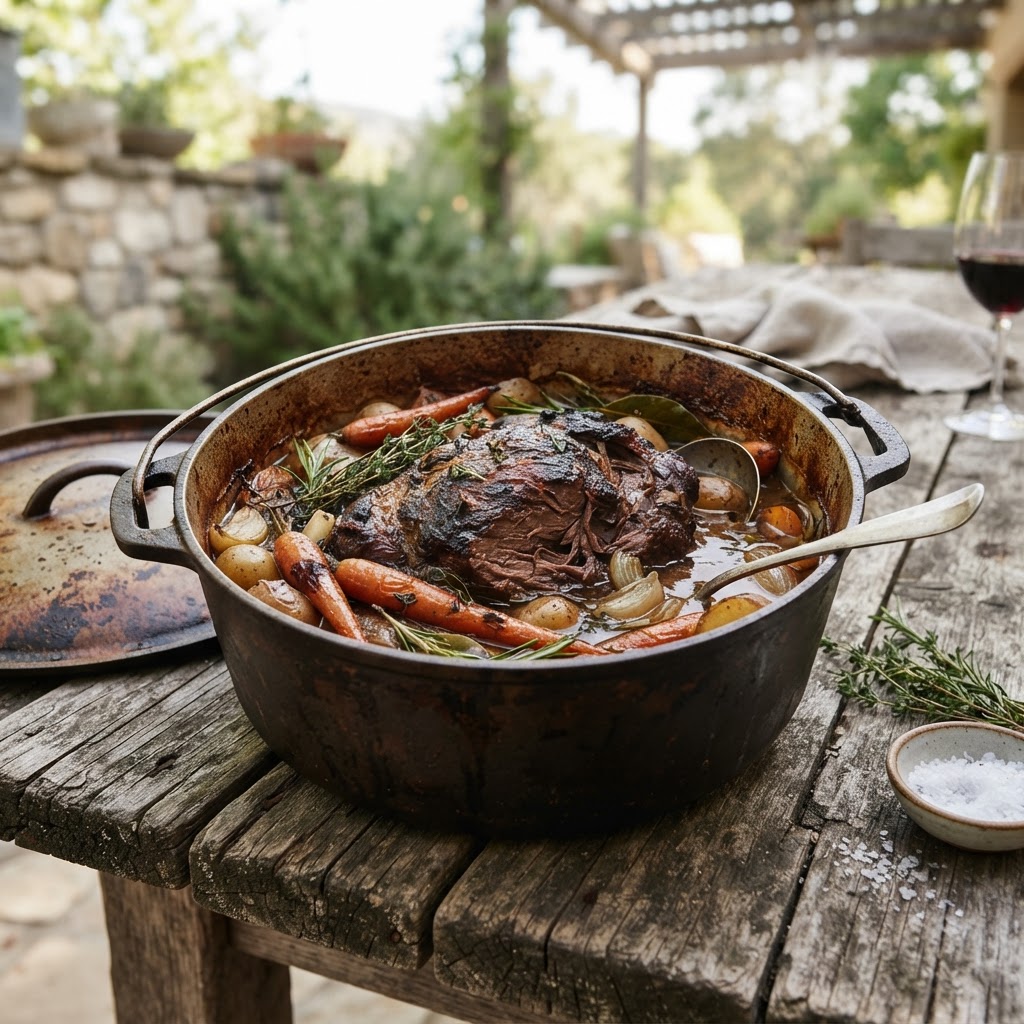
Tender Tendencies: Mastering the Low-and-Slow Elk Roast
Transforming a lean elk roast into a fork-tender centerpiece is easier than you think—if you respect the biology of the meat. Here is our guide to achieving the perfect wild game texture every time.
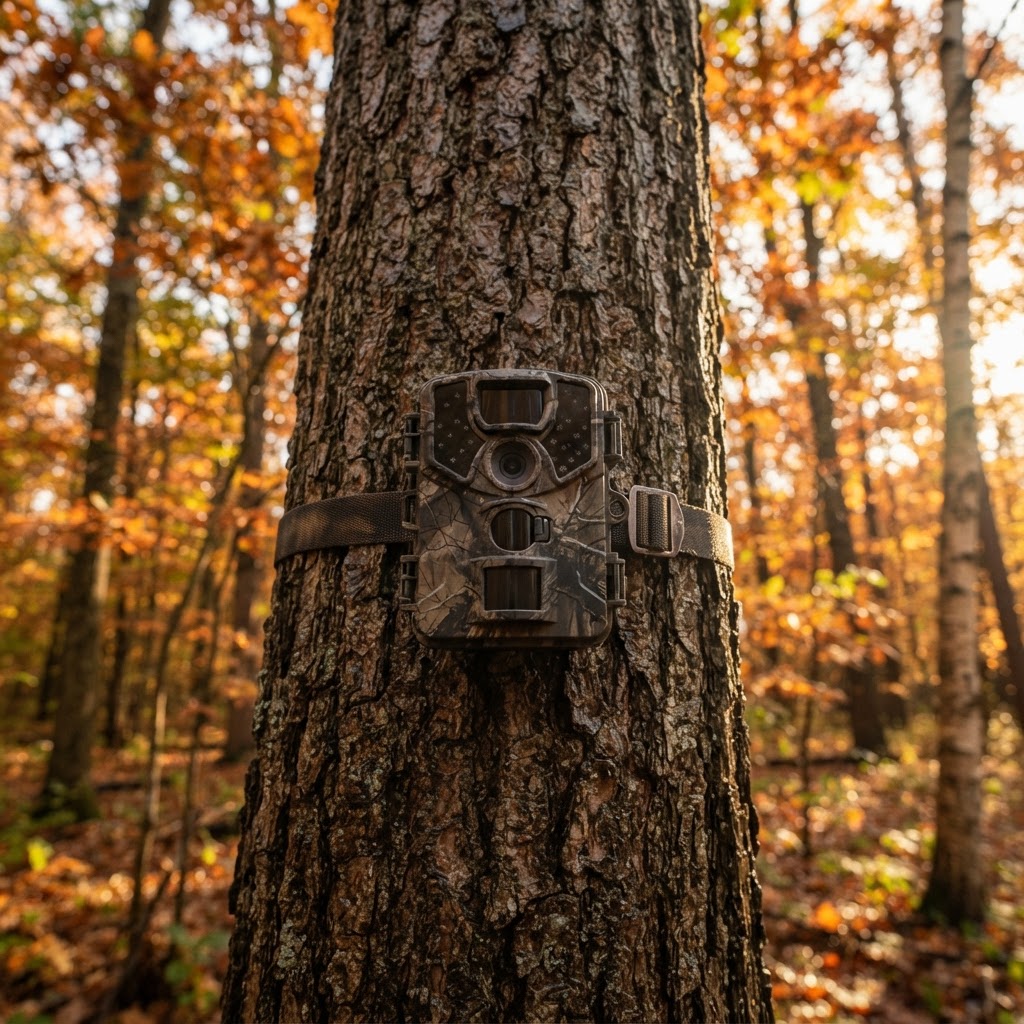
Beyond the SD Card: Using Intelligent Image Filtering to Predict Deer Behavior
Drowning in thousands of empty trail camera photos? Discover how to use automated image filtering to instantly identify bucks, does, and movement patterns without the manual headache.

Introducing the BHH Grunge Americana Mule Deer Tee: Rugged Style for the Field
Upgrade your outdoor wardrobe with the new BHH Grunge Americana Mule Deer Tee, designed for those who live for the hunt and value comfort in every environment.
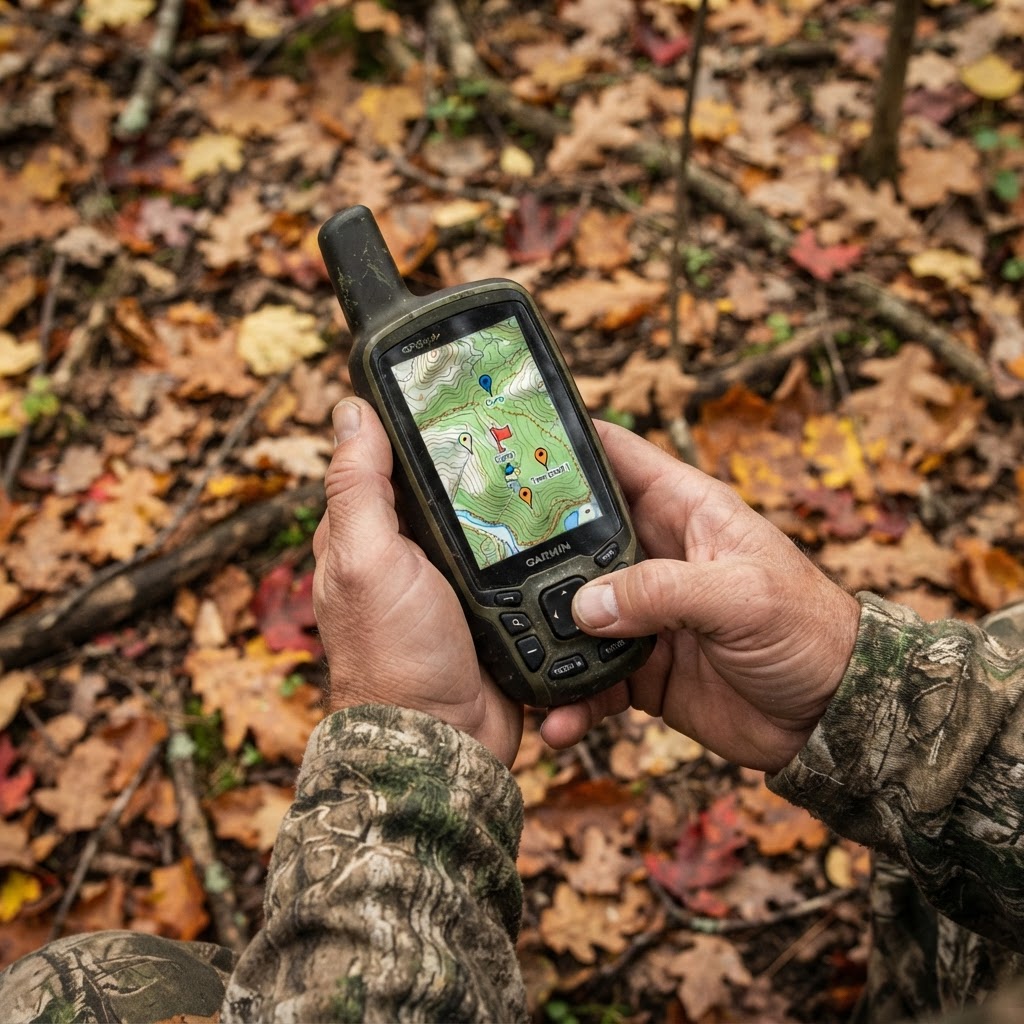
Mapping Your Success: A Hunter's Workflow for Strategic Waypoint Placement
Stop guessing where to set your gear and start building a digital blueprint of your hunting property using the Buckeye Hunter Hub interactive mapping tools.