Mastering the Spring Gobbler: A Comprehensive Guide to Wild Turkey Hunting
Understanding the Wild Turkey: Biology and Behavior
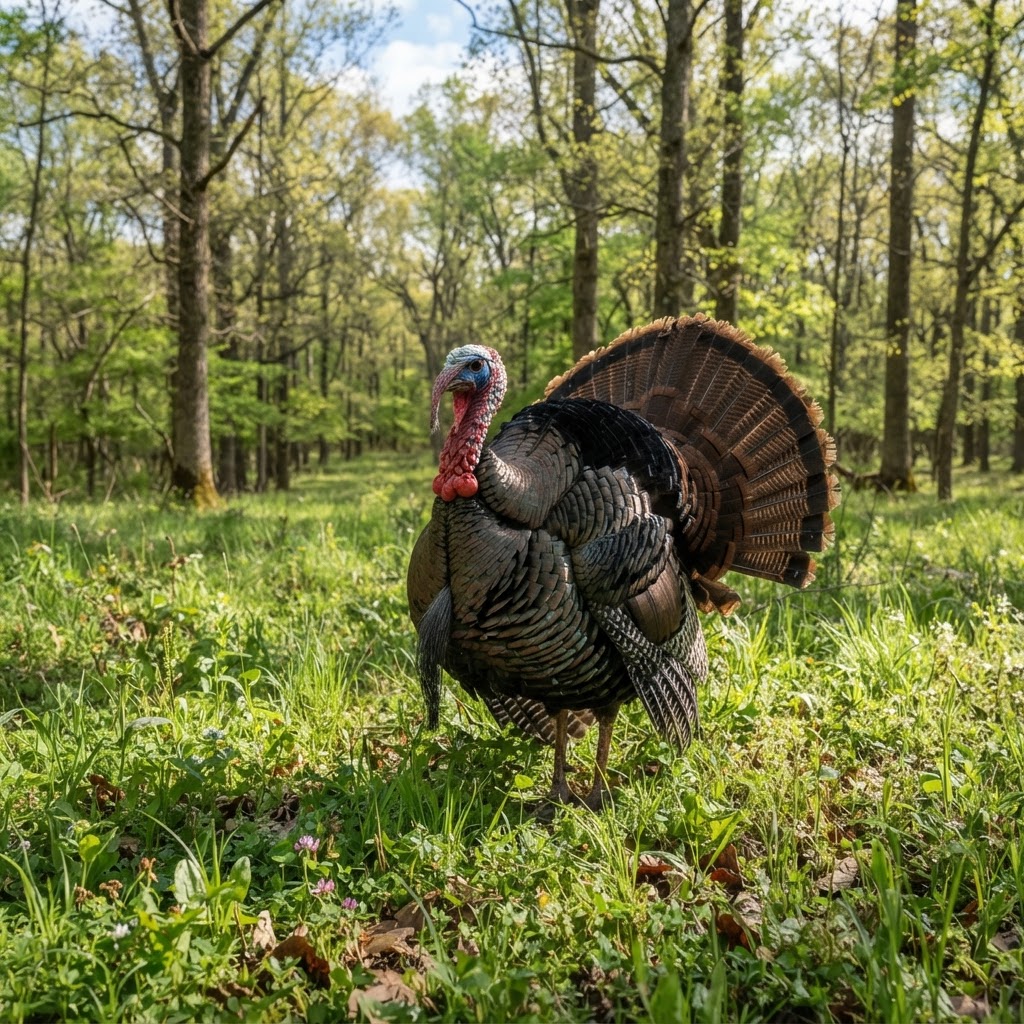
Wild turkeys (Meleagris gallopavo) are among the most challenging and rewarding game birds in North America. To hunt them successfully, one must first understand their biology. A mature gobbler’s life is governed by two main drives: survival and procreation. During the spring, the hormonal surge triggers an aggressive search for hens, leading to the iconic gobbling behavior that signals their location to competitors and mates alike.
Free hunting map, zones & 50-state resources
Save your spots, share zones with your group, and get deer & waterfowl movement forecasts, free.
Turkeys possess incredible eyesight and hearing. Their peripheral vision covers nearly 300 degrees, and they can detect the slightest movement from hundreds of yards away. Understanding this is critical for any hunter. When you are sitting in your blind or against a tree, your stillness is your greatest asset. While they are intelligent, they are also creatures of habit, often utilizing the same roosting trees and strutting zones throughout the season.
Habitat and Range
Wild turkeys are incredibly adaptable, ranging from the hardwood forests of the Appalachian Mountains to the open plains of the Midwest and the scrub oak habitats of the Southwest. In most areas, they prefer a mosaic of habitats: open pastures or fields for strutting and feeding, interspersed with mature timber for roosting. Before you head out, consult to understand the specific populations and regulations in your target area.

Essential Gear and Tactics
Modern turkey hunting is a balance between traditional woodsmanship and high-tech equipment. You do not need to break the bank to be effective, but quality gear matters. A reliable shotgun, usually a 12 or 20 gauge, paired with tight-patterning turkey choke and heavy tungsten or TSS (Tungsten Super Shot) loads, is the gold standard for clean, ethical harvests.
Calling Techniques
Calling is the heartbeat of turkey hunting. It is not just about making noise; it is about mimicking the social language of the flock. Start with a box call for its ease of use and ability to project sound, or master a mouth diaphragm call for hands-free operation. Remember, less is often more. If a gobbler is interested, he will come. Avoid over-calling, which can sometimes alert a wary bird to your exact location.
Decoy Strategies
Decoys serve as the focal point for an incoming bird, drawing his eyes away from your position. Using a jake or strutting tom decoy can trigger an aggressive response from a dominant gobbler, while a hen decoy is more subtle and inviting. Always place decoys within 20-25 yards of your hide so you have a precise reference for your shot window.
E-Tag States

Harvest Tags
E-check means you supply the tag. Printed with the exact fields your state requires.
3-pack $22.95

Youth Hunter Academy
Raise a safe, confident young hunter.
Safety missions for ages 5–17. Free parent account.
Tips for New and Experienced Hunters
If you are new to the sport, don't feel pressured to chase every bird you hear. Instead, find a good location, set up, and wait. Persistence is often rewarded far more than aggressive movement. For those seasoned hunters looking to sharpen their skills, focus on improving your woodsmanship—scouting for sign like tracks, droppings, and dusting areas is far more productive than relying solely on calling.
Always check to ensure you are operating within the legal framework of your state. Furthermore, if you are looking for new areas to explore, don't hesitate to check to find private ground that may hold fewer hunters than public land.
Conservation and Ethics
As sportsmen and women, we are the primary funders of conservation. By purchasing hunting licenses and participating in the industry, we contribute directly to wildlife management programs. If you want to connect with others who share these values, joining can provide a wealth of knowledge and camaraderie. The goal of every hunt should be an ethical harvest and a deep appreciation for the natural world. Take the time to study your target, respect the bird's instincts, and always prioritize safety in the field. Whether you fill your tag or simply enjoy the sunrise from the timber, the experience of a spring morning in the woods is what keeps us coming back year after year.
Free every morning
Your Daily Briefing
One morning forecast for the spots you actually hunt and fish: deer movement, waterfowl flights, bite times, wind and shooting light.
See what's in itSet up your briefing
Join free, save a spot on the map, then pick what you hunt and fish and when you want your email.
Join 1,315 hunters and anglers on Buckeye Hunter Hub — free.
Latest from the Community



Everything you need to hunt smarter — free
Buckeye Hunter Hub is a free, nationwide platform. Create an account and unlock the full toolkit:
Free Interactive Hunting Map
Mark stands, cameras, and sign. Draw hunting zones with public land & county overlays across all 50 states.
Zones with Group Sharing
Share zones with your hunting group, split property into sections, assign stands, and check in — all in one place.
50 States of Hunting Resources
Season dates, license links, and DNR regulations for every state, kept current so you never miss an opener.
Deer Movement Forecast
Data-driven daily movement predictions using wind, moon, and pressure — know when to sit before you go.
Waterfowl Movement & Tools
Flight-potential forecasts, migration numbers, decoy spread planner, and a full species field guide.
From the Maker Bench

Taggart Outdoors
Custom Western Belt
Hand-built in the USA · $127.99
Shop the Maker
BHH Partner
Firearms, ammo and gear from a local Ohio shop in Grafton.
dnaarmory.comE-Tag States
Harvest Tags
E-check means you supply the tag. Printed with the exact fields your state requires.
3-pack $22.95
More Articles
The Strategic Playbook: Building a Winning Public Land Hunting Framework
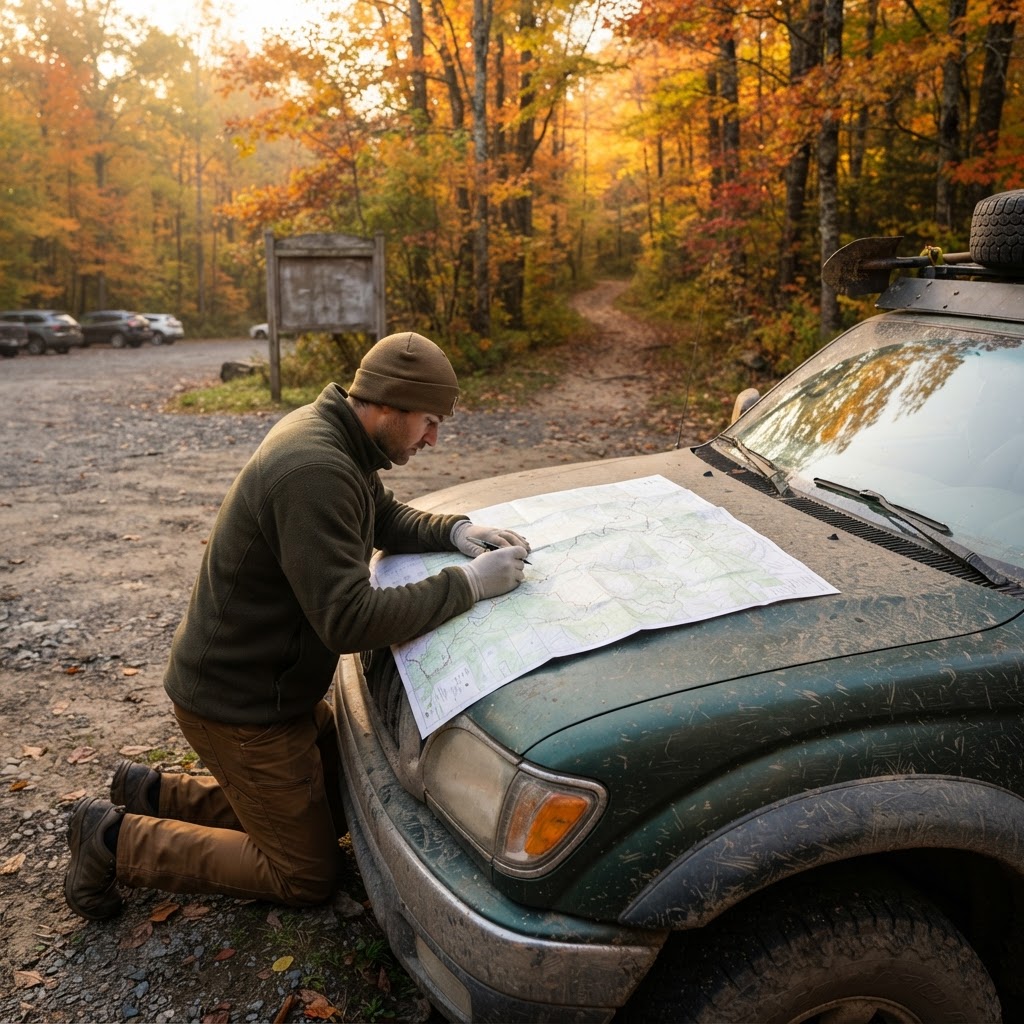
Hunting public land requires more than just luck; it demands a structured, step-by-step approach to scouting, logistics, and execution. Learn how to build your seasonal game plan from the ground up to consistently outperform the crowd.
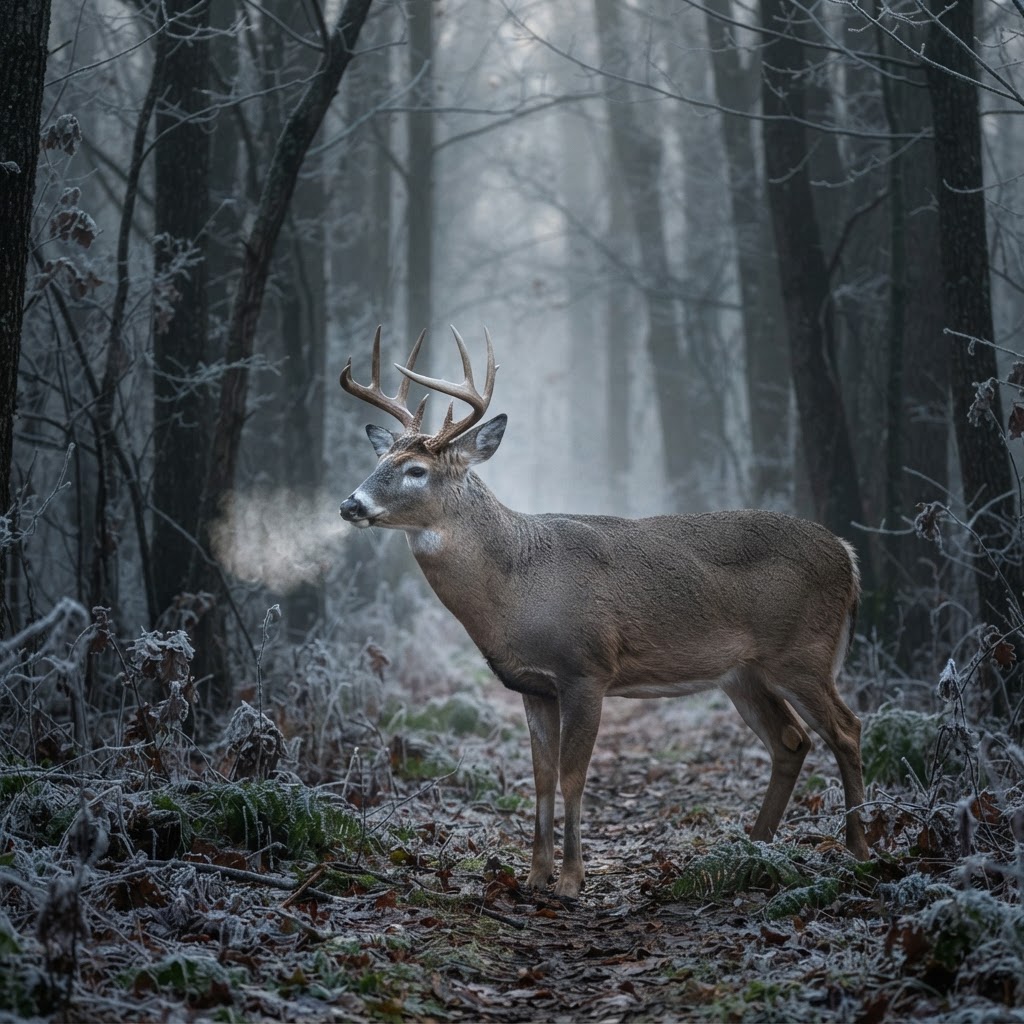
Barometric Pressure and Whitetails: Separating Hunting Folklore from Biological Reality
Does the barometer really dictate when a buck stands up? We dig into the peer-reviewed telemetry data to uncover the truth behind weather-driven deer movement.
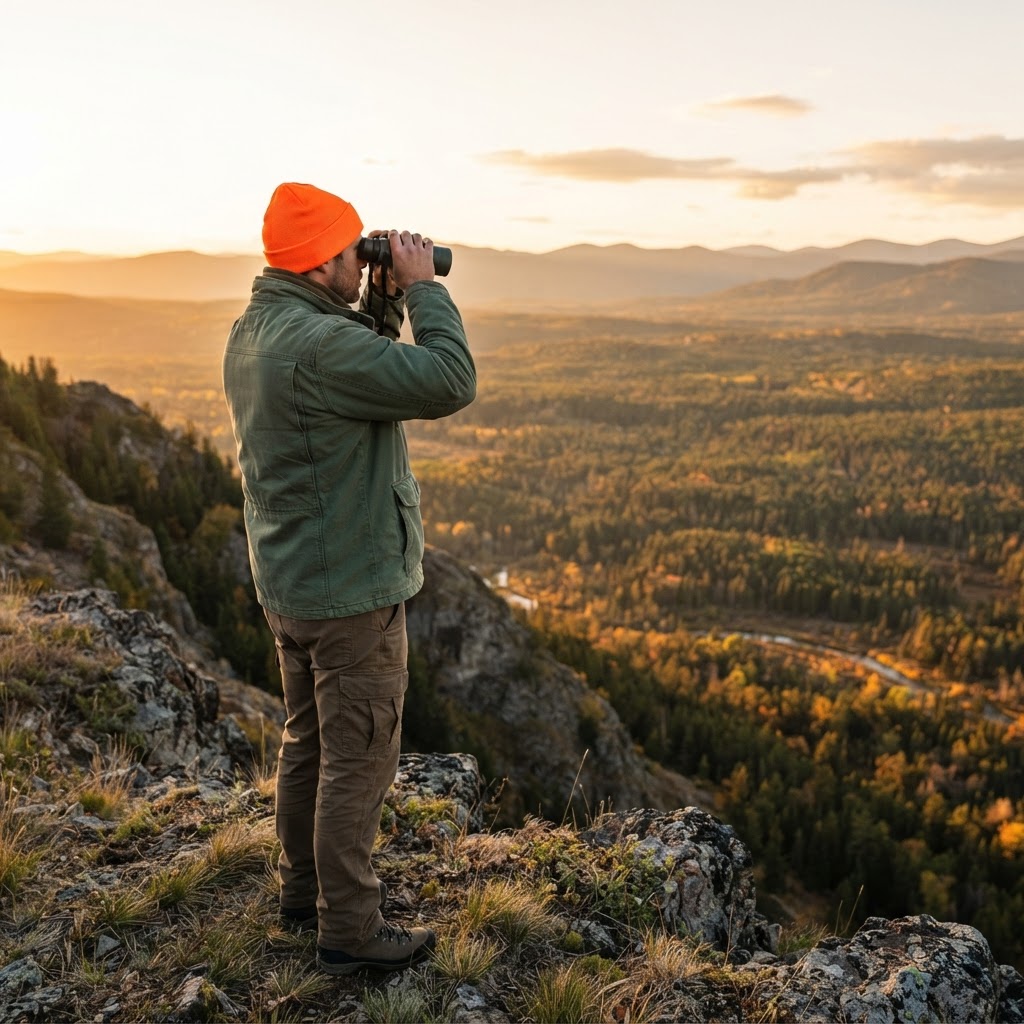
Beyond the Familiar: A Blueprint for Scouting Uncharted Hunting Territory
Stepping into a new hunting zone requires more than just a tag and a rifle. Learn the systematic, five-step framework to transition from a stranger in the woods to a local expert before opening day.

Adapting to Change: Lessons from the Field
Change is the only constant in the woods. Learn how to turn mechanical failures and shifting weather patterns into the knowledge needed to secure your next harvest.