
Maryland White-tailed Deer Firearms Season 2026: Essential Guide
The dates at a glance
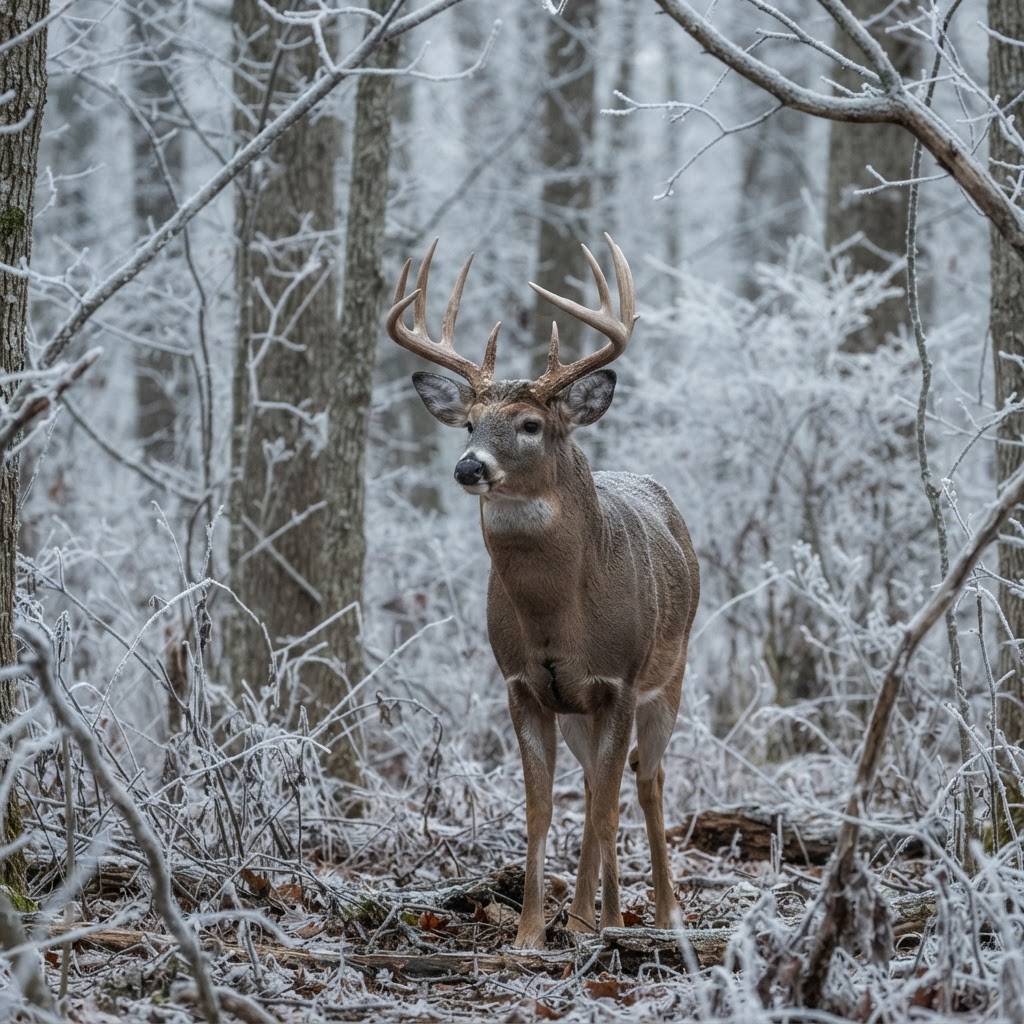
The Maryland white-tailed deer firearms season for 2026 is structured to provide maximum opportunity across the state. The primary segment opens on Saturday, November 28, 2026, and concludes on Saturday, December 12, 2026. This is a Region B, Split 1 season. Hunters should also note that a second segment for Region B is scheduled for January 8, 2027, through January 10, 2027. Always verify your specific county's status regarding Sunday hunting, as regulations can vary by location and land type. You can track these dates throughout the year using a .
Get the deer movement forecast for your spot, free
See the best days and hours to sit this week, built from your spot's weather, moon, and wind.
Beyond the primary firearms dates, hunters should be aware that the late season segment in Region B is strictly limited to specific days in January. If you are planning to hunt on public lands, check the Maryland Department of Natural Resources website for any temporary closures or special permit requirements that might override these general dates. Always verify if your chosen hunting area has specific restrictions on the use of firearms versus other implements during these late-season dates to ensure full compliance with local management goals.
What it takes to be legal
To hunt legally in Maryland, you must possess a valid hunting license and any required stamps. For white-tailed deer, this includes the base license and potentially a Bonus Antlered Deer Stamp if you intend to harvest a third antlered deer. Sika deer hunters must also purchase a specific Sika Deer Stamp. All licenses and permits are available through the Maryland Department of Natural Resources licensing system.
Legal equipment for the firearms season includes shotguns, rifles, and handguns that fire straight-walled cartridges in all counties. Rifles and handguns firing bottleneck cartridges are permitted only in specific counties and areas; consult the official Maryland Department of Natural Resources regulations for the current map of these zones. Air guns that shoot bullets, arrows, or bolts are also legal during this season. Telescopic and electronic aiming devices are permitted.
Safety is paramount, and Maryland law requires all deer hunters and their companions to wear fluorescent orange or fluorescent pink. This must be a solid cap, a vest or jacket with panels on the front and back, or a camouflage garment with a minimum amount of fluorescent color above the waist. Legal shooting hours are one-half hour before sunrise to one-half hour after sunset, except on specific Sundays where local regulations may apply. You can use a to stay precise.
When selecting your firearm, remember that Maryland prohibits the use of recorded or electrically amplified calls for deer hunting. If you are tracking a wounded animal after legal shooting hours, you must contact the Natural Resources Police at 800-628-9944 before beginning your search. Ensure you maintain physical control of any tracking dog at all times. Only the hunter and the dog handler are permitted to carry a weapon while tracking, and you may only dispatch the deer during legal shooting hours using a legal implement.
Limits and the rules that trip people up
The statewide bag limit for antlered white-tailed deer is two. Hunters who purchase a Bonus Antlered Deer Stamp may take a third antlered deer, subject to regional restrictions. The antler-point restriction is a critical rule: within your bag limit, you may harvest one antlered whitetail that does not meet the three-point-per-antler minimum. Any additional antlered deer must have at least three points on one antler. Junior and apprentice license holders 16 or younger are exempt from this rule.
Antlerless bag limits are independent of antlered limits and vary significantly between Region A (Allegany, Garrett, and western Washington counties) and Region B (the rest of the state). In Region B, there is no limit on the number of antlerless deer that may be taken per day, provided you stay within your total season bag limit. In Region A, you are limited to one antlerless deer per day. Always check the if you plan to hunt across borders.
The Bonus Antlered Deer Stamp is a powerful tool, but it comes with strict conditions. You cannot use this stamp to take a second antlered deer on the same day as your first. Furthermore, if you are hunting in Region A, there are additional constraints on how and when this stamp can be applied compared to Region B. Always consult the 2026-2027 Maryland Guide to Hunting and Trapping to confirm your specific regional eligibility before heading into the field with a third tag.
BHH Partner
Thinking about selling a rifle or an old family shotgun? Check up-to-date market pricing by make and model before you sell.
webuyguns.comWhere to hunt it in Maryland
Maryland offers a diverse range of public hunting opportunities, including Wildlife Management Areas (WMAs), state forests, and state parks. The state manages these lands to provide habitat for deer and access for hunters. To find the best spots, use a to identify tracts near you. When scouting, look for transition zones between bedding areas and food sources, especially as the season progresses and deer become more wary of human presence.
While public lands are abundant, baiting is strictly prohibited on all state-owned or state-controlled properties. If you choose to hunt on private land, ensure you have explicit permission and understand the boundaries, as deer often move between managed public tracts and private fields. When scouting, pay close attention to the specific regulations for the county you are in, as some areas have unique ordinances regarding firearm discharge distances from dwellings or public roads that are not explicitly detailed in the statewide hunting guide.
E-Tag States

Harvest Tags
E-check means you supply the tag. Printed with the exact fields your state requires.
3-pack $22.95

Youth Hunter Academy
Raise a safe, confident young hunter.
Safety missions for ages 5–17. Free parent account.
How to hunt the opener
By late November, the peak of the rut has typically passed in many parts of Maryland, meaning deer are shifting their focus back to high-energy food sources to prepare for winter. Hunting pressure will be high on opening day, so consider moving deeper into the woods or targeting overlooked pockets of cover near private land boundaries. If the weather is cold, focus on south-facing slopes or areas with thermal cover like thick pines. If it is unseasonably warm, look for deer near water sources or shaded creek bottoms. You can monitor local trends using a to time your sits during the most active periods of the day.
On opening day, the sheer volume of hunters can push deer into dense, impenetrable cover that many people overlook. Experienced hunters often look for small, isolated patches of brush or thickets that are ignored by the crowds. If you are hunting near a property line, be prepared for deer to be pushed by other hunters. Positioning yourself downwind of these high-traffic corridors can provide a significant advantage, as deer will often move cautiously through these areas to avoid detection by the increased human presence.
After the shot: tagging, game check and taking care of the meat
Once you have harvested a deer, you must immediately validate your harvest tag. Maryland requires hunters to report their harvest through the Big Game Registration system. You can complete this via the DNR website, the mobile app, or by phone. Keep your confirmation number with the carcass until it is processed. Proper field dressing is essential for meat quality; remove the entrails quickly and keep the carcass clean and cool. If you are tracking a deer after dark, remember that you may use artificial lights to assist in dispatching a wounded animal, but you must notify the Natural Resources Police if you are pursuing game after legal shooting hours. For those looking to make the most of their harvest, there are many available to help you prepare your venison.
When you harvest a deer, the field tag must remain attached to the carcass until it is processed for consumption or delivered to a taxidermist. If you intend to have the deer mounted, attach the tag to the antler rather than the ear to avoid damaging the hide. You have 24 hours to register your harvest via the MD Outdoors app, the website, or the phone line at 888-800-0121. Consider donating excess venison to local food banks, as state tax credits may be available for processing costs.
Sika Deer Considerations
If you are hunting in the lower Eastern Shore counties, you may encounter sika deer. These animals have their own independent bag limits and require a specific Sika Deer Stamp. An antlered sika is defined as any deer with at least one antler visible above the hairline. Because their behavior differs from white-tailed deer, focus your efforts on marsh edges and dense swampy cover. Always keep your sika harvest records separate from your white-tailed deer records to ensure you do not exceed the specific limits for either species.
Hunting this season? to save your stands and zones on the map and get a heads-up before seasons open in your state.
Season dates in this article were checked against Maryland Department of Natural Resources on Thursday, November 26, 2026. Rules can change, so confirm with the current Maryland regulations before you hunt. Every Maryland season is on the .
Frequently Asked Questions
Free every morning
Your Daily Briefing
One morning forecast for the spots you actually hunt and fish: deer movement, waterfowl flights, bite times, wind and shooting light.
See what's in itSet up your briefing
Join free, save a spot on the map, then pick what you hunt and fish and when you want your email.
Join 1,627 hunters and anglers on Buckeye Hunter Hub — free.
Latest from the Community


Everything you need to hunt smarter — free
Buckeye Hunter Hub is a free, nationwide platform. Create an account and unlock the full toolkit:
Free Interactive Hunting Map
Mark stands, cameras, and sign. Draw hunting zones with public land & county overlays across all 50 states.
Zones with Group Sharing
Share zones with your hunting group, split property into sections, assign stands, and check in — all in one place.
50 States of Hunting Resources
Season dates, license links, and DNR regulations for every state, kept current so you never miss an opener.
Deer Movement Forecast
Data-driven daily movement predictions using wind, moon, and pressure — know when to sit before you go.
Waterfowl Movement & Tools
Flight-potential forecasts, migration numbers, decoy spread planner, and a full species field guide.
From the Maker Bench

Taggart Outdoors
Custom Western Belt
Hand-built in the USA · $127.99
Shop the Maker
BHH Partner
Firearms, ammo and gear from a local Ohio shop in Grafton.
dnaarmory.comE-Tag States
Harvest Tags
E-check means you supply the tag. Printed with the exact fields your state requires.
3-pack $22.95
More Articles
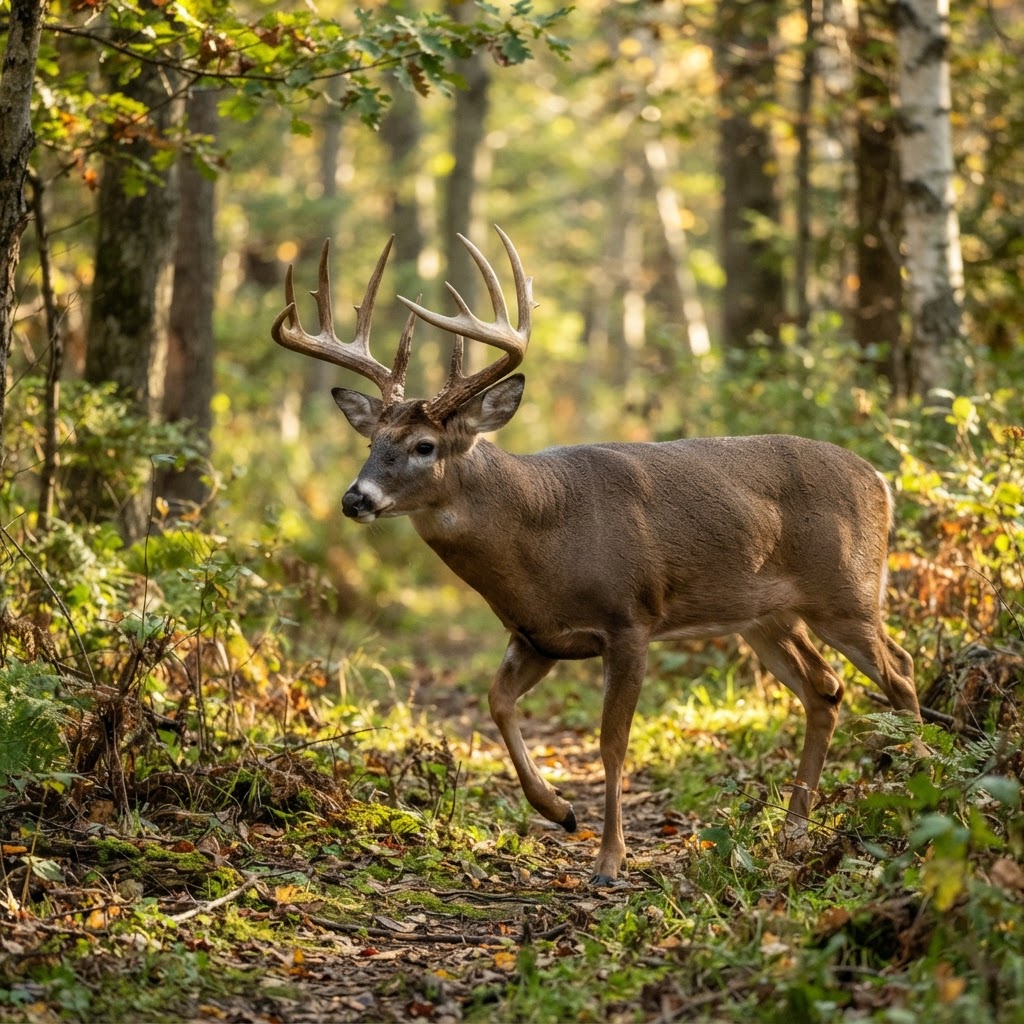
Decoding the Woods: Using AI-Assisted Image Sorting to Solve Deer Movement Mysteries
Drowning in thousands of trail camera photos? Discover how modern image recognition technology can help you isolate buck movement and identify core ranges faster than ever before.
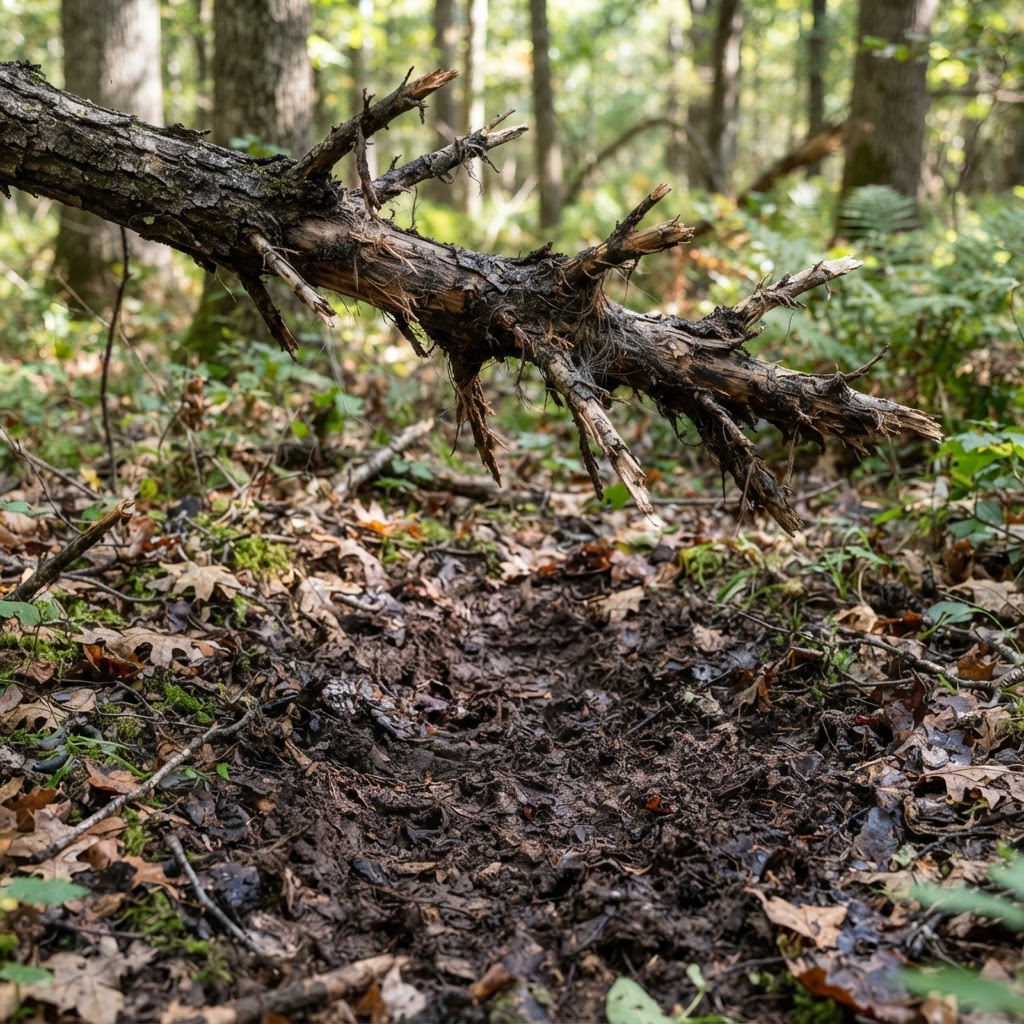
The Sign Language of the Woods: Interpreting Whitetail Evidence
Success in the deer woods is rarely an accident; it is the result of reading the ground and understanding the story told by rubs, scrapes, and beds. Learn how to turn scattered sign into a reliable tactical map.
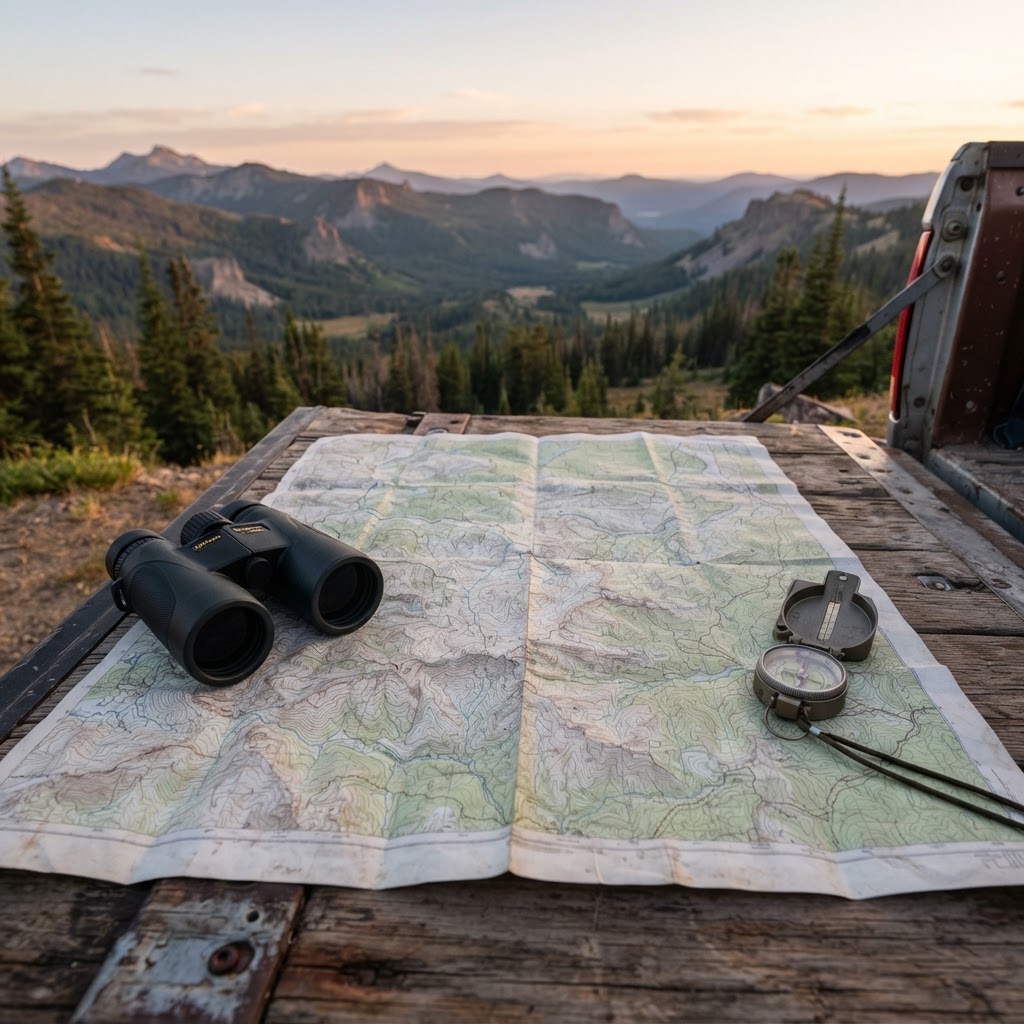
Elevate Your Pursuit: Why Hunters Nationwide are Turning to Buckeye Hunter Hub
Discover how a free, nationwide platform is changing the game for hunters by providing the tools, data, and community connection needed to make every outing more successful.
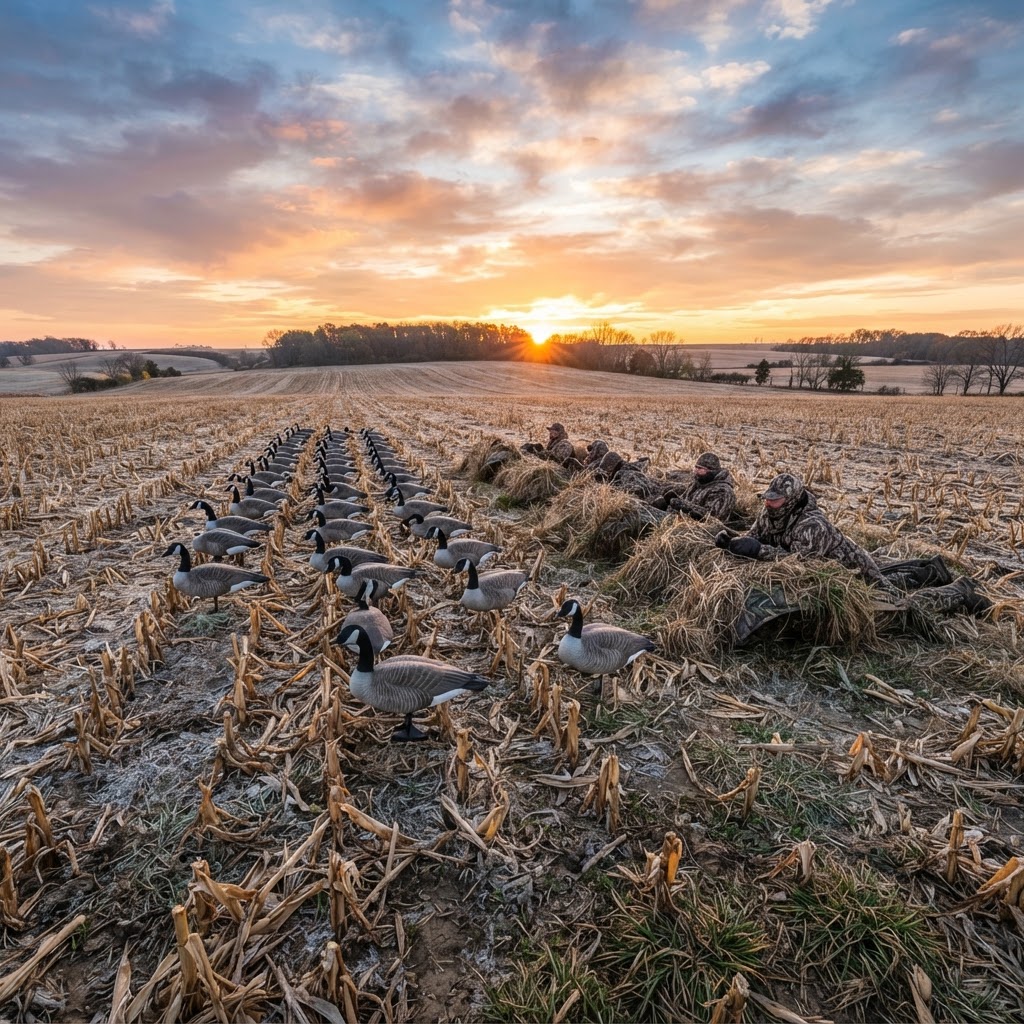
Mastering the X: Strategic Canada Goose Field Tactics
Success in field hunting Canada geese demands more than just a pile of decoys; it requires a deep understanding of atmospheric triggers and precise spatial management. Unlock the secrets to consistent shoots by refining your spread geometry and concealment game.