
The Sign Language of the Woods: Interpreting Whitetail Evidence
Decoding the Landscape
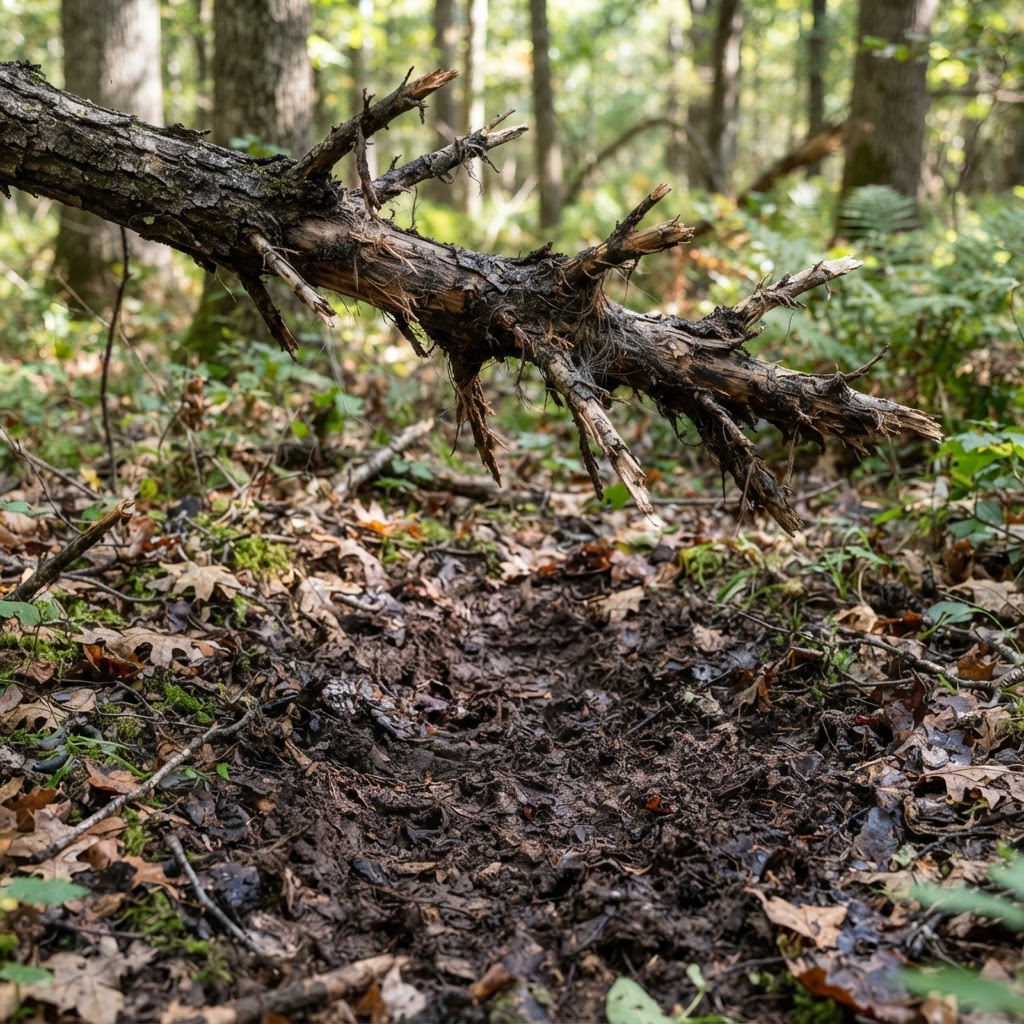
Every walk through the timber is a conversation with the landscape. While many hunters rely solely on tools, the most successful woodsmen know that the ground beneath their feet holds the most current intel. Deer leave a wake of evidence behind them, and learning to interpret this 'sign language' is the difference between sitting in a dead zone and intercepting a trophy buck on his daily route. Understanding the nuances of rubs, scrapes, and bedding areas allows you to build a comprehensive pattern of how deer utilize the terrain.
Get the deer movement forecast for your spot, free
See the best days and hours to sit this week, built from your spot's weather, moon, and wind.
Rubs: More Than Just Antler Polishing
Novice hunters often overlook rubs, viewing them merely as a buck marking his territory to assert dominance. While that is true, a rub is also a signpost of travel. A lone rub on a sapling is a casual mark, but a line of rubs—a 'rub line'—is a roadmap. These lines typically connect bedding areas to primary feeding sources.
When scouting, pay close attention to the size of the tree and the height of the rub. A large tree shredded by antlers indicates a mature buck with significant neck mass and strength. Don’t just look at the tree; look at the surrounding foliage. A fresh rub, where the wood is still light and the shavings are moist, means the buck is in the immediate area. If you find these in clusters, you have likely located a transition zone where the buck feels secure enough to linger.
Scrapes: The Social Network of the Forest
Scrapes are arguably the most misunderstood sign in the whitetail hunter's toolkit. A scrape is a communal spot where deer deposit scent to communicate. Think of it as a bulletin board for the herd. By monitoring active scrapes, you can gain insight into the deer population that is often difficult to capture even with .
Focus your attention on 'primary' scrapes. Unlike random, one-time scrapes found in the open, primary scrapes are re-visited by multiple deer over several weeks. Look for these under low-hanging branches—the 'licking branch'—which is the most important part of the scrape. Deer will rub their forehead glands and muzzle on this branch, leaving behind scent. If you find a branch that is frayed and drooping with obvious wear, you have found a goldmine. Set up downwind, but far enough away to avoid spooking a buck that might be scent-checking the area before committing to the scrape itself.
Beds: Identifying the Inner Sanctum
BHH Partner
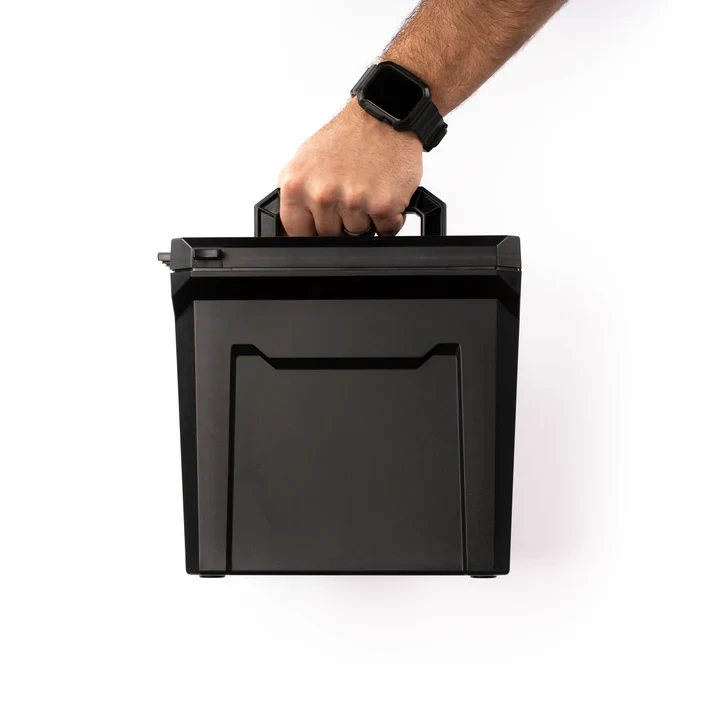
Thinking about selling a rifle or an old family shotgun? Check up-to-date market pricing by make and model before you sell.
webuyguns.comFinding a deer bed is the ultimate indicator of security. A bed isn't just a patch of flattened grass; it is a strategic position. Whitetails prefer beds that offer a few key features: a high vantage point to see approaching threats, a secondary escape route (usually downhill or toward heavy cover), and a wind direction that allows them to smell danger from behind while watching the front.
When you stumble across a bedding area, proceed with extreme caution. If you push a deer out of its bed, you have likely ruined that spot for the remainder of the season. Instead, study the perimeter. Use to look for topographical features that mirror what you are seeing on the ground—such as a small bench on a hillside or a thicket bordering an agricultural field. These are spots where deer feel untouchable. If you can locate the bedding area, you can pattern the deer as they leave in the evening or return in the morning.
Putting It All Together
E-Tag States

Harvest Tags
E-check means you supply the tag. Printed with the exact fields your state requires.
3-pack $22.95

Youth Hunter Academy
Raise a safe, confident young hunter.
Safety missions for ages 5–17. Free parent account.
The real magic happens when you correlate these signs. A rub line leading away from a bedding area that terminates at a primary scrape is a high-percentage ambush location. If you are struggling to synthesize this data on your own, consider checking the to see how other hunters in your region are documenting similar sign patterns. Remember, whitetail behavior changes with the pressure of the season and the shift in the rut. Always cross-reference your ground findings with to ensure your tactics evolve as the calendar turns. By mastering the art of reading the woods, you stop hunting where you hope the deer are and start hunting exactly where they have been.
Free every morning
Your Daily Briefing
One morning forecast for the spots you actually hunt and fish: deer movement, waterfowl flights, bite times, wind and shooting light.
See what's in itSet up your briefing
Join free, save a spot on the map, then pick what you hunt and fish and when you want your email.
Join 1,627 hunters and anglers on Buckeye Hunter Hub — free.
Latest from the Community


Everything you need to hunt smarter — free
Buckeye Hunter Hub is a free, nationwide platform. Create an account and unlock the full toolkit:
Free Interactive Hunting Map
Mark stands, cameras, and sign. Draw hunting zones with public land & county overlays across all 50 states.
Zones with Group Sharing
Share zones with your hunting group, split property into sections, assign stands, and check in — all in one place.
50 States of Hunting Resources
Season dates, license links, and DNR regulations for every state, kept current so you never miss an opener.
Deer Movement Forecast
Data-driven daily movement predictions using wind, moon, and pressure — know when to sit before you go.
Waterfowl Movement & Tools
Flight-potential forecasts, migration numbers, decoy spread planner, and a full species field guide.
From the Maker Bench

Taggart Outdoors
Custom Western Belt
Hand-built in the USA · $127.99
Shop the MakerBHH Partner
Thinking about selling a rifle or an old family shotgun? Check up-to-date market pricing by make and model before you sell.
webuyguns.comE-Tag States
Harvest Tags
E-check means you supply the tag. Printed with the exact fields your state requires.
3-pack $22.95
More Articles
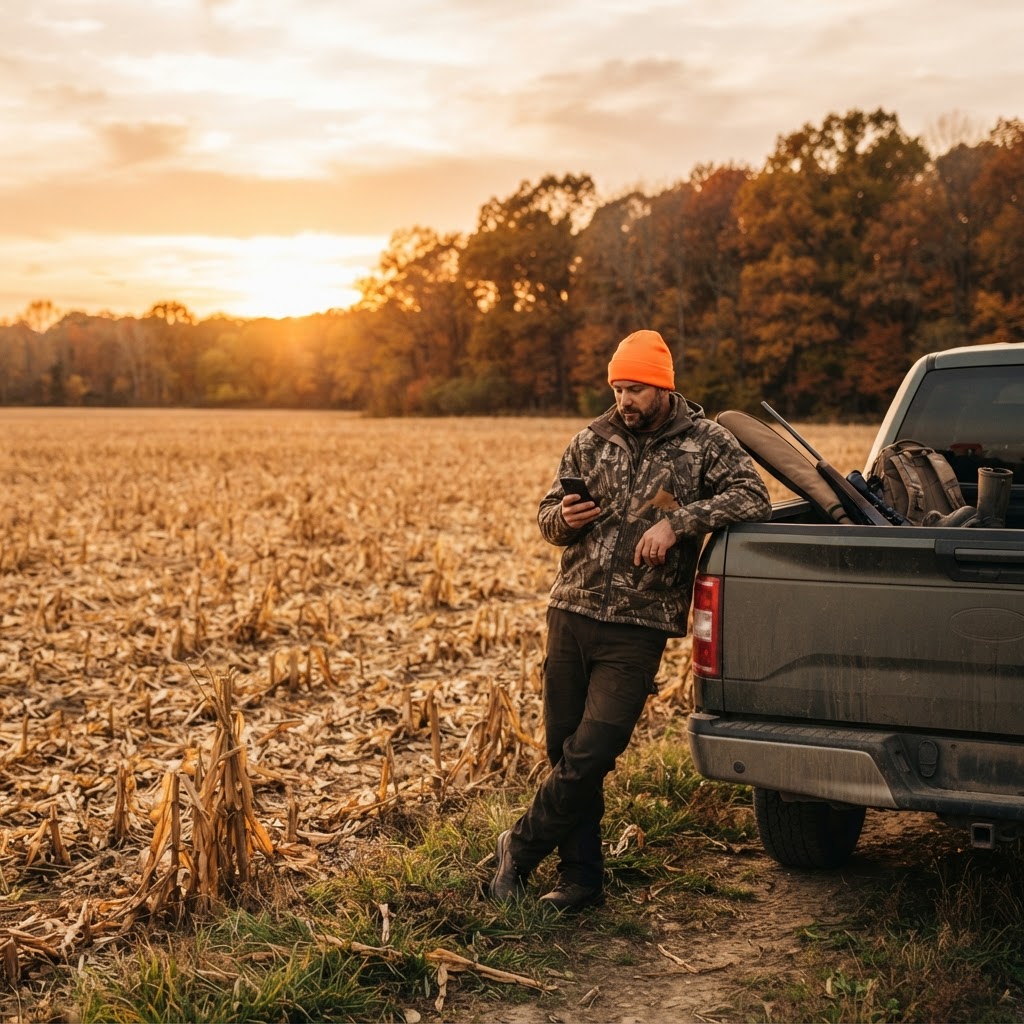
A Free Linktree Alternative Built for Hunters and Anglers
Every Buckeye Hunter Hub member gets a free link in bio page: one address for your socials, videos, photos, trophies and catches, with a QR code to print.
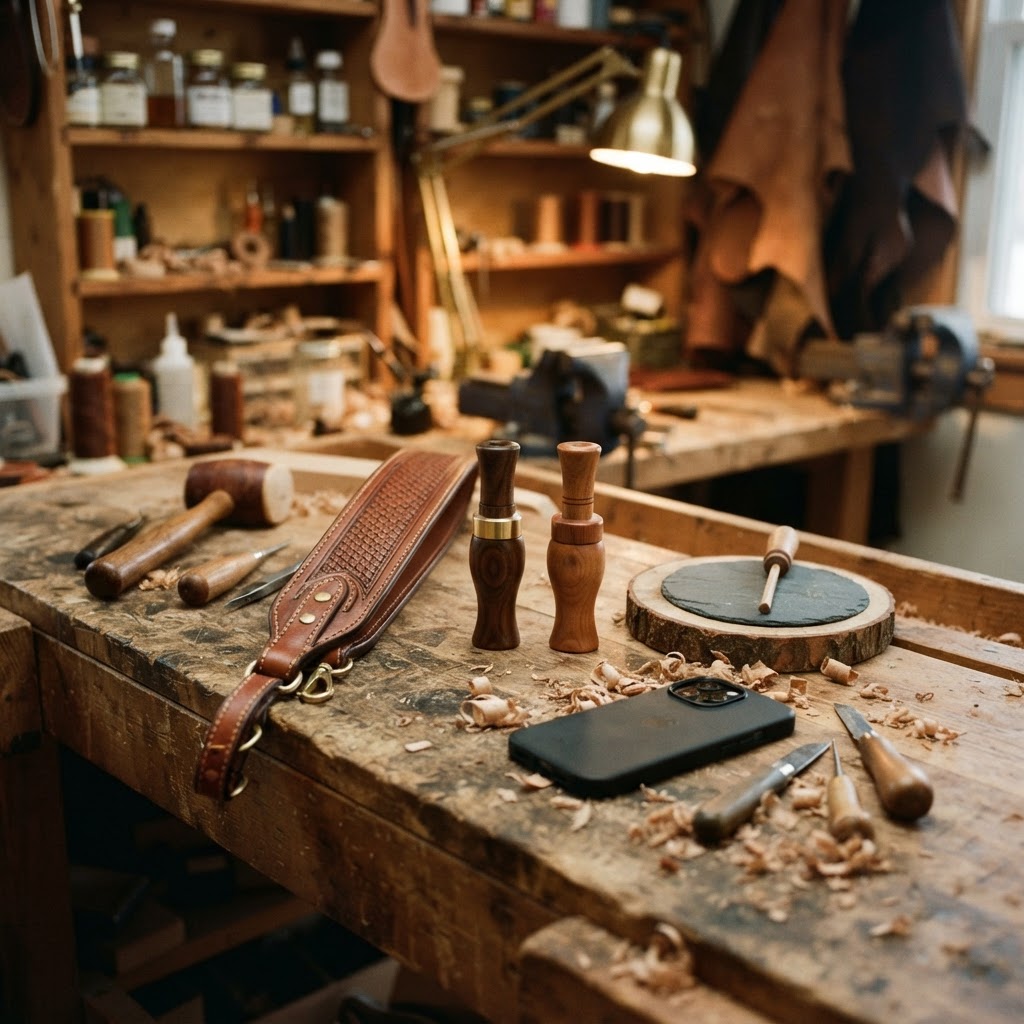
One Link for Makers, Guides and Callers: Put Your Work in Your Bio
Makers, guides, outfitters and callers can put their work, their shop and their channels on one free page, then share it with one link or a printed QR code.
How to Set Up Your Hunting Instagram Bio (and the One Link to Put in It)
Four short lines, one clear photo and one link that holds everything. Here is how to set up a hunting or fishing Instagram bio that gets people to tap.
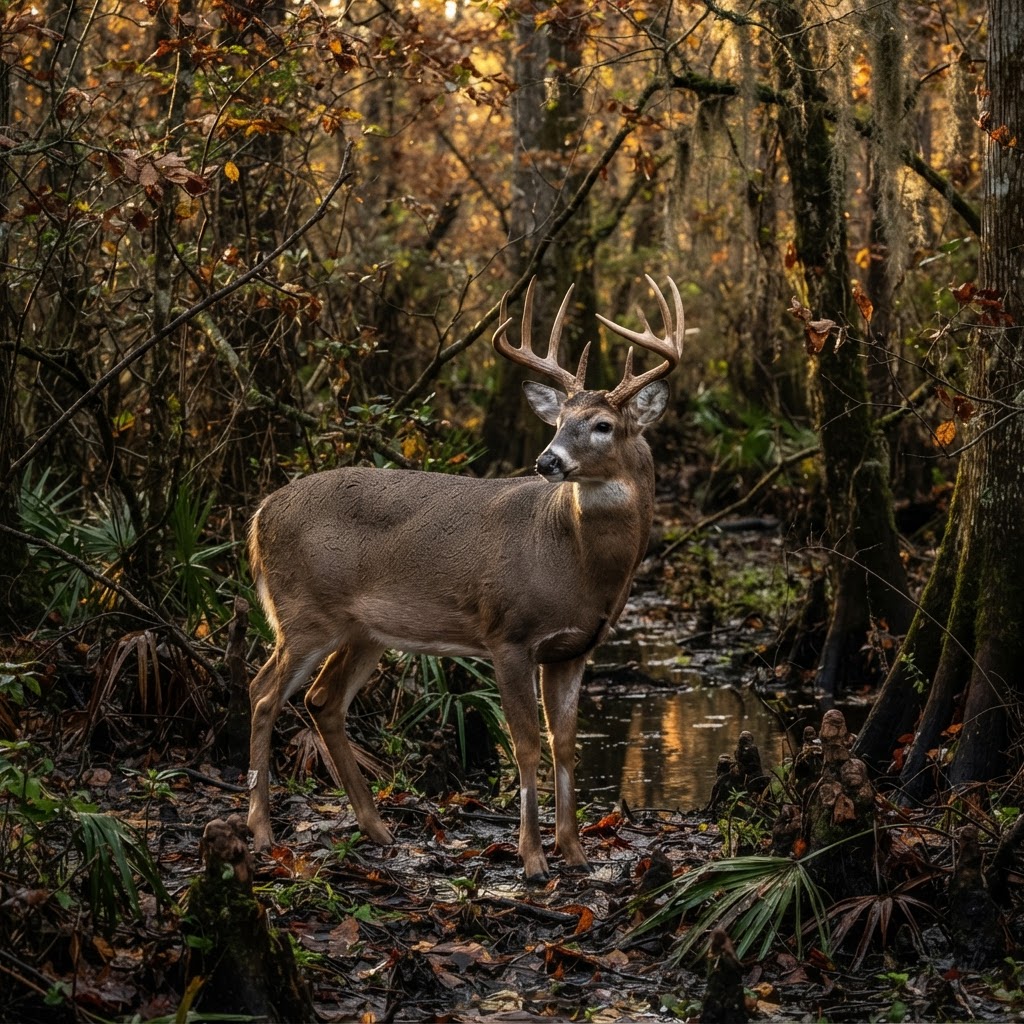
Louisiana Deer Firearms (With dogs) - Areas 3, 7, 8 Season 2026
The Louisiana deer firearms season with dogs for Areas 3, 7, and 8 opens on Monday, November 30, 2026, and runs through Sunday, January 3, 2027. This segment is designated as either-sex hunting for the duration of the season.