How Wind Direction Dictates Your Waterfowl Blind Placement
The Invisible Director of the Marsh
Every seasoned waterfowl hunter knows that the most effective decoy spread in the world is useless if the birds refuse to commit to the landing zone. While calling ability and high-quality decoys play a role, the single most critical factor in consistent success is wind direction. Ducks and geese are creatures of aerodynamic efficiency; they want to land into the wind, and they expect their potential flight paths to remain clear of obstacles. Mastering blind placement relative to the wind is the cornerstone of professional-level waterfowl hunting.
Free hunting map, zones & 50-state resources
Save your spots, share zones with your group, and get deer & waterfowl movement forecasts — free.
Why Wind is the Ultimate Variable
Waterfowl are master navigators of air currents. When a cold front pushes through, dropping barometric pressure and ushering in that ideal 10-20 mph breeze, birds become more active and responsive to calling. This is when understanding data becomes invaluable. During high-pressure, stagnant days, birds are often reluctant to move, but a steady wind provides the lift they need to stay mobile. Ducks use the wind to slow their descent, essentially acting like a parachute to drop straight into your spread. If your blind is poorly positioned, they will spot your profile or flare off because they sense an unnatural obstruction in their preferred landing corridor.
The Golden Rule: Wind at Your Back
In a perfect scenario, you want the wind at your back, blowing toward your decoy spread. This creates a natural 'funnel' effect. As birds approach from downwind, they will see the decoys, bank into the wind, and work their way toward the landing zone directly in front of your blind.
Positioning for the Approach
When you are scouting, pay close attention to how the birds are currently navigating your hunting site. Are they hitting a specific shoreline or circling a hole in the flooded timber? Once you identify the flyway, ensure your blind is positioned so the wind is hitting the back of your hide. If the wind is blowing from left-to-right or right-to-left, you are setting yourself up for 'swing-by' shots rather than 'finished' shots. If your setup requires a crosswind adjustment, you must pivot your decoys to create a landing pocket that forces the birds to turn their backs to the blind as they commit.
Adapting Your Spread to the Elements
Once the blind is locked in, your decoy spread must follow suit. Using a helps visualize how to leave that vital 'hole' or landing zone clear. If you are hunting over water, leave an open space 15-25 yards from your blind. This is the 'kill zone.' The birds should feel compelled to land exactly in this empty pocket. If the wind picks up, don't be afraid to pull some decoys closer to the blind to force the birds to land tighter to your position. In heavy wind, geese and ducks will struggle to maneuver, making them more likely to land further out if your spread isn't set tight to the shore or your layout position.
E-Tag States

Harvest Tags
E-check means you supply the tag. Printed with the exact fields your state requires.
3-pack $22.95
Scouting and Weather Dynamics
Migration timing is everything. Early season birds might be naive, but late-season migrants are veterans of the flyway. By keeping an eye on , you can predict when new birds will arrive. When a major freeze-up occurs, birds are forced to move to open water. During these events, wind direction matters even more because the birds have limited landing options. They will seek out the most comfortable, sheltered areas that still allow for an into-the-wind landing. If you can find those spots, you have found the X.
Concealment: The Final Piece of the Puzzle
Raise a safe, confident young hunter.
Guide your kids ages 5–17 through interactive hunting safety missions, real decision drills, and earned trophies — all from one free parent account.
Bonus: every $10 you spend in the BHH shop earns a free seat (up to 5). Use them or share them.


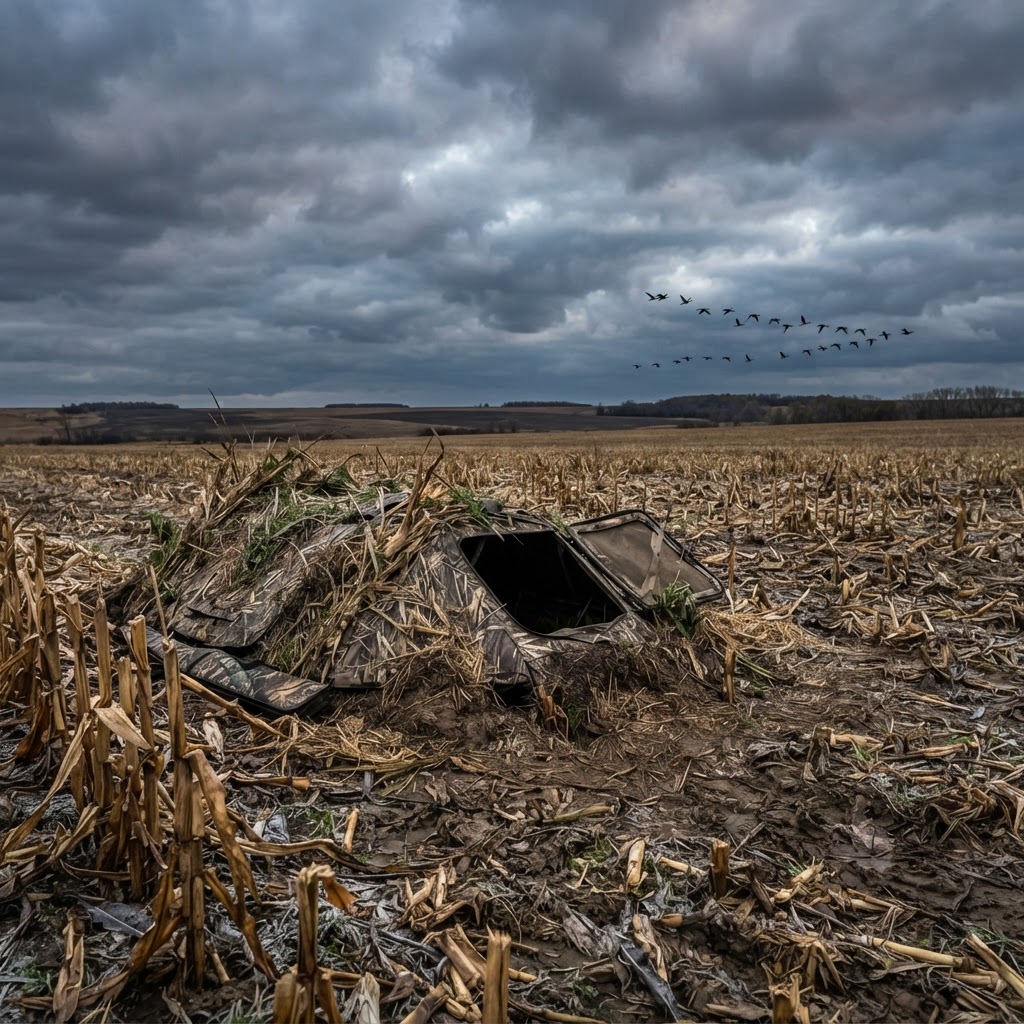
Even with perfect wind placement, if your blind sticks out like a sore thumb, the birds will flare. Your blind must be brushed in using natural vegetation found within a 50-foot radius of your setup. Do not use grass from a different ecosystem. If you are hunting a stubble field, use the actual crop stubble to matte down your layout blind. When the wind is whipping, make sure your blind cover is secured so it doesn't flap—a flapping blind cover is an immediate alert to a wary Canada goose.
Actionable Takeaways for Your Next Hunt
- Check your local wind forecast the night before and verify it on-site before unloading your gear.
- Always prioritize a 'wind-at-the-back' orientation to ensure birds land facing you, keeping their eyes away from your position.
- Utilize your to understand if you are targeting species that prefer landing in tight groups or loose, scattered pods; adjust your decoy spacing accordingly.
- If the wind changes mid-hunt, do not be lazy—move your spread and your hide. A consistent wind shift changes everything about how the birds perceive your setup.
Waterfowl hunting is a game of constant adjustment. By respecting the wind and positioning your blind to capitalize on the birds' natural need to land into the breeze, you transform your hunts from guessing games into calculated successes. Keep your gear ready, scout effectively, and watch the wind to ensure the next flight of birds finishes exactly where you want them.
Join 815 hunters and anglers on Buckeye Hunter Hub — free.
Latest from the Community


Everything you need to hunt smarter — free
Buckeye Hunter Hub is a free, nationwide platform. Create an account and unlock the full toolkit:
Free Interactive Hunting Map
Mark stands, cameras, and sign. Draw hunting zones with public land & county overlays across all 50 states.
Zones with Group Sharing
Share zones with your hunting group, split property into sections, assign stands, and check in — all in one place.
50 States of Hunting Resources
Season dates, license links, and DNR regulations for every state, kept current so you never miss an opener.
Deer Movement Forecast
Data-driven daily movement predictions using wind, moon, and pressure — know when to sit before you go.
Waterfowl Movement & Tools
Flight-potential forecasts, migration numbers, decoy spread planner, and a full species field guide.
From the Maker Bench

SE Ohio Outdoors
Euro Mount Hook
Hand-built in the USA · $8.00
Shop the MakerFriend of BHH
Thinking about selling a rifle or an old family shotgun? Check up-to-date market pricing by make and model before you sell.
webuyguns.comShop This

StopBox Pro Ward | Wall-Mounted
$179.00$199.99

StopBox Pro Compact
$159.00$179.99

BHH Speckle Camo Hoodie
$53.36

BHH Blackwood Camo Hoodie
$53.36
E-Tag States
Harvest Tags
E-check means you supply the tag. Printed with the exact fields your state requires.
3-pack $22.95
More Articles
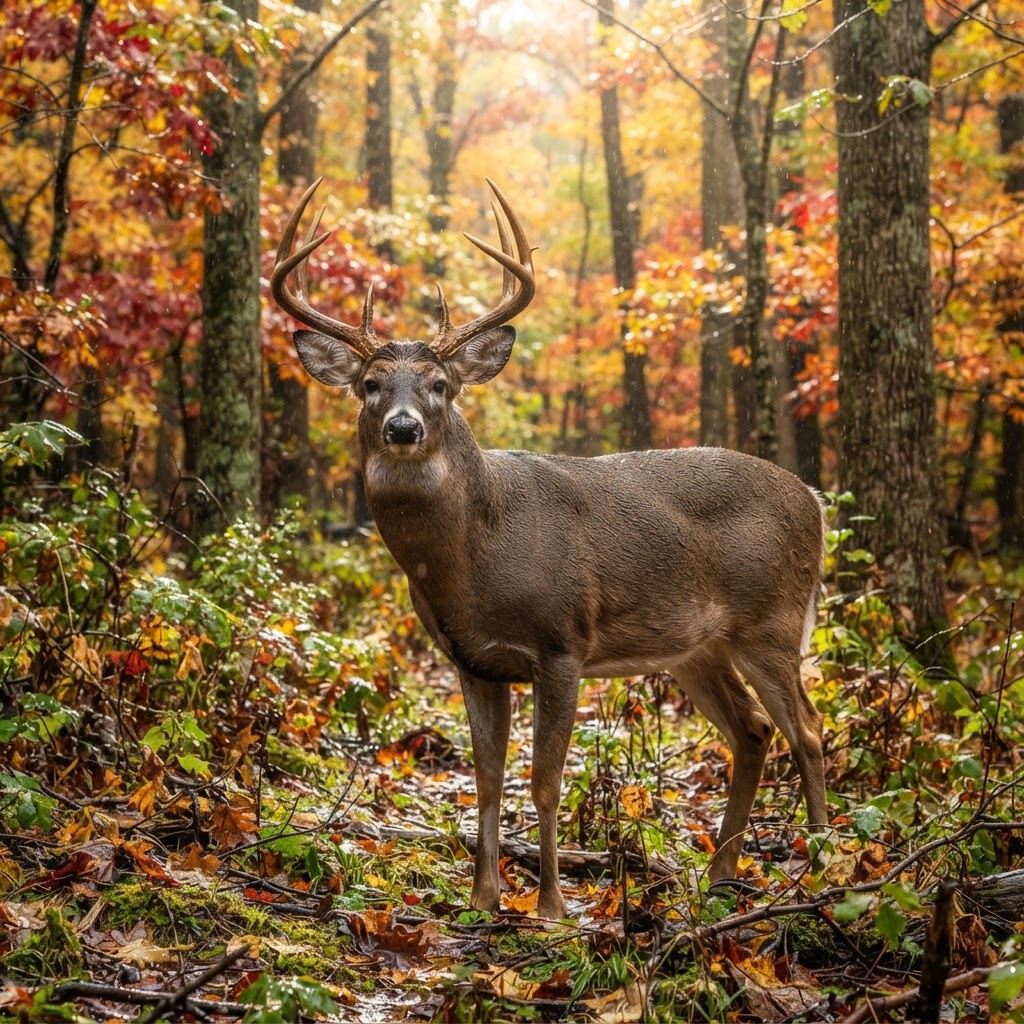
Best Barometric Pressure for Deer Hunting: What the Data Really Says
Is the barometer actually a magic switch for deer movement? We dive into the telemetry data to separate weather-driven myths from biological reality.
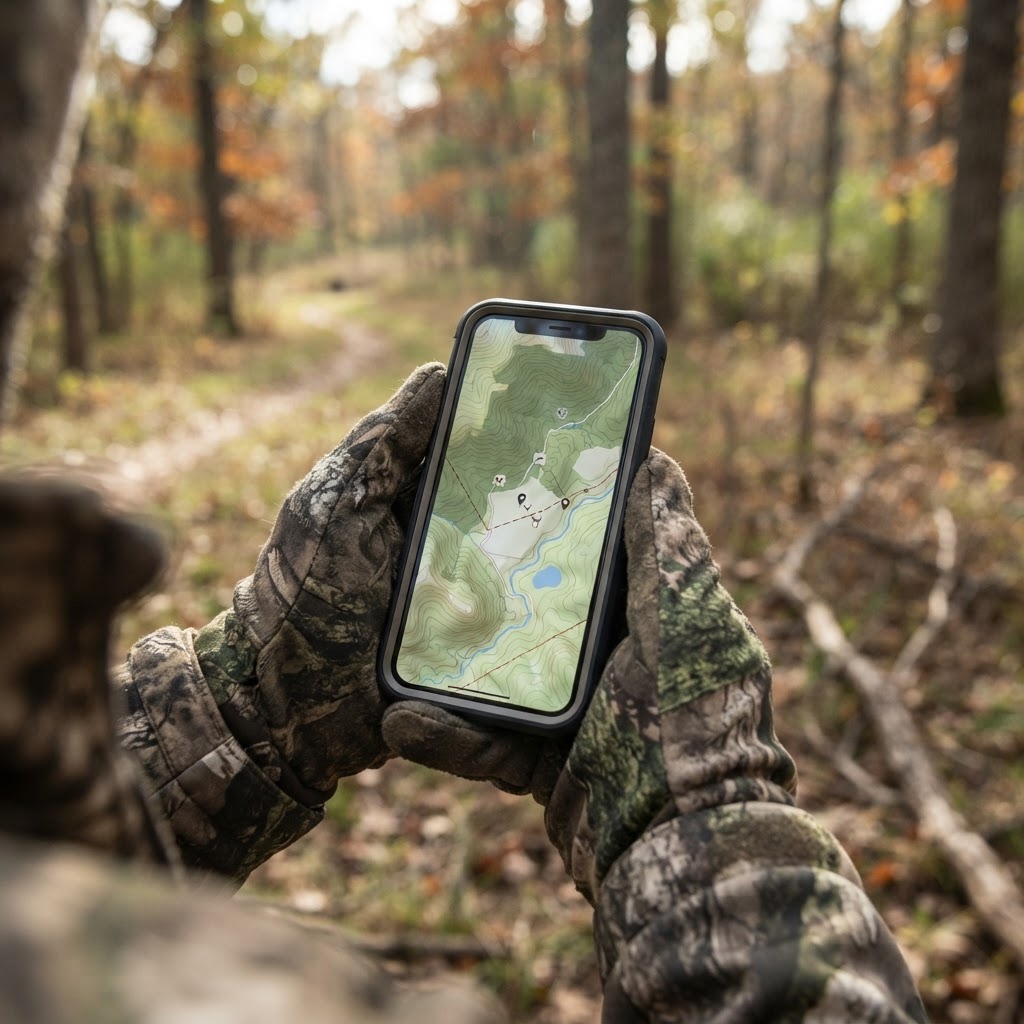
Mapping Success: A Guide to Optimizing Your Hunting Setup with BHH
Stop relying on memory to find your stands and cameras. Learn how to use the Buckeye Hunter Hub mapping tools to build a precise, digital blueprint of your hunting property.
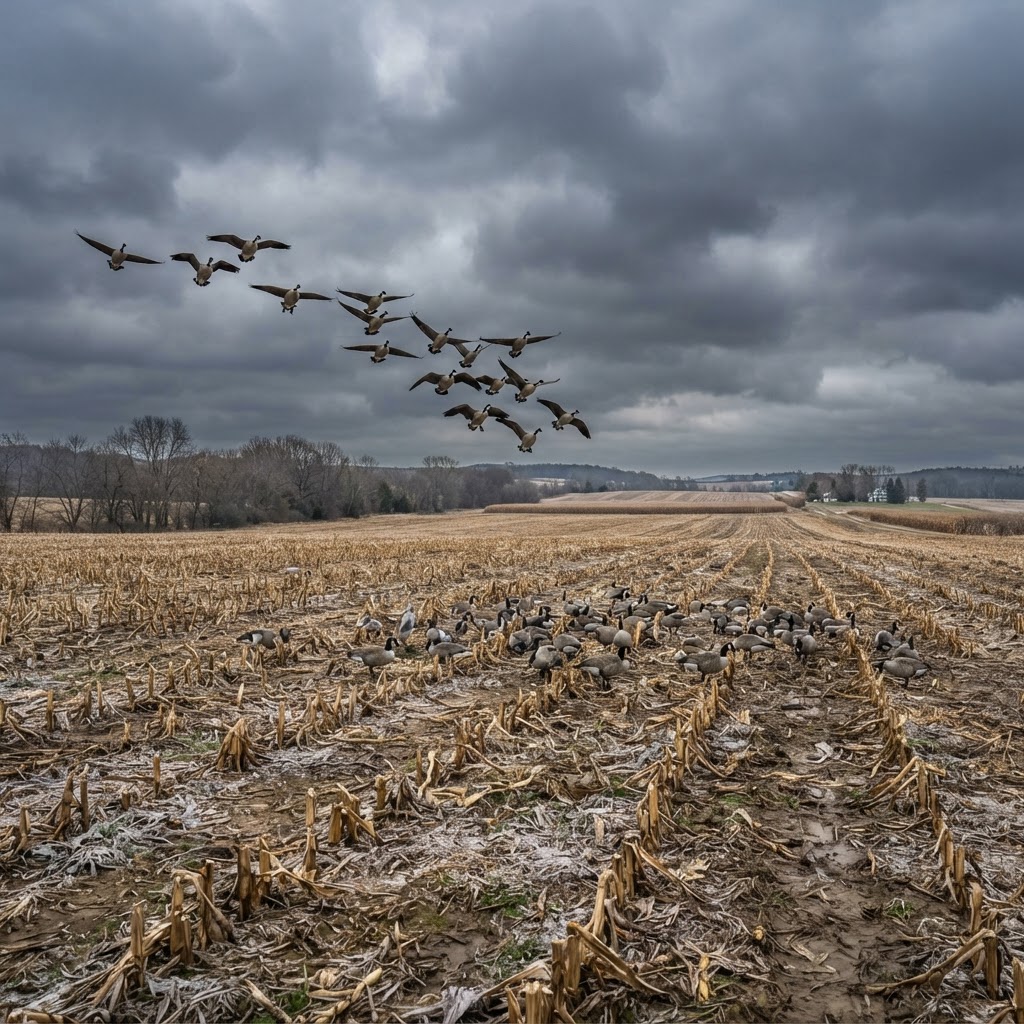
Mastering Cold-Weather Canada Geese: Strategic Field Tactics
When the mercury drops and the migration intensifies, successful field hunting depends on reading the wind, optimizing your spread, and mastering concealment. Discover how to capitalize on peak movement days for consistent success.
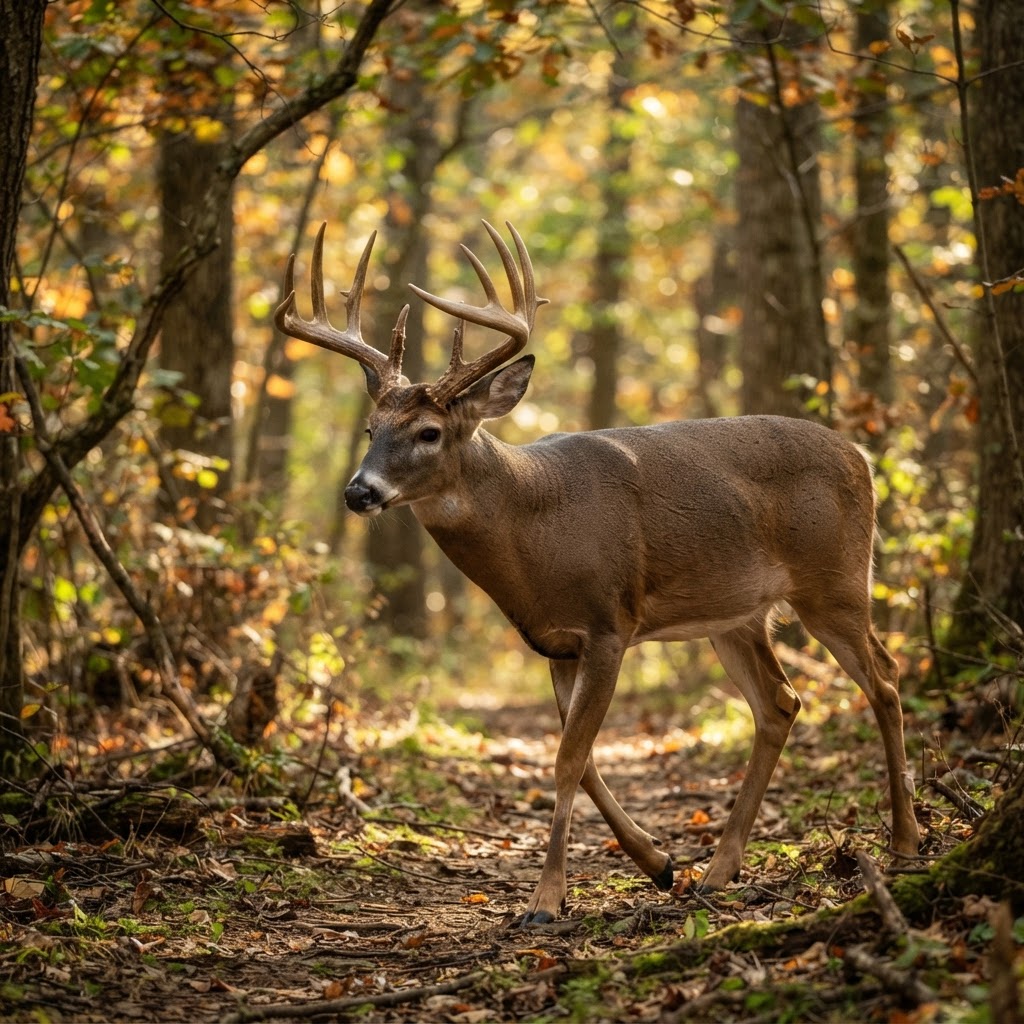
Precision Scouting: Using AI to Sort Your Trail Camera Inventory
Drowning in thousands of trail camera images? Learn how to leverage artificial intelligence to identify specific deer and master movement patterns before opening day.