Best Barometric Pressure for Deer Hunting: What the Data Really Says
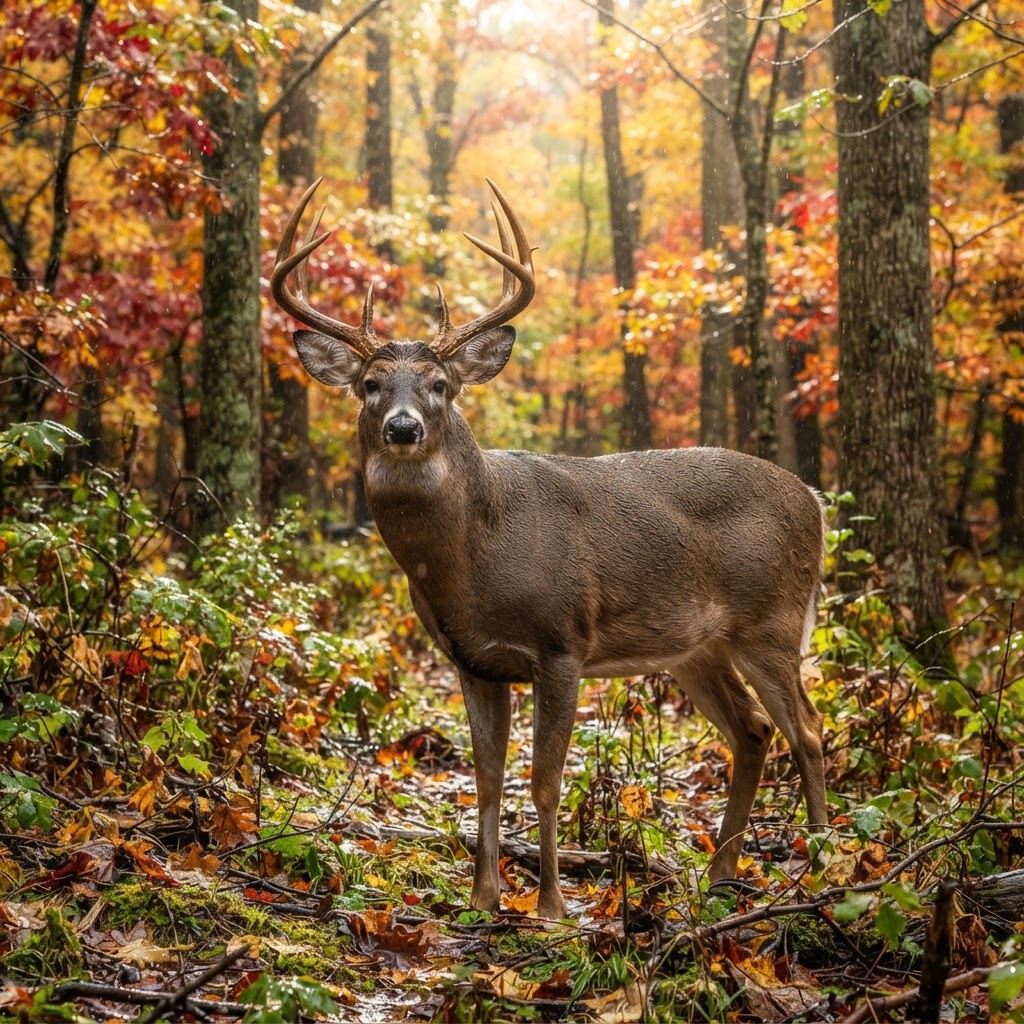
The Science of the Surge: Deciphering Barometric Pressure
For decades, deer hunters have obsessed over the barometer, often treating it like a binary on-off switch for animal activity. You have heard the advice: 'High pressure is for hunting, low pressure is for staying home,' or conversely, 'Wait for the pressure to drop before a cold front.' While the relationship between atmospheric pressure and ungulate behavior is grounded in real meteorology, the reality is far more nuanced than a simple gauge reading. At Buckeye Hunter Hub, we prefer to look at through the lens of peer-reviewed telemetry data rather than campfire folklore.
Free hunting map, zones & 50-state resources
Save your spots, share zones with your group, and get deer & waterfowl movement forecasts — free.
What Does the Data Say?
Barometric pressure is essentially the weight of the air above us. When a low-pressure system approaches, the air density decreases; as high pressure builds, air density increases. To a whitetail, these shifts are rarely about the pressure reading itself, but rather the weather phenomena that accompany them. A sudden drop in pressure typically signals the arrival of a storm or a cold front. Deer, being highly attuned to their environment, sense the drop in oxygen levels and the shifts in temperature that follow. Telemetry studies indicate that deer are more active in the hours leading up to a significant pressure change. This is a survival adaptation—a pre-storm feeding frenzy—before conditions become too harsh to browse comfortably.
The Hierarchy of Movement Drivers
When evaluating what drives a buck to abandon his bedding area, it is critical to rank your variables. Many hunters place excessive stock in moon phase, but modern GPS-collar studies consistently show that the moon is, at best, a secondary or tertiary factor. The primary drivers of movement in order of impact are: photoperiod (the 'internal clock' of the rut), temperature trends, and immediate wind/pressure volatility.
If the mercury drops 20 degrees in 12 hours, deer will move regardless of what the barometer says. Why? Thermoregulation. Deer have high metabolic needs, and when temperatures plummet, they need to consume high-energy forage to maintain core temperature. This need for calories overrides almost every other environmental factor. If you are trying to sync your outings with these shifts, our provides the type of data-backed insights that help you predict these windows before they occur.
The 'Pressure Sweet Spot'
E-Tag States

Harvest Tags
E-check means you supply the tag. Printed with the exact fields your state requires.
3-pack $22.95
So, is there a magical number? Generally, a barometer hovering between 29.80 and 30.20 inches is considered stable. However, the most productive hunting often occurs when that pressure is in a state of 'rapid transition.' Specifically, a rising barometer immediately following a low-pressure cold front is a classic recipe for daytime movement. As the skies clear and the pressure builds, deer that were hunkered down during the wind and rain of the front will head to transition zones and primary food sources to replenish energy. This is often when you see the most daylight activity.
Wind, Fronts, and Behavioral Shifts
While pressure is a piece of the puzzle, do not ignore the wind. A dropping barometer often brings gusty, unpredictable winds. During these times, deer will typically seek out thermal cover—lee slopes, deep ravines, or dense coniferous thickets—to escape the pressure-induced chill. Instead of sitting your favorite oak flat during a high-wind event, shift your strategy to these protected pockets. Using allows you to scout these thermal-efficient bedding areas from the comfort of home, ensuring you are positioned to catch mature bucks as they stage out of cover once the storm breaks.
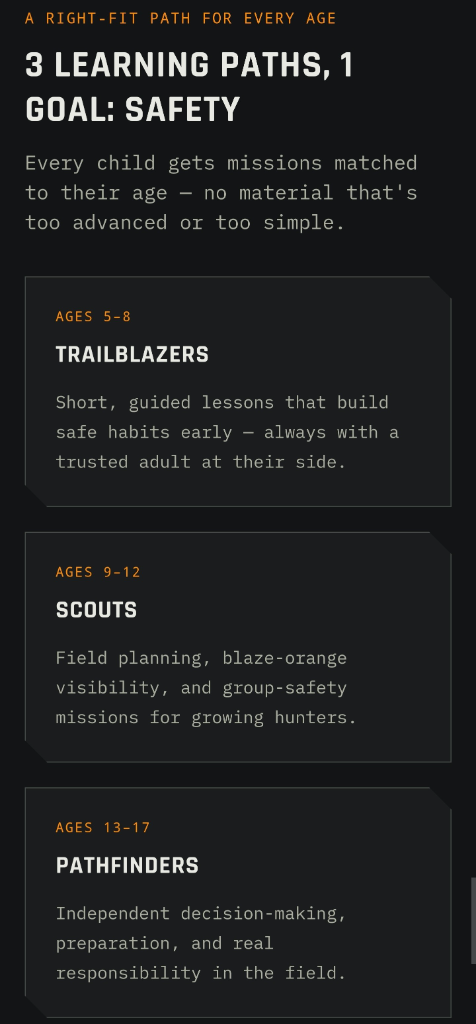
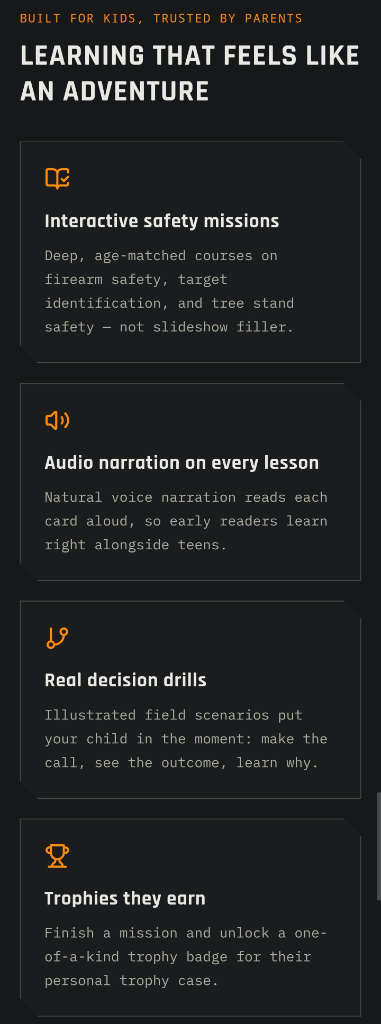
Raise a safe, confident young hunter.
Guide your kids ages 5–17 through interactive hunting safety missions, real decision drills, and earned trophies — all from one free parent account.
Bonus: every $10 you spend in the BHH shop earns a free seat (up to 5). Use them or share them.


Putting It Into Action
Data-driven hunting isn't about ignoring the weather—it's about responding to the biological demands those weather patterns place on the herd. When you see a dip in barometric pressure, don't pack your gear; prepare for a potential feeding window. If the front is moving through, keep your stand location flexible and focus on interior corridors that offer protection.
Remember, your success is rarely tied to a single atmospheric reading, but to your ability to synthesize weather trends with the natural movement patterns of the deer in your specific region. Whether you are tracking local patterns via or following the seasonal , the most successful hunters are those who prioritize energy-intake requirements over superstition. When the pressure changes, the deer are not checking a gauge—they are reacting to the biological reality of their environment. By doing the same, you can turn a 'bad' forecast into your most productive hunt of the year.
Join 833 hunters and anglers on Buckeye Hunter Hub — free.
Latest from the Community


Everything you need to hunt smarter — free
Buckeye Hunter Hub is a free, nationwide platform. Create an account and unlock the full toolkit:
Free Interactive Hunting Map
Mark stands, cameras, and sign. Draw hunting zones with public land & county overlays across all 50 states.
Zones with Group Sharing
Share zones with your hunting group, split property into sections, assign stands, and check in — all in one place.
50 States of Hunting Resources
Season dates, license links, and DNR regulations for every state, kept current so you never miss an opener.
Deer Movement Forecast
Data-driven daily movement predictions using wind, moon, and pressure — know when to sit before you go.
Waterfowl Movement & Tools
Flight-potential forecasts, migration numbers, decoy spread planner, and a full species field guide.
From the Maker Bench

SE Ohio Outdoors
Euro Mount Hook
Hand-built in the USA · $8.00
Shop the MakerBHH Partner

Firearms, ammo and gear from a local Ohio shop in Grafton. Stop in before the season.
dnaarmory.comShop This

StopBox Pro Ward | Wall-Mounted
$179.00$199.99

StopBox Pro Compact
$159.00$179.99

BHH Speckle Camo Hoodie
$53.36

BHH Blackwood Camo Hoodie
$53.36
E-Tag States
Harvest Tags
E-check means you supply the tag. Printed with the exact fields your state requires.
3-pack $22.95
More Articles
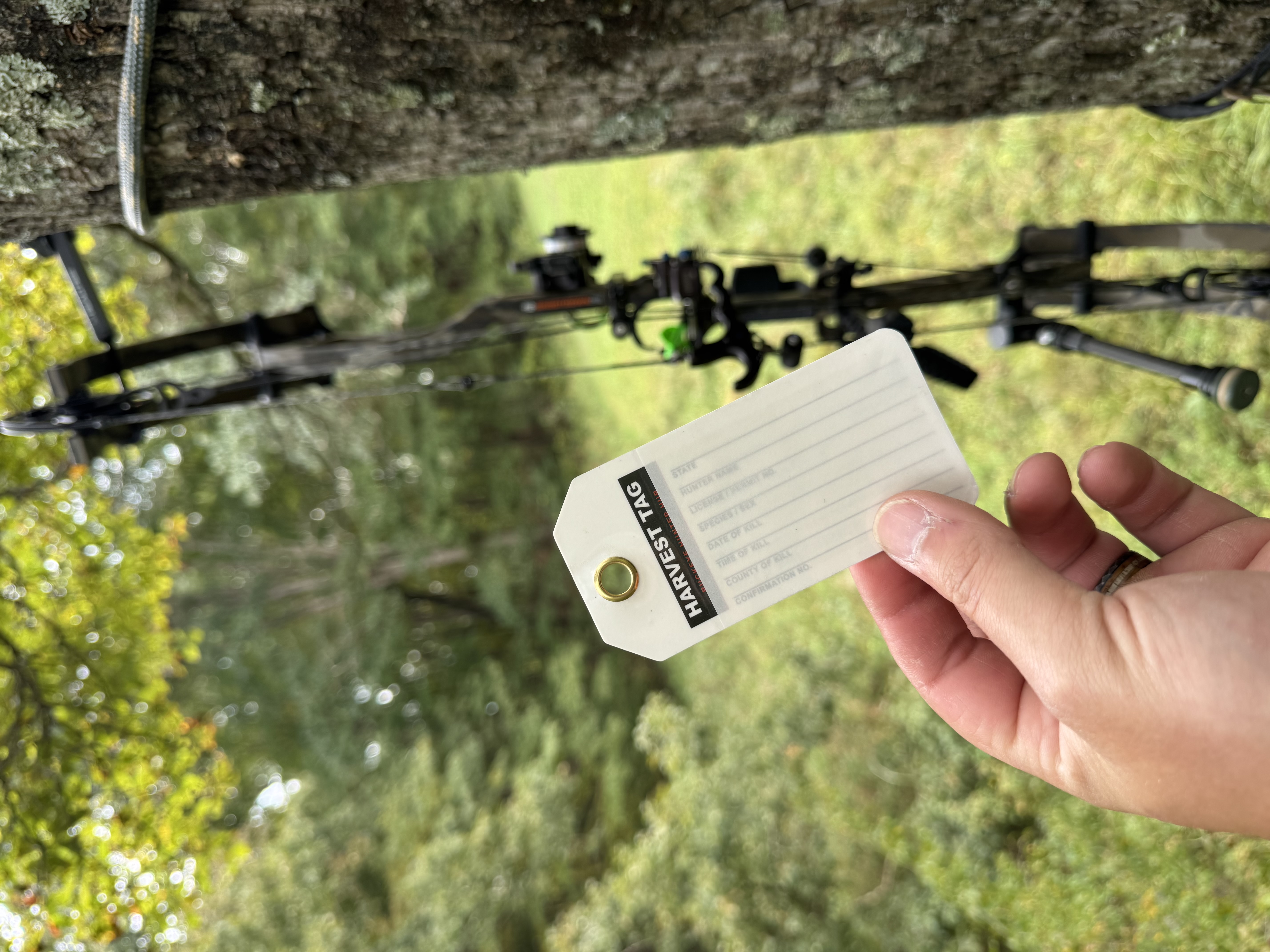
Harvest Tags — Single Tag Review: Reliable Gear for Hunters
Is the Harvest Tags — Single Tag the right choice for your next hunt? We break down its durability and value in this in-depth Buckeye Hunter Hub review.
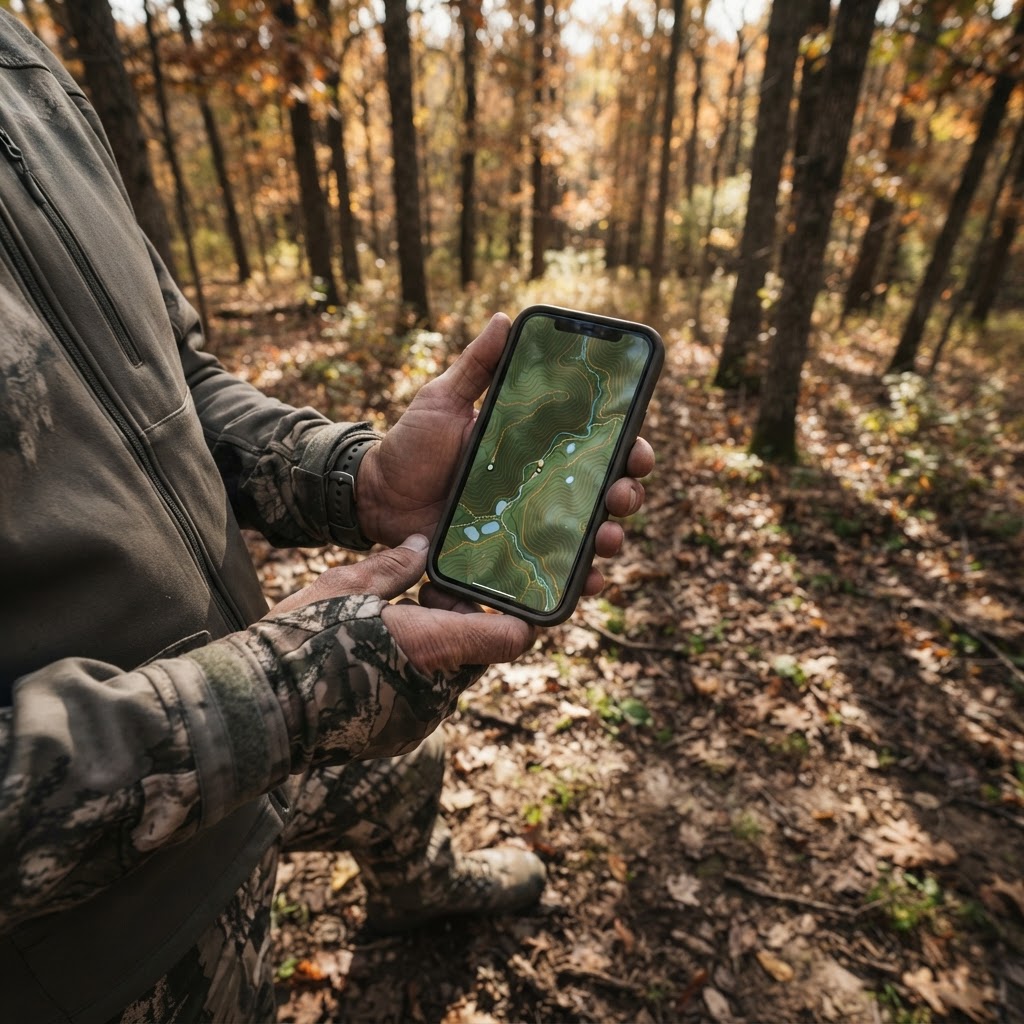
Mastering Your Terrain: A Guide to Precision Waypoint Management on the Buckeye Hunter Hub
Transform how you scout and hunt by learning to accurately mark stands, blinds, and trail cameras on your interactive map. Discover how digital precision leads to more consistent results in the field.
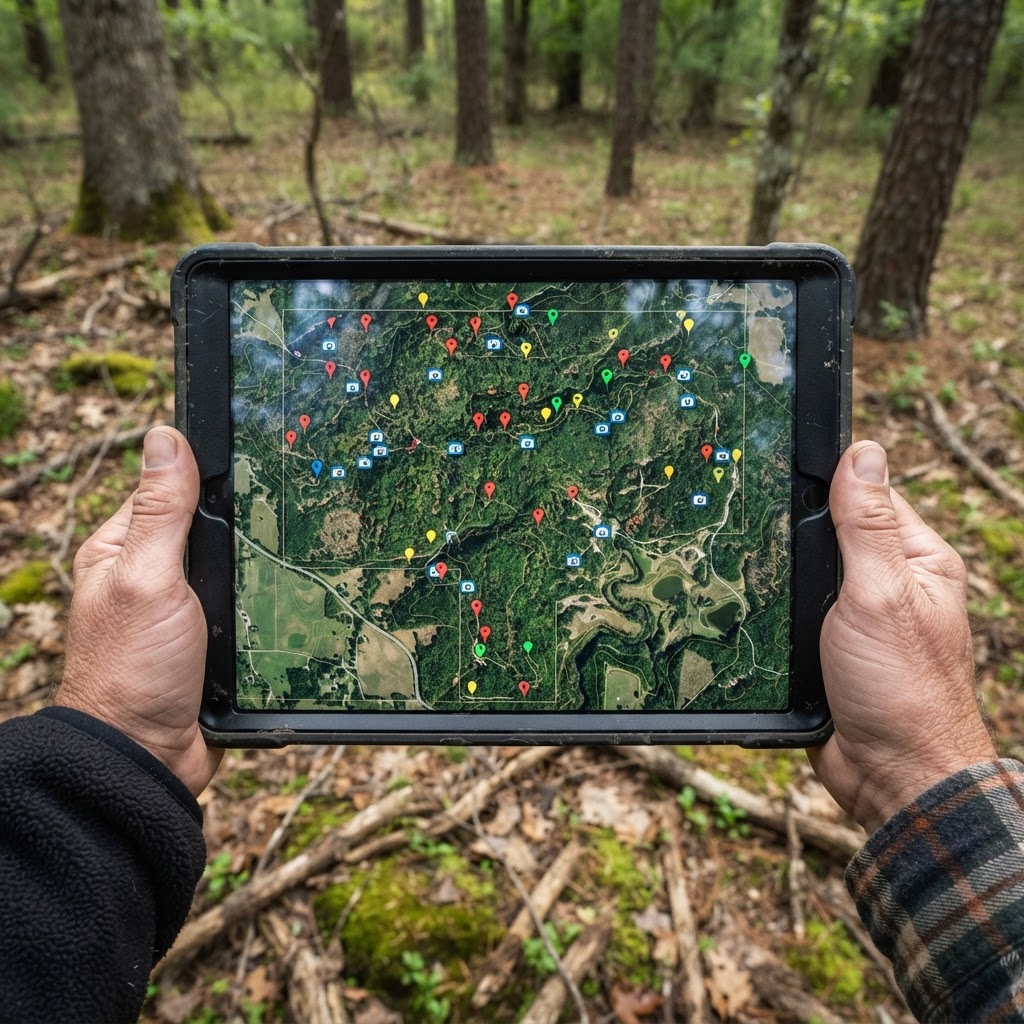
Visualizing Your Success: A Practical Approach to Digital Waypoint Management
Stop guessing where your best setups are located. Learn how to leverage digital waypoints to build a high-resolution mental map of your hunting property.

Beyond the Screen: The Revival of Retro Wildlife Art in Digital Spaces
There is a quiet movement bringing the nostalgia of classic screen-print wildlife art to our modern devices. Discover how Buckeye Hunter Hub is blending heritage hunting aesthetics with the thrill of digital collecting.