
Field Hunting Canada Geese: Spreads, Motion, and Concealment
Understanding the Goose Mindset
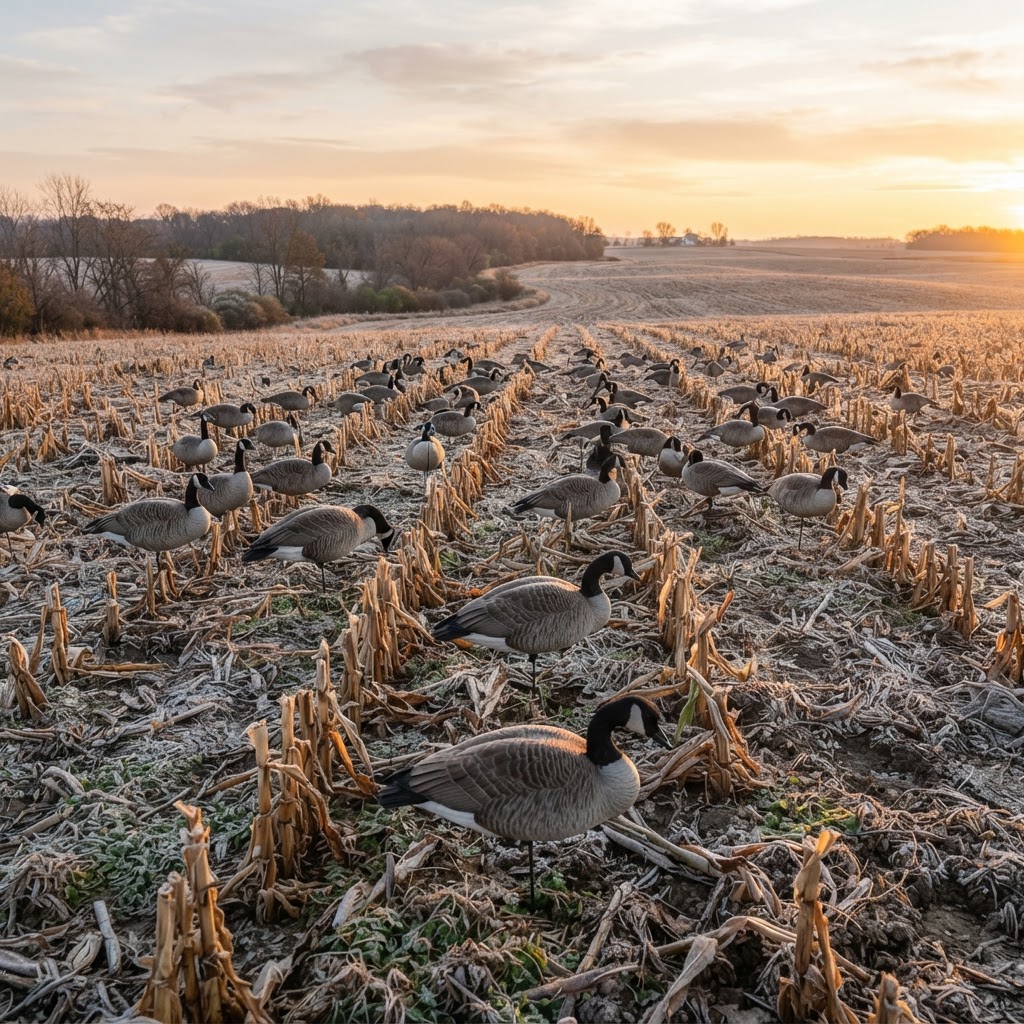
Canada goose hunting is a game of confidence and environmental imitation. When you are out in the field, you are essentially trying to tell a flock of seasoned, wary birds that your setup is the safest place in the county to land and feed. To succeed, you must think like a bird that has been pressured across thousands of miles of flyway. Before you even set a stake in the ground, you need to understand the drivers of movement. Geese are weather-dependent creatures. A dropping barometer ahead of a cold front is the gold standard for high-volume hunting. When the pressure drops, geese feed aggressively to fuel their metabolism for the coming thermal shift.
Get the waterfowl forecast for your area, free
See migration pushes, freeze-ups, and the best days to hunt ducks and geese near you.
The Role of Weather and Wind
Wind is your best friend in the field. A steady 10–20 mph wind provides the necessary lift for geese to land comfortably and hides the minor imperfections in your concealment. On days with zero wind, geese become hyper-critical. They can see straight into your blinds and notice the static nature of your decoys. If you are planning your trip, keep a close eye on the to identify when those optimal weather conditions are predicted for your region. Understanding also helps you gauge whether you are chasing local residents or a fresh push of migrants, which behave very differently regarding decoy susceptibility.
Scouting: The Foundation of Success
Nothing beats scouting. No spread, no matter how expensive, will make up for a poor location. You need to be where the birds want to be. Start by identifying the field they fed in the evening before. If you find them, watch them leave the next morning. Are they heading to a water source or loafing? Knowing the exact X—the spot where the birds are actually feeding—is worth ten times the amount of decoys you haul out. If you are struggling to find consistent activity, utilize to look for nearby water bodies and agricultural grain fields that act as travel corridors.
Decoy Spreads and Motion
When it comes to spreads, quality and realism often beat raw numbers. A massive spread of cheap, shiny shells is rarely as effective as a smaller spread of high-definition, flocked-head full-bodies. Use a to visualize your geometry before you hit the field. The goal is to create a landing zone—a 'hole' in your spread—that is directly upwind of your blinds.
BHH Partner
Thinking about selling a rifle or an old family shotgun? Check up-to-date market pricing by make and model before you sell.
webuyguns.comMotion is the final piece of the puzzle. Without it, your spread is just a collection of plastic statues. Use flags to mimic the movement of landing geese from a distance. Once the birds are inside 100 yards, rely on decoys with motion stakes or wind-activated wings. If you are curious about the different flight behaviors you might see, check out our to ensure you are setting the right tone for the specific subspecies of Canada geese in your area.
The Art of Concealment
Concealment is the most common failure point for amateur hunters. Geese have incredible vision; they will spot a glowing face or a metallic barrel from hundreds of yards away. Your layout blind should be mudded or brushed in with the specific vegetation of the field you are hunting. Do not use generic grass mats if the field is cut corn or winter wheat. Use the natural stubble from the surrounding rows to break up the hard edges of your blind.
E-Tag States

Harvest Tags
E-check means you supply the tag. Printed with the exact fields your state requires.
3-pack $22.95

Youth Hunter Academy
Raise a safe, confident young hunter.
Safety missions for ages 5–17. Free parent account.
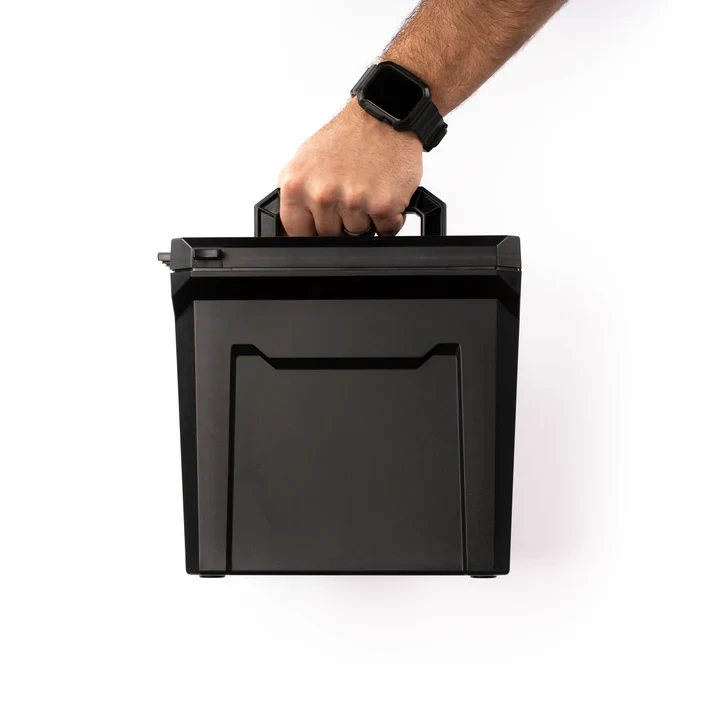
Remember, your face is a beacon. Wear face masks and gloves, and keep your head down until the moment of the shot. If your gear is tucked away safely, you can keep your focus on the sky. For those interested in securing their valuable gear during transport, you can for reliable storage solutions that keep your equipment safe in your vehicle while you are out in the field.
Calling and Final Approach
Calling should be used as a tool to finish the job, not to attract birds from the next county. Start with aggressive 'hail' calls to grab their attention, but transition to 'clucks' and 'moans' as they commit. If the birds go quiet, follow their lead. A flock that is working well is a flock that doesn't need to be talked to death.
Finally, when they are committed, wait for the 'take 'em' command. The most effective shots happen when the birds are back-pedaling into the wind, slowing down to land in your designated hole. Patience is the hardest part of the hunt, but it is the most rewarding. By respecting the weather, scouting with purpose, and mastering the fine details of concealment, you will find yourself in the middle of the action far more often than not. Check to make sure you are ready for the upcoming dates and maximize your time in the field.
Free every morning
Your Daily Briefing
One morning forecast for the spots you actually hunt and fish: deer movement, waterfowl flights, bite times, wind and shooting light.
See what's in itSet up your briefing
Join free, save a spot on the map, then pick what you hunt and fish and when you want your email.
Join 1,315 hunters and anglers on Buckeye Hunter Hub — free.
Latest from the Community



Everything you need to hunt smarter — free
Buckeye Hunter Hub is a free, nationwide platform. Create an account and unlock the full toolkit:
Free Interactive Hunting Map
Mark stands, cameras, and sign. Draw hunting zones with public land & county overlays across all 50 states.
Zones with Group Sharing
Share zones with your hunting group, split property into sections, assign stands, and check in — all in one place.
50 States of Hunting Resources
Season dates, license links, and DNR regulations for every state, kept current so you never miss an opener.
Deer Movement Forecast
Data-driven daily movement predictions using wind, moon, and pressure — know when to sit before you go.
Waterfowl Movement & Tools
Flight-potential forecasts, migration numbers, decoy spread planner, and a full species field guide.
From the Maker Bench

Taggart Outdoors
Custom Western Belt
Hand-built in the USA · $127.99
Shop the MakerBHH Partner
Thinking about selling a rifle or an old family shotgun? Check up-to-date market pricing by make and model before you sell.
webuyguns.comE-Tag States
Harvest Tags
E-check means you supply the tag. Printed with the exact fields your state requires.
3-pack $22.95
More Articles
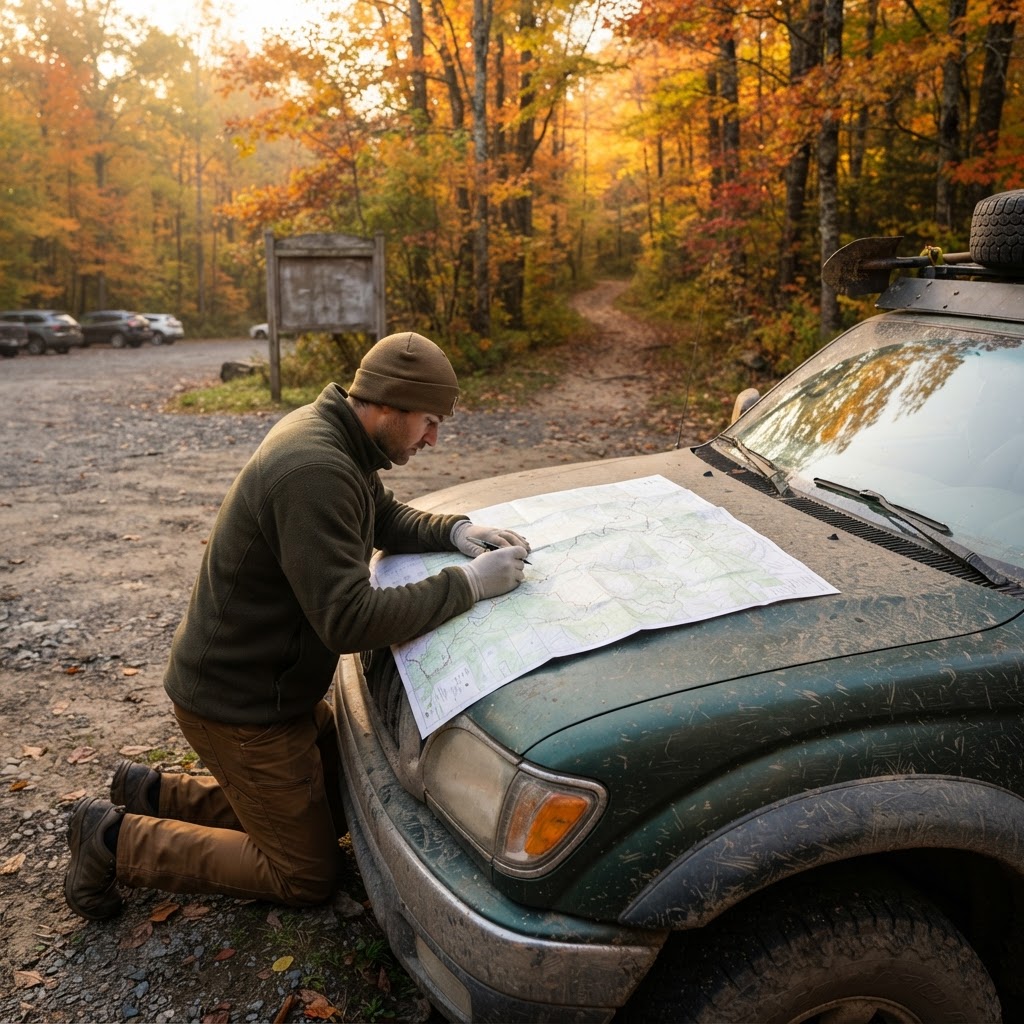
The Strategic Playbook: Building a Winning Public Land Hunting Framework
Hunting public land requires more than just luck; it demands a structured, step-by-step approach to scouting, logistics, and execution. Learn how to build your seasonal game plan from the ground up to consistently outperform the crowd.
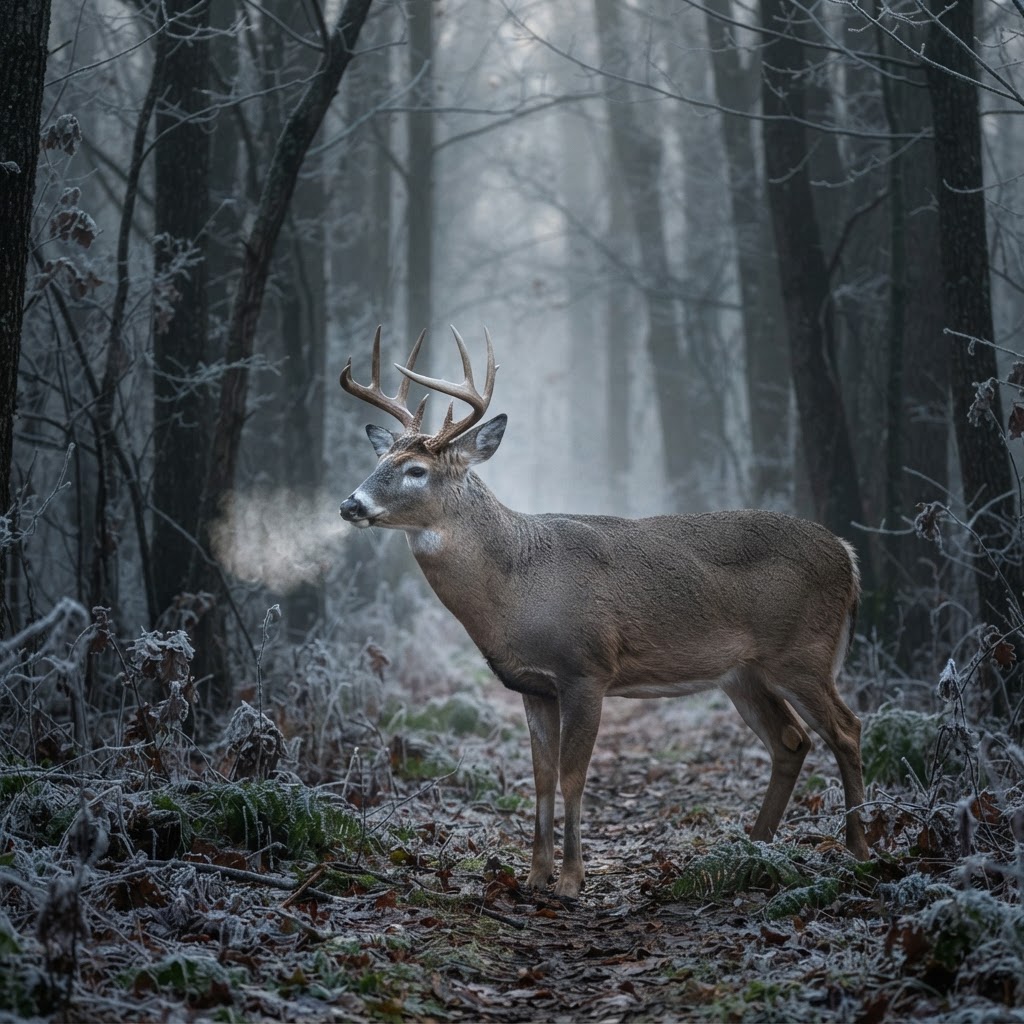
Barometric Pressure and Whitetails: Separating Hunting Folklore from Biological Reality
Does the barometer really dictate when a buck stands up? We dig into the peer-reviewed telemetry data to uncover the truth behind weather-driven deer movement.
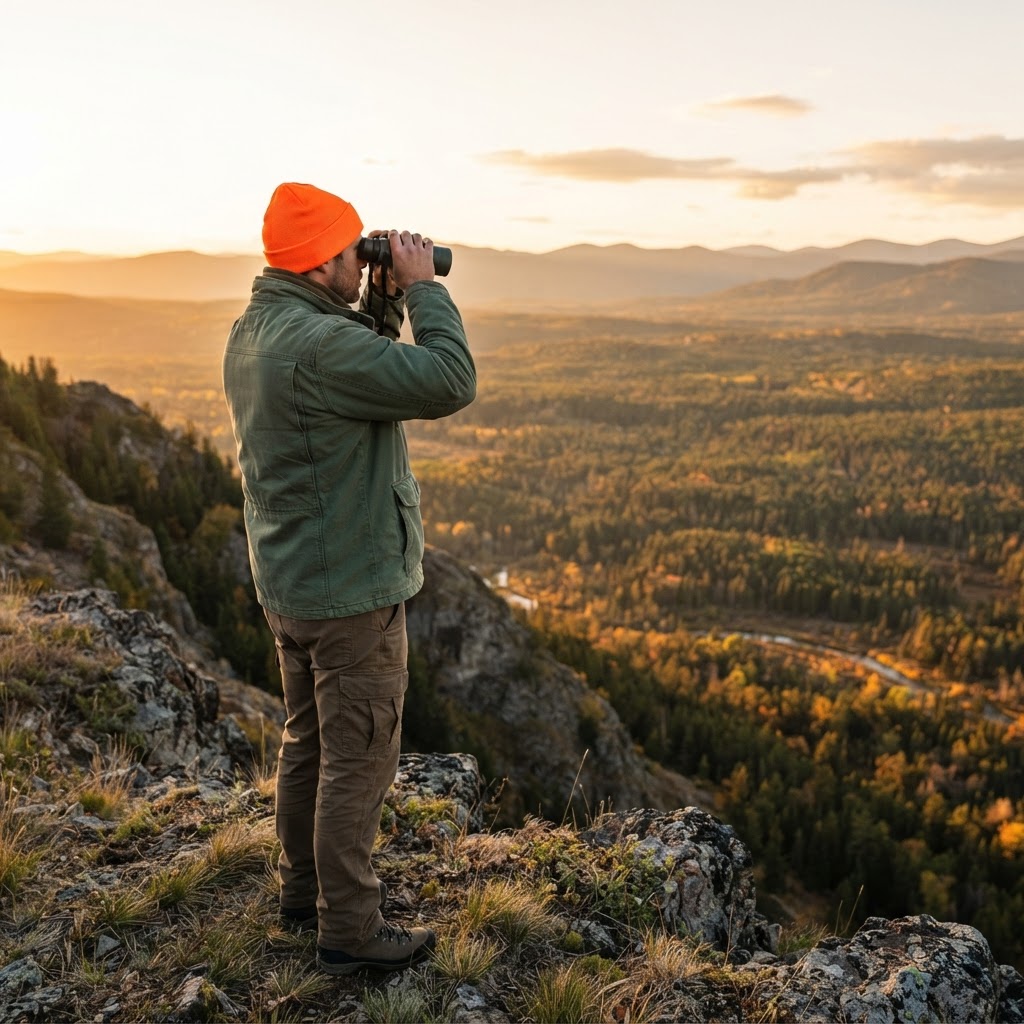
Beyond the Familiar: A Blueprint for Scouting Uncharted Hunting Territory
Stepping into a new hunting zone requires more than just a tag and a rifle. Learn the systematic, five-step framework to transition from a stranger in the woods to a local expert before opening day.

Adapting to Change: Lessons from the Field
Change is the only constant in the woods. Learn how to turn mechanical failures and shifting weather patterns into the knowledge needed to secure your next harvest.