
Decoding the Woods: A Tactical Field Guide to Interpreting Deer Behaviors
Understanding the Landscape: The Language of the Whitetail
Success in the whitetail woods is rarely about luck; it is about reading the land better than the deer themselves. While modern hunters have access to to keep tabs on movement, the ability to read physical sign in the field remains an irreplaceable skill. Every rub, scrape, and bed is a breadcrumb in a larger puzzle. By learning to interpret these indicators, you can transition from wandering the woods to hunting with surgical intent.
Get the deer movement forecast for your spot, free
See the best days and hours to sit this week, built from your spot's weather, moon, and wind.
Rubs: The Anatomy of Dominance and Travel
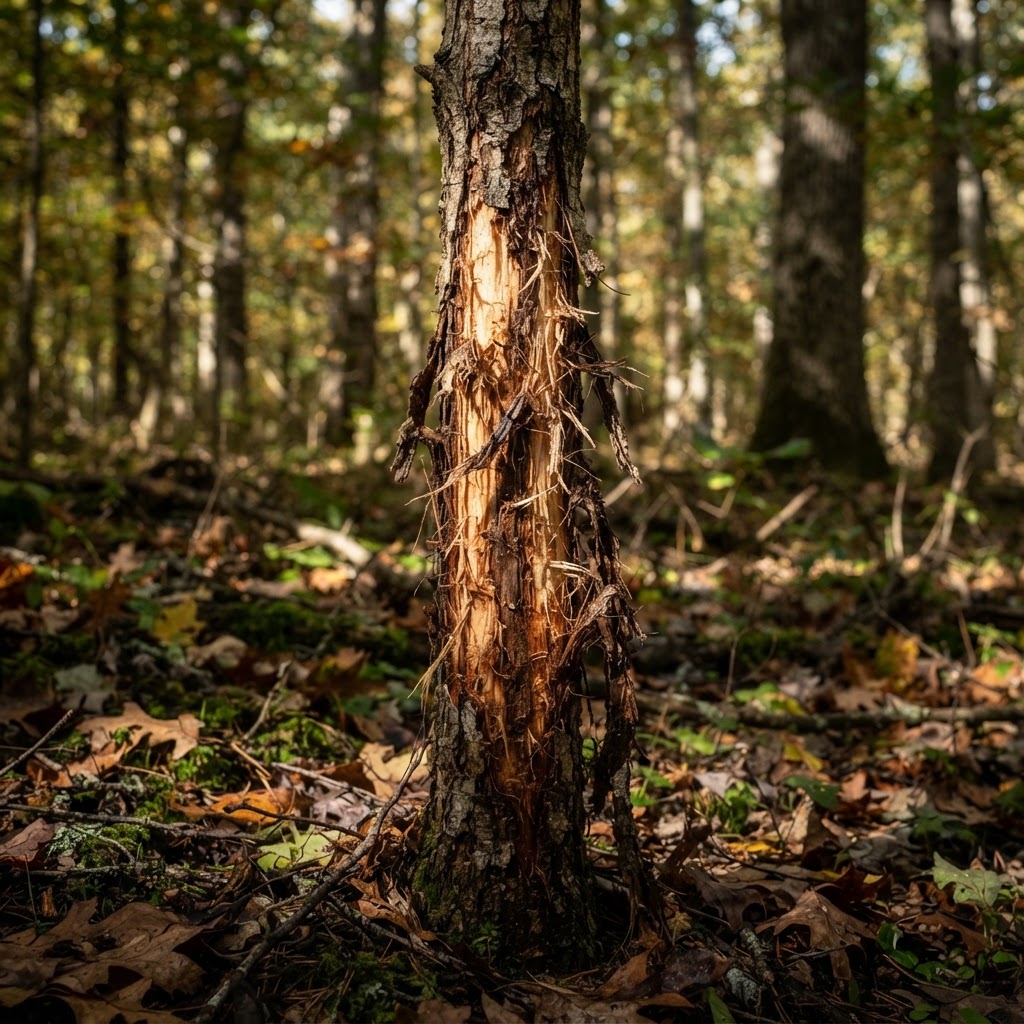
A rub is more than just a tree with its bark shredded; it is a signpost. When a buck works a sapling, he is doing two things: velvet removal and scent marking. However, the size and placement of these rubs provide specific intelligence.
- The Travel Corridors: Small, linear rubs along a trail typically indicate a buck moving between bedding and feeding areas. If you find these, you have found a reliable travel route.
- The Breeding Rubs: Larger trees, often found near thicker cover or terrain funnels, are the hallmarks of a mature buck’s core area. These represent high-traffic zones where the buck feels secure enough to express dominance.
If you find a series of large rubs, cross-reference this with to look for pinch points like deep saddles or creek crossings. A buck won't make large rubs in random locations; he is signaling to other deer that he claims this specific stretch of timber.

Scrapes: The Social Network of the Forest
Scrapes are the most misunderstood sign in the woods. Many hunters get excited the moment they see a pawed-out circle of dirt, but not all scrapes are created equal. A "community scrape," usually found under an overhanging branch near a trail junction, is an active piece of social media for the local deer population. Deer of all ages and sexes will visit these to check the scent of others.
Focus your efforts on the "licking branch" above the scrape. If the leaves are stripped and the branch is polished, that scrape is getting significant attention. If the ground is dry, leaves have fallen into it, or there is no scent of activity, move on. If you are struggling to understand when to hunt these locations, keeping an eye on can help you determine if the current conditions favor activity in these specific social hubs.
BHH Partner
Thinking about selling a rifle or an old family shotgun? Check up-to-date market pricing by make and model before you sell.
webuyguns.comBeds: Identifying the Sanctuary
A deer’s bed is his sanctuary. Finding a single bed is interesting, but finding a cluster of beds is a goldmine. To identify a high-quality bedding area, look for three things: elevation, wind advantage, and cover.
Deer often bed on points or benches that allow them to watch their backtrail while keeping the wind in their face. If you find bedding, do not hunt directly over it—you will push the herd out of their home range. Instead, hunt the transition zone where the bedding area meets a feeding source. Use to familiarize yourself with the specific terrain features common in your region, as bedding habits change significantly between the open plains and dense Appalachian timber.
E-Tag States

Harvest Tags
E-check means you supply the tag. Printed with the exact fields your state requires.
3-pack $22.95

Youth Hunter Academy
Raise a safe, confident young hunter.
Safety missions for ages 5–17. Free parent account.
Connecting the Dots
The true mastery of hunting comes when you link these three signs together. A buck will typically bed in thick cover, feed in the evening, and rub or check scrapes along the path in between. If you can identify the primary trail connecting these locations, you can set your stand to intercept him during daylight hours.
Remember to stay flexible. As the progresses, deer behavior shifts from food-focused patterns to breeding-focused ones. A scrape that is dead in September might become the hottest spot in the woods by late October. Keep track of your findings, share your scouting stories with our , and always keep your eyes on the ground. The forest is telling you exactly where the deer are—you just need to learn how to listen.
Join 1,068 hunters and anglers on Buckeye Hunter Hub — free.
Latest from the Community


Preorder · 4 days left
Buckeye Hunter Hub Camo Trucker Hat — Treeline Logo
Includes 50% off Lifetime Pro
Everything you need to hunt smarter — free
Buckeye Hunter Hub is a free, nationwide platform. Create an account and unlock the full toolkit:
Free Interactive Hunting Map
Mark stands, cameras, and sign. Draw hunting zones with public land & county overlays across all 50 states.
Zones with Group Sharing
Share zones with your hunting group, split property into sections, assign stands, and check in — all in one place.
50 States of Hunting Resources
Season dates, license links, and DNR regulations for every state, kept current so you never miss an opener.
Deer Movement Forecast
Data-driven daily movement predictions using wind, moon, and pressure — know when to sit before you go.
Waterfowl Movement & Tools
Flight-potential forecasts, migration numbers, decoy spread planner, and a full species field guide.
From the Maker Bench

SE Ohio Outdoors
Euro Mount Hook
Hand-built in the USA · $8.00
Shop the Maker
BHH Partner
Firearms, ammo and gear from a local Ohio shop in Grafton.
dnaarmory.comE-Tag States
Harvest Tags
E-check means you supply the tag. Printed with the exact fields your state requires.
3-pack $22.95
More Articles
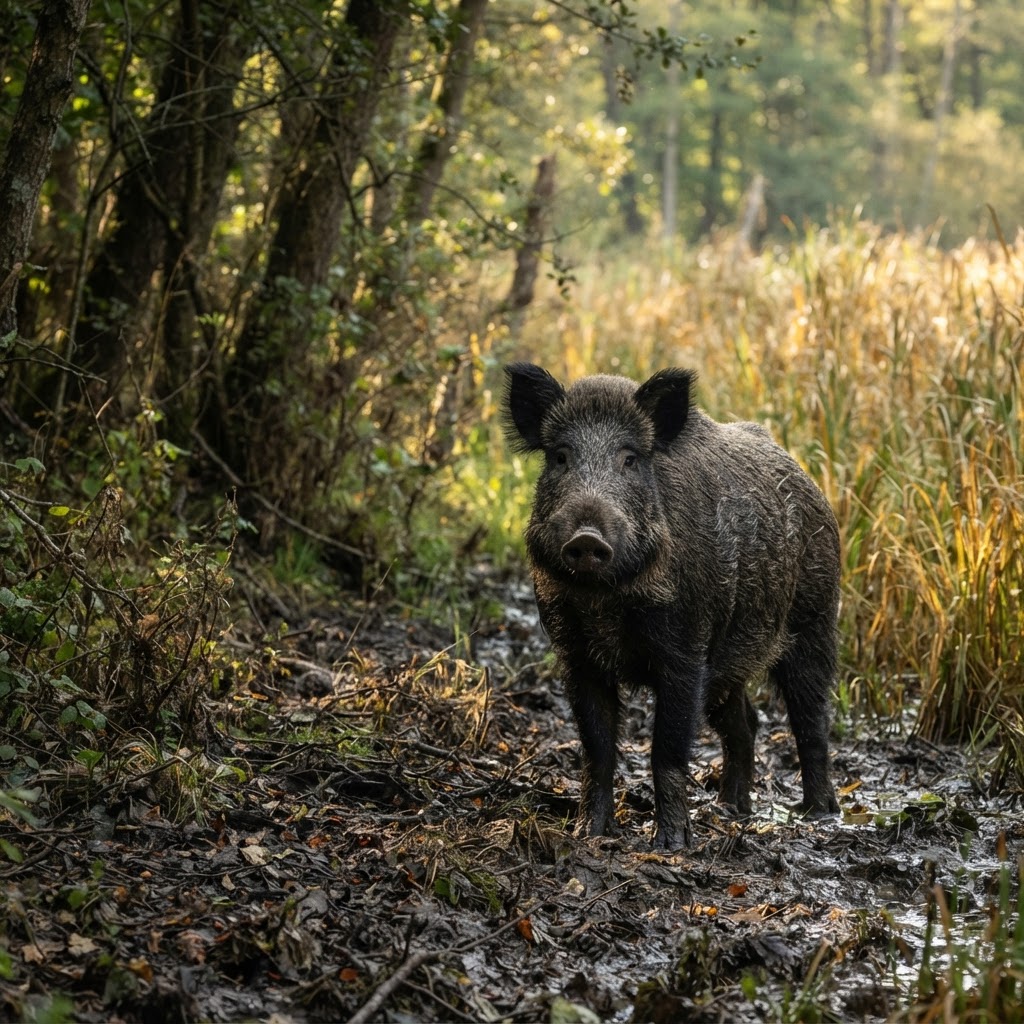
Taming the Tuskers: A Tactical Guide to Wild Hog Hunting
Wild hogs are one of the most challenging and destructive invasive species in the United States, offering hunters a year-round, high-action opportunity to test their skills and help manage local ecosystems.
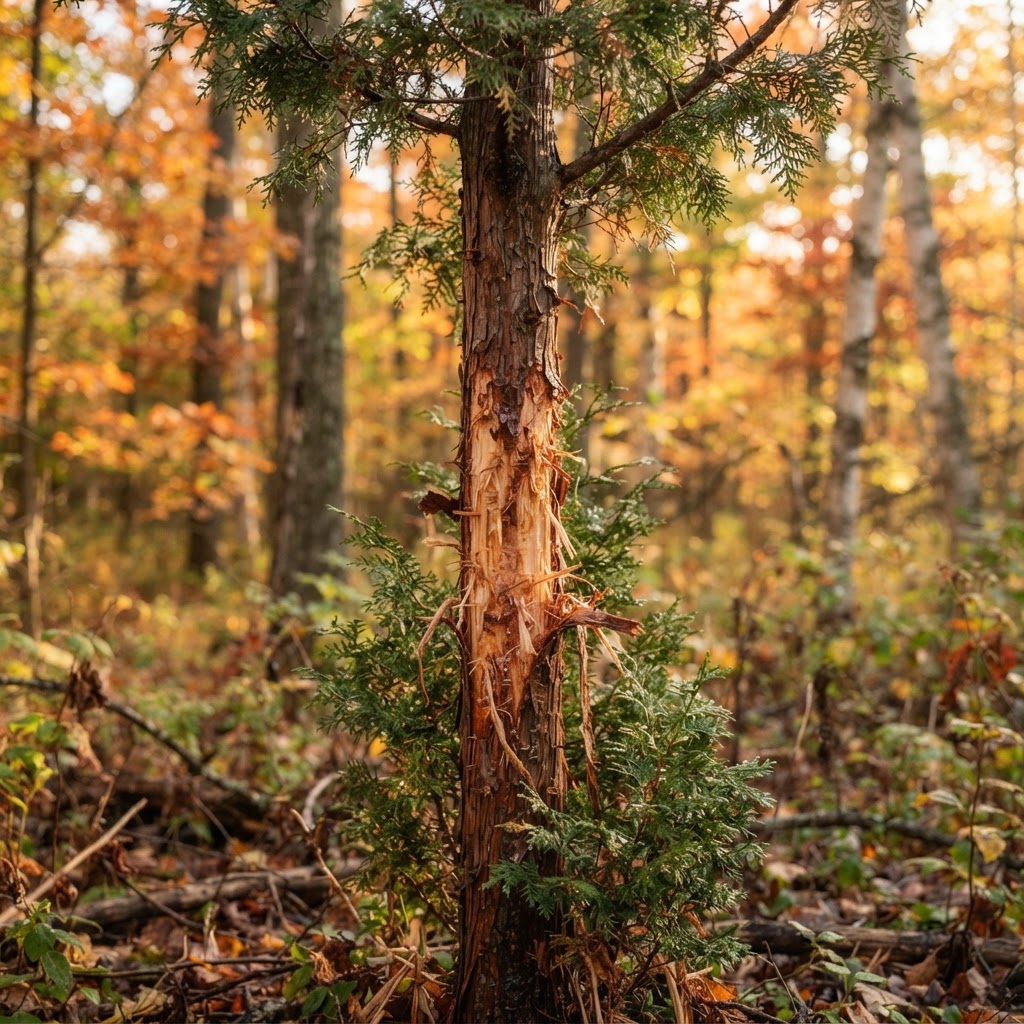
Decoding the Woods: A Hunter’s Guide to Interpreting Deer Sign
Mastering the language of the whitetail requires more than patience; it demands the ability to read the forest floor like a roadmap. Learn how to interpret rubs, scrapes, and bedding areas to elevate your success this season.

Travel Secure: Why You Need a StopBox for Your Vehicle
Hunting and traveling require gear security you can count on. Learn how the StopBox lineup keeps your firearm ready and protected on the road.

Profitability and Protection: Expanding Your Retail Inventory with the Buckeye Hunter Hub Wholesale Program
Buckeye Hunter Hub is now offering an exclusive wholesale partnership for firearm retailers to stock industry-leading StopBox secure storage solutions, helping you protect your customers while growing your bottom line.