
TACTICS
How to Hunt the October Lull Successfully
Don't let the mid-season slowdown ruin your hunt. Learn why deer movement changes in October and how to adjust your stand placement accordingly.
Buckeye Hunter Hub Magazine · Issue No. 4 · October 2026 · 2026-10-01
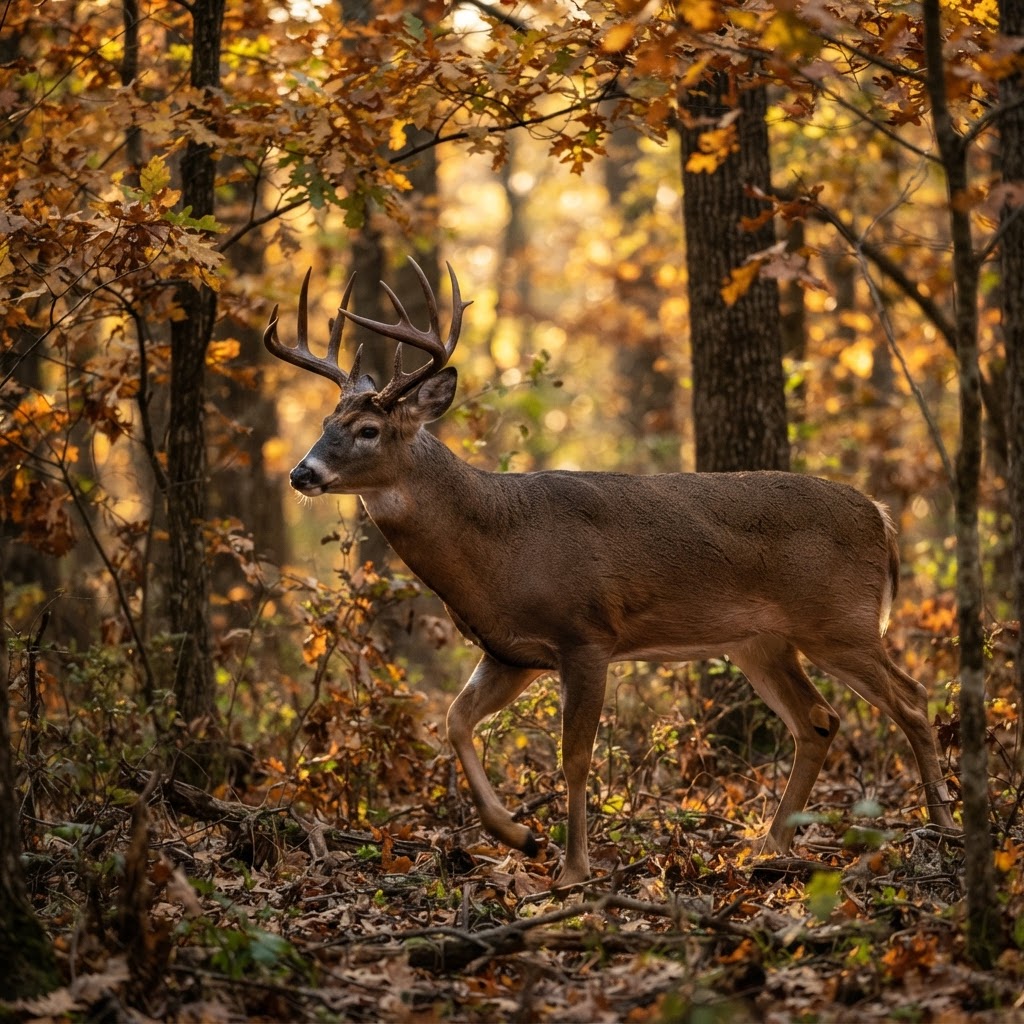
The air is crisp, the leaves are turning, and yet, the woods have gone silent. It is the middle of October, and for the unprepared hunter, the woods often feel as empty as an abandoned farmhouse. This is the phenomenon known as the October Lull—a period when daylight sightings of mature bucks plummet, and the frantic activity of early season scouting yields nothing but frustration. While the uninitiated pack up their gear until the November rut, the seasoned woodsman knows this is a tactical window that rewards those who understand the biological shift occurring under the canopy. By mid-month, the transition from summer bachelor groups to solitary dominance and the arrival of the first frost signals a fundamental change in deer behavior. Successfully hunting the October lull requires shifting from an aggressive approach to a calculated, surgical methodology. If you are struggling to find patterns, utilizing the science of deer movement is the first step toward deciphering why your primary food plots have suddenly gone cold. ## Why does deer movement shift in mid-October? The primary catalyst for the lull is physiological rather than environmental. As the daylight hours shorten, whitetails shift their metabolic needs from summer nutrition to winter fat stores. Concurrently, the transition from succulent green forage to harder masts—acorns and woody browse—drastically reduces the need for deer to frequent open agricultural fields where they are vulnerable. The deer are not gone; they have simply retreated into the security of thick, interior bedding areas. During this time, daylight deer movement in October is restricted to the fringes of these secure zones. Mature bucks, in particular, become nocturnal to avoid the increasing pressure of early-season hunters. If your trail camera photos show a 2:00 AM buck in your food plot, he is not just passing through; he is adhering to a strict safety schedule. You can gain further insight into these shifts by cross-referencing your local deer movement forecast with your recent trail cam uploads to determine if a change in weather fronts is enough to nudge him out five minutes earlier. ## How do I transition from food sources to thick bedding cover? Hunting the October lull demands a radical change in stand placement. Most hunters fail because they stay on the edges of large food plots long after the deer have shifted their feeding habits. Instead, you must locate the intersection between bedding cover—dense briar thickets, overgrown clear-cuts, or cedar swamps—and the nearest high-quality, late-season food source like a fresh white oak drop. Because the deer are moving less, you must move closer to them. Use hunt mapping and wind tools to identify pinch points between these bedding areas and the nearest water source or hard mast stand. You are looking for a 'transition strip'—a hidden travel corridor where a buck can move from his bedding area to the food without ever exposing himself to an open field or a clear skyline. Your goal is to intercept him while he is still in the 'twilight transition,' typically occurring between 5:30 PM and 6:30 PM, or in the very early morning before he tucks back into the thickets. ## What is the best strategy for scent control and patience? During this slow period, patience is your most valuable asset. Because deer are moving shorter distances and acting with increased caution, any mistake is magnified. A single whiff of human scent at a high-traffic bottleneck will burn that stand for the remainder of the month. Implement these mid-season whitetail tactics to keep your presence hidden: 1. Conduct a deep-clean of all outer layers; ozone treatment is effective, but nothing replaces scent-free laundering and keeping clothes in sealed, odor-neutral containers. 2. Establish 'scent-free entry paths' by scouting terrain—avoid walking through creek bottoms or valleys where air currents settle. 3. Utilize standing corn or high-brush screens to block your profile as you climb, ensuring you aren't silhouetted against the morning sky. 4. Reduce frequency. Instead of hunting every day, hunt only when the wind is perfect, even if that means sitting only once every three days. This maintains the element of surprise for when the pre-rut action finally kicks off. It is also an excellent time to mentor the next generation; consider taking a student from the BHH Youth Hunters Academy (/Partners/YouthHuntersAcademy) for a sit where you can teach them the discipline of stillness, a skill that is far more valuable than a high-tech bow or a premium rifle. ## How do I identify and capitalize on nocturnal patterns? If your cameras suggest a buck is purely nocturnal, don't waste your time sitting on a high-traffic corridor during the day. Instead, move your cameras further into the woods, toward the 'staging areas.' Staging areas are the thick cover located 100 to 200 yards away from the main food plot. This is where a buck will spend the final hour of daylight before heading into the fields. By setting up here, you catch him while he is waiting for darkness to fall. Look for: * Heavy rub lines on saplings that appear fresh within the last 48 hours. * Scrapes that have been recently opened, signaling the beginning of territorial marking. * Dropping density, indicating the deer are staging in a specific drainage or bench. * Low-light visibility. If you can see 30 yards in every direction, you have a high probability of spotting him before he spots you. ## Taking action this week The October lull isn't a dead-end; it is a filter that separates those who shoot at targets from those who study deer. This week, pull your cameras from the open fields and place them on the secondary trails leading deep into the transition timber. If you haven't checked your equipment or practiced your shot at various angles from your stand, do it now before the rut arrives. When the first cold front of late October hits, and the pressure drops, those bucks will be forced to move. If you have done the work now—identifying their bedding, securing your scent-free access, and mastering the patience required for this transition—you will be the one sitting in the right tree when the woods finally come alive again.