Walleye
Sander vitreus
The ultimate ghost of the freshwater depths, walleye are prized for their keen low-light vision and world-class table fare.
Typical Size
1 to 5 pounds is typical, with trophy fish exceeding 10 pounds.
Prime Seasons
Spring (post-spawn) and Autumn (pre-ice feeding frenzy) are peak times, with summer requiring deep-water or nocturnal strategies.
Overview
Walleye are the premier predatory gamefish of the North American interior, renowned for their incredible sensitivity to light and their fickle, often subtle bite. Thriving in stained or murky waters where their light-reflecting tapetum lucidum gives them a hunting advantage, they are nomadic, schooling predators that command immense respect from both recreational anglers and tournament professionals alike.
Anglers target walleye because they are the quintessential 'thinking man’s fish'—requiring precise boat control and a masterclass in bait presentation to trigger. Beyond the challenge, their reputation as the best-tasting freshwater fish in North America makes them a primary target for those looking to fill the cooler after a long day on the water.
Identification
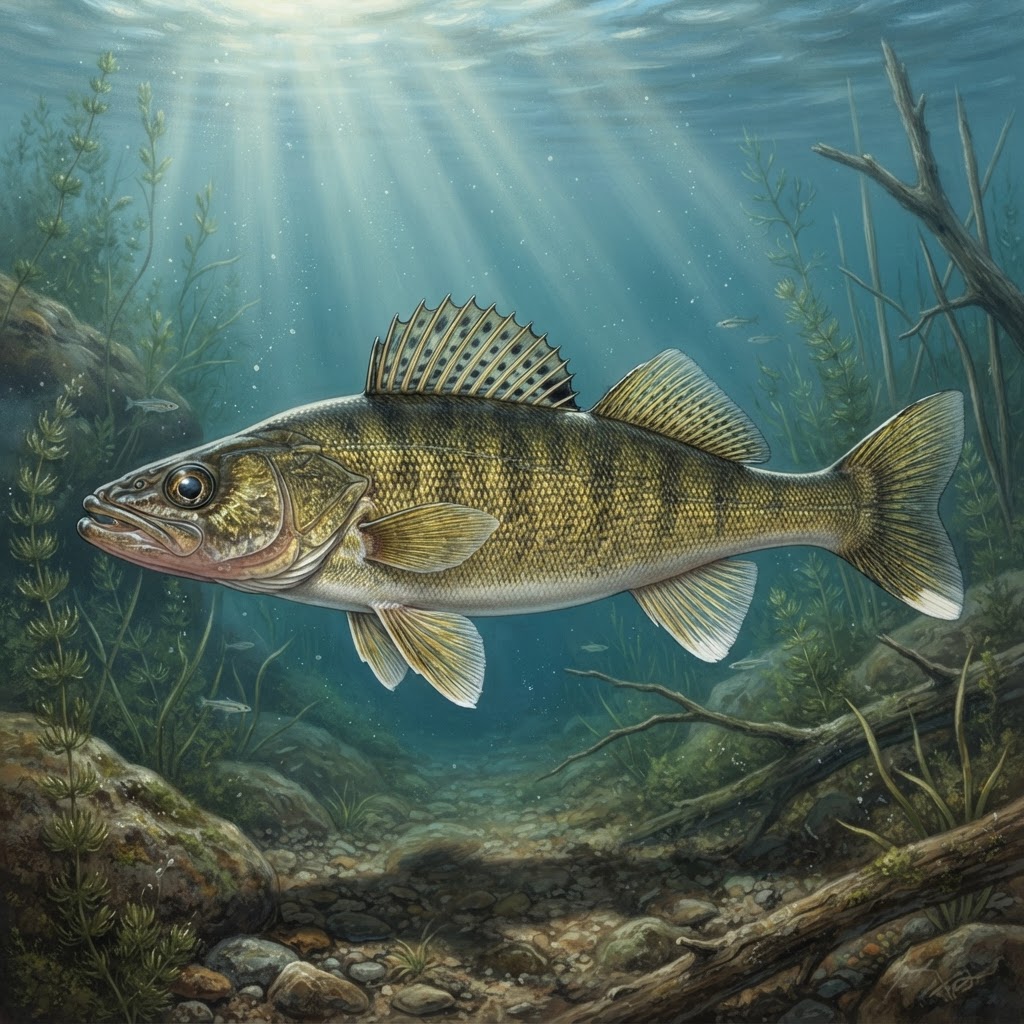
- Large, cloudy, light-reflecting eyes (tapetum lucidum)
- Dorsal fin with sharp spines and a black blotch on the rear base
- Large, canine-like teeth for gripping prey
- Lower lobe of the tail fin features a prominent white tip
- Gold-to-olive coloration blending into a pale underside
Habitat
Diet & Forage
Behavior & Feeding
Walleye are predominantly crepuscular predators, utilizing their highly reflective tapetum lucidum to hunt effectively in low-light conditions during dawn and dusk. They exhibit seasonal migration patterns, moving from deep basins in the summer to shallower structure or river spawning grounds in the spring and fall. These fish are generally opportunistic ambush feeders but can become highly aggressive when baitfish schools are concentrated or during aggressive feeding windows in turbulent water.
Spawning
Spawning typically occurs in early spring as water temperatures approach the mid-forties, often coinciding with ice-out. Walleyes are broadcast spawners that congregate on rocky shoals, reefs, or gravel bottoms in rivers and lakes to deposit eggs in currents or wave-washed areas. This period makes them highly susceptible to angling pressure, though local regulations often close or restrict fishing during this critical recruitment window.
Water Temperature
Weather Triggers
Overcast/Cloudy days
Extends the low-light feeding window, allowing for shallower fishing throughout the day.
Increasing barometric pressure (Post-front)
Usually suppresses activity; slow down presentations and focus on tight-to-bottom structures.
Moderate wind (chop on water)
Diffuses light and activates baitfish; target wind-blown shorelines and main lake points.
Depth by Season
Best Lure Rigs & Setups
Jig and Minnow
When: Versatile all-season tactic for vertical jigging or slow dragging.
Setup: 1/8 to 3/8 oz lead jig head, 6-8 lb fluorocarbon, live shiner or fathead.
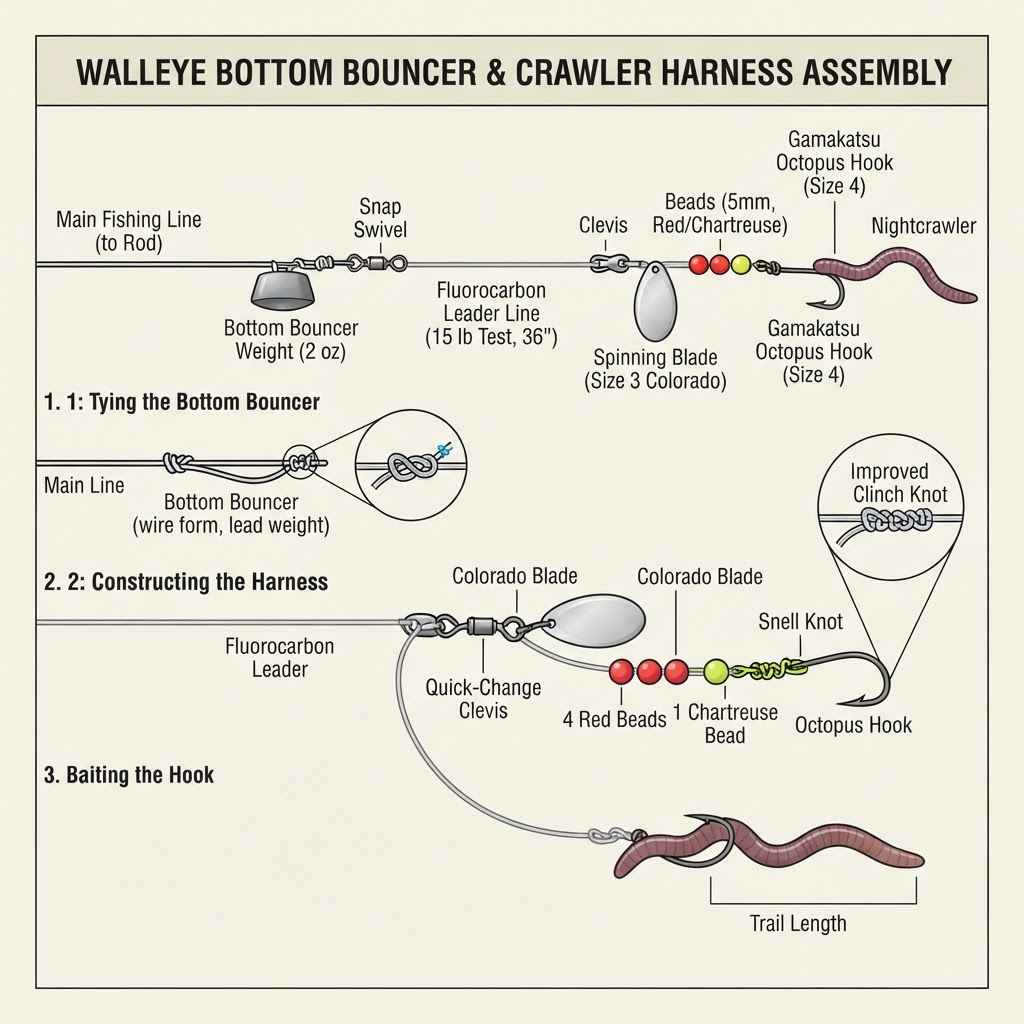
Bottom Bouncer/Crawler Harness
When: Best for covering water while trolling over rocky structures.
Setup: 1-2 oz bottom bouncer, 10-14 lb monofilament, spinner blade rig with two-hook crawler harness.
Slip Bobber Rig
When: Ideal for sitting over specific submerged brush or weed lines.
Setup: Sliding float, stop knot, 1/16 oz jig, 6 lb fluorocarbon leader, leech or minnow.
Deep Diving Crankbait
When: Used for trolling at high speeds to trigger aggressive strikes in summer.
Setup: 10-12 lb monofilament, high-action crankbaits like Rapala Shad Rap, planer boards for wide spread.
Best Knots
Lures That Catch Walleye
 Crankbaits & Hardbaits
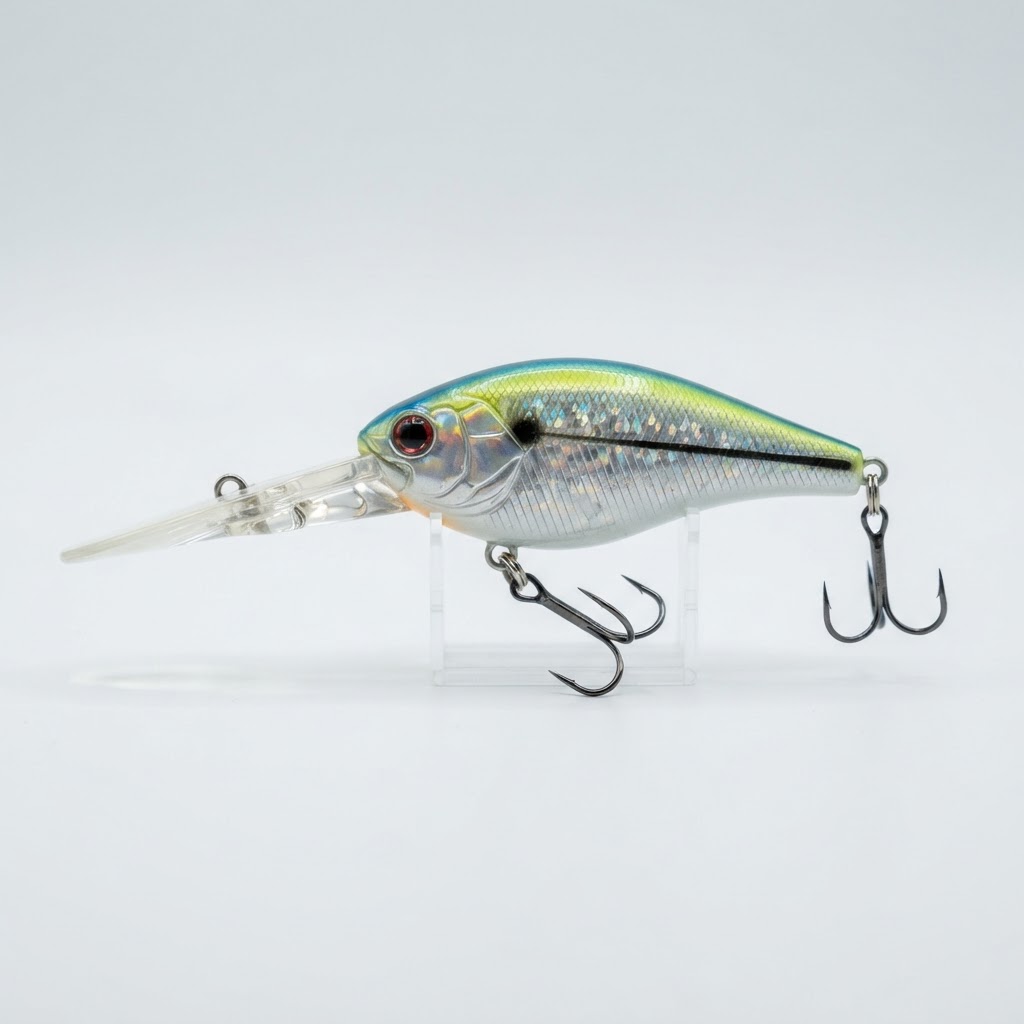
Deep Diving Crankbait
Reaches deep offshore fish other baits can't.
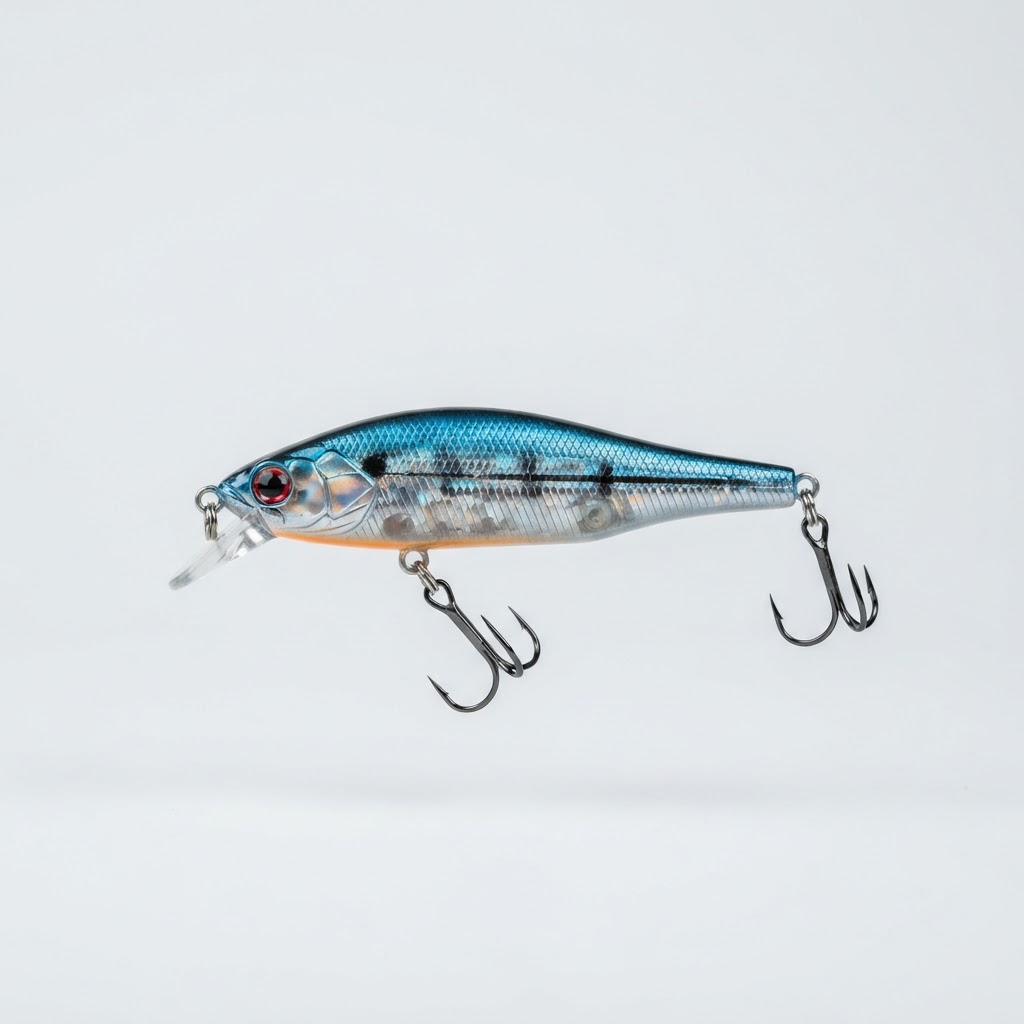 Crankbaits & Hardbaits
Jerkbait
Suspends in the strike zone for cold-water fish.
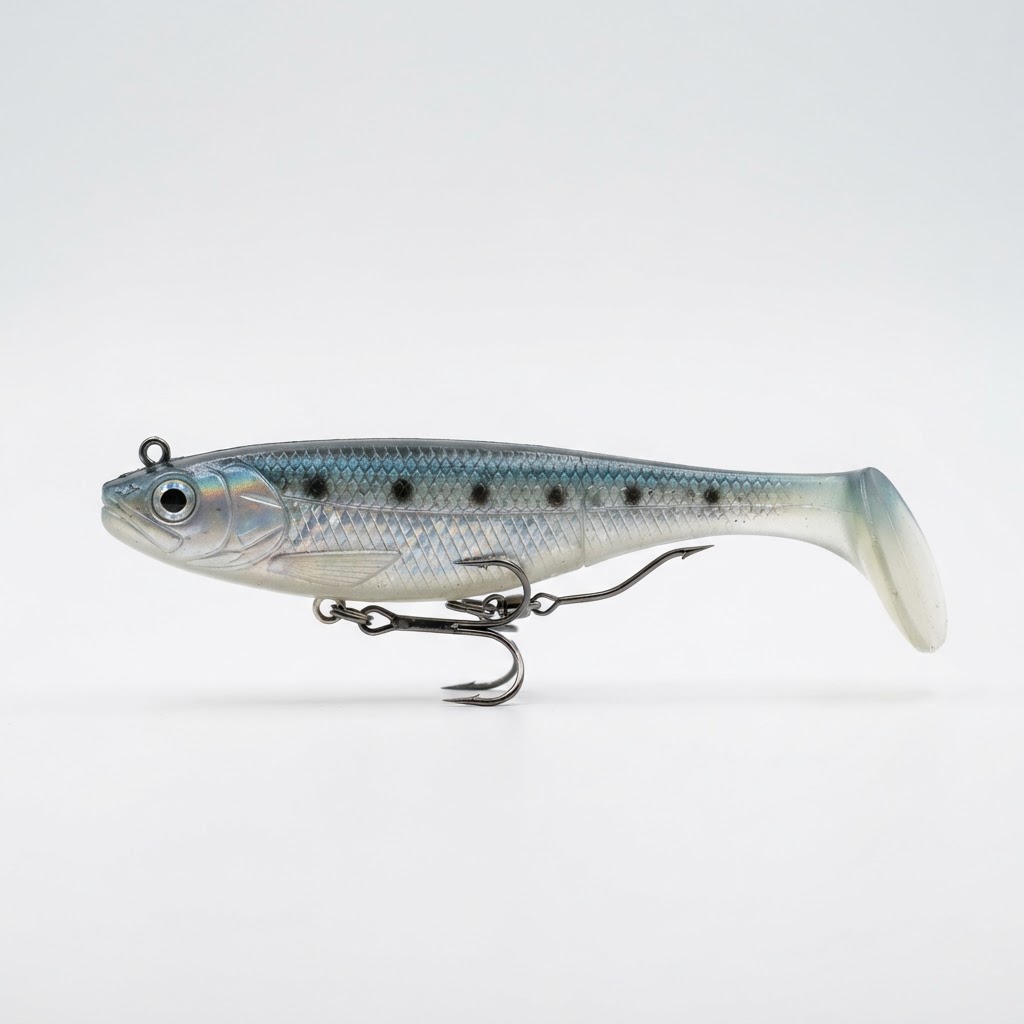 Swimbaits
Paddle-Tail Swimbait
A natural swimming profile for any predator.
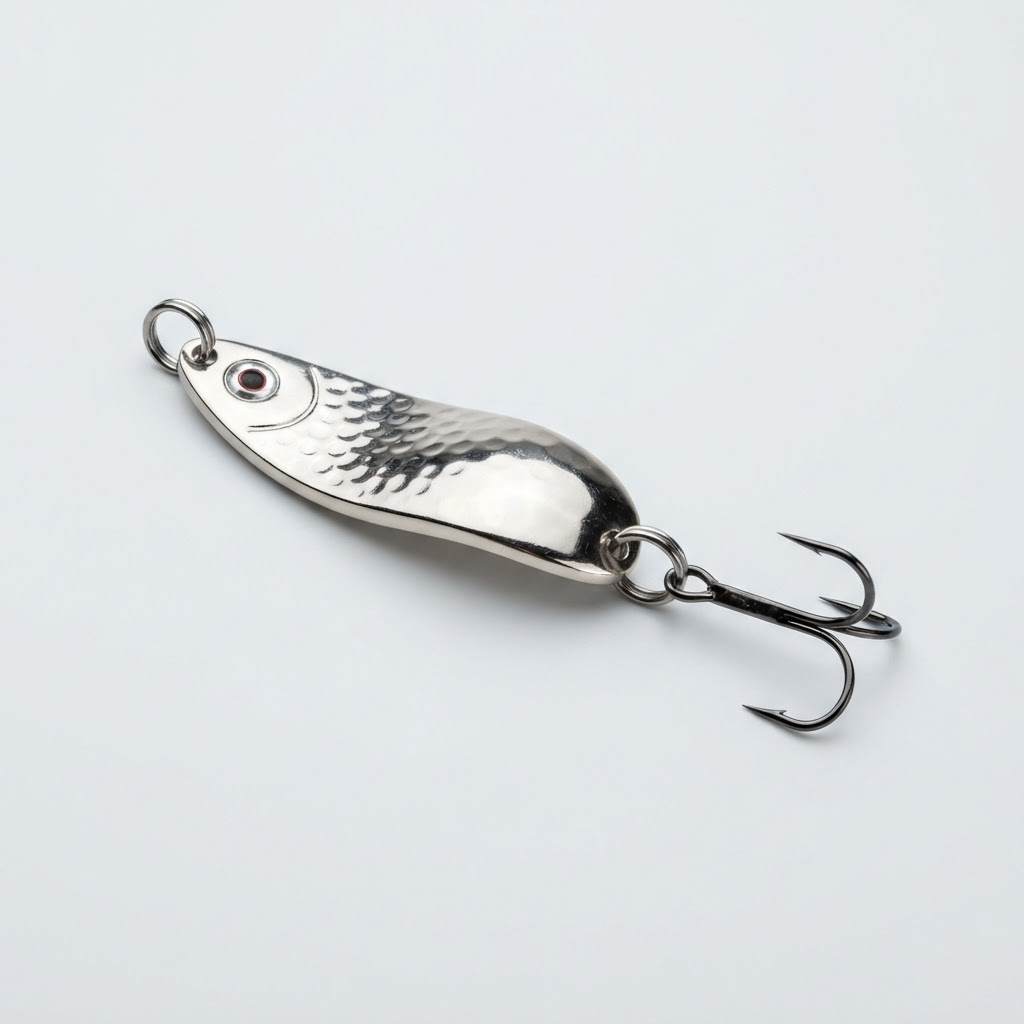 Spoons
Casting Spoon
Wobbling flash that fires up big fish.
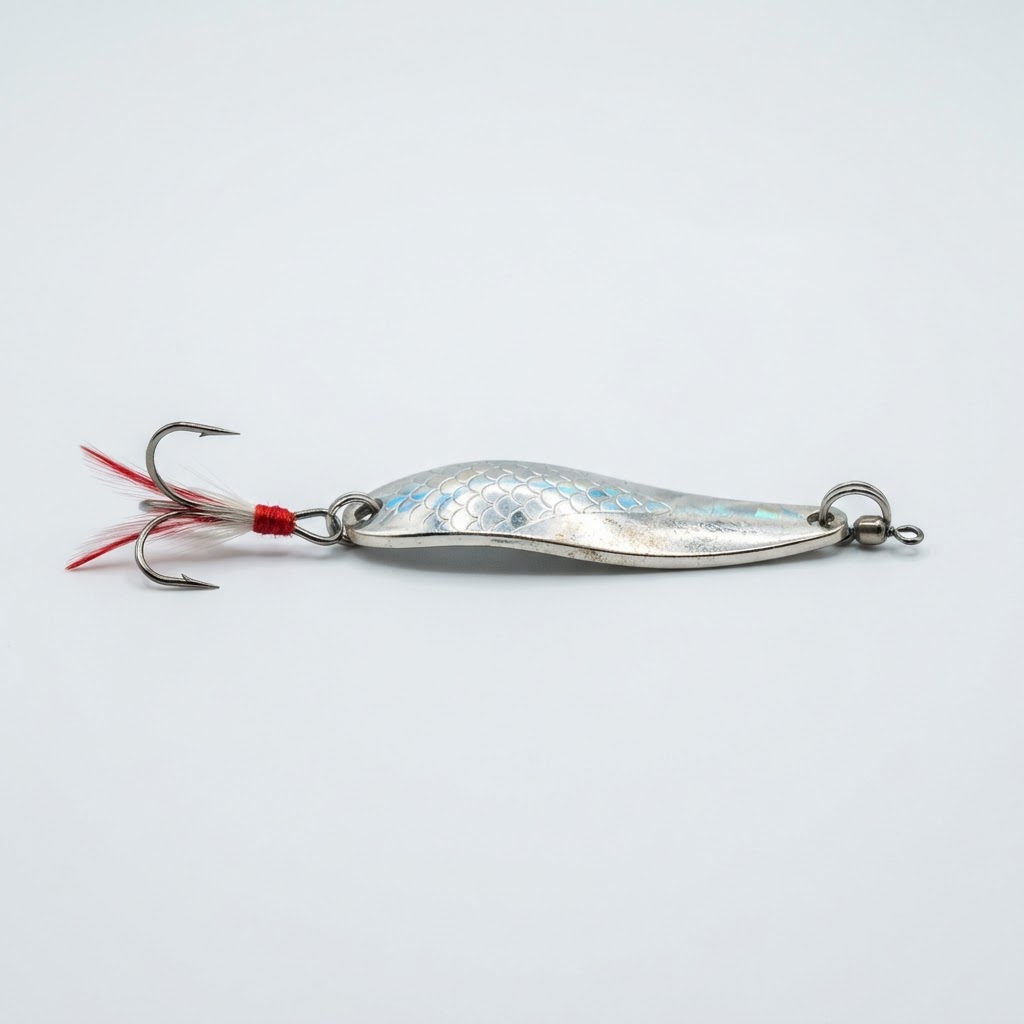 Spoons
Jigging Spoon
Vertical flash for deep, schooled fish.
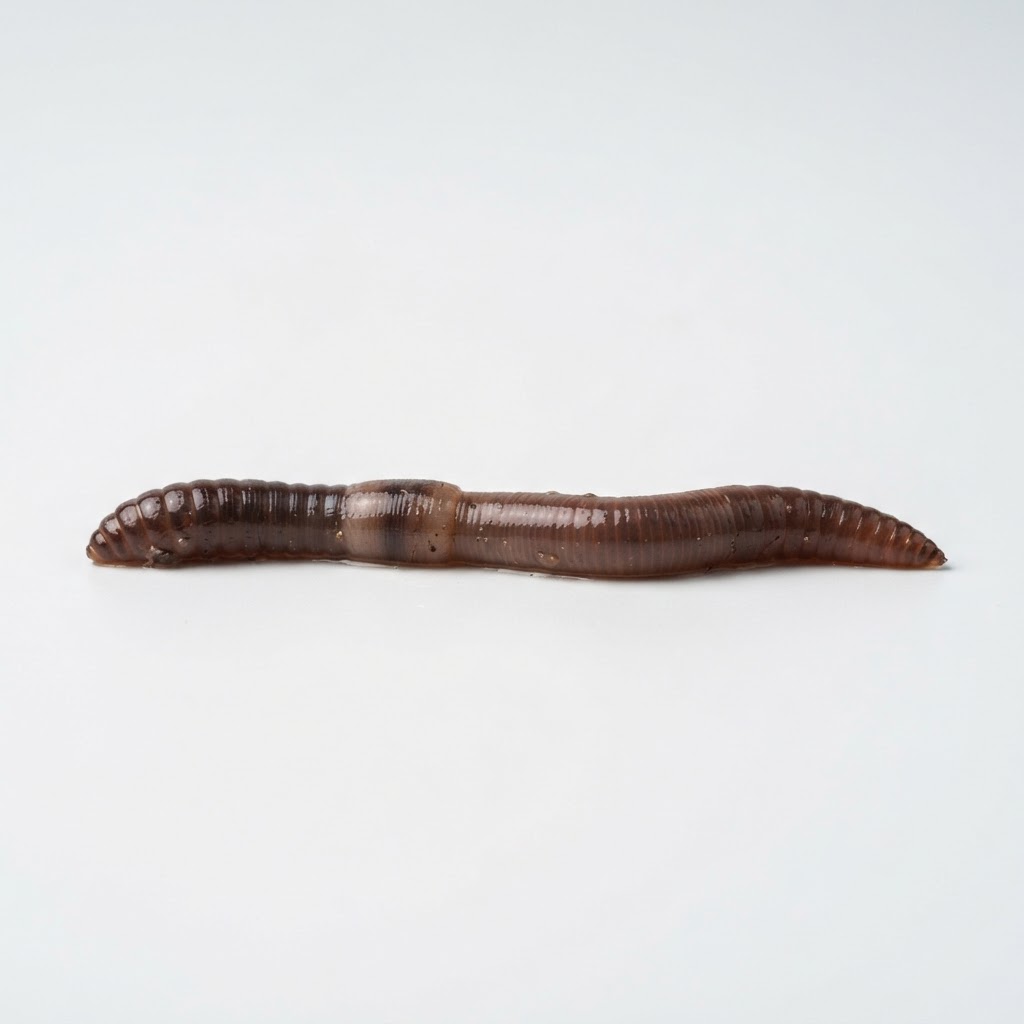 Live Bait
Nightcrawler
Nothing beats live worm for numbers.
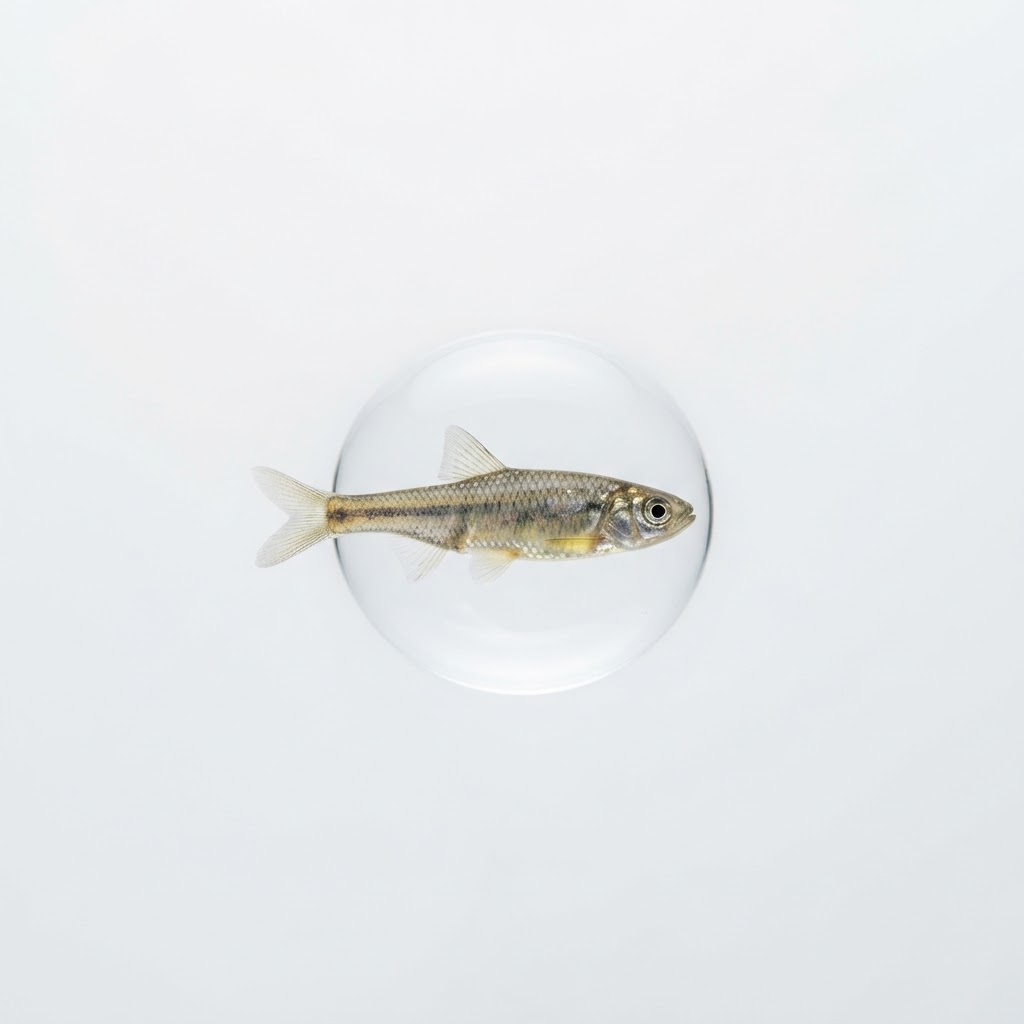 Live Bait
Live Minnow
The top live bait for predators.
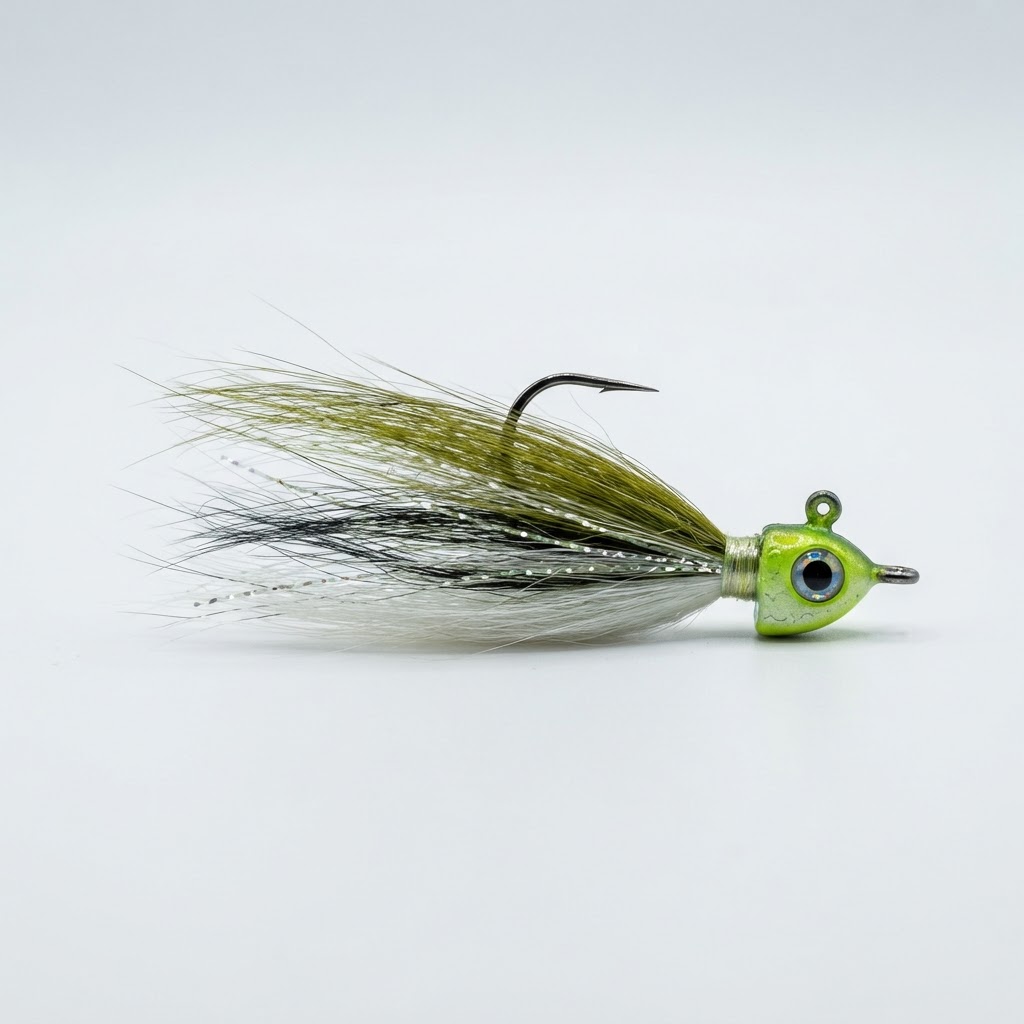 Jigs
JigsHair Jig
Subtle bucktail pulse for cold water.
Rigs From The Library For Walleye
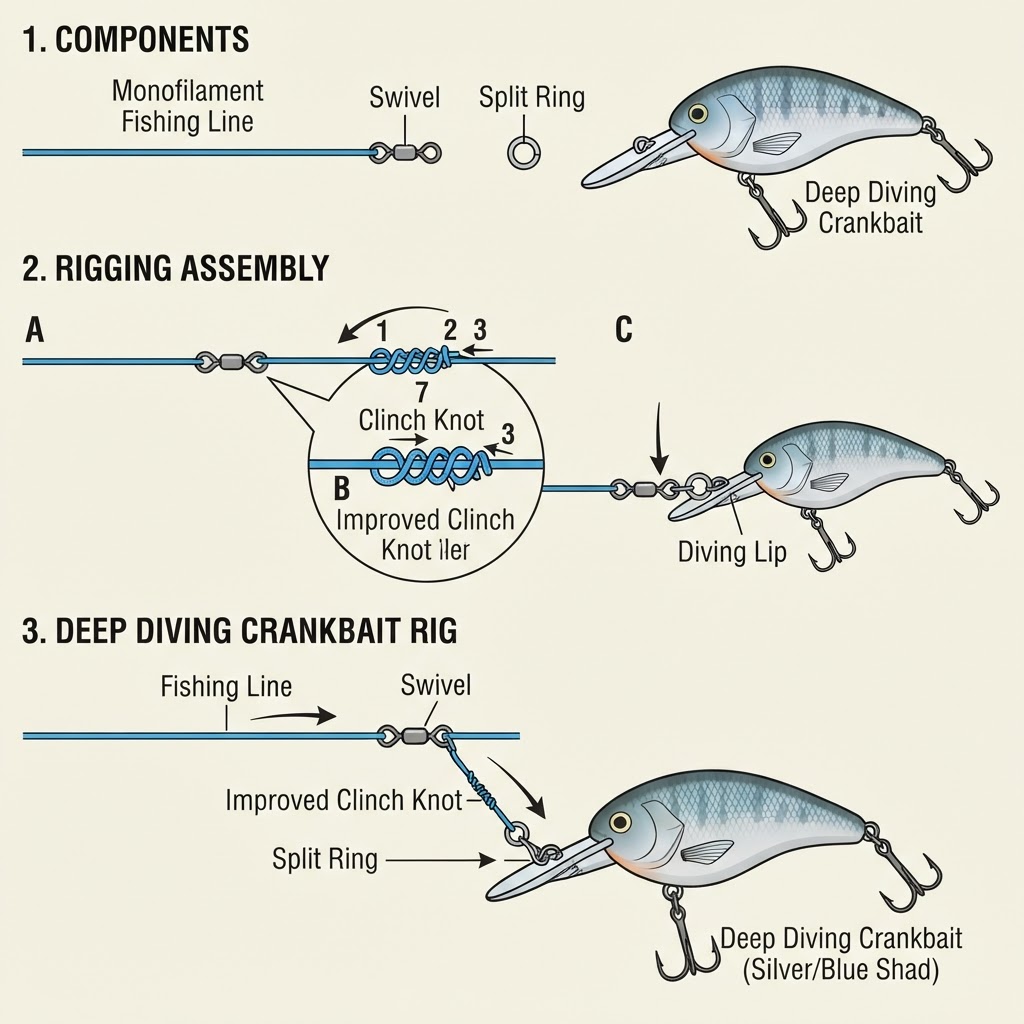 8-20 ft
Deep Diving Crankbait
The ultimate triggering tool for dredging deep structure and smashing reactive strikes from lethargic giants.
 0-20 ft
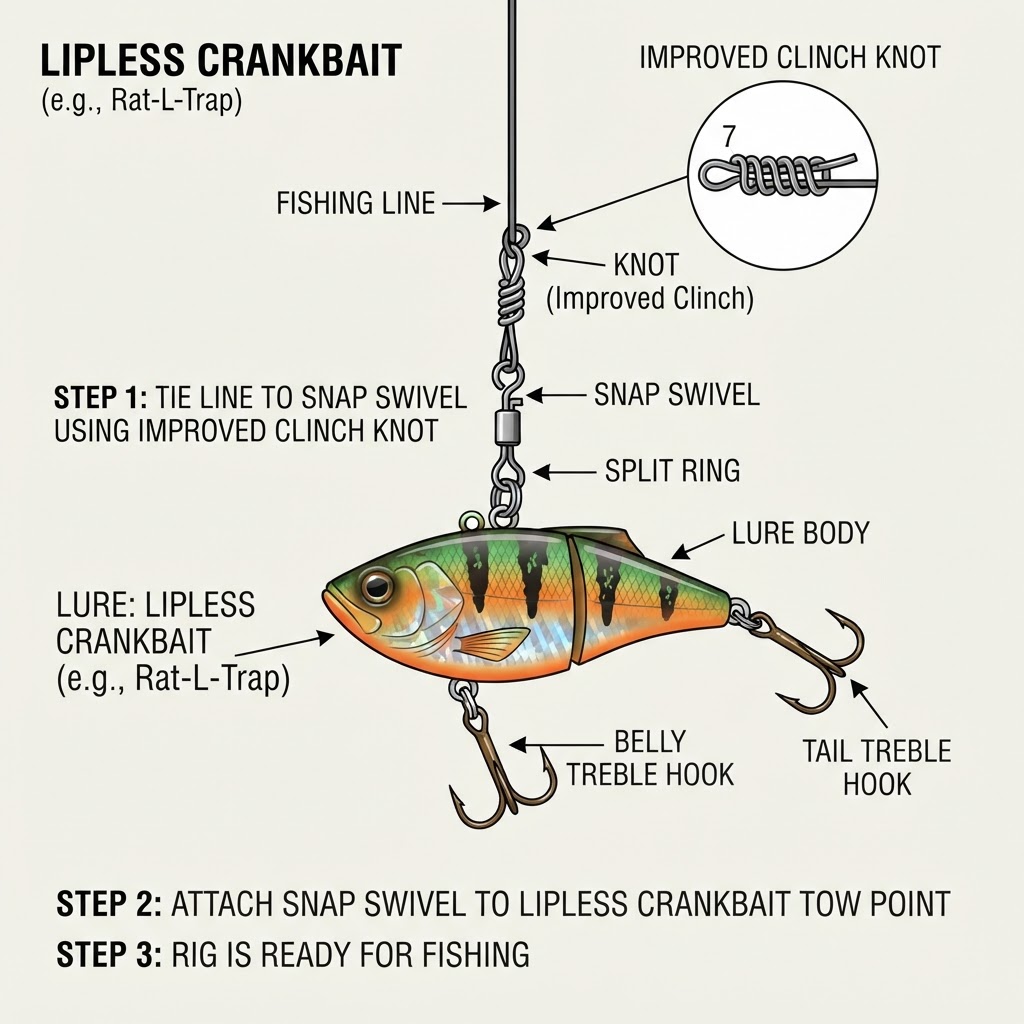
Lipless Crankbait
The ultimate search bait that triggers reactionary strikes with its tight wobble and loud internal rattle.
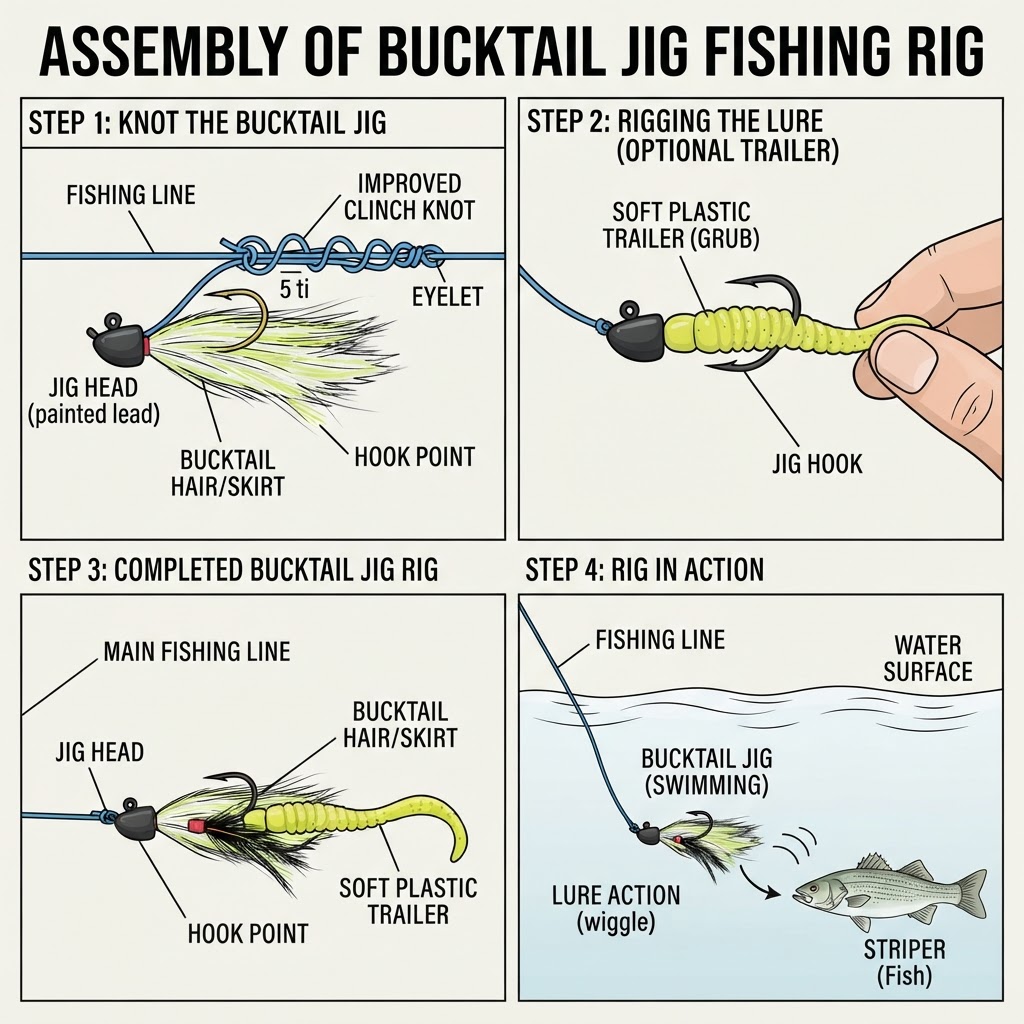 Surface to 50 ft
Bucktail Jig
The ultimate multi-species Swiss Army knife that triggers aggressive strikes through a pulsing, life-like swimming motion.
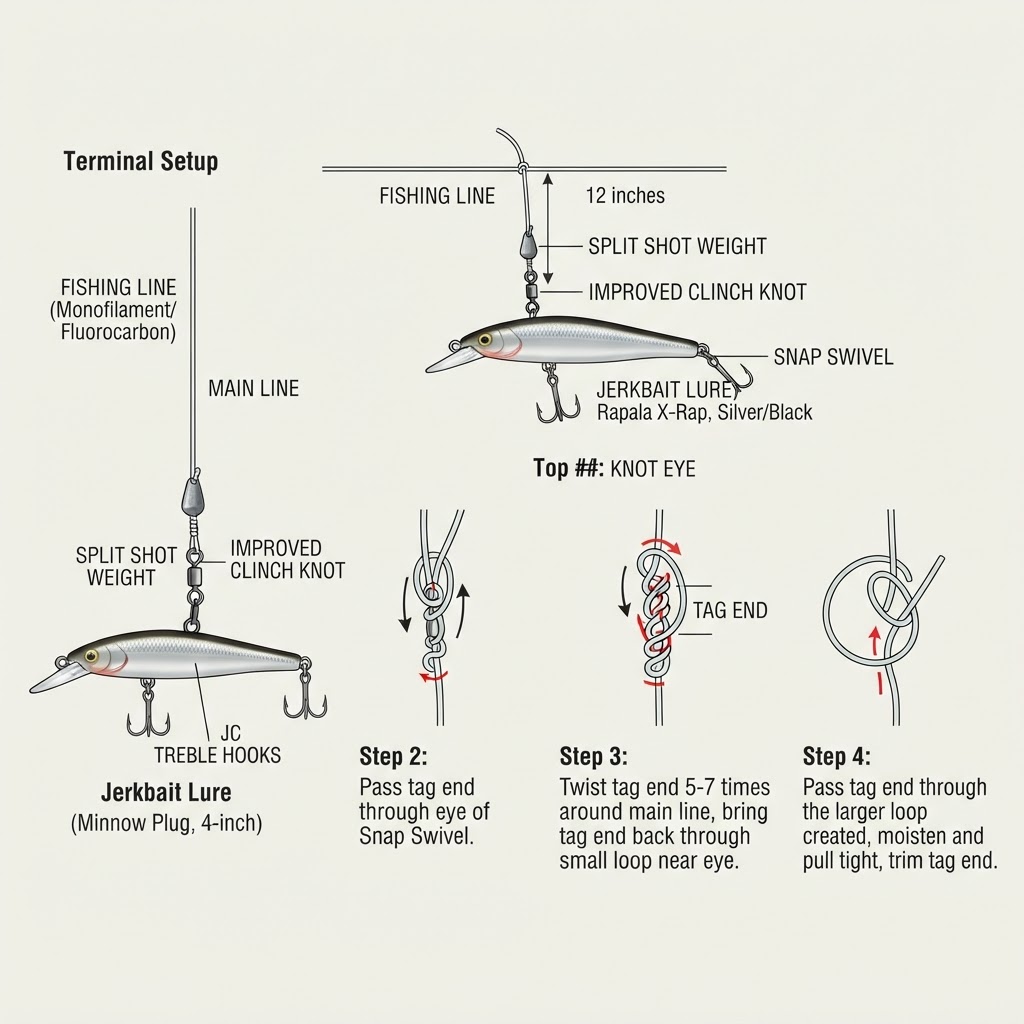 2-8 ft
Jerkbait
The ultimate predatory reaction trigger for lethargic fish in clear, cold water.
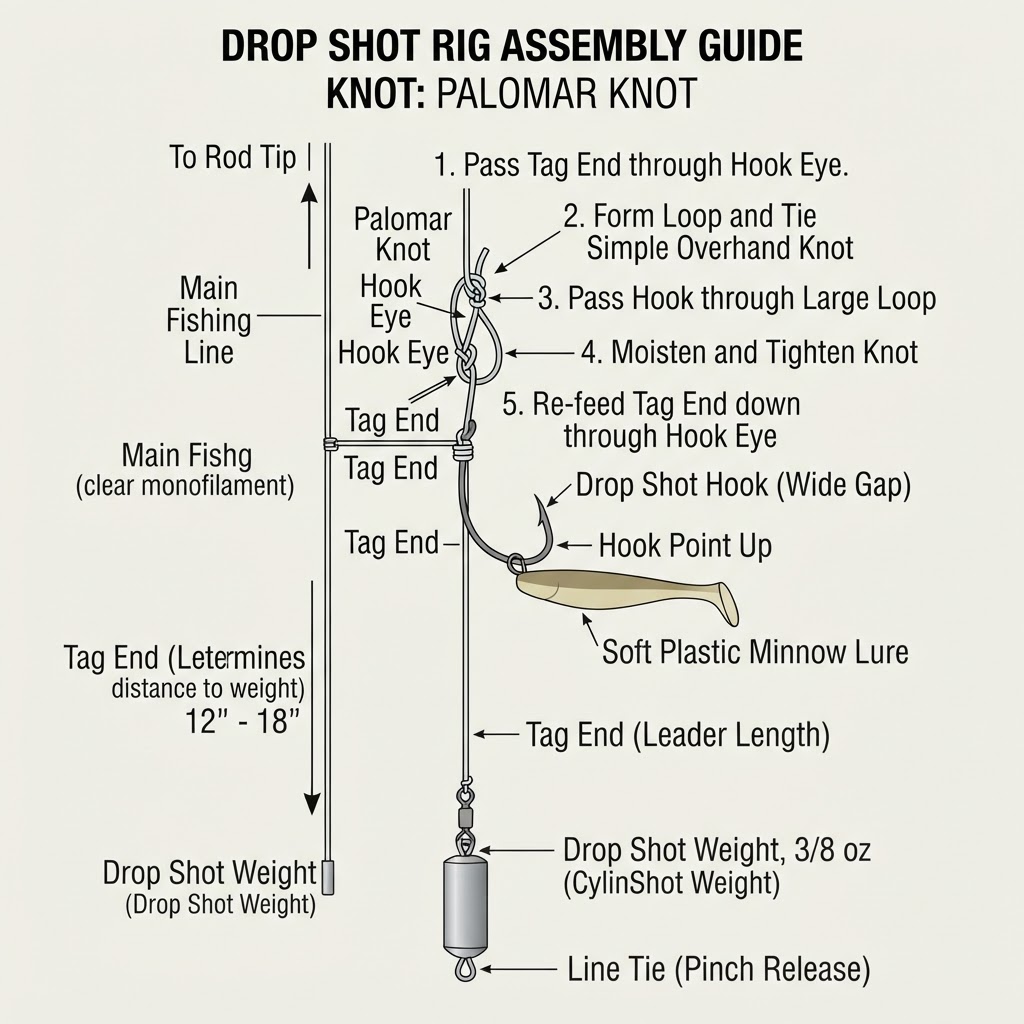 5-40 ft
Drop Shot Rig
The ultimate finesse presentation for suspended fish and those hugging the bottom in high-pressure scenarios.
 5-30 ft
Walleye Bottom Bouncer & Crawler Harness
The ultimate precision tool for dragging live bait through the strike zone to trigger neutral walleye.
Catch more walleye — free
Create a free account and unlock the full angling toolkit:
Latest from the Community