Whisker Wisdom: A Comprehensive Approach to Channel Catfish Mastery
Understanding the Channel Catfish: The Ultimate Freshwater Opportunist
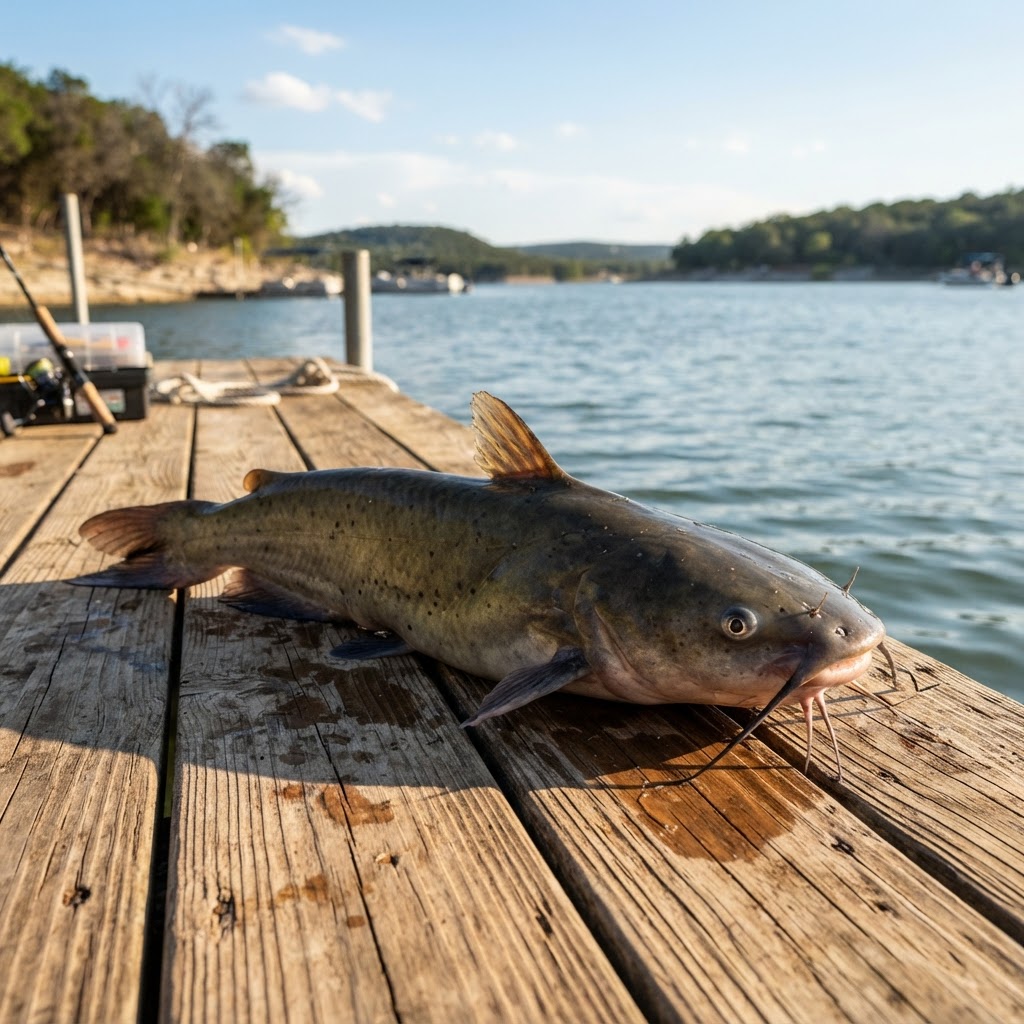
The Channel Catfish (Ictalurus punctatus) is arguably the most recognizable and widely distributed game fish in North America. Whether you are fishing a slow-moving prairie river, a massive man-made reservoir, or a local farm pond, these whisker-clad predators provide consistent action for anglers of all skill levels. At Buckeye Hunter Hub, we believe that understanding the biology of the 'Channel' is the first step toward filling your cooler.
Get in the Community feed
Hunters and anglers nationwide posting bucks, catches, trail cam pics and what's working right now.


Unlike their larger Flathead or Blue Catfish cousins, Channel Catfish are highly adaptable scavengers and hunters. They rely heavily on their acute sense of smell and their barbels—those prominent whiskers—to detect prey in murky or dark water. Their lateral lines are incredibly sensitive to low-frequency vibrations, allowing them to track down movement even in total darkness. This sensory superiority makes them ideal targets for both daylight and nighttime angling.
Habitat and Seasonal Patterns
Channel Catfish are incredibly resilient. They thrive in water temperatures between 75°F and 85°F, though they remain active in a wide variety of conditions. During the spring, look for them moving into shallow bays and tributary creeks to spawn, often tucking into rocky crevices or hollow logs. As summer hits, they transition toward deeper channels and main-lake structure. If you are struggling to find them, use our to identify submerged drop-offs and river bends, which act as primary travel corridors for foraging schools.
In the fall, the "feed bag" is on. They are preparing for winter by consuming high-protein forage, meaning they will often suspend in the water column following shad schools. In winter, they generally move to deeper, more stable water, becoming less active. For specific local regulations and seasonal closures, it is always a best practice to consult before heading out.
Raise a safe, confident young hunter.
Guide your kids ages 5–17 through interactive hunting safety missions, real decision drills, and earned trophies — all from one free parent account.
Bonus: every $10 you spend in the BHH shop earns a free seat (up to 5). Use them or share them.




Tactical Baits and Terminal Tackle
There is a long-standing debate among anglers: scent versus sight. While Channel Catfish will hit lures, they are most effectively targeted using baits that emit a strong olfactory signal.
- The Classic Cut Bait: Fresh shad, bluegill, or skipjack herring are elite baits. By cutting them into chunks, you release internal oils that create a scent trail.
- The Stink Bait Approach: For those who prefer convenience, commercial "punch baits" or dip baits remain a staple. These are designed to stick to treble hooks and offer a high-intensity scent profile.
- Natural Staples: Nightcrawlers and chicken livers are the bread and butter for beginners. They are inexpensive and consistently attract smaller, eating-sized cats.
When it comes to gear, keep it simple. A medium-heavy spinning rod paired with a 20-pound test monofilament or braid is more than enough. Use a Carolina rig or a basic slip-sinker rig to allow the fish to pick up the bait without feeling the weight of the sinker—a critical factor for cautious, larger individuals.
Advanced Strategies for Consistent Success
For the experienced angler, the game is all about refinement. If you find the fish but can't get them to commit, try 'chumming.' By dispersing a mix of range cubes, soured grain, or chopped fish near your target area, you can pull fish from a wide radius. This technique is highly effective in rivers where the current helps carry the scent downstream. For more in-depth advice on seasonal trends, be sure to check our for regular updates.
Another pro-tip: always match your weight to the current. You want your bait to stay anchored in the strike zone, but just barely. If the current is dragging your bait, you aren't in the strike zone. Use flat-bottomed 'no-roll' sinkers to ensure your presentation stays pinned to the bottom where the fish are patrolling.
Responsible Angling and Conservation
Channel Catfish are excellent table fare, but selective harvesting ensures the population remains robust. Many state agencies, such as the U.S. Fish and Wildlife Service, emphasize the importance of managing fish stocks through responsible creel limits. By keeping mid-sized fish and releasing the larger trophy-sized specimens, you help maintain the genetic vitality of the fishery.
When you land a true trophy Channel Cat, take a moment to record your success. We encourage all our readers to share their results on our to inspire others. Whether you are a beginner looking to land your first catfish or a veteran chasing a state record, the Channel Catfish offers a lifetime of angling excitement. Remember: keep your bait fresh, your lines tight, and your respect for the water high.
Catch more these fish — free
Create a free account and unlock the full angling toolkit: