
The Ultimate All-Around Spinning Rod Setup: A Practical Guide
Finding the One: The Versatility Challenge
If you ask ten anglers what the perfect rod is, you will likely get ten different answers. However, at Buckeye Hunter Hub, we believe in the philosophy of efficiency. Whether you are hitting a local pond or exploring a new reservoir via our , carrying a mountain of gear often hinders the actual enjoyment of the day. While specialized rods for finesse flipping or heavy deep-cranking have their place, the average angler benefits most from a high-quality, 'do-it-all' spinning setup.
Get in the Community feed
Hunters and anglers nationwide posting bucks, catches, trail cam pics and what's working right now.


The Anatomy of the Perfect All-Around Setup
To build a setup that truly does it all, you have to find the 'sweet spot' in rod specifications and reel capability. You are looking for a rod that has enough backbone to set a hook on a bass, yet enough tip sensitivity to detect the subtle tick of a panfish bite.
The Rod: 7-Foot Medium Power, Fast Action
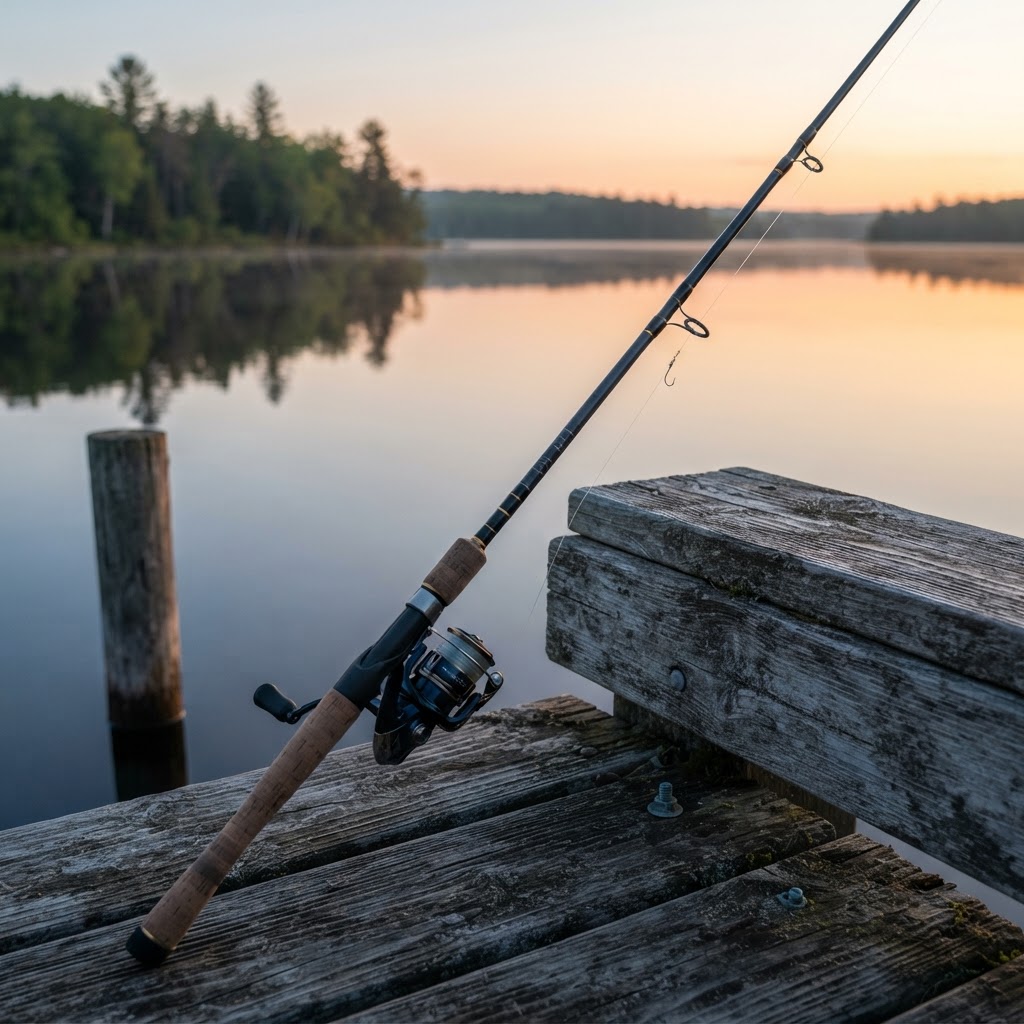
This is the industry standard for a reason. A 7-foot spinning rod with Medium power and a Fast action is the undisputed Swiss Army knife of the fishing world.
Raise a safe, confident young hunter.
Guide your kids ages 5–17 through interactive hunting safety missions, real decision drills, and earned trophies — all from one free parent account.
Bonus: every $10 you spend in the BHH shop earns a free seat (up to 5). Use them or share them.




- Medium Power: This provides the perfect balance. It is light enough to cast 1/8 oz jigs, but strong enough to handle a 3/8 or 1/2 oz spinnerbait or plastic worm.
- Fast Action: This means the rod bends primarily in the top third. This design is critical because it gives you the sensitivity needed to feel light bites, but transitions quickly into a stiff lower section for solid hook-sets.
The Reel: 2500 Series
For a 7-foot rod, a 2500 series spinning reel is the ideal weight match. It offers enough line capacity to handle the occasional long-running fish, but remains compact enough to keep your rig balanced. Look for a reel with a smooth drag system—it is the single most important component when battling a trophy catch on lighter line. According to guidelines from the U.S. Fish and Wildlife Service, using proper tackle is also a key component in ethical catch-and-release practices, ensuring the fish stays healthy after the fight.
Understanding the Tradeoffs
Choosing an all-around setup requires acknowledging the reality of compromises. By using a Medium/Fast rod, you are sacrificing the extreme precision of a specialized light-action panfish rod, and you are forfeiting the brute power of a Heavy-action flipping stick.
If you mostly fish for trophy musky or heavy saltwater species, this setup will not be sufficient. However, for 90% of freshwater applications—including bass, walleye, trout, and panfish—it is the most practical choice. For those planning trips across different states, I highly recommend checking before you head out, as gear regulations can vary significantly depending on where you are casting your line.
Line Selection: The Final Variable
Your setup is only as good as the line connecting you to the fish. For a jack-of-all-trades spinning rod, I personally recommend using 10-pound test braided line as your main line, tied to an 8-pound fluorocarbon leader.
The braid provides zero stretch, which translates to incredible sensitivity, while the fluorocarbon leader stays invisible under the water. If you are new to these setups, check out more tutorials on to learn how to tie a proper double-uni or FG knot to join these two lines.
Balancing Your Budget
One of the most frequent questions we get is: 'Do I really need to spend $300 on a rod?'
The answer is no. While expensive rods offer higher-modulus graphite and lighter components, the mid-range market has seen massive improvements. A rod in the $100–$150 range paired with a $100 reel will perform exceptionally well for years if properly maintained. Avoid the bargain-bin 'combos' found at big-box stores if you can; spending a little extra on a separate rod and reel will always result in a more durable, enjoyable experience.
Final Thoughts
Developing your skills is more important than the brand on your rod handle. Once you have your new all-around setup dialed in, make sure to get out on the water and start refining your technique. Whether you land a personal best or just enjoy a quiet morning on the lake, we love to see what you catch—be sure to post your success to our so our readers can celebrate your win with you.
Remember, the best rod is the one that is in your hand, not sitting in your garage. Invest in a solid, versatile setup, keep your gear clean, and spend your time where it counts: on the water.
Catch more these fish — free
Create a free account and unlock the full angling toolkit: