The Evolution of Angling Vision: Selecting Your Ideal Marine Electronics Suite
Beyond the Naked Eye: Understanding Your Modern Fishing Toolkit
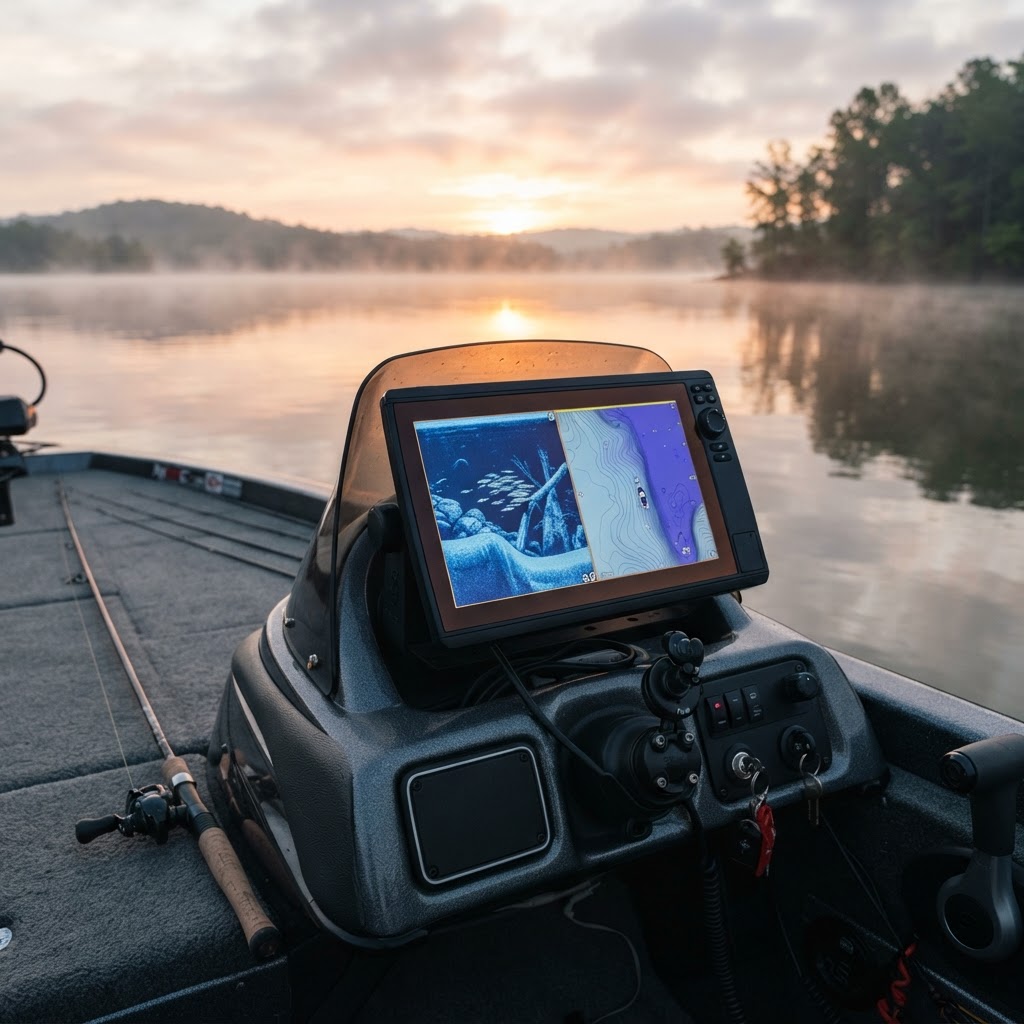
There was a time when success on the water was defined solely by intuition, experience, and perhaps a paper map. While those traits remain the foundation of any great angler, the rapid evolution of marine electronics has fundamentally changed how we interpret the underwater world. At Buckeye Hunter Hub, we believe technology should be an aid to your instincts, not a replacement for them. Whether you are fishing the vast expanse of a Great Lake or a quiet local pond, understanding the trade-offs between different sonar technologies is essential for building a setup that actually helps you catch fish.
Get in the Community feed
Hunters and anglers nationwide posting bucks, catches, trail cam pics and what's working right now.


The Foundation: Flashers vs. 2D Sonar
For many ice anglers and traditional vertical jigging enthusiasts, the mechanical flasher remains the gold standard for immediate feedback. The beauty of a flasher lies in its simplicity and lack of latency; you see your jig and the approaching fish in real-time. However, for those navigating complex structure, 2D sonar remains the baseline requirement. Unlike a flasher, 2D sonar provides a historical view of what you have passed over, which is crucial for identifying bottom composition—hard mud versus soft silt, for instance. If you are just starting your journey, a simple unit with reliable 2D sonar is all you need to begin .
Side Imaging and Down Imaging: Painting the Picture
Once you have mastered the basics, move to imaging technology. Side Imaging (SI) is arguably the most significant advancement for covering water efficiently. It allows you to scan hundreds of feet to the left and right of your boat, helping you identify brush piles, boulders, or submerged timber that would otherwise take hours to locate with a 2D beam. Down Imaging (DI) complements this by providing a photo-like view directly beneath the transducer, allowing you to distinguish between a cluster of baitfish and a trophy predator hiding in the weeds. When exploring new territory, check your state fishing resources to ensure your electronics setup aligns with local conservation rules regarding electronic assistance.
Raise a safe, confident young hunter.
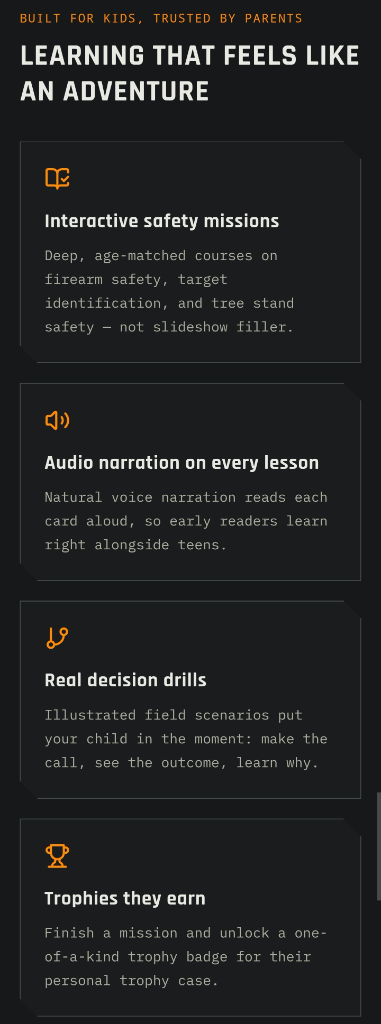
Guide your kids ages 5–17 through interactive hunting safety missions, real decision drills, and earned trophies — all from one free parent account.
Bonus: every $10 you spend in the BHH shop earns a free seat (up to 5). Use them or share them.


The Forward-Facing Sonar Revolution
Forward-Facing Sonar (FFS) has taken the fishing world by storm, offering a live, 3D-like view of fish reacting to your lure in real-time. It is the ultimate tool for precision casting. However, it comes with a steep learning curve and a significant financial investment. The danger with FFS is "screen watching"—spending so much time staring at the display that you lose your situational awareness on the water. We recommend using FFS as a verification tool rather than a constant guide. Use your navigation charts to find the structure first, then deploy the FFS to see if the fish are active. For those looking to see how other anglers utilize these tools in their own setups, our features many successful anglers who have integrated this tech into their personal arsenals.
Balancing Budget and Utility
Technology is only as good as the person operating it. If you spend your entire budget on a high-end unit but lack a reliable trolling motor or a well-maintained outboard, you will find yourself frustrated.
The Entry-Level Angler
Look for a combination unit that offers reliable 2D sonar and basic GPS plotting. This will help you keep track of successful spots without breaking the bank. You can find more advice on gear curation in .
The Weekend Warrior
Focus on a mid-tier unit with Down Imaging. The ability to see structure beneath you is far more valuable than fancy features you may never use. A 7-inch to 9-inch screen is often the sweet spot for balance and visibility.
The Tournament Competitor
If you are serious about competitive angling, consider a networked system. A networked setup allows you to share transducers and waypoints between a console unit and a bow unit, ensuring your data is synchronized across the boat. This level of investment is significant, but it pays dividends when you need to switch rapidly between mapping, side imaging, and forward-facing views.
Final Thoughts: Technology as an Aid
Regardless of which screen you have on your dash, remember that the most important piece of equipment is your observation of the environment. Electronics are meant to augment the experience, not define it. Weather patterns, barometric pressure, and water temperature are all variables that a machine can tell you, but it is your job as an angler to interpret what that means for your next cast. Invest in quality components, keep your screen protected, and spend more time practicing with your setup until it becomes second nature. When you finally find that perfect, hidden piece of structure, you will appreciate the technology—but you will take pride in the skill it took to find it.
Catch more these fish — free
Create a free account and unlock the full angling toolkit: