Surface Tension: Mastering Dry Fly Presentations on Running Water
The Allure of the Rise
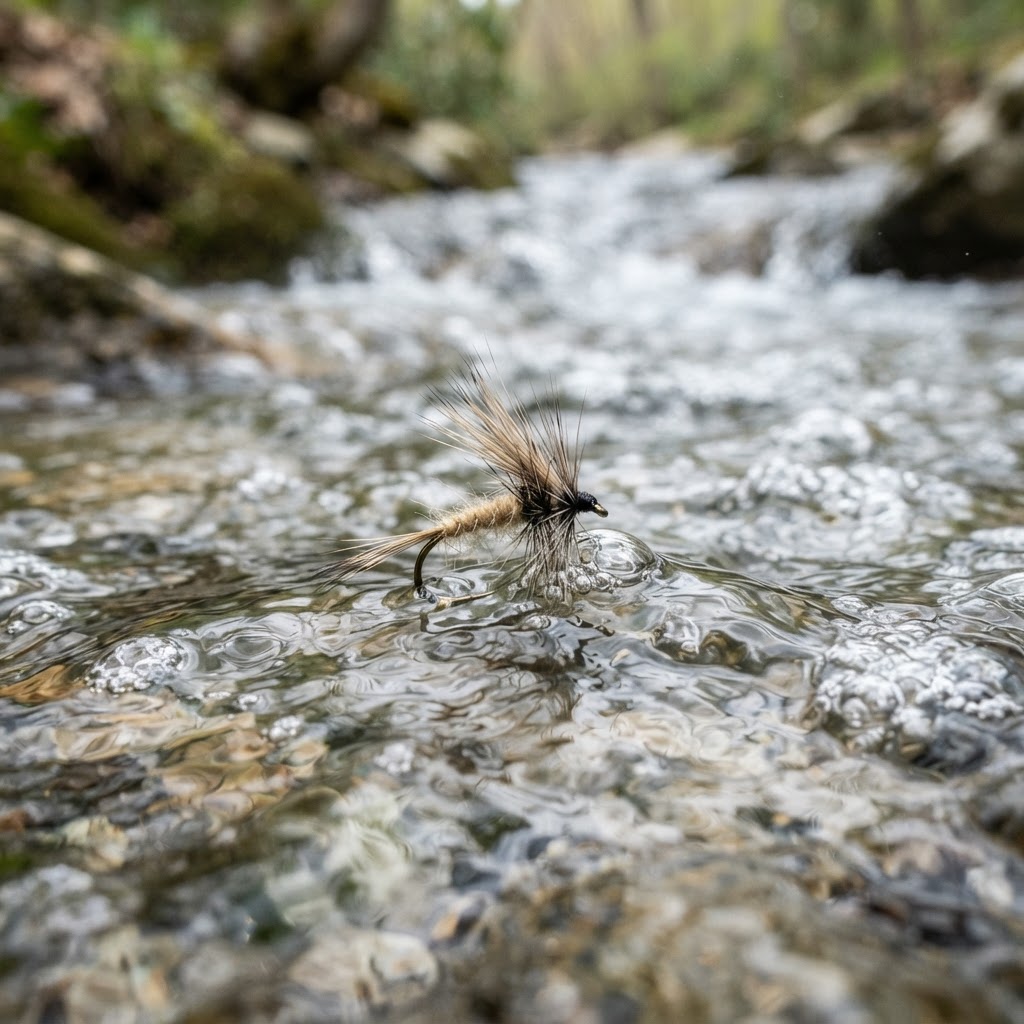
There is perhaps no moment in angling more electrifying than watching a trout rise to sip a perfectly placed dry fly. Unlike the mechanical feel of pulling lures through deep water, dry fly fishing is an exercise in patience, observation, and finesse. Whether you are stalking spring creeks in Pennsylvania or high-altitude alpine streams in the Rockies, the ability to fool a fish on the surface is a skill that elevates your entire angling repertoire.
Get in the Community feed
Hunters and anglers nationwide posting bucks, catches, trail cam pics and what's working right now.


At Buckeye Hunter Hub, we believe that success starts long before the cast. It begins with understanding how water velocity interacts with your fly line and how to manipulate that relationship to achieve the perfect, natural presentation.
Reading the Current: The Foundation of the Drift
Before you even tie on a fly, take five minutes to stand back and watch the river. Water in a stream rarely moves at a uniform speed. You will see ribbons of fast water bordered by slower pockets, seams, and eddies. If your line is caught in a faster current than your fly, it will pull on the fly, creating 'drag.' This unnatural movement is a dead giveaway to trout, which have evolved to recognize insects that drift passively with the current.
To manage this, utilize mending. A well-executed reach cast or an aerial mend can place your line in a way that minimizes the influence of these different current speeds. When you are scouting new territories, keep an eye on our to identify public access points where you can practice these drifts without interference.
Raise a safe, confident young hunter.
Guide your kids ages 5–17 through interactive hunting safety missions, real decision drills, and earned trophies — all from one free parent account.




Essential Gear for Surface Presentations
While you don't need a boatload of gear for dry fly fishing, precision matters. A 4-weight or 5-weight rod is the industry standard for a reason: it offers the perfect balance of sensitivity for detecting subtle takes and the backbone required to mend line at distance.
Focus on your leader setup. For dry flies, a long, tapered leader—usually 9 to 12 feet—is essential. The butt section provides the turnover energy, while the thin tippet (5X or 6X) allows the fly to float without being yanked around by the weight of the line. Always consult the for your destination to ensure your tackle complies with local regulations regarding hooks and leader length.
Pattern Selection: Matching the Hatch
It is easy to get overwhelmed by the sheer variety of dry flies in a shop, but keep it simple. Start by observing the surface. Are there tiny midges? Are there large Mayflies (Ephemeroptera) or Caddisflies? If you are unsure, a 'searching' pattern like a Parachute Adams or an Elk Hair Caddis will cover most scenarios.
When fish are actively rising, accuracy is more important than pattern perfection. A fly that is the right size and color, presented with a drag-free drift, will almost always outperform a 'perfect' imitation that is dragging across the surface. If you are struggling to find rising fish, check the latest reports on for seasonal hatch updates across different regions.
Tactical Tips for Success
- The Downstream Approach: If possible, work your way upstream. Trout face into the current to feed. By approaching from behind, you are less likely to spook them with your silhouette or the disturbance of your line.
- The Soft Landings: Dry fly fishing is not about power; it is about the grace of the presentation. Focus on a high rod tip and a gentle release of the line to ensure the fly settles softly on the water, rather than slapping down.
- Stay Low: In clear, shallow water, your silhouette against the sky is a major deterrent. If the bank allows, kneel or stay low to the ground to keep your profile within the bank’s contour.
Conservation and Ethics
Dry fly fishing often takes place in fragile ecosystems. Always follow Leave No Trace principles. If you land a beauty, keep it in the water as much as possible, especially during the warmer summer months. For specific catch-and-release guidelines, refer to the U.S. Fish and Wildlife Service or your local state wildlife agency. Taking the time to handle fish properly ensures that the next angler—and the next generation—will have the same opportunity to enjoy the challenge of the surface rise. When you do land a trophy, don't forget to document your journey on our community catch wall to inspire others.
Catch more these fish — free
Create a free account and unlock the full angling toolkit: