Sub-Zero Panfish: Vertical Jigging Secrets for Winter Crappie
The Winter Crappie Mindset
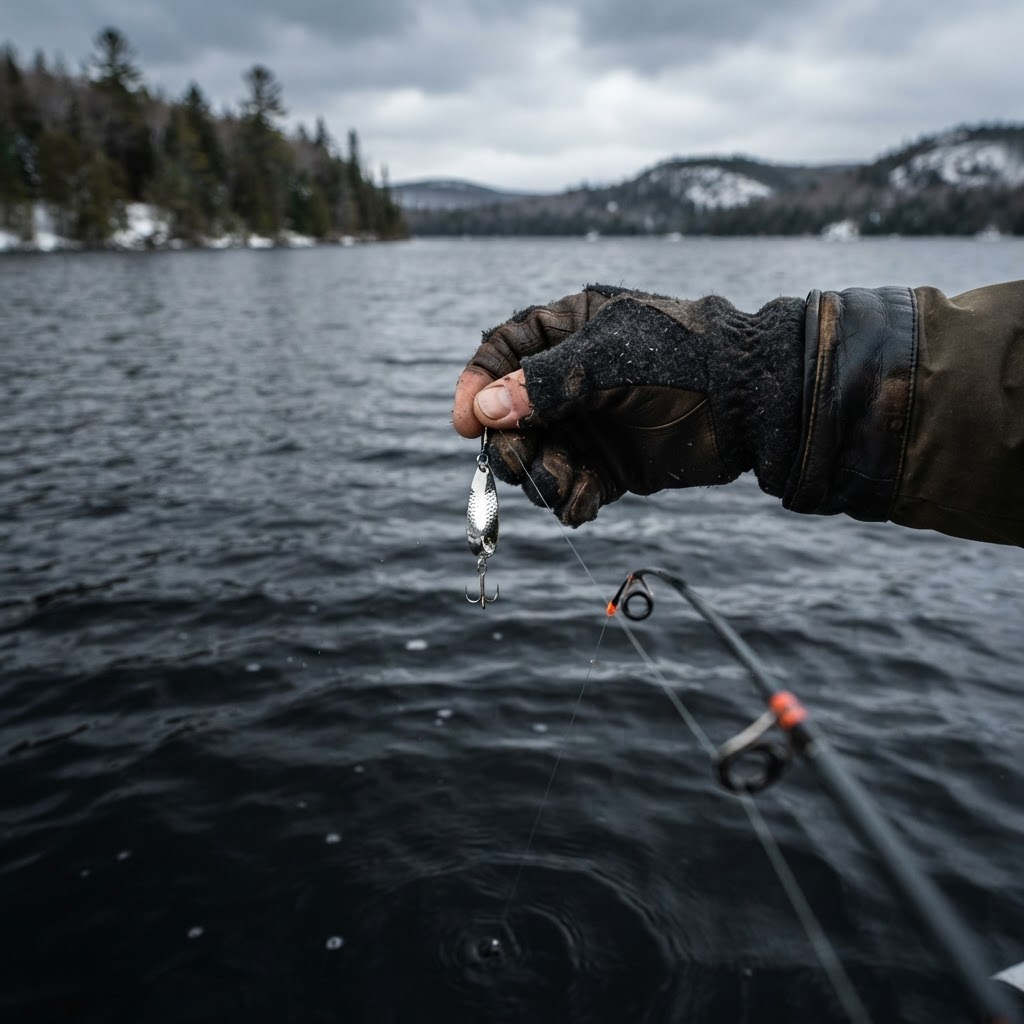
As the mercury drops and ice begins to skim the edges of your favorite local lakes, many anglers pack away their gear until spring. For the dedicated, however, winter offers some of the most consistent and rewarding crappie fishing of the year. During the cold months, crappie undergo a metabolic shift, congregating in tight, predictable schools around deep structure. By utilizing vertical jigging techniques, you can effectively present baits right in front of these lethargic fish, turning a slow winter day into a high-action outing.
Get in the Community feed
Hunters and anglers nationwide posting bucks, catches, trail cam pics and what's working right now.


Locating the Schools
Success in the winter starts long before you pick up a rod. Crappie are master structure-huggers during the winter, often suspending over deep basins or hovering near standing timber in 15 to 30 feet of water. Before heading out, consult our to identify submerged creek channels, drop-offs, and brush piles that hold heat and provide cover.
Modern sonar is your greatest ally here. You are looking for the 'Christmas tree' effect on your display—a tight cluster of arches near a piece of structure. Keep your boat speed slow as you scan these areas. Because these fish are often lethargic, you might need to drop a waypoint and return to it multiple times throughout the day, as schools may move only a few yards to follow baitfish. For specific regulations regarding winter limits or ice fishing safety in your area, be sure to review the latest provided by local wildlife agencies like the Ohio Department of Natural Resources.
The Vertical Jigging Arsenal
Raise a safe, confident young hunter.
Guide your kids ages 5–17 through interactive hunting safety missions, real decision drills, and earned trophies — all from one free parent account.
Bonus: every $10 you spend in the BHH shop earns a free seat (up to 5). Use them or share them.


In cold water, finesse is everything. Winter crappie are rarely interested in aggressive chasing, so your presentation must be subtle and precise.
The Rod and Reel
Use a sensitive ultra-light or light power spinning rod, preferably 6 to 7 feet long, with a soft tip to detect the lightest 'thumps.' Pair this with a high-quality reel spooled with 4-pound test monofilament or fluorocarbon. Braided line is excellent for sensitivity, but in freezing conditions, it tends to retain water and freeze in the guides. If you prefer braid, keep a small bottle of line conditioner on hand to prevent ice buildup.
Jig Selection
Micro-jigs ranging from 1/32 to 1/16 ounce are the industry standard. Tipping your jig with a small soft-plastic curly tail or a tube jig can add that necessary vibration. If the bite is particularly tough, don't be afraid to add a live minnow. The natural scent and erratic movement of a live minnow often trigger strikes from stubborn, suspended fish that would otherwise ignore artificial lures.
Perfecting the Presentation
Once you have located a school using your electronics, the goal is to keep your bait at the exact depth of the fish.
The 'Hover and Hold'
Lower your jig slowly until it is six inches to a foot above the marks on your screen. The key to winter jigging is the 'dead-stick' or 'hover' technique. Hold your rod as still as possible; your heartbeat and natural tremors are often enough to give the jig a subtle, life-like animation. If you don't get a strike within 30 seconds, give the rod a tiny, sharp snap—just enough to make the tail of the plastic twitch—and then let it return to a dead hover.
Reading the Bite
Winter crappie bites are often incredibly light. You might not feel a 'tug' so much as a loss of tension or a slight increase in weight. If your line goes slack suddenly, or if you feel a strange 'mushiness' while jigging, set the hook immediately. Many anglers find success by watching their line intently; if it moves to the side or jumps even a fraction of an inch, swing the rod tip upward with a smooth, firm motion.
Staying Comfortable and Sharing Success
Winter fishing requires physical endurance. Dressing in layers is essential, as is bringing a portable heater if you are fishing from a boat. If you manage to land a slab-sized crappie, don't forget to document your success. We love seeing what our community is hauling in, so be sure to upload your catch to the to share your tips and inspire others. For more deep-dive tactics on panfish and other species, check back frequently at for our latest seasonal updates.
Fishing for winter crappie isn't just about catching fish—it’s about mastering the art of patience. By focusing on your electronics, refining your vertical presentation, and respecting the lethargic nature of the species, you can enjoy some of the most productive fishing of your life, even when the world around you is frozen.
Catch more these fish — free
Create a free account and unlock the full angling toolkit: